
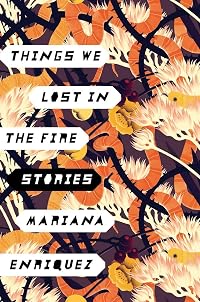
Things We Lost in the Fire: Stories
by Mariana Enríquez
On This Page
Description
An arresting collection of short stories, reminiscent of Shirley Jackson and Julio Cortazar, by an exciting new international talent.Tags
Recommendations
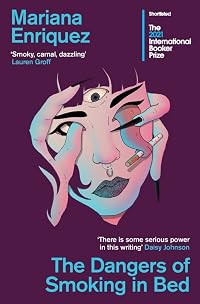
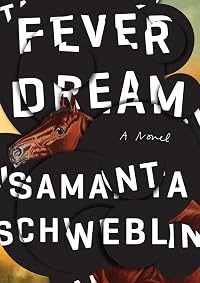

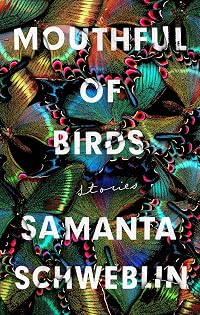



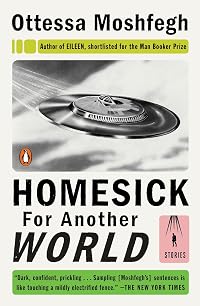
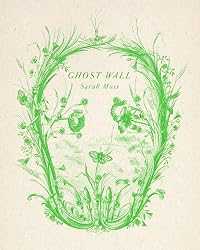
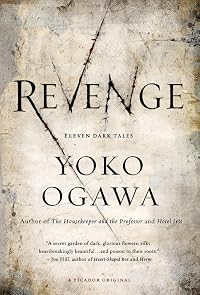
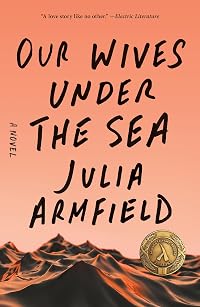
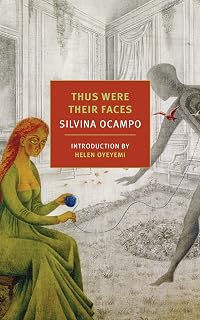


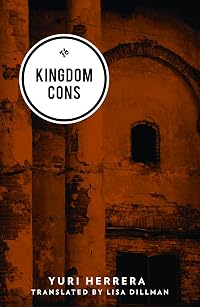
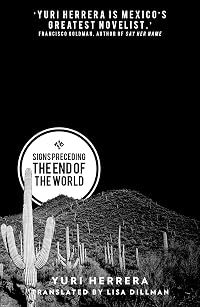

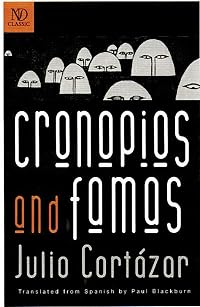


Member Recommendations
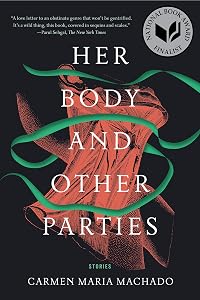
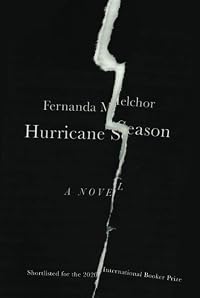
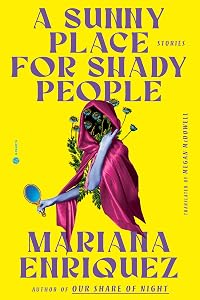
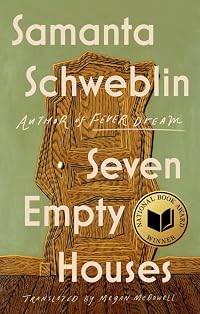
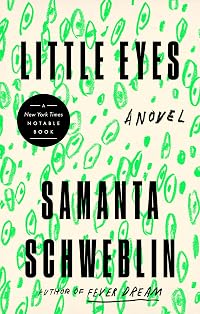
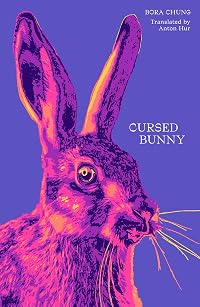
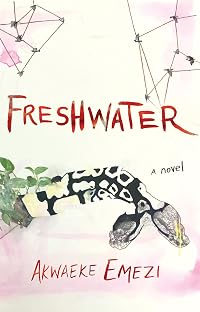
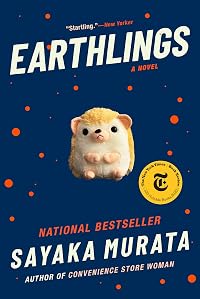
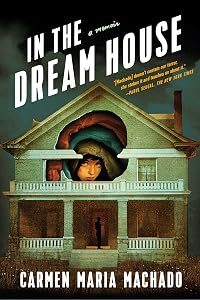
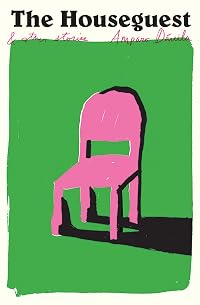
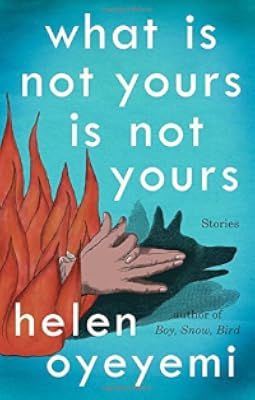
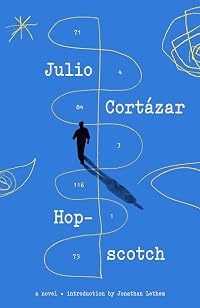
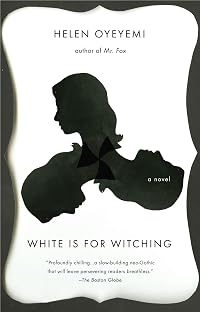
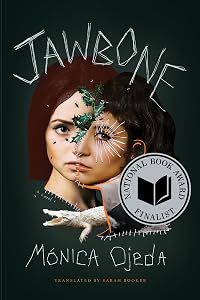
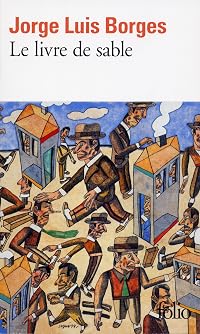
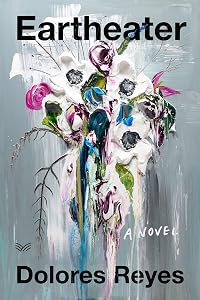
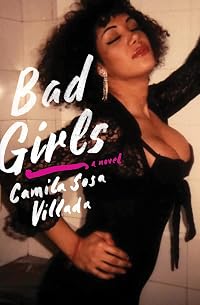
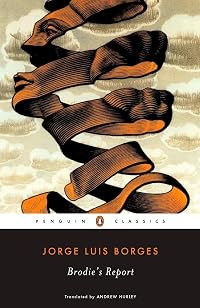
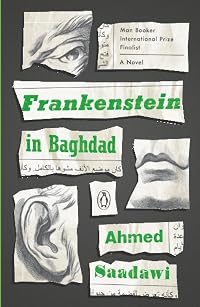
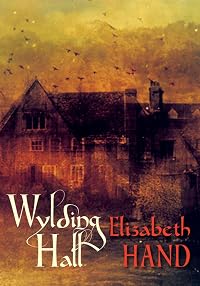
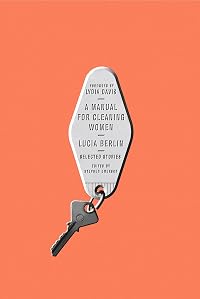
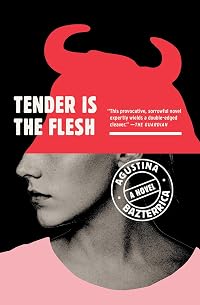
banjo123 Both books made my skin crawl, in a good way. Both deal with environmental issues.


Member Reviews
‘’The gaucho is good,’’ he said. ‘’But the other one isn’t.’’
He said it in a quiet voice, looking at the candles.
‘’What other one?’’, I asked. ‘
’The skeleton’’, he said. ‘’There are skeletons back there.’’
Uncompromising women. People in the margins of their society. Citizens fighting against tyranny. Black magic. Folklore. Haunted buildings. Haunted souls. Threat and compassion. Fight and terror. Despair and persecution. Violence and disbelief. Toil and disillusionment.
In Mariana Enriquez’s world, you need to tread carefully. Once you enter her universe, there is no going back. The macabre, the raw, the real. Life is waiting for you…
The Dirty Kid: A poignant story about a dilapidated show more neighbourhood, children forsaken and lost, a brave woman and the futility of trying to help. A tale of Santa Muerte, Pomba Giro, and Gaucho Gil.
The Inn: A story about a mysterious provincial town, dark buildings and the relationship between two teenage girls. A solemn (and insolent) marriage of teenage sexuality and the terror of the State.
The Intoxicated Years: A company of teenage girls try to cope with broken families and all kinds of disappointment by consuming drugs, drugs and more drugs during the years of the daily power cuts and the deep poverty in Argentina.
‘’The house tells us the stories. You don’t hear it?’’
‘’Poor thing,’’ said Pablo. ‘’She doesn’t gear the house’s voice.’’
‘’It doesn’t matter’’, said Adela. ‘’We’ll tell her.’’
And they told me.
About the old woman, whose eyes had no pupils but who wasn’t blind.
About the old man, who burned medical books out by the empty chicken coop, in the backyard.
About the backyard, just as dry and dead as the front, full of little holes like the dens of rats.
About a faucet that never stopped dripping, because the thing that lived in the house needed water.’’
Adela’s House: A sad, haunting story about three brilliant children and a strange house. What starts as a typical ‘’haunted house’’ tale becomes a sinister cautionary tale. I loved it!
An Invocation of the Big-Eared Runt: A guide specializing in True Crime tours in Buenos Aires is suddenly haunted by Argentina’s worst serial killer, the murderer of children. The images of Orehudo’s crimes and the difficulties at home create a haunting combination. The closure will stay with you…
‘’I don’t like the word chicharra; I wish they were always called cicadas, which is only used when they’re in the larval stage. If they were called cicadas, their summer noise would remind me of the violet flowers of the jacaranda trees along the Parana or the white stone mansions with their staircases and their willows. But as it is, as chicharras, they make me remember the heat, the rotting meat, the blackouts, the drunks who stare with bloodshot eyes from their benches in the park.’’
Spiderweb: The trip to Paraguay takes a very strange turn for our sympathetic narrator, her spirited cousin and the worthless piece of mear that is actually her husband. Dictatorship, local legends, nightly dangers form an enticing mixture of the crazy and the solemn. Who weaves the web and or whom?
End of Term: A painful -literally - story of a girl who practically mutilates herself, haunted by a man and the girl who tries to help her. Dark, haunting and raw.
‘’Vera and I will be beautiful and light, nocturnal and earthly; beautiful, the crusts of earth enfolding us. Hollow, dancing skeletons. Vera and I - no flesh over our bones.’’
No Flesh Over Our Bones: A young woman becomes obsessed with an abandoned human skull.
The Neighbour’s Courtyard: A social worker whose unspeakable negligence led to disaster believes that a boy has been kidnapped and tortured by her neighbour. This story had potential but ended up being a rather dubious commentary on mental health. Not to mention that it was disgusting. There is a difference between the raw and the uncanny and the violent just for the sake of shock value. I was angry and disgusted.
‘’In his house, the dead man waits dreaming.’’
Under the Black Water: A nightmarish story of a woman who tries to find the murderer of a teenage boy, a slum city full of violence and death, and the cult of the dead. In my opinion, this was the finest moment in the collection and a powerful commentary on the violence and discrimination against the ones who live in the margins of a troubled society full of corruption and crime.
Green, Red, Orange: A story about the terrible hikikomori phenomenon, the lethal dangers of the Internet and mental health. Very poignant and acute in its honesty.
Things We Lost In the Fire: I averted my eyes from the page quite a few times while I was reading this story. Not because of disgust but because of rage and a striking feeling of despair and helplessness. When men start committing unspeakable crimes against their wives, the women decide that it is time to pay them back. Them and the society that allows this to continue. Domestic violence is seen under a raw, poignant light in the story that concludes a demanding, ‘’difficult’’ collection.
You can't sit and wait for others to defend you. They won't. You have to stand your ground and have the guts to attack (mercilessly and uncompromisingly) when your dignity is threatened. This has been my motto and my compass for 36 years and it sure as Hell won't change now!
Outstanding translation by Megan McDowell who also penned a superb Translator’s Note.
‘’Do you know the kind of foulness that reaches us here? The shit from all the houses, all the filth from the sewers, everything! Layers and layers of filth to keep it dead or asleep. It’s the same thing, I believe sleep and death are the same thing. And it worked, until people started to do the unthinkable: they swam under the black water. And they woke the thing up. Do you know what ‘Emanuel’ means? It means ‘God is with us.’ The problem is, what God are we talking about?’’
My reviews can also be found on https://theopinionatedreaderblog.wordpress.com/ show less
He said it in a quiet voice, looking at the candles.
‘’What other one?’’, I asked. ‘
’The skeleton’’, he said. ‘’There are skeletons back there.’’
Uncompromising women. People in the margins of their society. Citizens fighting against tyranny. Black magic. Folklore. Haunted buildings. Haunted souls. Threat and compassion. Fight and terror. Despair and persecution. Violence and disbelief. Toil and disillusionment.
In Mariana Enriquez’s world, you need to tread carefully. Once you enter her universe, there is no going back. The macabre, the raw, the real. Life is waiting for you…
The Dirty Kid: A poignant story about a dilapidated show more neighbourhood, children forsaken and lost, a brave woman and the futility of trying to help. A tale of Santa Muerte, Pomba Giro, and Gaucho Gil.
The Inn: A story about a mysterious provincial town, dark buildings and the relationship between two teenage girls. A solemn (and insolent) marriage of teenage sexuality and the terror of the State.
The Intoxicated Years: A company of teenage girls try to cope with broken families and all kinds of disappointment by consuming drugs, drugs and more drugs during the years of the daily power cuts and the deep poverty in Argentina.
‘’The house tells us the stories. You don’t hear it?’’
‘’Poor thing,’’ said Pablo. ‘’She doesn’t gear the house’s voice.’’
‘’It doesn’t matter’’, said Adela. ‘’We’ll tell her.’’
And they told me.
About the old woman, whose eyes had no pupils but who wasn’t blind.
About the old man, who burned medical books out by the empty chicken coop, in the backyard.
About the backyard, just as dry and dead as the front, full of little holes like the dens of rats.
About a faucet that never stopped dripping, because the thing that lived in the house needed water.’’
Adela’s House: A sad, haunting story about three brilliant children and a strange house. What starts as a typical ‘’haunted house’’ tale becomes a sinister cautionary tale. I loved it!
An Invocation of the Big-Eared Runt: A guide specializing in True Crime tours in Buenos Aires is suddenly haunted by Argentina’s worst serial killer, the murderer of children. The images of Orehudo’s crimes and the difficulties at home create a haunting combination. The closure will stay with you…
‘’I don’t like the word chicharra; I wish they were always called cicadas, which is only used when they’re in the larval stage. If they were called cicadas, their summer noise would remind me of the violet flowers of the jacaranda trees along the Parana or the white stone mansions with their staircases and their willows. But as it is, as chicharras, they make me remember the heat, the rotting meat, the blackouts, the drunks who stare with bloodshot eyes from their benches in the park.’’
Spiderweb: The trip to Paraguay takes a very strange turn for our sympathetic narrator, her spirited cousin and the worthless piece of mear that is actually her husband. Dictatorship, local legends, nightly dangers form an enticing mixture of the crazy and the solemn. Who weaves the web and or whom?
End of Term: A painful -literally - story of a girl who practically mutilates herself, haunted by a man and the girl who tries to help her. Dark, haunting and raw.
‘’Vera and I will be beautiful and light, nocturnal and earthly; beautiful, the crusts of earth enfolding us. Hollow, dancing skeletons. Vera and I - no flesh over our bones.’’
No Flesh Over Our Bones: A young woman becomes obsessed with an abandoned human skull.
The Neighbour’s Courtyard: A social worker whose unspeakable negligence led to disaster believes that a boy has been kidnapped and tortured by her neighbour. This story had potential but ended up being a rather dubious commentary on mental health. Not to mention that it was disgusting. There is a difference between the raw and the uncanny and the violent just for the sake of shock value. I was angry and disgusted.
‘’In his house, the dead man waits dreaming.’’
Under the Black Water: A nightmarish story of a woman who tries to find the murderer of a teenage boy, a slum city full of violence and death, and the cult of the dead. In my opinion, this was the finest moment in the collection and a powerful commentary on the violence and discrimination against the ones who live in the margins of a troubled society full of corruption and crime.
Green, Red, Orange: A story about the terrible hikikomori phenomenon, the lethal dangers of the Internet and mental health. Very poignant and acute in its honesty.
Things We Lost In the Fire: I averted my eyes from the page quite a few times while I was reading this story. Not because of disgust but because of rage and a striking feeling of despair and helplessness. When men start committing unspeakable crimes against their wives, the women decide that it is time to pay them back. Them and the society that allows this to continue. Domestic violence is seen under a raw, poignant light in the story that concludes a demanding, ‘’difficult’’ collection.
You can't sit and wait for others to defend you. They won't. You have to stand your ground and have the guts to attack (mercilessly and uncompromisingly) when your dignity is threatened. This has been my motto and my compass for 36 years and it sure as Hell won't change now!
Outstanding translation by Megan McDowell who also penned a superb Translator’s Note.
‘’Do you know the kind of foulness that reaches us here? The shit from all the houses, all the filth from the sewers, everything! Layers and layers of filth to keep it dead or asleep. It’s the same thing, I believe sleep and death are the same thing. And it worked, until people started to do the unthinkable: they swam under the black water. And they woke the thing up. Do you know what ‘Emanuel’ means? It means ‘God is with us.’ The problem is, what God are we talking about?’’
My reviews can also be found on https://theopinionatedreaderblog.wordpress.com/ show less
I delved in and out of this book over a few weeks. The stories are heavy-going in the sense of their content because they are disturbing. The translator’s note at the end perfectly describes why. Hinted at as it begins with “A shadow hangs over Argentina and its literature.” The author's subtle blend of reality and fiction make her stories resonate like a susurration in your ear, leaving the reader unsettled. Categorised as Gothic Horror, they are not that easy to define. I’m not saying I loved or even liked every story, but I could understand what the author has done and admire her skill.
This little book of short stories provides just enough juice to scare yourself silly. Set in South America, where real life is spooky enough, Enriquez guides you to the edge of fear before disappearing before your very eyes (or imagination). The human mind can conjure up terrors worse than any old ghost story and she’s an expert at surprise. Some stories you may shake off but others… well, I’ll just wager some of them will visit your dreams after reading.
An advanced reader’s copy of this book was provided for an honest review.
An advanced reader’s copy of this book was provided for an honest review.
 This review was written for LibraryThing Early Reviewers.
The twelve short stories in Things We Lost in the Fire center on narratives grounded in the more mundane horrors of modern life in Argentina until they turn macabre and supernaturally sinister. Each story is a gem of darkly creeping horror that fans of luminaries like Shirley Jackson and Kelly Link will love.
While blending horror with regular life is by no means a new concept, what elevates these stories from the rest is how seamlessly Enriquez blends the more sinister and fantastic elements of these pieces to frameworks grounded in the real world. Enriquez executes these disparate elements so well that it is sometimes hard to tell where the transition from reality to horror story begins to happen. Partly this is because she doesn't shy show more away from addressing the dark history of Argentina nor the modern problems which plague it. Instead of overshadowing the reality, Enriquez uses elements of the horror genre to stare into the dark shadows of her country and record her observations in unflinching and painfully human prose. When the supernatural and unexplained creep into these stories, they are a manifestation of the horrors of reality. This is not a collection for closure. There is no comfort here. show less
While blending horror with regular life is by no means a new concept, what elevates these stories from the rest is how seamlessly Enriquez blends the more sinister and fantastic elements of these pieces to frameworks grounded in the real world. Enriquez executes these disparate elements so well that it is sometimes hard to tell where the transition from reality to horror story begins to happen. Partly this is because she doesn't shy show more away from addressing the dark history of Argentina nor the modern problems which plague it. Instead of overshadowing the reality, Enriquez uses elements of the horror genre to stare into the dark shadows of her country and record her observations in unflinching and painfully human prose. When the supernatural and unexplained creep into these stories, they are a manifestation of the horrors of reality. This is not a collection for closure. There is no comfort here. show less
This review was written for LibraryThing Early Reviewers.“The stench of resignation was in the air and seeped from the twisted mouths of embittered people, including the whiny parents we scorned now more than ever.”
This is an impressive collection of twelve stories, mostly set in Argentina. Many of the tales take place in impoverished areas and there is murder, self-immolation, drug use, black magic and other ghostly leanings, all told in a strong, strikingly, original voice. I like my books and stories dark, but this one continues to give me the creeps. A bold debut and I will forward to seeing what this young author does next.
This is an impressive collection of twelve stories, mostly set in Argentina. Many of the tales take place in impoverished areas and there is murder, self-immolation, drug use, black magic and other ghostly leanings, all told in a strong, strikingly, original voice. I like my books and stories dark, but this one continues to give me the creeps. A bold debut and I will forward to seeing what this young author does next.
This review was written for LibraryThing Early Reviewers.This is an entertaining, intriguing, different collection of stories than you will normally see. Obviously, they have an exotic flair; the author is Argentinian and the stories are translated from that language. But they also have a surrealism that will sneak up on you as you read through the collection.
The collection starts with stories that seem to tell tales of life from the streets. “The Dirty Kid” is the story of a woman who continues to live in a part of town that has quickly deteriorated. She becomes enmeshed in the life of a child from the streets and, while there are some religious overtones (or is that voodoo?) the story is relatively straightforward.
Similarly, the next two stories, “The Inn”, and “The Intoxicated show more Years” are relatively straightforward stories of youth and experience, each with a hint of something surreal, but definitely grounded in reality.
However, the stories begin to take a turn with “Adela’s House”, the story of three friends who have a disturbing experience with an abandoned house. The story starts out as straightforward as the preceding ones. But then there is a turn, and we have moved to the realm of horror.
And with that turn, all bets are off. “An invocation of the Big-Eared Runt” is the story of a man who provides guided tours of murder site, only to begin to associate with one of them a little too strongly. “Spiderweb” tells a story about a woman who has made a poor choice in the man she marries, and her sister’s approach to the problem. Even the titles indicate the disturbed stories that are to be told. Titles such as “No Flesh Over Our Bones”, “Under the Black Water”, and “Things We Lost in the Fire” are an indication that a disturbing story is about to be told. It won’t be exactly what is expected, but there are horrifying aspects that are derived far too logically from the experiences of everyday life.
Marian Enriquez may be from Argentina, but, like any good author/storyteller, she speaks with a universal voice. Each of these stories is grounded in the real-life travails and issues we have all faced. The people feel real, no matter how unreal the ensuring events. And that is one of the great powers of these stories. They do not go reeling into horror, but plant themselves firmly in a reality that allows for the ensuing results to seem perfectly normal.
And those results are chilling. But that is another reason the stories are so successful. The disturbing and sometimes gruesome results (the aspects of horror contained in many of these stories) provide an insight into the underlying problems these protagonists face. And, even though they are horrific, the reader gains an insight into the issues that have led to these horrors, and an insight into how people actually react to these situations.
These stories should be read because they are good, well-told stories. But they should also be read because they do so much more than just tell a good story. show less
The collection starts with stories that seem to tell tales of life from the streets. “The Dirty Kid” is the story of a woman who continues to live in a part of town that has quickly deteriorated. She becomes enmeshed in the life of a child from the streets and, while there are some religious overtones (or is that voodoo?) the story is relatively straightforward.
Similarly, the next two stories, “The Inn”, and “The Intoxicated show more Years” are relatively straightforward stories of youth and experience, each with a hint of something surreal, but definitely grounded in reality.
However, the stories begin to take a turn with “Adela’s House”, the story of three friends who have a disturbing experience with an abandoned house. The story starts out as straightforward as the preceding ones. But then there is a turn, and we have moved to the realm of horror.
And with that turn, all bets are off. “An invocation of the Big-Eared Runt” is the story of a man who provides guided tours of murder site, only to begin to associate with one of them a little too strongly. “Spiderweb” tells a story about a woman who has made a poor choice in the man she marries, and her sister’s approach to the problem. Even the titles indicate the disturbed stories that are to be told. Titles such as “No Flesh Over Our Bones”, “Under the Black Water”, and “Things We Lost in the Fire” are an indication that a disturbing story is about to be told. It won’t be exactly what is expected, but there are horrifying aspects that are derived far too logically from the experiences of everyday life.
Marian Enriquez may be from Argentina, but, like any good author/storyteller, she speaks with a universal voice. Each of these stories is grounded in the real-life travails and issues we have all faced. The people feel real, no matter how unreal the ensuring events. And that is one of the great powers of these stories. They do not go reeling into horror, but plant themselves firmly in a reality that allows for the ensuing results to seem perfectly normal.
And those results are chilling. But that is another reason the stories are so successful. The disturbing and sometimes gruesome results (the aspects of horror contained in many of these stories) provide an insight into the underlying problems these protagonists face. And, even though they are horrific, the reader gains an insight into the issues that have led to these horrors, and an insight into how people actually react to these situations.
These stories should be read because they are good, well-told stories. But they should also be read because they do so much more than just tell a good story. show less
This review was written for LibraryThing Early Reviewers."She asks if he talks to me. I tell her the truth: yes, or more like he chats—because he talks less and less, he’s disappearing into the Internet; Marco is letters that titillate, and sometimes he just disappears without waiting for an answer—but that he never tells me what’s going on, what he’s feeling, what he wants."
I tagged it horror but maybe only half the stories fit into what you'd typically call horror - most are realist with only a quick encounter with something maybe supernatural, or the intrusion of the very real horrors of real life. I came into it with the wrong expectations because of the genre tag but as I got used to it I found it compelling. Quite a few stories not only lack resolution but even a sense of what show more exactly happened - we get a dip into the other side, the terrifying stuff that underpins middle class normality, but we only get to see the horror from the edges. There are very obvious constant reoccurring themes - great poverty and slums, the class divide, the legacy of the dictatorships (including Paraguay), the oppression of women (all of these stories are told from the perspective of women). Even when the themes are obvious and the "horror" level isn't that strong, all the stories are properly creepy and stick with you. It brings up your uneasiness around the things you can't quite see, that are bred from capitalism and the patriarchy and have to be suppressed and fenced out in case they take you. Great writing. show less
I tagged it horror but maybe only half the stories fit into what you'd typically call horror - most are realist with only a quick encounter with something maybe supernatural, or the intrusion of the very real horrors of real life. I came into it with the wrong expectations because of the genre tag but as I got used to it I found it compelling. Quite a few stories not only lack resolution but even a sense of what show more exactly happened - we get a dip into the other side, the terrifying stuff that underpins middle class normality, but we only get to see the horror from the edges. There are very obvious constant reoccurring themes - great poverty and slums, the class divide, the legacy of the dictatorships (including Paraguay), the oppression of women (all of these stories are told from the perspective of women). Even when the themes are obvious and the "horror" level isn't that strong, all the stories are properly creepy and stick with you. It brings up your uneasiness around the things you can't quite see, that are bred from capitalism and the patriarchy and have to be suppressed and fenced out in case they take you. Great writing. show less
Members
- Recently Added By
Published Reviews
ThingScore 75
Argentinian writer Mariana Enríquez’s first book to appear in English, translated by Megan McDowell, is gruesome, violent, upsetting – and bright with brilliance.
added by Nevov
Lists

Best of 2017
12 works; 2 members

Read This Twice's Best Horror Books
94 works; 2 members

Female Horror Author
35 works; 2 members

SHOULD Read Books!
354 works; 9 members
Best Horror Mega-List
342 works; 6 members

NPR Reader Poll: 100 Best Horror Novels and Stories
100 works; 20 members

Books recommended by Calgary Public Library staff
1,588 works; 4 members

Reading Glasses Podcast
410 works; 3 members

To Read (Prospector)
86 works; 1 member

Every Lesbian Book I read
13 works; 1 member

Fantasía oscura argentina
7 works; 1 member

Reedsydiscovery 100 Best Horror Books of All Time
100 works; 5 members
Author Information

39+ Works 5,087 Members
Some Editions
Awards and Honors
Series
Belongs to Publisher Series
Narrativas hispánicas (559)
Common Knowledge
- Original title
- Las cosas que perdimos en el fuego
- Original publication date
- 2016
- Important places
- Buenos Aires, Argentina
- First words
- My family thinks I'm crazy, and all because I choose to live in our old family home in Constitucion, in the house that once belonged to my paternal grandparents. -The Dirty Kid
- Blurbers
- Eggers, Dave
- Original language
- Spanish
- Canonical DDC/MDS
- 863.7
- Canonical LCC
- PQ7798.15.N75
Classifications
- Genres
- Fiction and Literature, Horror, General Fiction
- DDC/MDS
- 863.7 — Literature & rhetoric Spanish Literature Spanish fiction 21st Century
- LCC
- PQ7798.15 .N75 — Language and Literature French, Italian, Spanish and Portuguese literatures Spanish literature Provincial, local, colonial, etc. Spanish America
- BISAC
Statistics
- Members
- 1,359
- Popularity
- 17,513
- Reviews
- 134
- Rating
- (3.94)
- Languages
- 14 — Chinese, Czech, Danish, Dutch, English, Finnish, French, German, Greek, Italian, Portuguese, Spanish, Swedish, Turkish
- Media
- Paper, Audiobook, Ebook
- ISBNs
- 45
- ASINs
- 13
