On This Page
Description
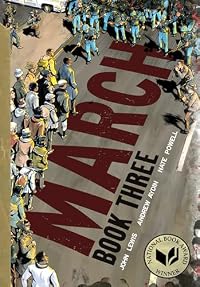
By Fall 1963, the Civil Rights Movement is an undeniable keystone of the national conversation, and as chair of the Student Nonviolent Coordinating Committee, John Lewis is right in the thick of it. With the stakes continuing to rise, white supremacists intensify their opposition through government obstruction and civilian terrorist attacks, a supportive president is assassinated, and African-Americans across the South are still blatantly prohibited from voting. To carry out their nonviolent show more revolution, Lewis and an army of young activists launch a series of innovative projects, including the Freedom Vote, Mississippi Freedom Summer, and a pitched battle for the soul of the Democratic Party waged live on national television. But strategic disputes are deepening within the movement, even as 25-year-old John Lewis heads to Alabama to risk everything in a historic showdown that will shock the world.. show less
Tags
Recommendations
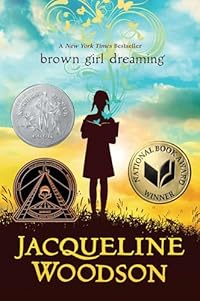
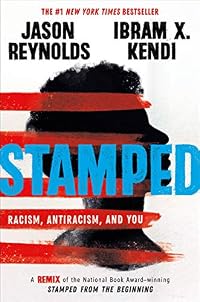
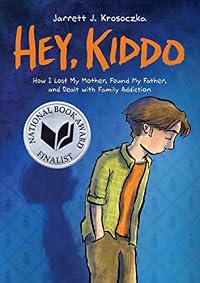
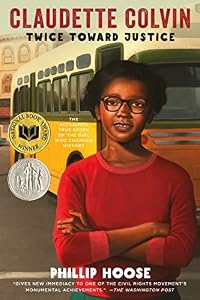
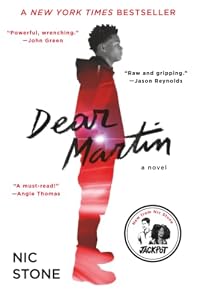

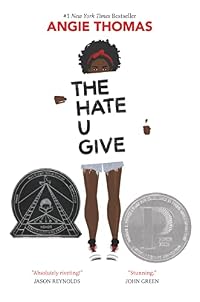
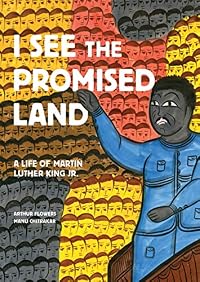
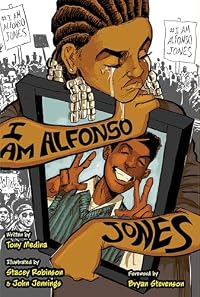
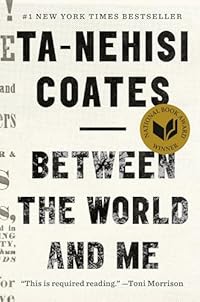
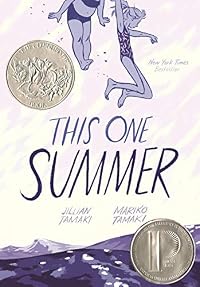
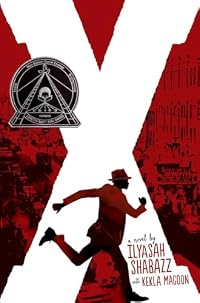
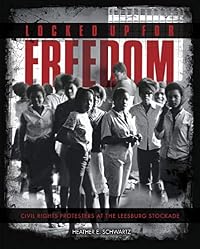

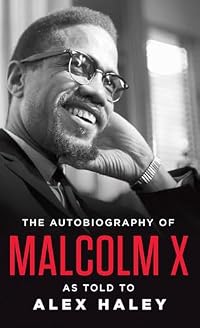
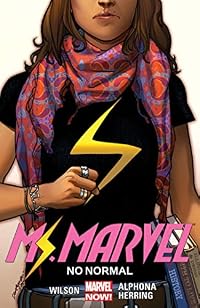
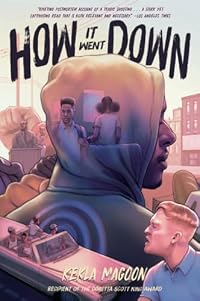
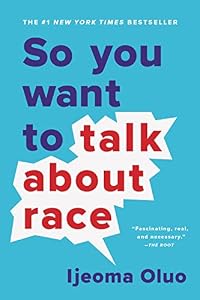
Member Recommendations
Member Reviews
Best for: Anyone who thinks we don’t still need the voting rights act.
In a nutshell: This is the final – and longest – of three graphic novels about the life of John Lewis. It covers the mid-60s, culminating in the march from Selma to Montgomery and the passing of the voting rights act.
Line that sticks with me: “In Mississippi that summer we suffered more than 1000 arrests, 80 beatings, 35 shootings, 35 church burnings, and 30 bombings.”
Why I chose it: Because the first two books were great and I wanted to learn more.
Review: This final book covers a lot of ground, starting with a church bombing that killed four little girls, through voter registration drives that were accompanied by murders, and a peaceful march that ended up show more dubbed Bloody Sunday thanks to the vicious actions of the police.
It’s a rough read, but a critical one. I learned so much in the 250 pages, including more detail on some events that I had vaguely heard about previously. For example, I knew that the 1964 Democratic National Convention was contentious, but I didn’t know any of the details. It was so impressive to read about the very deliberate attempts to get the voices of the Mississippi Freedom Democratic Party heard.
Reading about the people who stood in line all day, not allowed to leave to drink water or use the bathroom, only to not be allowed to register to vote – or to be ‘allowed’ but then face ridiculously complicated literacy tests – was infuriating. Then to read about the passing of the voting rights act, and the triumph it was, only to be reminded about how the Supreme Court gutted it recently, leading to voter suppression during this most recent election. It’s like 20 steps forward, 19 steps back (forty years later).
Friday is going to happen, and some people will refer to the PEOTUS as President. Anyone who finds that deplorable but isn’t as well-educated on the past as they should be (like me) would be well advised to read this series to recognize what the fight for rights can look like. show less
In a nutshell: This is the final – and longest – of three graphic novels about the life of John Lewis. It covers the mid-60s, culminating in the march from Selma to Montgomery and the passing of the voting rights act.
Line that sticks with me: “In Mississippi that summer we suffered more than 1000 arrests, 80 beatings, 35 shootings, 35 church burnings, and 30 bombings.”
Why I chose it: Because the first two books were great and I wanted to learn more.
Review: This final book covers a lot of ground, starting with a church bombing that killed four little girls, through voter registration drives that were accompanied by murders, and a peaceful march that ended up show more dubbed Bloody Sunday thanks to the vicious actions of the police.
It’s a rough read, but a critical one. I learned so much in the 250 pages, including more detail on some events that I had vaguely heard about previously. For example, I knew that the 1964 Democratic National Convention was contentious, but I didn’t know any of the details. It was so impressive to read about the very deliberate attempts to get the voices of the Mississippi Freedom Democratic Party heard.
Reading about the people who stood in line all day, not allowed to leave to drink water or use the bathroom, only to not be allowed to register to vote – or to be ‘allowed’ but then face ridiculously complicated literacy tests – was infuriating. Then to read about the passing of the voting rights act, and the triumph it was, only to be reminded about how the Supreme Court gutted it recently, leading to voter suppression during this most recent election. It’s like 20 steps forward, 19 steps back (forty years later).
Friday is going to happen, and some people will refer to the PEOTUS as President. Anyone who finds that deplorable but isn’t as well-educated on the past as they should be (like me) would be well advised to read this series to recognize what the fight for rights can look like. show less
Finished the third volume in civil rights icon John Lewis' graphic memoir about his early days in the movement leading up to the march from Selma to Montgomery, Alabama. This is the longest of the trilogy and covers the shortest amount of time. It opens in September 1963 with the bombing of the Sixteenth Street Baptist Church in Birmingham which killed four young girls. Everyone remembers the horror of that act of terrorism, but I didn't know this was the church's annual "Youth Day" and 24 other children were injured. The terrorists deliberately targeted black children in their church. Shortly after that, a group of Eagle Scouts who had just attended a clan rally, shot and killed a 13-year-old black boy from his bicycle, and a police show more officer shot and killed a 16-year-old black youth who chucked a rock at a car full of teens who were celebrating the deaths of the girls. The book continues through to March 7, 1965, Bloody Sunday in Selma which included the beating death of Unitarian minister James Reeb, the later peaceful march to Montgomery, and the assassination of Viola Liuzzo, a 39-year-old mother from Detroit who was shuttling volunteers from Birmingham back to Selma when a car overtook hers and someone shot her in the head. Four months later on August 6, President Johnson signed the 1965 Voting Rights Act into law.
Although bookended with horrific violence, a lot of this book is dedicated to the behind the scenes politics and legal maneuvering both within and between the major players in the movement and government. As a policy wonk, I love to know how the sausage is made and don't fault my heroes for being human. However, some folks might find these passages a tad boring or find their icons a bit tarnished. One of my favorite stories was when President Johnson called an impromptu press conference specifically to divert the newscasts from covering the jaw-dropping testimony of Mrs. Fannie Lou Hamer and her attempt to register to vote in Mississippi. She described in plain language the humiliation, verbal abuse, threats to her and her family, and the severe beating that left her lame. It didn't work. The broadcasts did switch to the President's press conference in the afternoon, but they led their evening newscasts with Mrs. Hamer's heartbreaking story when many more people watched. Johnson redeemed himself in his response to Bloody Sunday with a rousing address to the nation when he promised to do all in his power to pass the Voting Rights Act:
"At times, history and fate meet at a single time, in a single place to shape a turning point in man's unending search for freedom. So it was at Lexington and Concord, so it was a century ago at Appomattox--so it was last week in Selma, Alabama. There, long-suffering men and women peacefully protested the denial of their rights as Americans. Many of them were brutally assaulted. One good man--a man of god--was killed. But there is cause for hope--and faith in our democracy--in what is happening here tonight. For the cries of pain and the hymns and protests of oppressed people have summoned into convocation all the majesty of this great government....But even if we pass this bill [the Voting Rights Act], the battle will not be over. What happened in Selma is part of a far larger movement which reaches into every section and state of America. It is the effort of American Negroes to secure for themselves the full blessings of American life. Their cause must be our cause, too. Because it is not just Negroes, but really it is all of us, who must overcome the crippling legacy of bigotry and injustice--and we SHALL overcome."
As with the other two volumes, this book is framed and interspersed with touching scenes from President Obama's first inauguration which brought back that overwhelming sense of pride and optimism the majority of the nation felt at that time. It's been heartening to read of the heroism of the Civil Rights activists and remember the long way we've come as individuals and as a society. Although the current political climate and the rise of hate crimes is discouraging, I take hope in Dr. Martin Luther King's observation, "The arc of the moral universe is long, but it bends toward justice." show less
Although bookended with horrific violence, a lot of this book is dedicated to the behind the scenes politics and legal maneuvering both within and between the major players in the movement and government. As a policy wonk, I love to know how the sausage is made and don't fault my heroes for being human. However, some folks might find these passages a tad boring or find their icons a bit tarnished. One of my favorite stories was when President Johnson called an impromptu press conference specifically to divert the newscasts from covering the jaw-dropping testimony of Mrs. Fannie Lou Hamer and her attempt to register to vote in Mississippi. She described in plain language the humiliation, verbal abuse, threats to her and her family, and the severe beating that left her lame. It didn't work. The broadcasts did switch to the President's press conference in the afternoon, but they led their evening newscasts with Mrs. Hamer's heartbreaking story when many more people watched. Johnson redeemed himself in his response to Bloody Sunday with a rousing address to the nation when he promised to do all in his power to pass the Voting Rights Act:
"At times, history and fate meet at a single time, in a single place to shape a turning point in man's unending search for freedom. So it was at Lexington and Concord, so it was a century ago at Appomattox--so it was last week in Selma, Alabama. There, long-suffering men and women peacefully protested the denial of their rights as Americans. Many of them were brutally assaulted. One good man--a man of god--was killed. But there is cause for hope--and faith in our democracy--in what is happening here tonight. For the cries of pain and the hymns and protests of oppressed people have summoned into convocation all the majesty of this great government....But even if we pass this bill [the Voting Rights Act], the battle will not be over. What happened in Selma is part of a far larger movement which reaches into every section and state of America. It is the effort of American Negroes to secure for themselves the full blessings of American life. Their cause must be our cause, too. Because it is not just Negroes, but really it is all of us, who must overcome the crippling legacy of bigotry and injustice--and we SHALL overcome."
As with the other two volumes, this book is framed and interspersed with touching scenes from President Obama's first inauguration which brought back that overwhelming sense of pride and optimism the majority of the nation felt at that time. It's been heartening to read of the heroism of the Civil Rights activists and remember the long way we've come as individuals and as a society. Although the current political climate and the rise of hate crimes is discouraging, I take hope in Dr. Martin Luther King's observation, "The arc of the moral universe is long, but it bends toward justice." show less
Riveting, chilling, blood-curling depiction of the brutality of the oppression and the bravery of those opposing it. This volume is the most personal and upsetting of all, because it shows the human sacrifice - the people who have been killed, brutally beaten, crippled, jailed, fired from their jobs - for wanting to register to vote. The story is well-written, the art really brings home the determination and suffering of the protesters. One of the best graphic novels of all time.
Concludes John Lewis' story of how he became a civil rights icon.
Unflinchingly throws you into what Lewis had to face while fighting for civil rights. There's just something visceral about seeing the evils of American racism in graphic novel form that makes it so much more powerful than a prose novel could do. And the subtlety in Aydin's art when he depicts the white supremacists will make you loathe humanity. I was also really surprised by how Lewis didn't shy away from portraying the rival civil rights groups of the time, including suggesting pretty clearly that MLK was a credit-stealing coward.
A masterwork of the graphic novel form.
Unflinchingly throws you into what Lewis had to face while fighting for civil rights. There's just something visceral about seeing the evils of American racism in graphic novel form that makes it so much more powerful than a prose novel could do. And the subtlety in Aydin's art when he depicts the white supremacists will make you loathe humanity. I was also really surprised by how Lewis didn't shy away from portraying the rival civil rights groups of the time, including suggesting pretty clearly that MLK was a credit-stealing coward.
A masterwork of the graphic novel form.
What an historic, critically important graphic series this is. March Book Three, the third volume on the U.S. civil rights movement from the perspective of Congressman John Lewis, lives up to the first two volumes and then some. Lewis, who recently led a House Democratic sit-in over gun control, tells the story of his participation in the movement, which followed principles of non-violence. Lewis himself got beaten and imprisoned many times over in asserting rights of equality for blacks. Much of this volume concerns the constitutional right to vote, which for black voters was impeded in every way possible in Alabama (under Governor George Wallace) and other Southern states. The non-voters in the recent election (nearly half our show more country's population, including many minority voters) must break Lewis's heart. But, as these volumes show, it has been broken so many times I suppose he can handle anything.
While many of us lived through that time, he provides insight, context and immediacy to the events in an unmatched way. These volumes also give a perspective on the Black Lives Matter movement, and underscore the struggles to make what progress exists in racial equality. There are villains aplenty, one of the worst being Jim Clark, a vicious and determined segregationist sheriff in Dallas County, Alabama. Lewis writes that Clark, “was made all the more dangerous by the sundry gang of white men he deputized for the sole purpose of doing whatever it took to stop black people from voting.”
The Deep South resisted recognizing constitutional rights, and the federal government in Washington, under President Lyndon Johnson, dithered. Tv news replays of the brutality and injustice, as police beat and in some instances killed nonviolent protestors, helped forge public opinion and force a governmental response. Lewis and Dr. Martin Luther King and others simply refused to give up, knowing their cause was right, and believing in this country more than it believed in itself. Johnson finally rose to the occasion, and a federal judge permitted the famous march to Selma. What Lewis and others went through to vindicate their right to vote is jaw-dropping.
Nate Powell's art is just right throughout, and the story well-paced.
If the subject matter holds any interest for you, you'll want to read this stunning series. show less
While many of us lived through that time, he provides insight, context and immediacy to the events in an unmatched way. These volumes also give a perspective on the Black Lives Matter movement, and underscore the struggles to make what progress exists in racial equality. There are villains aplenty, one of the worst being Jim Clark, a vicious and determined segregationist sheriff in Dallas County, Alabama. Lewis writes that Clark, “was made all the more dangerous by the sundry gang of white men he deputized for the sole purpose of doing whatever it took to stop black people from voting.”
The Deep South resisted recognizing constitutional rights, and the federal government in Washington, under President Lyndon Johnson, dithered. Tv news replays of the brutality and injustice, as police beat and in some instances killed nonviolent protestors, helped forge public opinion and force a governmental response. Lewis and Dr. Martin Luther King and others simply refused to give up, knowing their cause was right, and believing in this country more than it believed in itself. Johnson finally rose to the occasion, and a federal judge permitted the famous march to Selma. What Lewis and others went through to vindicate their right to vote is jaw-dropping.
Nate Powell's art is just right throughout, and the story well-paced.
If the subject matter holds any interest for you, you'll want to read this stunning series. show less
The final volume of this amazing trilogy is literally stunning — there were a few times I had to put the book down and walk away, as the sheer brutality many civil rights activists faced was overwhelming. This volume opens with the bombing of Baptist Church in Birmingham that killed four little black girls. And then the violent Freedom Summer, and then the violent reaction to the march from Selma to Montgomery.
Of course, in the end, so much progress came from the bravery of all those men and women who refused to back down, but it is heart-breaking to see that it had to be bought with so much blood.
Again, I think the graphic format of this book really makes visceral a story most of us learned poorly, or may have learned long ago.
An show more incredible series of books. I hope this is forever enshrined in the graphic canon. show less
Of course, in the end, so much progress came from the bravery of all those men and women who refused to back down, but it is heart-breaking to see that it had to be bought with so much blood.
Again, I think the graphic format of this book really makes visceral a story most of us learned poorly, or may have learned long ago.
An show more incredible series of books. I hope this is forever enshrined in the graphic canon. show less
I'm sad to say that my school really didn't spend as much time on the American Civil Rights movement as it did on things British, so for me this was not only a very moving personal memoir, but also a harrowing encounter with my country's history. It is incredibly well done -- well paced, good imagery, good story. A lot of very complicated parts of the story are carefully navigated so that it is easy to follow. My respect for Congressman Lewis and nonviolent protest only continues to grow. At the same time, it is completely devastating that things haven't changed more, given that strong seed.
Members
- Recently Added By
Lists

Recommended Comics / Graphic Novels
595 works; 122 members

Graphic Novels
94 works; 6 members

Mensa for Kids Excellence in Reading Award Program (Nonfiction)
54 works; 4 members

Books Set in Washington DC
34 works; 7 members

Books Read in 2017
4,249 works; 130 members

Top Five Books of 2017
757 works; 231 members

Struggle for Freedom
69 works; 4 members

1900s: America
31 works; 2 members

Pierce County READS
17 works; 1 member

Books Read in 2018
4,360 works; 110 members

National Book Award winners
65 works; 11 members

Five star books
1,755 works; 108 members

Top-Rated Books on LibraryThing
272 works; 117 members

Robert F. Sibert Informational Book Medal
102 works; 1 member

Youth: BLM
265 works; 1 member
Author Information

16+ Works 10,081 Members
John Lewis is the U.S. Representative for Georgia's 5th district, a position he has held since 1987. Michael Droso is the author of sixteen books, which include Oceana, Plundering Paradise, and The Cost of Courage. His work has been featured or reviewed in The New Yorker, Time, Newsweek, and Sports Illustrated, among other publications.

14+ Works 8,746 Members

Awards and Honors
Awards
Distinctions
Notable Lists
Series

Work Relationships
Is contained in
Common Knowledge
- Canonical title
- March: Book Three
- Original title
- March: Book Three
- Original publication date
- 2016-08-02
- People/Characters
- John Lewis (John Robert Lewis); Bob Moses; Fannie Lou Hamer; Lyndon Baines Johnson; Martin Luther King, Jr.; Malcolm X (show all 7); Hosea Williams
- Important places
- Selma, Alabama, USA
- Important events
- African-American Civil Rights Movement; Voting Rights Act of 1965; Freedom Summer; March on Washington for Jobs and Freedom
- Dedication
- To the past and future children
of the movement. - First words
- September 15, 1963.
Birmingham, Alabama. - Quotations
- For so many months I’d kept my emotions bottled up to be strong for those counting on me to lead, but there I was, alone in the dark with it all.
What sort of sense did it make if we could own part of a company, but not be served by it. - Last words
- (Click to show. Warning: May contain spoilers.)It won't be the first time, sonny boy.
- Publisher's editor
- Walton, Leigh
- Original language
- English US
- Canonical DDC/MDS
- 323.092
- Canonical LCC
- E840.8.L43
Classifications
Statistics
- Members
- 1,885
- Popularity
- 11,321
- Reviews
- 100
- Rating
- (4.62)
- Languages
- English, Portuguese (Portugal)
- Media
- Paper, Ebook
- ISBNs
- 14
- ASINs
- 1