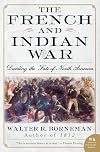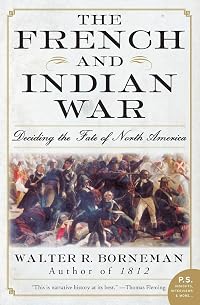
The French and Indian War: Deciding the Fate of North America
by Walter R. Borneman
On This Page
Description
In the summer of 1754, deep in the wilderness of western Pennsylvania, a very young George Washington suffered his first military defeat, and a centuries-old feud between Great Britain and France was rekindled. The war that followed would be fought across virgin territories, from Nova Scotia to the forks of the Ohio River, and it would ultimately decide the fate of the entire North American continent-not just for Great Britain and France but also for the Spanish and Native American show more populations. Noted historian Walter R. Borneman brings to life an epic struggle for a continent-what Samuel Eliot Morison called "truly the first world war"-and emphasizes how the seeds of discord sown in its aftermath would take root and blossom into the American Revolution. show lessTags
Recommendations
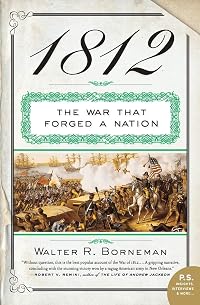
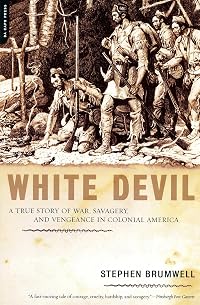
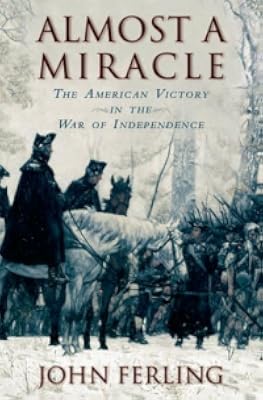
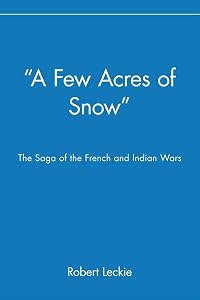







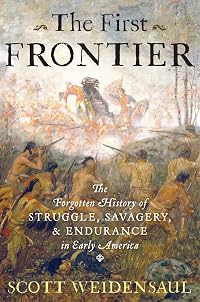
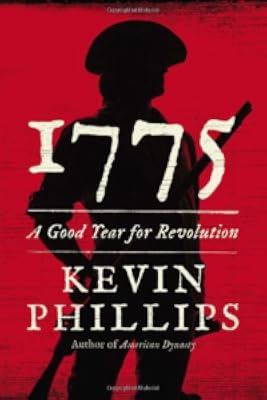
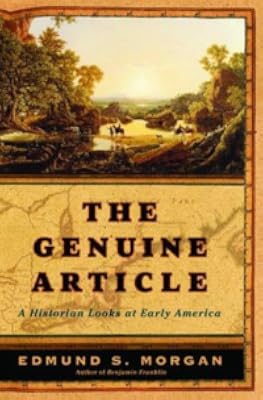
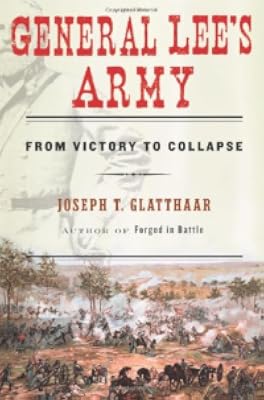

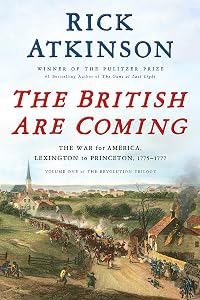
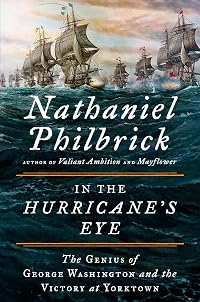
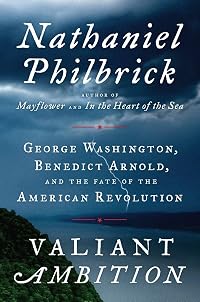
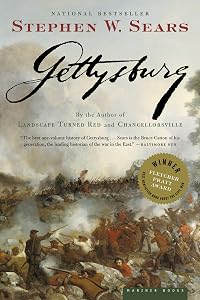
Member Recommendations
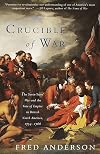
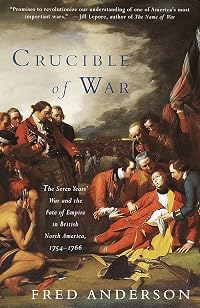
Crucible of War: The Seven Years' War and the Fate of Empire in British North America, 1754-1766 by Fred Anderson
waltzmn Walter R. Borneman's history of the Seven Years' War is highly readable and a good general overview, but it's relatively short. Those wishing for a fuller view, with more detail, will be wel-served by Fred Anderson's thorough, well-documented volume.
Member Reviews
While not a definitive account of the French and Indian War, Walter Borneman has written a brief but excellent history of the conflict. After a concise survey of the five colonial wars that preceded the French and Indian War, the author summarizes the differences which defined the French and British efforts to colonize the New World. France opted for a small military force, consisting mostly of regulars who built and maintained stockades and forts that defined the heavily forested frontiers of New France. The essential purposes of these small bastions was to protect the highly profitable fur-trading industry as well as precarious supply lines that followed a vast network of rivers and lakes and provided a waterborne supply route that show more formed the life-line of New France. Because the French discouraged immigration into its colonies and the British promoted colonization efforts of its citizens, by the time of the census of 1754, the British colonies had a population of over one million people while New France (including New Orleans) had barely 80,000. A practical effect of this disparity was that French citizens of the New World enjoyed very little in the way of non-fur production and were almost wholly dependent upon overseas supply form France to maintain their colonies. Dependent as the soldiers and trappers of New France were upon the sea for their survival, it was just a matter of time before the the "valiant men and hardy tars" of Royal Navy shut them down. The limitations imposed upon the French by this dearth of supply was a major factor that led to British victory. Borneman also reveals that William Pitt the Elder, was the brilliant architect of the British victories in both the French and Indian War and its European counterpart, the Seven Years' War. The chapter on the battle of Quebec ( i.e., known to history as the Battle of the Plains of Abraham) is particularly interesting. If for no other reason, this battle enjoys the distinction of being one of the few battles in recorded history in which both army commanders were killed. Montcalm is rightly shown as impetuous and rash. At the time he was criticized for charging the British without awaiting the arrival of his nearby reinforcements that would have given him a large numerical superiority. Borneman believes the status that the young General James Wolfe enjoys as a great hero is overstated. Apparently Wolfe was haughty and had a difficult and unloved personality. The site he chose for the final assault on Quebec is criticized for subjecting his army to an unnecessary risk when more prudent points of attack were readily present and easily acquired. It was perhaps fortunate for his reputation that young General Wolfe died early during the final assault on the Plains of Abraham. William Pitt, the British Prime Minister, chose to cast him as a hero and popular history submitted to the theme. The author emphasizes that even after the British victory at Quebec, the French retained enough ground forces in Canada to push the conquerors out. The story unfolds easily with the use of a few (too few) good maps, which is always my litmus test as to whether a military history has much value. There are also interesting chapters on the British efforts against France in the Caribbean, resulting in the capture of its colonies there and the staggering financial losses of the sugar trade. "The French and Indian War: Deciding the Fate of North America," is a well-written, thoughtful work and highly recommended as a short introduction to the subject. show less
I finished, Walter Borneman’s, The French and Indian War: Deciding The Fate of North America. A solid history of the French and Indian War, with the final short chapter is dedicated to a quick synopsis of the causes of the American Revolution. A solid 3.5 to 4 stars but certainly not Fred Anderson’s Crucible of War: The Seven Years’ War and the Fate of Empire in British North America 1754-1766, which to me is the pre-eminent book on the topic.
Borneman touches on Pitts world view of the war against France, Spain, and the various Indian tribes and confederacies. He spends significant time on the war in the west, Canada, specifically Montreal and Quebec and the Caribbean.
If your looking for a shorter history on the French and show more Indian War, might I suggest this. show less
Borneman touches on Pitts world view of the war against France, Spain, and the various Indian tribes and confederacies. He spends significant time on the war in the west, Canada, specifically Montreal and Quebec and the Caribbean.
If your looking for a shorter history on the French and show more Indian War, might I suggest this. show less
One of the better accounts of the French & Indian War.
The author provides a nice general background of the state of affairs in England, France, and the colonies preceding the war, and then describes the events of the actual conflict in easy reading fashion without becoming mired in unnecessary detail. Included are helpful discussions of Native American influences and discussion of the global nature of the war, a point often overlooked in American based histories.
I particularly enjoyed the final chapters which discuss matters left unresolved following the Treaty of Paris, and issues involved in the prelude to the American Revolution.
Recommended reading.
The author provides a nice general background of the state of affairs in England, France, and the colonies preceding the war, and then describes the events of the actual conflict in easy reading fashion without becoming mired in unnecessary detail. Included are helpful discussions of Native American influences and discussion of the global nature of the war, a point often overlooked in American based histories.
I particularly enjoyed the final chapters which discuss matters left unresolved following the Treaty of Paris, and issues involved in the prelude to the American Revolution.
Recommended reading.
This book is well organized and well written, augmented with maps and reads like a novel. The author finishes with some personal "what-ifs" which are often the questions one has about historical events.
This book gives a detailed account of the French and Indian War. This conflict was not confined to North America, but was, as the book states, the first global war. Borneman shows how conflict raged throughout the world, and how this conflict was one of the great steps towards the compilation of the British Empire. This book is a must read for anyone who is curious about the origins of America or the expansion of the British Empire.
Ratings
Members
- Recently Added By
Lists

Best U.S. History Books (1754-1828)
363 works; 18 members
Author Information

18 Works 3,548 Members
Walter R. Borneman is the author of nine works of nonfiction, including MacArthur at War, American Spring, The Admirals, Iron Horses, Polk, and The French and Indian War. He holds both a master's degree in history and a law degree. He lives in Colorado.
Common Knowledge
- People/Characters
- Edward Braddock; Benjamin Franklin; William Pitt the Elder; Robert Rogers (Major); William Shirley; George Washington (show all 9); General James Wolfe; Louis-Joseph de Montcalm-Gozon (General Montcalm); George III, King of the United Kingdom
- Important places
- Canada; Six Nations Reserve, Ontario, Canada; Lake George, New York, USA; Louisbourg, Nova Scotia, Canada; New France; New York, USA (show all 8); Nova Scotia, Canada; USA
- Important events
- French and Indian War (1754 | 1763)
- First words
- England and France had been at war since - well, it seemed like forever.
- Last words
- (Click to show. Warning: May contain spoilers.)In the end, the French navy that had lost a continent helped to win one for the young American nation.
Classifications
Statistics
- Members
- 475
- Popularity
- 64,168
- Reviews
- 5
- Rating
- (3.86)
- Languages
- English
- Media
- Paper, Audiobook, Ebook
- ISBNs
- 6
- ASINs
- 3