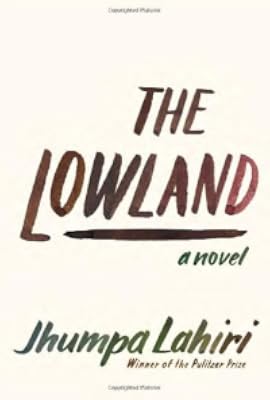
The Lowland
by Jhumpa Lahiri
On This Page
Description
National Book Award FinalistShortlisted for the 2013 Man Booker Prize
From the Pulitzer Prize-winning, best-selling author of The Namesake comes an extraordinary new novel, set in both India and America, that expands the scope and range of one of our most dazzling storytellers: a tale of two brothers bound by tragedy, a fiercely brilliant woman haunted by her past, a country torn by revolution, and a love that lasts long past death.
Born just fifteen months apart, Subhash and Udayan Mitra show more are inseparable brothers, one often mistaken for the other in the Calcutta neighborhood where they grow up. But they are also opposites, with gravely different futures ahead. It is the 1960s, and Udayan--charismatic and impulsive--finds himself drawn to the Naxalite movement, a rebellion waged to eradicate inequity and poverty; he will give everything, risk all, for what he believes. Subhash, the dutiful son, does not share his brother's political passion; he leaves home to pursue a life of scientific research in a quiet, coastal corner of America.
But when Subhash learns what happened to his brother in the lowland outside their family's home, he goes back to India, hoping to pick up the pieces of a shattered family, and to heal the wounds Udayan left behind--including those seared in the heart of his brother's wife.
Masterly suspenseful, sweeping, piercingly intimate, The Lowland is a work of great beauty and complex emotion; an engrossing family saga and a story steeped in history that spans generations and geographies with seamless authenticity. It is Jhumpa Lahiri at the height of her considerable powers.
This ebook edition includes a Reading Group Guide.
. show less
Tags
Recommendations
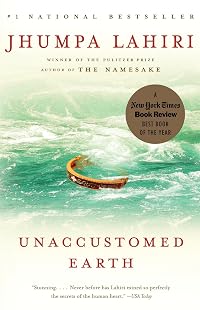
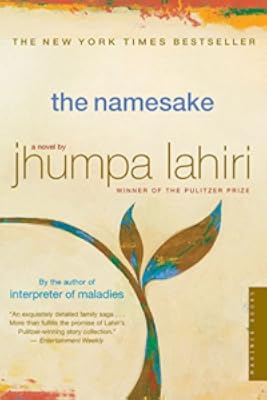
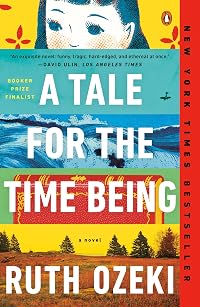
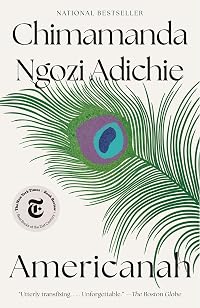
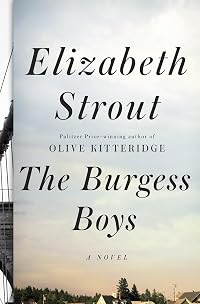
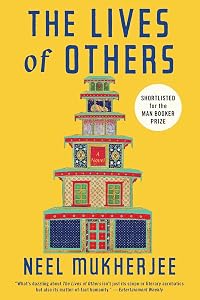

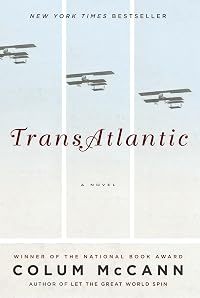

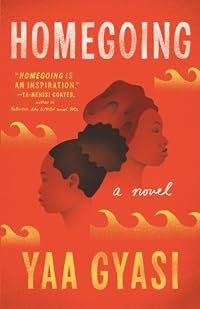
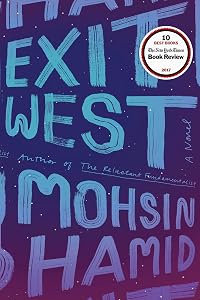
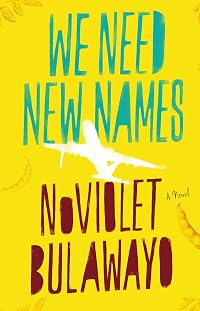
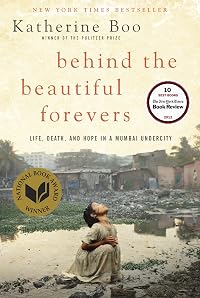



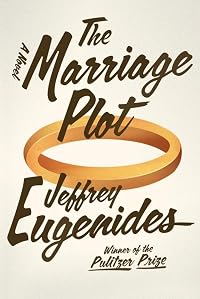
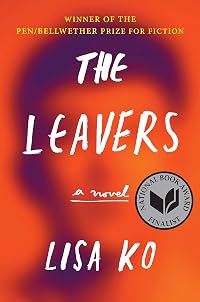
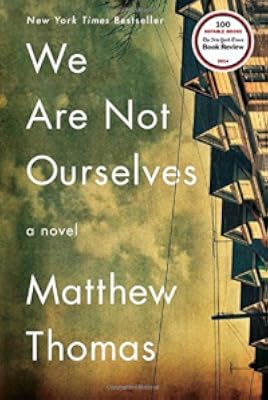
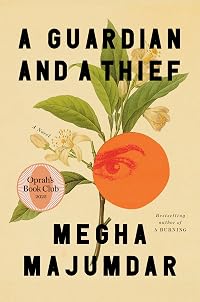
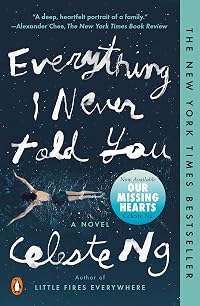
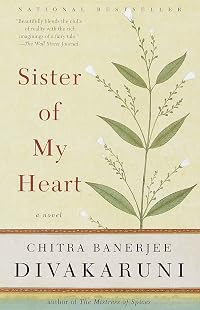
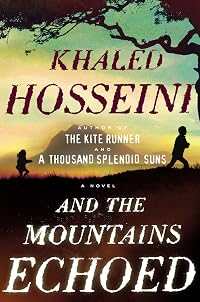
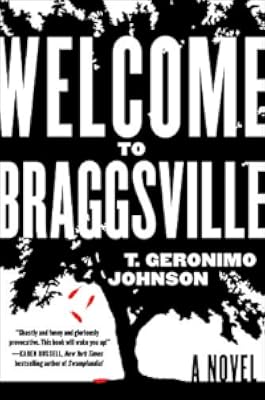









Member Recommendations

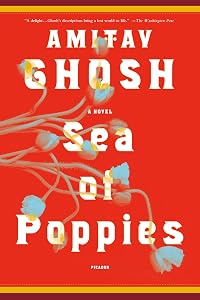
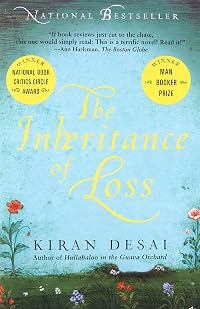
BookshelfMonstrosity These evocative novels discuss the social inequities and corruption endemic to modern India. Their complex characters and strong sense of place provide thought-provoking ways to understand the current state of the subcontinent, even as they tell about individual lives.
20
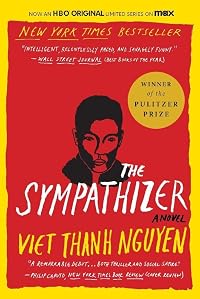
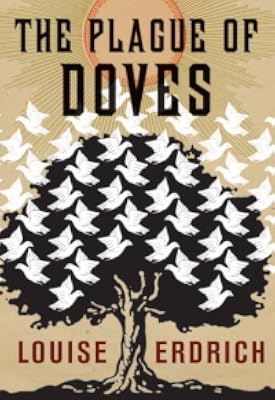
doryfish A man marries a woman already pregnant with another's child and they immigrate together.
Member Reviews
This book reminded me of why Jhumpa Lahiri will always be one of my top favourite writers, the time when she used to write in English, and when her books were so simple yet each character's back-stories had so much depth. This book starts from India right after independence, in Calcutta, and how the common man got into communism, the birth of the CPI-M party (and others) and the infamous Naxalite movements. Dark parts of history, with so much death and bloodshed, and these three main characters, Udayan, Subhash and Gauri's whole lives are upended by it when you think about it.
We follow Subhash and Gauri (later their daughter Bela) in their lives in Rhode Island,US, away from everything yet so close. I think I feel the most sympathetic show more for Gauri, the way trauma literally makes her keep distance from love and bonding with her daughter. It's so well written by Jhumpa, and so simple yet deep. Loved it! show less
We follow Subhash and Gauri (later their daughter Bela) in their lives in Rhode Island,US, away from everything yet so close. I think I feel the most sympathetic show more for Gauri, the way trauma literally makes her keep distance from love and bonding with her daughter. It's so well written by Jhumpa, and so simple yet deep. Loved it! show less
Someone has a fatal flaw - but who? Is it Udayan's participation in revolutionary activities? Or Subhash's noble desire to save Gauri from isolation in his parent's home? Or Gauri's refusal to soften toward Subhash despite his care for her? This is a beautiful story that moves between Calcutta and Rhode Island with ease and naturalness. The non-linear reveal of the critical days before Udayan's death provides a relentless drive toward the end of the book, in contrast to the unchanging sameness of Subhash's life. This is a sad book -- how can people who are trying to make it right get it so wrong -- but a wonderfully engrossing read.
From the book jacket: Born just fifteen months apart, Subhash and Udayan are inseparable brothers, one often mistaken for the other in the Calcutta neighborhood where they grow up. But they are also opposites, with gravely different futures ahead. It is the 1960s, and Udayan – charismatic and impulsive – finds himself drawn to the Naxalite movement, a rebellion waged to eradicate inequity and poverty; he will give everything, risk all, for what he believes. Subhash, the dutiful son, does not share his brother’s political passion; he leaves home to pursue a life of scientific research in a quiet, coastal corner of America.
My reactions
This is a dense, character-driven story, that explores both the immigrant experience and the show more relationships between family members. Spanning decades, we watch these characters muddle through life, changing their goals and expectations as tragedy or joy, opportunity or obstacle comes up. No one wants to make these kinds of decisions, but sometimes life forces us to do so. In this way we can all relate to the characters. And yet, their experience is very different from my own, and while I feel for their plight, I’m not sure I understand them. And I definitely do not like a few of them.
The story is not linear; Lahiri uses flashbacks as characters remember past events or wonder about what might have happened. It is never recognized as such, but clearly several of them are suffering from PTSD, doing what they can to hide from the world and avoid further pain (a strategy which, of course, does not work).
Lahiri writes beautifully, and I kept marking passages. She has a gift for putting the reader into the setting with her descriptions. One can feel the heat and humidity of Calcutta, smell the fresh briny scent on the breeze of a Rhode Island beach, hear the sounds of a morning ritual, and taste the food served. Her characters observe what is going on around them and their hesitancy or surprise when encountering new experiences, made me look at my familiar surroundings with new eyes. For example:
The main doors were almost always left open, held in place by large rocks. The locks on the apartment doors were flimsy, little buttons on knobs instead of padlocks and bolts. But she was in a place where no one was afraid to walk about, where drunken students stumbled laughing down a hill, back to their dormitories at all hours of the night. At the top of the hill was the campus police station. But there were no curfews or lockdowns. Students came and went and did as they pleased.
I so wish this was a book-club selection, because I long to discuss it with someone. show less
My reactions
This is a dense, character-driven story, that explores both the immigrant experience and the show more relationships between family members. Spanning decades, we watch these characters muddle through life, changing their goals and expectations as tragedy or joy, opportunity or obstacle comes up. No one wants to make these kinds of decisions, but sometimes life forces us to do so. In this way we can all relate to the characters. And yet, their experience is very different from my own, and while I feel for their plight, I’m not sure I understand them. And I definitely do not like a few of them.
The story is not linear; Lahiri uses flashbacks as characters remember past events or wonder about what might have happened. It is never recognized as such, but clearly several of them are suffering from PTSD, doing what they can to hide from the world and avoid further pain (a strategy which, of course, does not work).
Lahiri writes beautifully, and I kept marking passages. She has a gift for putting the reader into the setting with her descriptions. One can feel the heat and humidity of Calcutta, smell the fresh briny scent on the breeze of a Rhode Island beach, hear the sounds of a morning ritual, and taste the food served. Her characters observe what is going on around them and their hesitancy or surprise when encountering new experiences, made me look at my familiar surroundings with new eyes. For example:
The main doors were almost always left open, held in place by large rocks. The locks on the apartment doors were flimsy, little buttons on knobs instead of padlocks and bolts. But she was in a place where no one was afraid to walk about, where drunken students stumbled laughing down a hill, back to their dormitories at all hours of the night. At the top of the hill was the campus police station. But there were no curfews or lockdowns. Students came and went and did as they pleased.
I so wish this was a book-club selection, because I long to discuss it with someone. show less
This book was wrenching, exhausting and oh so beautiful.
I feel like I learned so much reading this book. I learned about India's rebel history, I learned about the experience of immigrants in New England, and I learned about relationships under unimaginable stress.
All these things were written about in the most beautiful and exacting prose.
In my opinion, Jhumpa Lahiri is one of the most important novelists of our time. This novel is gripping and elevating and she is masterful at creating a plot that is fresh and new and foreign and yet somehow, in each character I can see myself.
Wonderful.
I feel like I learned so much reading this book. I learned about India's rebel history, I learned about the experience of immigrants in New England, and I learned about relationships under unimaginable stress.
All these things were written about in the most beautiful and exacting prose.
In my opinion, Jhumpa Lahiri is one of the most important novelists of our time. This novel is gripping and elevating and she is masterful at creating a plot that is fresh and new and foreign and yet somehow, in each character I can see myself.
Wonderful.
Let's start off by saying, if you haven't read Lahiri before, don't start here.
The Lowlands tells the tale of two brothers whose lives take two very divergent paths - - but who remain connected by one woman. It's a saga in the sense that it covers the brothers' lives from young childhood through old age/death.
I wanted to love this book. I've really, really enjoyed all of Lahiri's other works. This book is more of a "critics darling" in my opinion. It's beautifully written, and Lahiri deftly traverses time, place, and point of view. Her writing is both simple and yet very evocative.
Yet something was missing.
I felt that the pace was just a bit too slow and that the book lacked suspense. One brother was a character you could really show more embrace, but it was hard to care about the fates of the other characters . . .even though I thought they were portrayed realistically. They just weren't very sympathetic.
It really would have been a three star read for me overall except that the last several chapters were much more compelling, and I ended up feeling glad that I had read the book. If we had a 3.5 rating, I'd truly be using that . . .but since we don't, I rounded up to 4 stars.
Overall, if you like Lahiri, AND you really like literary fiction, I would say keep this book on your TBR. If you are looking for entertainment, I'd say steer clear. show less
The Lowlands tells the tale of two brothers whose lives take two very divergent paths - - but who remain connected by one woman. It's a saga in the sense that it covers the brothers' lives from young childhood through old age/death.
I wanted to love this book. I've really, really enjoyed all of Lahiri's other works. This book is more of a "critics darling" in my opinion. It's beautifully written, and Lahiri deftly traverses time, place, and point of view. Her writing is both simple and yet very evocative.
Yet something was missing.
I felt that the pace was just a bit too slow and that the book lacked suspense. One brother was a character you could really show more embrace, but it was hard to care about the fates of the other characters . . .even though I thought they were portrayed realistically. They just weren't very sympathetic.
It really would have been a three star read for me overall except that the last several chapters were much more compelling, and I ended up feeling glad that I had read the book. If we had a 3.5 rating, I'd truly be using that . . .but since we don't, I rounded up to 4 stars.
Overall, if you like Lahiri, AND you really like literary fiction, I would say keep this book on your TBR. If you are looking for entertainment, I'd say steer clear. show less
Subhash and Udayan Mitra are brothers, so close in age and appearance that they are hard to tell apart. Yet their personalities could not be more different. Udayan is the brave one, the one eager to break the rules and challenge convention. Subhash is the sweeter and more passive of the two, stable, if a little inert. True to his nature, Udayan joins a subversive political group bent on altering the social and economic face of India. Subhash, on the other hand, travels to the United States for further education. The events of the next few months change the course of their life and generations to follow, as Udayan sinks deeper into anger and violence and Subhash grows further away from his roots.
Lahiri is a storyteller obsessed with show more identity. Much of her work examines the calculus of identity, constantly asking what makes us who we are. She is well-positioned to make such inquires, as the daughter of Bengali immigrants, born in London but raised in Rhode Island. Is it the blood that runs through our veins? Is it the place where we are born or where we are raised? Is it the nature of our parents and family? Is it the things that we live through? Or is there something inside, small seeds of character that bloom and flower over the course of life? [The Lowland] is a story of how identity is shaped by the choices of others. In the book, the lowlands are two pools of floodwater behind Subhash and Udayan’s home, a metaphor for all of the things in their life that fill them up, forming them and the generations that follow. As the lowlands change in shape and constitution, so do their lives and those of the generations that follow them.
The beauty of Lahiri’s stories is in their intricacy and epic scale. She is laser focused on the small details of her character’s lives, making them imminently real and recognizable. But her focus also extends to the larger connections between each of the characters and how their choices in life shape the lives of everyone around them. The result is an epic family story that reads like an intimate conversation.
Bottom Line: Epic but intimate story of identity.
5 bones!!!!!
A favorite for the year show less
Lahiri is a storyteller obsessed with show more identity. Much of her work examines the calculus of identity, constantly asking what makes us who we are. She is well-positioned to make such inquires, as the daughter of Bengali immigrants, born in London but raised in Rhode Island. Is it the blood that runs through our veins? Is it the place where we are born or where we are raised? Is it the nature of our parents and family? Is it the things that we live through? Or is there something inside, small seeds of character that bloom and flower over the course of life? [The Lowland] is a story of how identity is shaped by the choices of others. In the book, the lowlands are two pools of floodwater behind Subhash and Udayan’s home, a metaphor for all of the things in their life that fill them up, forming them and the generations that follow. As the lowlands change in shape and constitution, so do their lives and those of the generations that follow them.
The beauty of Lahiri’s stories is in their intricacy and epic scale. She is laser focused on the small details of her character’s lives, making them imminently real and recognizable. But her focus also extends to the larger connections between each of the characters and how their choices in life shape the lives of everyone around them. The result is an epic family story that reads like an intimate conversation.
Bottom Line: Epic but intimate story of identity.
5 bones!!!!!
A favorite for the year show less
This fine novel deals what it means to be a family. The plot is suspenseful with interesting settings in both Calcutta and America. It spans several decades and several generations of an Indian family. Lahiri controls the story masterfully with historical and personal themes including rejection and abandonment, youthful idealism and the realities of political power, poverty in the third world, careerism especially in America, the need for forgiveness, and living in the world in a sustainable way. Her characters are well realized and she manages to demonstrate empathy for them. It is hard to find any villains in this sad tale. Each is forced to make choices—some of these turn out well and others do not.
Members
- Recently Added By
Published Reviews
ThingScore 56
The Lowland is a novel about the rashness of youth, as well as the hesitation and regret that can make a long life not worth living.
added by zhejw
Darkly hued fiction is commonplace in contemporary writing, but The Lowlands is sombre in a distinctly old-fashioned way; it’s not late-stage capitalism and/or environmental collapse that generate the misery in the novel, but rather that quaint concept of fate, or at least character-as-fate. Which is one reason why contemporary readers might balk at this story, its position on the shortlist show more for the 2013 Man Booker Prize notwithstanding. These lives seem rigged. show less
added by zhejw
There is real story bravery at work here. It would have been much easier for Lahiri to keep us in the thrust and heave of political agitation — to fixate, perhaps, on the implied betrayal woven into Subhash’s rescue.
Instead, in “The Lowland,” Lahiri tells a quietly devastating story about the nature of kindness. How it is never pure and often goes largely unrewarded. It simply is, and show more then the floodwaters rise and obscure its role in the landscape for a time. show less
Instead, in “The Lowland,” Lahiri tells a quietly devastating story about the nature of kindness. How it is never pure and often goes largely unrewarded. It simply is, and show more then the floodwaters rise and obscure its role in the landscape for a time. show less
added by zhejw
Lists

Your favorite books from the 2014 Baileys Women's Prize for Fiction
20 works; 23 members

2014 Tournament of Books
17 works; 20 members
Top Five Books of 2013
1,562 works; 721 members

Booker Prize
491 works; 62 members

Best 21st Century Books (So Far)
670 works; 85 members

All Things India
95 works; 21 members

Books recommended by Barack Obama
295 works; 28 members

Baileys Women's Prize for Fiction Winners and Shortlisted Books
61 works; 11 members

Dishonourable Mentions of 2013
189 works; 63 members

National Book Award Finalists - Fiction
377 works; 12 members

Top Five Books of 2015
811 works; 240 members

Top Five Books of 2014
1,064 works; 398 members

Man Booker Prize Longlist 2013
13 works; 3 members

Literature by People of Color
81 works; 9 members

Books Read in 2014
2,343 works; 86 members

Mothers and Daughters
114 works; 11 members

aborted books in 2022
14 works; 1 member

Books Read in 2017
4,249 works; 129 members

Carole's List
445 works; 13 members

Obama Reads
181 works; 3 members

Booker Prize Shortlist: Titles Not Yet Read
161 works; 4 members

TBR - Older Books
92 works; 1 member
Kirkus Reviews Best Fiction of 2013
99 works; 6 members

Ten Novels About Disappearing
10 works; 1 member

Global Reads: Books Set in South Asia
30 works; 3 members

Asia
178 works; 7 members

Swinging Seventies
255 works; 18 members

le donne raccontano
116 works; 1 member
Talk Discussions
Past Discussions
2013 Booker longlist: The Lowland by Jhumpa Lahiri in Booker Prize (October 2013)
Author Information

59+ Works 39,535 Members
Jhumpa Lahiri was born in London, England on July 11, 1967. She received a B.A. in English literature from Barnard College in 1989, and a M.A. in English, a M.A. in Creative Writing, a M.A. in Comparative Studies in Literature and the Arts, and a Ph.D. in Renaissance Studies from Boston University. Lahiri taught creative writing at Boston show more University and the Rhode Island School of Design. Her debut work, Interpreter of Maladies, won the Pulitzer Prize for fiction in 2000. She has also won the PEN/Hemmingway Award, an O. Henry Award, The New Yorker's best debut of the year award, and an Addison Metcalf award. Her other works include The Namesake, which was made into a movie in 2007, Unaccustomed Earth, and The Lowland, which won 2015 DSC Prize for South Asian Literature. (Bowker Author Biography) show less
Some Editions
Awards and Honors
Awards
Distinctions
Notable Lists
Series
Belongs to Publisher Series
Keltainen pokkari (90)
Keltainen kirjasto (452)
Common Knowledge
- Canonical title*
- Twee broers
- Original title
- The Lowland
- Original publication date
- 2013
- People/Characters
- Subhash Mitra; Udayan Mitra; Gauri Mitra; Bela Mitra; Meghna Mitra
- Important places
- Calcutta, India; Rhode Island, USA
- Epigraph
- lascia ch'io torni al mio paese sepolto
nell'erba come in un mare caldo e pesante.
let me return to my home town entombed
in grass as in a warm and high sea.
- Giorgio Bassani, "Saluto a Roma" - Dedication
- For Carin, who believed from the begining, and Alberto, who saw me to the end.
- First words
- East of the Tolly Club, after Deshapran Sashmal Road splits in two, there is a small mosque.
- Last words
- (Click to show. Warning: May contain spoilers.)The sunlight on her hair.
- Blurbers
- Hosseini, Khaled
- Original language
- English
*Some information comes from Common Knowledge in other languages. Click "Edit" for more information.
Classifications
Statistics
- Members
- 3,700
- Popularity
- 4,351
- Reviews
- 184
- Rating
- (3.92)
- Languages
- 10 — Dutch, English, Finnish, French, German, Italian, Romanian, Spanish, Swedish, Portuguese (Portugal)
- Media
- Paper, Audiobook, Ebook
- ISBNs
- 54
- UPCs
- 2
- ASINs
- 15