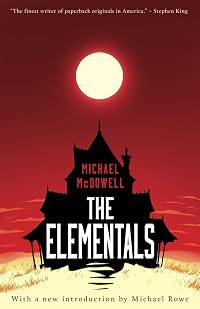
The Elementals
by Michael McDowell
On This Page
Description
"The finest writer of paperback originals in America." - Stephen King "Surely one of the most terrifying novels ever written." - Poppy Z. Brite "Beyond any trace of doubt, one of the best writers of horror in this or any other country." - Peter Straub "Readers of weak constitution should beware " - Publishers Weekly "McDowell has a flair for the gruesome." - Washington Post After a bizarre and disturbing incident at the funeral of matriarch Marian Savage, the McCray and Savage families look show more forward to a restful and relaxing summer at Beldame, on Alabama's Gulf Coast, where three Victorian houses loom over the shimmering beach. Two of the houses are habitable, while the third is slowly and mysteriously being buried beneath an enormous dune of blindingly white sand. But though long uninhabited, the third house is not empty. Inside, something deadly lies in wait. Something that has terrified Dauphin Savage and Luker McCray since they were boys and which still haunts their nightmares. Something horrific that may be responsible for several terrible and unexplained deaths years earlier - and is now ready to kill again . . . A haunted house story unlike any other, Michael McDowell's The Elementals (1981) was one of the finest novels to come out of the horror publishing explosion of the 1970s and '80s. Though best known for his screenplays for Tim Burton's Beetlejuice and The Nightmare Before Christmas, McDowell is now being rediscovered as one of the best modern horror writers and a master of Southern Gothic literature. This edition of McDowell's masterpiece of terror features a new introduction by award-winning horror author Michael Rowe. McDowell's first novel, the grisly and darkly comic The Amulet (1979), is also available from Valancourt Books. show lessTags
Recommendations






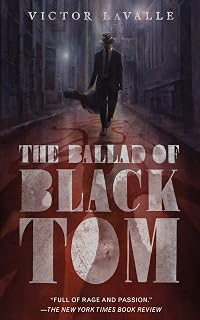
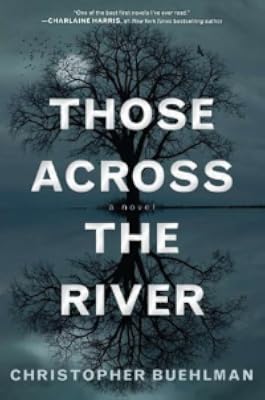
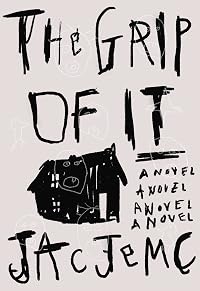
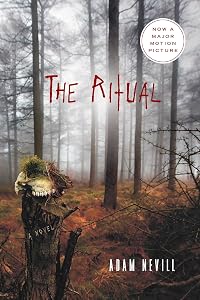
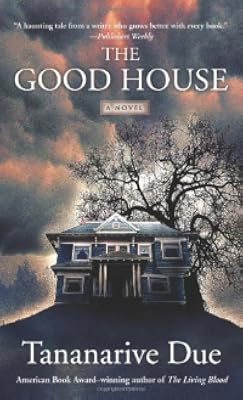
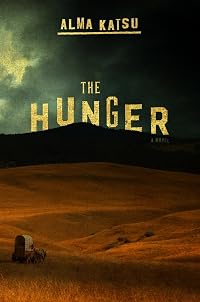
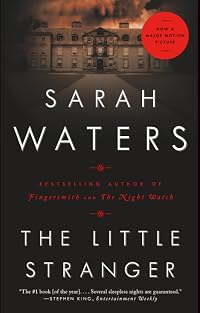

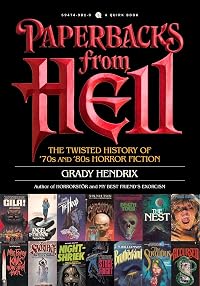
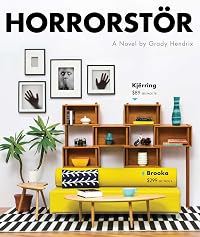
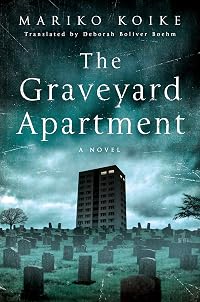
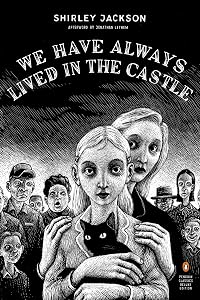

Member Recommendations
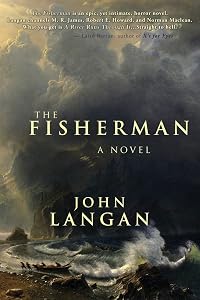
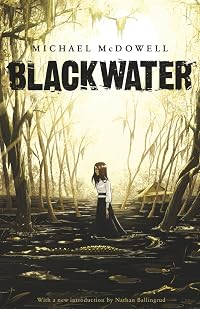
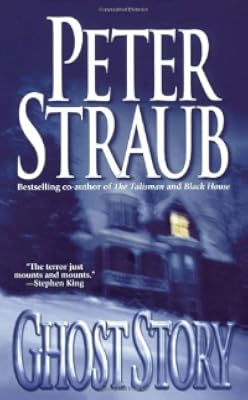
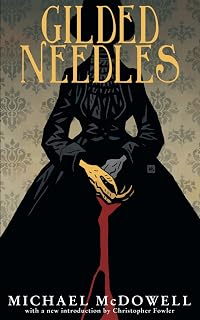
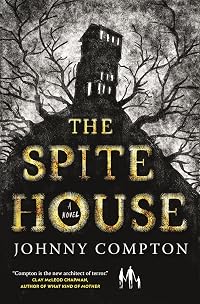
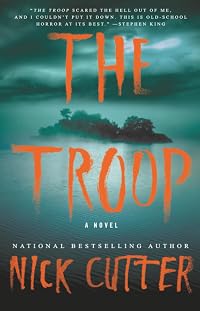
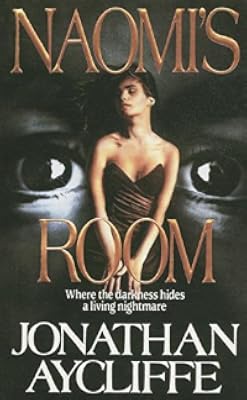
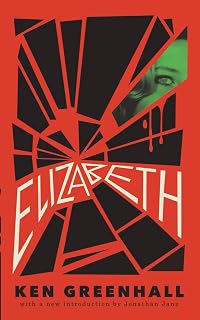
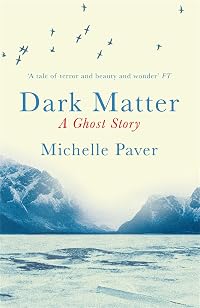
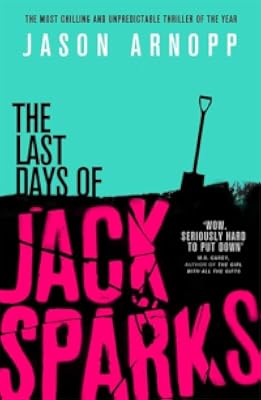
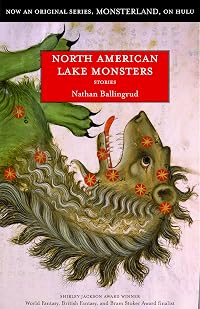
SomeGuyInVirginia Both books feature clusters of Victorian mansions.
02

sturlington Gothic weirdness
Member Reviews
McDowell's ability to create ghost stories that aren't about ghosts is uncanny. This time the story is less swampy than it is full of sand, that's coarse and rough and irritating and gets everywhere. It's in fact evil sand! Or possibly haunted. Or maybe manifested from another reality. What sounds absolutely ridiculous manages to be a smouldering horror story about a haunted house and the things in it, or possibly in the sand itself, and the families caught up living next to it. McDowell never really defines his monsters or unveils their backstories in a way that keeps everything truly mysterious and alien, and avoids the pitfall of a Stephen King ending where it just turns out it was some evil alien rock that assimilated the sand.
I had no idea of what to expect when I picked up The Elementals. I don’t even remember where or when it was recommended to me. I certainly didn’t expect maybe the finest haunted house story I’ve read since The Haunting of Hill House (which happens to be an almost perfect novel, by the way).
The Elementals is quintessentially a southern gothic, replacing windswept moors and foggy nights with beachfront houses, unforgiving sun, weltering heat. But there’s lies, family secrets and blood and despair a-plenty nonetheless. The characters are strong and actually engaging, though maybe not fully likable, painted in bold strokes that might take a while to get used to if you’re used to more subdued depictions.
It’s also not, in fact, a show more ghost story, insofar as the actual supernatural element of the story refuses traditional genre classification and will resist any attempts at taming it by giving it discernable motivation, logic or cause.Rather than frustrate, however, this only acts to increase the feeling of dread and helplessness, making it actually scary at times. In that way, The Elementals also has more in common with cosmic horror, but without the sometimes overwrought cosmology of the lovecraftian tradition.
Don’t sleep on this one, probably one of the best this year so far for me. show less
The Elementals is quintessentially a southern gothic, replacing windswept moors and foggy nights with beachfront houses, unforgiving sun, weltering heat. But there’s lies, family secrets and blood and despair a-plenty nonetheless. The characters are strong and actually engaging, though maybe not fully likable, painted in bold strokes that might take a while to get used to if you’re used to more subdued depictions.
It’s also not, in fact, a show more ghost story, insofar as the actual supernatural element of the story refuses traditional genre classification and will resist any attempts at taming it by giving it discernable motivation, logic or cause.Rather than frustrate, however, this only acts to increase the feeling of dread and helplessness, making it actually scary at times. In that way, The Elementals also has more in common with cosmic horror, but without the sometimes overwrought cosmology of the lovecraftian tradition.
Don’t sleep on this one, probably one of the best this year so far for me. show less
This is in most ways just brilliant. There are a few oddities--these are a weird group of people, especially Father and Daughter Luker and India. The setting, on Alabama's Gulf Coast before it was adulterated by condominiums is unforgettable, as are the three houses at the center of the story. This is a slow-moving but engrossing tale that builds to quite a climax--but no spoilers here. 13-year old India and the long-time Black housekeeper, Odessa, are the brave heroines here, who have to face up to the "elementals" of the title. While there may be parts of this that remind you of other horror stories, I've never seen quite this combination before, and McDowell pulled it off almost flawlessly. (There really should be some sort of show more historical marker to mark the location of Beldame!) Michael Rowe's Introduction, while not containing any big spoilers, is best saved for last, when you can contrast his appreciation for the novel with your own. show less
Elementals?!? New fear unlocked. This Southern Gothic Horror classic was first published by Avon Books in 1981. I saw that it’s by the same author who wrote the screenplays for Beetlejuice and The Nightmare Before Christmas, so I was intrigued.
I wasn’t going to write a review, because I think there’s so much going on underneath the surface, and so much symbolism, that I’d need to read it again to fully digest everything. Then I decided to throw out a few thoughts anyway. I originally listened to this on audiobook, and R.C. Bray did a fantastic job with the narration and capturing the essence of so many characters.
I love a good Southern family drama, then mix in some horror and I’m hooked. In THE ELEMENTALS, there are two old show more families from Mobile, Alabama, connected through marriage, the McCrays and the Savages. At a place called Beldame on the Gulf, there are three Victorian summer houses — one owned by the McCrays, one owned by the Savages, and no one was sure who owned the third.
That third house was slowly being engulfed in sand, and though it appeared empty, it wasn’t. There was evil afoot, the families KNEW IT, but they still returned for holidays. The death of the Savage matriarch ignites a series of horrific events during another sweltering summer in Beldame.
I was completely absorbed in this creepy, atmospheric book. Much of it was a simmering slow-burn, as we get to know the bizarre characters and their complicated relationships, and the dark history of Beldame. Did I mention that they’re cut off from the mainland during high tide? There’s no way you could get me back there, knowing what they know, and ooh, they’re about to know more. Character-driven horror is the best.
I’m very impressed with Michael McDowell’s writing. Sadly, he’s no longer with us, but I plan on reading more of the work he left behind. show less
I wasn’t going to write a review, because I think there’s so much going on underneath the surface, and so much symbolism, that I’d need to read it again to fully digest everything. Then I decided to throw out a few thoughts anyway. I originally listened to this on audiobook, and R.C. Bray did a fantastic job with the narration and capturing the essence of so many characters.
I love a good Southern family drama, then mix in some horror and I’m hooked. In THE ELEMENTALS, there are two old show more families from Mobile, Alabama, connected through marriage, the McCrays and the Savages. At a place called Beldame on the Gulf, there are three Victorian summer houses — one owned by the McCrays, one owned by the Savages, and no one was sure who owned the third.
That third house was slowly being engulfed in sand, and though it appeared empty, it wasn’t. There was evil afoot, the families KNEW IT, but they still returned for holidays. The death of the Savage matriarch ignites a series of horrific events during another sweltering summer in Beldame.
I was completely absorbed in this creepy, atmospheric book. Much of it was a simmering slow-burn, as we get to know the bizarre characters and their complicated relationships, and the dark history of Beldame. Did I mention that they’re cut off from the mainland during high tide? There’s no way you could get me back there, knowing what they know, and ooh, they’re about to know more. Character-driven horror is the best.
I’m very impressed with Michael McDowell’s writing. Sadly, he’s no longer with us, but I plan on reading more of the work he left behind. show less
If you're looking for a deeply atmospheric, well-written and perfectly narrated novel to fill you with an inexorable dread, "The Elementals" is the book for you.
"The Elementals" has a remarkably powerful, cliché-free start, that embeds your imagination in the South like a throwing knife splitting a rotting log. What better way to start than with a funeral that goes from dire and depressing to deeply disturbing in a few pages.
I'd never read Michael McDowell before but I wasn't surprised to learn later that he was an excellent screenwriter. The style of"The Elementals" is cinematic in a lots-of-close-ups, see-the-motes-in-the-sunlit-air lighting and strange but intimate camera angles kind of way.
The characters, especially Luker and his show more preciously independent daughter India are engaging and believable. Despite being unconventional people (Luker came from around hear but he raised his daughter in New York City so you can't exactly expect them to be normal, can you?) become the anchor points for sanity in a world that is sliding towards the lethally strange with the slow grace of an unmoored house sliding of a cliff into the sea.
The heat becomes almost a character in the story in its own right. India discovers for the first time the heat and humidity induced languor of the South that bends time and alter perceptions. Luker explains to her that this hot humid coastal resort of Beldame is:
"...a low energy place. The kind of place where you can only get one or two things done in a day and one of those is getting out of bed."
Not surprisingly, the horror in this book is of the slow but deeply disturbing kind. It seemed to me that the dread in this book had a pulse: slow and strong, like an ambush predator waiting on a branch.
Having this atmospheric tale delivered to my ear in R.C. Bray's gravelly but insistent voice was a remarkable reading experience. show less
"The Elementals" has a remarkably powerful, cliché-free start, that embeds your imagination in the South like a throwing knife splitting a rotting log. What better way to start than with a funeral that goes from dire and depressing to deeply disturbing in a few pages.
I'd never read Michael McDowell before but I wasn't surprised to learn later that he was an excellent screenwriter. The style of"The Elementals" is cinematic in a lots-of-close-ups, see-the-motes-in-the-sunlit-air lighting and strange but intimate camera angles kind of way.
The characters, especially Luker and his show more preciously independent daughter India are engaging and believable. Despite being unconventional people (Luker came from around hear but he raised his daughter in New York City so you can't exactly expect them to be normal, can you?) become the anchor points for sanity in a world that is sliding towards the lethally strange with the slow grace of an unmoored house sliding of a cliff into the sea.
The heat becomes almost a character in the story in its own right. India discovers for the first time the heat and humidity induced languor of the South that bends time and alter perceptions. Luker explains to her that this hot humid coastal resort of Beldame is:
"...a low energy place. The kind of place where you can only get one or two things done in a day and one of those is getting out of bed."
Not surprisingly, the horror in this book is of the slow but deeply disturbing kind. It seemed to me that the dread in this book had a pulse: slow and strong, like an ambush predator waiting on a branch.
Having this atmospheric tale delivered to my ear in R.C. Bray's gravelly but insistent voice was a remarkable reading experience. show less
What begins as a morbidly funny Southern Gothic slowly morphs into into creepy, spine-tingling horror. And it's not just things that go bump in the night, but completely horrifying things even in the bright light of a clear, sunny day.
The author, Michael McDowell, was from Alabama & I can say that I think he nailed the characters & setting perfectly. Just spot-on, every single one of them. Normally, my favorite creepy/horror books are vampire-based, but I loved this one. I keep few books, but I think I'll be hanging onto this one because it's one I'd love to revisit next October. From a die-hard vampire fan, that's high praise for a haunted house story. Totally worth it.
The author, Michael McDowell, was from Alabama & I can say that I think he nailed the characters & setting perfectly. Just spot-on, every single one of them. Normally, my favorite creepy/horror books are vampire-based, but I loved this one. I keep few books, but I think I'll be hanging onto this one because it's one I'd love to revisit next October. From a die-hard vampire fan, that's high praise for a haunted house story. Totally worth it.
The Savage family of Mobile, Alabama, have a centuries old family tradition that to say it is odd would be an understatement. Every person that is born into the Savage family has a knife presented to them at their christening. The knife goes with them for the rest of their life. When they die, their knife is stuck in the chest, and then buried in with them. The Savages, also take photographs of all of their dead before they are buried. Dauphin Savage has "a whole box of `em." we are told. Now we have been introduced to this "Southern gothic/Addams Family". The Savage and McCray families have been brought together at a funeral and we see more of this eerie world that the author has created as the latest member of the Savage family, show more Marian, "the meanest bitch that ever trod the streets of Mobile" is laid to rest with a hole in her heart. After Marian Savage's burial, the two families go to Beldame, which is over fifty miles away for a vacation. Beldame is the setting for the majority of the book. There are three Victorian houses that were built in 1875 by the Savage family. Two are inhabitable... one, that is often only referred to as "the third house," Sand from the dunes has piled around the structure and all but sealed most every entryway into the house...but it still contains all of its original, now rotting, furnishings. Fascinated by the dilapidated "third house" and doing her best to see in and take pictures of the dwelling, 13-year-old India McCray is the first of the two families in a long time to sense and maybe catch sight of something that is not quite right... and capture it on film. One character, Odessa, a Black servant, plays a big part in what happens to the families during their stay. She has seen more, knows more, and understands more about what plagues and dwells in the "third house" than anyone. Odessa knows, rather they admit or not that they are all afraid of the sealed-up house. She warns: "They's just some houses that got something inside `em--a spirit like. No ghosts, no such thing as dead people coming back. Dead people go to heaven, dead people go to hell. They don't hang around. Nothing like that. They's just something that's inside that house." It is that "something" that obsesses India and which becomes the focus of the story as it slowly unfolds. The story reminded me a great deal of Shirly Jackson's "Haunting of Hill House"...which I remember reading over and over...the movie never did it justice. show less
Members
- Recently Added By
Published Reviews
ThingScore 100
The tone McDowell takes for The Elementals is, at first glance, anachronistically slow and courtly for its time-period, relying on creepy misdirection and a sort of black comedy of manners rather than short, sharp shocks for its overall impact. As the book continues, however, its atmosphere builds to a close, hot pitch of febrile discomfort; McDowell never sets a foot wrong, choosing each word show more with nasty care and maintaining a cruel distance from his protagonists throughout, which allows them to cocoon themselves within a self-defeating shell of disbelief and indifference, then watches the consequences of their inaction evolve without comment, let alone sympathy. show less
added by Lemeritus
Lists

Best Horror Books
281 works; 85 members

NPR Reader Poll: 100 Best Horror Novels and Stories
100 works; 20 members

Sense of place
156 works; 13 members

Scary Stories for the Season
160 works; 94 members

Best Family Stories
241 works; 22 members

Best Beach Reads
99 works; 61 members

LGBTQIA Horror
172 works; 7 members

Houses and Buildings as Characters in Fiction
182 works; 28 members
Paste's 50 Best Horror Novels of All time
50 works; 6 members
Books Set in Alabama
10 works; 5 members

Diverse Horror
262 works; 6 members

Books Read in 2017
4,249 works; 129 members

Best Horror Mega-List
342 works; 6 members
Haunted Places and Ghost Stories Reading List
99 works; 4 members
Spooky United States: The Scariest Books Set in Each State
50 works; 3 members
Ghost Stories That Thrill Us
256 works; 115 members

At the Library
217 works; 1 member

Books Read in 2013
1,630 works; 51 members

Jones & Newman: Best Horror Books Further Recommended Reading
577 works; 4 members

Paperbacks from Hell
382 works; 9 members

Beginner's Guide to Southern Gothic
22 works; 4 members

Books Read in 2019
4,052 works; 110 members

BlackDog's Complete Paperbacks From Hell List
639 works; 3 members
Author Information

46+ Works 6,466 Members
Some Editions
Awards and Honors
Common Knowledge
- Canonical title
- The Elementals
- Original title
- The Elementals
- Original publication date
- 1981
- People/Characters
- Luker McCray; India McCray; Dauphin Savage; Leigh McCray Savage; Odessa Red; Big Barbara McCray (show all 8); Marian Savage; Lawton McCray
- Important places
- Alabama, USA; Gulf Coast
- Epigraph
- To lead us farther into darkness, and quite to lose us in this maze of Error . . . the Devil maketh men believe that apparitions, and such as confirm his existence are either deceptions of sight, or melancholy depravements of... (show all) phansie. -- Sir Thomas Browne, Pseudodoxia Epidemica
- Dedication
- In memory of James and Mildred Mulkey
- First words
- In the middle of a desolate Wednesday afternoon in the last sweltering days of May, a handful of mourners were gathered in the church dedicated to St. Jude Thaddeus in Mobile, Alabama.
- Last words
- (Click to show. Warning: May contain spoilers.)And those babies aren't McCrays--they're Savages.
- Canonical DDC/MDS
- 813.5
- Canonical LCC
- PS3563.A29224
Classifications
Statistics
- Members
- 1,050
- Popularity
- 24,502
- Reviews
- 59
- Rating
- (3.90)
- Languages
- 7 — English, French, German, Polish, Portuguese, Russian, Spanish
- Media
- Paper, Audiobook, Ebook
- ISBNs
- 14
- ASINs
- 6