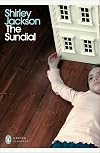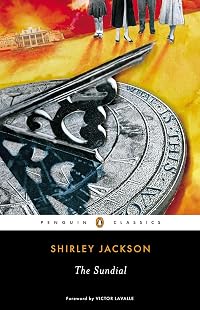
The Sundial
by Shirley Jackson
On This Page
Description
When the Halloran clan gathers at the family home for a funeral, no one is surprised when the somewhat peculiar Aunt Fanny wanders off into the secret garden. But then she returns to report an astonishing vision of an apocalypse from which only the Hallorans and their hangers-on will be spared, and the family finds itself engulfed in growing madness, fear, and violence as they prepare for a terrible new world.Tags
Recommendations










Member Recommendations
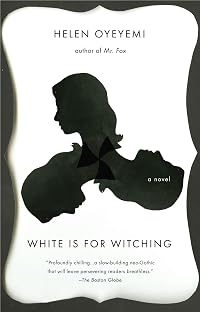
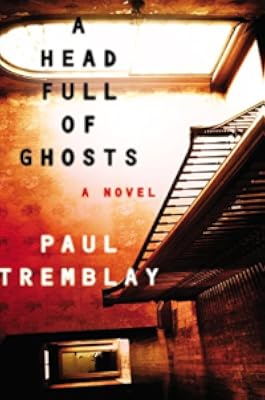
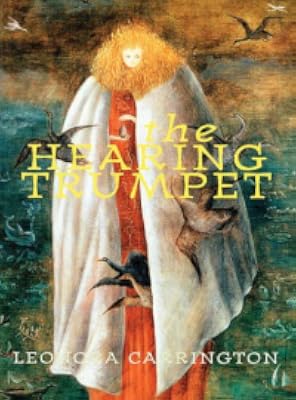
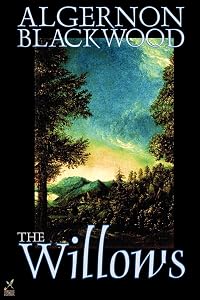
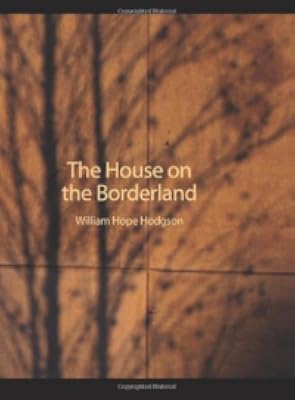
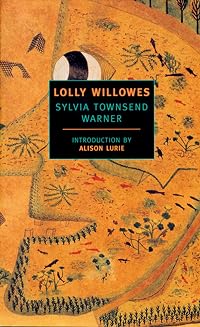
SomeGuyInVirginia Maybe apocalypse?
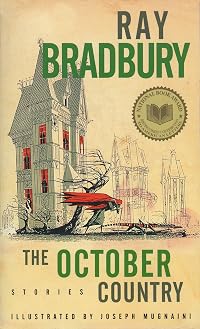
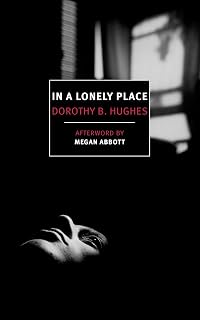
sturlington Gothic weirdness
Member Reviews
This is probably a book that would reward a more patient and careful reading than I gave it. The book is full of what seem like intentional metaphors, like the sundial (science, knowledge?) the house (Eden, security, a coffin?), the books in the library (reason, knowledge?), Orianna’s crown (vanity, self delusion?), the villagers (humanity?). And then there are the layered voices, the dialogic symmetry, the images of paradise and hell, or beginnings and ends. Then there are probably lots of literary allusions as well: Paradise Lost? Masque of the Red Death?
For me, I connect the story to the climate crisis, where the Halloran house is the bubble we have constructed for ourselves about our own safety. Somehow this house will survive and show more so we don’t need to have an understanding of what’s happening outside. And then there are the shortsighted preparatory actions that often end up being trivial attempts to hang on to creature comforts (i.e., the characters filling so many thermoses on the eve of destruction with hot soup and coffee). Neither do we need to have regard for others: don’t they have their own houses?
As a metaphor, the Halloran House and the characters’ willingness to ignorantly and naively believe in its safety, despite the grim oracle emanating from around the sundial, seems like it could animate any number of similar, modern scenarios.
Overall, it’s a good novel. The characters certainly got onto my nerves, but, I think that was probably by design. Also, the spare narration was probably also a device for keeping readers at enough distance to see the story as allegory rather than an immersive slice of life experience. show less
For me, I connect the story to the climate crisis, where the Halloran house is the bubble we have constructed for ourselves about our own safety. Somehow this house will survive and show more so we don’t need to have an understanding of what’s happening outside. And then there are the shortsighted preparatory actions that often end up being trivial attempts to hang on to creature comforts (i.e., the characters filling so many thermoses on the eve of destruction with hot soup and coffee). Neither do we need to have regard for others: don’t they have their own houses?
As a metaphor, the Halloran House and the characters’ willingness to ignorantly and naively believe in its safety, despite the grim oracle emanating from around the sundial, seems like it could animate any number of similar, modern scenarios.
Overall, it’s a good novel. The characters certainly got onto my nerves, but, I think that was probably by design. Also, the spare narration was probably also a device for keeping readers at enough distance to see the story as allegory rather than an immersive slice of life experience. show less
After receiving a vision from their deceased father, the Halloran family and their various hangers-on prepare for the end of the world.
There is not one likable character in this novel, but there is a lot of dark humor. Shirley Jackson seems to take great delight in skewering her creations, the members of the Halloran family and all the others holed up in their gothic mansion, awaiting the apocalypse. Orianna Halloran, the matriarch of the family, is imperious, conceited, and manipulative, conniving to keep her various subjects in check as they jockey for love interests, positions of influence, or just to escape the madhouse. Also present is her recently widowed daughter-in-law, who seems susceptible to the "vapors," and her show more granddaughter Fancy, the only one who seems a match for the old woman; a spinster aunt and recipient of the apocalyptic visions; a crippled, demented husband; a couple of household employees, who seem uniquely unqualified for work in the real world; and a few opportunistic late arrivals.
The Halloran house, which is itself a character, is ostentatious, overstuffed, and full of things without purpose, including its inhabitants. They pass the time stockpiling supplies in the library, burning the books to make room (I suppose there will be no reading after the end of the world), and wandering the convoluted grounds, which include a hedge maze, a small lake, and the sundial, sitting off-center on the front lawn engraved with the bizarre maxim, "What is this world?" The house and its grounds resemble a funhouse at the fair, with no apparent way out; even the one character who manages to get past the front gates finds herself fleeing randomly through a fog-shrouded wilderness to be deposited right back at those gates again. Gothic and creepy, yes, but also quite a bit of fun.
Reality is not a concern in this world. Various visions and manifestations that occur may be supernatural or may be the result of mass hysteria. Does the world really end? That's unclear, and it doesn't really matter. These terrible people are trapped inside the Halloran mansion as if inside a snow globe, so whether the world continues outside the closed gates has no effect on them.
Jackson allows us readers to share the joke with her. We can't feel sympathy for these people, only glad that they are locked up in there, and we are out here. We'd almost prefer the world to go up in flames than be stuck in that gloomy house with those awful people until the end of time. Along with The Haunting of Hill House and We Have Always Lived in the Castle, The Sundial is a masterwork of Jackson's unique blend of black humor and supreme creepiness. show less
There is not one likable character in this novel, but there is a lot of dark humor. Shirley Jackson seems to take great delight in skewering her creations, the members of the Halloran family and all the others holed up in their gothic mansion, awaiting the apocalypse. Orianna Halloran, the matriarch of the family, is imperious, conceited, and manipulative, conniving to keep her various subjects in check as they jockey for love interests, positions of influence, or just to escape the madhouse. Also present is her recently widowed daughter-in-law, who seems susceptible to the "vapors," and her show more granddaughter Fancy, the only one who seems a match for the old woman; a spinster aunt and recipient of the apocalyptic visions; a crippled, demented husband; a couple of household employees, who seem uniquely unqualified for work in the real world; and a few opportunistic late arrivals.
The Halloran house, which is itself a character, is ostentatious, overstuffed, and full of things without purpose, including its inhabitants. They pass the time stockpiling supplies in the library, burning the books to make room (I suppose there will be no reading after the end of the world), and wandering the convoluted grounds, which include a hedge maze, a small lake, and the sundial, sitting off-center on the front lawn engraved with the bizarre maxim, "What is this world?" The house and its grounds resemble a funhouse at the fair, with no apparent way out; even the one character who manages to get past the front gates finds herself fleeing randomly through a fog-shrouded wilderness to be deposited right back at those gates again. Gothic and creepy, yes, but also quite a bit of fun.
Reality is not a concern in this world. Various visions and manifestations that occur may be supernatural or may be the result of mass hysteria. Does the world really end? That's unclear, and it doesn't really matter. These terrible people are trapped inside the Halloran mansion as if inside a snow globe, so whether the world continues outside the closed gates has no effect on them.
Jackson allows us readers to share the joke with her. We can't feel sympathy for these people, only glad that they are locked up in there, and we are out here. We'd almost prefer the world to go up in flames than be stuck in that gloomy house with those awful people until the end of time. Along with The Haunting of Hill House and We Have Always Lived in the Castle, The Sundial is a masterwork of Jackson's unique blend of black humor and supreme creepiness. show less
After the funeral they came back to the house, now indisputably Mrs. Halloran's. They stood uneasily, without any certainty, in the large lovely entrance hall, and watch Mrs. Halloran go into the right wing of the house to let Mr. Halloran know that Lionel's last rites had gone off without melodrama. Young Mrs. Halloran, looking after her mother-in-law, said without hope, "Maybe she will drop dead on the doorstep. Fancy, dear, would you like to see Granny drop dead on the doorstep?"
"Yes, mother." [Fancy is introduced as a ten-year-old girl.]
"I am going to pray for it as long as I live," said young Mrs. Halloran, folding her hands together devoutly.
"Shall I push her?" Fancy asked. "Like she pushed my daddy?"
And...welcome to the show more wonderfully twisted world of Shirley Jackson. Written before her more popular novels, [b:The Haunting of Hill House|89717|The Haunting of Hill House|Shirley Jackson|https://i.gr-assets.com/images/S/compressed.photo.goodreads.com/books/1327871336l/89717._SY75_.jpg|3627] or [b:We Have Always Lived in the Castle: A Melodrama in Three Acts|397084|We Have Always Lived in the Castle A Melodrama in Three Acts|Hugh Wheeler|https://i.gr-assets.com/images/S/compressed.photo.goodreads.com/books/1501246151l/397084._SX50_.jpg|56060855], The Sundial also features an eccentric cast of characters living together.
The five surviving Hallorans (invalid Richard, his domineering wife Orianna, his spinster sister "Aunt Fanny," resentful daughter-in-law Maryjane, and possibly sociopathic granddaughter Fancy) live in the ancestral home (having been built by Richard's father when he and Fanny were children) along with Miss Ogilvie and Essex, who are "employed" in various capacities.
When Orianna announces her plans to turn out everyone except herself, her husband (who she probably would dump if she could and still keep the house), and Fancy, panic ensues. Aunt Fanny goes for middle-of-the-night walk through the secluded grounds and has a vision of her late father, who tells her the world around them will soon be destroyed, but all who stay in the house will be saved. It's obvious why Aunt Fanny and the others choose to believe this vision, but why Orianna indulges it and allows them all to stay is less clear.
Preparations will be made. Omens will occur. Others will join the band of chosen survivors. Drama will ensue.
I chose this novel to kick off my annual month of spooky reads, but found it more humorous than spooky. Ms. Jackson is the queen of social satire with dagger-sharp dialogue. One of my favorite scenes occurs when a doomsday cult hears about the house. (In need of a place to meet, their beliefs -- unfortunately -- do not align with those of the Hallorans et al.) My favorite character, the mononymous Essex, master of dry humor and possible gigolo, engages with the cult members:
"You sir," the man said, addressing Essex. "Do you atone?"
"Daily," said Essex.
"Sin?"
"When I can," said Essex manfully.
"Metal?"
"I beg your pardon?"
"How do you stand on metal? Allow yourselves metal fastenings? Meat? Ills of the flesh?"
"I am heir to all of them," said Essex, inspired.
My other favorite scene also involves Essex, this time spinning colorful backstories for his housemates to mess with people from the local village.
The ending is a little ambiguous for my taste, but overall, The Sundial is a highly entertaining bit of fiction. If you like Shirley Jackson, you should give it a whirl. show less
"Yes, mother." [Fancy is introduced as a ten-year-old girl.]
"I am going to pray for it as long as I live," said young Mrs. Halloran, folding her hands together devoutly.
"Shall I push her?" Fancy asked. "Like she pushed my daddy?"
And...welcome to the show more wonderfully twisted world of Shirley Jackson. Written before her more popular novels, [b:The Haunting of Hill House|89717|The Haunting of Hill House|Shirley Jackson|https://i.gr-assets.com/images/S/compressed.photo.goodreads.com/books/1327871336l/89717._SY75_.jpg|3627] or [b:We Have Always Lived in the Castle: A Melodrama in Three Acts|397084|We Have Always Lived in the Castle A Melodrama in Three Acts|Hugh Wheeler|https://i.gr-assets.com/images/S/compressed.photo.goodreads.com/books/1501246151l/397084._SX50_.jpg|56060855], The Sundial also features an eccentric cast of characters living together.
The five surviving Hallorans (invalid Richard, his domineering wife Orianna, his spinster sister "Aunt Fanny," resentful daughter-in-law Maryjane, and possibly sociopathic granddaughter Fancy) live in the ancestral home (having been built by Richard's father when he and Fanny were children) along with Miss Ogilvie and Essex, who are "employed" in various capacities.
When Orianna announces her plans to turn out everyone except herself, her husband (who she probably would dump if she could and still keep the house), and Fancy, panic ensues. Aunt Fanny goes for middle-of-the-night walk through the secluded grounds and has a vision of her late father, who tells her the world around them will soon be destroyed, but all who stay in the house will be saved. It's obvious why Aunt Fanny and the others choose to believe this vision, but why Orianna indulges it and allows them all to stay is less clear.
Preparations will be made. Omens will occur. Others will join the band of chosen survivors. Drama will ensue.
I chose this novel to kick off my annual month of spooky reads, but found it more humorous than spooky. Ms. Jackson is the queen of social satire with dagger-sharp dialogue. One of my favorite scenes occurs when a doomsday cult hears about the house. (In need of a place to meet, their beliefs -- unfortunately -- do not align with those of the Hallorans et al.) My favorite character, the mononymous Essex, master of dry humor and possible gigolo, engages with the cult members:
"You sir," the man said, addressing Essex. "Do you atone?"
"Daily," said Essex.
"Sin?"
"When I can," said Essex manfully.
"Metal?"
"I beg your pardon?"
"How do you stand on metal? Allow yourselves metal fastenings? Meat? Ills of the flesh?"
"I am heir to all of them," said Essex, inspired.
My other favorite scene also involves Essex, this time spinning colorful backstories for his housemates to mess with people from the local village.
The ending is a little ambiguous for my taste, but overall, The Sundial is a highly entertaining bit of fiction. If you like Shirley Jackson, you should give it a whirl. show less
I think Jackson's at her best when she has a single strong perspective character, which this book didn't have, but this worked well as an ensemble piece, and it was still weird and fascinating and funny and upsetting, classic Jackson. The most interesting take on the apocalypse that I've ever read, I think.
Also, I know I don't actually want it, but damn I need the next 10 pages after the end of the book, please.
Also, I know I don't actually want it, but damn I need the next 10 pages after the end of the book, please.
In The Sundial, perhaps Shirley Jackson’s most comical novel, twelve rather disagreeable individuals are cooped together in a mansion waiting for the end of the world.
When Aunt Fanny, a rather ditsy spinster is threatened out of her family home by her megalomaniac sister-in-law, she is quite rightfully distressed. Lucky for Aunt Fanny, on that very same day she happens to hear the disembodied voice of her deceased father. He warns Aunt Fanny of an impending apocalypse and tells her not to leave the Halloran estate: “Tell them in the house that they will be saved. Do not let them leave the house.”
What ensues is a comedy of sorts, as the family is engulfed in growing madness, fear, and violence. Lost in the thought of a coming show more paradise, their interior lives collide into utter madness.
The novel is packed with hilarious observations, and the characters act so strangely in their belief of the coming apocalypse. They create rules to abide by; they destroy books; they throw one last little party for the town. Like the mansion in The Haunting of Hill House, the Halloran estate is a character. Shirley writes:
“THE CHARACTER OF THE HOUSE IS PERHAPS OF INTEREST. IT STOOD UPON A SMALL RISE IN GROUND, AND ALL THE LAND IT SURVEYED BELONGED TO THE HALLORAN FAMILY. THE HALLORAN LAND WAS DISTINGUISHED FROM THE REST OF THE WORLD BY A STONE WALL, WHICH WENT COMPLETELY AROUND THE ESTATE, SO THAT ALL INSIDE THE WALL WAS HALLORAN, ALL OUTSIDE WAS NOT.”
This is yet another novel by Jackson that explores the double function of houses: the Halloran mansion is both a fortress—a place of safety—and a prison.
And in the end, as the family awaits the coming paradise, in the midst of a storm, it surely seems like the mansion is more prison than a safe refuge.
The Sundial, written before Hill House, is a slowly haunting book, with no easy answers. Is it about the danger of belief? Is it about the danger of greed? Is it a critique of the privileged?
Perhaps.
It will leave you thinking like all great literature does, long after you close the pages. show less
When Aunt Fanny, a rather ditsy spinster is threatened out of her family home by her megalomaniac sister-in-law, she is quite rightfully distressed. Lucky for Aunt Fanny, on that very same day she happens to hear the disembodied voice of her deceased father. He warns Aunt Fanny of an impending apocalypse and tells her not to leave the Halloran estate: “Tell them in the house that they will be saved. Do not let them leave the house.”
What ensues is a comedy of sorts, as the family is engulfed in growing madness, fear, and violence. Lost in the thought of a coming show more paradise, their interior lives collide into utter madness.
The novel is packed with hilarious observations, and the characters act so strangely in their belief of the coming apocalypse. They create rules to abide by; they destroy books; they throw one last little party for the town. Like the mansion in The Haunting of Hill House, the Halloran estate is a character. Shirley writes:
“THE CHARACTER OF THE HOUSE IS PERHAPS OF INTEREST. IT STOOD UPON A SMALL RISE IN GROUND, AND ALL THE LAND IT SURVEYED BELONGED TO THE HALLORAN FAMILY. THE HALLORAN LAND WAS DISTINGUISHED FROM THE REST OF THE WORLD BY A STONE WALL, WHICH WENT COMPLETELY AROUND THE ESTATE, SO THAT ALL INSIDE THE WALL WAS HALLORAN, ALL OUTSIDE WAS NOT.”
This is yet another novel by Jackson that explores the double function of houses: the Halloran mansion is both a fortress—a place of safety—and a prison.
And in the end, as the family awaits the coming paradise, in the midst of a storm, it surely seems like the mansion is more prison than a safe refuge.
The Sundial, written before Hill House, is a slowly haunting book, with no easy answers. Is it about the danger of belief? Is it about the danger of greed? Is it a critique of the privileged?
Perhaps.
It will leave you thinking like all great literature does, long after you close the pages. show less
This one started off with a bang - pushed down the stairs, or fell? Ghost encounter or madness or lies? - but then slowed waaay down. At first I resented the change in tempo, but after finishing the book I understand how necessary that change was to the plot. And it works, it really works.
DNF at 21%. A real text I sent to my mom today:
“I think my period is going to start soon because everything is pissing me off for no reason. Trying to cross stitch and relax but it angers me. Somehow.”
Maybe it’s menstruation, maybe it’s Maybelline. But if characters such as this actually exist in the real world, I do not want to know them — and even if they only exist fictionally, I certainly do not want to read about them (and I don’t really care about their impending doomsday event). I know they are supposed to be rich and snobbish but oh my shit that was insufferable. I can’t even root for the kid. I’d like to think another version of me would be patient and suffer through this because of some weirdly misguided show more devotion to a long-dead author and then quietly give it a low rating, but current me ain’t got time for that.
P.S. I feel guilty now for using my most beloved em-dash. Humanity is doomed. That’s all. show less
“I think my period is going to start soon because everything is pissing me off for no reason. Trying to cross stitch and relax but it angers me. Somehow.”
Maybe it’s menstruation, maybe it’s Maybelline. But if characters such as this actually exist in the real world, I do not want to know them — and even if they only exist fictionally, I certainly do not want to read about them (and I don’t really care about their impending doomsday event). I know they are supposed to be rich and snobbish but oh my shit that was insufferable. I can’t even root for the kid. I’d like to think another version of me would be patient and suffer through this because of some weirdly misguided show more devotion to a long-dead author and then quietly give it a low rating, but current me ain’t got time for that.
P.S. I feel guilty now for using my most beloved em-dash. Humanity is doomed. That’s all. show less
Members
- Recently Added By
Lists

Best Gothic Fiction
110 works; 31 members

Best Horror Books
281 works; 85 members

Best Family Stories
241 works; 22 members

Recommended Apocalyptic Novels
53 works; 24 members

Female Protagonist
1,056 works; 57 members

1950s
340 works; 22 members

New England Books
101 works; 10 members

Hidden Classics
73 works; 14 members

Houses and Buildings as Characters in Fiction
182 works; 29 members
Dystopian and Apocalyptic Literature
350 works; 74 members

Books Read in 2014
2,344 works; 89 members

Massachusetts
5 works; 2 members

Stephen King's 'Danse Macabre' reading list
111 works; 25 members

Undiscovered Classics to Read
70 works; 15 members

Recommended Horror and Dark Fiction by Women
81 works; 13 members
Favorite Books from the 1950s
33 works; 2 members

Novels featuring Mothers
64 works; 8 members
Best Books of the 20th Century
193 works; 5 members

It's the end of the world as we know it!
90 works; 21 members

Books With Time Words in the Title
160 works; 4 members

Books Read in 2011
684 works; 20 members
Most Popular Penguins
70 works; 5 members

Jones & Newman: Best Horror Books Further Recommended Reading
577 works; 4 members

Stephen King's Danse Macabre Full Appendix List
110 works; 2 members

Classics you know you should have read but probably haven't
421 works; 407 members
Author Information

121+ Works 40,146 Members
Shirley Jackson was born in San Francisco, California on December, 14, 1919. She received a Bachelor of Arts degree from Syracuse University in 1940. Much of her writing was done during the years she was raising her children. She is best-known for the short story The Lottery, which was first published in 1948 and adapted for television in 1952 and show more into play form in 1953. Her published works include articles, nonfiction prose, plays, poetry, seven novels, and fifty-five short stories. Her other works include Life among the Savages, Raising Demons, The Haunting of Hill House, which was adapted to film, and We Have Always Lived in the Castle. She died on August 8, 1965 at the age of 45. (Bowker Author Biography) show less
Some Editions
Series
Belongs to Publisher Series
Work Relationships
Common Knowledge
- Original publication date
- 1958
- People/Characters
- Orianna Halloran; Frances Halloran (Aunt Fanny); Fancy Halloran; Maryjane Halloran; Captain Scarabombardon (Harry); Essex (show all 23); Richard Halloran; Augusta Willow; Arabella Willow; Julia Willow; Gloria Desmond; Miss Ogilvie; Caroline Inverness; Deborah Inverness; Edna; Hazel; Arthur; Mr. Armstrong; Mr. Atkins; Mr. Peabody; Mr. Straus; Mrs. Otis; Mrs. Peterson
- Important places
- New England, USA; Halloran Mansion; USA
- Dedication
- For Bernice Baumgarten
- First words
- After the funeral they came back to the house, now indisputably Mrs. Halloran's.
- Quotations
- The question of belief is a curious one, partaking of the wonders of childhood and the blind hopefulness of the very old; in all the world there is not someone who does not believe something. It might be suggested, and not ea... (show all)sily disproven that anything, no matter how exotic, can be believed by someone. On the other hand, abstract belief is largely impossible; it is the concrete, the actuality of the cup, the candle, the sacrificial stone, which hardens belief; the statue is nothing until it cries, the philosophy is nothing until the philosopher is martyred.
- Last words
- (Click to show. Warning: May contain spoilers.)"The first thing I will do," Essex said to Gloria, "is make you a crown of flowers."
- Canonical DDC/MDS
- 813.54
- Canonical LCC
- PS3519.A392
Classifications
Statistics
- Members
- 951
- Popularity
- 27,992
- Reviews
- 25
- Rating
- (3.85)
- Languages
- 6 — Dutch, English, French, Italian, Spanish, Swedish
- Media
- Paper, Audiobook, Ebook
- ISBNs
- 18
- ASINs
- 22