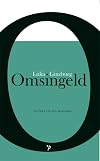
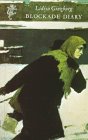
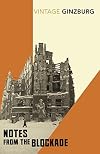
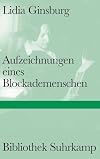
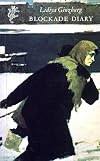
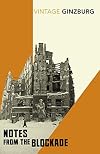
Blockade Diary
by Lidiya Ginzburg
On This Page
Description
The 900-day siege of Leningrad (1941-44) was one of the turning points of the Second World War. It slowed down the German advance into Russia and became a national symbol of survival and resistance. An estimated one million civilians died, most of them from cold and starvation. Lydia Ginzburg, a respected literary scholar (who meanwhile wrote prose 'for the desk drawer' through seven decades of Soviet rule), survived. Using her own using notes and sketches she wrote during the siege, along show more with conversations and impressions collected over the years, she distilled the collective experience of life under siege. Through painful depiction of the harrowing conditions of that period, Ginzburg created a paean to the dignity, vitality and resilience of the human spirit. This original translation by Alan Myers has been revised and annotated by Emily van Buskirk. This edition includes 'A Story of Pity and Cruelty', a recently discovered documentary narrative translated into English for the first time by Angela Livingstone. show lessTags
Recommendations

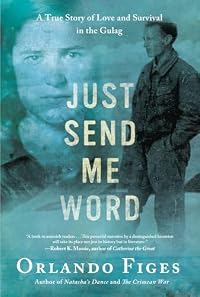


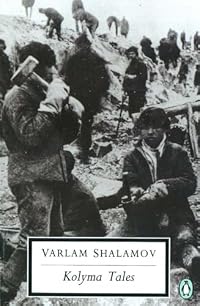
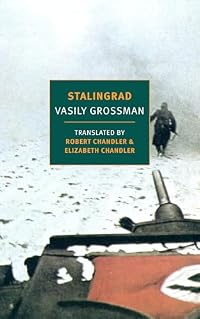
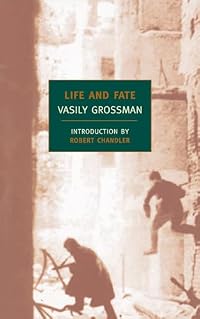










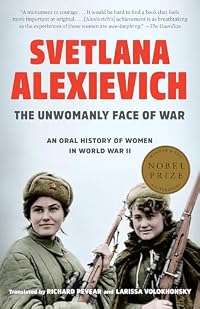
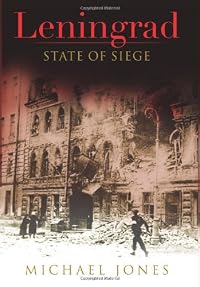




Member Recommendations
by gust
Member Reviews
This is one of the most affecting books that I have ever read. Ginzburg narrates the lives of individuals struggling to survive the Leningrad Blockade in such detail and depth that the reader is truly able to feel like he or she is there. Her descriptions of family lifestyle changes, reactions to raids and bomb shelters, and the unimaginable hunger brought about by the strict government-enforced rations are both beautiful and haunting at the same time. Hunger and malnourishment are described in ways that I had never heard before: a slow wasting away where eventually, the victim reaches the point of non-hunger. Sacrifice and selflessness within families is shown in such a bright light that readers can only feel proud of those who show more survived the war, and even more sympathetic and, somehow even appreciative of, those who were lost.
The topic and historical significance of the book itself is enough to warrant giving it a read, but Ginzburg really adds something special to it with her beautiful vocabulary usage plus her constantly present personal experiences and observations. I would recommend it to anyone interested in the time period, learning more about the untold side of World War II, or those looking for a poignant memoir. It is not a story for the extremely faint of heart, but I think that everyone would gain something from reading. show less
The topic and historical significance of the book itself is enough to warrant giving it a read, but Ginzburg really adds something special to it with her beautiful vocabulary usage plus her constantly present personal experiences and observations. I would recommend it to anyone interested in the time period, learning more about the untold side of World War II, or those looking for a poignant memoir. It is not a story for the extremely faint of heart, but I think that everyone would gain something from reading. show less
This is a very impressive book; the Dutch edition has only 92 pages, but the description of her experience during the siege of Leningrad, World Word II, is unforgettable. I have never read such a vivid description of feeling hungry before. I am very grateful to the friend who offered me this book and will always cherish it.
Je vais la faire brève : je n'ai pas les moyens culturels (intellectuels) pour apprécier pleinement cette œuvre.
J'y suis venu par pur voyeurisme : j'avais lu quelque part que le siège de Leningrad avait été long et particulièrement affreux, une épreuve parmi les épreuves endurées par les soviétiques lors de la seconde guerre mondiale. Je n'ai pas eu ce que je voulais et c'est tant mieux, c'était de mauvaises raisons.
L'auteure fait preuve de beaucoup de pudeur pour décrire ce qui s'est passé à Leningrad pendant le siège. Point de vision apocalyptique pour trentenaire de la génération X en mal de sensations. Au contraire, c'est un récit de vie, avec sa routine et ses mesquineries au plus fort de la famine. Au lieu de show more lire des millions de morts claquant la gueule ouverte, je me suis senti à cette lecture comme dans un petit village de province. Et moi qui suis d'un naturel pessimiste, j'y ai vu de l'espoir.
Mais j'ai lâché prise, il y a certaines considérations philosophiques (ou sociologiques ou littéraires) qui me sont passé au-dessus. Avec regret, je le dis bien. J'avais juste quelques lacunes. Du coup, je ne peux pas trop en dire plus... :/ show less
J'y suis venu par pur voyeurisme : j'avais lu quelque part que le siège de Leningrad avait été long et particulièrement affreux, une épreuve parmi les épreuves endurées par les soviétiques lors de la seconde guerre mondiale. Je n'ai pas eu ce que je voulais et c'est tant mieux, c'était de mauvaises raisons.
L'auteure fait preuve de beaucoup de pudeur pour décrire ce qui s'est passé à Leningrad pendant le siège. Point de vision apocalyptique pour trentenaire de la génération X en mal de sensations. Au contraire, c'est un récit de vie, avec sa routine et ses mesquineries au plus fort de la famine. Au lieu de show more lire des millions de morts claquant la gueule ouverte, je me suis senti à cette lecture comme dans un petit village de province. Et moi qui suis d'un naturel pessimiste, j'y ai vu de l'espoir.
Mais j'ai lâché prise, il y a certaines considérations philosophiques (ou sociologiques ou littéraires) qui me sont passé au-dessus. Avec regret, je le dis bien. J'avais juste quelques lacunes. Du coup, je ne peux pas trop en dire plus... :/ show less
Jan 4, 2014French
Ratings
Members
- Recently Added By
Author Information

Some Editions
Awards and Honors
Series
Belongs to Publisher Series
Common Knowledge
- Canonical title
- Blockade Diary
- Original title
- Blockade diary
- Original publication date
- 1941-1942 (1e rédation originale russe) (1e rédation originale russe); 1995 (1e traduction et édition anglaise, Harvill) (1e traduction et édition anglaise, Harvill); 1998-02-06 (1e traduction française à partir de l'anglais et édition, Christian Bourgois) (1e traduction française à partir de l'anglais et édition, Christian Bourgois); 2006-06-080 (Réédition française, Enonciations, N° 15, Christian Bourgois) (Réédition française, Enonciations, N° 15, Christian Bourgois)
- Important places*
- Leningrad, URSS
- Important events*
- 2e guerre mondiale (1939 | 1945); Siège de Leningrad (1941 | 1942)
- Original language*
- Russe
*Some information comes from Common Knowledge in other languages. Click "Edit" for more information.
Classifications
- Genres
- Biography & Memoir, Nonfiction, History
- DDC/MDS
- 947.453 — History & geography History of Europe Russia and neighboring east European countries Eastern European Russia Saint Petersburg, Novgorod, Pskov Saint Petersburg
- LCC
- D764.3 .L4 .G5613 — History of Europe, Asia, Africa and Oceania History (General) World War II (1939-1945)
- BISAC
Statistics
- Members
- 123
- Popularity
- 263,880
- Reviews
- 3
- Rating
- (3.83)
- Languages
- 8 — Dutch, English, Finnish, French, German, Italian, Russian, Spanish
- Media
- Paper, Ebook
- ISBNs
- 16
- ASINs
- 2