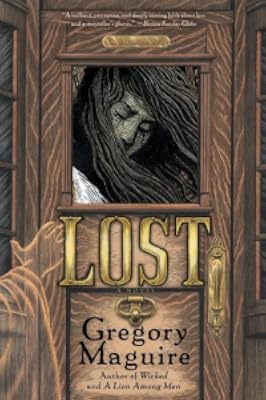
Lost
by Gregory Maguire
On This Page
Description
Winifred Rudge, a bemused writer struggling to get beyond the runaway success of her mass-market astrology book, travels to London to jump-start her new novel about a woman who is being haunted by the ghost of Jack the Ripper. Upon her arrival, she finds that her stepcousin and old friend John Comestor has disappeared, and a ghostly presence seems to have taken over his home. Is the spirit Winnie's great-great-grandfather, who, family legend claims, was Charles Dickens's childhood show more inspiration for Ebenezer Scrooge? Could it be the ghostly remains of Jack the Ripper? Or a phantasm derived from a more arcane and insidious origin? Winnie begins to investigate and finds herself the unwilling audience for a drama of specters and shades -- some from her family's peculiar history and some from her own unvanquished past. show lessTags
Recommendations
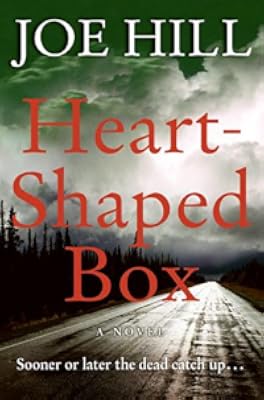
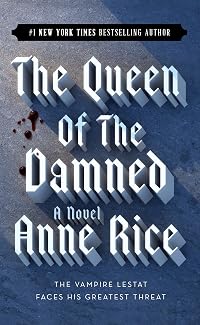
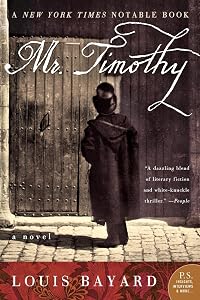
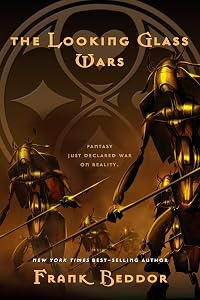





Member Recommendations
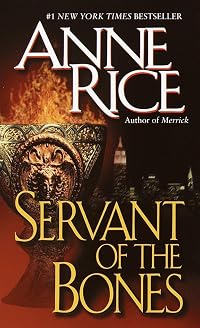
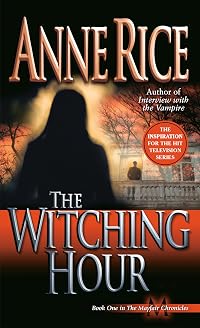
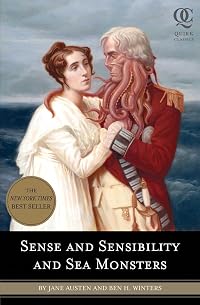
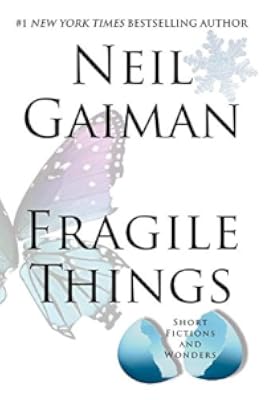
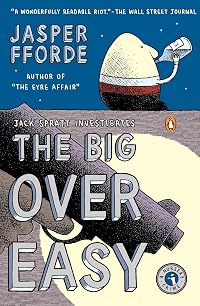
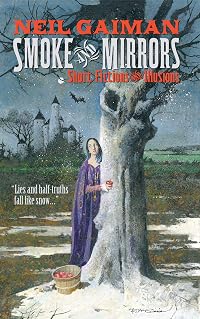
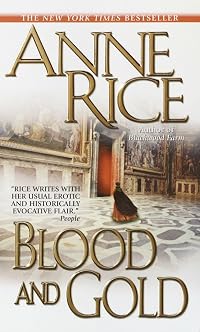
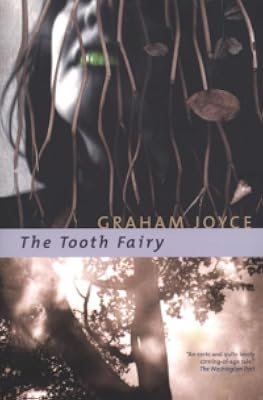
WildMaggie Alternative views of Dicken's classic tale.
Member Reviews
The book certainly held my interest (I read about three-quarters of it in one day), but it's ultimately somewhat disappointing. Maguire starts out by setting up a truly creepy ghost story, but it turns out the book is actually a character study. I'm fine with books which defy categorization or which mix or meld genres (in fact, when they are done well, I love books like that), but in Lost I couldn't help but feel like Maguire cheated by reeling me in with a ghost story and then, when I was well and truly hooked, giving me the literary character novel he wanted to write all along. When a writer pulls a switch like this, disappointment is almost inevitable. I'd have been happy with a straight-up ghost story, and I'd have sat still for the show more character study from the beginning without being hoodwinked into it. Maguire is good enough to do either; I wish he'd had enough wisdom (or confidence?) to pick one or the other. show less
When in danger, when in doubt,
Run in circles, scream and shout.
Lost is a book by the author of Wicked. Maguire cleverly combines fairytales, history and an agile imagination to create stories that are impossible not to keep thinking about, long after the book is finished. Lost uses the story of Ebeneezer Scrooge as its pillar, to tell the story of Winnie Rudge, a writer who has traveled to London to research her next novel. She arrives to find the relative she planned to stay with missing, his flat occupied by builders and a very creepy haunting. Maguire's talent is in how he combines all the disparate elements of his story into a seamless tale.
Run in circles, scream and shout.
Lost is a book by the author of Wicked. Maguire cleverly combines fairytales, history and an agile imagination to create stories that are impossible not to keep thinking about, long after the book is finished. Lost uses the story of Ebeneezer Scrooge as its pillar, to tell the story of Winnie Rudge, a writer who has traveled to London to research her next novel. She arrives to find the relative she planned to stay with missing, his flat occupied by builders and a very creepy haunting. Maguire's talent is in how he combines all the disparate elements of his story into a seamless tale.
This book was a chore to read, and I only finished it because I had brought it on vacation and had no other options. Used to being completely overwhelmed with the deep magic and inimitable creativity, humor, and darkness of Gregory Maguire, this book was a dead fish of a read. I think this would have been a great short story, but it just drags at novel length.
Lost was interesting in the beginning but it quickly lost any sort of momentum as it progressed. It begins with an eye-catching scene of a car accident that the protagonist Winnie sees and tries to help. Then it quickly moves to an adoption service Forever Families and we briefly meet families both in the traditional and non-traditional sense who are in the process of trying to adopt. Then we're off to England where Winnie is supposed to meet her step cousin and "friend" John Comestor. But when she arrives, he's nowhere to be seen, the house is being worked on, there's a loud pounding coming from the chimney, no one wants to really talk to Winnie and weird things are happening.
I did not care for this novel. It was interesting in the show more beginning but it quickly lost any sort of momentum as it progressed. I was halfway through this book before I got fed up with the fact that there is no focus for where the story is going. It seems like Maguire had a sudden, great idea for a story and then lost steam and interest as it went along. I enjoyed "Wicked" and "Confessions of an Ugly Stepsister" immensely, but this was just awful. show less
I did not care for this novel. It was interesting in the show more beginning but it quickly lost any sort of momentum as it progressed. I was halfway through this book before I got fed up with the fact that there is no focus for where the story is going. It seems like Maguire had a sudden, great idea for a story and then lost steam and interest as it went along. I enjoyed "Wicked" and "Confessions of an Ugly Stepsister" immensely, but this was just awful. show less
The perpetual theme of this book is spelt out from the first to the last page. And at times I became lost in the plot; not because Winnie moves into the story she is writing, which in fact works well, but because the structure of the story, particularly towards the end, is weak.
In spite of my disappointment, both in the denouement and in the inconclusive finale, I found this book enjoyable to read because of the variety in writing style, the literary references and the clever use of vocabulary. There are so many carefully chosen words which Maguire uses effectively to explain the setting. When the Forever Families meeting first assembles he describes how “ Winnie and the other supplicants hung back”. He moves from sloppy American show more everyday language to describe the accident on the freeway to purple prose to build up the tension such as “Throughout the night, the house shuddered, the furnace gasping emphysematously(!), the windows bucking in their casings”. I also appreciate his acerbic wit in comments like “the pursuit of Happy meals”.
There seem to be two parallel threads running through the book; the loss of a child even referred to in metaphors such as “The window shattered spraying glassy baby teeth”, and the suspension and intermingling of time. The phrase “Time no longer” kept occurring to me and I finally identified it as coming from “Tom’s Midnight Garden” by Philippa Pearce where two lonely children from different eras meet during troubled dreams at the time when the clock strikes 13. As an aficionado of children’s fiction, I wonder if Maguire was consciously or unconsciously using this plot as yet another form of inspiration for his book. I found the references to classic children’s books an interesting facet of the story, but it does presuppose that the reader is almost as familiar as he is with the other stories.
I did wonder early in the book whether Winnie was actually dead, as the haunting seemed to follow her, but gradually the suspense and fear created by Maguire was replaced by so much psychology about Winnie’s feelings of guilt and despair. Had I been the publisher of the book I would have returned it to Maguire so that he could tighten up the story structure and improved his characterisation to match his skill with language.
Obviously names are carefully chosen to match the characters, but I found this irritating. It is as if he doesn’t trust the reader to decide on a character’s motivation and purpose in the book. I kept wishing that Winifred Rudge had a flowing romantic name like Winona Ryder. Then perhaps she might have been a more sympathetic character.
So, an unusual book which was worth reading, but somehow it fails to achieve- whatever it was trying to do? I do, however want to read “Wicked” and “Confessions of an Ugly Stepsister” since they sound much more my cup of tea. show less
In spite of my disappointment, both in the denouement and in the inconclusive finale, I found this book enjoyable to read because of the variety in writing style, the literary references and the clever use of vocabulary. There are so many carefully chosen words which Maguire uses effectively to explain the setting. When the Forever Families meeting first assembles he describes how “ Winnie and the other supplicants hung back”. He moves from sloppy American show more everyday language to describe the accident on the freeway to purple prose to build up the tension such as “Throughout the night, the house shuddered, the furnace gasping emphysematously(!), the windows bucking in their casings”. I also appreciate his acerbic wit in comments like “the pursuit of Happy meals”.
There seem to be two parallel threads running through the book; the loss of a child even referred to in metaphors such as “The window shattered spraying glassy baby teeth”, and the suspension and intermingling of time. The phrase “Time no longer” kept occurring to me and I finally identified it as coming from “Tom’s Midnight Garden” by Philippa Pearce where two lonely children from different eras meet during troubled dreams at the time when the clock strikes 13. As an aficionado of children’s fiction, I wonder if Maguire was consciously or unconsciously using this plot as yet another form of inspiration for his book. I found the references to classic children’s books an interesting facet of the story, but it does presuppose that the reader is almost as familiar as he is with the other stories.
I did wonder early in the book whether Winnie was actually dead, as the haunting seemed to follow her, but gradually the suspense and fear created by Maguire was replaced by so much psychology about Winnie’s feelings of guilt and despair. Had I been the publisher of the book I would have returned it to Maguire so that he could tighten up the story structure and improved his characterisation to match his skill with language.
Obviously names are carefully chosen to match the characters, but I found this irritating. It is as if he doesn’t trust the reader to decide on a character’s motivation and purpose in the book. I kept wishing that Winifred Rudge had a flowing romantic name like Winona Ryder. Then perhaps she might have been a more sympathetic character.
So, an unusual book which was worth reading, but somehow it fails to achieve- whatever it was trying to do? I do, however want to read “Wicked” and “Confessions of an Ugly Stepsister” since they sound much more my cup of tea. show less
Gregory Maguire has made his name by his sophisticated retelling of childhood classics: Wicked dealt was about the Wicked Witch of the West from The Wizard of Oz, while Confessions was the Cinderella story – from the point of view of the ugly stepsister.
Lost purports to deal with Dickens’s A Christmas Carol, with diversions into Jack the Ripper territory, also featuring a book within a book as heroine Winifred Rudge mentally maps her next novel while at the same time trying to solve to disappearance of her step-cousin.
Family history, ghosts, missing cats, and Ebenezer Scrooge, the book starts slowly and I battled to get into it. Ultimately, the effort – like the opportunity Maguire had to create an entertaining story – was show more wasted. show less
Lost purports to deal with Dickens’s A Christmas Carol, with diversions into Jack the Ripper territory, also featuring a book within a book as heroine Winifred Rudge mentally maps her next novel while at the same time trying to solve to disappearance of her step-cousin.
Family history, ghosts, missing cats, and Ebenezer Scrooge, the book starts slowly and I battled to get into it. Ultimately, the effort – like the opportunity Maguire had to create an entertaining story – was show more wasted. show less
**Includes spoilers**
I'm not sure how I feel about this one. I started out loving it - Winifred Rudge is an author from the Boston area who travels to London to visit her cousin (but not by blood) and to research Jack the Ripper. When she arrives in London, her cousin is not home and she cannot find him. Furthermore, her cousin seems to have hired workers to remodel his kitchen and they hear strange noises and are scared out of their minds.
The main mysteries of the book involve finding her cousin and solving this haunting sound. She investigates the people living in and around the building and seems to be going quite mad herself.
The text of this novel is interrupted with the novel that Winnie herself is writing. Sometimes it seems like show more the two are on totally different wavelengths but it starts to make a little more sense at the end. There were some boring spots but the plot wasn't totally predictable, which kept me reading. At times I felt it was a bit anti-feminist: Winnie's life seems to disintegrate when the men in her life leave her and she's unable to satisfy her desire of having a child. Even at the end of the story, she's looking for her ex and wondering if he's come back to her yet.
I enjoy ghost stories and this was definitely a good ghost story. Realistic? Of course not, but Maguire doesn't write realistic stories. My advice would be to take this is a ghost story and enjoy the ride! show less
I'm not sure how I feel about this one. I started out loving it - Winifred Rudge is an author from the Boston area who travels to London to visit her cousin (but not by blood) and to research Jack the Ripper. When she arrives in London, her cousin is not home and she cannot find him. Furthermore, her cousin seems to have hired workers to remodel his kitchen and they hear strange noises and are scared out of their minds.
The main mysteries of the book involve finding her cousin and solving this haunting sound. She investigates the people living in and around the building and seems to be going quite mad herself.
The text of this novel is interrupted with the novel that Winnie herself is writing. Sometimes it seems like show more the two are on totally different wavelengths but it starts to make a little more sense at the end. There were some boring spots but the plot wasn't totally predictable, which kept me reading. At times I felt it was a bit anti-feminist: Winnie's life seems to disintegrate when the men in her life leave her and she's unable to satisfy her desire of having a child. Even at the end of the story, she's looking for her ex and wondering if he's come back to her yet.
I enjoy ghost stories and this was definitely a good ghost story. Realistic? Of course not, but Maguire doesn't write realistic stories. My advice would be to take this is a ghost story and enjoy the ride! show less
Members
- Recently Added By
Lists

Gaslamp Fantasy
87 works; 15 members

KayStJ's to-read list
1,616 works; 11 members

Books Read in 2024
4,623 works; 126 members

Unread books
1,063 works; 87 members
Author Information

67+ Works 80,395 Members
Gregory Maguire was born June 9, 1954 in Albany, New York. He received a B.A. from the State University of New York at Albany and a Ph.D. in English and American literature from Tufts University. He is a founder and co-director of Children's Literature New England, Incorporated, a non-profit educational charity established in 1987. He writes for show more both adults and children. His first book, The Lighting Time, was published in 1978. His adult works include Wicked, Confessions of and Ugly Stepsister, Lost, Mirror Mirror, Son of a Witch, and A Lion Among Men. The Broadway play Wicked is based on his book of the same title. His children's books include the picture book Crabby Cratchitt, the novel The Good Liar, and the Hamlet Chronicles series. (Bowker Author Biography) show less
Some Editions
Awards and Honors
Distinctions
Work Relationships
Is contained in
Was inspired by
Common Knowledge
- Canonical title
- Lost
- Original title
- Lost
- Original publication date
- 2001-10-01
- People/Characters
- Winifred Rudge; John Comestor; Jack the Ripper; Annie Chapman; Mary Jane Kelly; Martha Tabram (show all 7); Ebenezer Scrooge
- Important places
- London, England, UK; England, UK
- Important events
- Victorian Era; Whitechapel Murders
- Epigraph
- The division of one day from the next must be one of the most profound peculiarities of life on this planet. It is, on the whole, a merciful arrangement. We are not condemned to sustained flights of being, but are constantly ... (show all)refreshed by little holidays from ourselves. We are intermittent creatures, always falling to little ends and rising to little new beginnings. Our soon-tired consciousness is meted out in chapters, and that the world will look quite different tomorrow is, for both our comfort and our discomfort, usually true. How marvelously too night matches sleep, sweet image of it, so neatly apportioned to our need. Angels must wonder at these beings who fall so regularly our of awareness into a fantasm-invested dark. How our frail identities survive these chasms no philosopher has ever been able to explain. - Iris Murdoch, The Black Prince
- Dedication
- For Maggie and Dan Terris, with love
- First words
- "Somebody else in the vehicle," said the attorney-type into his cell phone.
- Quotations
- "Kenneth Grahame wrote about the idylls of choldhoo in Dream Days and The Wind in the Willows, and his son Alistair's death on a railroad track was probably a suicide. One of the original Lost Boys for who James Barrie had i... (show all)nvented Peter Pan had also killed himself. Christopher Milne the Christopher Robin of his father's tales, whinged in print up until his death. The curse of childhood fancy." (?)
"But now? Now? Children in the twentieth and this early twenty first century hated the Alice books, couldn't read them, and why should they? Their world had strayed into madness long ago. Look at the planet. Rain is acid, poisonous. Sun causes cancer. Sex=death. Children murder each other. Parents lie, teachers lie, the churches have less moral credibility than Benneton ads. And faces of missing children staring out from the milk cartons-imagine all those poor Lost Boys, and Lost Girls, not in Neverland but lost here, lost now. No wonder Wonderland isn't funny to read anymore, We live there full-time. We need a break from it." (58)
"Yesterday, upon the stair,
I met a man who wasn't there
He wasn't there again today.
I wish, I wish he'd go away." (?)
"When in danger, when in doubt,
Run in circles, scream and shot." (?)
"But the wanting, she thought, the wantin was an active thing, not a numbness. It was the world that was numb with cold and snow, not hte singer. The singer was fiercely alive in a dead environment." (?)
"Appearing to be talking to yourself clears the way, she observed. And yelling does it more efficiently still." (303)
"Now this is this, or seems to be. When you are haunted by any variety of effective nonsense, like love or guilt or poetry or memory, which are anyway at their bitter root the same thing - the primary symptom is paralysis. You just can't move. Then, all too rarely, the virus is vanquished , the contagion concluded, the spell is broken, the cold front snaps in prismatic splinters. Bright moment, that, and bight moment, next, and so on and so forth. What returns is a sense of presense tense as being not only availiable, but valid." (?) - Last words
- (Click to show. Warning: May contain spoilers.)The sky behind, higher up, bleeding the last of the sunset, is bright with disillusion.
- Blurbers
- Beagle, Peter S.; Thomas, Rob
Classifications
Statistics
- Members
- 3,438
- Popularity
- 4,865
- Reviews
- 53
- Rating
- (2.81)
- Languages
- English, French
- Media
- Paper, Audiobook, Ebook
- ISBNs
- 16
- ASINs
- 7