
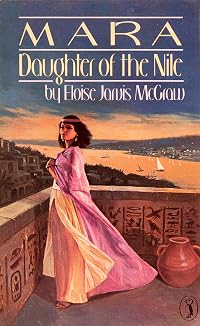
Mara, Daughter of the Nile
by Eloise Jarvis McGraw
On This Page
Description
This compelling story of adventure, romance, and intrigue, set in ancient Egypt, was written by the three-time Newbery Honor and Edgar Award winning author Eloise Jarvis McGraw.Mara is a proud and beautiful slave girl who yearns for freedom in ancient Egypt, under the rule of Queen Hatshepsut. Mara is not like other slaves; she can read and write, as well as speak the language of Babylonian. So, to barter for her freedom, she finds herself playing the dangerous role of double spy for show more two arch enemies—each of whom supports a contender for the throne of Egypt.
Against her will, Mara finds herself falling in love with one of her masters, the noble Sheftu, and she starts to believe in his plans of restoring Thutmose III to the throne. But just when Mara is ready to offer Sheftu her help and her heart, her duplicity is discovered, and a battle ensues in which both Mara’s life and the fate of Egypt are at stake.
“Dangerous espionage, an unusual love story, and richly drawn background make this a book to capture quick and lasting interest.”—Horn Book
“Thoroughly engrossing.”—Kirkus Reviews. Young Adult Fiction. Historical Fiction. Suspense. Thriller. show less
Tags
Recommendations

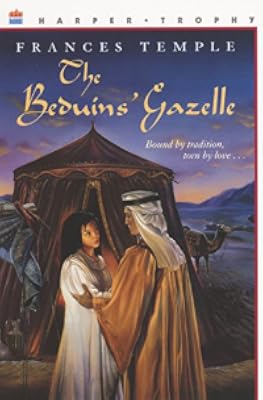
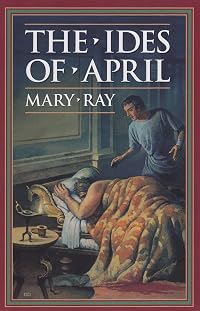
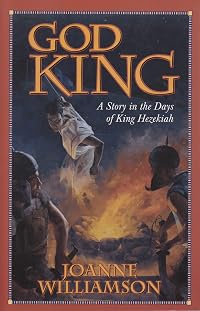
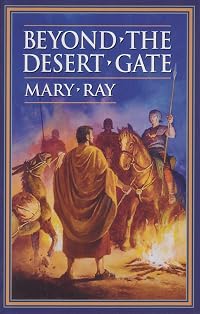






Member Recommendations
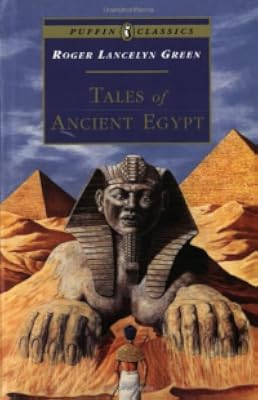
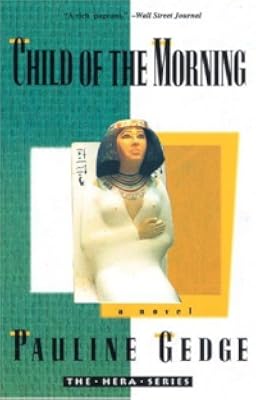
FFortuna Gladiatrix is MUCH more graphic.

kathleen.morrow Similar relationship between main characters and similar writing style.
Member Reviews
I first read this book when I was a teen. For the longest time, all I could remember about it was that the main character got whipped within an inch of her life near the end and that her shoulders were still healing when the romantic storyline was wrapped up. I also remembered not quite liking Sheftu, but I couldn't remember why. A comment on Smart Bitches, Trashy Books reminded me of the book's title and author. My first thought was, "Must request this via ILL!" So I did.
Even though it's dangerous, I like taking the occasional trip down reading memory lane - sometimes I still enjoy the books I loved when I was younger, and sometimes I can barely finish them. For the most part, I enjoyed this one. Although I think I disliked Sheftu a show more bit more than I would have when I was younger, all the intrigue was a lot of fun, despite some bits that strained my suspension of disbelief, and I still thought Mara was an awesome heroine.
While I was reading the book, I found myself thinking that the dialogue read like something out of an old high fantasy novel - only instead of "By the Great Grimor," or whatever, you get "By Set," "By Amon," and "By the Blessed Son." I checked the copyright date and, sure enough, the book was originally published in 1953. Thank goodness I didn't know that when I was younger, or I would have avoided this book simply because it's older than my parents.
Prior to rereading this, I wouldn't have been able to tell you why I enjoyed it when I was younger - I couldn't remember enough about it. I can now say with relative certainty that my younger self enjoyed this book 1) because Mara is awesome, 2) because all the intrigue is exciting, and 3) because there is romance. Now that I'm older, #1 and #2 still stand strong, but I'm a bit more iffy about #3.
Mara is a slave, only 17 years old, but she never cowers fearfully from anybody - she's more likely to snarl her defiance, or glare daggers. She knows that no one in the world is going to come to save her, so she has to save herself. She doesn't go looking to become a double agent but ends up becoming one because she has to, and also because it keeps her options open. Sheftu can talk all he wants about his work being for the good of Egypt - Mara, as she is throughout most of the book, is only looking out for herself. However, she's so clever and charming that you can't help but like her.
Mara might have been fun to read about all on her own, but all the intrigue gave her a chance to shine. Every time things got more dangerous and complicated for her, she used her wits and charm to talk her way out of things. And yet, she wasn't supremely confident - she knew that, if she messed up, she could die. As just a slave, she lied and stole things (there's a fun scene in which she steals honey cakes, eating them right in front of the guy she's stealing them from without him ever realizing what's going on), but it wasn't until she became a spy that she started dealing with people who were more of a match for her.
One of those people is Sheftu. On the one hand, he's lived with dangerous court politics all his life, so he lives and breathes lies and treachery. On the other hand, his entire rebel operation seems to be built on a house of cards. Despite knowing that spies are all around, he takes Mara at face value and just assumes that she's a runaway slave - that seemed rather stupid to me.Then there's at least one person in his group that couldn't look more untrustworthy if he tried, and yet Sheftu trusts him enough that it's almost his downfall. It's amazing the rebel group made it as far as it did before things started to unravel.
Although I enjoyed the intrigue and adventure in and of itself, I couldn't really buy what Sheftu was trying to accomplish. Yes, Hatshepsut seemed like a scary woman, liable to bankrupt Egypt - but, quite frankly, Thutmose didn't seem any more appealing. He was an arrogant, frightening man whose one moment of gentleness was after Mara was almost whipped to death protecting Sheftu and the other rebels. I suppose the main reason I never warmed to Thutmose was because of his treatment of Inanni, the Canaanite princess he was supposed to marry. As far as Thutmose was concerned, Inanni was nothing more than a fat, stupid cow, completely beneath him. Granted, Mara's initial thoughts about Inanni weren't very nice either, but she did eventually see her as a sweet person who could be a good friend - it irked me to see Thutmose treating Inanni like dirt, and his treatment of her made it that much more difficult to see why Sheftu would support Thutmose so fanatically. I ended up just telling myself that all Sheftu really wanted was to get Hatshepsut off the throne, and Thutmose was the only possible replacement.
Earlier, I wrote that one of the reasons my younger self liked this book was because of the romance. Now, you would never have gotten me to admit this - I couldn't even admit to myself that one of the things I looked for in books was a romantic element. Even so, Sheftu, with his confidence, intelligence, and charisma, would have had me cheering. That said, now that I'm older Sheftu smacks too much of "old school romance hero" and Mara's reaction to him is a bit annoying.
Sheftu is the sort who'll announce things like "I vow, I mean to kiss you" (I don't think this line is actually in the book, but it reads like something that could have been), which would piss Mara off, and then she'd get pissed some more if he didn't actually follow through. I already mentioned that one of the main reasons why I liked this book was that Mara is awesome. Unfortunately, around Sheftu she becomes slightly less awesome. For a good chunk of the book, their relationship seems really unequal. As a slave, Mara doesn't really have a chance with Sheftu, a member of the nobility - Sheftu could easily seduce her and then leave her to fend for herself. As strong as Mara seems in just about every other respect, she seems almost powerless against Sheftu, and, for the longest time, there's not much evidence that this runs both ways.
McGraw eventually shows that Sheftu thinks about Mara as much as Mara thinks about him, and she even takes his incredible confidence down a notch by having him worry about and be jealous of Mara's flirtations with others, such as a young guardsman she seduces so as to be able to easily enter and leave the palace. Then McGraw shakes him up some more by having him almost die in an awesome grave robbery scene - I love that scene, you can practically feel the terror and tension as the group worries about their air supply, how long their torch will last, and whether or not their crime will earn them the wrath of the dead.
Still, as a noble, Sheftu always has more power in this relationship than Mara. Mara even voices this when Sheftu finally, finally tells her his feelings, and she reminds him that there could never be anything lasting between them because of the difference in their statuses. It's only when Sheftu does his version of the "romance novel grovel," when he knowingly puts himself in a situation that could get himself killed in order to try to save Mara and make up for having a part in her ending up in that situation in the first place, that things become a little more even - Sheftu may be a noble, but he's no more likely to survive at the hands of his enemies than Mara.
And the bit that made me still dislike him, years after I read the book and long after I could remember why I disliked him? Moments after confessing his feelings to Mara, Sheftulearns of her duplicity. Rather than considering Mara's position, that she is a slave with no options, no guarantee of protection from anyone, Sheftu immediately succumbs to rage and plans to kill her. The "romance novel grovel" was nice and all, but it still wasn't quite enough to make me forgive him, even though Mara managed to (and, in fact, never really blamed him for anything in the first place).
Overall, this was an enjoyable read, in large part due to the fact that the intrigue, the strongest part of the book, was the primary focus. Had the romance been more prominent, I'm not sure I could have liked the book as much, due to my dislike for the power imbalance in Sheftu and Mara's relationship. I've read that the book's presentation of Egyptian history is pretty inaccurate, but I don't know enough about Egyptian history to say whether this is true or not. From my perspective, the book's setting was a plus, because it was unusual (I think this is the only book I've ever read set in ancient Egypt) and seemed very vivid.
(Original review, with read-alikes and watch-alikes, posted on A Library Girl's Familiar Diversions.) show less
Even though it's dangerous, I like taking the occasional trip down reading memory lane - sometimes I still enjoy the books I loved when I was younger, and sometimes I can barely finish them. For the most part, I enjoyed this one. Although I think I disliked Sheftu a show more bit more than I would have when I was younger, all the intrigue was a lot of fun, despite some bits that strained my suspension of disbelief, and I still thought Mara was an awesome heroine.
While I was reading the book, I found myself thinking that the dialogue read like something out of an old high fantasy novel - only instead of "By the Great Grimor," or whatever, you get "By Set," "By Amon," and "By the Blessed Son." I checked the copyright date and, sure enough, the book was originally published in 1953. Thank goodness I didn't know that when I was younger, or I would have avoided this book simply because it's older than my parents.
Prior to rereading this, I wouldn't have been able to tell you why I enjoyed it when I was younger - I couldn't remember enough about it. I can now say with relative certainty that my younger self enjoyed this book 1) because Mara is awesome, 2) because all the intrigue is exciting, and 3) because there is romance. Now that I'm older, #1 and #2 still stand strong, but I'm a bit more iffy about #3.
Mara is a slave, only 17 years old, but she never cowers fearfully from anybody - she's more likely to snarl her defiance, or glare daggers. She knows that no one in the world is going to come to save her, so she has to save herself. She doesn't go looking to become a double agent but ends up becoming one because she has to, and also because it keeps her options open. Sheftu can talk all he wants about his work being for the good of Egypt - Mara, as she is throughout most of the book, is only looking out for herself. However, she's so clever and charming that you can't help but like her.
Mara might have been fun to read about all on her own, but all the intrigue gave her a chance to shine. Every time things got more dangerous and complicated for her, she used her wits and charm to talk her way out of things. And yet, she wasn't supremely confident - she knew that, if she messed up, she could die. As just a slave, she lied and stole things (there's a fun scene in which she steals honey cakes, eating them right in front of the guy she's stealing them from without him ever realizing what's going on), but it wasn't until she became a spy that she started dealing with people who were more of a match for her.
One of those people is Sheftu. On the one hand, he's lived with dangerous court politics all his life, so he lives and breathes lies and treachery. On the other hand, his entire rebel operation seems to be built on a house of cards. Despite knowing that spies are all around, he takes Mara at face value and just assumes that she's a runaway slave - that seemed rather stupid to me.
Although I enjoyed the intrigue and adventure in and of itself, I couldn't really buy what Sheftu was trying to accomplish. Yes, Hatshepsut seemed like a scary woman, liable to bankrupt Egypt - but, quite frankly, Thutmose didn't seem any more appealing. He was an arrogant, frightening man whose one moment of gentleness was after Mara was almost whipped to death protecting Sheftu and the other rebels. I suppose the main reason I never warmed to Thutmose was because of his treatment of Inanni, the Canaanite princess he was supposed to marry. As far as Thutmose was concerned, Inanni was nothing more than a fat, stupid cow, completely beneath him. Granted, Mara's initial thoughts about Inanni weren't very nice either, but she did eventually see her as a sweet person who could be a good friend - it irked me to see Thutmose treating Inanni like dirt, and his treatment of her made it that much more difficult to see why Sheftu would support Thutmose so fanatically. I ended up just telling myself that all Sheftu really wanted was to get Hatshepsut off the throne, and Thutmose was the only possible replacement.
Earlier, I wrote that one of the reasons my younger self liked this book was because of the romance. Now, you would never have gotten me to admit this - I couldn't even admit to myself that one of the things I looked for in books was a romantic element. Even so, Sheftu, with his confidence, intelligence, and charisma, would have had me cheering. That said, now that I'm older Sheftu smacks too much of "old school romance hero" and Mara's reaction to him is a bit annoying.
Sheftu is the sort who'll announce things like "I vow, I mean to kiss you" (I don't think this line is actually in the book, but it reads like something that could have been), which would piss Mara off, and then she'd get pissed some more if he didn't actually follow through. I already mentioned that one of the main reasons why I liked this book was that Mara is awesome. Unfortunately, around Sheftu she becomes slightly less awesome. For a good chunk of the book, their relationship seems really unequal. As a slave, Mara doesn't really have a chance with Sheftu, a member of the nobility - Sheftu could easily seduce her and then leave her to fend for herself. As strong as Mara seems in just about every other respect, she seems almost powerless against Sheftu, and, for the longest time, there's not much evidence that this runs both ways.
McGraw eventually shows that Sheftu thinks about Mara as much as Mara thinks about him, and she even takes his incredible confidence down a notch by having him worry about and be jealous of Mara's flirtations with others, such as a young guardsman she seduces so as to be able to easily enter and leave the palace. Then McGraw shakes him up some more by having him almost die in an awesome grave robbery scene - I love that scene, you can practically feel the terror and tension as the group worries about their air supply, how long their torch will last, and whether or not their crime will earn them the wrath of the dead.
Still, as a noble, Sheftu always has more power in this relationship than Mara. Mara even voices this when Sheftu finally, finally tells her his feelings, and she reminds him that there could never be anything lasting between them because of the difference in their statuses. It's only when Sheftu does his version of the "romance novel grovel," when he knowingly puts himself in a situation that could get himself killed in order to try to save Mara and make up for having a part in her ending up in that situation in the first place, that things become a little more even - Sheftu may be a noble, but he's no more likely to survive at the hands of his enemies than Mara.
And the bit that made me still dislike him, years after I read the book and long after I could remember why I disliked him? Moments after confessing his feelings to Mara, Sheftu
Overall, this was an enjoyable read, in large part due to the fact that the intrigue, the strongest part of the book, was the primary focus. Had the romance been more prominent, I'm not sure I could have liked the book as much, due to my dislike for the power imbalance in Sheftu and Mara's relationship. I've read that the book's presentation of Egyptian history is pretty inaccurate, but I don't know enough about Egyptian history to say whether this is true or not. From my perspective, the book's setting was a plus, because it was unusual (I think this is the only book I've ever read set in ancient Egypt) and seemed very vivid.
(Original review, with read-alikes and watch-alikes, posted on A Library Girl's Familiar Diversions.) show less
I think this was probably the third time I read this book to myself, not to mention the (at least) two times I listened to Mom read it aloud as I grew up. This book has been a family favorite for years. When my brothers and I were discussing some of our favorite books with a friend recently, this one came up—and my brothers ranked it pretty high in their favorites, too.
This book has all the marks of a good historical fiction. You feel like you’re there on the boat with Mara, tasting freedom for the first time in your life, or curled up in a booth in an inn watching people go about their normal lives, or working to come up with a clever response to a question meant to entrap you. Egypt and her culture is lush, vibrant, and beautiful show more through Mara’s eyes, and her people are tough, complex, and intriguing.
Then, aside from the setting and culture, this is one of the most intriguing double-spy scenarios I’ve ever come across in a book. Maybe it’s just that I haven’t come across many books like this (that’s probably quite likely, actually), but I loved how the author did it here. This book is full of adventure, quick-wittedness, and the danger accompanying trying to walk a tightrope between two dangerous enemies.
Engaging, captivating, sweet yet dangerous, Mara is the kind of heroine that makes a story worth reading. I love Sheftu, too, and the way he was so passionate about trying to make what he saw as right win in the end.
If you haven’t read this book, but enjoy historical fiction, I’d highly recommend you get yourself a copy. Better yet, find someone to read it aloud to—it’s a book that’s meant to be enjoyed and shared! show less
This book has all the marks of a good historical fiction. You feel like you’re there on the boat with Mara, tasting freedom for the first time in your life, or curled up in a booth in an inn watching people go about their normal lives, or working to come up with a clever response to a question meant to entrap you. Egypt and her culture is lush, vibrant, and beautiful show more through Mara’s eyes, and her people are tough, complex, and intriguing.
Then, aside from the setting and culture, this is one of the most intriguing double-spy scenarios I’ve ever come across in a book. Maybe it’s just that I haven’t come across many books like this (that’s probably quite likely, actually), but I loved how the author did it here. This book is full of adventure, quick-wittedness, and the danger accompanying trying to walk a tightrope between two dangerous enemies.
Engaging, captivating, sweet yet dangerous, Mara is the kind of heroine that makes a story worth reading. I love Sheftu, too, and the way he was so passionate about trying to make what he saw as right win in the end.
If you haven’t read this book, but enjoy historical fiction, I’d highly recommend you get yourself a copy. Better yet, find someone to read it aloud to—it’s a book that’s meant to be enjoyed and shared! show less
This is the book that triggered my interest in Ancient Egypt, when I was 10 or 11*. (I eventually learned much history and how to read hieroglyphics, a skill that's rusted from disuse.) I knew the book existed, I remembered reading it but not the title or author, or enough of the plot to go looking for it. Luckily, it was mentioned in a book discussion in C. J. Cherryh's Wave Without A Shore website, allowing me to find and re-read it.
Set during the reign of Hatshepsut, the Pharoah Queen, Mara is a beautiful, willful, blue-eyed(!) slave who can speak Babylonian in addition to her native Egyptian. This skill leads to her purchase by an agent of the Queen for a job that may lead to her freedom. Mara is to serve as the interpreter to a show more Babylonian wife chosen by Hatshepsut for her half-brother, Thutmose, while also serving as a spy to discover who is providing communication and support – and how - for Thutmose’s plan to overthrow Hatshepsut. En route to this assignment, Mara meets the compelling young noble Sheftu , and is caught precipitously in the role of double agent, serving both the Pharoah and her brother.
Romance, danger, misunderstandings and high drama ensue. I can’t discuss the plot in any detail without spoilers, but stalwart Sheftu undertakes a massively dangerous errand to bankroll Thutmose’s rebellion, leading to the revelation of Mara’s double role.
Sometimes returning to the books of your childhood can be dangerous. The first thing that struck me was the casual misogyny and stereotyped roles of the three major female characters. Of course Hatshepsut isn’t fit to be Pharoah – she’s a woman, it offends the gods. Not only that, she spends too much money and wages too few wars. There’s disproportionate emphasis on physical beauty. The Babylonian princess is fat and therefore disgusting, redeemed only by her cleverness in the last few chapters. The women are all schemers – conniving being presented as an integral part of the female psyche. Classism and racism are rampant too, of course.
The second issue is how fast and loose McGraw played with the actual history. Hatshepsut was not overthrown; her rule made important military, economic and diplomatic contributions to Egypt. http://en.wikipedia.org/wiki/Hatshepsut
The final surprise was the prominence of the romantic storyline. I’m all admiration for how smoothly McGraw pulled me into the drama of the romance; the dance of do they/don’t they as the story unfolds and Mara must choose her very dangerous path.
This is a simplistic but not unsophisticated quick read. It is a YA, but with some fairly adult overtones. Definitely worth reading.
*I was pretty precocious. show less
Set during the reign of Hatshepsut, the Pharoah Queen, Mara is a beautiful, willful, blue-eyed(!) slave who can speak Babylonian in addition to her native Egyptian. This skill leads to her purchase by an agent of the Queen for a job that may lead to her freedom. Mara is to serve as the interpreter to a show more Babylonian wife chosen by Hatshepsut for her half-brother, Thutmose, while also serving as a spy to discover who is providing communication and support – and how - for Thutmose’s plan to overthrow Hatshepsut. En route to this assignment, Mara meets the compelling young noble Sheftu , and is caught precipitously in the role of double agent, serving both the Pharoah and her brother.
Romance, danger, misunderstandings and high drama ensue. I can’t discuss the plot in any detail without spoilers, but stalwart Sheftu undertakes a massively dangerous errand to bankroll Thutmose’s rebellion, leading to the revelation of Mara’s double role.
Sometimes returning to the books of your childhood can be dangerous. The first thing that struck me was the casual misogyny and stereotyped roles of the three major female characters. Of course Hatshepsut isn’t fit to be Pharoah – she’s a woman, it offends the gods. Not only that, she spends too much money and wages too few wars. There’s disproportionate emphasis on physical beauty. The Babylonian princess is fat and therefore disgusting, redeemed only by her cleverness in the last few chapters. The women are all schemers – conniving being presented as an integral part of the female psyche. Classism and racism are rampant too, of course.
The second issue is how fast and loose McGraw played with the actual history. Hatshepsut was not overthrown; her rule made important military, economic and diplomatic contributions to Egypt. http://en.wikipedia.org/wiki/Hatshepsut
The final surprise was the prominence of the romantic storyline. I’m all admiration for how smoothly McGraw pulled me into the drama of the romance; the dance of do they/don’t they as the story unfolds and Mara must choose her very dangerous path.
This is a simplistic but not unsophisticated quick read. It is a YA, but with some fairly adult overtones. Definitely worth reading.
*I was pretty precocious. show less
Fourth time reading:
I'm not sure what it is about it, but Mara never gets old. I never tire of reliving her journey through life as an Egyptian slave to a double-agent amidst the mysterious era of Hatshepsut and Thutmose III. Not to mention the epicness that is Sheftu...
Admittedly, it may not always be the most riveting tale and Mara and Sheftu may act a little silly sometimes, but as a whole, this book is awesome. Mara is one of my all-time favorite heroines: genuinely intelligent, quick on her feet, with a tongue to match her wit. And what can I say, I'm a sucker for plucky slaves that infiltrate greatness.
And don't get me started on Sheftu. Dashing young men who can flip from easy charm to stoic death threats are also one of my show more weaknesses.
And the supporting cast? Also brilliant. Nekonkh, Inanni, even the little ones like Miphtahyah.
This is the book that convinced me I knew all about that stretch of Egyptian history. I still think of Thutmose III as the rightful Pharoah of Egypt.
I will never fail to recommend this book to lovers of history, mystory, romance, and adventure. show less
I'm not sure what it is about it, but Mara never gets old. I never tire of reliving her journey through life as an Egyptian slave to a double-agent amidst the mysterious era of Hatshepsut and Thutmose III. Not to mention the epicness that is Sheftu...
Admittedly, it may not always be the most riveting tale and Mara and Sheftu may act a little silly sometimes, but as a whole, this book is awesome. Mara is one of my all-time favorite heroines: genuinely intelligent, quick on her feet, with a tongue to match her wit. And what can I say, I'm a sucker for plucky slaves that infiltrate greatness.
And don't get me started on Sheftu. Dashing young men who can flip from easy charm to stoic death threats are also one of my show more weaknesses.
And the supporting cast? Also brilliant. Nekonkh, Inanni, even the little ones like Miphtahyah.
This is the book that convinced me I knew all about that stretch of Egyptian history. I still think of Thutmose III as the rightful Pharoah of Egypt.
I will never fail to recommend this book to lovers of history, mystory, romance, and adventure. show less
"Mara is a proud and beautiful slave girl who yearns for freedom. In order to gain it, she finds herself playing the dangerous role of double spy for two arch enemies - each of whom supports a contender for the throne of Egypt.
Against her will, Mara finds herself falling in love with one of her masters, the noble Sheftu, and she starts to believe in his plans of restoring Thutmose III to the throne. But just when Mara is ready to offer Sheftu her help and her heart, her duplicity is discovered, and a battle ensues in which both Mara's life and the fate of Egypt are at stake."
I read this book a while ago on a long road trip, and how glad I was about to have it!
This story has it all: passion, intrigue, suspense, romance, spies, Ancient show more Egypt (!), adventure, slavery and escape, Ancient Egypt...Ancient Egypt...
Downside? Downside? Anyone?
Thought so.
Mara is a spunky, likeable character who has things going for her when she escapes slavery by agreeing with a high-powered noble to spy on the rebels who're plotting the current king's downfall. She gets a little money in her pocket for it, and life has never been better. Yet when the leader of the rebels, Sheftu, enlists her help spying on the current king's supporters (like the high-powered noble), life seems to be completely perfect; after all, she's a freed slave and she doesn't owe anyone her allegiance, right? She begins to dream of all the luxury she could acquire by dangerously playing both sides.
Unfortunately, however, her heart betrays her to Sheftu, and several betrayals quickly follow.
It was a completely gripping novel; as the stakes rose, so did my interest; I was 100% enthralled. Actually, I was so engrossed, I can't remember anyting about that car ride but this book. Probably, the other people who were in the car have forgotten that I was there because I was so silent :)
Now, I must say that it is extremely difficult to find a book about Ancient Egypt with a female main character. There's The Lady of the Reeds (which, I'm pretty sure, is formerly known as The House of Dreams) by Pauline Gedge--but that's a very disappointing book with an insanely maddening ending (GRRR! ALL that time for that ending!?)
There's also River God by Wilbur Smith, but the lady in that is a main character, not the--she, though very endearing, wasn't the narrator. And while I HIGHLY recommend that book (and I recommend it with the red cover, not the ugly blue), my point still stands that it's near impossible to find a believable, non-cheesy (don't even get me started on the Cat in the Mirror by Mary Stolz) book in Ancient Egypt with a female main character.
Thus, Mara, Daughter of the Nile is a diamond in the rough. If you like spies, have even a vague interest in Ancient Egypt or ancient civilizations, and/or adore really cool, butt-kicking leading ladies, READ THIS :)
This review is also an entry on my blog. show less
Against her will, Mara finds herself falling in love with one of her masters, the noble Sheftu, and she starts to believe in his plans of restoring Thutmose III to the throne. But just when Mara is ready to offer Sheftu her help and her heart, her duplicity is discovered, and a battle ensues in which both Mara's life and the fate of Egypt are at stake."
I read this book a while ago on a long road trip, and how glad I was about to have it!
This story has it all: passion, intrigue, suspense, romance, spies, Ancient show more Egypt (!), adventure, slavery and escape, Ancient Egypt...Ancient Egypt...
Downside? Downside? Anyone?
Thought so.
Mara is a spunky, likeable character who has things going for her when she escapes slavery by agreeing with a high-powered noble to spy on the rebels who're plotting the current king's downfall. She gets a little money in her pocket for it, and life has never been better. Yet when the leader of the rebels, Sheftu, enlists her help spying on the current king's supporters (like the high-powered noble), life seems to be completely perfect; after all, she's a freed slave and she doesn't owe anyone her allegiance, right? She begins to dream of all the luxury she could acquire by dangerously playing both sides.
Unfortunately, however, her heart betrays her to Sheftu, and several betrayals quickly follow.
It was a completely gripping novel; as the stakes rose, so did my interest; I was 100% enthralled. Actually, I was so engrossed, I can't remember anyting about that car ride but this book. Probably, the other people who were in the car have forgotten that I was there because I was so silent :)
Now, I must say that it is extremely difficult to find a book about Ancient Egypt with a female main character. There's The Lady of the Reeds (which, I'm pretty sure, is formerly known as The House of Dreams) by Pauline Gedge--but that's a very disappointing book with an insanely maddening ending (GRRR! ALL that time for that ending!?)
There's also River God by Wilbur Smith, but the lady in that is a main character, not the--she, though very endearing, wasn't the narrator. And while I HIGHLY recommend that book (and I recommend it with the red cover, not the ugly blue), my point still stands that it's near impossible to find a believable, non-cheesy (don't even get me started on the Cat in the Mirror by Mary Stolz) book in Ancient Egypt with a female main character.
Thus, Mara, Daughter of the Nile is a diamond in the rough. If you like spies, have even a vague interest in Ancient Egypt or ancient civilizations, and/or adore really cool, butt-kicking leading ladies, READ THIS :)
This review is also an entry on my blog. show less
This is easily one of my favorite books of all time. I first discovered Mara in the 7th grade, and upon finishing the book I immediately flipped it back open to page one to read again. Recently, after reading The Spymaster's Lady and hearing Ana talk about how she had not read any other spy type romances, I knew I had to bring Mara up in my next Dungeons post.
Mara is an Egyptian slave. She has been sold so many times that she does not know who her parents are, nor does she know where she came from. She is educated and can read and write in both Egyptian and Babylonian thanks to a former master, but now finds herself hungry, bored and rebellious under her current ham-headed (and heavy-handed) owner. She takes a temporary break from her show more daily work, and sneaks away into the marketplace at Thebes to steal some food and enjoy the day, consequences of a sure beating ahead of her be damned! This frivolous decision on a beautiful morning changes Mara's life forever, as she attracts the attention of rival spy lords. Bought by an agent of the Queen Pharaoh Hatshepsut, Mara's gift with language earns her a position as an interpreter between Hatshepsut's half brother Thutmose and his unwanted Canaanite bride. Mara's mission is simple--during her sessions with Thutmose, she must keep her eyes out for any means by which messages are being sent to and from the caged prince, for a rebellion is stirring in Egypt. Mara, who cares not for politics, is eager for her chance at freedom and for the challenge her new position as a spy promises her. She makes way to the royal city on a barge, but unknowingly is sharing her ride with the leader of the Thutmose rebellion: the handsome but very dangerous Lord Sheftu. Unfortunately for Mara, her antics in the marketplace were also observed by Sheftu, who enlists Mara as a spy for his camp, thinking that she is naught but a runaway slave (and blackmailing her with exposure and sure death awaiting her as a runaway).
You do see where this is going, dontcha?
Mara, clever creature that she is, decides to play both sides against the middle. However, the more time she spends with Sheftu, the harder it becomes for her to keep her emotions detached and play the double agent.
This book is exquisite. Ms. McGraw wrote it in the 1950s, and the fact that it (as a young adult novel no less!) is still in print today speaks for itself. It is epic without being overlong, painted against a rich tapestry of Egyptian history and vivid prose. Mara is a quick-witted, devious heroine worth loving, and the romance that blossoms between her and Sheftu still gives me the goosebumps. Not to mention the political intrigue and palpable danger in every chapter.
Highly, highly recommended.
Full Review at:
http://thebooksmugglers.blogspot.com/2008/02/from-theas-dungeon.html show less
Mara is an Egyptian slave. She has been sold so many times that she does not know who her parents are, nor does she know where she came from. She is educated and can read and write in both Egyptian and Babylonian thanks to a former master, but now finds herself hungry, bored and rebellious under her current ham-headed (and heavy-handed) owner. She takes a temporary break from her show more daily work, and sneaks away into the marketplace at Thebes to steal some food and enjoy the day, consequences of a sure beating ahead of her be damned! This frivolous decision on a beautiful morning changes Mara's life forever, as she attracts the attention of rival spy lords. Bought by an agent of the Queen Pharaoh Hatshepsut, Mara's gift with language earns her a position as an interpreter between Hatshepsut's half brother Thutmose and his unwanted Canaanite bride. Mara's mission is simple--during her sessions with Thutmose, she must keep her eyes out for any means by which messages are being sent to and from the caged prince, for a rebellion is stirring in Egypt. Mara, who cares not for politics, is eager for her chance at freedom and for the challenge her new position as a spy promises her. She makes way to the royal city on a barge, but unknowingly is sharing her ride with the leader of the Thutmose rebellion: the handsome but very dangerous Lord Sheftu. Unfortunately for Mara, her antics in the marketplace were also observed by Sheftu, who enlists Mara as a spy for his camp, thinking that she is naught but a runaway slave (and blackmailing her with exposure and sure death awaiting her as a runaway).
You do see where this is going, dontcha?
Mara, clever creature that she is, decides to play both sides against the middle. However, the more time she spends with Sheftu, the harder it becomes for her to keep her emotions detached and play the double agent.
This book is exquisite. Ms. McGraw wrote it in the 1950s, and the fact that it (as a young adult novel no less!) is still in print today speaks for itself. It is epic without being overlong, painted against a rich tapestry of Egyptian history and vivid prose. Mara is a quick-witted, devious heroine worth loving, and the romance that blossoms between her and Sheftu still gives me the goosebumps. Not to mention the political intrigue and palpable danger in every chapter.
Highly, highly recommended.
Full Review at:
http://thebooksmugglers.blogspot.com/2008/02/from-theas-dungeon.html show less
Members
- Recently Added By
Lists

Recommend the 20 best books you've read in the last five years
2,168 works; 601 members

Favorite Childhood Books
1,646 works; 518 members

Sonlight Books
1,487 works; 25 members

Favorite Literary Love Stories
182 works; 101 members

CCE 1000 Good Books List
1,033 works; 12 members

Books Read in 2016
4,666 works; 199 members

A Book in Time World History Reading List
47 works; 2 members

1950s
340 works; 22 members

Beautiful Feet Books
304 works; 7 members

The Story of the World: History for the Classical Child: Activity Book One
291 works; 3 members

EGBERTINA'S List of childhood books worthy of merit or unspeakable delight
155 works; 6 members

Favorite Kids Books (chapter, middle grade)
168 works; 4 members
Author Information

25+ Works 11,789 Members
Awards and Honors
Awards
Common Knowledge
- Canonical title
- Mara, Daughter of the Nile
- Original publication date
- 1953
- People/Characters
- Mara; Sheftu; Hatshepsut; Thutmose III; Princess Inanni; Nahereh (show all 9); Sahure; Senmut the Architect; Nekonkh
- Important places
- Africa; Ancient Egypt; Nile River, Egypt; Thebes, Egypt
- First words
- Nekonkh, captain of the Nile boat Silver Beetle, paused for the fiftieth time beside his vessel's high beaked prow and shaded his eyes to peer anxiously across the wharfs.
- Last words
- (Click to show. Warning: May contain spoilers.)The night was over: a new day had dawned for the land of Egypt.
Classifications
Statistics
- Members
- 2,181
- Popularity
- 9,293
- Reviews
- 31
- Rating
- (4.27)
- Languages
- English, German
- Media
- Paper, Audiobook, Ebook
- ISBNs
- 15
- ASINs
- 12