On This Page
Description
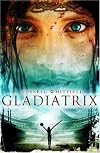
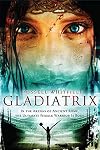
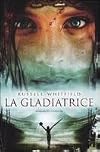
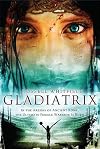
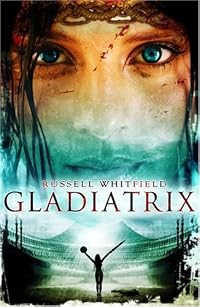
The Ancient Roman public's hunger for gladiatorial combat has never been greater. The Emperor Domitian's passion for novelty and variety in the arena has given rise to a very different kind of warrior: the Gladiatrix. Sole survivor of a shipwreck off the coast of Asia Minor, Lysandra finds herself the property of Lucius Balbus, owner of the foremost Ludus for female gladiators in the Eastern Empire. Lysandra, a member of an ancient Spartan sect of warrior priestesses, refuses to accept her show more new status as a slave. Forced to fight for survival, her deadly combat skills win the adoration of the crowds, the respect of Balbus. But Lysandra's Spartan pride also earns her powerful enemies: Sorina, Gladiatrix Prima and leader of the Barbarian faction, and the sadistic Numidian trainer, Nastasen. When plans are laid for the ultimate combat spectacle to honor the visit of the emperor's powerful new emissary, Lysandra must face her greatest and deadliest trial. This is a thrilling first novel that combines fascinating historical detail with blistering action. The Ancient Roman public's hunger for gladiatorial combat has never been greater. The Emperor Domitian's passion for novelty and variety in the arena has given rise to a very different kind of warrior: the Gladiatrix. Sole survivor of a shipwreck off the coast of Asia Minor, Lysandra finds herself the property of Lucius Balbus, owner of the foremost Ludus for female gladiators in the Eastern Empire. Lysandra, a member of an ancient Spartan sect of warrior priestesses, refuses to accept her new status as a slave. Forced to fight for survival, her deadly combat skills win the adoration of the crowds, the respect of Balbus. But Lysandra's Spartan pride also earns her powerful enemies: Sorina, Gladiatrix Prima and leader of the Barbarian faction, and the sadistic Numidian trainer, Nastasen. When plans are laid for the ultimate combat spectacle to honor the visit of the emperor's powerful new emissary, Lysandra must face her greatest and deadliest trial. This is a thrilling first novel that combines fascinating historical detail with blistering action. show lessTags
Recommendations




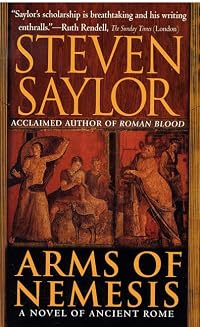
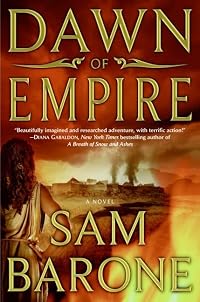


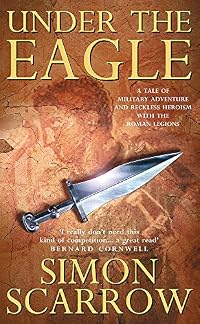
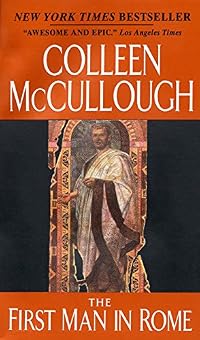


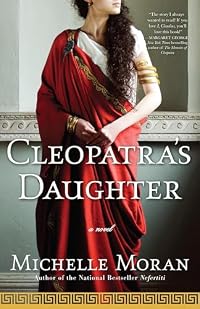
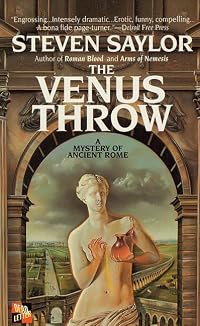
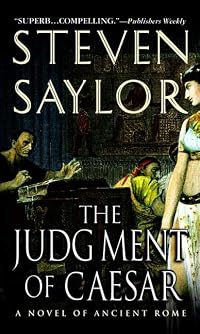

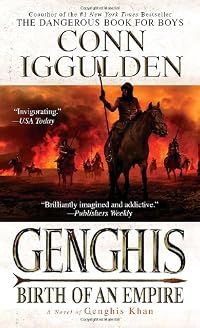
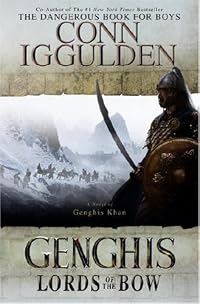
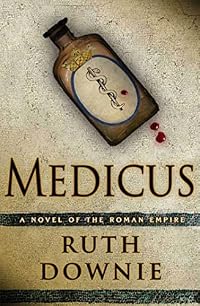
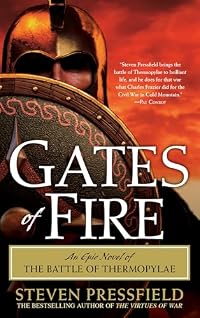
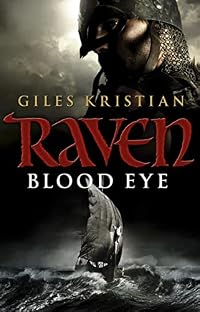





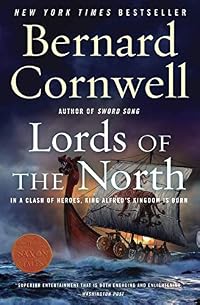

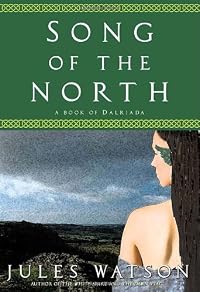
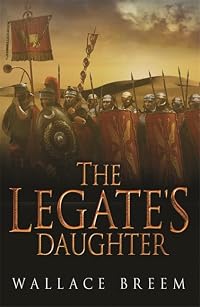
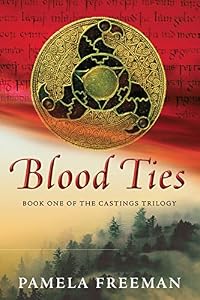
Member Recommendations
FFortuna Gladiatrix is MUCH more graphic.
Member Reviews
Mindful of my obligation to review this book for LibraryThing, I struggled valiantly to finish it, but despite my best efforts, I could only get halfway through. It would take a doughtier warrior than myself to conquer Whitfield's leaden prose, abysmal dialog, complete absence of characterization, and predictable plotting.
Except for the heroine Lysandra, there's not a single character with a spark of life, but in her case that's not a recommendation. The arrogant know-it-all who doesn't realize how others perceive her can work well when used sparingly or for comic effect -- see Elizabeth Peters' ever-adorable Amelia Peabody, for example -- but Lysandra is utterly without humor or charm. She is simply an unlikeable brat who needs a big show more dose of get-over-yourself.
Whitfield's endnotes (I always read the endnotes) acknowledges someone who helped him get rid of his contemporary point of view, but I'm afraid that person had too much to contend with to take care of it all. The author seems concerned, for example, that readers will find Lysandra's temple implausible and justifies it at some length. To me it seems perfectly plausible, except when we come to Lysandra's function as a "mission priestess." I am by no means an expert on ancient Greek religion, but it seems clear that proselytization was not one of its features; it spread haphazardly through conquest and syncretization with existing local deities.
The more serious historical lapse involves the so-called Tribe comprising the women from Gaul and Britain. We modern readers can accept that they all fall into an overarching definition of "Celtic," but I sincerely doubt that an Iceni and a Dacian are going to automatically recognize each other as blood-sisters.
On a shallow note, Whitfield's sex scenes are embarrassing and far from erotic, not only as though he knows nothing about lesbians, but as though he knows nothing about sex between any two people anywhere. show less
Except for the heroine Lysandra, there's not a single character with a spark of life, but in her case that's not a recommendation. The arrogant know-it-all who doesn't realize how others perceive her can work well when used sparingly or for comic effect -- see Elizabeth Peters' ever-adorable Amelia Peabody, for example -- but Lysandra is utterly without humor or charm. She is simply an unlikeable brat who needs a big show more dose of get-over-yourself.
Whitfield's endnotes (I always read the endnotes) acknowledges someone who helped him get rid of his contemporary point of view, but I'm afraid that person had too much to contend with to take care of it all. The author seems concerned, for example, that readers will find Lysandra's temple implausible and justifies it at some length. To me it seems perfectly plausible, except when we come to Lysandra's function as a "mission priestess." I am by no means an expert on ancient Greek religion, but it seems clear that proselytization was not one of its features; it spread haphazardly through conquest and syncretization with existing local deities.
The more serious historical lapse involves the so-called Tribe comprising the women from Gaul and Britain. We modern readers can accept that they all fall into an overarching definition of "Celtic," but I sincerely doubt that an Iceni and a Dacian are going to automatically recognize each other as blood-sisters.
On a shallow note, Whitfield's sex scenes are embarrassing and far from erotic, not only as though he knows nothing about lesbians, but as though he knows nothing about sex between any two people anywhere. show less
 This review was written for LibraryThing Early Reviewers.
I just finished "Gladiatrix"...took me less than a week to eat it up. The plot moves very quickly throughout and the final 150 pages or so simply flew by. I'm very much looking forward to a sequel.
The first 30-50 pages were terrific. The initial character sketching of Lysandra was enticing and beautifully written. Whitfield hit on all cylinders to maximize the opportunity to draw in the reader. The opening sequences contain a strongly written battle and teasing back story.
Pieces of the story are a little melodramatic for my tastes - specifically some of the early interactions between the gladiatricies within their ludus.
I enjoyed Lysandra's training of the troops in preparation of two gladiatorial armies pitched in a large-scale battle show more (that never actually happens in the story), and I think Whitfield hit on something very strong by adding the broader army elements to the gladiatorial-focus story.
Whitfield managed to create a terrific Scarrow-Duffy super hybrid with plenty of depth and good character development. show less
The first 30-50 pages were terrific. The initial character sketching of Lysandra was enticing and beautifully written. Whitfield hit on all cylinders to maximize the opportunity to draw in the reader. The opening sequences contain a strongly written battle and teasing back story.
Pieces of the story are a little melodramatic for my tastes - specifically some of the early interactions between the gladiatricies within their ludus.
I enjoyed Lysandra's training of the troops in preparation of two gladiatorial armies pitched in a large-scale battle show more (that never actually happens in the story), and I think Whitfield hit on something very strong by adding the broader army elements to the gladiatorial-focus story.
Whitfield managed to create a terrific Scarrow-Duffy super hybrid with plenty of depth and good character development. show less
This was a very interesting book that takes a look into the life of a gladiatrix. It is a fictional story, the author explains at the end of the book where he got the story from and how much is based in fact and fiction. Most of the book is fiction with the historical figures being accurate.
Lysandra is a Spartan priestess who is sold into slavery after her ship sinks and she washes up on shore. Her Spartan upbringing serves her well as a gladiatrice and she is quickly found to be ferocious fighter. She finds love where she least expects it and finds a trainer's hatred to be much more dangerous than anything she faces in the ring.
This was a well-written book. It was engaging, with well done action scenes. There is something for everyone show more here; love, hatred, revenge, action, politics. For some reason when I got the book from Amazon Vine I thought it was a young adult book...I don't know where I got that idea from but it is not.
This book is not for the faint of heart. The arena violence is described in detail, as is subjugation of the gladiatrix, rape, sex both between same sex and opposite sex partners. From time to time I was cringing at the bloody detail.
The author did a great job at weaving this story into what is known about Roman history. It was very believable sounding. The ending takes an ironic twist that was delightfully surprising and somewhat realistic.
I was a little disappointed that so much of the story was spend setting Lysandra up as the general of an army for an outlandish arena spectacle, and then nothing was really ever done with that. I guess maybe it was part of the irony of the story but it seemed like that was a waste of plot. Other than that I enjoyed the story.
Great book I look forward to more books from this author. show less
Lysandra is a Spartan priestess who is sold into slavery after her ship sinks and she washes up on shore. Her Spartan upbringing serves her well as a gladiatrice and she is quickly found to be ferocious fighter. She finds love where she least expects it and finds a trainer's hatred to be much more dangerous than anything she faces in the ring.
This was a well-written book. It was engaging, with well done action scenes. There is something for everyone show more here; love, hatred, revenge, action, politics. For some reason when I got the book from Amazon Vine I thought it was a young adult book...I don't know where I got that idea from but it is not.
This book is not for the faint of heart. The arena violence is described in detail, as is subjugation of the gladiatrix, rape, sex both between same sex and opposite sex partners. From time to time I was cringing at the bloody detail.
The author did a great job at weaving this story into what is known about Roman history. It was very believable sounding. The ending takes an ironic twist that was delightfully surprising and somewhat realistic.
I was a little disappointed that so much of the story was spend setting Lysandra up as the general of an army for an outlandish arena spectacle, and then nothing was really ever done with that. I guess maybe it was part of the irony of the story but it seemed like that was a waste of plot. Other than that I enjoyed the story.
Great book I look forward to more books from this author. show less
When I found this book and read the plot summary, my first thought was “Holy crap! It’s like Spartacus/Gladiator for girls!” Awesome! Since Spartacus is one of my favourite TV shows and Gladiator is an epic film, I had high hopes for this book. But despite my high hopes, I was not prepared for how much I would absolutely love this book!
When going into this book, I expected the violence, the fame, and the bloodlust — all expected when you’re reading a gladiator book.. But I didn’t expect this book to be so full of emotion. Love, lust, rage, loss, suffering, revenge. I found myself hoping, praying, crying, and sympathizing. This book seriously yanked at my emotions! Gladiatrix is so much more than just a bloody life of a show more gladiator. It follows the life of a slave — with all the hurts, dreams, and losses that that entails.
I felt every betrayal, every pain, and every loss so much more potently through the words of a book. I’ve seen them on screen in Spartacus and Gladiator, but Russell Whitfield magnificently weaved the story to tug at my emotions and really make me feel for the main character — even if I was annoyed with her. I felt like everything that happened to her was happening to me.
At the beginning, I fell in love with the main character, Lysandra. I completely sympathized with her situation. She was once an honoured Spartan warrior priestess but was captured and thrown into a world of gladitorial arts and slavery. That’s obviously a huge change and something that would be extremely difficult to adapt to. So I completely understood when Lysandra lost her will to fight and felt as if she shamed her people and her priesthood.
From there, I constantly flipflopped between being annoyed with her and admiring her and sympathizing with her. She proved to be arrogant and self important. It was an interesting form of arrogance though. It’s not like she ignored everyone because she thought she was better than them. She thought she was better than them so she felt obligated to walk around saying, “I’m more knowledgeable than you so it’s my duty to help you.” So I guess it was a bit of a double edged sword. She was a little annoying, but at least she was trying to be helpful.
But on the other hand, she is incredibly knowledgeable and strong, and I LOVE that in a character. And throughout all her hardships, I found myself wanting to reach out and hug her or something.
As a bit of a warning, this book is very sexual and very violent. That could turn people away from it. As for me, I love a good sex book and I like action movies so violence doesn’t bother me. But in addition to just having sex, Gladiatrix does have some pretty vulgar scenes (rape). So keep that in mind if you’re thinking about reading the book.
But back to the subject.. I thought the romance in the book was brilliantly crafted. I fell in love with Lysandra’s relationship with her lover and every word felt so genuine and real. At first I was kind of put off by the lesbian relationship, only because I can’t really relate and I thought I’d prefer something that catered more toward my own sexual orientation.. but after a while, I didn’t care any more. I loved the relationship and I could relate to their feelings completely.
My biggest gripe with this book was the ending. There was a huge build up but I kind of felt unsatisfied and let down, though it was obvious that the main character felt the same way — she didn’t like how things ended. Now the second book, Roma Victrix, takes place four years later, so I’m concerned that I may not get the satisfying ending I wanted from Gladiatrix. But I guess I’ll just have to read the next book and find out!
Thanks for a great read, Russell Whitfield! show less
When going into this book, I expected the violence, the fame, and the bloodlust — all expected when you’re reading a gladiator book.. But I didn’t expect this book to be so full of emotion. Love, lust, rage, loss, suffering, revenge. I found myself hoping, praying, crying, and sympathizing. This book seriously yanked at my emotions! Gladiatrix is so much more than just a bloody life of a show more gladiator. It follows the life of a slave — with all the hurts, dreams, and losses that that entails.
I felt every betrayal, every pain, and every loss so much more potently through the words of a book. I’ve seen them on screen in Spartacus and Gladiator, but Russell Whitfield magnificently weaved the story to tug at my emotions and really make me feel for the main character — even if I was annoyed with her. I felt like everything that happened to her was happening to me.
At the beginning, I fell in love with the main character, Lysandra. I completely sympathized with her situation. She was once an honoured Spartan warrior priestess but was captured and thrown into a world of gladitorial arts and slavery. That’s obviously a huge change and something that would be extremely difficult to adapt to. So I completely understood when Lysandra lost her will to fight and felt as if she shamed her people and her priesthood.
From there, I constantly flipflopped between being annoyed with her and admiring her and sympathizing with her. She proved to be arrogant and self important. It was an interesting form of arrogance though. It’s not like she ignored everyone because she thought she was better than them. She thought she was better than them so she felt obligated to walk around saying, “I’m more knowledgeable than you so it’s my duty to help you.” So I guess it was a bit of a double edged sword. She was a little annoying, but at least she was trying to be helpful.
But on the other hand, she is incredibly knowledgeable and strong, and I LOVE that in a character. And throughout all her hardships, I found myself wanting to reach out and hug her or something.
As a bit of a warning, this book is very sexual and very violent. That could turn people away from it. As for me, I love a good sex book and I like action movies so violence doesn’t bother me. But in addition to just having sex, Gladiatrix does have some pretty vulgar scenes (rape). So keep that in mind if you’re thinking about reading the book.
But back to the subject.. I thought the romance in the book was brilliantly crafted. I fell in love with Lysandra’s relationship with her lover and every word felt so genuine and real. At first I was kind of put off by the lesbian relationship, only because I can’t really relate and I thought I’d prefer something that catered more toward my own sexual orientation.. but after a while, I didn’t care any more. I loved the relationship and I could relate to their feelings completely.
My biggest gripe with this book was the ending. There was a huge build up but I kind of felt unsatisfied and let down, though it was obvious that the main character felt the same way — she didn’t like how things ended. Now the second book, Roma Victrix, takes place four years later, so I’m concerned that I may not get the satisfying ending I wanted from Gladiatrix. But I guess I’ll just have to read the next book and find out!
Thanks for a great read, Russell Whitfield! show less
Transported into a world where slaves are groomed to fight in the arena for the pleasure of the crowds and the whims of the politicians, Gladiatrix tells the tale of Lysandra, a former Spartan priestess, and her journey as a gladiatrix in Asia Minor.
I enjoyed the historical details, the training in the ludus, the cast of characters, and the intricacy of the plot as well as the satisfying ending. The only trouble I had was identifying with Lysandra's arrogance, which at times made her less than a sympathetic character. The author, however, balanced this out by throwing Lysandra into terrible circumstances that forced the reader to feel for her and root for her--a woman against all odds.
A good read for all people, not just history buffs.
I enjoyed the historical details, the training in the ludus, the cast of characters, and the intricacy of the plot as well as the satisfying ending. The only trouble I had was identifying with Lysandra's arrogance, which at times made her less than a sympathetic character. The author, however, balanced this out by throwing Lysandra into terrible circumstances that forced the reader to feel for her and root for her--a woman against all odds.
A good read for all people, not just history buffs.
I never could finish this book. I got about two thirds of the way through and and stalled. I wanted to like it - women gladiators, some actual historical basis given, but it was a very "guy" sort of book. I really didn't like the protaganist - never warmed up to her. The nominally sympathetic presentation of lesbian relationships should have been a plus but the way in which the sexuality was presented felt male centered - sort of a "hot bi babes" approach.
The obligatory "looking in a mirror" (ok, rationalized reflective surface) was the absolute typical thing that men write when writing about women. The point at which I totally bounced off it had to do with an "evil" character who seemed to me to be presented with a totally unnecessary show more 20/21st century lens of gross racial prejudice - a black male with dreadlocks, smoking hemp and slavering sexually after white women.
When I got to the point when I was wishing that the main character would get killed so she'd stop annoying me, I was done. show less
The obligatory "looking in a mirror" (ok, rationalized reflective surface) was the absolute typical thing that men write when writing about women. The point at which I totally bounced off it had to do with an "evil" character who seemed to me to be presented with a totally unnecessary show more 20/21st century lens of gross racial prejudice - a black male with dreadlocks, smoking hemp and slavering sexually after white women.
When I got to the point when I was wishing that the main character would get killed so she'd stop annoying me, I was done. show less
This review was written for LibraryThing Early Reviewers.Gladiatrix, by Russell Whitfield.
Lysandra is, or was, a mission Priestess of Athena from the fallen city-state of Sparta, in the reign of Domitian in the Roman Empire. Now, after a shipwreck, she is not only a slave, but is being trained as a female gladiator. Thus, she embodies eponymous title of the novel, along with a group of other women also condemned to the same fate.
Gladiatrix shows us her story, starting in medias res, revealing how she was captured, and follows her story as she rises in the stable, develops relationships with her fellow gladiatrices, and finally has a knock down, drag out final combat with her greatest rival, after the love of her life dies.
On the surface, the novel is well paced, exciting, the clash of show more blades, the savagery and power of life in the Roman world on display and seen through the eyes of an outsider who is now the lowest of the low. Casual readers will likely enjoy it for exactly those reasons.
For me, however, I found it wanting. I know too much.
I may not be a Classical scholar (and the author doesn't profess to be one either, just an interested amateur), but I found the novel and the heroine's actions and life highly improbable and worse, "written to cinema". Some of the pattern of the story follows, to an extent, part of the arc of the movie Gladiator, and not to its credit. I just couldn't buy, even with the fig leaf of an Athene priest hired and brought in to convince Lysandra, that a female spartan would ever, in the end, accept her fate enough to actually embrace her role as a gladiatrix. It broke the character that had been building--even if, I recognize, it was the only way to get the story forward. I think that the author simply wanted a female Spartan gladiator, even if large implausibilities were the only way to get there.
An additional cinematic and not-very-realistic addition in the plot is the love affair between Lysandra and Eirinawen. I never really bought it as more than the author wishing for Lysandra to have a homoerotic relationship with one of her fellow gladiatrices. It never felt natural to me to her character, or Eirinawen's, for that matter. Now, the consequences of the pursuit of that relationship, as it ties into Lysandra's rival Sorina, that I admit was handled much better. But I never really bought the creation of the relationship in the first place.
I almost wish that Whitfield had decided to write this novel in an invented world of his own. Perhaps with the freedom to make a Roman-like, rather than a strictly Roman Empire world, I would have been far more forgiving of the implausibilities of the characters and simply went along for the ride. As it was, I was in the end, underwhelmed. show less
Lysandra is, or was, a mission Priestess of Athena from the fallen city-state of Sparta, in the reign of Domitian in the Roman Empire. Now, after a shipwreck, she is not only a slave, but is being trained as a female gladiator. Thus, she embodies eponymous title of the novel, along with a group of other women also condemned to the same fate.
Gladiatrix shows us her story, starting in medias res, revealing how she was captured, and follows her story as she rises in the stable, develops relationships with her fellow gladiatrices, and finally has a knock down, drag out final combat with her greatest rival, after the love of her life dies.
On the surface, the novel is well paced, exciting, the clash of show more blades, the savagery and power of life in the Roman world on display and seen through the eyes of an outsider who is now the lowest of the low. Casual readers will likely enjoy it for exactly those reasons.
For me, however, I found it wanting. I know too much.
I may not be a Classical scholar (and the author doesn't profess to be one either, just an interested amateur), but I found the novel and the heroine's actions and life highly improbable and worse, "written to cinema". Some of the pattern of the story follows, to an extent, part of the arc of the movie Gladiator, and not to its credit. I just couldn't buy, even with the fig leaf of an Athene priest hired and brought in to convince Lysandra, that a female spartan would ever, in the end, accept her fate enough to actually embrace her role as a gladiatrix. It broke the character that had been building--even if, I recognize, it was the only way to get the story forward. I think that the author simply wanted a female Spartan gladiator, even if large implausibilities were the only way to get there.
An additional cinematic and not-very-realistic addition in the plot is the love affair between Lysandra and Eirinawen. I never really bought it as more than the author wishing for Lysandra to have a homoerotic relationship with one of her fellow gladiatrices. It never felt natural to me to her character, or Eirinawen's, for that matter. Now, the consequences of the pursuit of that relationship, as it ties into Lysandra's rival Sorina, that I admit was handled much better. But I never really bought the creation of the relationship in the first place.
I almost wish that Whitfield had decided to write this novel in an invented world of his own. Perhaps with the freedom to make a Roman-like, rather than a strictly Roman Empire world, I would have been far more forgiving of the implausibilities of the characters and simply went along for the ride. As it was, I was in the end, underwhelmed. show less
Members
- Recently Added By
Author Information

9 Works 401 Members
Series

Belongs to Publisher Series
Common Knowledge
- Canonical title
- Gladiatrix
- Original title
- Gladiatrix
- Original publication date
- 2008
- People/Characters
- Lysandra; Lucius Balbus; Eirianwen; Sorina of Dacia; Nastasen; Catavolcos (show all 9); Stick; Hildreth; Varia
- Important places
- Halicarnassus
- Dedication
- For my mother, who I miss every day.
- First words
- Lysandra would never forget her first time.
- Last words
- (Click to show. Warning: May contain spoilers.)Her Sisters cried out their keening war cry and the thunder of hooves filled the camp as they rode, shrieking into the night.
- Publisher's editor*
- Aliberti
- Blurbers
- Oden, Scott
*Some information comes from Common Knowledge in other languages. Click "Edit" for more information.
Classifications
Statistics
- Members
- 206
- Popularity
- 158,111
- Reviews
- 55
- Rating
- (2.87)
- Languages
- Czech, English, Italian, Serbian
- Media
- Paper, Ebook
- ISBNs
- 7
- ASINs
- 2