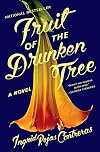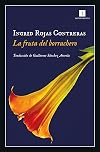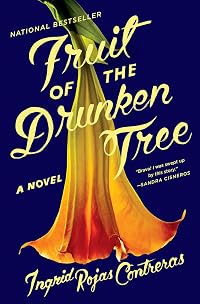
Fruit of the Drunken Tree
by Ingrid Rojas Contreras
On This Page
Description
“One of the most dazzling and devastating novels I’ve read in a long time...Readers of Fruit of the Drunken Tree will surely be transformed.”—San Francisco Chronicle
“Simultaneously propulsive and poetic, reminiscent of Isabel Allende...Listen to this new author’s voice — she has something powerful to say.”
—Entertainment Weekly
A mesmerizing debut set in Colombia at the height Pablo Escobar's violent reign about a sheltered young girl and a teenage maid who strike an show more unlikely friendship that threatens to undo them both
Seven-year-old Chula and her older sister Cassandra enjoy carefree lives thanks to their gated community in Bogotá, but the threat of kidnappings, car bombs, and assassinations hover just outside the neighborhood walls, where the godlike drug lord Pablo Escobar continues to elude authorities and capture the attention of the nation.
When their mother hires Petrona, a live-in-maid from the city's guerrilla-occupied slum, Chula makes it her mission to understand Petrona's mysterious ways. But Petrona's unusual behavior belies more than shyness. She is a young woman crumbling under the burden of providing for her family as the rip tide of first love pulls her in the opposite direction. As both girls' families scramble to maintain stability amidst the rapidly escalating conflict, Petrona and Chula find themselves entangled in a web of secrecy that will force them both to choose between sacrifice and betrayal.
Inspired by the author's own life, and told through the alternating perspectives of the willful Chula and the achingly hopeful Petrona, Fruit of the Drunken Tree contrasts two very different, but inextricably linked coming-of-age stories. In lush prose, Rojas Contreras has written a powerful testament to the impossible choices women are often forced to make in the face of violence and the unexpected connections that can blossom out of desperation. show less
Tags
Recommendations










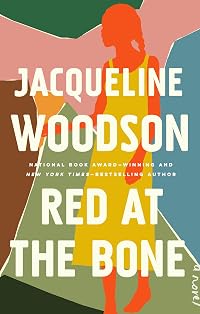
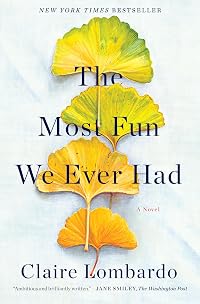
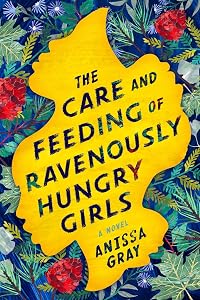
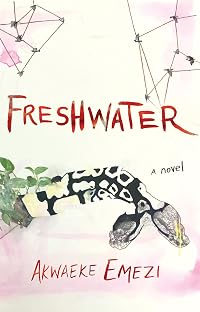
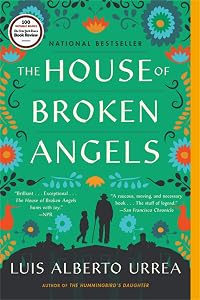

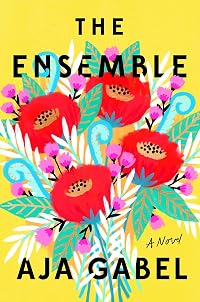
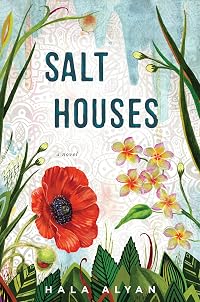



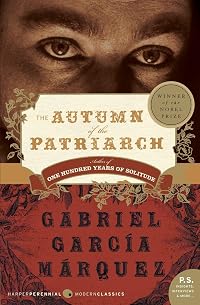
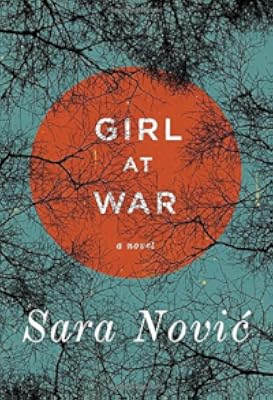
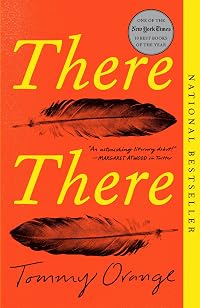

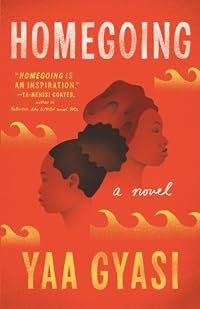



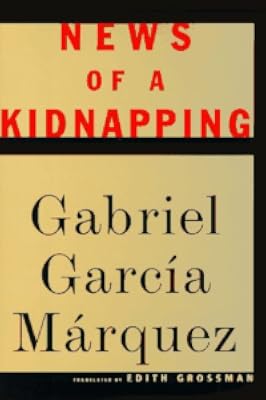







Member Reviews
Digital audiobook performed by Marisol Ramirez, Almarie Guerra and Ingrid Rojas Contreras.
Based on the author’s own life experiences, this novel tells the story of a family “safely” ensconced within their gated community in Bogotá, Columbia in the early to mid 1990s. Chula, the 7-year-old narrator, and her older sister Cassandra enjoy a relatively carefree life within the community. But just outside the walls of their compound, the infamous, and seemingly all powerful, drug lord Pablo Escobar continues his reign of terror with kidnappings, car bombs and assassinations.
I loved that Contreras used two different young women (girls, really) to narrate this story. The viewpoint alternates between Chula and Petrona, who is the show more family’s teen-aged maid. Chula has a naivete and innocence of youth, and of her upbringing in a relatively safe, secure and stable (if isolated) environment. Petrona, on the other hand, has suffered the indignities and deprivations of the poor and uneducated. The oldest of nine children who live in a slum, she has taken on the burden of being the breadwinner for her family at the tender age of thirteen. The way these two narrators see what is happening in their country is colored by their experiences – each of them having a limited viewpoint for different reasons. And those limitations make them vulnerable to manipulation, and result in some dangerous situations.
I was completely immersed and engaged in their story from beginning to end. Having both viewpoints I recognized the danger long before either of the narrators, but was still caught off guard a few times as twists and turns occurred in the plot. For the time I spent with these characters I had a glimpse of the uncertainty the citizens of Columbia must have felt.
It’s a strong debut for Contreras and I look forward to reading her future works.
The audiobook was masterfully performed by Marisol Ramirez, Almarie Guerra and Ingrid Rojas Contreras. Brava, ladies. show less
Based on the author’s own life experiences, this novel tells the story of a family “safely” ensconced within their gated community in Bogotá, Columbia in the early to mid 1990s. Chula, the 7-year-old narrator, and her older sister Cassandra enjoy a relatively carefree life within the community. But just outside the walls of their compound, the infamous, and seemingly all powerful, drug lord Pablo Escobar continues his reign of terror with kidnappings, car bombs and assassinations.
I loved that Contreras used two different young women (girls, really) to narrate this story. The viewpoint alternates between Chula and Petrona, who is the show more family’s teen-aged maid. Chula has a naivete and innocence of youth, and of her upbringing in a relatively safe, secure and stable (if isolated) environment. Petrona, on the other hand, has suffered the indignities and deprivations of the poor and uneducated. The oldest of nine children who live in a slum, she has taken on the burden of being the breadwinner for her family at the tender age of thirteen. The way these two narrators see what is happening in their country is colored by their experiences – each of them having a limited viewpoint for different reasons. And those limitations make them vulnerable to manipulation, and result in some dangerous situations.
I was completely immersed and engaged in their story from beginning to end. Having both viewpoints I recognized the danger long before either of the narrators, but was still caught off guard a few times as twists and turns occurred in the plot. For the time I spent with these characters I had a glimpse of the uncertainty the citizens of Columbia must have felt.
It’s a strong debut for Contreras and I look forward to reading her future works.
The audiobook was masterfully performed by Marisol Ramirez, Almarie Guerra and Ingrid Rojas Contreras. Brava, ladies. show less
What an accomplished debut! The three girls, Chula, Cassandra and Petrona felt so real to me, as did life in Colombia for the middle class and the poor in the 80's. They helped me feel the tension of trying to live a normal life with the everpresent fear of the paramilitary, the military or the guerillas hanging over your head. What kept me from giving this book 4 stars was the unevenness of the pacing. I think the earlier parts of the book could have been tightened up and the final parts fleshed out a bit more. I would have liked more detail about their experience in the refugee camp and settling into life in LA. I was also deeply disturbed by what Petrona had to settle for in order to live a relatively safe life.
...when I elevated my feet at night and my head found its pillow I wondered: of what country was I during those hours when my feet were in the air?
If you're a fan of Isabel Allende, you will LOVE Fruit of the Drunken Tree, the first novel by Ingrid Rojas Contreras. Ingrid is an amazing storyteller with an incredible gift. It's getting harder and harder to make my all-time favorites list and this one clinched a spot.
This fictionalized version of the author's own life gives us a peek at Colombia in the turbulent and violence-ridden 1990's, when Pablo Escobar was fighting to hold onto his narco throne and numerous paramilitary groups were fighting for their own versions of justice.
As a middle class family, the Santiagos — which included show more the young narrator (Chula), her older sister Cassandra, and her two parents — were a target of guerrillas who believed that kidnapping and collecting ransoms were legitimate ways to right Colombia's economic wrongs. And, like many of Colombia's citizens, they were caught in the crossfire of the narco war.
Like Isabel, Ingrid's writing is magical, lyrical and goes straight to your heart. The characters are real, deep, flawed, and likeable despite their occasional questionable actions.
If you're traveling to Colombia, this book is a must read. You will close the back cover with a greater understanding of what it is to be poor in this country, the love and hate for Pablo Escobar, and its troubled history and rich culture, and feel a connection to the people that live in the ramshackle homes on the hills. show less
If you're a fan of Isabel Allende, you will LOVE Fruit of the Drunken Tree, the first novel by Ingrid Rojas Contreras. Ingrid is an amazing storyteller with an incredible gift. It's getting harder and harder to make my all-time favorites list and this one clinched a spot.
This fictionalized version of the author's own life gives us a peek at Colombia in the turbulent and violence-ridden 1990's, when Pablo Escobar was fighting to hold onto his narco throne and numerous paramilitary groups were fighting for their own versions of justice.
As a middle class family, the Santiagos — which included show more the young narrator (Chula), her older sister Cassandra, and her two parents — were a target of guerrillas who believed that kidnapping and collecting ransoms were legitimate ways to right Colombia's economic wrongs. And, like many of Colombia's citizens, they were caught in the crossfire of the narco war.
Like Isabel, Ingrid's writing is magical, lyrical and goes straight to your heart. The characters are real, deep, flawed, and likeable despite their occasional questionable actions.
If you're traveling to Colombia, this book is a must read. You will close the back cover with a greater understanding of what it is to be poor in this country, the love and hate for Pablo Escobar, and its troubled history and rich culture, and feel a connection to the people that live in the ramshackle homes on the hills. show less
Set in Colombia in the early 1990s, protagonist Chula is a young girl living with her sister and parents in Bogota’. Her father works in the oil business. They are wealthy enough to hire a teenage girl, Petrona, to help with household duties. Petrona lives in a shantytown with her mother and siblings. Chula is younger than Petrona and easily influenced. When Petrona gets involved with a guerrilla, she asks Chula to keep secrets, resulting in dangerous situations for all concerned.
This book conveys an idea of what it would have been like to live in Colombia during the heyday of drug cartel leader Pablo Escobar. It covers the assassination of politician Luis Carlos Galán, the civil unrest due to bombings and kidnappings, and show more infighting among the cartel, guerrillas, and paramilitary groups. It is told by an older Chula, looking back on what happened, followed by Petrona’s viewpoint. This structure is effective in enlightening the reader about how different events are interpreted by different socioeconomic groups.
The title refers to a beautiful type of tree that smells sweet but is poisonous if the fruit or flowers are ingested. It calls to mind the drugs that serve as a running theme throughout the story. Pablo Escobar was constantly in the news and thoughts of Colombians. Some viewed him as a Robin Hood type figure. Others lived in fear of narcoterrorism.
The author was born in Colombia. She is writing of her country’s traumatic history, and how it impacted families who lived there. She has written this book in a mixture of English, Spanish, and Spanglish. After finishing, I researched this choice and found out that this was intentional and is intended to depict Chula’s lack of fluency in English.
In this beautiful debut, Ingrid Rojas Contreras has assembled a cadre of authentic characters. I cared about what happened to them. It is well-crafted historical fiction that inspired me to learn more about Colombian history. show less
This book conveys an idea of what it would have been like to live in Colombia during the heyday of drug cartel leader Pablo Escobar. It covers the assassination of politician Luis Carlos Galán, the civil unrest due to bombings and kidnappings, and show more infighting among the cartel, guerrillas, and paramilitary groups. It is told by an older Chula, looking back on what happened, followed by Petrona’s viewpoint. This structure is effective in enlightening the reader about how different events are interpreted by different socioeconomic groups.
The title refers to a beautiful type of tree that smells sweet but is poisonous if the fruit or flowers are ingested. It calls to mind the drugs that serve as a running theme throughout the story. Pablo Escobar was constantly in the news and thoughts of Colombians. Some viewed him as a Robin Hood type figure. Others lived in fear of narcoterrorism.
The author was born in Colombia. She is writing of her country’s traumatic history, and how it impacted families who lived there. She has written this book in a mixture of English, Spanish, and Spanglish. After finishing, I researched this choice and found out that this was intentional and is intended to depict Chula’s lack of fluency in English.
In this beautiful debut, Ingrid Rojas Contreras has assembled a cadre of authentic characters. I cared about what happened to them. It is well-crafted historical fiction that inspired me to learn more about Colombian history. show less
The narrative of Fruit of the Drunken Tree shifts between the perspectives of two young girls. Chula is a seven year old child of an upper middle class family who lives in a gated community in Bogota. While Petrona is a teenager who works as the family's housekeeper and lives in a hovel in a poor neighborhood. The use of dual perspectives creates a more complete picture of the environment in Columbia in the Escobar era where bombings, kidnappings, and assassinations were commonplace.
During most of the novel, Chula narrates her story as a child. This provides a freshness and naivete in the face of sinister news; it helps to build the suspense as their environment gradually becomes more and more dangerous. Throughout the story the author show more creates believable characters that this reader could empathize with as events turned worse for the family. It did not help them that there was class prejudice in their neighborhood based on the presence of "Indian blood" in Chula's mother.
Supernatural elements (witches, ghosts, tarot cards) permeate the narrative in Fruit of the Drunken Tree. These provide a more comprehensive experience of the atmosphere where Chula and her family lived. Several incidents in the story raise danger and combine to lead Chula, her sister, and Mother to emigrate to the United States. This experience, while difficult for the family, is accomplished with great strength as they stay together as a unit even while reacting in their own individual ways.
The young girl, Petrona, says early in the story that "I want to be normal for once, why can't I?"(p 140). This is something that all the characters in this story face, for there is no "normal" for them during a time of turmoil. One of the most emotional moments was when Chula realized she would never see her home again as she left with her family. Anyone who has had to leave their childhood home, never to return, has at least some idea of how this feels. Contreras' novel is an exceptional story of growing up in a time of turmoil and ultimately creating a new life in a world you never dreamed of. show less
During most of the novel, Chula narrates her story as a child. This provides a freshness and naivete in the face of sinister news; it helps to build the suspense as their environment gradually becomes more and more dangerous. Throughout the story the author show more creates believable characters that this reader could empathize with as events turned worse for the family. It did not help them that there was class prejudice in their neighborhood based on the presence of "Indian blood" in Chula's mother.
Supernatural elements (witches, ghosts, tarot cards) permeate the narrative in Fruit of the Drunken Tree. These provide a more comprehensive experience of the atmosphere where Chula and her family lived. Several incidents in the story raise danger and combine to lead Chula, her sister, and Mother to emigrate to the United States. This experience, while difficult for the family, is accomplished with great strength as they stay together as a unit even while reacting in their own individual ways.
The young girl, Petrona, says early in the story that "I want to be normal for once, why can't I?"(p 140). This is something that all the characters in this story face, for there is no "normal" for them during a time of turmoil. One of the most emotional moments was when Chula realized she would never see her home again as she left with her family. Anyone who has had to leave their childhood home, never to return, has at least some idea of how this feels. Contreras' novel is an exceptional story of growing up in a time of turmoil and ultimately creating a new life in a world you never dreamed of. show less
Set in Colombia in the early 1990s, protagonist Chula is a young girl living with her sister and parents in Bogota’. Her father works in the oil business. They are wealthy enough to hire a teenage girl, Petrona, to help with household duties. Petrona lives in a shantytown with her mother and siblings. Chula is younger than Petrona and easily influenced. When Petrona gets involved with a guerrilla, she asks Chula to keep secrets, resulting in dangerous situations for all concerned.
This book conveys an idea of what it would have been like to live in Colombia during the heyday of drug cartel leader Pablo Escobar. It covers the assassination of politician Luis Carlos Galán, the civil unrest due to bombings and kidnappings, and show more infighting among the cartel, guerrillas, and paramilitary groups. It is told by an older Chula, looking back on what happened, followed by Petrona’s viewpoint. This structure is effective in enlightening the reader about how different events are interpreted by different socioeconomic groups.
The title refers to a beautiful type of tree that smells sweet but is poisonous if the fruit or flowers are ingested. It calls to mind the drugs that serve as a running theme throughout the story. Pablo Escobar was constantly in the news and thoughts of Colombians. Some viewed him as a Robin Hood type figure. Others lived in fear of narcoterrorism.
The author was born in Colombia. She is writing of her country’s traumatic history, and how it impacted families who lived there. She has written this book in a mixture of English, Spanish, and Spanglish. After finishing, I researched this choice and found out that this was intentional and is intended to depict Chula’s lack of fluency in English.
In this beautiful debut, Ingrid Rojas Contreras has assembled a cadre of authentic characters. I cared about what happened to them. It is well-crafted historical fiction that inspired me to learn more about Colombian history. show less
This book conveys an idea of what it would have been like to live in Colombia during the heyday of drug cartel leader Pablo Escobar. It covers the assassination of politician Luis Carlos Galán, the civil unrest due to bombings and kidnappings, and show more infighting among the cartel, guerrillas, and paramilitary groups. It is told by an older Chula, looking back on what happened, followed by Petrona’s viewpoint. This structure is effective in enlightening the reader about how different events are interpreted by different socioeconomic groups.
The title refers to a beautiful type of tree that smells sweet but is poisonous if the fruit or flowers are ingested. It calls to mind the drugs that serve as a running theme throughout the story. Pablo Escobar was constantly in the news and thoughts of Colombians. Some viewed him as a Robin Hood type figure. Others lived in fear of narcoterrorism.
The author was born in Colombia. She is writing of her country’s traumatic history, and how it impacted families who lived there. She has written this book in a mixture of English, Spanish, and Spanglish. After finishing, I researched this choice and found out that this was intentional and is intended to depict Chula’s lack of fluency in English.
In this beautiful debut, Ingrid Rojas Contreras has assembled a cadre of authentic characters. I cared about what happened to them. It is well-crafted historical fiction that inspired me to learn more about Colombian history. show less
Fruit of the Drunken Tree by Ingrid Rojas Contreras is this month's pick for @theempirestatebookclub. This is a historical fiction read set in Pablo Escobar era Colombia. It was a slow burn read that leads to a heart-breaking gut punch that leaves you thinking about the characters long after you close the pages.
"So much of my life was waiting." This quote personifies the tone and pacing of this one. You see the story unravel through the eyes of 7 year old Chula, a rich girl trying to make sense of the world through observation of everything and everyone around her. She waits to see if Pablo Escobar will infiltrate her community because at home her parents instill fear in his larger than life reputation. She hides and waits observing show more all that she can about Petrona, the 15 year old girl hired by her mother to work at her house. As a reader you wait alongside her until it all comes boiling to the surface. As you wait, you learn: who are the victims in "drug wars", how classism and poverty affect the choices people are forced to make, whose lives are expendable and how women and children bear thr brunt of the consequences of civil unrest.
The themes in this one are what I will remember the most. The women are the backbone in the story and you see them bear the brunt of the burden when it comes to childbearing and financial responsibilities when men are absent either by choice or violence. You see women as agents of upholding or dismantling classism and patriarchy. You also see how women are abused and face violence because of political unrest.
The innocence of children is a huge part of the story. Parental influence and the perpetuation of a culture of fear create huge anxieties and trauma for children living during civil unrest. Parents often withhold truths to "protect" children and keep them alive but many times leaves them susceptible to dangerous situations.
Classism plays a huge role in the events of this novel. Poverty & lack of resources force people to make impossible choices. The rich can't see past their own problems until something happens in their backyard. Survival comes at a cost. This one forces you to take a look at what that looks like.
Read this one if you enjoy: visual storytelling styles, Latinx historical fiction, feminist stories, slow burn riveting stories, folkloric fiction and multiple point of views. The focus on women and children in this one really gave it a unique point of view. The historical aspects piqued my interest so much, I found myself researching more information. I look forward to reading Rojas Contreras memoir because I can see how much of her own family's story is contained in this one. I am eager to read more from her because the writing was really beautiful, authentic and really gave a glimpse into Colombian worldview. show less
"So much of my life was waiting." This quote personifies the tone and pacing of this one. You see the story unravel through the eyes of 7 year old Chula, a rich girl trying to make sense of the world through observation of everything and everyone around her. She waits to see if Pablo Escobar will infiltrate her community because at home her parents instill fear in his larger than life reputation. She hides and waits observing show more all that she can about Petrona, the 15 year old girl hired by her mother to work at her house. As a reader you wait alongside her until it all comes boiling to the surface. As you wait, you learn: who are the victims in "drug wars", how classism and poverty affect the choices people are forced to make, whose lives are expendable and how women and children bear thr brunt of the consequences of civil unrest.
The themes in this one are what I will remember the most. The women are the backbone in the story and you see them bear the brunt of the burden when it comes to childbearing and financial responsibilities when men are absent either by choice or violence. You see women as agents of upholding or dismantling classism and patriarchy. You also see how women are abused and face violence because of political unrest.
The innocence of children is a huge part of the story. Parental influence and the perpetuation of a culture of fear create huge anxieties and trauma for children living during civil unrest. Parents often withhold truths to "protect" children and keep them alive but many times leaves them susceptible to dangerous situations.
Classism plays a huge role in the events of this novel. Poverty & lack of resources force people to make impossible choices. The rich can't see past their own problems until something happens in their backyard. Survival comes at a cost. This one forces you to take a look at what that looks like.
Read this one if you enjoy: visual storytelling styles, Latinx historical fiction, feminist stories, slow burn riveting stories, folkloric fiction and multiple point of views. The focus on women and children in this one really gave it a unique point of view. The historical aspects piqued my interest so much, I found myself researching more information. I look forward to reading Rojas Contreras memoir because I can see how much of her own family's story is contained in this one. I am eager to read more from her because the writing was really beautiful, authentic and really gave a glimpse into Colombian worldview. show less
Members
- Recently Added By
Published Reviews
ThingScore 100
It’s vividly specific details like these that made me wince in recognition while reading Ingrid Rojas Contreras’s “Fruit of the Drunken Tree,” a beautifully rendered novel of an Escobar-era Colombian childhood. Although this debut novel is inspired by the author’s personal experiences (as noted in an afterword), you don’t need to have grown up in Bogotá to be taken in by show more Contreras’s simple but memorable prose and absorbing story line......Contreras’s depiction of growing up amid such constant violence provides some of the most arresting passages in the book. ...I’m writing this a few days after Colombia’s recent presidential election, and I can’t help wondering what novels about Colombia 25 years from now will have to say about this current period. I can only hope they’ll be as sensitive and thoughtful as this one. show less
added by vancouverdeb
Lists

Childhood: Books for or about children in different cultures around the wor
345 works; 18 members

South American and Central America and the Caribbean Islands
3 works; 1 member

Litsy Awards 2018
248 works; 9 members
Amazon best fictional genre picks monthly for 2018
418 works; 9 members

Realistic Fiction: Social System
32 works; 1 member

Relationships: Friendships
18 works; 1 member

Adventure and Intrigue
76 works; 2 members

High School Novels about Immigration
40 works; 1 member

Books Read in 2024
4,727 works; 128 members
Author Information

2+ Works 896 Members
Some Editions
Awards and Honors
Awards
Distinctions
Common Knowledge
- Canonical title
- Fruit of the Drunken Tree
- Original publication date
- 2018
- People/Characters
- Petrona Sánchez; Chula Santiago; Cassandra Santiago
- Important places
- Colombia
- Dedication
- Para ti, Mami.
- First words
- She sits in a plastic chair in front of a brick wall, slouching.
- Last words
- (Click to show. Warning: May contain spoilers.)Sometimes the less you know the more you live.
Classifications
Statistics
- Members
- 688
- Popularity
- 41,691
- Reviews
- 37
- Rating
- (3.86)
- Languages
- English, Spanish
- Media
- Paper, Audiobook, Ebook
- ISBNs
- 14
- ASINs
- 3