On This Page
Description
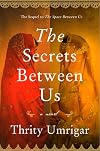
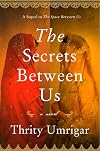
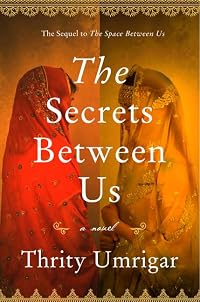
Bhima, the unforgettable main character of Thrity Umrigar's beloved national bestseller The Space Between Us, returns in this triumphant sequel-a poignant and compelling novel in which the former servant struggles against the circumstances of class and misfortune to forge a new path for herself and her granddaughter in modern India. "It isn't the words we speak that make us who we are. Or even the deeds we do. It is the secrets buried in our hearts." Poor and illiterate, Bhima had faithfully show more worked for the Dubash family, an upper-middle-class Parsi household, for more than twenty years. Yet after courageously speaking the truth about a heinous crime perpetrated against her own family, the devoted servant was cruelly fired. The sting of that dismissal was made more painful coming from Sera Dubash, the temperamental employer who had long been Bhima's only confidante. A woman who has endured despair and loss with stoicism, Bhima must now find some other way to support herself and her granddaughter, Maya. Bhima's fortunes take an unexpected turn when her path intersects with Parvati, a bitter, taciturn older woman. The two acquaintances soon form a tentative business partnership, selling fruits and vegetables at the local market. As they work together, these two women seemingly bound by fate grow closer, each confessing the truth about their lives and the wounds that haunt them. Discovering her first true friend, Bhima pieces together a new life, and together, the two women learn to stand on their own. A dazzling story of gender, strength, friendship, and second chances, The Secrets Between Us is a powerful and perceptive novel that brilliantly evokes the complexities of life in modern India and the harsh realities faced by women born without privilege as they struggle to survive. show lessTags
Recommendations
































Member Reviews
I loved this story of women strong and vulnerable in the slums of Mumbai, India. Umrigar's sequel to The Space Between Us (a favorite of mine) is equally compelling and beautifully presented. The two main characters in this book would have had nothing to do with each other had they not been stuck working side by side. Through their gradual growing trust and vulnerability, they became family and created a solid business. I loved these two women in all their pride and fears, rawness and truth, and saw their albeit cautious engagement with each other to be brave and winning for them both.
Sequel to The Space Between Us, where we are introduced to protagonist Bhima, a woman living with her granddaughter in the slums of Mumbai. Though it is a sequel, it can be read as a standalone, since Bhima’s backstory is told in sufficient detail to give the reader the gist of what happened previously.
The main storyline revolves around Bhima and another woman, Pavarti, who has had an even rougher life and sells six bruised cauliflowers daily to barely eke out a living. At first Pavarti believes Bhima looks down on her. Both women are scarred by past experience and have built walls around their hearts to avoid getting hurt. They almost accidentally form business partnership, and a friendship gradually develops between them.
A show more secondary plotline revolves around Bhima’s new employers, a lesbian couple, who treat her much better than her former employer, for whom she worked for decades. Bhima’s granddaughter is in college, working hard to get her degree, with a goal of getting herself and her grandmother out of the slum.
Umrigar is a wonderful writer, even when describing the harshness of a life in poverty: “But in the basti, one thing sizzles from hovel to hovel, much like the illegal, overhead electric wires that some of the residents have connected to their homes. It is hope. Even in the depth of their despair, hope runs like electricity throughout the basti. It is what makes the woman with no legs weave wicker baskets that she sells to a fancy shop. What makes the blind boy’s mother spend her days picking rags to pay his school fees. What makes the burn victim look for a good match for her daughter.”
The characters are vivid. It is rare for me to cry when reading a book, but this book is powerfully moving, and I admit to shedding a tear or two. The first book is well-constructed and beautifully written. The second is even better. The first is extremely sad. The second contains a more optimistic outlook. show less
The main storyline revolves around Bhima and another woman, Pavarti, who has had an even rougher life and sells six bruised cauliflowers daily to barely eke out a living. At first Pavarti believes Bhima looks down on her. Both women are scarred by past experience and have built walls around their hearts to avoid getting hurt. They almost accidentally form business partnership, and a friendship gradually develops between them.
A show more secondary plotline revolves around Bhima’s new employers, a lesbian couple, who treat her much better than her former employer, for whom she worked for decades. Bhima’s granddaughter is in college, working hard to get her degree, with a goal of getting herself and her grandmother out of the slum.
Umrigar is a wonderful writer, even when describing the harshness of a life in poverty: “But in the basti, one thing sizzles from hovel to hovel, much like the illegal, overhead electric wires that some of the residents have connected to their homes. It is hope. Even in the depth of their despair, hope runs like electricity throughout the basti. It is what makes the woman with no legs weave wicker baskets that she sells to a fancy shop. What makes the blind boy’s mother spend her days picking rags to pay his school fees. What makes the burn victim look for a good match for her daughter.”
The characters are vivid. It is rare for me to cry when reading a book, but this book is powerfully moving, and I admit to shedding a tear or two. The first book is well-constructed and beautifully written. The second is even better. The first is extremely sad. The second contains a more optimistic outlook. show less
Class divisions lay at the core of Thirty Umrigar's powerful novel “The Space Between Us.” Those divisions in modern India have eased somewhat in the sequel, “The Secrets Between Us” (2018), yet as the title suggests people remain separated, partly by the secrets they try to keep hidden and the pride that prevents them from speaking about them.
After being forced to leave her longtime position as a servant for an upperclass woman in the earlier novel, Bhima now works for two other women and still lives in a slum while trying to save enough money to pay for her granddaughter's college education.
Through a series of circumstances, she finds herself forming a business partnership with a bitter woman named Parvati, even older than she show more is. Though impoverished, Parvati turns out to be educated and has a good business sense. Bhima is illiterate, but is more able-bodied. Together they begin making money selling vegetables in the open market.
Parvati's secret is that she was sold into prostitution by her father when she was a little girl. Once a great beauty, she was the pride of the brothel, where she kept the books, as well. Eventually she married a police officer, one of her most faithful clients. He turned brutal, however, and his death left her in poverty. "...Without my secrets I am nothing," she says at one point.
As for Bhima, her secret was told in the previous novel. Her husband and son abandoned her years before. She raised their daughter, who died of AIDS, living the granddaughter, Maya, in her care. The reasons behind her firing in the other novel are also a secret she wants to keep hidden.
Gradually these very different women reveal their secrets to each other and begin to draw close, no space at all between them.
Umrigar draws her characters beautifully, making them real and their actions understandable. The novel's last line may be one of the most moving you will ever read: "Although it is dusk, in Bhima's heart it is dawn." I have revealed the ending, but you won't cry until you have read the rest. show less
After being forced to leave her longtime position as a servant for an upperclass woman in the earlier novel, Bhima now works for two other women and still lives in a slum while trying to save enough money to pay for her granddaughter's college education.
Through a series of circumstances, she finds herself forming a business partnership with a bitter woman named Parvati, even older than she show more is. Though impoverished, Parvati turns out to be educated and has a good business sense. Bhima is illiterate, but is more able-bodied. Together they begin making money selling vegetables in the open market.
Parvati's secret is that she was sold into prostitution by her father when she was a little girl. Once a great beauty, she was the pride of the brothel, where she kept the books, as well. Eventually she married a police officer, one of her most faithful clients. He turned brutal, however, and his death left her in poverty. "...Without my secrets I am nothing," she says at one point.
As for Bhima, her secret was told in the previous novel. Her husband and son abandoned her years before. She raised their daughter, who died of AIDS, living the granddaughter, Maya, in her care. The reasons behind her firing in the other novel are also a secret she wants to keep hidden.
Gradually these very different women reveal their secrets to each other and begin to draw close, no space at all between them.
Umrigar draws her characters beautifully, making them real and their actions understandable. The novel's last line may be one of the most moving you will ever read: "Although it is dusk, in Bhima's heart it is dawn." I have revealed the ending, but you won't cry until you have read the rest. show less
Not surprisingly, I liked this book even better than the first one. I think the reason was that beyond the extreme poverty and the horrors of living in the slums of Mumbai, Umrigar allowed in the one thing that makes human beings go on living even when circumstances are dreadful:hope.
"In her own basti, there is a woman with no legs. There is a child who is blind. Another woman with burns all over her body. But in the basti, one thing sizzles from hovel to hovel, much like the illegal, overhead electric wires that some of the residents have connected to their homes. It is hope. Even in the depth of their despair, hope runs like electricity throughout the basti. It is what makes the woman with no legs weave wicker baskets that she sells show more to a fancy shop. What makes the blind boy's mother spend her days picking rags to pay his school fees. What makes the burn victim look for a good match for her daughter."
It was a wonderful book. The despair in the first book was resolved and not in an artificial way at all. Simply wonderful. show less
"In her own basti, there is a woman with no legs. There is a child who is blind. Another woman with burns all over her body. But in the basti, one thing sizzles from hovel to hovel, much like the illegal, overhead electric wires that some of the residents have connected to their homes. It is hope. Even in the depth of their despair, hope runs like electricity throughout the basti. It is what makes the woman with no legs weave wicker baskets that she sells show more to a fancy shop. What makes the blind boy's mother spend her days picking rags to pay his school fees. What makes the burn victim look for a good match for her daughter."
It was a wonderful book. The despair in the first book was resolved and not in an artificial way at all. Simply wonderful. show less
The Secrets Between Us is my first experience with one of Thrity Umrigar’s novels. I have always found it difficult to imagine what daily life must be like for India’s poorest, those people forced to spend all their time and energy on finding enough food and shelter to survive for just one more day. Always one day at a time…and always knowing that cultural constraints make it next to impossible for them to escape their lot. I was hoping that The Secrets Between Us would help me understand what that kind of like must be like - and it did exactly that.
“This is what I believe. There is only one true evil. And it is being poor. With money, a sinner can be worshiped as a saint. A murderer can be elected chief minister. A rapist can show more become a respectable family man…Understand?”
The story revolves around two main characters, Bhima and Parvati, two women who do not know each other as the story begins. Bhima, poor and illiterate, has spent the last two decades cleaning and cooking for a middle class family in Mumbai. Her duties often take her to the rambling, open-air vegetable market where she has noticed Parvati, an old woman selling her sparse good from a rug spread on the ground. The two women, however, have never acknowledged each other’s existence. Bhima thinks that Parvati is beneath her notice, and Parvati believes Bhima to be a snob who overestimates her own worth.
Both women will soon begin to learn how wrong they have been about the other. It will take some time, but time is just about all either of them has anyway. Bhima is the sole provider for Maya, her teenaged granddaughter, and after Bhima is unfairly fired from her cleaning job without warning, she is desperate to replace the lost income before she and Maya end up living on the streets of the slum. Parvati has no one to call family anymore, other than the young man she thinks of as a “nephew,” even though he only allows to have her sleep outside his apartment door every night as long as she does nothing to offend the neighbors.
Largely because there are no better options for either of the women, Bhima and Parvati come to an unlikely business arrangement with the potential to save both their lives if only they can learn to stand each other’s company. Both women have secrets about their past that they have sworn to share with no one, but they will come to learn just how much they have in common with each other - as well as with most every other Indian woman.
“She is aware that every mother in this basti has deposited her unrealized hopes into her children because not one woman believes that she will live long enough for her own Age of Darkness to end. It is for their children’s sake that the women put up with the bad tempers of bosses, the humiliations and assaults too numerous to count, the arbitrariness of their hirings and firings, the grind of public transportation designed for a city one-third the size of what Mumbai has become.”
Bottom Line: The Secrets Between Us is a story about the surviving strength of women in a society in which they are clearly second-class citizens. It is a story about women who are willing to do whatever it takes to give their own children, especially their daughters, the chance for a better life than the one they themselves have endured. What the novel has to say about the plight of women even today in parts of the world is horrifying, but in the end it leaves the reader with the hope that it will not always be this way.
“I am like this paper. People can write on me, spit on me, tear me up, it makes no difference. One strong gust of wind and -“ she releases the scrap of paper - “bas, I’m gone. And no one will even know I was here.” show less
“This is what I believe. There is only one true evil. And it is being poor. With money, a sinner can be worshiped as a saint. A murderer can be elected chief minister. A rapist can show more become a respectable family man…Understand?”
The story revolves around two main characters, Bhima and Parvati, two women who do not know each other as the story begins. Bhima, poor and illiterate, has spent the last two decades cleaning and cooking for a middle class family in Mumbai. Her duties often take her to the rambling, open-air vegetable market where she has noticed Parvati, an old woman selling her sparse good from a rug spread on the ground. The two women, however, have never acknowledged each other’s existence. Bhima thinks that Parvati is beneath her notice, and Parvati believes Bhima to be a snob who overestimates her own worth.
Both women will soon begin to learn how wrong they have been about the other. It will take some time, but time is just about all either of them has anyway. Bhima is the sole provider for Maya, her teenaged granddaughter, and after Bhima is unfairly fired from her cleaning job without warning, she is desperate to replace the lost income before she and Maya end up living on the streets of the slum. Parvati has no one to call family anymore, other than the young man she thinks of as a “nephew,” even though he only allows to have her sleep outside his apartment door every night as long as she does nothing to offend the neighbors.
Largely because there are no better options for either of the women, Bhima and Parvati come to an unlikely business arrangement with the potential to save both their lives if only they can learn to stand each other’s company. Both women have secrets about their past that they have sworn to share with no one, but they will come to learn just how much they have in common with each other - as well as with most every other Indian woman.
“She is aware that every mother in this basti has deposited her unrealized hopes into her children because not one woman believes that she will live long enough for her own Age of Darkness to end. It is for their children’s sake that the women put up with the bad tempers of bosses, the humiliations and assaults too numerous to count, the arbitrariness of their hirings and firings, the grind of public transportation designed for a city one-third the size of what Mumbai has become.”
Bottom Line: The Secrets Between Us is a story about the surviving strength of women in a society in which they are clearly second-class citizens. It is a story about women who are willing to do whatever it takes to give their own children, especially their daughters, the chance for a better life than the one they themselves have endured. What the novel has to say about the plight of women even today in parts of the world is horrifying, but in the end it leaves the reader with the hope that it will not always be this way.
“I am like this paper. People can write on me, spit on me, tear me up, it makes no difference. One strong gust of wind and -“ she releases the scrap of paper - “bas, I’m gone. And no one will even know I was here.” show less
This sequel to The Space Between Us follows Bhima who in this previous book was dismissed by Sera Dubash from her job as a servant. Bhima had worked in the Dubash household for more than twenty years. She is poor, illiterate, aging and supports her teenage granddaughter Maya. After all of those years, she now needs to find another job.
While she is working at two domestic jobs to make ends meet, she stumbles upon an opportunity to sell fruits and vegetables at a local market. She and another older woman named Parvati who also sells her meager offerings at the market form a business partnership. In spite of her bitter nature, Parvati brings literacy and business acumen to the enterprise. And eventually the two form a deep bond of show more friendship. Each of them finds a friend with whom she can share her innermost secrets.
The book offers a touching story of the integrity and strength of two women of the lower class in Mumbai. Even though these female characters have been born into lives of shame and poverty they show great compassion and respect for others. And the friendship that develops between the two women becomes the heart of the book. Due to the bonds of their friendship the two are able to share the darkest secrets that are buried in their souls.
The setting of the book offers glimpses into the shocking conditions of the slums of Mumbai and it fully immerses the reader into the Indian culture. The plot tells of the differences in the caste system and offers the hope that a member of the younger generation may be able to elevate her place in that world by receiving a good education. Themes in the book were many and well developed. Incorporated into the story were topics of friendship, poverty, family, gay relationships, caste systems, and brothels.
This beautifully written novel triggers many emotions for the reader ranging from sadness and anger to joy and hope. The characters and their story will remain a part of you even after you have finished the last pages of the book. show less
While she is working at two domestic jobs to make ends meet, she stumbles upon an opportunity to sell fruits and vegetables at a local market. She and another older woman named Parvati who also sells her meager offerings at the market form a business partnership. In spite of her bitter nature, Parvati brings literacy and business acumen to the enterprise. And eventually the two form a deep bond of show more friendship. Each of them finds a friend with whom she can share her innermost secrets.
The book offers a touching story of the integrity and strength of two women of the lower class in Mumbai. Even though these female characters have been born into lives of shame and poverty they show great compassion and respect for others. And the friendship that develops between the two women becomes the heart of the book. Due to the bonds of their friendship the two are able to share the darkest secrets that are buried in their souls.
The setting of the book offers glimpses into the shocking conditions of the slums of Mumbai and it fully immerses the reader into the Indian culture. The plot tells of the differences in the caste system and offers the hope that a member of the younger generation may be able to elevate her place in that world by receiving a good education. Themes in the book were many and well developed. Incorporated into the story were topics of friendship, poverty, family, gay relationships, caste systems, and brothels.
This beautifully written novel triggers many emotions for the reader ranging from sadness and anger to joy and hope. The characters and their story will remain a part of you even after you have finished the last pages of the book. show less
Sequel to The Space Between Us, where we are introduced to protagonist Bhima, a woman living with her granddaughter in the slums of Mumbai. Though it is a sequel, it can be read as a standalone, since Bhima’s backstory is told in sufficient detail to give the reader the gist of what happened previously.
The main storyline revolves around Bhima and another woman, Pavarti, who has had an even rougher life and sells six bruised cauliflowers daily to barely eke out a living. At first Pavarti believes Bhima looks down on her. Both women are scarred by past experience and have built walls around their hearts to avoid getting hurt. They almost accidentally form business partnership, and a friendship gradually develops between them.
A show more secondary plotline revolves around Bhima’s new employers, a lesbian couple, who treat her much better than her former employer, for whom she worked for decades. Bhima’s granddaughter is in college, working hard to get her degree, with a goal of getting herself and her grandmother out of the slum.
Umrigar is a wonderful writer, even when describing the harshness of a life in poverty: “But in the basti, one thing sizzles from hovel to hovel, much like the illegal, overhead electric wires that some of the residents have connected to their homes. It is hope. Even in the depth of their despair, hope runs like electricity throughout the basti. It is what makes the woman with no legs weave wicker baskets that she sells to a fancy shop. What makes the blind boy’s mother spend her days picking rags to pay his school fees. What makes the burn victim look for a good match for her daughter.”
The characters are vivid. It is rare for me to cry when reading a book, but this book is powerfully moving, and I admit to shedding a tear or two. The first book is well-constructed and beautifully written. The second is even better. The first is extremely sad. The second contains a more optimistic outlook. show less
The main storyline revolves around Bhima and another woman, Pavarti, who has had an even rougher life and sells six bruised cauliflowers daily to barely eke out a living. At first Pavarti believes Bhima looks down on her. Both women are scarred by past experience and have built walls around their hearts to avoid getting hurt. They almost accidentally form business partnership, and a friendship gradually develops between them.
A show more secondary plotline revolves around Bhima’s new employers, a lesbian couple, who treat her much better than her former employer, for whom she worked for decades. Bhima’s granddaughter is in college, working hard to get her degree, with a goal of getting herself and her grandmother out of the slum.
Umrigar is a wonderful writer, even when describing the harshness of a life in poverty: “But in the basti, one thing sizzles from hovel to hovel, much like the illegal, overhead electric wires that some of the residents have connected to their homes. It is hope. Even in the depth of their despair, hope runs like electricity throughout the basti. It is what makes the woman with no legs weave wicker baskets that she sells to a fancy shop. What makes the blind boy’s mother spend her days picking rags to pay his school fees. What makes the burn victim look for a good match for her daughter.”
The characters are vivid. It is rare for me to cry when reading a book, but this book is powerfully moving, and I admit to shedding a tear or two. The first book is well-constructed and beautifully written. The second is even better. The first is extremely sad. The second contains a more optimistic outlook. show less
Members
- Recently Added By
Lists

Top Five Books of 2019
387 works; 107 members
Author Information

17+ Works 6,743 Members
Thrity Umrigar is an Indian-American writer, who was born in Mumbai. She received her Bachelors of Science from Bombay University. She immigrated to the United States when she was 21.She then went on to earn her M.A. From Ohio State and her Phd from Kent State University. She is a journalist and the author of the novels Bombay Time, The Space show more Between Us and The Weight of Heaven. She has written for the Washington Post, Cleveland Plain Dealer, among other newspapers, and regularly writes for The Boston Globe 's book pages. She is currently assistant professor of English at Case Western Reserve University where she teaches creative writing and literature. She was a winner of the Nieman Fellowship to Harvard University. She has a Ph.D. in English and lives in Cleveland, Ohio. Her title Space Between Us made The New York Times Best Seller List for 2011. (Bowker Author Biography) show less
Some Editions
Awards and Honors
Notable Lists
Series

Belongs to Publisher Series
Harper Perennial Olive Editions (2021 Olive)
Common Knowledge
- Canonical title
- The Secrets Between Us
- Dedication
- To Homai
for countless acts of selfless love - First words
- Although it is dawn, in Bhima's heart it is dark.
- Last words
- (Click to show. Warning: May contain spoilers.)Although it is dusk, in Bhima's heart it is dawn.
Classifications
Statistics
- Members
- 289
- Popularity
- 109,951
- Reviews
- 21
- Rating
- (4.24)
- Languages
- English, Portuguese (Portugal)
- Media
- Paper, Audiobook, Ebook
- ISBNs
- 15
- ASINs
- 2