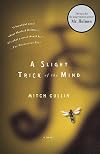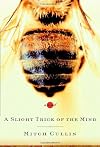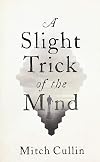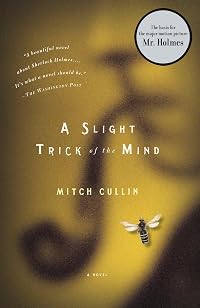
A Slight Trick of the Mind
by Mitch Cullin
On This Page
Description
This beautiful literary novel imagines Sherlock Holmes at age ninety-three. His phenomenal mental acuity diminishing and the emotional life he had always resisted pushing its way to the surface, the world's greatest detective is forced to confront the most baffling mystery of his career, that of the meaning and significance of his own inner life.Tags
Recommendations


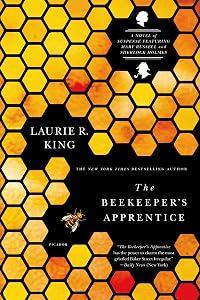

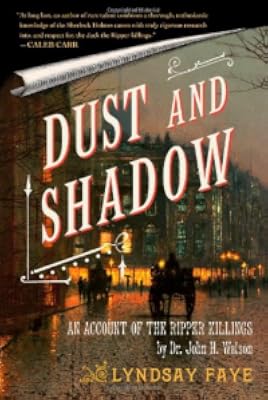
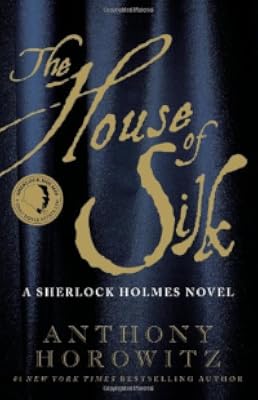


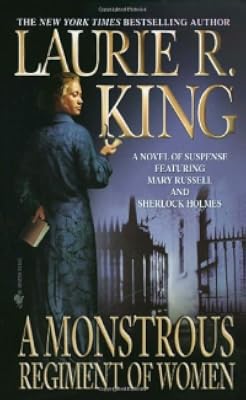













Member Recommendations
Member Reviews
Muchos son los autores que han recogido el testigo legado por Sir Arthur Conan Doyle, escribiendo aventuras sobre su eterno personaje como protagonista (unas con más acierto que otras, pero todas lejos del clásico). En 'Un sencillo truco mental', Mitch Cullin intenta ser más original y nos presenta a un Sherlock Holmes de 93 años, que lleva una vida tranquila en su hacienda de Sussex. Allí se dedica al cuidado de sus colmenas y a escribir, sobre las abejas, tratados de lógica y deducción, y antiguos casos. Su única compañía, aparte de las abejas, son su ama de llaves, joven viuda de guerra, y su hijo Roger, un chico de catorce años al que le apasiona el mundo de las abejas y que se convierte en una especie de discípulo de show more Holmes.
La historia transcurre en tres frentes distintos. Por una parte, está el Holmes del presente (1947), el que vive en su granja. A pesar de los años que han pasado, sigue siendo un personaje famoso, que recibe constantes cartas de admiradores y gente que solicita su ayuda. De vez en cuando, incluso es acosado en su propia vivienda. Resulta curioso porque la gente tiene una imagen de Holmes que no se corresponde con la verdad. El bueno del doctor Watson, cuando redactaba sus aventuras, era dado a rellenar los huecos y a fantasear en exceso.
Holmes acaba de regresar de un reciente viaje por extremo oriente. Este es el segundo frente de la novela. Holmes fue invitado a visitar Japón por un aficionado a la botánica con el que se lleva carteando desde hace tiempo. Ya en su casa, sigue teniendo frescos los recuerdos de este viaje y de las gentes que ha conocido; imágenes de un Japón que intenta sobrevivir a los desastres de la guerra, a las consecuencias de las Bombas.
El tercer frente del libro tiene que ver con un antiguo caso que Holmes está escribiendo, y recordando. Se trata de un caso que le dejó un huella muy profunda. A principios de siglo, un hombre solicita la ayuda del gran detective. Piensa que su mujer ha caído bajo el influjo de una malvada mujer, una profesora que le da clases de música.
Hay que tener claro que esta no es una novela de aventuras y detectives. Es la historia de un hombre que sufre los achaques de la edad, la historia de una mente brillante cuyo filo se está quedando romo. Es capaz de recordar los detalles más nimios de una caso de hace 50 años, pero no sabe qué hace cierto objeto en su bolsillo. Es por tanto, una reflexión sobre el paso del tiempo y todo lo que conlleva. Cullin humaniza al personaje en una novela bien escrita y original. show less
La historia transcurre en tres frentes distintos. Por una parte, está el Holmes del presente (1947), el que vive en su granja. A pesar de los años que han pasado, sigue siendo un personaje famoso, que recibe constantes cartas de admiradores y gente que solicita su ayuda. De vez en cuando, incluso es acosado en su propia vivienda. Resulta curioso porque la gente tiene una imagen de Holmes que no se corresponde con la verdad. El bueno del doctor Watson, cuando redactaba sus aventuras, era dado a rellenar los huecos y a fantasear en exceso.
Holmes acaba de regresar de un reciente viaje por extremo oriente. Este es el segundo frente de la novela. Holmes fue invitado a visitar Japón por un aficionado a la botánica con el que se lleva carteando desde hace tiempo. Ya en su casa, sigue teniendo frescos los recuerdos de este viaje y de las gentes que ha conocido; imágenes de un Japón que intenta sobrevivir a los desastres de la guerra, a las consecuencias de las Bombas.
El tercer frente del libro tiene que ver con un antiguo caso que Holmes está escribiendo, y recordando. Se trata de un caso que le dejó un huella muy profunda. A principios de siglo, un hombre solicita la ayuda del gran detective. Piensa que su mujer ha caído bajo el influjo de una malvada mujer, una profesora que le da clases de música.
Hay que tener claro que esta no es una novela de aventuras y detectives. Es la historia de un hombre que sufre los achaques de la edad, la historia de una mente brillante cuyo filo se está quedando romo. Es capaz de recordar los detalles más nimios de una caso de hace 50 años, pero no sabe qué hace cierto objeto en su bolsillo. Es por tanto, una reflexión sobre el paso del tiempo y todo lo que conlleva. Cullin humaniza al personaje en una novela bien escrita y original. show less
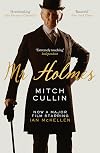
This is the novel the recent movie Mr. Holmes was based on. I haven't seen that yet; I wanted to catch it while it was in theaters, but for one reason and another I never got to it. So, while I'm waiting to watch it on DVD, I figured I'd read the book.
It centers on an extremely elderly Sherlock Holmes, whose once-unparalleled mind now suffers from lapses of focus and memory. He makes a visit to post-WWII Japan, becomes a sort of paternal or mentor figure to a young boy with a talent for beekeeping, and relates the story of a case he investigated decades earlier, but none of it is really about any sort of plot. Instead it's about the character, and about themes of memory, loss, and the irrational mysteries of human life.
And I am so very show more torn about it. Because all of that sounds good, and it is good, really. The basic concept is a powerful one, Holmes and his cognitive issues are handled sensitively and well, the themes are rich, and there are some genuinely poignant moments. And yet, I can't help the feeling that I expected it to do more for me, somehow, to make me feel more. Instead, it's a mostly well-crafted thing that I appreciated intellectually, but that never quite engaged me the way I wanted it to. I find I keep thinking about this sketch Mitchell and Webb did about an elderly Holmes suffering from dementia. That thing existed solely as the punchline to a running joke about comedy shows dropping the jokes and getting all serious and emotional at the end, and yet, embarrassing as it is to admit, it made me want to cry. I think I wanted this to make me want to cry. And it never quite did.
Nevertheless, I do still very much want to see the movie. I'm very curious to see what Ian McKellan will make of it. Who knows, maybe he'll make me want to cry. show less
It centers on an extremely elderly Sherlock Holmes, whose once-unparalleled mind now suffers from lapses of focus and memory. He makes a visit to post-WWII Japan, becomes a sort of paternal or mentor figure to a young boy with a talent for beekeeping, and relates the story of a case he investigated decades earlier, but none of it is really about any sort of plot. Instead it's about the character, and about themes of memory, loss, and the irrational mysteries of human life.
And I am so very show more torn about it. Because all of that sounds good, and it is good, really. The basic concept is a powerful one, Holmes and his cognitive issues are handled sensitively and well, the themes are rich, and there are some genuinely poignant moments. And yet, I can't help the feeling that I expected it to do more for me, somehow, to make me feel more. Instead, it's a mostly well-crafted thing that I appreciated intellectually, but that never quite engaged me the way I wanted it to. I find I keep thinking about this sketch Mitchell and Webb did about an elderly Holmes suffering from dementia. That thing existed solely as the punchline to a running joke about comedy shows dropping the jokes and getting all serious and emotional at the end, and yet, embarrassing as it is to admit, it made me want to cry. I think I wanted this to make me want to cry. And it never quite did.
Nevertheless, I do still very much want to see the movie. I'm very curious to see what Ian McKellan will make of it. Who knows, maybe he'll make me want to cry. show less
Yes, this is a book about Sherlock Holmes, but it is not a mystery novel; it is a melancholy meditation on age, death, loneliness, and love. How sad it is to watch a great mind such as Holmes's fading. His few friends are gone; after two devastating world wars, his world itself is gone; and yet he survives. He studies, writes, keeps his bees, and even makes the occasional human connection. The book is beautifully written, displaying a deep love for the character and the stories. The portrait of the 93-year-old Holmes is interwoven with his own recounting of a case from many years earlier, one that brought little to solve except for the mysteries of the human mind and heart. His journey to postwar Japan is not as well-integrated with the show more rest of the novel as it might have been, but it does show us a Holmes who, at last, has begun to understand the psychology of love and loss, as well as why the truth is not always what is most important.
I see that some reviewers are disappointed, perhaps having expected more detection. However, those of us who love Sherlock—especially if we ourselves have been dealing with the decline of body, senses, and mind that comes with age—can find in this novel, despite its sadness, some understanding of Holmes and ourselves. show less
I see that some reviewers are disappointed, perhaps having expected more detection. However, those of us who love Sherlock—especially if we ourselves have been dealing with the decline of body, senses, and mind that comes with age—can find in this novel, despite its sadness, some understanding of Holmes and ourselves. show less
I was quite captivated with the movie, “Mr. Holmes’. The story lines, the characters, the acting, the gorgeous scenery - the word ‘captivated’ aptly describes my feeling for this film. As I read more about the film, I discovered that the film was based on the book, ‘A slight trick of the mind’ by Mitch Cullin. Of course, I had to read the book.
The book and the film diverge in some areas, but the book also fascinated me.
Several threads move in and out of this spider web of a story: Mr. Holmes’s frequent lapses of memory and his growing, panicked awareness of his waning mental abilities; his writing of two very important last works - his ‘Whole art of detection’ and a last/ultimate treatise on bee-keeping; his hives and show more bees; his relationship with his housekeeper’s son, Roger; a visit to post-Hiroshima Japan; and a mystery from his past, The glass armonica.
There is a great sense of the time period in this story; a great sense of character; and an insightful writing of the aging process and its emotional effect on a person’s mind.
The book is very ‘atmospheric’, in that I felt I was actually observing Mr. Holmes in past and present activities, not just reading about him.
I would highly recommend this book. show less
The book and the film diverge in some areas, but the book also fascinated me.
Several threads move in and out of this spider web of a story: Mr. Holmes’s frequent lapses of memory and his growing, panicked awareness of his waning mental abilities; his writing of two very important last works - his ‘Whole art of detection’ and a last/ultimate treatise on bee-keeping; his hives and show more bees; his relationship with his housekeeper’s son, Roger; a visit to post-Hiroshima Japan; and a mystery from his past, The glass armonica.
There is a great sense of the time period in this story; a great sense of character; and an insightful writing of the aging process and its emotional effect on a person’s mind.
The book is very ‘atmospheric’, in that I felt I was actually observing Mr. Holmes in past and present activities, not just reading about him.
I would highly recommend this book. show less
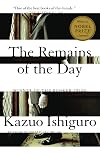
Mitch Cullin takes the very familiar literary character of Sherlock Holmes and puts him in the seemingly unlikely setting of 1947 post-war England. The aged Holmes is long-retired from detective work, tending to bees, writing his memoirs, and beginning to lose his mental faculties. His only companions are his housekeeper and her bright son Roger of whom Holmes begins to take on as a protegé with even some paternal feelings. Three stories are intertwined - Holmes life at his rural cottage and growing mentor ship to Roger, flashbacks to a recent trip to Japan after the atomic bomb attacks where he went to collect botanical specimens, and a his own written account of a case and a woman who continue to haunt him. This is a very different show more Holmes than ever presented by Conan Doyle yet fitting seamlessly into the oeuvre. It's a sad account of a very human side of Sherlock Holmes that is reminiscent of The Remains of the Day by Kazuo Ishiguro. show less
A Slight Trick of the Mind - Cullin
audio performance by Simon Jones
4 stars
This is a rambling, disjointed story told from the perspective of the aged, Sherlock Holmes. It is 1947 and he has passed his ninetieth year. He has an obsessive interest in the health benefits of two natural products; royal jelly, which is made by his bees, and the prickly ash which is grown in the ruins of Hiroshima. His body is becoming frail and his memory is failing. There are three intertwining plot lines involving his recent trip to Japan, the young son of his housekeeper, and his memories of a young woman from the last case of his active career.
This book has a very dreamlike quality. Holmes is not only forgetting, he may be having trouble separating show more memory from reality. Having lived a life in service to his intellect, he is finally having to face the consequences of his emotional isolation. The story is about missed opportunities, grief and regret. It was interesting and beautifully written, but it was sad. show less
audio performance by Simon Jones
4 stars
This is a rambling, disjointed story told from the perspective of the aged, Sherlock Holmes. It is 1947 and he has passed his ninetieth year. He has an obsessive interest in the health benefits of two natural products; royal jelly, which is made by his bees, and the prickly ash which is grown in the ruins of Hiroshima. His body is becoming frail and his memory is failing. There are three intertwining plot lines involving his recent trip to Japan, the young son of his housekeeper, and his memories of a young woman from the last case of his active career.
This book has a very dreamlike quality. Holmes is not only forgetting, he may be having trouble separating show more memory from reality. Having lived a life in service to his intellect, he is finally having to face the consequences of his emotional isolation. The story is about missed opportunities, grief and regret. It was interesting and beautifully written, but it was sad. show less
I've had this sitting on the shelf since its release in 2005, but decided I'd best read it before the film opens. It's a beautifully written, ultimately sad and reflective piece of work that attempts to breathe a certain degree of depth into the character of a rather elderly Sherlock Holmes dealing with age and memory loss. It's certainly a very 'original' take on Holmes, fairly engaging, which is down to the lovely writing style more than the story, but on completion I found myself wondering about the point of it all. As a study of aging, loneliness, isolation and and memory loss, it's fascinating, but as a Holmes tale, well, I don't think I really 'get' why Holmes was needed as the protagonist. If the goal was to show the hidden side show more of Holmes, the human side, laced with all the attached foibles and intricacies of human relationships, I guess it achieves that, but I was still left wondering 'To what end?' In any event, it was a fine read, just to my mind, a vaguely pointless one. Can't begin to imagine how this work will translate to the screen. Guess I'll find out soon... show less
Members
- Recently Added By
Lists

Favorite Books Based on Sherlock Holmes Stories
20 works; 10 members
Author Information

11+ Works 1,124 Members
Mitch Cullin lives & works in Tucson, Arizona. He is the author of three previously-published novels: "Tidelands", "Branches", & "Whompyjawed". (Bowker Author Biography)
Some Editions
Awards and Honors
Awards
Distinctions
Work Relationships
Has the adaptation
Common Knowledge
- Alternate titles*
- Пчелы мистера Холмса
- Original publication date
- 2005-04-26; 2014
- People/Characters
- Sherlock Holmes; Roger Munro; Mrs. Munro; Thomas R. Keller; Ann Keller; Madame Schirmer (show all 9); Tamiki Umezaki; Maya Umezaki; Hensuiro
- Important places
- Sussex, England, UK; London, England, UK; Tokyo, Honshū, Japan; Hiroshima, Japan; Kobe, Japan
- Important events
- Atomic Bombings of Hiroshima and Nagasaki (1945); Occupation of Japan (1945 | 1952)
- Related movies
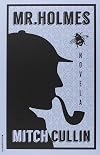
- Mr. Holmes (2015 | IMDb)
- Epigraph
- I was sure, at least, that I'd finally seen a face which played an essential part in my life, and that it was more human and childlike than in my dream. More than that I didn't know, for it was already gone again. — Morio K... (show all)ita, Ghosts
What is this strange silent voice that speaks to bees and no one else can hear? — William Longgood, The Queen Must Die - Dedication
- For my mother, Charlotte Richardson, a fan of mysteries and life's scenic routes; and for the late John Bennett Shaw, who once left me in charge of his library.
- First words
- Upon arriving from his travels abroad, he entered his stone-built farmhouse on a summer's afternoon, leaving the luggage by the front door for his housekeeper to manage.
- Quotations
- It has come to my attention that my former helpmate [Dr. Watson] has recently been cast in an unfair light by both dramatists and so-called mystery novelists. These individuals of dubious repute, whose names are not worthy of... (show all) mention here, have sought to portray him as a little more than an oafish, blundering fool. Nothing could be further from reality. The very notion that I would burden myself with a slow-witted companion might be humourous in a theatrical context, but I regard such forms of insinuation as a serious insult to John and to me. It is possible that some error of representation could have stemmed from his writings, for he was always generous in overstating my abilities, while, at the same time, treating his own remarkable characteristics with tremendous modesty. Even so, the man I worked beside displayed a native shrewdness and an innate cunningness which was invaluable to our investigations. I do not deny his sporadic inability to grasp an obvious conclusion where to choose the best course of action, but rarely was he unintelligent in his opinions and conclusions. Above that, it was my pleasure to spend my younger days in the company of one who could sense adventure in the most mundane of cases, and who, with his customary humour, patience, and loyalty, indulged the eccentricities of a frequently disagreeable friend. Therefore, if the pundits are honestly inclined to pick the most foolish of the pair, then I believe, without question, they should bestow the honour upon me alone.
“No, no,” Holmes replied, “I am afraid I never wore a deerstalker, or smoked the big pipe—mere embellishments by an illustrator, intended to give me distinction, I suppose, and sell magazines. I didn’t get much say ... (show all)in the matter.”
He wouldn't strive for any answers (at least not on this day), nor would he ever believe that his tearfulness might be the concentrated sum-total result of everything he had seen, known, cared for, lost, and kept stifled thro... (show all)ughout the decades—the fragments of his youth, the destruction of great cities and empires—those vast, geography-changing wars—then the slow atrophy of fond companions and one's own health, memory, personal history; all of life's implicit complexities, each profound and altering moment, condensed to a welling salty substance in his tired eyes. - Last words
- (Click to show. Warning: May contain spoilers.)So with the dusk's fast approach, I would take nothing away from the garden, except that impossible vacancy, that absence inside which still had the weight of another person — a gap which formed the countour of a singular, curious woman who never once beheld my true self.
- Blurbers
- Niffenegger, Audrey; Livesey, Margot; Iagnemma, Karl; Barlow, John Perry
- Original language
- English
*Some information comes from Common Knowledge in other languages. Click "Edit" for more information.
Classifications
- Genres
- Fiction and Literature, Mystery, General Fiction, Historical Fiction
- DDC/MDS
- 813.54 — Literature & rhetoric American literature in English American fiction in English 1900-1999 1945-1999
- LCC
- PS3553 .U319 .S55 — Language and Literature American literature American literature Individual authors 1961-
- BISAC
Statistics
- Members
- 624
- Popularity
- 46,917
- Reviews
- 32
- Rating
- (3.43)
- Languages
- 6 — Czech, Dutch, English, French, Portuguese, Spanish
- Media
- Paper, Audiobook, Ebook
- ISBNs
- 31
- UPCs
- 2
- ASINs
- 9