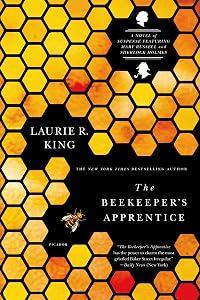
The Beekeeper's Apprentice
by Laurie R. King 
Mary Russell (1), Mary Russell: Chronological Order (1915-1919)
On This Page
Description
A chance meeting with a Sussex beekeeper turns into a pivotal, personal transformation when fifteen-year-old Mary Russell discovers that the beekeeper is the reclusive, retired detective Sherlock Holmes, who soon takes on the role of mentor and teacher.Tags
Recommendations



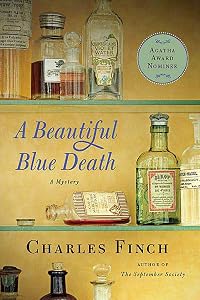
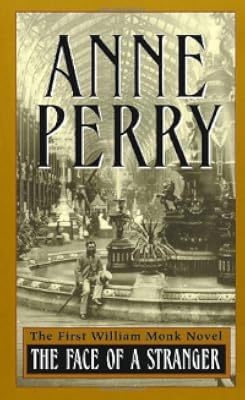
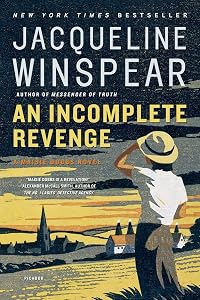
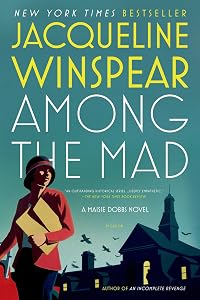
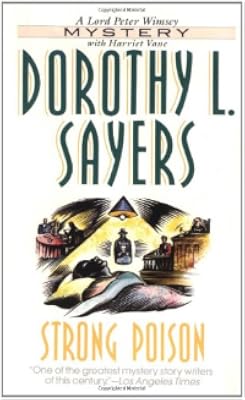
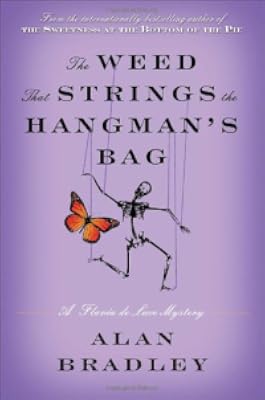
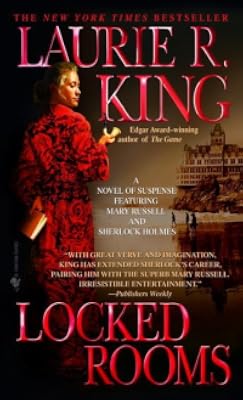
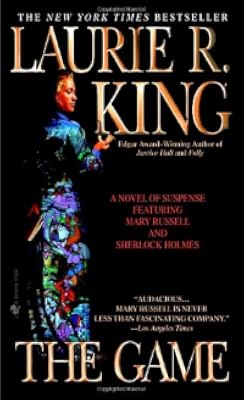
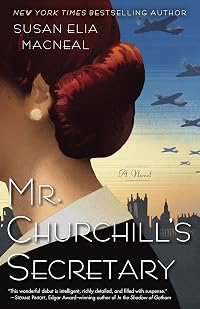
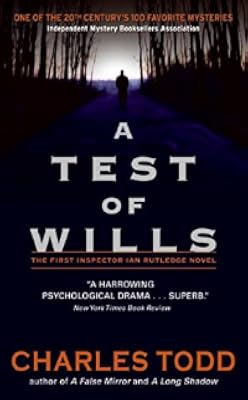
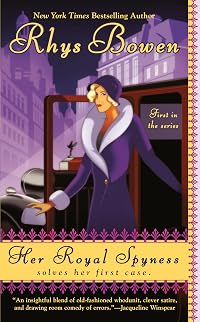

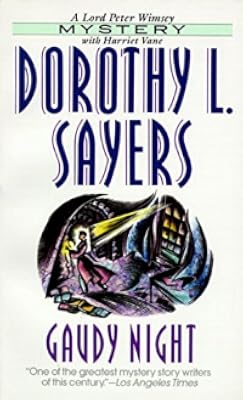

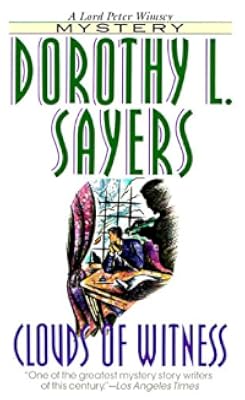
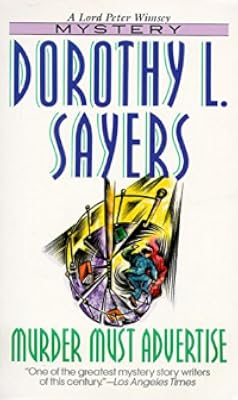
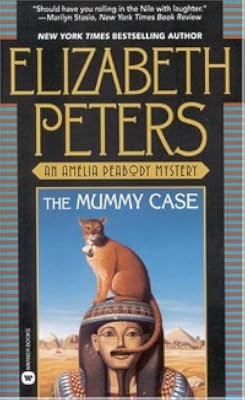
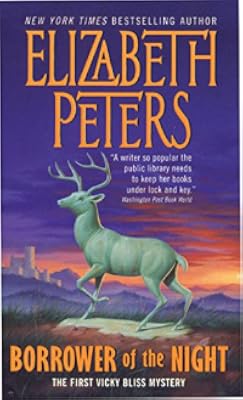
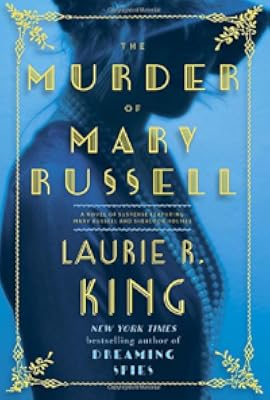
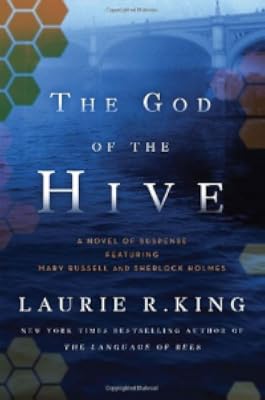
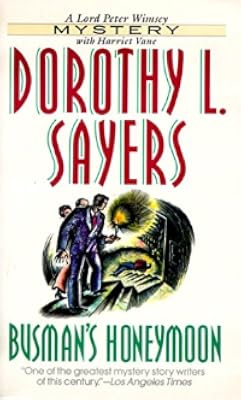
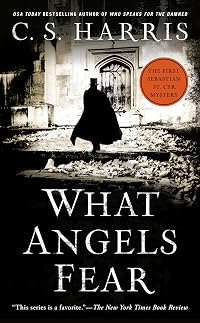
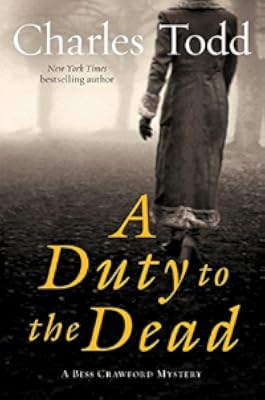
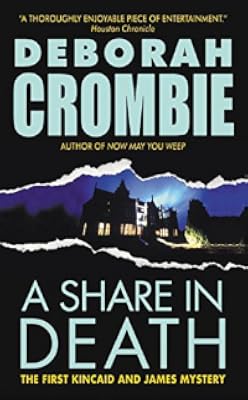
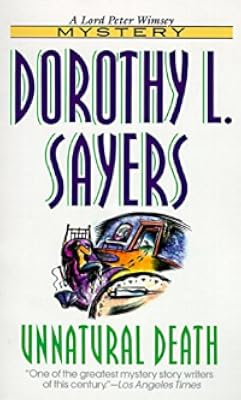
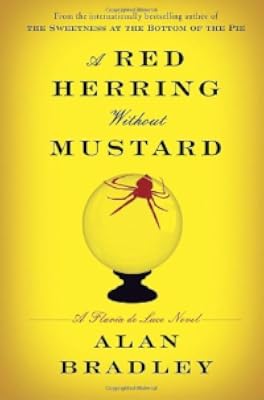
Member Recommendations
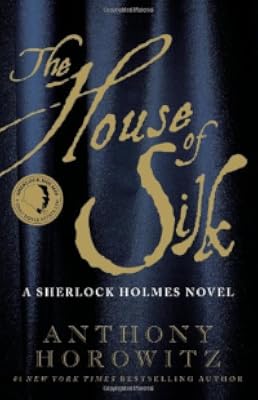
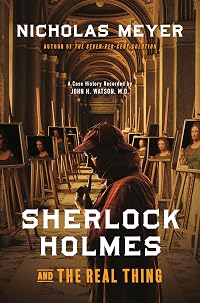
47degreesnorth Younger heroine and more precocious but similar
Also recommended by clif_hiker
130
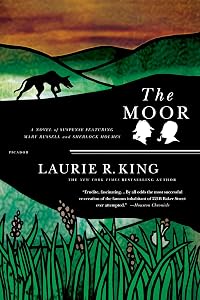
catpal1 All of the books in this series are wonderful. It's such a fresh take on the Sherlock Holmes fiction: the give-and-take reminds me of the old Kate Hepburn/Spencer Tracy pairings.
70
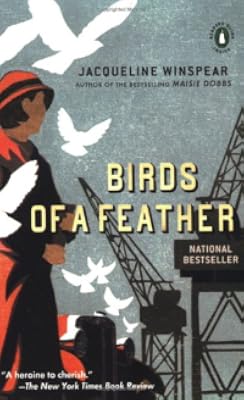
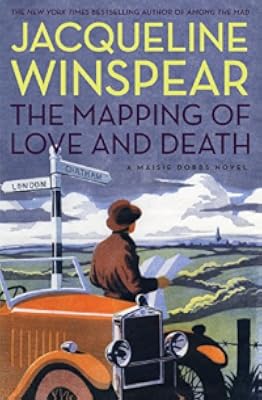
Sally604 Mysteries set in the same era with a female detective - lots of fun to read.
60
47degreesnorth No Holmes but younger more precocious heroine with a thirst to solve the case.
30
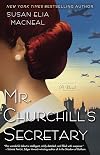
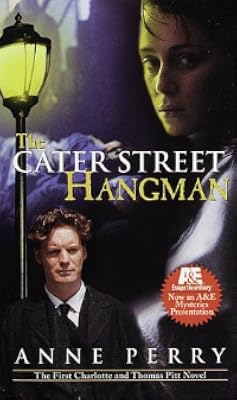
yonitdm They both feature brilliant, strong women as main characters, plus mystery, intrigue, and many, many cups of tea.
30
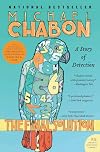
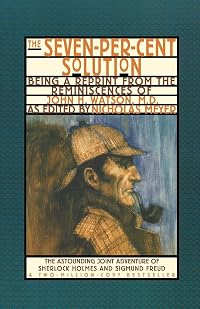
laytonwoman3rd This book also features an elderly beekeeper who does some detecting, and who we are meant to understand to be Sherlock Holmes, although his name is not mentioned.
20

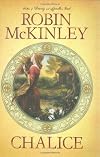
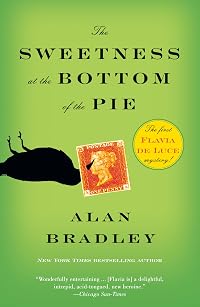
MyriadBooks To continue a bit of the bee theme.


Member Reviews
When we first meet Mary Russell, she is a 15-year-old orphan, walking the Sussex Downs near her farm in England. She nearly trips over an “old man,” and soon deduces that he is the retired detective Sherlock Holmes. Mary quickly impresses Holmes with her powers of deduction and a friendship begins. It isn’t long before there is a “minor” case of burglary in the area, which Mary is able to solve, and this cements their relationship and increases Holmes’s interest in taking her on formally as his apprentice.
This is a clever and interesting take-off on Sir Arthur Conan Doyle’s works featuring Holmes and Dr Watson. Unlike Watson, Mary is close to Holmes’s equal in deductive reasoning and powers of observation. She is quick show more witted, intelligent, assertive, a good actress, and physically strong and agile. I like that King has this work span several years, allowing for some needed maturation of Mary before she is fully tested. I think she behaves in a manner consistent with her age, social standing, experience, and emotional growth. If I had any complaint with Doyle’s Sherlock it was his superior attitude, but seen through Mary’s eyes, I can more easily tolerate his “all-knowing” persona. It helps that in his “old age” Holmes misses a clue or two which Mary catches and points out to him. Way to go, Mary!
The action was a bit slow in places, but I think King needed time to set up her characters and their relationship, so I’m okay with that. It was relatively faithful to Doyle’s style, and, as it is written in first person (as Mary’s recollections), I would expect that kind of pacing and sentence structure. My only regret is that I waited so long to get to this book. I look forward to more of this series show less
This is a clever and interesting take-off on Sir Arthur Conan Doyle’s works featuring Holmes and Dr Watson. Unlike Watson, Mary is close to Holmes’s equal in deductive reasoning and powers of observation. She is quick show more witted, intelligent, assertive, a good actress, and physically strong and agile. I like that King has this work span several years, allowing for some needed maturation of Mary before she is fully tested. I think she behaves in a manner consistent with her age, social standing, experience, and emotional growth. If I had any complaint with Doyle’s Sherlock it was his superior attitude, but seen through Mary’s eyes, I can more easily tolerate his “all-knowing” persona. It helps that in his “old age” Holmes misses a clue or two which Mary catches and points out to him. Way to go, Mary!
The action was a bit slow in places, but I think King needed time to set up her characters and their relationship, so I’m okay with that. It was relatively faithful to Doyle’s style, and, as it is written in first person (as Mary’s recollections), I would expect that kind of pacing and sentence structure. My only regret is that I waited so long to get to this book. I look forward to more of this series show less
I’m still in shock that I’ve never heard of this Sherlock Holmes continuation until my husband recommended it to me a few months ago. This book is about Mary Russell, who stumbles upon Holmes during a walk in the country. When he realizes how intelligent and observant he is, she becomes his pupil and starts to solve mysteries with him when she becomes old enough.
I enjoyed everything about this story. Mary Russell is an incredible character who re-invigorates the Sherlock Holmes story; the novel is nice in that it’s not quite a re-telling of Sherlock Holmes, but is a continuation of it that serves an homage to the original stories. Mary is smart and stubborn and an incredibly confident young woman during a time when women were just show more making strides in the social and academic community. It’s not supposed to be a critical commentary of the times or anything like that, though. For me, it was just a fun trip to what the latter Holmes years might have been like if he found an intelligent protegee. We get Mary’s impressions of Sherlock and friends and she compares them to the “famous mysteries” that are written about him, which is a great way to remake characters that fit with the tone of the story. (Watson and Mycroft are wonderful.) There are a few mysteries that they Mary and Sherlock solve in this novel — some quick-paced one, and then one that is an overarching mystery that ties the whole novel together, which is wonderful.
However, despite the focus on mysteries, this isn’t an action-packed story; rather, this novel focuses on character development and the friendship and admiration that develops between Holmes and Mary. Somehow, King is able to make this not creepy at all, and it’s really a heartwarming thing reading about them becoming basically adoptive family for each other. There’s a nice touch to having Holmes becoming just a little older and slower, so Mary takes the risks for the two of them and tries to handle the slack, which helps her become a stronger, more capable person. It does drag in a few places, but I was mostly kept entertained.
Basically, this is a fun imagining of the future Sherlock Holmes years and I am greatly looking forward to the sequel.
Also posted on Purple People Readers. show less
I enjoyed everything about this story. Mary Russell is an incredible character who re-invigorates the Sherlock Holmes story; the novel is nice in that it’s not quite a re-telling of Sherlock Holmes, but is a continuation of it that serves an homage to the original stories. Mary is smart and stubborn and an incredibly confident young woman during a time when women were just show more making strides in the social and academic community. It’s not supposed to be a critical commentary of the times or anything like that, though. For me, it was just a fun trip to what the latter Holmes years might have been like if he found an intelligent protegee. We get Mary’s impressions of Sherlock and friends and she compares them to the “famous mysteries” that are written about him, which is a great way to remake characters that fit with the tone of the story. (Watson and Mycroft are wonderful.) There are a few mysteries that they Mary and Sherlock solve in this novel — some quick-paced one, and then one that is an overarching mystery that ties the whole novel together, which is wonderful.
However, despite the focus on mysteries, this isn’t an action-packed story; rather, this novel focuses on character development and the friendship and admiration that develops between Holmes and Mary. Somehow, King is able to make this not creepy at all, and it’s really a heartwarming thing reading about them becoming basically adoptive family for each other. There’s a nice touch to having Holmes becoming just a little older and slower, so Mary takes the risks for the two of them and tries to handle the slack, which helps her become a stronger, more capable person. It does drag in a few places, but I was mostly kept entertained.
Basically, this is a fun imagining of the future Sherlock Holmes years and I am greatly looking forward to the sequel.
Also posted on Purple People Readers. show less
The first of Laurie King's Mary Russell mysteries, in which the young Russell encounters a semi-retired Sherlock Holmes and he, recognising a mind perhaps as sharp as his own, takes her as an apprentice in the trade of consulting detective.
This is extremely well written, catching some of the style of the Holmes stories without becoming pastiche, but also with a difference as it is from the perspective of Mary Russell, a 19 year old Anglo-American, half-Jewish girl studying maths and theology. I don't know if King has spent time in the UK, but I don't think I've ever come across an American writer whose grasp of British English (albeit the British English of the early 20th century) is better; usually, even with very good writers, there show more are little tells and mistakes that glare out, but I didn't catch a single one. (For the record, I'm sure British writers do that with Americanisms, although we have the advantage of being inundated with wall-to-wall American media. Score one for cultural imperialism ;) ).
The novel falls into several parts. It begins with Russell encountering Holmes observing bees on the Sussex downs and their building acquaintance. There is the first mystery - a robbery at a local inn, small fry that Holmes would not usually become involved in - and then they are asked to consult on the abduction of the young daughter of a US politician holidaying in Wales. This leads into the main event, a previously unknown criminal mastermind targeting Holmes and those close to him, obviously for reasons that are quite personal.
The mystery aspect is handled very well, although some of the surprises are a little telegraphed and obvious to anyone familiar with the Sherlock Holmes stories. Some if this, it may be argued, is down to Russell's youthful naivety. For instance, on at least three occasions she is surprised to find that a stranger she encounters is Holmes in disguise, despite his tutoring her in those very skills. Likewise the denouement is, perhaps, a little telegraphed, but not so much as to lose its effectiveness.
One thing I am not so sure how I feel about is only alluded to in this book, although likely to become more apparent in later volumes. The closeness between Russell and Holmes develops beyond an attraction of mind to friendship and affection, but there are hints that it will go further. There is a mention of the main character's name later being Mary Russell-Holmes. This is far enough away from my conception of Holmes to make me uncertain; I will not dismiss the idea of a romantic attachment for Holmes out of hand, but I admit I am a little leery of it. Or perhaps it is the 40 year age gap that makes me uncomfortable.
That said, it is made quite clear early on that Russell feels Holmes has been misrepresented by Doyle's stories, based on Watson's journals. He is not the cold, emotionless calculating machine sometimes shown. I thought the portrayal of Holmes was informed by some of the screen representations, where an actor has invested the character with more feeling than is sometimes shown in the books. Jeremy Brett's wonderful turn in the long-running British TV series from the 80s and 90s comes to mind.
I should say a word about the preface. King sets the whole thing up that she is merely the editor of a trunkload of manuscripts sent anonymously to her, along with some items that seem to be connected, much in the way of George MacDonald Fraser with the Flashman papers. Even thought she openly states that she makes no claims for the veracity of the documents and that they may well be a work of fiction, this does add a nice layer, a nod toward Sherlock Holmes being one of those characters from fiction who is so much a part of public consciousness he has almost become a historical person. show less
This is extremely well written, catching some of the style of the Holmes stories without becoming pastiche, but also with a difference as it is from the perspective of Mary Russell, a 19 year old Anglo-American, half-Jewish girl studying maths and theology. I don't know if King has spent time in the UK, but I don't think I've ever come across an American writer whose grasp of British English (albeit the British English of the early 20th century) is better; usually, even with very good writers, there show more are little tells and mistakes that glare out, but I didn't catch a single one. (For the record, I'm sure British writers do that with Americanisms, although we have the advantage of being inundated with wall-to-wall American media. Score one for cultural imperialism ;) ).
The novel falls into several parts. It begins with Russell encountering Holmes observing bees on the Sussex downs and their building acquaintance. There is the first mystery - a robbery at a local inn, small fry that Holmes would not usually become involved in - and then they are asked to consult on the abduction of the young daughter of a US politician holidaying in Wales. This leads into the main event, a previously unknown criminal mastermind targeting Holmes and those close to him, obviously for reasons that are quite personal.
The mystery aspect is handled very well, although some of the surprises are a little telegraphed and obvious to anyone familiar with the Sherlock Holmes stories. Some if this, it may be argued, is down to Russell's youthful naivety. For instance, on at least three occasions she is surprised to find that a stranger she encounters is Holmes in disguise, despite his tutoring her in those very skills. Likewise the denouement is, perhaps, a little telegraphed, but not so much as to lose its effectiveness.
One thing I am not so sure how I feel about is only alluded to in this book, although likely to become more apparent in later volumes. The closeness between Russell and Holmes develops beyond an attraction of mind to friendship and affection, but there are hints that it will go further. There is a mention of the main character's name later being Mary Russell-Holmes. This is far enough away from my conception of Holmes to make me uncertain; I will not dismiss the idea of a romantic attachment for Holmes out of hand, but I admit I am a little leery of it. Or perhaps it is the 40 year age gap that makes me uncomfortable.
That said, it is made quite clear early on that Russell feels Holmes has been misrepresented by Doyle's stories, based on Watson's journals. He is not the cold, emotionless calculating machine sometimes shown. I thought the portrayal of Holmes was informed by some of the screen representations, where an actor has invested the character with more feeling than is sometimes shown in the books. Jeremy Brett's wonderful turn in the long-running British TV series from the 80s and 90s comes to mind.
I should say a word about the preface. King sets the whole thing up that she is merely the editor of a trunkload of manuscripts sent anonymously to her, along with some items that seem to be connected, much in the way of George MacDonald Fraser with the Flashman papers. Even thought she openly states that she makes no claims for the veracity of the documents and that they may well be a work of fiction, this does add a nice layer, a nod toward Sherlock Holmes being one of those characters from fiction who is so much a part of public consciousness he has almost become a historical person. show less
I adore everything about this book! Sherlock Holmes has finally met his match in young Mary Russell.
I simply love Mary. Her independence, her awkwardness, her ability to be ok in her own skin despite, or perhaps because of, her tragedy. I love Holmes. I love how he stays somewhat true to character but softened by time and retirement. And I love Mrs. Hudson. She's the best.
It's a different take on Sherlock Holmes, but still a fun, engaging mystery. You will find yourself rooting for Mary as she grows over the years, and the little adventures throughout showed how their partnership grows over time. One of my favorite series. I can't wait to read more.
I simply love Mary. Her independence, her awkwardness, her ability to be ok in her own skin despite, or perhaps because of, her tragedy. I love Holmes. I love how he stays somewhat true to character but softened by time and retirement. And I love Mrs. Hudson. She's the best.
It's a different take on Sherlock Holmes, but still a fun, engaging mystery. You will find yourself rooting for Mary as she grows over the years, and the little adventures throughout showed how their partnership grows over time. One of my favorite series. I can't wait to read more.
What? It's ending? The final pages are thinning under my fingers? It's going to be... over? Maybe it's a series.
Dear heavens, let it be a series.
There are TEN of them!
Ahem. I'm greatly indebted to the friend who recommended this, and to the fate that brought it to my library while I was housebound with a cold.
I'm not the only person who read and reread the Holmes stories to pieces as a teenager. Certainly I wasn't the only bright, socially isolated girl who committed stretches to memory; I'm sure I also had many silent geek compatriots as I treated Monday nights at nine with a near-religious fervor, never missing Jeremy Brett's brilliant personification of Holmes.
Maybe that's why I approached the first pages of this book with some show more suspicion. A brilliant, socially isolated teen befriends and becomes apprenticed to the Great Detective. Throw in a tragic backstory, a large inheritance, and a feisty temper, and you could wind up with one hell of a Mary Sue. [ http://www.springhole.net/quizzes/marysue.htm ] Thankfully, our protagonist Russell won't have any of it. She doesn't want your sympathy and would throw it in your face if you offered it.
I do feel like Holmes unbent too easily; if there's one thing that's established in Doyle's books, it's Holmes' deep emotional reserve. I could have accepted his softening more easily after a few volumes. Hell, after years of friendship, Watson had to get shot to provoke a worried look from the great man.
I could have forgiven King more. Her dialogue is unerring, her pacing tight (with the possible exception of the episodic chapters at the beginning), her atmosphere convincing. She captures the flying rush of the best classic Holmes stories: a man stumbles in and faints upon the hearthrug; Watson wakes to find a keen face above him lit by a candle; evidence abruptly falls into one incontrovertible shape. Mary's ability to drive Holmes into a flying rage is priceless, and I'm glad to see Mrs. Hudson treated with the respect she deserves.
King's treatment of Watson bothered me. This Watson has more in common with the bumbling character from the Basil Rathbone movies than with the capable veteran of Doyle's stories or Hardwicke's and Burke's sensitive portrayals from the Granada series. Maybe Mary's attitude is caused by the intolerance of youth, but I felt a little betrayed by Holmes' occasional admissions of Watson's inferior status. I summon Kate Beaton to my side here: http://www.harkavagrant.com/index.php?id=210
Off to reserve the next book in the series! show less
Dear heavens, let it be a series.
There are TEN of them!
Ahem. I'm greatly indebted to the friend who recommended this, and to the fate that brought it to my library while I was housebound with a cold.
I'm not the only person who read and reread the Holmes stories to pieces as a teenager. Certainly I wasn't the only bright, socially isolated girl who committed stretches to memory; I'm sure I also had many silent geek compatriots as I treated Monday nights at nine with a near-religious fervor, never missing Jeremy Brett's brilliant personification of Holmes.
Maybe that's why I approached the first pages of this book with some show more suspicion. A brilliant, socially isolated teen befriends and becomes apprenticed to the Great Detective. Throw in a tragic backstory, a large inheritance, and a feisty temper, and you could wind up with one hell of a Mary Sue. [ http://www.springhole.net/quizzes/marysue.htm ] Thankfully, our protagonist Russell won't have any of it. She doesn't want your sympathy and would throw it in your face if you offered it.
I do feel like Holmes unbent too easily; if there's one thing that's established in Doyle's books, it's Holmes' deep emotional reserve. I could have accepted his softening more easily after a few volumes. Hell, after years of friendship, Watson had to get shot to provoke a worried look from the great man.
I could have forgiven King more. Her dialogue is unerring, her pacing tight (with the possible exception of the episodic chapters at the beginning), her atmosphere convincing. She captures the flying rush of the best classic Holmes stories: a man stumbles in and faints upon the hearthrug; Watson wakes to find a keen face above him lit by a candle; evidence abruptly falls into one incontrovertible shape. Mary's ability to drive Holmes into a flying rage is priceless, and I'm glad to see Mrs. Hudson treated with the respect she deserves.
King's treatment of Watson bothered me. This Watson has more in common with the bumbling character from the Basil Rathbone movies than with the capable veteran of Doyle's stories or Hardwicke's and Burke's sensitive portrayals from the Granada series. Maybe Mary's attitude is caused by the intolerance of youth, but I felt a little betrayed by Holmes' occasional admissions of Watson's inferior status. I summon Kate Beaton to my side here: http://www.harkavagrant.com/index.php?id=210
Off to reserve the next book in the series! show less
This is the first book in a series that began in 1994 and published the most recent entry - the fifteenth - in 2018. It introduces fifteen-year-old Mary Russell who is an orphan, an heiress, and a scholar. The story begins with her almost stepping on Sherlock Holmes when she is out wandering the Sussex countryside and reading Virgil. Holmes is watching bees and trying to track a new swarm for one of his hives.
Ostensibly retired, Holmes fills his time keeping his bees, doing a variety of experiments, and writing about various topics like footprints, tire tracks, cigarette ash, and blood. Their first meeting shows them that, despite their many differences, they share many characteristics too. Their hungry intellects, curiosity and show more deductive powers lead to a developing friendship.
Holmes takes Russell as his informal apprentice and Russell finds a home that is much warmer than the one provided by her guardian aunt. Gradually, Russell gains the skills Holmes is teaching which go along with her own interests in theology.
The story covers about four years of time with Mary growing from a precocious fifteen-year-old to a more worldly and educated nineteen-year-old who moves from apprenticeship to mastery of the arts of detection. She becomes a full partner and equal in the variety of cases that come to them. From an early case of the kidnapping of a six-year-old senator's daughter to a case with roots in Holmes' past, we can see the growth in their partnership and in Mary's skills.
I really enjoyed this rereading of a book I read more than 20 years ago. I loved the historical detail about a time of great change in Great Britain. I loved the contrast between a 20th Century young woman and a Victorian man. I also loved the way those two very different people had so many similarities. The mystery was engaging and complex. I didn't remember who the villain was and enjoyed watching Mary and Holmes follow the clues to discover her.
Now, I want to go on and read the rest of the series again so that I can watch Mary grow and her relationship with Holmes gain in depth and complexity. show less
Ostensibly retired, Holmes fills his time keeping his bees, doing a variety of experiments, and writing about various topics like footprints, tire tracks, cigarette ash, and blood. Their first meeting shows them that, despite their many differences, they share many characteristics too. Their hungry intellects, curiosity and show more deductive powers lead to a developing friendship.
Holmes takes Russell as his informal apprentice and Russell finds a home that is much warmer than the one provided by her guardian aunt. Gradually, Russell gains the skills Holmes is teaching which go along with her own interests in theology.
The story covers about four years of time with Mary growing from a precocious fifteen-year-old to a more worldly and educated nineteen-year-old who moves from apprenticeship to mastery of the arts of detection. She becomes a full partner and equal in the variety of cases that come to them. From an early case of the kidnapping of a six-year-old senator's daughter to a case with roots in Holmes' past, we can see the growth in their partnership and in Mary's skills.
I really enjoyed this rereading of a book I read more than 20 years ago. I loved the historical detail about a time of great change in Great Britain. I loved the contrast between a 20th Century young woman and a Victorian man. I also loved the way those two very different people had so many similarities. The mystery was engaging and complex. I didn't remember who the villain was and enjoyed watching Mary and Holmes follow the clues to discover her.
Now, I want to go on and read the rest of the series again so that I can watch Mary grow and her relationship with Holmes gain in depth and complexity. show less
I stumbled over "The Beekeeper's Apprentice" and fell in love with it after only a few pages. As the audiobook was recorded in 2014 I thought I had discovered a hot new talent to share with the world. Then I noticed that I was reading the "20th Anniversary Edition" and realised that I was catching up with an author I should have been reading for year.
The upside of this is that there are twelve more books in the series already, so a feast lies ahead of me.
The beekeeper's apprentice of the title is Mary Russell. She is as old as the century (or at least she was when the book was written in 1994) and is looking back on her long association with Sherlock Holmes whom she first bumped into on the Sussex Downs in 1915, when she was a teenage show more girl recovering from a recent calamity and seeking refuge in books and long walks. Sherlock Holmes, in his fifties and allegedly retired, now lives in the country, keeping bees and writing papers on the topics such as how to disguise one's footprints.
The book spans a four-year period which lays the foundation for a long-term relationship between Russell and Holmes. During this time the two are involved in three "cases" plus a side trip to Palestine. While the cases and the means of solving them are very reminiscent of Conan Doyle's Holmes, the man himself is quite different. The Holmes Russell sees is older, more humane, and (eventually) more willing to share than his earlier self. Russell is intellect and focus, seasoned by guilt beyond her years and more than ready both to challenge and learn from Holmes. Russell and Holmes and the relationship between them are the heart of this book. The cases are there only to set that heart racing.
The pace of the book, while not as slow as the original Conan Doyle stories sometimes were, is still leisurely by modern standards. I think it is all the better for that. I liked the idea that Russell and Holmes, on a desperate search to find a missing girl, still take days to reach the scene of the crime so that they can arrive in disguise, using the right form of transport. The finally case includes a side-trip to Palestine of several weeks. It is not strictly necessary to the plot and we find out very little about the assignment that Russell and Holmes have been on but their passage through the desert is uses to season and strengthen their relationship in ways that seem authentic to me.
If you are already a fan of Holmes then this book revisits that universe in a way that invigorates and refreshes while still honouring and building on the original (Think what "Dark Knight Rises" did for Batman or what "Into Darkness" did for Star Trek). If you've never read Conan Doyle this book will still carry you along on its merits and may even tempt you to try some of the "original" material for yourself.
I suspect that this is a love/hate book. If the style of writing doesn't grip your imagination and win your heart by the end of Book 1 of the novel, then this is not for you. If, like me, you are entranced, then another eleven or so books lie in your future. show less
The upside of this is that there are twelve more books in the series already, so a feast lies ahead of me.
The beekeeper's apprentice of the title is Mary Russell. She is as old as the century (or at least she was when the book was written in 1994) and is looking back on her long association with Sherlock Holmes whom she first bumped into on the Sussex Downs in 1915, when she was a teenage show more girl recovering from a recent calamity and seeking refuge in books and long walks. Sherlock Holmes, in his fifties and allegedly retired, now lives in the country, keeping bees and writing papers on the topics such as how to disguise one's footprints.
The book spans a four-year period which lays the foundation for a long-term relationship between Russell and Holmes. During this time the two are involved in three "cases" plus a side trip to Palestine. While the cases and the means of solving them are very reminiscent of Conan Doyle's Holmes, the man himself is quite different. The Holmes Russell sees is older, more humane, and (eventually) more willing to share than his earlier self. Russell is intellect and focus, seasoned by guilt beyond her years and more than ready both to challenge and learn from Holmes. Russell and Holmes and the relationship between them are the heart of this book. The cases are there only to set that heart racing.
The pace of the book, while not as slow as the original Conan Doyle stories sometimes were, is still leisurely by modern standards. I think it is all the better for that. I liked the idea that Russell and Holmes, on a desperate search to find a missing girl, still take days to reach the scene of the crime so that they can arrive in disguise, using the right form of transport. The finally case includes a side-trip to Palestine of several weeks. It is not strictly necessary to the plot and we find out very little about the assignment that Russell and Holmes have been on but their passage through the desert is uses to season and strengthen their relationship in ways that seem authentic to me.
If you are already a fan of Holmes then this book revisits that universe in a way that invigorates and refreshes while still honouring and building on the original (Think what "Dark Knight Rises" did for Batman or what "Into Darkness" did for Star Trek). If you've never read Conan Doyle this book will still carry you along on its merits and may even tempt you to try some of the "original" material for yourself.
I suspect that this is a love/hate book. If the style of writing doesn't grip your imagination and win your heart by the end of Book 1 of the novel, then this is not for you. If, like me, you are entranced, then another eleven or so books lie in your future. show less
Members
- Recently Added By
Published Reviews
ThingScore 88
But at the heart of the novel is not the historical accuracy or the gender commentary; rather, the core of the story is the partnership between Mary Russell and Sherlock Holmes. It's a partnership between equals, of two keen minds, two clever, stubborn, and formidable people who nevertheless feel the psychological weight of the profession they have chosen to follow. Moreover, there's none of show more that tired and overdone sexual tension that one might expect from a story with two protagonists of the opposite gender. There are no romantic interludes, tense moments, or pensive fantasizing. Instead, rather like the recent adaptation Elementary, the story does something remarkable: portray a friendship and a relationship between two unique characters of opposite genders without going down the tired, old, (and, in the case of Holmesian adaptations, particularly overdone) path of romance. show less
added by andrewv128
[...] it is arguably the best and wisest novel about Holmes to see print since Doyle himself took up his pen, and one of the truest to the original stories even as it turns a very different light on the legendary detective.
added by Nevov
Lists

Best Historical Fiction
620 works; 261 members

Historical Fiction
889 works; 90 members

Favorite Series
238 works; 94 members

Top Five Books of 2013
1,562 works; 721 members

Favorite Books Based on Sherlock Holmes Stories
20 works; 10 members

Recommend the 20 best books you've read in the last five years
2,168 works; 603 members

Crime and Mysteries to Read
746 works; 31 members

Female Author
1,234 works; 65 members

Best Feminist Literature
188 works; 26 members

Best Private Eye stories
28 works; 8 members

Sherlock Holmes Reinvented
13 works; 5 members
Female Protagonist
1,056 works; 57 members

Top Five Books of 2015
811 works; 241 members

Summer Reads 2014
207 works; 70 members

Books Read in 2012 (Numbered)
168 works; 6 members

Best Books Read for TIOLI
49 works; 14 members

Acclaimed Fanfiction
23 works; 2 members

Detective Stories
343 works; 5 members

Blue Pyramid 1,276 Best Books of All Time
1,248 works; 32 members

Books Read in 2022
5,226 works; 115 members

Best Mysteries With a Historical Setting
292 works; 160 members

Books We Love to Reread
695 works; 298 members

Books Read in 2024
4,727 works; 128 members

Gaslamp Mysteries
78 works; 4 members

KayStJ's to-read list
1,616 works; 11 members

Books Read in 2017
4,249 works; 130 members

Books Read in 2016
4,666 works; 199 members
Victorian Period
113 works; 10 members

Carole's List
445 works; 13 members

Best books I read in 2013
152 works; 3 members
Books tagged favorites
390 works; 30 members

Books Read in 2013
1,630 works; 51 members

The Five Books That Represent Us
391 works; 150 members
Author Information

80+ Works 46,849 Members
Laurie R. King is the bestselling author of "A Darker Place," four contemporary novels featuring Kate Martinelli, and five acclaimed Mary Russell mysteries. She lives in northern California. Her newest book is the ninth one in the Mary Russell mystery series, The Language of Bees. (Publisher Provided) Laurie R. King is a mystery writer, who holds show more a bachelor's degree and a master's degree in theology. Her first novel, Grave Talent, was published in 1993 and won the Edgar Award for Best First Novel. Since then, she has written over twenty books including the Mary Russell Mysteries series, the Stuyvesant and Grey series, the Kate Martinelli Mystery series, A Darker Place, Folly, and Keeping Watch. She has also co-authored a number of nonfiction works and anthologies including Crime Writing, The Grand Game, and Studies in Sherlock. Laurie's title, Dreaming Spies, is a 2015 New York Times Bestseller. (Bowker Author Biography) show less
Laurie R. King is a LibraryThing Author, an author who lists their personal library on LibraryThing.
Some Editions
Awards and Honors
Awards
Distinctions
Series


Work Relationships
Is contained in
Was inspired by
Has as a commentary on the text
Has as a student's study guide
Common Knowledge
- Canonical title
- The Beekeeper's Apprentice
- Original title
- The Beekeeper's Apprentice
- Alternate titles
- The Beekeeper's Apprentice, or, On the Segregation of the Queen
- Original publication date
- 1994
- People/Characters
- Mary Russell; Sherlock Holmes; John H. Watson (M.D.); Mrs. Hudson; Mycroft Holmes; Patricia Donleavy
- Important places
- United Kingdom; England, UK; Palestine; London, England, UK; Middle East; Oxford, Oxfordshire, England, UK (show all 10); Oxfordshire, England, UK; Sussex, England, UK; University of Oxford, Oxford, Oxfordshire, England, UK; Wales, UK
- Important events
- World War I (1914 | 1918)
- Dedication
- For another M.R., my mother, Mary Richardson
- First words
- I was fifteen when I first met Sherlock Holmes, fifteen years old with my nose in a book as I walked the Sussex Downs, and I nearly stepped on him.
- Quotations
- He said nothing. Very sarcastically.
My main passions were becoming theoretical Mathematics and the complexities of Rabbinic Judaism, two topics which are dissimilar only on the surface. - Last words
- (Click to show. Warning: May contain spoilers.)The cottage was warm and filled with light, and smelt of tobacco and sulphur and the food that awaited us.
- Original language
- English
- Canonical DDC/MDS
- 813.54
- Canonical LCC
- PS3561.I4813
Classifications
Statistics
- Members
- 6,445
- Popularity
- 1,905
- Reviews
- 304
- Rating
- (4.06)
- Languages
- 12 — Czech, Danish, Dutch, English, French, German, Italian, Polish, Portuguese, Serbian, Croatian, Swedish
- Media
- Paper, Audiobook, Ebook
- ISBNs
- 61
- ASINs
- 30