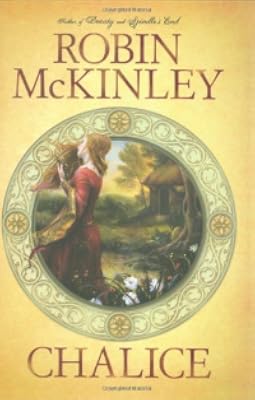
Chalice
by Robin McKinley
On This Page
Description
A beekeeper by trade, Mirasol's life changes completely when she is named the new Chalice, the most important advisor to the new Master, a former priest of fire.Tags
Recommendations

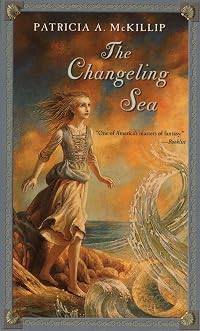
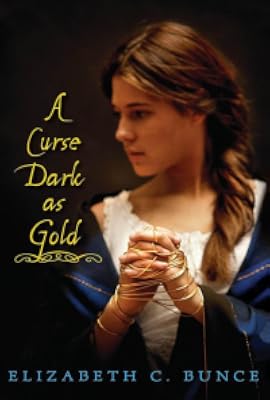
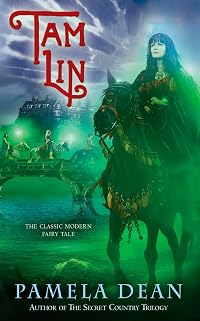
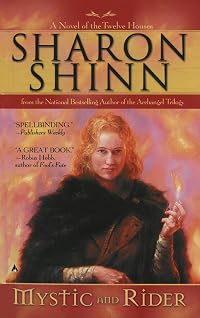
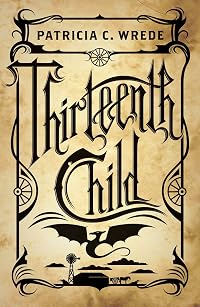
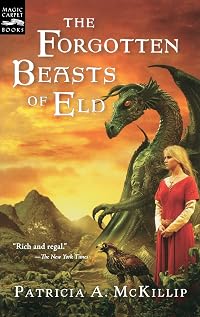
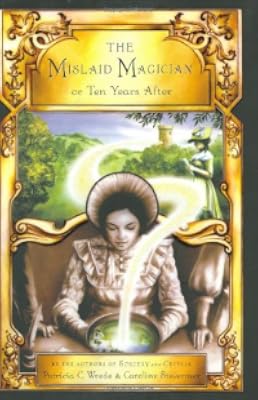
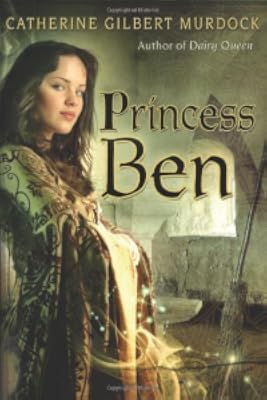
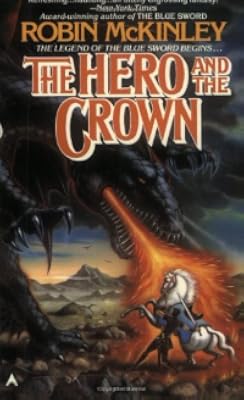
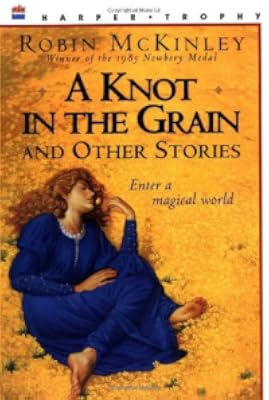
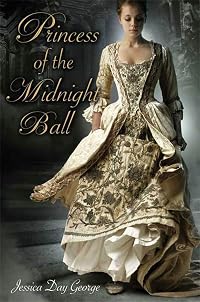
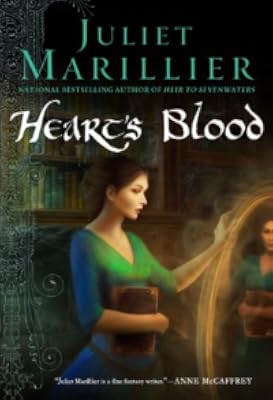
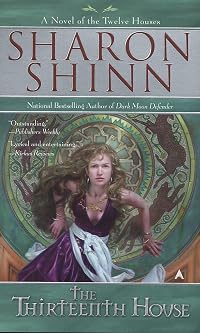

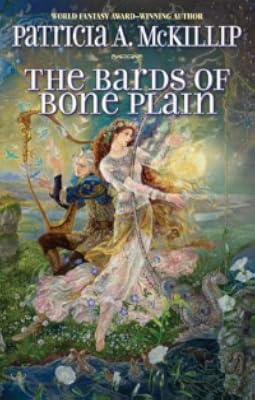
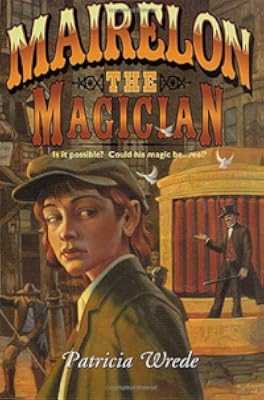
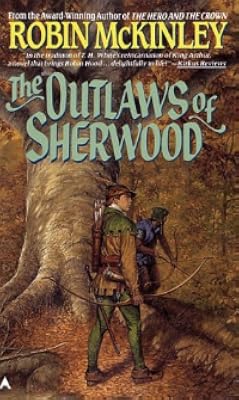

Member Recommendations
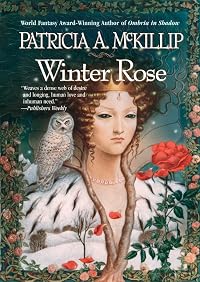
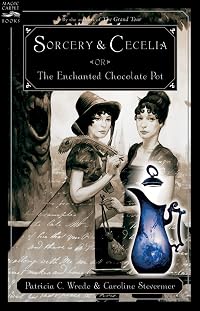
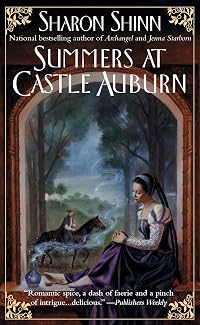
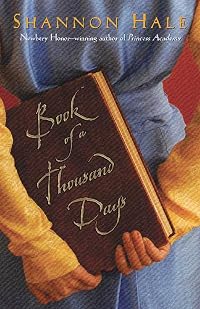
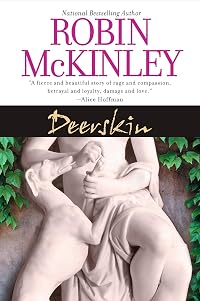
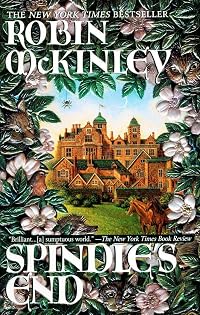
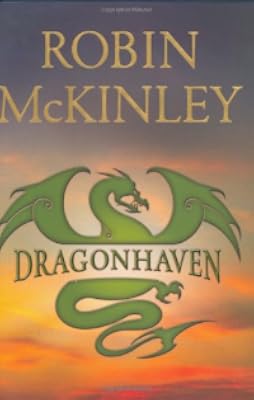
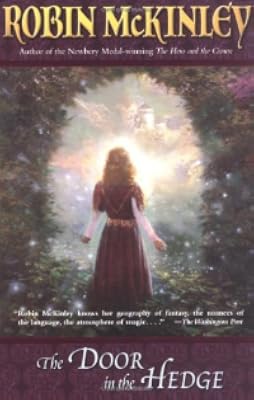
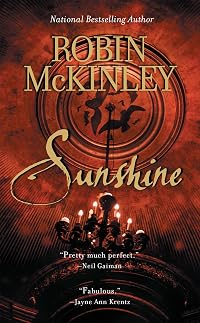
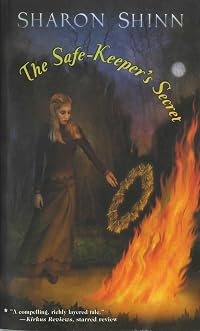
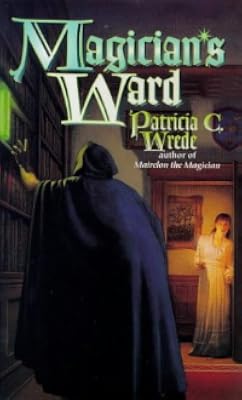
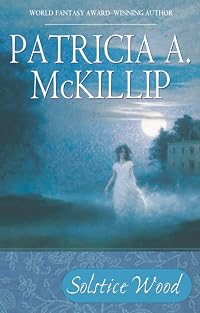
Aerrin99 Outside of the author, both books also share a similar feel and feature an interesting and strongly-written female character struggling to deal with her given role.
71
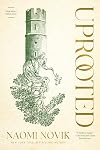
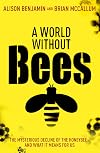
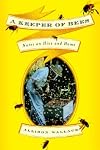
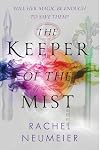
Herenya Certain similarities in the worldbuilding, and both stories are about dealing with unexpected responsibilities and learning on the job about the magic abilities which are part and parcel of that.
Member Reviews
Sept 25-27 2015, 4th read, 5 stars:
Yet again I found myself suddenly wanting to re-read this book and ended up devouring it in a couple days. I am lucky the library by my workplace had it in; I really need to buy my own copy. And I upped it to 5 stars this time, even though I know objectively it's far from a perfect book. But I identify so much with Mirasol in many ways; I think that may have something to do with why I kept having urges to revisit this despite only giving it 3 stars the very first time I ever read it.
Mirasol is a beekeeper who takes the position of Chalice within her demesne's ruling Circle, a role that places her as the second most important figure in serving and protecting her hometown. She, along with a new Master show more who has just returned from a 7-year stint as a priest of Fire, must find make her way in mending the broken demesne left in the disastrous wake of the previous Master and Chalice.
This is a very introspective and meditative book. Mirasol's inner monologue reveals a self-reflective personality that is constantly and anxiously striving to do her best in the given circumstances. She dwells a lot on past events, turning them and her worries over and over again in her head. She strikes me as having imposter syndrome; always feeling like she falls short of expectations when she, in fact, is doing quite well. There's also a nice tension between her duty to her role as Chalice and being herself, which she is continuously negotiating throughout the book.
The narrative itself moves back and forth from past events to the present storyline using flashbacks and reminiscences, which normally I dislike but I felt it worked very well here. McKinley's mellifluous prose, like the sweet honey of Mirasol's bees, deftly weaves together the past timeline with the present. The narrative is often somewhat circular and repetitive-- but I didn't really mind it. It reflects how Mirasol's mind works, her constant fretting over doing her duty properly. I suppose to someone else, it might make her a terribly irritating character, but I always seem to pick up this book right when I am in the mood to read something like this, and she's always seemed like a really strong character to me. And even though she worries a lot, she's constantly doing something about it, studying up on Chalicehood, caring for her bees, helping the people of the demesne-- this is a character who knows how to take action, though the action may not be dramatic or heroic as you'd expect from a fantasy novel.
Which brings me to another point-- this is a fantasy novel on a much smaller scale. The book's setting is inhabited with an everyday, ordinary sort of magic, and the heroism isn't grand but I think it's still heroism nonetheless. Mirasol's mission is to save her demesne and its people; while it may not involve sword fights, it does involve a lot of hard work.
McKinley's writing in this book is all about subtlety, I think. Re-reading this, I can see and appreciate how she reveals details about the characters almost casually, mentioning how Mirasol couldn't kill her bees the winter after her mother dies or showing how Mirasol's thoughts often drift to the Master or describing how Mirasol has found her world shifting just slightly when the Master walks in the room. McKinley's descriptive prowess is also great-- I like her descriptions of the land as a living thing, changing with and reacting to the events that occur upon.
I don't know if I can actually recommend this book because I suspect most people would find it boring. Not much actually happens, aside from a few key events. But I really love it, as you can tell. And I find it interesting that this book has grown so much on me. It has now become one of my absolute favourites, but if I hadn't decided to re-read it the first time, this wouldn't have happened. But perhaps it is the kind of book that keeps you thinking about it long after and that's why I picked it up a second time...
*
Previous reviews:
March 5-7 2013, 3rd read, 4 stars:
I suddenly felt like re-reading this one, even though I remembered that I found the 2nd half dragging upon my first re-read. I always think this book is better than it actually is, and every time I get to the last 2/3, I always feel like rushing through it because it has just gone on long enough already! McKinley's prose is lovely, but it's so circular and repetitive that I get tired close to the end.
This time, though, I found the worldbuilding very much complete-- I bet McKinley has it all in her head but not all of it gets into the book because it is told from Mirasol's perspective, and she doesn't need to explain everything because they are very normal to her. This book is about Mirasol's personal journey from small woodskeeper to Chalice, this is a very character-driven book, so we do not need to know about the setting beyond what is necessary for Mirasol's story. Although I would very much have liked to. I doubt McKinley would ever write it, but I would love more stories within this world, perhaps about other characters.
*
2010, 1st read, 3 stars: I thought this book was both confusing and compelling, since it starts in the middle of the story and as you read along, what happened before is slowly revealed through flashbacks and memories. It's fine as a technique to tell a story, but the problem I found with this particular novel is that frankly, I felt as if nothing much happened in the first half. It's mostly explanations of the world and introducing the characters but this is done using lengthy, albeit with lush, descriptions rather than action. There are also paragraphs and paragraphs detailing the main character's beekeeping activities which where unnecessarily long. In short, the first half of the book often seems like a rambling mess. However, the action starts in the second half and the book becomes much more interesting.
McKinley uses an understated writing style where she gives hints and clues as to what's going on, but never fully explains anything, preferring the reader to figure it out for themselves. I found this both frustrating and intriguing, as it kept me reading in hopes that certain things would be made a bit clearer. I don't think it's necessary for an author to explain everything, but she could have given us just a bit more about the fantasy world she created. The world-building felt incomplete, and McKinley hints at a lot of interesting ideas but never truly develops them. I did like how the relationship between Mirasol and the Master was handled, and thought the ending for them made perfect sense, even if it was a bit of a surprise. Still, there is much more to be desired with this book and it's just a shame that McKinley chose to spend more time writing in unnecessary detail about the habits of bees rather than showing us more of her world and characters.
Yet again I found myself suddenly wanting to re-read this book and ended up devouring it in a couple days. I am lucky the library by my workplace had it in; I really need to buy my own copy. And I upped it to 5 stars this time, even though I know objectively it's far from a perfect book. But I identify so much with Mirasol in many ways; I think that may have something to do with why I kept having urges to revisit this despite only giving it 3 stars the very first time I ever read it.
Mirasol is a beekeeper who takes the position of Chalice within her demesne's ruling Circle, a role that places her as the second most important figure in serving and protecting her hometown. She, along with a new Master show more who has just returned from a 7-year stint as a priest of Fire, must find make her way in mending the broken demesne left in the disastrous wake of the previous Master and Chalice.
This is a very introspective and meditative book. Mirasol's inner monologue reveals a self-reflective personality that is constantly and anxiously striving to do her best in the given circumstances. She dwells a lot on past events, turning them and her worries over and over again in her head. She strikes me as having imposter syndrome; always feeling like she falls short of expectations when she, in fact, is doing quite well. There's also a nice tension between her duty to her role as Chalice and being herself, which she is continuously negotiating throughout the book.
The narrative itself moves back and forth from past events to the present storyline using flashbacks and reminiscences, which normally I dislike but I felt it worked very well here. McKinley's mellifluous prose, like the sweet honey of Mirasol's bees, deftly weaves together the past timeline with the present. The narrative is often somewhat circular and repetitive-- but I didn't really mind it. It reflects how Mirasol's mind works, her constant fretting over doing her duty properly. I suppose to someone else, it might make her a terribly irritating character, but I always seem to pick up this book right when I am in the mood to read something like this, and she's always seemed like a really strong character to me. And even though she worries a lot, she's constantly doing something about it, studying up on Chalicehood, caring for her bees, helping the people of the demesne-- this is a character who knows how to take action, though the action may not be dramatic or heroic as you'd expect from a fantasy novel.
Which brings me to another point-- this is a fantasy novel on a much smaller scale. The book's setting is inhabited with an everyday, ordinary sort of magic, and the heroism isn't grand but I think it's still heroism nonetheless. Mirasol's mission is to save her demesne and its people; while it may not involve sword fights, it does involve a lot of hard work.
McKinley's writing in this book is all about subtlety, I think. Re-reading this, I can see and appreciate how she reveals details about the characters almost casually, mentioning how Mirasol couldn't kill her bees the winter after her mother dies or showing how Mirasol's thoughts often drift to the Master or describing how Mirasol has found her world shifting just slightly when the Master walks in the room. McKinley's descriptive prowess is also great-- I like her descriptions of the land as a living thing, changing with and reacting to the events that occur upon.
I don't know if I can actually recommend this book because I suspect most people would find it boring. Not much actually happens, aside from a few key events. But I really love it, as you can tell. And I find it interesting that this book has grown so much on me. It has now become one of my absolute favourites, but if I hadn't decided to re-read it the first time, this wouldn't have happened. But perhaps it is the kind of book that keeps you thinking about it long after and that's why I picked it up a second time...
*
Previous reviews:
March 5-7 2013, 3rd read, 4 stars:
I suddenly felt like re-reading this one, even though I remembered that I found the 2nd half dragging upon my first re-read. I always think this book is better than it actually is, and every time I get to the last 2/3, I always feel like rushing through it because it has just gone on long enough already! McKinley's prose is lovely, but it's so circular and repetitive that I get tired close to the end.
This time, though, I found the worldbuilding very much complete-- I bet McKinley has it all in her head but not all of it gets into the book because it is told from Mirasol's perspective, and she doesn't need to explain everything because they are very normal to her. This book is about Mirasol's personal journey from small woodskeeper to Chalice, this is a very character-driven book, so we do not need to know about the setting beyond what is necessary for Mirasol's story. Although I would very much have liked to. I doubt McKinley would ever write it, but I would love more stories within this world, perhaps about other characters.
*
2010, 1st read, 3 stars: I thought this book was both confusing and compelling, since it starts in the middle of the story and as you read along, what happened before is slowly revealed through flashbacks and memories. It's fine as a technique to tell a story, but the problem I found with this particular novel is that frankly, I felt as if nothing much happened in the first half. It's mostly explanations of the world and introducing the characters but this is done using lengthy, albeit with lush, descriptions rather than action. There are also paragraphs and paragraphs detailing the main character's beekeeping activities which where unnecessarily long. In short, the first half of the book often seems like a rambling mess. However, the action starts in the second half and the book becomes much more interesting.
McKinley uses an understated writing style where she gives hints and clues as to what's going on, but never fully explains anything, preferring the reader to figure it out for themselves. I found this both frustrating and intriguing, as it kept me reading in hopes that certain things would be made a bit clearer. I don't think it's necessary for an author to explain everything, but she could have given us just a bit more about the fantasy world she created. The world-building felt incomplete, and McKinley hints at a lot of interesting ideas but never truly develops them. I did like how the relationship between Mirasol and the Master was handled, and thought the ending for them made perfect sense, even if it was a bit of a surprise. Still, there is much more to be desired with this book and it's just a shame that McKinley chose to spend more time writing in unnecessary detail about the habits of bees rather than showing us more of her world and characters.
Lovely, lovely book. Much like her other books, from what I remember, everything is written and told in a rather calm, slow-moving way but everything that you read is of the utmost urgency and importance. You must keep reading to know what will happen.
Mirasol is a beekeeper who is chosen to be the Chalice, the second-most powerful and important member of the Circle, who rule and ensure the demesne's unity and wholeness. The most powerful and important member is the Master, but he had been sent to the priests of Fire long ago to learn their ways, and is no longer quite human... What can be done to repair the hysterical land when the Master is feared and inhuman, the Circle members do not trust each other, and the Chalice is show more inexperienced and has no idea what to do? Mirasol does her best with the help of honey, her bees, and lots of reading, but the members of the Circle must come together and trust the Master.
The story is, of course, more complex than this; the above blurb does not do it justice. The only not-great thing about this book is that it can be somewhat confusing. It's not told in a straightforward way, jumping forward and back in time, and it can be kind of hard to figure out what is going on and why things are important somehow. Overall, however, this is a wonderful book, an original fantasy story with imperfect, complex characters and its own world and magic. Very much recommended. show less
Mirasol is a beekeeper who is chosen to be the Chalice, the second-most powerful and important member of the Circle, who rule and ensure the demesne's unity and wholeness. The most powerful and important member is the Master, but he had been sent to the priests of Fire long ago to learn their ways, and is no longer quite human... What can be done to repair the hysterical land when the Master is feared and inhuman, the Circle members do not trust each other, and the Chalice is show more inexperienced and has no idea what to do? Mirasol does her best with the help of honey, her bees, and lots of reading, but the members of the Circle must come together and trust the Master.
The story is, of course, more complex than this; the above blurb does not do it justice. The only not-great thing about this book is that it can be somewhat confusing. It's not told in a straightforward way, jumping forward and back in time, and it can be kind of hard to figure out what is going on and why things are important somehow. Overall, however, this is a wonderful book, an original fantasy story with imperfect, complex characters and its own world and magic. Very much recommended. show less
This is one of those novels that reads more like a short story---long on theme and rather short on story (if you'll pardon the pun). And perhaps for that reason, I feel it would've been better if it had, in fact, been shorter. When compared to most of McKinley's other books, Chalice is practically a novella already, and while the latter half of the book possesses all of honey's potency and golden sweetness, I still had to contend with the viscous exposition and flashbacks-within-flashbacks frustrating the flow of the book's beginning.
Still, the characters are wonderful---distinct, flawed, crisp even in their quietness. And because the characters are so silent, their concerns deeply felt and difficult to share, each conversation between show more them is to be savored. Conflicts and concerns and considerations surface and as they are voiced, they bring the characters closer to understanding one another and us nearer to knowing them. Also, how could I help but love a book that makes such delightful use of honeybees? Mirasol's talk of skeps and swarms and "little missus" worker bees made me long for hives of my own. show less
Still, the characters are wonderful---distinct, flawed, crisp even in their quietness. And because the characters are so silent, their concerns deeply felt and difficult to share, each conversation between show more them is to be savored. Conflicts and concerns and considerations surface and as they are voiced, they bring the characters closer to understanding one another and us nearer to knowing them. Also, how could I help but love a book that makes such delightful use of honeybees? Mirasol's talk of skeps and swarms and "little missus" worker bees made me long for hives of my own. show less
To read more reviews in this series and others, check out keikii eats books!
91 points, 4 ¾ stars
A beekeeper is chosen as second in all the demesne during a time of complete upheaval. Along with the new Master, who is called to fire and no longer fully human, Marisol has to keep the Willowlands together.
I read this with Para over at To Other Worlds.
I adored this book. I had so much fun reading it. I honestly couldn't put it down after I got past the troublesome beginning. It was just so so cute and light. It is perfect if you are looking for something that doesn't have really high stakes. There is some "oh no if that happens it'll be terrible!" but you always know everything is going to come out okay.
Chalice takes a very storytelling show more approach to the story. Especially in the beginning. It was actually really hard to get into the book. The third paragraph alone I had to read a few times to get all the "Master"s straight. Eventually I started wanting to yell at the book to just give me some dialogue, any dialogue.
The book did come into itself though. It took longer than I would have liked, but it was worth the wait. The story was super short, and I definitely wanted more of it. But I loved the story. I didn't want to set it down, I wanted to just keep reading. I loved the characters. I loved Marisol, and her self-doubts about the job she is doing when thrown into a near impossible situation. She doesn't think she is doing a good job because things keep going wrong, but things are getting better! And I loved the new Master, as he struggles to become human again. I love his struggles so much.
Also the bees. I love the bees. They're so ridiculously overpowered it is hilarious. But I love them. I welcome my new bee overlords!
I was disappointed in the end, but mostly because it didn't end the way I wanted it to. I had some really big hopes. I wouldn't say it is a bad ending, just not the one I was hoping for. It changed something really major that I didn't want to change. I rarely look at fanfiction, but I actually looked for this, for the ending I wanted. Unfortunately I didn't find it.
Really though, I super recommend this if you're looking for something light and fluffy. show less
91 points, 4 ¾ stars
A beekeeper is chosen as second in all the demesne during a time of complete upheaval. Along with the new Master, who is called to fire and no longer fully human, Marisol has to keep the Willowlands together.
I read this with Para over at To Other Worlds.
I adored this book. I had so much fun reading it. I honestly couldn't put it down after I got past the troublesome beginning. It was just so so cute and light. It is perfect if you are looking for something that doesn't have really high stakes. There is some "oh no if that happens it'll be terrible!" but you always know everything is going to come out okay.
Chalice takes a very storytelling show more approach to the story. Especially in the beginning. It was actually really hard to get into the book. The third paragraph alone I had to read a few times to get all the "Master"s straight. Eventually I started wanting to yell at the book to just give me some dialogue, any dialogue.
The book did come into itself though. It took longer than I would have liked, but it was worth the wait. The story was super short, and I definitely wanted more of it. But I loved the story. I didn't want to set it down, I wanted to just keep reading. I loved the characters. I loved Marisol, and her self-doubts about the job she is doing when thrown into a near impossible situation. She doesn't think she is doing a good job because things keep going wrong, but things are getting better! And I loved the new Master, as he struggles to become human again. I love his struggles so much.
Also the bees. I love the bees. They're so ridiculously overpowered it is hilarious. But I love them. I welcome my new bee overlords!
I was disappointed in the end, but mostly because it didn't end the way I wanted it to. I had some really big hopes. I wouldn't say it is a bad ending, just not the one I was hoping for. It changed something really major that I didn't want to change. I rarely look at fanfiction, but I actually looked for this, for the ending I wanted. Unfortunately I didn't find it.
Really though, I super recommend this if you're looking for something light and fluffy. show less
What a lovely, unique tale with which Robin McKinley has blessed her readers. Instead of adapting an existing fairytale, she built this tale from the earth up, and the result is an utterly believable, living, humming story of the struggle to heal and redeem a scarred and frightened land. Mirasol is the new Chalice, second only to the Master in the Circle which holds together their home, the Willowlands. However, the Master has only lately been recalled from the priesthood of Fire to replace his late brother, who nearly destroyed their demesne through his careless and destructive ways. No one has ever returned from the Elemental priesthood successfully; the new Master wills himself to try anyway, but his people fear him and what he has show more become, for he no longer looks or indeed IS quite human and his touch burns.
Bees and honey play a central, nearly religious role, and they lend themselves to an intensely vibrant atmosphere. McKinley is always a superb storyteller, and this book is no exception. Mirasol is a wonderfully empathic protagonist and the reader struggles along with her to support the new Master against those who would take the delicate situation to their advantage.
I highly recommend "Chalice;" it is such a pleasure to delve into McKinley's creations, and this book is so beautifully constructed and imagined that I cannot help wanting to immediately re-read it. show less
Bees and honey play a central, nearly religious role, and they lend themselves to an intensely vibrant atmosphere. McKinley is always a superb storyteller, and this book is no exception. Mirasol is a wonderfully empathic protagonist and the reader struggles along with her to support the new Master against those who would take the delicate situation to their advantage.
I highly recommend "Chalice;" it is such a pleasure to delve into McKinley's creations, and this book is so beautifully constructed and imagined that I cannot help wanting to immediately re-read it. show less
Mirasol is a happy beekeeper in a little cottage in the Willowlands--until the Chalice and her Master die. First, her goats suddenly must be milked thrice a day and her bee hives are literally overflowing with honey. Then, the Circle tells Mirasol that *she* is the new Chalice, even though she had no apprenticeship or training, an unheard of disaster. And *then*, the new Master arrives--and he is no longer human. He has trained for seven years to become an Elemental priest of Fire, and returning to the moral realm is hard for him. Between his weakness and Mirasol's ignorance, will the Willowlands survive?
Of course they will. Unlike McKinley's other novels, there is no darkness here, and thus, little tension. The pace and writing are show more good--so good I could hardly put the book down--but I never doubted the outcome. Mirasol has a common-sense, good-hearted approach that I admired immediately. She is understandably increasingly worried and desperate to find a way out of disaster for the Willowlands. For her, McKinley perfectly captures the confused circling of a mind searching for a solution. Mirasol's spiraling thought processes provide a narrative energy that the antagonists of the story lack.
This is a sweet little book, but there are moments of depth to it. Mirasol is a peasant who has abruptly come to power, and her difficulty at her new class is both obvious and subtle. She cannot make herself sleep on new sheets, or reprimand the Heir even though she outranks him. Her friendships are damaged by her new power--the other peasants are uncomfortable with her. She thinks paper is a wild extravagence. I was pleased that Mirasol's diffculty being Chalice does not just lie in the magical portion of the role, but also the social/political. I would recommend this book to anyone looking for good-willed fantasy.
A quote I particularly liked:
"'We are all only mortal,' said the Master, even more slowly. 'We do only what we can do. All the Elemental priests have certain teachings in common: one of them is that everyone, every human, every bird, badger and salamander, every blade of grass and every acorn, is doing the best it can. This is the priests' definition of mortality: the circumstance of doing what one can is that of doing one's best. Only the immortals have the luxury of furlough. Doing one's best is hard work; we rely on our surroundings because we must; when our surroundings change, we stumble. If you are running as fast as you can, only a tiny roughness of the ground may make you fall.'" show less
Of course they will. Unlike McKinley's other novels, there is no darkness here, and thus, little tension. The pace and writing are show more good--so good I could hardly put the book down--but I never doubted the outcome. Mirasol has a common-sense, good-hearted approach that I admired immediately. She is understandably increasingly worried and desperate to find a way out of disaster for the Willowlands. For her, McKinley perfectly captures the confused circling of a mind searching for a solution. Mirasol's spiraling thought processes provide a narrative energy that the antagonists of the story lack.
This is a sweet little book, but there are moments of depth to it. Mirasol is a peasant who has abruptly come to power, and her difficulty at her new class is both obvious and subtle. She cannot make herself sleep on new sheets, or reprimand the Heir even though she outranks him. Her friendships are damaged by her new power--the other peasants are uncomfortable with her. She thinks paper is a wild extravagence. I was pleased that Mirasol's diffculty being Chalice does not just lie in the magical portion of the role, but also the social/political. I would recommend this book to anyone looking for good-willed fantasy.
A quote I particularly liked:
"'We are all only mortal,' said the Master, even more slowly. 'We do only what we can do. All the Elemental priests have certain teachings in common: one of them is that everyone, every human, every bird, badger and salamander, every blade of grass and every acorn, is doing the best it can. This is the priests' definition of mortality: the circumstance of doing what one can is that of doing one's best. Only the immortals have the luxury of furlough. Doing one's best is hard work; we rely on our surroundings because we must; when our surroundings change, we stumble. If you are running as fast as you can, only a tiny roughness of the ground may make you fall.'" show less
This gentle fantasy was exactly what I needed. It has hints of Beauty and the Beast, but the Beauty doesn't realize she is Beauty and the Beast has a long, long way to go before reclaiming his humanity.
As is so typical of McKinley's books, we slowly learn more about the world until we can immerse ourselves in a land, history, and traditions that are rich and deep. Each revelation brought an "of course that is the way it is" reaction from me. This book was a real page-turner for me as I deeply cared about the characters and their fate.
I would highly recommend this book for anyone who enjoys fantasy, especially with a hint of fairy tales.
As is so typical of McKinley's books, we slowly learn more about the world until we can immerse ourselves in a land, history, and traditions that are rich and deep. Each revelation brought an "of course that is the way it is" reaction from me. This book was a real page-turner for me as I deeply cared about the characters and their fate.
I would highly recommend this book for anyone who enjoys fantasy, especially with a hint of fairy tales.
Members
- Recently Added By
Lists

Best Fantasy Novels
821 works; 361 members

Favorite Fairy Tale Retellings
210 works; 62 members

Female Protagonist
1,056 works; 57 members

Books Read in 2023
5,638 works; 147 members

Farm Boy Fantasy
51 works; 18 members

Books Read in 2015
3,299 works; 129 members

Books Read in 2019
4,052 works; 110 members

Books Read in 2020
4,379 works; 123 members

SHOULD Read Books!
354 works; 9 members

Books Read in 2021
5,361 works; 114 members

SFF standalone novellas with female protagonists
101 works; 4 members
Author Information

42+ Works 50,667 Members
Some Editions
Awards and Honors
Awards
Distinctions
Work Relationships
Is a retelling of
Common Knowledge
- Canonical title
- Chalice
- Original title
- Chalice
- Original publication date
- 2008
- People/Characters
- Mirasol (the Chalice of Willowlands); Liapnir (Azungbai, the Master of Willowlands); the Grand Seneschal; the Overlord's agent
- Important places
- Willowlands
- Dedication
- To Molly, Gard, Chiron and Guenevere
- First words
- Because she was Chalice she stood at the front door with the Grand Seneshal, the Overlord's agent and the Prelate, all of whom were carefully ignoring her.
- Last words
- (Click to show. Warning: May contain spoilers.)As Mirasol lowered the honey pot again, the first of their people came up to them, to lay the candle ends at their feet among the bodies of the victorious bees; and three of those first were the butcher, the shepherd and the gardener.
- Original language
- English
- Disambiguation notice
- ISBN 0061448281 is actually for The Lost Chalice by Vernon Silver.
The ISBN 0061558281 belongs to a work "The Lost Chalice" by Vernon Silver, not to Chalice by Robin McKinley
Classifications
- Genres
- Fiction and Literature, Fantasy, Teen, Young Adult
- DDC/MDS
- 813.54 — Literature & rhetoric American literature in English American fiction in English 1900-1999 1945-1999
- LCC
- PZ7 .C — Language and Literature Fiction and juvenile belles lettres Fiction and juvenile belles lettres Juvenile belles lettres
- BISAC
Statistics
- Members
- 1,817
- Popularity
- 12,039
- Reviews
- 88
- Rating
- (3.87)
- Languages
- English, French
- Media
- Paper, Audiobook, Ebook
- ISBNs
- 11
- ASINs
- 8