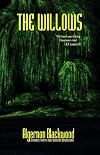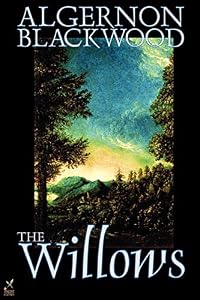
The Willows (short story)
by Algernon Blackwood
On This Page
Description
Set on the snaking, sinuous Danube River, Algernon Blackwood's tale The Willows represents a high point in the development of the horror genre. Indeed, acknowledged master H.P. Lovecraft regarded it as the best supernatural tale ever written. More awe-inspiring and thought-provoking than gory or terrifying, The Willows is a must-read for fans of classic ghost stories..
Tags
Recommendations



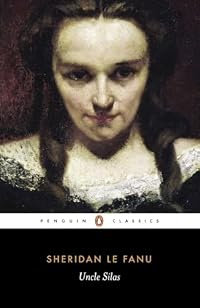
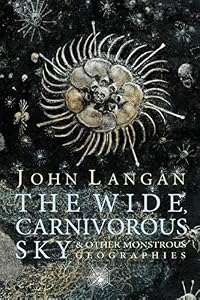

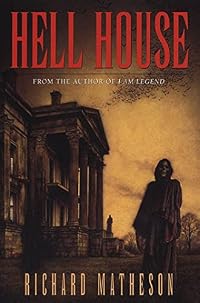


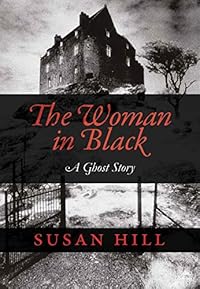

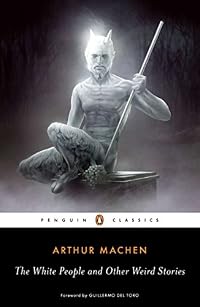
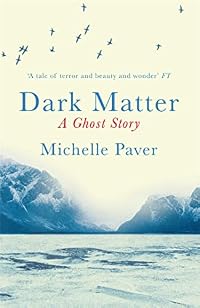

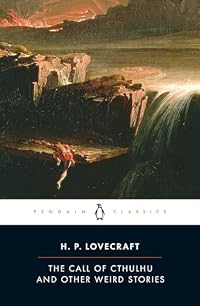
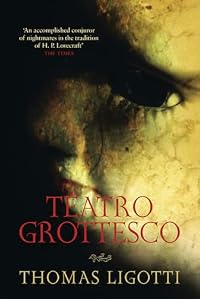

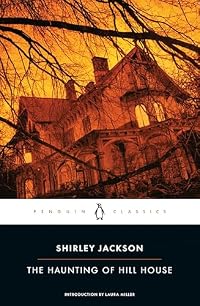
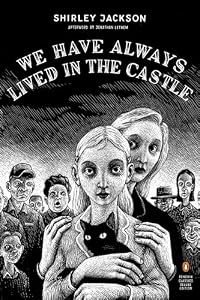

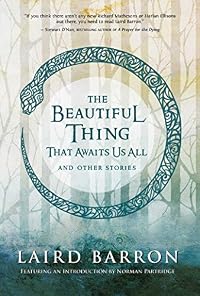
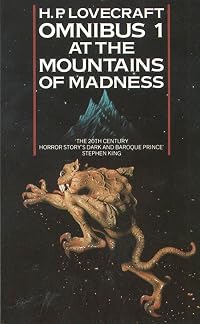
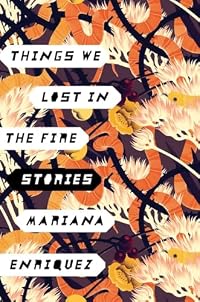
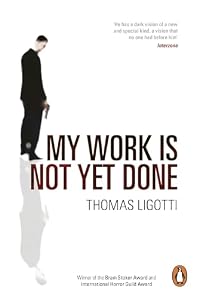
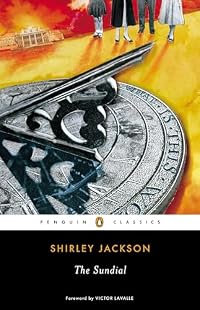
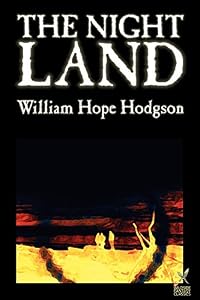
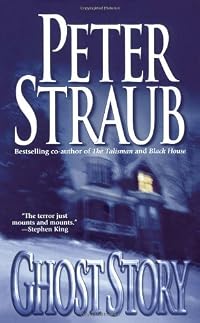
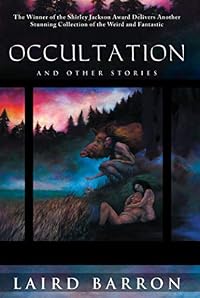
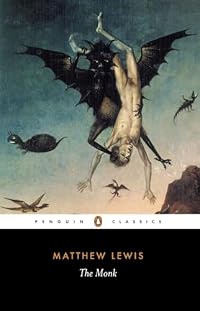

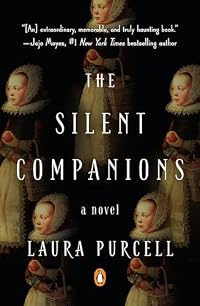

Member Recommendations


Bookwomble Macmillan's Magazine contains Blackwood's travelogue, "Down the Danube in a Canadian Canoe", recording the experiences he used as the basis for "The Willows".
Member Reviews
My favorite Blackwood story (though Wendigo is a close second). It takes everything unnerving about a Lovecraftian sort of mythos and distills it into all the essential horrors. Really, this is a timeless work.
"'It's not a physical condition we can escape from by running away,' he replied, in the tone of a doctor diagnosing some grave disease; 'we must sit tight and wait. There are forces close here that could kill a herd of elephants in a second as easily as you or I could squash a fly. Our only chance is to keep perfectly still. Our insignificance perhaps may save us.'"
-pg 43
I could write an entire essay on that paragraph alone. It contains all the dread conjured up by this story. The feeling of powerlessness and of the dark part of show more ourselves, which might act on murderous impulse when faced with that same power. The horrors are inescapably all around us in the tale, like the endless droning of the strange willows. show less
"'It's not a physical condition we can escape from by running away,' he replied, in the tone of a doctor diagnosing some grave disease; 'we must sit tight and wait. There are forces close here that could kill a herd of elephants in a second as easily as you or I could squash a fly. Our only chance is to keep perfectly still. Our insignificance perhaps may save us.'"
-pg 43
I could write an entire essay on that paragraph alone. It contains all the dread conjured up by this story. The feeling of powerlessness and of the dark part of show more ourselves, which might act on murderous impulse when faced with that same power. The horrors are inescapably all around us in the tale, like the endless droning of the strange willows. show less
Published in the early 1900s as part of a collection of stories, H.P. Lovecraft felt that Algernon Blackwood’s The Willows was simply the greatest tale of the supernatural in English literature. It is a novella, and has a bare minimum of dialog between the narrator and his good friend, the Swede. It lacks the blood and gore and violence so endemic of horror today, and yet despite what some would consider handicaps, The Willows is one of the most atmospheric books in the genre you will ever read. I had heard of this author but never read him, now I can’t imagine not reading some of his other work, and very soon.
The tale begins with two men on a canoe trip down the Danube. Their destination barely comes into play in this most show more elegantly written masterpiece of sustained atmosphere. The farther they get along the rising river as a storm approaches, they each begin to realize something is wrong. In these remote wilds, an eerie foreboding sets in that the protagonist conveys to the reader in elegant prose. The willows along the river manifest strange movements, independent of the fierce winds assaulting the small island where he and the Swede have camped for the night. The howls are sounds outside of humanity, and the protagonist fights the feeling that they have somehow stumbled into a border between the known world, and one which is unaware of them — as yet.
This is so fabulous it is difficult to give readers a sense of how good it is. Nor do I want to give away some of the surprises or the ending. While the Swede is painted as practical and perhaps not as bright as his companion at first, eventually their roles become reversed. The narrator discovers the Swede has accepted the supernatural circumstances they’ve found themselves in, and knows they must not be discovered, lest they become a sacrifice. Truly a tale of the supernatural, and the boundary between this world and another, you’ll probably never read anything else like The Willows. I would not say that The Willows is scary, nor does it contain any shocking moments, rather it is a quiet and meticulously crafted tale of being alone and isolated, cut off from the rest of the world, and finding something in the darkness, in the surroundings, that is alive.
I can’t recommend this highly enough. I suspect many modern readers might not enjoy it as much as I did, its horror unseen and merely suggested. But those who love elegant writing and a memorable, atmospheric tale certainly will. A masterpiece. show less
The tale begins with two men on a canoe trip down the Danube. Their destination barely comes into play in this most show more elegantly written masterpiece of sustained atmosphere. The farther they get along the rising river as a storm approaches, they each begin to realize something is wrong. In these remote wilds, an eerie foreboding sets in that the protagonist conveys to the reader in elegant prose. The willows along the river manifest strange movements, independent of the fierce winds assaulting the small island where he and the Swede have camped for the night. The howls are sounds outside of humanity, and the protagonist fights the feeling that they have somehow stumbled into a border between the known world, and one which is unaware of them — as yet.
This is so fabulous it is difficult to give readers a sense of how good it is. Nor do I want to give away some of the surprises or the ending. While the Swede is painted as practical and perhaps not as bright as his companion at first, eventually their roles become reversed. The narrator discovers the Swede has accepted the supernatural circumstances they’ve found themselves in, and knows they must not be discovered, lest they become a sacrifice. Truly a tale of the supernatural, and the boundary between this world and another, you’ll probably never read anything else like The Willows. I would not say that The Willows is scary, nor does it contain any shocking moments, rather it is a quiet and meticulously crafted tale of being alone and isolated, cut off from the rest of the world, and finding something in the darkness, in the surroundings, that is alive.
I can’t recommend this highly enough. I suspect many modern readers might not enjoy it as much as I did, its horror unseen and merely suggested. But those who love elegant writing and a memorable, atmospheric tale certainly will. A masterpiece. show less
*Spoilers ahead*
I'm sure it's due to some obscure perverseness that I can't consciously pinpoint, but I've never quite warmed up to "The Willows." Despite its esteemed reputation, despite the fact that I've reread it many times during the past thirty-five years in hopes that I would appreciate some nuance which previously had eluded me, I'm left essentially unmoved by the story. With just two characters in a single setting, and action that remains almost entirely ambiguous to the end, it's too spare to justify its length (a little over fifty pages). Not much happens: two outdoorsmen, one of them the story's narrator, are paddling a canoe up the Danube; they make camp on one of the river's numerous small islands, where the willow bushes show more seem to take on a threatening aspect. Are the willows really occupied/manipulated by some intelligent lifeform from another plane of existence, or are the men so overwhelmed by the loneliness and remoteness of the island that they (one of them, in particular) suffer a psychotic break? It's never made clear. The missing oar, the damage to the canoe and the loss of provisions arguably can be blamed on the narrator's eccentric traveling companion. Even the ghastly corpse that turns up at the end may have been a victim of the Swede.
Here emerges an inescapable parallel with the age-old critical debate over Henry James's "The Turn of the Screw" (which Blackwood greatly admired): is it really a ghost story, or isn't it? But "The Willows" is even less plainly a tale of the supernatural. Read it carefully and you'll realize how consistent the psychological interpretation is. With a single exception (a visual phenomenon which the narrator witnesses alone, and is easily attributable to imagination), all the strange events of the story could have been wrought by human hands. What "The Willows" is actually about, in my view, is the narrator's dawning realization that his traveling companion is not the stable, unimaginative, trustworthy type he had first appeared to be.
I understand the effect that Blackwood was aiming for, but the execution is labored. Again and again, the narrator describes the uncanny atmosphere of the island, the rustling of the willows, the anxiety that overtakes him as escape begins to look impossible...and the more he describes it, the less I'm able to feel it. Blackwood is too insistent, and because the story is so long yet so lacking in substance, he has no choice but to go on insisting. All that the narrator can do is sit around and wait for something bad to happen. It just doesn't work for me. I'm not sure how "The Willows" came to be regarded as the greatest horror story in the English language; I'll take Arthur Machen's "The Great God Pan" (which is, unambiguously and unapologetically, a horror story) any day of the week. And this, I assure you, is coming from someone who admires much of Algernon Blackwood's work. He conveyed an atmosphere of supernatural wonder far more effectively in "Ancient Sorceries," and of creeping dread and horror in "The Occupant of the Room." show less
I'm sure it's due to some obscure perverseness that I can't consciously pinpoint, but I've never quite warmed up to "The Willows." Despite its esteemed reputation, despite the fact that I've reread it many times during the past thirty-five years in hopes that I would appreciate some nuance which previously had eluded me, I'm left essentially unmoved by the story. With just two characters in a single setting, and action that remains almost entirely ambiguous to the end, it's too spare to justify its length (a little over fifty pages). Not much happens: two outdoorsmen, one of them the story's narrator, are paddling a canoe up the Danube; they make camp on one of the river's numerous small islands, where the willow bushes show more seem to take on a threatening aspect. Are the willows really occupied/manipulated by some intelligent lifeform from another plane of existence, or are the men so overwhelmed by the loneliness and remoteness of the island that they (one of them, in particular) suffer a psychotic break? It's never made clear. The missing oar, the damage to the canoe and the loss of provisions arguably can be blamed on the narrator's eccentric traveling companion. Even the ghastly corpse that turns up at the end may have been a victim of the Swede.
Here emerges an inescapable parallel with the age-old critical debate over Henry James's "The Turn of the Screw" (which Blackwood greatly admired): is it really a ghost story, or isn't it? But "The Willows" is even less plainly a tale of the supernatural. Read it carefully and you'll realize how consistent the psychological interpretation is. With a single exception (a visual phenomenon which the narrator witnesses alone, and is easily attributable to imagination), all the strange events of the story could have been wrought by human hands. What "The Willows" is actually about, in my view, is the narrator's dawning realization that his traveling companion is not the stable, unimaginative, trustworthy type he had first appeared to be.
I understand the effect that Blackwood was aiming for, but the execution is labored. Again and again, the narrator describes the uncanny atmosphere of the island, the rustling of the willows, the anxiety that overtakes him as escape begins to look impossible...and the more he describes it, the less I'm able to feel it. Blackwood is too insistent, and because the story is so long yet so lacking in substance, he has no choice but to go on insisting. All that the narrator can do is sit around and wait for something bad to happen. It just doesn't work for me. I'm not sure how "The Willows" came to be regarded as the greatest horror story in the English language; I'll take Arthur Machen's "The Great God Pan" (which is, unambiguously and unapologetically, a horror story) any day of the week. And this, I assure you, is coming from someone who admires much of Algernon Blackwood's work. He conveyed an atmosphere of supernatural wonder far more effectively in "Ancient Sorceries," and of creeping dread and horror in "The Occupant of the Room." show less
My favorite Blackwood story (though Wendigo is a close second). It takes everything unnerving about a Lovecraftian sort of mythos and distills it into all the essential horrors. Really, this is a timeless work.
"'It's not a physical condition we can escape from by running away,' he replied, in the tone of a doctor diagnosing some grave disease; 'we must sit tight and wait. There are forces close here that could kill a herd of elephants in a second as easily as you or I could squash a fly. Our only chance is to keep perfectly still. Our insignificance perhaps may save us.'"
-pg 43
I could write an entire essay on that paragraph alone. It contains all the dread conjured up by this story. The feeling of powerlessness and of the dark part of show more ourselves, which might act on murderous impulse when faced with that same power. The horrors are inescapably all around us in the tale, like the endless droning of the strange willows. show less
"'It's not a physical condition we can escape from by running away,' he replied, in the tone of a doctor diagnosing some grave disease; 'we must sit tight and wait. There are forces close here that could kill a herd of elephants in a second as easily as you or I could squash a fly. Our only chance is to keep perfectly still. Our insignificance perhaps may save us.'"
-pg 43
I could write an entire essay on that paragraph alone. It contains all the dread conjured up by this story. The feeling of powerlessness and of the dark part of show more ourselves, which might act on murderous impulse when faced with that same power. The horrors are inescapably all around us in the tale, like the endless droning of the strange willows. show less
Um. This one is hard to decide on rating-wise.
Pros:
Loved the writing style - it was beautiful, clever, haunting and heady stuff. He writes so well I'll definitely check out more of his work.
Atmosphere - So thick you could cut a knife with it. Outstanding tension, creepy tone, I can hear the humming and picture the swaying willows...Atmosphere is the top redeeming quality for this story. If you think of 'The Willows', this is what a reader will probably remember first.
Characters - I enjoyed the two friends who traveled to a beautiful place to meet a nightmare. They complimented each other with their differences, spending some time trying to convince either themselves or the other that they were wrong that there was something out there. show more It was told through the POV singular, and the lead was an interesting man because he was intelligent but fond of self-delusion for the sake of peace. He also had a small dose of humor in his thoughts at times.
The Willows are, of course, another cool trait of the story. Who doesn't love Willow trees?
Cons:
Too abrupt an ending, I wanted to know the small things that happened next, like their fate.
Sometimes too muddled/confusing. I know the writing style, the atmosphere, the gothic terror tone, were all weaved together to make a story that is surreal and messes with your head...but sometimes it was overdone a bit much and I'm still not sure of everything that went on with the ending explanation.
Not that much happens other than tone and their instincts - a few small events but nothing too huge.
Overall it's a great short story that reads like a gothic atmospheric dream. A great introduction to Blackwood - Again, the name Algernon Blackwood is so cool the man SHOULD be remembered by that alone (sounds like a noir detective or something) - and I've heard he has even better stuff out there. Will definitely hunt that treasure down. show less
Pros:
Loved the writing style - it was beautiful, clever, haunting and heady stuff. He writes so well I'll definitely check out more of his work.
Atmosphere - So thick you could cut a knife with it. Outstanding tension, creepy tone, I can hear the humming and picture the swaying willows...Atmosphere is the top redeeming quality for this story. If you think of 'The Willows', this is what a reader will probably remember first.
Characters - I enjoyed the two friends who traveled to a beautiful place to meet a nightmare. They complimented each other with their differences, spending some time trying to convince either themselves or the other that they were wrong that there was something out there. show more It was told through the POV singular, and the lead was an interesting man because he was intelligent but fond of self-delusion for the sake of peace. He also had a small dose of humor in his thoughts at times.
The Willows are, of course, another cool trait of the story. Who doesn't love Willow trees?
Cons:
Too abrupt an ending, I wanted to know the small things that happened next, like their fate.
Sometimes too muddled/confusing. I know the writing style, the atmosphere, the gothic terror tone, were all weaved together to make a story that is surreal and messes with your head...but sometimes it was overdone a bit much and I'm still not sure of everything that went on with the ending explanation.
Not that much happens other than tone and their instincts - a few small events but nothing too huge.
Overall it's a great short story that reads like a gothic atmospheric dream. A great introduction to Blackwood - Again, the name Algernon Blackwood is so cool the man SHOULD be remembered by that alone (sounds like a noir detective or something) - and I've heard he has even better stuff out there. Will definitely hunt that treasure down. show less
A splendidly scary story! No wonder it has received such high praise from various, including H.P. Lovecraft (who I think might be too scary for me).
No gore, just bone-chilling fear with great well-written descriptions, painting a natural landscape that has gone awry and is ever growing menacing. No ghosts, no vampires, no monsters but something, something unknowable, something primitive outside of mankind. OooEeeOoo.
The perfect quick read for my bingo card prompt "paranormal."
Good narration by Peter Bishop. Listened via Youtbue.
No gore, just bone-chilling fear with great well-written descriptions, painting a natural landscape that has gone awry and is ever growing menacing. No ghosts, no vampires, no monsters but something, something unknowable, something primitive outside of mankind. OooEeeOoo.
The perfect quick read for my bingo card prompt "paranormal."
Good narration by Peter Bishop. Listened via Youtbue.
At this point in my reading career, I don't believe I've read better building and rendering of fear than The Willows by Blackwood. The writing--word choice, dialogue--everything around those moments of terror were so evocative, I felt them, all while lying safely beneath a roof, on the sofa. The plot is simple--two men rowing a boat along the Danube River. They camp in an area overgrown with Willows. From that point, the mix of terror in the imagination, and subtle hints in the environment, is simply, excellent. The dialogue too, takes a sinister turn, along with the rushing of wind and gurgle of water. Amazingly well done, this fear, without gore or slashers or zombies. The Willows was a personal favorite of Lovecraft, so I was show more curious, and now I understand why. I intend to revisit the story and dissect how he did it, but for this first read, I was enthralled. show less
Members
- Recently Added By
Lists

NPR Reader Poll: 100 Best Horror Novels and Stories
100 works; 20 members

Lovecraft's 'Supernatural Horror in Literature' Reading List
216 works; 8 members

Best Horror Mega-List
342 works; 6 members

Books With Trees and Plants in the Title
27 works; 2 members

Best of British Literature
226 works; 41 members

Horror to Read
6 works; 1 member
Talk Discussions
Past Discussions
THE DEEP ONES: "The Willows" by Algernon Blackwood in The Weird Tradition (March 2021)
Author Information

289+ Works 6,189 Members
Some Editions
Awards and Honors
Series
Belongs to Publisher Series
Work Relationships
Is contained in
Inspired
Common Knowledge
- Canonical title
- The Willows (short story) (short story)
- Original title
- The Willows
- Original publication date
- 1907
- People/Characters
- Narrator (The Willows); the Swede (The Willows)
- Important places
- Danube River, Austria; Austria; Hungary; Danube River, Hungary; Dunajské luhy Protected Landscape Area, Slovakia
- First words
- After leaving Vienna, and long before you come to Buda-Pesth, the Danube enters a region of singular loneliness and desolation, where its waters spread away on all sides regardless of a main channel, and the country becomes a... (show all) swamp for miles upon miles, covered by a vast sea of low willow-bushes.
- Last words
- (Click to show. Warning: May contain spoilers.)And when I turned my eyes again from his ghastly face to the river, the current had done its work, and the body had been swept away into mid-stream and was already beyond our reach and almost out of sight, turning over and over on the waves like an otter.
- Original language
- English
- Canonical DDC/MDS
- 823.087340
Classifications
- Genres
- Horror, Fiction and Literature, General Fiction
- DDC/MDS
- 823.087340 — Literature & rhetoric English & Old English literatures English fiction By type Genre fiction Adventure fiction Horror and ghost fiction Weird fiction Cosmic horror
- LCC
- PN6071 .H727 .B533 — Language and Literature Literature (General) Literature (General) Collections of general literature
- BISAC
Statistics
- Members
- 745
- Popularity
- 37,580
- Reviews
- 36
- Rating
- (4.05)
- Languages
- 10 — Catalan, Czech, English, German, Greek, Italian, Polish, Russian, Spanish, Swedish
- Media
- Paper, Audiobook, Ebook
- ISBNs
- 104
- ASINs
- 22