
Charmed Life
by Diana Wynne Jones
The Chronicles of Chrestomanci: Publication (01), The Chronicles of Chrestomanci: Chronological (03)
On This Page
Description
At first, orphan Cat Chant isn't jealous of his magically gifted sister Gwendolen. After all, she is the only family he has left. But, then the mysterious sorcerer Chrestomanci adopts them and changes their lives forever. In this book, which won the Guardian Award for Children's books, author Diana Wynne Jones' characters come fully alive as narrator Gerard Doyle takes listeners into a wondrous world.Tags
Recommendations


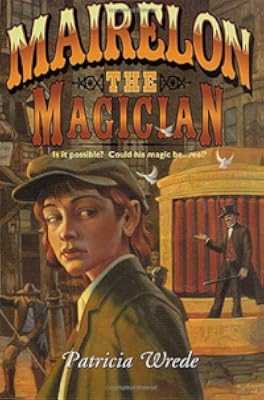
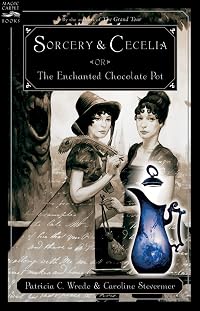


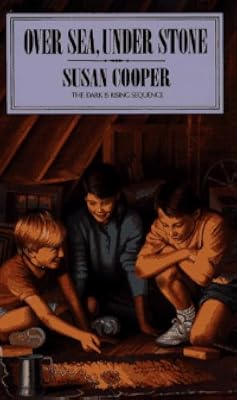


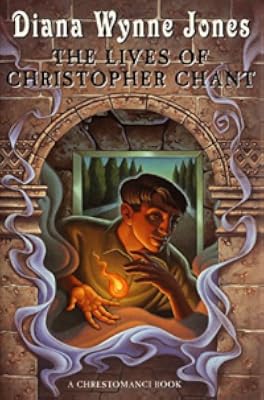


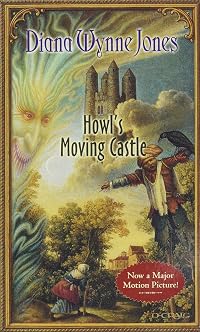
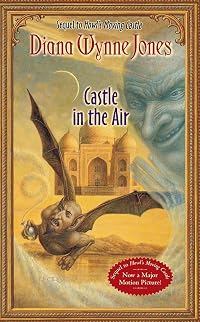

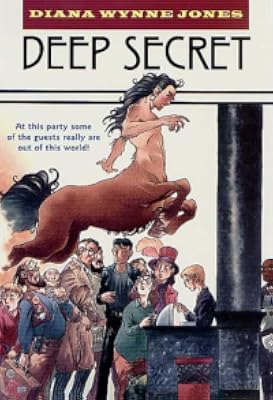
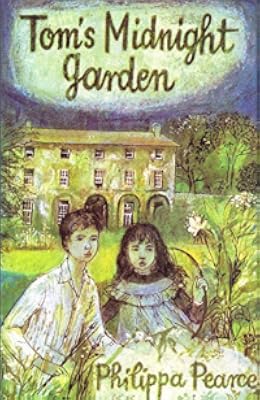
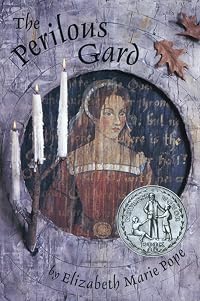
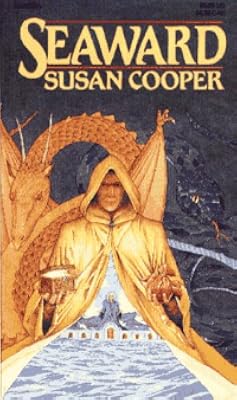
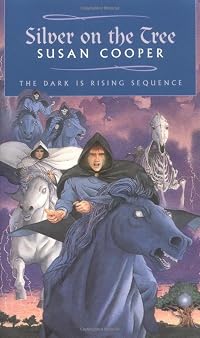
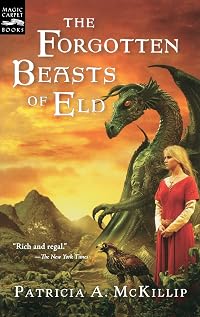
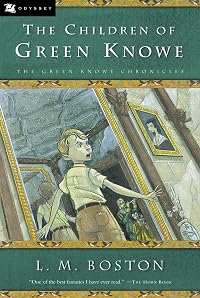
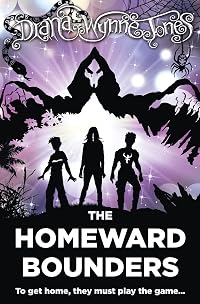


Member Recommendations
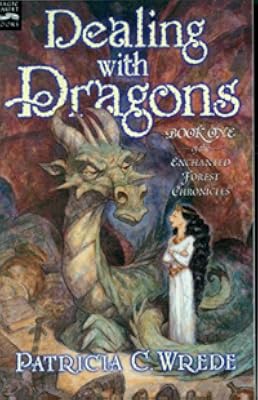
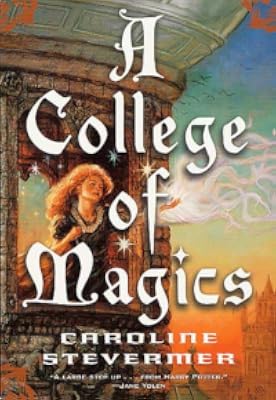
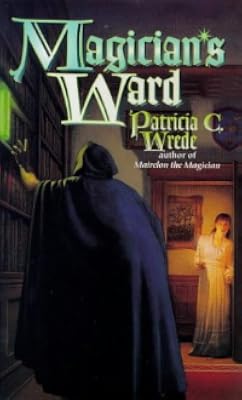
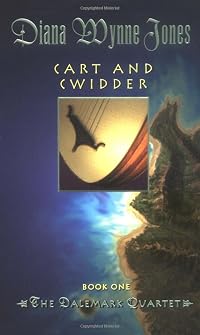
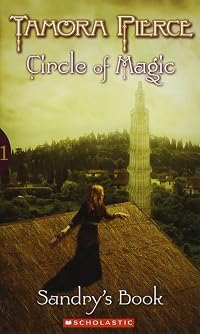
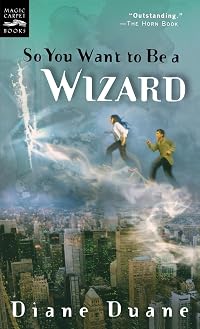
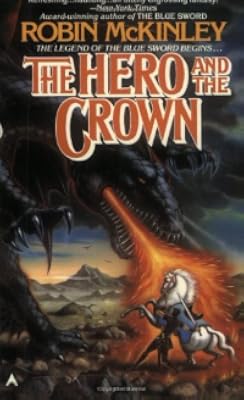
kerravonsen Children's fantasy, check. Protagonist who doesn't know he's a magician/wizard, check. Schooling in magic, check.
42


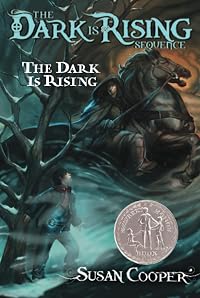
sandstone78 The roles of Chrestomanci and Abhorsen are similar- magicians who police the use of magic. Both books feature their protagonists growing into these roles.
11
Member Reviews
Cat and Gwendoline are orphans. Gwendoline is going to be a witch. Cat isn't. Taken to live at the strange castle of the mysterious Chrestomanci, Gwendoline expects to thrive and hopes, more or less literally, to become queen of the world. Things don't quite work out that way and Gwendoline goes to more and more extreme efforts to show off her power and gain the attention of the increasingly loathed Chrestomanci. Cat quite likes it there, even though he has no magic, but he has always gone along with Gwendoline, but what is she up to and what will happen if she goes too far?
Typically lively and engaging tale by Diana Wynne Jones, full of wit and invention and cleverness. It shows its age here and there in ways that are slightly show more unexpected, but which would certainly have been unremarkable to me when I read it as a child. Didn't stop me devouring it in a few quick hours, though I was a bit miffed that the supposedly responsible adults were a) less horrified by the magnitude of what Gwen was doing to Cat than they really should have been and b) less hard on themselves for letting it happen right under their flippin' noses. There's a reason why they let it happen and it works but they were so appallingly wrong they were practically accomplices. Grr. I've more sympathy for Gwen getting so aggravated at Chrestomanci's complacency than I care to admit... show less
Typically lively and engaging tale by Diana Wynne Jones, full of wit and invention and cleverness. It shows its age here and there in ways that are slightly show more unexpected, but which would certainly have been unremarkable to me when I read it as a child. Didn't stop me devouring it in a few quick hours, though I was a bit miffed that the supposedly responsible adults were a) less horrified by the magnitude of what Gwen was doing to Cat than they really should have been and b) less hard on themselves for letting it happen right under their flippin' noses. There's a reason why they let it happen and it works but they were so appallingly wrong they were practically accomplices. Grr. I've more sympathy for Gwen getting so aggravated at Chrestomanci's complacency than I care to admit... show less
This book is a near-perfect little package of story for the sheer fun of stories and characters, and a smart and well-written one at that. I love the little boy Cat and the way we slowly come to realize how cowed he is ... and then why ... and discover his true situation and strength with him. When another child, Janet, shows up on the scene, she expresses discomfort at how malleable and easily-humbled he is, and she asks something like "has something been done to you?" He doesn't know what she means, even. Cat's extreme lack of agency is underscored by the fact that, when he and his sister are adopted into a wealthy family, he doesn't understand who their benefactor is or why any of this is happening ... and no one will answer his show more questions. There's a deep humanity about children and power here, not something that romanticizes childhood but something that takes it seriously.
I love how unrelentingly awful Gwendolyn is, and the experience of initially expecting her to get nicer or not really be so awful, poor pretty orphan girl, and what Jones does with that instead. I love the rather dense but not at all heavy-handed--efficient, let's say--foreshadowing and clues early in the novel, and how those play out. And I love Jones's ability to create depth of character and of place so quickly and easily, without much explanation at all ... though I'm not quite sure how she does it.
So refreshing to have a female villain who doesn't play into the standard, stereotypical female villain options.
Also, levitating a mirror and then shooting around the room on it with your friends? A for awesome implementation of magic.
(The only bit I didn't like was an overly-tidy wrap-up of why some noodling-with-the-fabric-of-reality stuff was really best for all concerned, how convenient, at the end. But oh well.)
[Oct.-Nov. 2016: reread as a read-aloud with the 10-year-old] show less
I love how unrelentingly awful Gwendolyn is, and the experience of initially expecting her to get nicer or not really be so awful, poor pretty orphan girl, and what Jones does with that instead. I love the rather dense but not at all heavy-handed--efficient, let's say--foreshadowing and clues early in the novel, and how those play out. And I love Jones's ability to create depth of character and of place so quickly and easily, without much explanation at all ... though I'm not quite sure how she does it.
So refreshing to have a female villain who doesn't play into the standard, stereotypical female villain options.
Also, levitating a mirror and then shooting around the room on it with your friends? A for awesome implementation of magic.
(The only bit I didn't like was an overly-tidy wrap-up of why some noodling-with-the-fabric-of-reality stuff was really best for all concerned, how convenient, at the end. But oh well.)
[Oct.-Nov. 2016: reread as a read-aloud with the 10-year-old] show less
I read the Chrestomanci books as a kid and have memories of really enjoying them, so rereading this first one as an adult and disliking it so much was kind of a shock. There is quite a bit that is truly charming, such as the organization of the parallel worlds and explanation behind the Chrestomanci, and I think the foundations of the book are solid. However, the good stuff is tarnished by a heavy barrage of rampant fatphobia, physical and emotional child abuse that gets conveniently "excused" at the end, a random instance of racial stereotyping, and many instances of kids forced to bear the brunt of selfish adults.
There is definitely a way to offer a narrative on kids dealing with difficult situations, but the problem in this book is show more that the adults actions get explained away as just them trying to do what is best for the kids, even though the "best" is just incredibly self-centered actions that don't make sense. And the kids just have to accept it? There is so much emotional trauma on display at the close of the story and Jones tries to paint it over all happily with a picnic scene and promise of more magical adventures, but it ends up reading as quite ominous even though it definitely wasn't intended to.
I'm curious to reread the others and see how they hold up. This one, however, was better in my memory. I'm genuinely sad it wasn't the same as what I thought it was, but I'm crossing my fingers to find a little of what I used to like in the other books. show less
There is definitely a way to offer a narrative on kids dealing with difficult situations, but the problem in this book is show more that the adults actions get explained away as just them trying to do what is best for the kids, even though the "best" is just incredibly self-centered actions that don't make sense. And the kids just have to accept it? There is so much emotional trauma on display at the close of the story and Jones tries to paint it over all happily with a picnic scene and promise of more magical adventures, but it ends up reading as quite ominous even though it definitely wasn't intended to.
I'm curious to reread the others and see how they hold up. This one, however, was better in my memory. I'm genuinely sad it wasn't the same as what I thought it was, but I'm crossing my fingers to find a little of what I used to like in the other books. show less
Fun fact: as a kid, I was convinced that England was this very backwards country where people used horse and carriages and rarely turned on the electricity. I assumed that when Janet talked about blood banks and electricity on 24/7, she must be from America, land of technology. In my defense, I read a lot of British books as a kid that took place in the first half of the 20th century, so my sense of English culture was highly warped.
Anyways, Charmed Life was a great book when I was a child and remains a great book still. Although I do wish less of the plot could have immediately been solved by Cat just talking to an adult.
Anyways, Charmed Life was a great book when I was a child and remains a great book still. Although I do wish less of the plot could have immediately been solved by Cat just talking to an adult.
Cat and Gwendolen Chant are orphans who are taken in at the castle of the powerful magician Chrestomanci. Cat's sister Gwendolen has powerful gifts as a witch and great ambitions to rule the world. Gwendolen, an unpleasant girl at the best of times, reacts to the edict that no magic must be performed without supervision by playing the dirtiest and most unpleasant tricks on everyone. Meanwhile, Cat wants to be the perfect little brother, but he is uncomfortable with magic, so he sits back and watches helplessly. But is he really that helpless? A charming little book I read in a day in which the forces of right and wrong aren't so very black and white, but must nevertheless do battle.
The late great DWJ is one of my favourite authors so I approached this re-read, after many years, with anticipation. At first, I found it a good page-turning and interesting story. Eric Chant, known as Cat, and his older sister Gwendolen, are orphaned at the very start, and become the wards of the local authority. They are taken in by the elderly lady who lived downstairs in their house, and who it is soon obvious views the two children as meal tickets, doing her best to get additional money for their upkeep. However, she is also genuinely fond of them, and it is through her efforts that Gwendolen, who appears to be a powerful witch, receives training from the next door hedge-wizard. For this is a world in which magic works and is show more routinely accepted.
Cat, the main viewpoint character, is a good natured, trusting boy, who - the adult reader at least - can see is being manipulated, especially by his sister whom he idolises. It is obvious that Gwendolen's teacher Mr Nostrum and his brother are both rather shady. Then the two children are taken under the guardianship of Chrestomanci, a figure of importance and power, though Cat does not understand his role, and go to live at Chrestomanci Castle with Chrestomanci, his wife Milly, their two children, and various suppport staff. Gwendolen, who was agog to go there and convinced she would be treated as the important personage she imagines herself to be, is soon incandescent with rage at what she views as snubbing, and when she is told she must concentrate on her other studies and put aside learning further magic, sets out to wreck revenge on Chrestomanci and his family in various unpleasant and inconvenient ways. And with her help, the Nostrum brothers hatch a plot that will put Cat and his new guardian in extreme jeopardy.
The problem I had with this story is that so much depends upon the inability of people to talk to each other. It is just about believable that a self-effacing boy such as Cat would be too scared of Chrestomanci to tell him key things that are going on, or would not want to betray his sister, but it is less forgiveable for an adult character to not even try to talk to him because as we learn at the end of the story, he and the other adults thought Cat might be complicit in his sister's misdeeds . It just wasn't a good enough motive not to talk to him, and if they really thought that might be the case, to persuade him otherwise.
Chrestomanci also lost a lot of any sympathy I had for his character when he "boxed" Cat's ears - basically, hit him around the head - because Cat hadn't stopped Gwendolen from carrying out a rather nasty bit of magic. Surely he should at least have taken Cat away from her, sat him down and asked him what on earth was going on and why he hadn't stopped her - or got Milly, who is much more sympathetic and less intimidating, to talk to him? Instead, he acted out of anger and on a false assumption - at which point, it became completely understandable that Cat was terrified of him and didn't want to tell him what was happening. Because of this fundamental failure to communicate, Cat and another character (avoiding spoilers) become embroiled in deeper and deeper trouble, all stemming from Gwendolen's monstrous behaviour.
Gwendolen is an almost psychopathic villain as becomes increasingly clear, and is certainly confirmed in the climax of the story. There is quite an adult sensibility in the fact that the old lady whom Cat loves and who is fond of him, is at the same time a selfish, grasping character, and he does eventually appreciate this, though she at least shows more decency by her attempt to warn him than his sister. But the dependence of the plot on the willful failure by the adults to alert Cat to the danger he is in weaken the story for me. I like some of the set pieces, love the baby dragon, like some of the interaction with other characters, but the basic meat of the story - that everything happens because of a failure to communicate which is principally the fault of the adults - doesn't really work for me, so I can only rate this 3 stars. show less
Cat, the main viewpoint character, is a good natured, trusting boy, who - the adult reader at least - can see is being manipulated, especially by his sister whom he idolises. It is obvious that Gwendolen's teacher Mr Nostrum and his brother are both rather shady. Then the two children are taken under the guardianship of Chrestomanci, a figure of importance and power, though Cat does not understand his role, and go to live at Chrestomanci Castle with Chrestomanci, his wife Milly, their two children, and various suppport staff. Gwendolen, who was agog to go there and convinced she would be treated as the important personage she imagines herself to be, is soon incandescent with rage at what she views as snubbing, and when she is told she must concentrate on her other studies and put aside learning further magic, sets out to wreck revenge on Chrestomanci and his family in various unpleasant and inconvenient ways. And with her help, the Nostrum brothers hatch a plot that will put Cat and his new guardian in extreme jeopardy.
The problem I had with this story is that so much depends upon the inability of people to talk to each other. It is just about believable that a self-effacing boy such as Cat would be too scared of Chrestomanci to tell him key things that are going on, or would not want to betray his sister, but it is less forgiveable for an adult character to not even try to talk to him because
Chrestomanci also lost a lot of any sympathy I had for his character when he "boxed" Cat's ears - basically, hit him around the head - because Cat hadn't stopped Gwendolen from carrying out a rather nasty bit of magic. Surely he should at least have taken Cat away from her, sat him down and asked him what on earth was going on and why he hadn't stopped her - or got Milly, who is much more sympathetic and less intimidating, to talk to him? Instead, he acted out of anger and on a false assumption - at which point, it became completely understandable that Cat was terrified of him and didn't want to tell him what was happening. Because of this fundamental failure to communicate, Cat and another character (avoiding spoilers) become embroiled in deeper and deeper trouble, all stemming from Gwendolen's monstrous behaviour.
Gwendolen is an almost psychopathic villain as becomes increasingly clear, and is certainly confirmed in the climax of the story. There is quite an adult sensibility in the fact that the old lady whom Cat loves and who is fond of him, is at the same time a selfish, grasping character, and he does eventually appreciate this, though she at least shows more decency by her attempt to warn him than his sister. But the dependence of the plot on the willful failure by the adults to alert Cat to the danger he is in weaken the story for me. I like some of the set pieces, love the baby dragon, like some of the interaction with other characters, but the basic meat of the story - that everything happens because of a failure to communicate which is principally the fault of the adults - doesn't really work for me, so I can only rate this 3 stars. show less
Very close to exactly the kind of book I wish I could write. The actual plot may be boilerplate, unambitious, but the writing is creative, original, and well-done without resorting to needless ornamentation. Most importantly, the characters are splendidly drawn, with quick, distinct lines that you haven't seen before. There are a hundred YA fantasy novels out there... Charmed Life was written back when good writing counted for something. Okay, okay--Near the end, the writing feels a bit rushed and the authorial assumptions lose track of the reader once or twice. And the ridiculous availability of magic without consequence will bother fans of fantasy, and there's a number of minor characters that should probably be combined, and--oh show more bollocks. Read it. It's gentle. It's good. show less
Members
- Recently Added By
Lists

Favorite Childhood Books
1,651 works; 519 members

Best Fantasy Novels
821 works; 361 members
1001 Children's Books You Must Read Before You Grow Up
774 works; 101 members

NPRs your favorites: 100 Best Ever Teen Novels
237 works; 49 members

Top Five Books of 2013
1,562 works; 721 members

Carnegie Medal books I've read (shortlist and winners)
86 works; 17 members

Favourite books by Diana Wynne Jones
35 works; 3 members

Recommend the 20 best books you've read in the last five years
2,168 works; 606 members

Here There Be Dragons
143 works; 23 members

Female Author
1,234 works; 67 members

1970s
657 works; 23 members

Elevenses
316 works; 87 members

Novels featuring siblings
133 works; 8 members
Travel from real to fantasy world -- children's/young adult fiction
125 works; 11 members
Books We Couldn't Put Down
443 works; 197 members

Other Wizard Fiction
45 works; 1 member

Witchy Fiction
253 works; 126 members

Main Character is aged 10-19
362 works; 6 members

Swinging Seventies
255 works; 18 members

Overdue Podcast
808 works; 9 members

Books Read in 2011
684 works; 20 members

Books Read in 2017
4,249 works; 130 members

Books Read in 2010
631 works; 11 members

Books We Loved As Children
603 works; 252 members
Author Information

112+ Works 80,521 Members
Diana Wynne Jones was born in London on August 16, 1934. In 1953, she began school at St. Anne's College Oxford and attended lectures by J. R. R. Tolkien and C. S. Lewis. After graduation, she created plays for children that were performed at the London Arts Theatre. Her first book was published in 1973. She wrote over 40 books during her lifetime show more including Dark Lord of Derkholm, Earwig and the Witch, and the Chrestomanci series. She won numerous awards including the Guardian Award for Children's Books in 1977 for Charmed Life, the Boston Globe-Horn Book Award in 1984 for Archer's Goon, the Mythopeic Award in 1999, the Karl Edward Wagner Award in 1999, and the Life Achievement Award from the World Fantasy Organization in 2007. Her book Howl's Moving Castle was adapted into an animated film by director Hayao Miyazaki, and the film was nominated for an Academy Award for Best Animated Feature. She died from lung cancer on March 26, 2011 at the age of 76. (Bowker Author Biography) show less
Some Editions
Awards and Honors
Awards
Distinctions
The Guardian Book of the Day (2016-12-31)
Series


Work Relationships
Common Knowledge
- Canonical title
- Charmed Life
- Original title
- Charmed Life
- Original publication date
- 1977
- People/Characters
- Chrestomanci; Eric Chant (Cat Chant); Gwendolyn Chant; Millie Chant; Julia Chant; Roger Chant (show all 13); Janet Chant; Mrs Sharp; Henry Nostrum; William Nostrum; Michael Saunders; The Willing Warlock; Fiddle (cat)
- Important places
- Chrestomanci Castle; Wolvercote; Bowbridge
- Dedication
- For Claire, Nicholas and Frances
- First words
- Cat Chant admired his elder sister Gwendolen. She was a witch. He admired her and he clung to her. Great changes came about in their lives and left him no one else to cling to.
- Last words
- (Click to show. Warning: May contain spoilers.)And Cat, though he was still lonely and a little tearful, managed to laugh too.
- Blurbers
- Norton, Andre; Springer, Nancy; McKinley, Robin; Wangerin, Walter
- Original language
- English
Classifications
- Genres
- Fiction and Literature, Fantasy, Tween, Kids
- DDC/MDS
- 823.914 — Literature & rhetoric English & Old English literatures English fiction 1900- 1901-1999 1945-1999
- LCC
- PZ7 .J684 .C — Language and Literature Fiction and juvenile belles lettres Fiction and juvenile belles lettres Juvenile belles lettres
- BISAC
Statistics
- Members
- 3,028
- Popularity
- 5,871
- Reviews
- 68
- Rating
- (4.05)
- Languages
- 13 — Chinese, Dutch, English, Finnish, French, German, Hebrew, Indonesian, Italian, Portuguese, Russian, Spanish, Swedish
- Media
- Paper, Audiobook, Ebook
- ISBNs
- 74
- UPCs
- 1
- ASINs
- 14