On This Page
Description
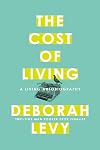
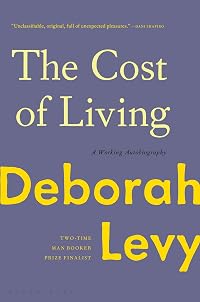
To strip the wallpaper off the fairy tale of The Family House in which the comfort and happiness of men and children has been the priority is to find behind it an unthanked, unloved, neglected, exhausted woman. The Cost of Living explores the subtle erasure of women's names, spaces, and stories in the modern everyday. In this "living autobiography" infused with warmth and humor, Deborah Levy critiques the roles that society assigns to us and reflects on the politics of breaking with the show more usual gendered rituals. What does it cost a woman to unsettle old boundaries and collapse the social hierarchies that make her a minor character in a world not arranged to her advantage? Levy draws on her own experience of attempting to live with pleasure, value, and meaning-the making of a new kind of family home, the challenges of her mother's death-and those of women she meets in everyday life, from a young female traveler reading in a bar who suppresses her own words while she deflects an older man's advances, to a particularly brilliant student, to a kindly and ruthless octogenarian bookseller who offers the author a place to write at a difficult time in her life. The Cost of Living is urgent, essential listening, a crystalline manifesto for turbulent times. show lessTags
Recommendations








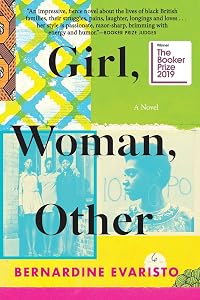
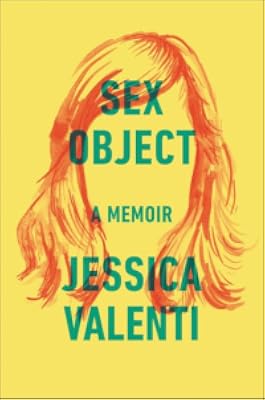
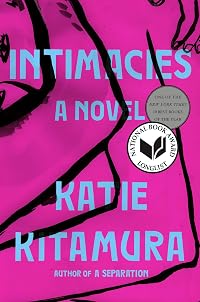
Member Recommendations
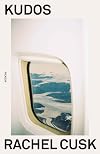
Kudos by Rachel Cusk
JuliaMaria Leben einer Schriftstellerin mit Kindern nach einer Scheidung.
Member Reviews
There's great pleasure in this quirky and brief (134 pages) narrative of a woman's life after her marriage goes under. She finds a new place to live, a sixth floor walkup; rides an e-bike (electric); sets up her writing space in an unheated wreck of a garden shed; and reminds herself daily that her marriage was not worth extraordinary rescue efforts. It's like hanging out with a new Brit friend who's a fantastic storyteller - you're just swept along into her everyday life, which is rendered bright and shining by her rueful words. The opening line sets the tone: "As Orson Welles told us, if we want a happy ending, it depends on where we stop the story."
Quotes: "I will never stop grieving for my long-held wish for enduring love that does show more not reduce its major players to something less than they are."
"To separate from love is to live a risk-free life. To live without love is a waste of time."
"When a father does the things he needs to do in the world, we understand it is his due. If a mother does the things she needs to do in the world, we feel she has abandoned us. It is a miracle to survive our mixed messages, written in society's most poison ink."
"I realized that was what I wanted after my mother's death. More life. I somehow thought she would die and still be alive. I would like to think she is somewhere in that distant sound that resembles the sea in which she taught me to swim, but she is not there." show less
Quotes: "I will never stop grieving for my long-held wish for enduring love that does show more not reduce its major players to something less than they are."
"To separate from love is to live a risk-free life. To live without love is a waste of time."
"When a father does the things he needs to do in the world, we understand it is his due. If a mother does the things she needs to do in the world, we feel she has abandoned us. It is a miracle to survive our mixed messages, written in society's most poison ink."
"I realized that was what I wanted after my mother's death. More life. I somehow thought she would die and still be alive. I would like to think she is somewhere in that distant sound that resembles the sea in which she taught me to swim, but she is not there." show less
Not typically a book I would choose, but I wanted to give TOC a try. A memoir of a 50-year old woman who is going through the end of a twenty year long marriage, the death of her mother, and the fledging of her daughters. I generally avoid memoirs unless they are from extraordinary people or events, and this is neither. I still am glad I read it, and look forward to ordering TOC #2 shortly.
Everything was calm. The sun was shining. I was swimming in the deep. And then, when I surfaced 20 years later, I discovered there was a storm, a whirlpool, a blasting gale lifting the waves over my head.
At first I wasn’t sure I’d make it back to the boat and then I realised I didn’t want to make it back to the boat. Chaos is supposed to be what we most fear but I have come to believe it might be what we most want. If we don’t believe in the future we are planning, the house we are mortgaged to, the person who sleeps by our side, it is possible that a tempest (long lurking in the clouds) might bring us closer to how we want to be in the world.
Life falls apart. We try to get a grip and hold it together. And then we realise we show more don’t want to hold it together. show less
At first I wasn’t sure I’d make it back to the boat and then I realised I didn’t want to make it back to the boat. Chaos is supposed to be what we most fear but I have come to believe it might be what we most want. If we don’t believe in the future we are planning, the house we are mortgaged to, the person who sleeps by our side, it is possible that a tempest (long lurking in the clouds) might bring us closer to how we want to be in the world.
Life falls apart. We try to get a grip and hold it together. And then we realise we show more don’t want to hold it together. show less
Bücher von Deborah Levy, in denen die Autorin ihr Leben und ihre Erlebnisse zum Thema macht, sind nie leicht zu fassen und zu rezensieren. So auch „Was das Leben kostet“, in dem sie die Trennung von ihrem Ehemann und den Tod ihrer Mutter verarbeitet. War es in „Was ich nicht wissen will“ noch die Sprachlosigkeit, aus der sie einen Ausweg sucht, sind es nun die plötzlich entstehenden Lücken, die sie füllen muss. Ein neues Heim, das nicht heimelig werden will; die Definition des Ich, das nicht mehr (nur) Gattin und Mutter ist, sondern Frau in einer Welt, die scheinbar viel zu sehr von misogynen Männern dominiert wird; der Tod der Mutter und die darauf folgende Orientierungslosigkeit – mit dem Schreiben verarbeitet sie ihre show more Emotionen und die Suche nach Struktur und Sinn im neuen Dasein.
Vor allem ihre Begegnungen mit Männern haben beim Lesen einen ausgesprochenen Reiz. Womöglich übt sie eine besondere Anziehungskraft auf diejenigen Exemplare aus, die in einem - positiv formuliert – traditionellen Weltbild gefangen sind und Frauen nur als dekoratives Element wahrnehmen und denen jeder Horizont fehlt, das Gegenüber als gleichwertigen Gesprächs- und Lebenspartner anzuerkennen. Ohne Frage hat der gesellschaftliche Wandel, den die Frauen im 20. Jahrhundert erstritten haben, nicht jeden erreicht und stellt so manchen Mann vor große Herausforderungen, wenn an ihrem Weltbild gerüttelt wird und sie sich nicht in der Rolle wiederfinden, die sie sich qua Geschlecht zuschreiben.
Aber auch ihr Fahrrad, symbolisches Kampfmittel, an und mit dem sie ihre Wut und Energie zu kanalisieren versucht, nimmt eine interessante Rolle ein. Die neugewonnene Freiheit durch den Elektroantrieb ermöglicht die Mobilität im chronisch verstopften London bei gleichzeitig allen damit verbundenen Nachteilen wie erfrorene Finger im Winter und dem mühsamen Transport der Einkäufe. Aber es ist auch das Gerät, das ihr als Person die Schau stiehlt und die Aufmerksamkeit von Männern auf sich zieht.
„Freiheit ist nie umsonst. Wer je um Freiheit gerungen hat, weiß, was sie kostet.“
Als Kind ist Deborah Levy mit ihren Eltern aus Südafrika geflüchtet, nun flüchtet sie mit Anfang 50 aus dem Leben in Ehe und steht wieder vor dem Neuanfang und dem Aufbau nicht nur einer Ordnung, sondern auch des eigenen Ichs. Die Introspektion durch die Personalisierung des eigenen Ichs im Schreiben erlaubt es ihr, auch kritische und angreifbare Gedanken zu verbalisieren und ihr Leben neu zu strukturieren. Ein harter und steiniger, aber interessanter Weg, dem man als Leser gerne folgt. show less
Vor allem ihre Begegnungen mit Männern haben beim Lesen einen ausgesprochenen Reiz. Womöglich übt sie eine besondere Anziehungskraft auf diejenigen Exemplare aus, die in einem - positiv formuliert – traditionellen Weltbild gefangen sind und Frauen nur als dekoratives Element wahrnehmen und denen jeder Horizont fehlt, das Gegenüber als gleichwertigen Gesprächs- und Lebenspartner anzuerkennen. Ohne Frage hat der gesellschaftliche Wandel, den die Frauen im 20. Jahrhundert erstritten haben, nicht jeden erreicht und stellt so manchen Mann vor große Herausforderungen, wenn an ihrem Weltbild gerüttelt wird und sie sich nicht in der Rolle wiederfinden, die sie sich qua Geschlecht zuschreiben.
Aber auch ihr Fahrrad, symbolisches Kampfmittel, an und mit dem sie ihre Wut und Energie zu kanalisieren versucht, nimmt eine interessante Rolle ein. Die neugewonnene Freiheit durch den Elektroantrieb ermöglicht die Mobilität im chronisch verstopften London bei gleichzeitig allen damit verbundenen Nachteilen wie erfrorene Finger im Winter und dem mühsamen Transport der Einkäufe. Aber es ist auch das Gerät, das ihr als Person die Schau stiehlt und die Aufmerksamkeit von Männern auf sich zieht.
„Freiheit ist nie umsonst. Wer je um Freiheit gerungen hat, weiß, was sie kostet.“
Als Kind ist Deborah Levy mit ihren Eltern aus Südafrika geflüchtet, nun flüchtet sie mit Anfang 50 aus dem Leben in Ehe und steht wieder vor dem Neuanfang und dem Aufbau nicht nur einer Ordnung, sondern auch des eigenen Ichs. Die Introspektion durch die Personalisierung des eigenen Ichs im Schreiben erlaubt es ihr, auch kritische und angreifbare Gedanken zu verbalisieren und ihr Leben neu zu strukturieren. Ein harter und steiniger, aber interessanter Weg, dem man als Leser gerne folgt. show less
A Room of Her Own
Review of the Hamish Hamilton hardcover edition (August 21, 2018) of the Bloomsbury Publishing hardcover original (July 10, 2018), with reference to the Hamish Hamilton Kindle eBook.
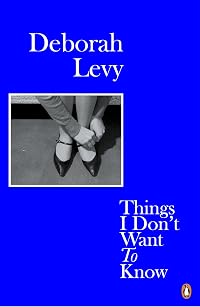
The Cost of Living carries on with Deborah Levy's memoirs as the follow-up to the 1st volume Things I Don't Want to Know (2013). A further follow-up is the 3rd volume Real Estate (2020), currently the last in the series. Levy describes them as "living autobiographies," as they are "hopefully not being written at the end, with hindsight, but in the storm of life."
The current book looks back on a time after Levy's divorce, when she had to support 2 children with her writing. The situation at home was too distracting, so she managed to obtain the use of a friend's garden shed as "a room of her own" in which to write. During this time she also had to deal with the death of her mother. The book continues with her various musings about "why she writes". Most of my favourite quotes are excerpted above in the introduction.
As mentioned previously, I especially enjoy books about books and writing, so Levy's memoirs are particularly enjoyable for me. I look forward to completing the current trilogy, but I hope that further memoirs may yet follow.
Trivia and Link
Deborah Levy's "living autobiographies" are written in reaction to George Orwell's Why I Write (1946). show less
Review of the Hamish Hamilton hardcover edition (August 21, 2018) of the Bloomsbury Publishing hardcover original (July 10, 2018), with reference to the Hamish Hamilton Kindle eBook.
I had energy because I had no choice but to have energy. I had to write to support my children and I had to do all the heavy lifting. Freedom is never free. Anyone who has struggled to be free knows how much it costs.show more
...
Proust had reached for this same thought and came up with something that better suited this phase in my life: Ideas come to us as the successors to griefs, and griefs, at the moment when they change into ideas, lose some part of their power to injure the heart.
...
The writing life is mostly about stamina. To get to the
finishing line requires the writing to become more interesting than everyday life, and a log fire, like everyday life, is never boring.
...
In that case, I wasn’t winterized after all. I identified with Camus, who declared he had an invincible summer inside him, even in winter.
...
This had been my theme in Things I Don’t Want to Know, in which I speculated that the things we don’t want to know are the things that are known to us anyway, but we do not wish to look at them too closely. Freud described this wish to unknow what we know as motivated forgetting.
...
All writing is about looking and listening and paying attention to the world.
...
Life is only worth living because we hope it will get better and we’ll all get home safely.
...
And then I read that he wrote Hamlet in the year his father died. The line that means the most to me in the entire play is Hamlet’s reply when asked what it is he is reading. Words, words, words. I think he is trying to say that he is inconsolable. Words can cover up everything that matters.
...
Marguerite Duras suggested in a reverie that came to her from the calm of her final house, a home she had made to please herself, that ‘writing comes like the wind’. It’s naked, it’s made of ink, it’s the thing written, and it passes like nothing else passes in life, nothing more, except life itself. The writing you are reading now is made from the cost of living and it is made with digital ink.
The Cost of Living carries on with Deborah Levy's memoirs as the follow-up to the 1st volume Things I Don't Want to Know (2013). A further follow-up is the 3rd volume Real Estate (2020), currently the last in the series. Levy describes them as "living autobiographies," as they are "hopefully not being written at the end, with hindsight, but in the storm of life."
The current book looks back on a time after Levy's divorce, when she had to support 2 children with her writing. The situation at home was too distracting, so she managed to obtain the use of a friend's garden shed as "a room of her own" in which to write. During this time she also had to deal with the death of her mother. The book continues with her various musings about "why she writes". Most of my favourite quotes are excerpted above in the introduction.
As mentioned previously, I especially enjoy books about books and writing, so Levy's memoirs are particularly enjoyable for me. I look forward to completing the current trilogy, but I hope that further memoirs may yet follow.
Trivia and Link
Deborah Levy's "living autobiographies" are written in reaction to George Orwell's Why I Write (1946). show less
This is an allusive and idiosyncratic memoir about how Deborah Levy created a new life for herself and her daughters following the break-up of her marriage and the death of her mother. It explores how creativity can be used to invent new ways of living, how at a point of crisis someone can rewrite the story of her life and take a new direction. I like the way she explores the social expectations placed on women and the possibility of composing new stories if the old ones no longer fit. I find Levy an inspiring person.
Favourite quote: ‘Freedom is never free. Anyone who has struggled to be free knows how much it costs.’
Favourite quote: ‘Freedom is never free. Anyone who has struggled to be free knows how much it costs.’
There is just something about Levy's writing absolutely adore. I don't know if I enjoyed this as much as Real Estate but the two books are so different. This one kicks off right after Levy's divorce so it felt like a lot more was happening and there was more movement. I listened to this on audio and read Real Estate on paper, so that may be the difference as well. I didn't feel that the "Cost of Living" theme was tied together completely in this. But the writing is so lovely. And Levy's life is both relatable and aspirational. She talks about her divorce, about the death of her mother, about falling in love with an electric bike, turning a flat into a home, moving into her writing shed, etc, etc. After reading Real Estate, I called out show more just how clear and crisp the writing is, usually a sign of incredible editing and intention. And, with this book, I was again struck with how intentional Levy is with language. I'm pretty sure she does it in Real Estate as well, but in The Cost of Living, she doesn't name men. They are "my male best friend," "the father of my children," "the man who cried at a funeral." It is such a funny and small but meaningful thing to do. I love it. show less
Members
- Recently Added By
Lists

The Guardian's 100 best books of the 21st century
100 works; 21 members

TLS 6011
41 works; 1 member

Maybe This Year? Books to Look Forward To
412 works; 9 members

Books Read in 2022
5,226 works; 112 members

The Guardian’s 20 brilliant books you can read in a day
20 works; 2 members
Author Information

37+ Works 5,387 Members
Some Editions
Awards and Honors
Awards
Distinctions
Series

Common Knowledge
- Canonical title
- The Cost of Living
- Original title
- The cost of living
- Original publication date
- 2018
- Epigraph*
- Man ist immer irrealer als die anderen. Marguerite Duras, Das tägliche Leben
- First words*
- Ein Happy-End hängt ganz davon ab, wo wir die Geschichte enden lassen, meinte Orson Welles.
- Last words*
- (Click to show. Warning: May contain spoilers.)Was Sie jetzt hier lesen, ist geschrieben mit digitaler Tinte und gemacht aus dem, was das Leben kostet.
*Some information comes from Common Knowledge in other languages. Click "Edit" for more information.
Classifications
Statistics
- Members
- 640
- Popularity
- 45,522
- Reviews
- 22
- Rating
- (3.91)
- Languages
- 9 — Danish, Dutch, English, Finnish, French, German, Italian, Portuguese, Spanish
- Media
- Paper, Audiobook, Ebook
- ISBNs
- 25
- ASINs
- 6