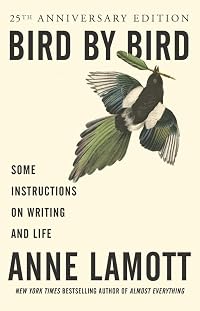
Bird by Bird: Some Instructions on Writing and Life
by Anne Lamott
On This Page
Description
NEW YORK TIMES BESTSELLER * An essential volume for generations of writers young and old. The twenty-fifth anniversary edition of this modern classic will continue to spark creative minds for years to come. Anne Lamott is "a warm, generous, and hilarious guide through the writer's world and its treacherous swamps" (Los Angeles Times). "Superb writing advice.... Hilarious, helpful, and provocative." --The New York Times Book Review For a quarter century, more than a million readers--scribes show more and scribblers of all ages and abilities--have been inspired by Anne Lamott's hilarious, big-hearted, homespun advice. Advice that begins with the simple words of wisdom passed down from Anne's father--also a writer--in the iconic passage that gives the book its title: "Thirty years ago my older brother, who was ten years old at the time, was trying to get a report on birds written that he'd had three months to write. It was due the next day. We were out at our family cabin in Bolinas, and he was at the kitchen table close to tears, surrounded by binder paper and pencils and unopened books on birds, immobilized by the hugeness of the task ahead. Then my father sat down beside him, put his arm around my brother's shoulder, and said, 'Bird by bird, buddy. Just take it bird by bird.'" show lessTags
Recommendations
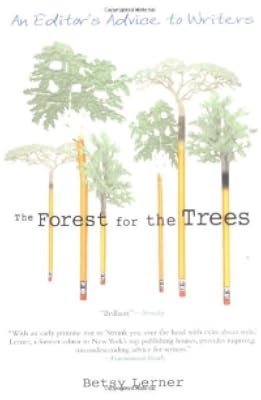
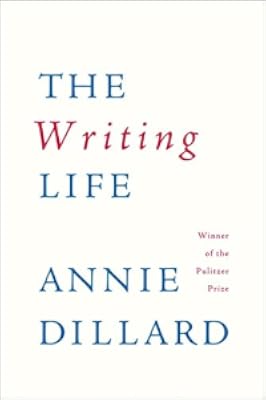
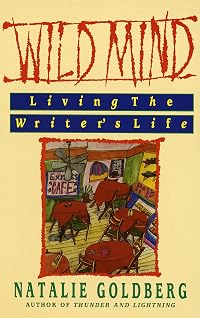
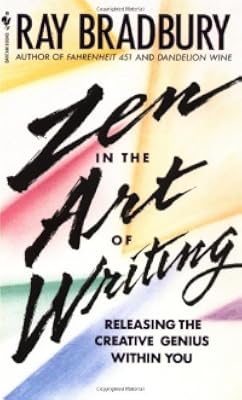
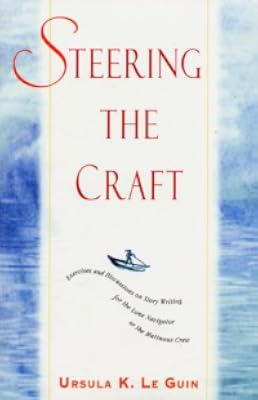
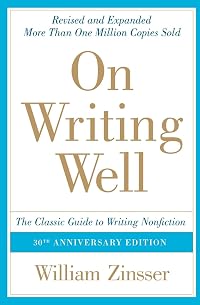
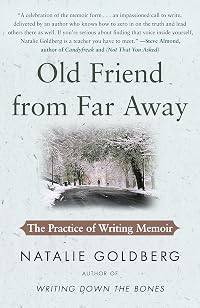
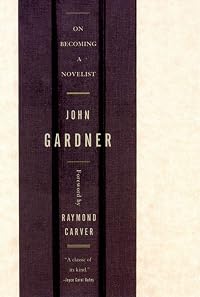
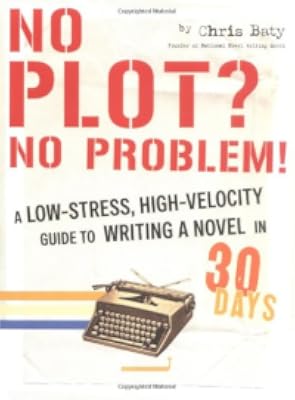
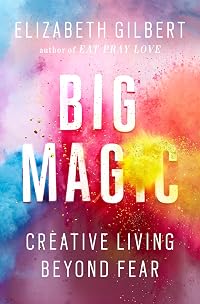
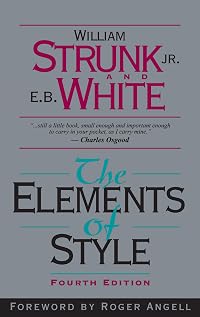
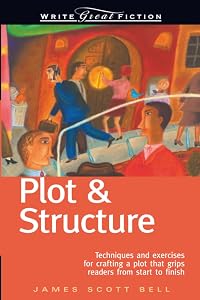
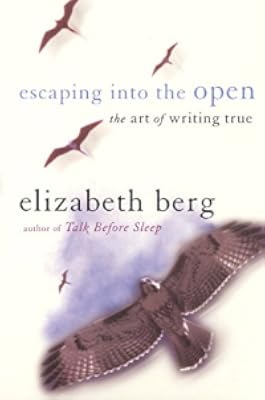
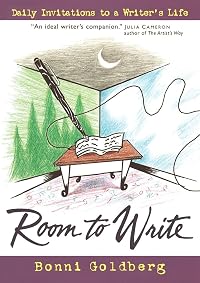
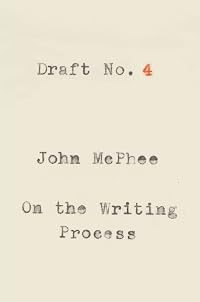
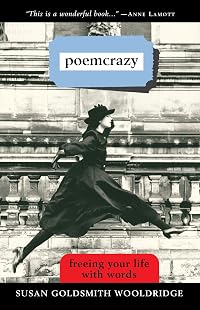
Member Recommendations
betterthanchocolate Another guide on writing fiction. Hodgins's is more directly instructive while Lamott takes a more narrative approach.
by anonymous user
by anonymous user
Member Reviews
A brilliant book, full of tips embedded in metaphor and a daily writer's life. Teaches through example as well as instruction, and is open about the insanity of thinking your writing isn't good and dealing with responses to it. Beautifully written, with phrasing that made me laugh out loud. One of the few books on writing that I highlighted throughout so I could go back to it.
Writers write, as they say. That is about the only certain advice one can receive from a book on writing and life and the writing life. With a wry, self-deprecating, brutally honest demeanour, Anne Lamott informs her students that the way to become a writer is to sit down every day at the same time with a clean piece of paper or the file on your computer you’ve been slaving over for more than a year—and write. Only those who have actually attempted this will appreciate, along with Lamott, just how difficult it may be to fulfil that simple injunction. She is well aware that you will stare at the page or the screen sometimes for hours on end; that you will reconsider your decision to post-pone the fun you could have had working on show more your taxes; that the corner of your desk will become endlessly fascinating and just may be the grain of sand in which you will perceive the whole…yes, just about anything is more enticing, at times, than writing.
This book shares a few useful techniques to help your writing process, which I’ll get to in a moment, but what makes it one of the best books on writing that I have read is Lamott’s compassion for others in her situation. Because more than anything else, this is a book about compassion. Compassion for others, certainly, but also compassion for oneself. That, and learning the value of producing an SFD: a “shitty first draft”.
Lamott has a strong belief in the power of writing per se. If you press on, word after damn word, reaching a certain number of words per day (she suggests three hundred as a target), eventually you will complete your SFD. And here is an important tip: don’t show your SFD to anyone. The embarrassment of riches (and the stink) of an SFD should be yours alone. Fortunately, once you’ve got an SFD you can move on to the rewriting stage—because having made something, your job as a writer is to make it better. Of course making it better can take a long time. It may involve sharing your current versions with your writing group, with a trusted but critical colleague, with an editor or your agent, if you have one. The good news is that no matter how bad they think your writing is or how much further you’ve got to go with it, at least you can rest easy that they didn’t see your SFD.
By all means borrow this book from your local public library. And when you’ve finished reading it, go out and find it in a bookshop somewhere. Because you’ll want to have it on the shelf in your office to glance at when you are staring at that blank page (or screen) to remind you that, well, writers write. (P.S. If you think this review is bad, you should have seen my SFD.) Recommended. show less
This book shares a few useful techniques to help your writing process, which I’ll get to in a moment, but what makes it one of the best books on writing that I have read is Lamott’s compassion for others in her situation. Because more than anything else, this is a book about compassion. Compassion for others, certainly, but also compassion for oneself. That, and learning the value of producing an SFD: a “shitty first draft”.
Lamott has a strong belief in the power of writing per se. If you press on, word after damn word, reaching a certain number of words per day (she suggests three hundred as a target), eventually you will complete your SFD. And here is an important tip: don’t show your SFD to anyone. The embarrassment of riches (and the stink) of an SFD should be yours alone. Fortunately, once you’ve got an SFD you can move on to the rewriting stage—because having made something, your job as a writer is to make it better. Of course making it better can take a long time. It may involve sharing your current versions with your writing group, with a trusted but critical colleague, with an editor or your agent, if you have one. The good news is that no matter how bad they think your writing is or how much further you’ve got to go with it, at least you can rest easy that they didn’t see your SFD.
By all means borrow this book from your local public library. And when you’ve finished reading it, go out and find it in a bookshop somewhere. Because you’ll want to have it on the shelf in your office to glance at when you are staring at that blank page (or screen) to remind you that, well, writers write. (P.S. If you think this review is bad, you should have seen my SFD.) Recommended. show less
Oh my goodness. This book was so heartfelt and beautifully written, and above all, FUNNY! I think perhaps it beats the top spot for my favourite and most inspiring writing manuals. Not only does Anne talk give advice for writers, she is open about her own shortfalls and about the shortfalls of the world of publishing. She asks us to write for ourselves, for our children and for the truth, rather than for money, because it isn't all its cracked up to be. I loved her description of how she felt when her book was about to be published, how she felt when the reviews came out. Or how it feels to submit a manuscript to an editor and check the mail fifty times a day. Beautiful.
Bird by Bird combines writing instruction with memoir and personal musings to give readers a friend in Anne Lamott. She's humble, real, and funny, and her book feels comforting. Those looking for a straight-up guide to writing a strong story and getting published, though, will want another book. Lamott spends a lot of time discussing her son, her friends, her childhood, and her feelings of inadequacy as a writer. She has a pleasant conversational writing style, but her tendency to ramble keeps her book from being addictive.
The writing advice Lamott does offer, however, is exceptional. Despite having earned success many times over as an author, she never lost touch with what it feels like for the struggling writer—or for the person show more who merely dreams of being a writer. Her advice is down-to-earth and actionable.
Some aspiring writers thrive with hard-and-fast writing rules: set a schedule; write X number of words each day; create an outline with story arc—all the practical things. But Lamott doesn't subscribe to these, and her alternative "rules" make sense. Rigidity probably won't help most beginning writers, who can feel overwhelmed just trying to start. Lamott is all about getting some words, any words, on paper. She talks about "shitty first drafts" (because all writers have them); "short assignments" (a piece of advice that lessens the intimidation of getting started); and starting by writing about one's life, viewing it as if recording it only for one's offspring (or—my addition—other relatives). The beginnings of a novel can spring from these things. What's important to start is writing some words on paper without worrying about being impressive.
Lamott does discuss the more practical aspects—writing regularly, finding an agent, avoiding libel—but what makes this book different from traditional writing guides is that these were not her sole focus. She wants aspiring writers to feel seen, and she speaks to them in a feeling way:
The writing advice Lamott does offer, however, is exceptional. Despite having earned success many times over as an author, she never lost touch with what it feels like for the struggling writer—or for the person show more who merely dreams of being a writer. Her advice is down-to-earth and actionable.
Some aspiring writers thrive with hard-and-fast writing rules: set a schedule; write X number of words each day; create an outline with story arc—all the practical things. But Lamott doesn't subscribe to these, and her alternative "rules" make sense. Rigidity probably won't help most beginning writers, who can feel overwhelmed just trying to start. Lamott is all about getting some words, any words, on paper. She talks about "shitty first drafts" (because all writers have them); "short assignments" (a piece of advice that lessens the intimidation of getting started); and starting by writing about one's life, viewing it as if recording it only for one's offspring (or—my addition—other relatives). The beginnings of a novel can spring from these things. What's important to start is writing some words on paper without worrying about being impressive.
Lamott does discuss the more practical aspects—writing regularly, finding an agent, avoiding libel—but what makes this book different from traditional writing guides is that these were not her sole focus. She wants aspiring writers to feel seen, and she speaks to them in a feeling way:
If something inside you is real, we will probably find it interesting, and it will probably be universal. So you must risk placing real emotion at the center of your work. Write straight into the emotional center of things. Write toward vulnerability. Don't worry about appearing sentimental. Worry about being unavailable; worry about being absent or fraudulent. Risk being unliked. Tell the truth as you understand it. If you're a writer, you have a moral obligation to do this.Readers will finish this book feeling they truly can write something publishable. Lamott's empathy and realness imbues Bird by Bird with warmth. This is a feel-good, empowering how-to by someone who cares. show less
Writing is lonely. So whenever I start a new project, I look for a book about it I haven’t read yet. It’s like having a sympathetic friend holding my hand, reassuring me.
Somehow, the book I choose is precisely what I need. Well, that’s not always true, but when it’s not, I quickly spot it and move on to another. But this one filled the bill. It came out thirty years ago, but I only recently became aware of it, although I remember hearing her spots on NPR way back when.
Lamott’s advice in this book is sensible, even if little of it is new. It’s not a problem; I need to hear it all again with each new project. And I’ve never read it in such a humorous, self-deprecating manner. She and her friends sound like a lovable, walking show more collective of personality disorders (I think those are really her words, but right now, I can’t find the quote). Somehow, they keep each other’s spirits up.
She is honest about the rivalry and jealousy writers experience. She also makes it clear (repeatedly) that publication is not the main reason to write, much less the gateway to fixing everything wrong in your life. If, toward the end, her reporting of her neuroses wears thin through repetition, along the way, there are descriptions of it that had me laughing out loud.
This book helped me get through the first five days of a new project, allowing me to make a solid start. Thank you, Anne, for being there. show less
Somehow, the book I choose is precisely what I need. Well, that’s not always true, but when it’s not, I quickly spot it and move on to another. But this one filled the bill. It came out thirty years ago, but I only recently became aware of it, although I remember hearing her spots on NPR way back when.
Lamott’s advice in this book is sensible, even if little of it is new. It’s not a problem; I need to hear it all again with each new project. And I’ve never read it in such a humorous, self-deprecating manner. She and her friends sound like a lovable, walking show more collective of personality disorders (I think those are really her words, but right now, I can’t find the quote). Somehow, they keep each other’s spirits up.
She is honest about the rivalry and jealousy writers experience. She also makes it clear (repeatedly) that publication is not the main reason to write, much less the gateway to fixing everything wrong in your life. If, toward the end, her reporting of her neuroses wears thin through repetition, along the way, there are descriptions of it that had me laughing out loud.
This book helped me get through the first five days of a new project, allowing me to make a solid start. Thank you, Anne, for being there. show less
I've read many books about writing. I honestly cannot remember how or why this audiobook wound up on my list, but I'm so glad it did. While much of Lamott's advice is geared toward writers of fiction, the book is invaluable for anyone who writes (or frankly, reads). And if you want to get caught up in the eccentricities of broccoli as metaphor, that's fine, but...please, allow yourself to enjoy the comedy. Some of it is fairly irreverent and may not land 100% in 2025 social mores, but most of it is a lot less offensive than a lot of what comes flying out of the mouths of stand-up comedians. If you've understood life's absurdity through grieving someone close, you'll get it. Lamott's reading is perfect--think Lily Tomlin's character show more "Frankie" without the woo-woo stuff. And in between the quips and the sometimes a-bit-too-long tongue-in-cheek tirades, lo and behold--there are some sound lessons about "...being militantly on your own side," and how you don't want to "look at your feet to see if you're doing it right--just dance!". Lamott learned through trial and much error perhaps the biggest lesson of all: "being enough was going to have to be an inside job." Mic drop.
Proponents of mindfulness will value Lamott's observations such as: "You get your intuition back when you make space for it and stop the chatter of the rational mind." That seems key to a lot of art and creativity, not just writing. Truly, one of my favorite read-by-the-author audiobooks (sharing company with Anthony Bourdain reading Kitchen Confidential and Stanley Tucci's reading of Taste), and Lamott keeps you laughing while you nod your head in affirmation of the book's wisdom. If you find yourself in a slump (of any kind), give it a listen. Lamott's tell-it-like-it-is isn't doom-and-gloom, but instead very life-affirming. I've got a post-it note on my monitor now that reminds me: "bird by bird!" show less
Proponents of mindfulness will value Lamott's observations such as: "You get your intuition back when you make space for it and stop the chatter of the rational mind." That seems key to a lot of art and creativity, not just writing. Truly, one of my favorite read-by-the-author audiobooks (sharing company with Anthony Bourdain reading Kitchen Confidential and Stanley Tucci's reading of Taste), and Lamott keeps you laughing while you nod your head in affirmation of the book's wisdom. If you find yourself in a slump (of any kind), give it a listen. Lamott's tell-it-like-it-is isn't doom-and-gloom, but instead very life-affirming. I've got a post-it note on my monitor now that reminds me: "bird by bird!" show less
A wonderful and wise book ostensibly meant to be a creative writing guide but grows into a sort of primer for life, or for a writing life anyway. Warm and funny, it's filled with examples of interactions with Lamott's creative writing class students, and things she's picked up from writers she admires. Her teaching includes lots of practical advice, but she makes it clear there's no secret formula. You have to have talent and you have to do the work.
There's also a strong undercurrent of spirituality in the book that provides strength and backbone without being confining or preachy. This is a book you'll return to often for inspiration when writing, sure, but also in navigating the world.
There's also a strong undercurrent of spirituality in the book that provides strength and backbone without being confining or preachy. This is a book you'll return to often for inspiration when writing, sure, but also in navigating the world.
Members
- Recently Added By
Published Reviews
ThingScore 83
A gift to all of us mortals who write or ever wanted to write...sidesplittingly funny, patiently wise and alternately cranky and kind--a reveille to get off our duffs and start writing now, while we still can.
added by ArrowStead
Superb writing advice...hilarious, helpful and provocative.
added by ArrowStead
A warm, generous, and hilarious guide through the writer's world and its treacherous swamps.
added by ArrowStead
Lists

Top Five Books of 2013
1,562 works; 721 members

Top Five Books of 2022
736 works; 272 members

Best Books on Writing for Writers
36 works; 19 members

Books Read in 2022
5,226 works; 115 members

Favorite Books from the 1990s
32 works; 3 members

Club Read's Recommended Nonfiction Written by Women
618 works; 30 members

Mo's Reading List
218 works; 1 member

Books recommended by Calgary Public Library staff
1,588 works; 4 members

Books We Love to Reread
695 works; 298 members

Mind Expanding Books by hackerkid
581 works; 8 members

Ryan Holiday's Books To Base Your Life On
97 works; 2 members

Books Read in 2024
4,727 works; 128 members

Books Read in 2025
4,128 works; 98 members

Books That Changed Our Perspective
423 works; 168 members

Buddy Reads
5 works; 1 member

The Five Books That Represent Us
391 works; 150 members

Five star books
1,767 works; 110 members

Books Mentioned in The Wedding Planner's Daughter series
107 works; 2 members

Books tagged favorites
390 works; 30 members

Shelf 101
60 works; 1 member

Books Read in 2006
424 works; 8 members
Animals in the Title
498 works; 11 members

wish list
61 works; 3 members

Books Featured on Readers' Review of the Diane Rehm Show
161 works; 8 members

Craft Books
41 works; 1 member

Writing
10 works; 4 members
Female Author
1,234 works; 66 members

1990s
309 works; 17 members

One Book, Many Authors
441 works; 40 members

Unread books
1,063 works; 83 members

The 99% -- Most Readable Non-Fiction
37 works; 8 members
Favourite Books
1,820 works; 316 members
Non-Fiction Worth Reading
1,025 works; 264 members

Writing
81 works; 1 member
Author Information

Anne Lamott was born on April 10, 1954 in San Francisco, California. She began writing when she returned to California after spending two years at Goucher College, but her early efforts, mostly short stories, met with little success. The turning point in her writing came with a family crisis, when her father was diagnosed with brain cancer. She show more wrote a series of short pieces about the traumatic effect that serious illness has on a family. These pieces were published, and they eventually became the basis of her first novel, Hard Laughter, published in 1980. During the 1980s, she wrote three additional novels, Rosie, Joe Jones and All New People. In 1989, her life took another turn when her son was born. Her next book, published in 1993, was a non-fiction effort called Operating Instructions: A Journal of My Son's First Year. She wrote ironically, but candidly, about her struggles to adjust to her new role as a mother and a single parent, and her experiences with everything from sleep deprivation to financial and emotional uncertainty to concerns about what she would tell her son when he was old enough to ask about his absent father. Operating Instructions proved to be even more successful than her novels, and led to interviews on network news programs and a regular spot on National Public Radio. Her other works include Bird by Bird: Some Instructions on Writing and Life; Crooked Little Heart; Blue Shoe, Imperfect Birds, and Some Assembly Required: A Journal of My Son's First Son. Her title Help, Thanks, Wow: The Three Essential Prayers made The New York Times Best Seller List for 2012. Her title Stitches: A Handbook on Meaning, Hope and Repair and Small Victories: Spotting Improbable Moments of Grace also made The New York Times Best Seller List. (Bowker Author Biography) show less
Some Editions
Awards and Honors
Common Knowledge
- Original publication date
- 1994-05-05
- First words
- I grew up around a father and a mother who read every chance they got, who took us to the library every Thursday night to load up on books for the coming week.
- Quotations
- …getting all of one’s addictions under control is a little like putting an octopus to bed.
...perfectionism is the voice of the oppressor.
I understood immediately the thrill of seeing oneself in print. It provides some sort of primal verifications. You are; therefore you exist.
If you find that you start a number of stories or pieces that you don't even bother finishing, that you lose interest or faith in them along the way, it may be that there is nothing at their center about which you care passio... (show all)nately.
…if you are writing the clearest, truest words you can find and doing the best you can to understand and communicate, this will shine on paper like its own little lighthouse.” - Last words
- (Click to show. Warning: May contain spoilers.)You can't stop the raging storm, but singing can change the hearts and spirits of the people who are together on that ship.
- Canonical DDC/MDS
- 808.02
- Canonical LCC
- PN147
Classifications
- Genres
- Biography & Memoir, Nonfiction
- DDC/MDS
- 808.02 — Literature & rhetoric Literature, rhetoric & criticism Rhetoric and collections of literary texts from more than two literatures Rhetoric and anthologies Authorship techniques, plagiarism, editorial techniques
- LCC
- PN147 — Language and Literature Literature (General) Literature (General) Authorship
- BISAC
Statistics
- Members
- 11,577
- Popularity
- 774
- Reviews
- 261
- Rating
- (4.15)
- Languages
- 5 — Chinese, English, German, Portuguese, Spanish
- Media
- Paper, Audiobook, Ebook
- ISBNs
- 32
- UPCs
- 2
- ASINs
- 16