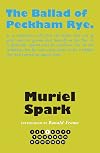
The Ballad of Peckham Rye
by Muriel Spark
On This Page
Description
The Ballad of Peckham Rye is the wickedly farcical fable of a blue-collar town turned upside down. When the firm of Meadows, Meade & Grindley hires Dougal Douglas (a.k.a. Douglas Dougal) to do "human research" into the private lives of its workforce, they are in no way prepared for the mayhem, mutiny, and murder he will stir up. In fact, this Music Man of the thoroughly modern corporation changes the lives of all the eccentric characters he meets, from Miss Merle Coverdale, head of the show more typing pool, to V.R. Druce, unsuspecting Managing Director. This is Dame Muriel Spark at her most devilishly piquant. show lessTags
Recommendations










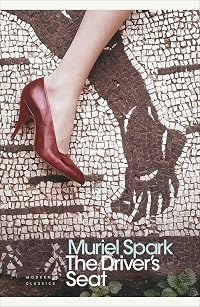
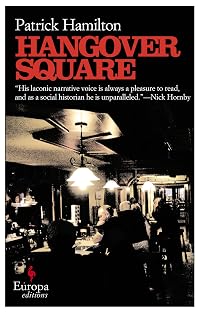
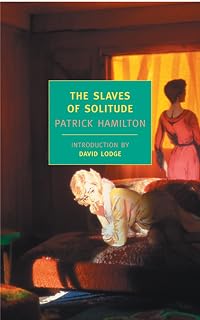

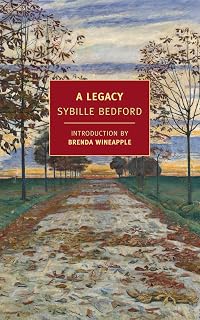


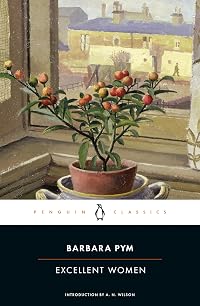
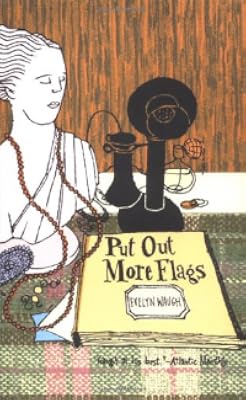
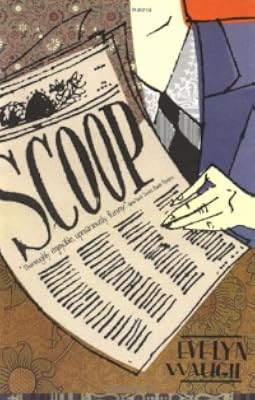
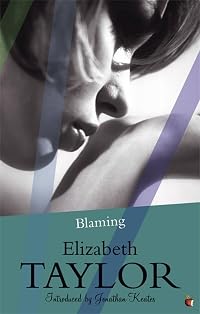





Member Recommendations

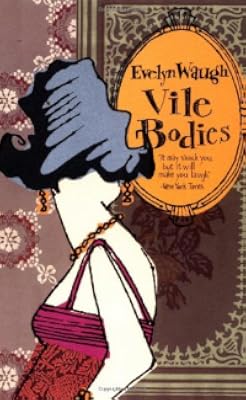
thorold Irresponsible agents of chaos let loose in South London

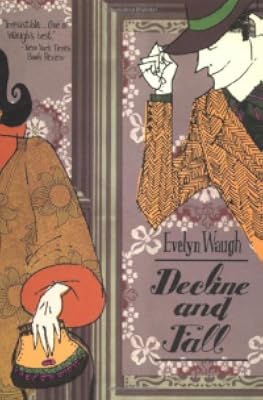
slickdpdx For fans of slim well-written novels about devilish young Scotsmen.
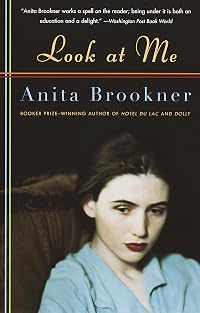
mambo_taxi Both novels feature highly dubious lead characters who will have you rooting for the more delicate side of evil in the end.
isabelx A stranger comes to town who may not be what we seems to be.
Member Reviews
Dougal Douglas, or Douglas Dougal if he is on the other side of the Rye, is an interloping fey source of chaos who nearly evenly divides opinion in Peckham, whether those opinions are expressed by workers in the mills, management, the police, elderly landladies, or aging actresses. Very few can pinpoint what exactly it is they like or dislike about Dougal. Certainly the things he says and what he does are constantly surprising. Dixie, betrothed to Humphrey, doesn’t like him. But Humphrey does. So does Mr Druce and Elaine and Merle. In fact, it’s probably true to say that no one is unaffected by him. But it can’t be leading to something good.
Muriel Spark is in top form with this sprightly tour de force as she quick-cuts forward and show more backward in time and jumps from one character to the next. The pace will leave you breathless. But that might also be due to the laughing. Some of what Dougal does is ridiculous. Yet it’s all so Dougal, isn’t it?
So easy to recommend. show less
Muriel Spark is in top form with this sprightly tour de force as she quick-cuts forward and show more backward in time and jumps from one character to the next. The pace will leave you breathless. But that might also be due to the laughing. Some of what Dougal does is ridiculous. Yet it’s all so Dougal, isn’t it?
So easy to recommend. show less
I'm in a generous mood and I do love Muriel Spark, so I'll give this one 3***. I very much liked the character of Dougal Douglas. In fact, if he really was the devil (or some such other diabolic spirit), then he's the kind of devil that Updike should have but failed to portray in the character of Daryll in Updike's very unsuccessful The Witches of Eastwick; and if The Ballad of Peckham Rye were ever made into a movie, my ideal image of Dougal Douglas would be a young Jack Nicholson. Still, the conclusion is just too confusing for Peckham Rye to merit more than 3***.
Dougal Douglas may be the devil, although realizing so won't help you any. He comes to Peckham and wreaks suburban corporate havoc. Breakdowns, failed marriages, violence. All in a day's work.
Spark has a lovely humor on the wry side, if not Rye. I think of it as a Spark-yness. This 1960 novel has extra-heavy wry humor. It's in every line, often very clever. Often culturally skewering. The substance was arguably thin... or maybe it resonates with everything in life. Anyway, this goes by quick. Certainly, fun enough.
2025
https://www.librarything.com/topic/375106#9046855
Spark has a lovely humor on the wry side, if not Rye. I think of it as a Spark-yness. This 1960 novel has extra-heavy wry humor. It's in every line, often very clever. Often culturally skewering. The substance was arguably thin... or maybe it resonates with everything in life. Anyway, this goes by quick. Certainly, fun enough.
2025
https://www.librarything.com/topic/375106#9046855
This is one of Spark's crazier novels, published the year before Miss Jean Brodie. It is set in a working-class district of South London, and the story is all about factory workers and their bosses, dances, nights at the pub, fights about girls, petty crime, adultery, saving up to get married, sneaking lovers past the landlady, etc., so it's clearly setting itself up as though it's in the same genre as the novels and plays of contemporaries like Alan Sillitoe and Stan Barstow. But this is most definitely not grittily realistic angry-young-man fiction, it's more like a sophisticated, playful parody of its conventions. No-one here is the victim of anything other than their own moral limitations. The violence, when it occurs, is as show more balletic as anything in West Side Story, and the story line is constantly wavering at the very edge of realism.
The comic disturbing agent in the plot is the Scotsman Dougal Douglas, who often seems to be Psmith playing the part of Donald Farfrae. We're in Wodehouse country, after all: Peckham Rye is just down the road from East Dulwich. Douglas is an agent of chaos who enjoys inserting himself into social situations and interfering at random. Apparently he does this simply to see what will happen, as Psmith did, but he himself also enjoys dropping hints that he is an incarnation of the Devil, an interpretation Spark does nothing to confirm or deny (Peckham Rye is also William Blake country...). In the course of the story he completely undermines employee morale in two local factories where he's been brought into the Personnel department as an "Arts man" with an ill-defined mission to tackle disaffection and absenteeism (so ill-defined that he's able to hold the same job simultaneously in both companies without his bosses noticing anything); he sends several managers into breakdowns or depression; he sabotages a long-planned wedding, and he's indirectly responsible for at least two deaths. And he has time to adapt his adventures to fit a ghosted autobiography he's writing for an elderly actress...
Entertaining in a very Sparkish way, but I'm not sure if it does anything beyond that. There may well be a serious moral tale buried under all that exuberant chaos, but if there is, it's so convoluted and ambiguous that few readers are going to bother to work it out. show less
The comic disturbing agent in the plot is the Scotsman Dougal Douglas, who often seems to be Psmith playing the part of Donald Farfrae. We're in Wodehouse country, after all: Peckham Rye is just down the road from East Dulwich. Douglas is an agent of chaos who enjoys inserting himself into social situations and interfering at random. Apparently he does this simply to see what will happen, as Psmith did, but he himself also enjoys dropping hints that he is an incarnation of the Devil, an interpretation Spark does nothing to confirm or deny (Peckham Rye is also William Blake country...). In the course of the story he completely undermines employee morale in two local factories where he's been brought into the Personnel department as an "Arts man" with an ill-defined mission to tackle disaffection and absenteeism (so ill-defined that he's able to hold the same job simultaneously in both companies without his bosses noticing anything); he sends several managers into breakdowns or depression; he sabotages a long-planned wedding, and he's indirectly responsible for at least two deaths. And he has time to adapt his adventures to fit a ghosted autobiography he's writing for an elderly actress...
Entertaining in a very Sparkish way, but I'm not sure if it does anything beyond that. There may well be a serious moral tale buried under all that exuberant chaos, but if there is, it's so convoluted and ambiguous that few readers are going to bother to work it out. show less
A satirical look at the social pretensions and morals of the working class in Peckham Rye, the novel employs the purposely befuddling character of Dougal Douglas to rouse up havoc in the lives of everybody he encounters. Is he intentionally doing so? Is he unintentionally doing so but compelled to as the personification of the devil? Is he actually a devil? Does he actually change shape or is he just an allegorical character onto whom the others can project their secret fears and desires? Spark leaves most of the questions unanswered - which may feel unsatisfying to some readers - the open-endedness of which I enjoy and rather prefer. In any case, the individual scenes which make up the novel, written in that wry Sparkness, is really show more all I ever ask for from a Spark book.
Aside: entertaining the idea that all Spark novels share the same universe. Not that outrageous but a sweet thought. show less
Aside: entertaining the idea that all Spark novels share the same universe. Not that outrageous but a sweet thought. show less
The introduction to this 2017 edition of ‘The Ballad of Peckham Rye’ is rambling and oblique, which I found both frustrating and understandable. It isn’t an easy novella to review. Not my favourite of Spark’s, but nonetheless very witty and dark in her characteristic style. It begins with the aftermath of a failed wedding, blamed on a certain Dougal Douglas. Spark then circles back to recount how Dougal Douglas came to interfere in these people’s peaceful Peckham lives. He is rather an agent of chaos, employed as a creative consultant of sorts to a textile firm. He is also ghost-writing an autobiography, then takes on a similar consultancy role at a rival firm. A mysterious character, his general aim seems to be making money show more while stirring up the repressed emotions of those around him. Motifs that recur include people crying with their heads in their arms after a short chat with him and frequent discussion of his sexuality and likeability.
Notable throughout ‘The Ballad of Peckham Rye’ are the astonishingly dysfunctional romantic relationships. Douglas’ boss quite literally does not speak to his wife and conducts an affair with a subordinate involving a very creepy role-play of domesticity. Seventeen year old Dixie is condemned by her boyfriend and family for trying to save money (not that she isn’t a bit tiresome about it). There is a sense of violence and conflict, as well as a total absence of affection, in all romances and marriages depicted. This is not particularly amusing, in fact it’s rather depressing. What makes the novella fun is Douglas’ puckish, absurd behaviour. His claims to have been born with horns, dancing with a bin lid, and conversations with Humphrey all season the tale.
Spark is excellent at showing the hysteria and despair lying just below the surface of workplace interactions. It would be over simplistic to describe Douglas as anti-capitalist, but I do enjoy his effectiveness at bringing a company down from the inside using nothing but dialogue. The convention that we go to work every morning and do our jobs is shown to be brittle and dependent upon an emotional equilibrium that can easily be disrupted. I did not make much of the denouement, which seems deliberately downplayed. Much like daily life, it is the offhand comments and snide little details that make the book enjoyable. show less
Notable throughout ‘The Ballad of Peckham Rye’ are the astonishingly dysfunctional romantic relationships. Douglas’ boss quite literally does not speak to his wife and conducts an affair with a subordinate involving a very creepy role-play of domesticity. Seventeen year old Dixie is condemned by her boyfriend and family for trying to save money (not that she isn’t a bit tiresome about it). There is a sense of violence and conflict, as well as a total absence of affection, in all romances and marriages depicted. This is not particularly amusing, in fact it’s rather depressing. What makes the novella fun is Douglas’ puckish, absurd behaviour. His claims to have been born with horns, dancing with a bin lid, and conversations with Humphrey all season the tale.
Spark is excellent at showing the hysteria and despair lying just below the surface of workplace interactions. It would be over simplistic to describe Douglas as anti-capitalist, but I do enjoy his effectiveness at bringing a company down from the inside using nothing but dialogue. The convention that we go to work every morning and do our jobs is shown to be brittle and dependent upon an emotional equilibrium that can easily be disrupted. I did not make much of the denouement, which seems deliberately downplayed. Much like daily life, it is the offhand comments and snide little details that make the book enjoyable. show less
Short, sharp and satanic. Spark takes an unforgiving look at the mores and pretensions of the working classes. Beware of charming young men who promise efficiency savings...
Members
- Recently Added By
Lists

The Telegraph's 110 Best Books: The Perfect Library
101 works; 18 members

Best of Scottish Literature
35 works; 6 members

Top Five Books of 2024
795 works; 264 members

Novels with a city or town in the title
61 works; 1 member
Author Information

102+ Works 22,855 Members
Muriel Spark has been called "our most chillingly comic writer since Evelyn Waugh" by the London Spectator, and the New Yorker praised her novel Memento Mori ri (1959) as "flawless." Her fiction is marked by its remarkable diversity, wit, and craftsmanship. "She happens to be, by some rare concatenation of grace and talent, an artist, a show more serious---and most accomplished---writer, a moralist engaged with the human predicament, wildly entertaining, and a joy to read" (SRSR). She became widely known in the United States when the New Yorker devoted almost an entire issue to The Prime of Miss Jean Brodie (1961). Set in Edinburgh in the 1930s, this is the story of a schoolteacher, her unorthodox approach to life, and its effect on her select group of adolescent girls. Though their idol turns out to have feet of clay, she leaves an indelible mark on their lives. The Girls of Slender Means (1963), also warmly praised, is a sardonic look at the vivacity of youth and the anxieties of young womanhood. Reviewing The Mandelbaum Gate (1965) for the New Republic, Honor Tracy wrote: "There is an abundance here of invention, humor, poetry, wit, perception, that all but takes the breath away. . . . The story, in fact, is pure adventure, with the suspense as artfully maintained as anywhere by Graham Greene, but this is only one ingredient. There are memorable descriptions of the Holy Land, fascinating insights into the jumble of intrigue and piety surrounding the Holy Places, and penetrating studies of Arabs. . . . In each of [Spark's] novels heretofore one of her qualities has tended to predominate over the others. Here for the first time they are all impressively marshaled side by side, resulting in her best work so far." The daughter of an Englishwoman and a Scottish-Jewish father, Spark was born and educated in Edinburgh. After her marriage in 1938, she lived for some years in Central Africa, a period rarely reflected in her work. During World War II, she returned to Britain, where she worked in the Political Intelligence Department of the Foreign Office after the breakup of her marriage. She has been a magazine editor and written poetry and literary criticism. Spark has lived in London's Camberwell section, the setting of The Ballad of Peckham Rye (1960), but now makes her home in New York. Her novels reflect her conversion to Roman Catholicism. (Bowker Author Biography) Writer Muriel Spark was born in Edinburgh on February 1, 1918. In 1934-1935 she took a course in commercial correspondence and précis writing at Heriot-Watt College. After her marriage in 1937, she lived for some years in Central Africa. During World War II, she returned to Britain, where she worked in the Political Intelligence Department of the Foreign Office after the breakup of her marriage. After the war, she began her literary career. She became General Secretary of the Poetry Society, worked as an editor and wrote studies of Mary Shelley, John Masefield and the Brontë sisters. Her first book of poetry, The Fanfarlo and Other Verse, was published in 1952 and her first novel, The Comforters, was published in 1957. She wrote over twenty books including The Prime of Miss Jean Brodie and The Finishing School. She won numerous awards and honors including the 1965 James Tait Black Memorial Prize for The Mandelbaum Gate, the 1992 U. S. Ingersoll Foundation T. S. Eliot Award, the 1997 David Cohen British Literature Prize for Lifetime Achievement, and in 1993 she became Dame Commander of the Order of the British Empire in recognition of her services to literature. The Scottish Arts Council created the Muriel Spark International Fellowship in 2004. She died on April 13, 2006. (Bowker Author Biography) show less
Some Editions
Awards and Honors
Notable Lists
Series
Belongs to Publisher Series
Work Relationships
Is contained in
Common Knowledge
- Canonical title
- The Ballad of Peckham Rye
- Original title
- The Ballad of Peckham Rye
- Original publication date
- 1960
- People/Characters
- Dougal Douglas; Humphrey Place; Dixie Morse
- Important places
- Peckham Rye, Southwark, London, England, UK; London, England, UK
- Dedication
- For Robin with love
- First words
- 'Get away from here you dirty swine,' she said.
'There's a dirty swine in every man,' he said.
'Showing your face round here again,' she said.
'Now, Mavis, now, Mavis,' he said.
She was seen to slam the door in hi... (show all)s face, and he to press the bell, and she to open the door again. -Chapter One - Blurbers
- Wilson, A.N.; Updike, John; Penelope Mortimer
- Original language
- English
Classifications
Statistics
- Members
- 836
- Popularity
- 33,022
- Reviews
- 25
- Rating
- (3.45)
- Languages
- 9 — Bulgarian, Danish, English, French, German, Italian, Polish, Russian, Swedish
- Media
- Paper, Audiobook, Ebook
- ISBNs
- 26
- ASINs
- 21