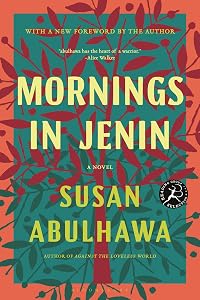
Mornings in Jenin
by Susan Abulhawa
On This Page
Description
A heart-wrenching, powerfully written novel that does for Palestine what The Kite Runner did for Afghanistan.Mornings in Jenin is a multi-generational story about a Palestinian family. Forcibly removed from the olive-farming village of Ein Hod by the newly formed state of Israel in 1948, the Abulhejos are displaced to live in canvas tents in the Jenin refugee camp. We follow the Abulhejo family as they live through a half century of violent history. Amidst the loss and fear, hatred and show more pain, as their tents are replaced by more forebodingly permanent cinderblock huts, there is always the waiting, waiting to return to a lost home.
The novel's voice is that of Amal, the granddaughter of the old village patriarch, a bright, sensitive girl who makes it out of the camps, only to return years later, to marry and bear a child. Through her eyes, with her evolving vision, we get the story of her brothers, one who is kidnapped to be raised Jewish, one who will end with bombs strapped to his middle. But of the many interwoven stories, stretching backward and forward in time, none is more important than Amal's own. Her story is one of love and loss, of childhood and marriage and parenthood, and finally the need to share her history with her daughter, to preserve the greatest love she has.
Set against one of the twentieth century's most intractable political conflicts, Mornings in Jenin is a deeply human novel - a novel of history, identity, friendship, love, terrorism, surrender, courage, and hope. Its power forces us to take a fresh look at one of the defining conflicts of our lifetimes. show less
Tags
Recommendations








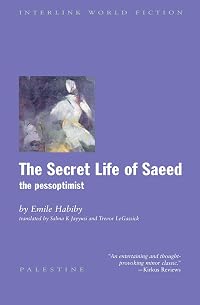

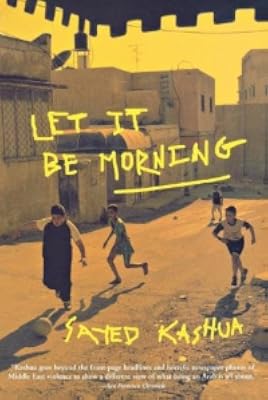

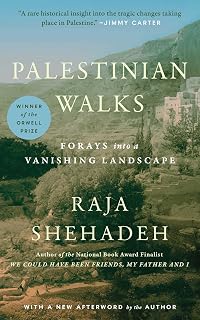
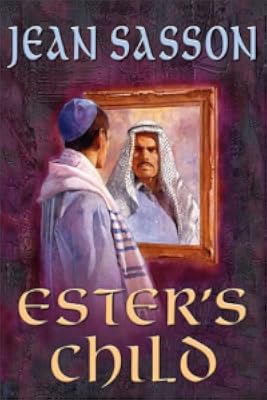



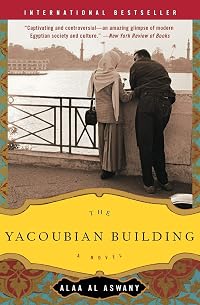
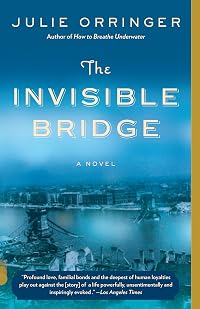
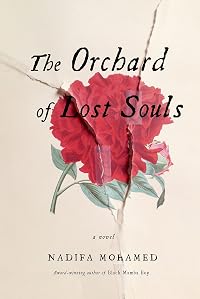
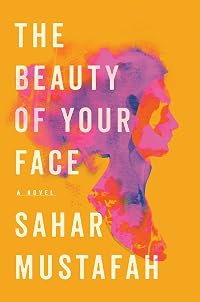
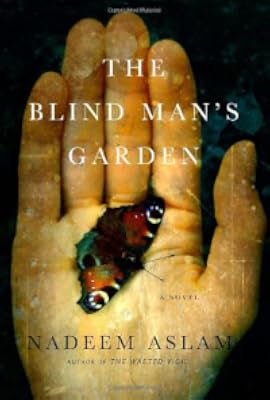
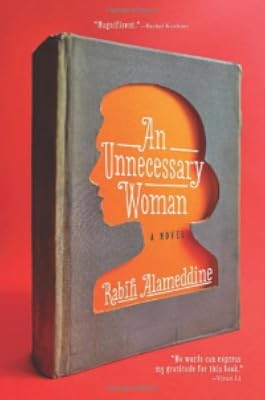
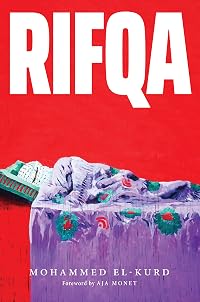
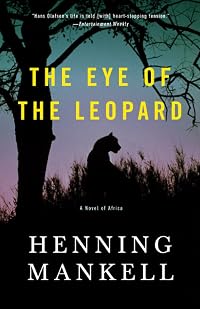


Member Recommendations


by anonymous user

Member Reviews
Bellissimo e indimenticabile.
Leggere questo libro è stata un'esperienza incredibile sotto tutti i punti di vista e mi ha colpito nel profondo come non avrei mai pensato possibile.
È il racconto delle vicissitudini di quattro generazioni di una famiglia araba, gli Abulheja, narrate a partire dal 1948 in parallelo alla vera storia della Palestina, dal momento in cui verranno costretti con la forza ad abbandonare la loro casa ad ‘Ain Hod per essere trasferiti nel campo profughi di Jenin.
Un racconto duro e straziante ma al tempo stesso dolce, tenero e nostalgico, scevro comunque da qualsiasi acrimonia e recriminazione ma che ti fa entrare a viva forza in una realtà terribile e difficilissima, finora solo immaginata, ma che adesso show more queste parole hanno invece reso quasi tangibile.
Ci sono pagine che non potrò dimenticare, che ho letto con difficoltà perché la commozione e quello che sentivo mi impedivano di andare avanti, ci sono immagini che si sono create nella mia mente che non si cancelleranno, ci sono parole e frasi lette che risveglieranno ricordi e c'è la convinzione che quello che viene narrato è la realtà di quanto è successo. E poi ci sono le mille domanda che sorgono spontanee durante la lettura, una su tutte continua rigirare nella mia testa: ma com’è possibile che persone che hanno subito l’infamia dell’Olocausto possano dimenticare così in fretta quello che hanno subito e passare senza alcuna remora dal ruolo di vittime a quello di torturatori? La mente umana è così facile a dimenticare le sofferenze pur di raggiungere un fine, peraltro, in questo caso, alquanto discutibile nella sua legittimità?
Un libro che, oserei dire, andrebbe letto obbligatoriamente anche solo per farci capire quanto grande è la fortuna di nascere in un posto piuttosto che in un altro. show less
Leggere questo libro è stata un'esperienza incredibile sotto tutti i punti di vista e mi ha colpito nel profondo come non avrei mai pensato possibile.
È il racconto delle vicissitudini di quattro generazioni di una famiglia araba, gli Abulheja, narrate a partire dal 1948 in parallelo alla vera storia della Palestina, dal momento in cui verranno costretti con la forza ad abbandonare la loro casa ad ‘Ain Hod per essere trasferiti nel campo profughi di Jenin.
Un racconto duro e straziante ma al tempo stesso dolce, tenero e nostalgico, scevro comunque da qualsiasi acrimonia e recriminazione ma che ti fa entrare a viva forza in una realtà terribile e difficilissima, finora solo immaginata, ma che adesso show more queste parole hanno invece reso quasi tangibile.
Ci sono pagine che non potrò dimenticare, che ho letto con difficoltà perché la commozione e quello che sentivo mi impedivano di andare avanti, ci sono immagini che si sono create nella mia mente che non si cancelleranno, ci sono parole e frasi lette che risveglieranno ricordi e c'è la convinzione che quello che viene narrato è la realtà di quanto è successo. E poi ci sono le mille domanda che sorgono spontanee durante la lettura, una su tutte continua rigirare nella mia testa: ma com’è possibile che persone che hanno subito l’infamia dell’Olocausto possano dimenticare così in fretta quello che hanno subito e passare senza alcuna remora dal ruolo di vittime a quello di torturatori? La mente umana è così facile a dimenticare le sofferenze pur di raggiungere un fine, peraltro, in questo caso, alquanto discutibile nella sua legittimità?
Un libro che, oserei dire, andrebbe letto obbligatoriamente anche solo per farci capire quanto grande è la fortuna di nascere in un posto piuttosto che in un altro. show less
La storia di tre generazioni di palestinesi, dal 1948 in poi, una vera e propria epopea narrativa che racconta finalmente Jenin dalla parte di chi non parla mai: dei vinti.
E' un libro duro, implacabile. Implacabile nel giudizio negativo sulle politiche israeliane e americane, ma mai contro le persone (commovente quando Amal ritrova il fratello perduto, che ha vissuto in una famiglia ebrea e ha assunto valori ebraici, e arriva a considerarlo fratello al di là di tutto, anche dei suoi evidenti torti). Non mancano riferimenti alla cultura araba, considerata positivamente ma che come tutte le culture è soggetta a cattiverie, esagerazioni, violenze, in specie contro la donna.
Mi ha colpito in particolare un brano in cui Fatima spiega che show more amare per gli americani (e intendo io, per estensione, gli occidentali) è molto diverso dall'amare palestinese. All'inizio la cosa mi è sembrata scorretta, ma riflettendo mi è venuto in mente l'amore dei miei nonni, usciti dalla seconda guerra mondiale; e sì, è diverso dal nostro. L'amore di chi ha visto l'orrore è diverso da chi ne ha sentito solo parlare dai tg, ed è in questo e in niente altro che ci si differenzia: l'essere in pace e l'essere in guerra.
Particolarmente straziante il resoconto della guerra del Libano e del massacro di Shabra el Sathila, di cui a scuola non si studia niente. E illuminante il fatto che dei soldati israeliani, figli dei superstiti dell'Olocausto, si trovino a far da custodi alla carneficina di altri esseri umani. L'insensatezza di tutto questo colpisce come uno schiaffo e ci rende responsabili se non altro per tutti quei momenti in cui dimentichiamo e lasciamo che sia.
Leggete questo libro se volete per un attimo capire cosa nutre il terrorismo, le ferite dell'anima che impediscono tuttora di raggiungere una pace che sarebbe comunque squilibrata, l'incapacità drammatica di una classe politica di essere all'altezza del suo compito, l'assurdo controsenso di un popolo che ha visto la propria oppressione farsi in qualche modo a sua volta violenza su persone immeritevoli.
La ragione non sta mai da una sola parte, questo è vero. Ma dovrebbe non essere consentito mai dimenticare da quale parte muoiono i bambini, dov'è che manca tuttora assistenza medica, dov'è che ancora la gente vive in campi profughi. La giustizia non può che gridare che Israele e con lui l'Occidente intero ha molto su cui riflettere e moltissimo da farsi perdonare. show less
E' un libro duro, implacabile. Implacabile nel giudizio negativo sulle politiche israeliane e americane, ma mai contro le persone (commovente quando Amal ritrova il fratello perduto, che ha vissuto in una famiglia ebrea e ha assunto valori ebraici, e arriva a considerarlo fratello al di là di tutto, anche dei suoi evidenti torti). Non mancano riferimenti alla cultura araba, considerata positivamente ma che come tutte le culture è soggetta a cattiverie, esagerazioni, violenze, in specie contro la donna.
Mi ha colpito in particolare un brano in cui Fatima spiega che show more amare per gli americani (e intendo io, per estensione, gli occidentali) è molto diverso dall'amare palestinese. All'inizio la cosa mi è sembrata scorretta, ma riflettendo mi è venuto in mente l'amore dei miei nonni, usciti dalla seconda guerra mondiale; e sì, è diverso dal nostro. L'amore di chi ha visto l'orrore è diverso da chi ne ha sentito solo parlare dai tg, ed è in questo e in niente altro che ci si differenzia: l'essere in pace e l'essere in guerra.
Particolarmente straziante il resoconto della guerra del Libano e del massacro di Shabra el Sathila, di cui a scuola non si studia niente. E illuminante il fatto che dei soldati israeliani, figli dei superstiti dell'Olocausto, si trovino a far da custodi alla carneficina di altri esseri umani. L'insensatezza di tutto questo colpisce come uno schiaffo e ci rende responsabili se non altro per tutti quei momenti in cui dimentichiamo e lasciamo che sia.
Leggete questo libro se volete per un attimo capire cosa nutre il terrorismo, le ferite dell'anima che impediscono tuttora di raggiungere una pace che sarebbe comunque squilibrata, l'incapacità drammatica di una classe politica di essere all'altezza del suo compito, l'assurdo controsenso di un popolo che ha visto la propria oppressione farsi in qualche modo a sua volta violenza su persone immeritevoli.
La ragione non sta mai da una sola parte, questo è vero. Ma dovrebbe non essere consentito mai dimenticare da quale parte muoiono i bambini, dov'è che manca tuttora assistenza medica, dov'è che ancora la gente vive in campi profughi. La giustizia non può che gridare che Israele e con lui l'Occidente intero ha molto su cui riflettere e moltissimo da farsi perdonare. show less
I feel like a stupid American. A really stupid American. Of course I've been aware of the Arab/Israeli conflict for decades but this gut wrenching book brought so much to the forefront, in graphic, horrifying detail that just tore my heart out. Read for Paul's Middle East Challenge, this book has been sitting on my shelf since 2011 and I'm so glad I finally read it because it was eye opening and even though it is fiction, the author had so many sources to verify the facts she presented in the book.
Forced to live their lives in a refugee camp in Jenin after continual bombing and attacks, not for months but for years and years after their land and home were taken from them, Amal and her family and friends suffer in numerous and terrible show more ways. Heartbreaking, and relevant to this day. show less
Forced to live their lives in a refugee camp in Jenin after continual bombing and attacks, not for months but for years and years after their land and home were taken from them, Amal and her family and friends suffer in numerous and terrible show more ways. Heartbreaking, and relevant to this day. show less
Mornings in Jenin by Susan Abulhawa was both a difficult book to read and a difficult book to write a review on. This was one of the most emotional reads I’ve had in a very long time. This is the story of the Palestine refugees told in a way that I personally had never known. This is a story of loss. The characters face the loss of their land, the loss of their dignity and the loss of their lives. The author opened my eyes to an event that has been on the world stage for a generation, yet one I really knew very little about.
The story of one Palestinian family from the 1940’s through to 2003 was a story of hardship, war and hatred. I was surprised and angry to read of such horrible acts that were committed by the same people who show more were mistreated and murdered by the Nazis. I know this book is probably more than a little one-sided and I need to balance my views by reading something from the Israeli point of view, but the message I take from Mornings In Jenin is that violence begets violence in a never ending cycle.
Both heart and gut-wrenching, Mornings In Jenin is a powerful read that resonated with me and left me feeling a sense of both loss and guilt. A moving story that takes one behind the headlines and gives us a personal look at the cost of disassembling a nation. show less
The story of one Palestinian family from the 1940’s through to 2003 was a story of hardship, war and hatred. I was surprised and angry to read of such horrible acts that were committed by the same people who show more were mistreated and murdered by the Nazis. I know this book is probably more than a little one-sided and I need to balance my views by reading something from the Israeli point of view, but the message I take from Mornings In Jenin is that violence begets violence in a never ending cycle.
Both heart and gut-wrenching, Mornings In Jenin is a powerful read that resonated with me and left me feeling a sense of both loss and guilt. A moving story that takes one behind the headlines and gives us a personal look at the cost of disassembling a nation. show less
A rarely told Palestinian story (though perhaps more of their stories have been told since this was written). Heartbreaking on two levels especially, what these people experienced, and that they experienced it at the hands of people who one would hope and wish had kept bloodless hands. There is no denial in this novel that the Palestinians have blood on their hands too.
Abulhawa witnessed some of these events, and witnessed the denial of them by the UN and others. Knowing there would be denial of the contents of her novel, she quoted from the works of respected historians in a few areas. But this is a novel, a story of one family and their neighbours and friends.
It wrung my heart at the end when one young Palestinian is given a visa to show more study in the US, and writes home to say that he can't believe what life is like living somewhere there is no war. At the current time, we too should be remembering this. But then there is always war somewhere, and many of those wars go unacknowledged by those of us in safety. show less
Abulhawa witnessed some of these events, and witnessed the denial of them by the UN and others. Knowing there would be denial of the contents of her novel, she quoted from the works of respected historians in a few areas. But this is a novel, a story of one family and their neighbours and friends.
It wrung my heart at the end when one young Palestinian is given a visa to show more study in the US, and writes home to say that he can't believe what life is like living somewhere there is no war. At the current time, we too should be remembering this. But then there is always war somewhere, and many of those wars go unacknowledged by those of us in safety. show less
This is such a powerful book. I didn't love the narration. The shifts in perspective were weird to me and I didn't grasp the reasoning behind them. (I did love how poetry from Gabril, Darwish and others was woven into the narrative.) However, the story itself was compelling and sad and infuriating. It took me a long time to finish this because I had to put it down several times. I hate that it was first published about twenty years ago and is still so current. There is a moment when one of the characters says something like not even Israel would bomb a hospital and well, we all know how that goes. I know that many readers see the ending as hopeful but it is was hard for me not to feel hopeless reading this. We all know this story by now show more and yet it keeps repeating. show less
I try to limit the number of these sorts of books I read in year, because they are so depressing. As someone who is neither Jewish nor Palestinian, I am not personally connected to the 'conflict in Israel' tha has been going on since long before I was born. I know enough about it, though, that this novel was not a history lesson for me, more a reminder of the ugliness that humans can create for each other. I have Jewish and Palestinian friends, and have learned to remain respectfully silent about the violence and cruelty both sides continue to show each other in Israel. I can't stop the hatred and evil between these peoples, no matter how much I dwell on it, so I make sure I tune in every so often to what is happening in that part of show more the planet, and then go on with my own life as best I can.
Books like this one bring the evils of humanity back into focus. In this story, we follow a Palestinian family from a pre-1940's peaceful village that grew olives, through the atrocities of WW2 and the 'birth' of Israel, to the still-ongoing simmer of evil perpetuated by both sides. Since this book follows a Palestinian family, we see mostly the evils visited on Palestinians by Israelis (a side that the American government has long been eager to suppress from American awareness). But from the stories American media does cover about the evils Palestinians visit on Israelis, I knew all the while I was reading this book that there are always more evils going on just off screen. The 'good guys', those non-combatant civilians who just want to live in safety and some sort of comfort, become the victims of both sides, and so long as Israel exists and has not yet completed its implied genocide of the Palestinian people, the violence seems like it must go on forever.
Do I recommend this book? Of course. Israel is not the only place on Earth where we have created a perpetual cycle of evil, but it is a very important one because it is so visible and contained, and maybe if we ever figure out how to achieve lasting peace in Israel, we can apply what we learn to other places and 'conflicts'. But this is not a book to inspire hope for a better future. Reading this story may result in temporary dislike of humans, for the fact that the people who are doing the evil in this book are not monsters, but normal, nice people, not much different from everyone you yourself know and trust. Working out the nature of the evil in Israel and Chechnya and Sudan and everywhere else it has taken root is going to require really looking at it and recognizing that none of us are immune to it, and if we are not perpetuating the evil, there may be a time when we get to become its victims instead. (And yes, for the rest of the year I'll be reading happier or less realistic books and recovering some capacity to like humans again.) show less
Books like this one bring the evils of humanity back into focus. In this story, we follow a Palestinian family from a pre-1940's peaceful village that grew olives, through the atrocities of WW2 and the 'birth' of Israel, to the still-ongoing simmer of evil perpetuated by both sides. Since this book follows a Palestinian family, we see mostly the evils visited on Palestinians by Israelis (a side that the American government has long been eager to suppress from American awareness). But from the stories American media does cover about the evils Palestinians visit on Israelis, I knew all the while I was reading this book that there are always more evils going on just off screen. The 'good guys', those non-combatant civilians who just want to live in safety and some sort of comfort, become the victims of both sides, and so long as Israel exists and has not yet completed its implied genocide of the Palestinian people, the violence seems like it must go on forever.
Do I recommend this book? Of course. Israel is not the only place on Earth where we have created a perpetual cycle of evil, but it is a very important one because it is so visible and contained, and maybe if we ever figure out how to achieve lasting peace in Israel, we can apply what we learn to other places and 'conflicts'. But this is not a book to inspire hope for a better future. Reading this story may result in temporary dislike of humans, for the fact that the people who are doing the evil in this book are not monsters, but normal, nice people, not much different from everyone you yourself know and trust. Working out the nature of the evil in Israel and Chechnya and Sudan and everywhere else it has taken root is going to require really looking at it and recognizing that none of us are immune to it, and if we are not perpetuating the evil, there may be a time when we get to become its victims instead. (And yes, for the rest of the year I'll be reading happier or less realistic books and recovering some capacity to like humans again.) show less
Members
- Recently Added By
Published Reviews
ThingScore 100
The everyday life of cramped conditions, poverty, restriction, and the fear of soldiers, guns, checkpoints and beatings, would have been enough to make the novel unforgettable, but Abulhawa's writing also shines, at best assured and unsentimental.
added by mikeg2
Mornings in Jenin (Susan Abulhawa)
This book is the story of Amal Abulheja and her family spanning 54 years. It starts in 1948 when the family is removed from their home in Ein Hod and forced to live as refugees in Jenin. It is a tragic tale of war and loss, yet is also a story of family bonding, love and dedication.
Amal goes through war and conflict between Palestine (Muslims) and Israel show more (Jewish). She is a strong proud woman, with tragedy following her. The vivid detail of war and terror is heart felt and grabbed me by the heart. It is difficult for one to imagine to live as refuges, with curfews and fear, bombs gunfire and death. The graphic detail of the treatment of the refuges, especially the children was heart wrenching. All the lives lost is saddening. This story left an impression. One that makes me want peace within the world, more than ever before. How this will happen, I have no clue.
I admit I know little of the conflict between Palestine & Israel and I suppose most of the world does not understand, nor know as well. (I could be wrong, but it is my opinion). I found this an unforgettable read. I highly recommend Mornings In Jenin and would love to read more by Ms. Abulhawa. show less
This book is the story of Amal Abulheja and her family spanning 54 years. It starts in 1948 when the family is removed from their home in Ein Hod and forced to live as refugees in Jenin. It is a tragic tale of war and loss, yet is also a story of family bonding, love and dedication.
Amal goes through war and conflict between Palestine (Muslims) and Israel show more (Jewish). She is a strong proud woman, with tragedy following her. The vivid detail of war and terror is heart felt and grabbed me by the heart. It is difficult for one to imagine to live as refuges, with curfews and fear, bombs gunfire and death. The graphic detail of the treatment of the refuges, especially the children was heart wrenching. All the lives lost is saddening. This story left an impression. One that makes me want peace within the world, more than ever before. How this will happen, I have no clue.
I admit I know little of the conflict between Palestine & Israel and I suppose most of the world does not understand, nor know as well. (I could be wrong, but it is my opinion). I found this an unforgettable read. I highly recommend Mornings In Jenin and would love to read more by Ms. Abulhawa. show less
added by SheriAWilkinson
Lists

Middle East Fiction
179 works; 16 members

8x8 Challenge 2015
64 works; 1 member

Decolonize Palestine's Reading List
126 works; 3 members

Books Read in 2026
2,127 works; 70 members
Author Information

7+ Works 2,199 Members
Awards and Honors
Distinctions
Series
Belongs to Publisher Series
Diana Taschenbuch (35662)
Common Knowledge
- Canonical title
- Mornings in Jenin
- Original title
- The Scar of David
- Alternate titles
- The Scar of David
- Original publication date
- 2006
- People/Characters
- Amal Abulheja; Hasan Yehya Abulheja; Ari Perlstein; Dalia; David Avaram; Yousef Abulheja
- Important places
- Ein Hod; Jenin Refugee Camp, West Bank; Palestine; Lebanon
- Important events
- 1948 Arab-Israel War; Six-Day War (1967-06-05 | 1967-06-10); Battle of Jenin (2002-04)
- Dedication
- For Natalie, and for Seif
- First words
- Amal wanted a closer look into the soldier's eyes, but the muzzle of his automatic rifle, pressed against her forehead, would not allow it.
- Last words
- (Click to show. Warning: May contain spoilers.)... and Love shall not be wrested from my veins.
- Original language
- English
- Disambiguation notice
- Mornings in Jenin was also published as The Scar of David.
Classifications
Statistics
- Members
- 1,346
- Popularity
- 17,874
- Reviews
- 83
- Rating
- (4.06)
- Languages
- 12 — Arabic, Danish, Dutch, English, Finnish, French, German, Italian, Norwegian (Bokmål), Portuguese, Spanish, Swedish
- Media
- Paper, Audiobook, Ebook
- ISBNs
- 58
- ASINs
- 13
