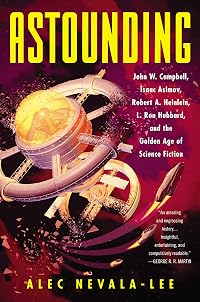
Astounding [Anthology]
by Alec Nevala-Lee
On This Page
Description
Hugo and Locus Award FinalistAn Economist Best Book of the YearA Milwaukee Journal Sentinel Best Book of 2018"An amazing and engrossing history...Insightful, entertaining, and compulsively readable." -- George R. R. Martin"Enthralling...A clarion call to enlarge American literary history." -- Washington Post"Engrossing, well-researched... This sure-footed history addresses important issues, such as the lack of racial diversity and gender parity for much of the genre's history." -- Wall show more Street Journal"A gift to science fiction fans everywhere." -- Sylvia Nasar, New York Times bestselling author of A Beautiful MindAstounding is the landmark account of the extraordinary partnership between four controversial writers--John W. Campbell, Isaac Asimov, Robert A. Heinlein, and L. Ron Hubbard--who set off a revolution in science fiction and forever changed our world.This remarkable cultural narrative centers on the figure of John W. Campbell, Jr., whom Asimov called "the most powerful force in science fiction ever." Campbell, who has never been the subject of a biography until now, was both a visionary author--he wrote the story that was later filmed as The Thing--and the editor of the groundbreaking magazine best known as Astounding Science Fiction, in which he discovered countless legendary writers and published classic works ranging from the I, Robot series to Dune. Over a period of more than thirty years, from the rise of the pulps to the debut of Star Trek, he dominated the genre, and his three closest collaborators reached unimaginable heights. Asimov became the most prolific author in American history; Heinlein emerged as the leading science fiction writer of his generation with the novels Starship Troopers and Stranger in a Strange Land; and Hubbard achieved lasting fame--and infamy--as the founder of the Church of Scientology.Drawing on unexplored archives, thousands of unpublished letters, and dozens of interviews, Alec Nevala-Lee offers a riveting portrait of this circle of authors, their work, and their tumultuous private lives. With unprecedented scope, drama, and detail, Astounding describes how fan culture was born in the depths of the Great Depression; follows these four friends and rivals through World War II and the dawn of the atomic era; and honors such exceptional women as Do a Campbell and Leslyn Heinlein, whose pivotal roles in the history of the genre have gone largely unacknowledged. For the first time, it reveals the startling extent of Campbell's influence on the ideas that evolved into Scientology, which prompted Asimov to observe: "I knew Campbell and I knew Hubbard, and no movement can have two Messiahs." It looks unsparingly at the tragic final act that estranged the others from Campbell, bringing the golden age of science fiction to a close, and it illuminates how their complicated legacy continues to shape the imaginations of millions and our vision of the future itself. show lessTags
Recommendations













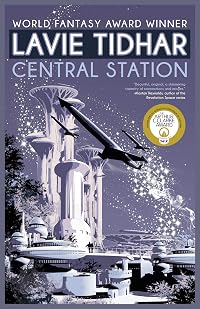
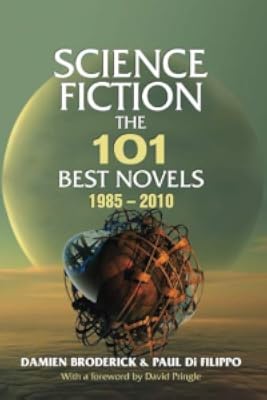
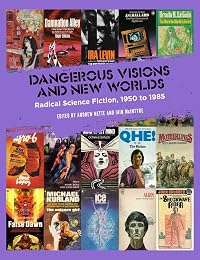
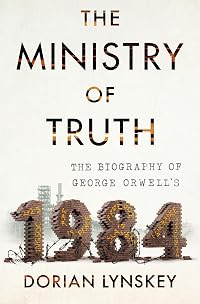








Member Recommendations
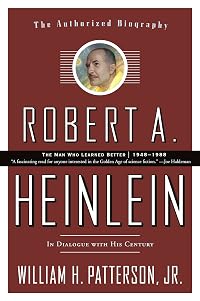
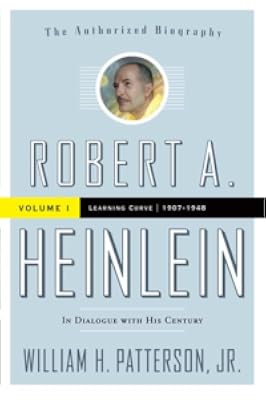
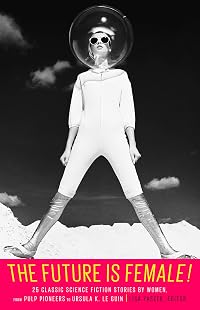
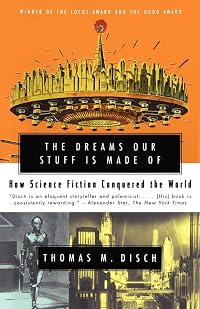
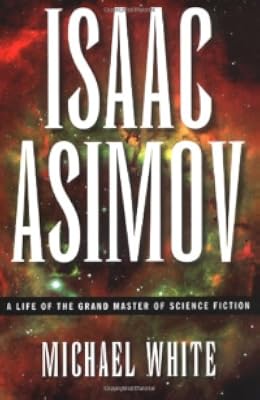
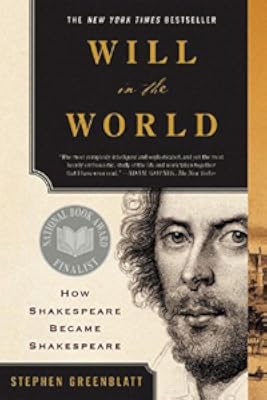
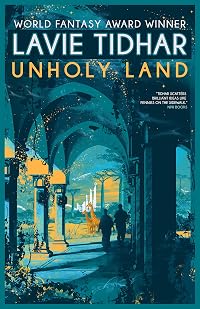
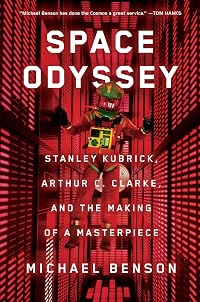
aulandez Excellent narrative histories that take a similar approach to outlining the development of a genre-defining publication and the collaborative relationships between the creative giants that shaped it.

Member Reviews
4/5
An above average historical look at the 'golden age' of science fiction, and the specific men that played the largest role in it's formation. The primary muse of the book is John W. Campbell, the editor of Astounding magazine, which was the most popular science fiction pulp magazine for several decades before and after WWII. Nevala-Lee does a great job of balancing the examination of what Campbell did to champion the genre, and diving into his personal life to see his own moral failings. This was perhaps my favorite part of the book, because a lesser work would've idolized Campbell, Asimov, Heinlein, and Hubbard, perhaps simply focusing on their contributions to the burgeoning genre.
Instead, we also see all of these authors at their show more worst, from Hubbard's psychopathic creation of a shame religion, to Asimov's repeated casual sexual assaults, Heinlein's repulsive political leanings, and Campbell's blatant racism. Something they all share though is an attempted erasure of the important women in their lives. Particularly when it comes to Campbell and Heinlein, it seems that their first wives played a large role in creating their abilities. They relied heavily on these women, and then simply cast them aside when they became an inconvenience. Leslyn and Doña could be as recognized in the genre as Brackett, Moore, or Merril, but instead I'm hearing about their impact for the first time here. It takes some really good writing to be as focused on the history of the genre as this book is, and have time to explore all of these more personal deep dives like Nevala-Lee does. This balance speaks to their acumen as a writer.
Ultimately, it's hard to separate my love for the genre with the book itself. It's hard for me to tell whether I loved it because I was predisposed to, or because it's genuinely good. show less
An above average historical look at the 'golden age' of science fiction, and the specific men that played the largest role in it's formation. The primary muse of the book is John W. Campbell, the editor of Astounding magazine, which was the most popular science fiction pulp magazine for several decades before and after WWII. Nevala-Lee does a great job of balancing the examination of what Campbell did to champion the genre, and diving into his personal life to see his own moral failings. This was perhaps my favorite part of the book, because a lesser work would've idolized Campbell, Asimov, Heinlein, and Hubbard, perhaps simply focusing on their contributions to the burgeoning genre.
Instead, we also see all of these authors at their show more worst, from Hubbard's psychopathic creation of a shame religion, to Asimov's repeated casual sexual assaults, Heinlein's repulsive political leanings, and Campbell's blatant racism. Something they all share though is an attempted erasure of the important women in their lives. Particularly when it comes to Campbell and Heinlein, it seems that their first wives played a large role in creating their abilities. They relied heavily on these women, and then simply cast them aside when they became an inconvenience. Leslyn and Doña could be as recognized in the genre as Brackett, Moore, or Merril, but instead I'm hearing about their impact for the first time here. It takes some really good writing to be as focused on the history of the genre as this book is, and have time to explore all of these more personal deep dives like Nevala-Lee does. This balance speaks to their acumen as a writer.
Ultimately, it's hard to separate my love for the genre with the book itself. It's hard for me to tell whether I loved it because I was predisposed to, or because it's genuinely good. show less
This is a hard one.
Astounding by Alec Nevala-Lee is a new book about John W. Campbell the editor of "Astounding Science Fiction" and the early days of "pulp" science fiction
This book focuses on Campbell and three of his superstar writers : Isaac Asimov, Robert Heinlein and (how did he get in here?) L. Ron Hubbard.
The time after the war was a time of scientific excitement and the dawn of real space travel. Science Fiction was getting past the "Matt Basterson, Space Marshall" stage and trying on long pants and Campbell was a big big part of that. Asimov's Foundation series, Heinlein's early Future History stories, the wonderful A. E. Van Vogt and others are recalled. So that's good.
BUT:
You also have to hear about Campbell the racist show more and the mystic, who used the "Hard Science" pages of Astounding to push Hubbard's loony "Dianetics" nonsense. And you have to wince hearing about Kay Tarrant Campbells "Secretary" who really co-edited the magazine but never got one tenth of the credit due to her.
And you have to hear that Heinlein started out as libertarian and visionary and ended up
a paranoid (and cruel) curmudgeon. (and lazy writer, endlessly recycling old plots)
And L. Ron Hubbard who was never better than a "C" level writer anyway (and was a creep besides) and whose creation of "Scientology" and the deep deep madness that followed might have been (has been) better covered in a different book.
And Isaac Asimov who was funny and chatty and a good hard working writer but who was so insecure about women and so immature about it that he tended to pinch bottoms and brush "accidentally" against breasts to the point where women who knew the score learned to avoid the part of the office or the part of the Sci-Fi convention where Isaac Asimov happened to be. "The Sensuous Dirty Old Man" he called himself. Women might have challenged the "Sensuous" part.
Confession to make: I was one of the geeky kids who liked to hang around Dr Asimov and I certainly was witness to some of the above. Did i call him out on it? I sure didn't. Did I know better? Yeah, I did.
A good book and well researched. If you're interested in the history of science-fiction this is not a bad place to start. And yet. And Yet. show less
Astounding by Alec Nevala-Lee is a new book about John W. Campbell the editor of "Astounding Science Fiction" and the early days of "pulp" science fiction
This book focuses on Campbell and three of his superstar writers : Isaac Asimov, Robert Heinlein and (how did he get in here?) L. Ron Hubbard.
The time after the war was a time of scientific excitement and the dawn of real space travel. Science Fiction was getting past the "Matt Basterson, Space Marshall" stage and trying on long pants and Campbell was a big big part of that. Asimov's Foundation series, Heinlein's early Future History stories, the wonderful A. E. Van Vogt and others are recalled. So that's good.
BUT:
You also have to hear about Campbell the racist show more and the mystic, who used the "Hard Science" pages of Astounding to push Hubbard's loony "Dianetics" nonsense. And you have to wince hearing about Kay Tarrant Campbells "Secretary" who really co-edited the magazine but never got one tenth of the credit due to her.
And you have to hear that Heinlein started out as libertarian and visionary and ended up
a paranoid (and cruel) curmudgeon. (and lazy writer, endlessly recycling old plots)
And L. Ron Hubbard who was never better than a "C" level writer anyway (and was a creep besides) and whose creation of "Scientology" and the deep deep madness that followed might have been (has been) better covered in a different book.
And Isaac Asimov who was funny and chatty and a good hard working writer but who was so insecure about women and so immature about it that he tended to pinch bottoms and brush "accidentally" against breasts to the point where women who knew the score learned to avoid the part of the office or the part of the Sci-Fi convention where Isaac Asimov happened to be. "The Sensuous Dirty Old Man" he called himself. Women might have challenged the "Sensuous" part.
Confession to make: I was one of the geeky kids who liked to hang around Dr Asimov and I certainly was witness to some of the above. Did i call him out on it? I sure didn't. Did I know better? Yeah, I did.
A good book and well researched. If you're interested in the history of science-fiction this is not a bad place to start. And yet. And Yet. show less
If science-fiction has a name, it's John W. Campbell. As editor of Astounding Science Fiction during the crucial Golden Age of Science Fiction from 1937 until the end of the Second World War, he defined the form and tropes of the genre. He was responsible for nurturing it as a serious endeavor, as real literature, and as a form distinct from fantasy, horror, adventure, and other speculative fiction. Even as the genre grew beyond the control of any one man, and Campbell slipped towards crankdom, he was still the Institution, the editor who authors measured their ambition against. Nevala-Lee links Campbell to the three most important men in his life: Asimov, Heinlein, and L. Ron Hubbard, and provides a fascinating story of the immense show more work of these visionaries, and their equally immense flaws.
Campbell had an unhappy childhood, caught between an authoritarian father and a manipulative mother. At worst, the cruelty of his mother and her identical twin sister provided the inspiration for his story "Who Goes There?", adapted in film as The Thing. At best, they provided him with drive and editorial skills. Certainly, Campbell's recollections of his childhood display a deep ambivalence and surety that his parents wounded him psychologically. Large, intense, almost friendless, with the ambition to be an engineer but without the talent, Campbell was hired as editor of Astounding Stories almost as a fluke. It was the job he was born to have.
As editor of Astounding, quickly renamed to Astounding Science Fiction, Campbell created a new form of literature for modernity, centered around advances in science and technology, rational extrapolation of those advances, and the figure of the 'competent man', the engineer-hero who analyzes problems and arrives at solutions through mastery of rational thinking. Campbell cultivated a stable of talented writers. Robert Heinlein was probably the greatest literary talent, with an eye for character, detail, the sweep of history, and perfect pacing. L. Ron Hubbard had raw charisma and an engaging style, even if his biography of adventure was a mutable facade over constant reversals and defeats. Isaac Asimov was an awkward youth, unable to fit in and desperate to please; his actual genius would see him advance the furthest of the group. As editor, Campbell shot ideas off the proper writers, a continual shower of sparks and a demand for higher standards right when the genre needed it most.
World War 2 provided a critical test for the group, and one which by many measures was a failure. Campbell thought his readership could serve as a super-lab for the US military, but failed to gain traction with the bureaucracy. Asimov and Heinlein worked together at the Pennsylvania Naval Shipyard, in important but mundane tasks, but they were too different personalities to be good friends. Hubbard was an abysmal failure as a naval officer. Campbell baited the censors with a story in 1944 that "predicted" the atomic bomb. The gamble, which could have closed Astounding, paid off, and became an element of Campbell's personal mythology.
The post-war years were marked by Campbell's fall into crankdom. Obsessed with the atomic bomb, and with the need for men to master themselves before they ended the world, Campbell became the leading proponent of L. Ron Hubbard's Dianetics. The readership of Astounding served as the testbed for the process of auditing and generating "clears", humans free of negative memories with supposed superpowers. Campbell is apparently responsible for much of what is borrowed from cybernetics in Dianetics, but he and Hubbard soon parted ways over financial matters. Hubbard went on to turn Dianetics into the Church of Scientology, though there is no evidence that he founded the religion as part of a bet from either Asimov or Heinlein. The most parsimonious story is that he did it as a tax dodge, and to avoid lawsuits from medical licensing boards.
So what of those flaws? Campbell became increasingly domineering, a "universal expert" who lacked actual knowledge, lectured people at length, and became fascinating with psychic powers and supernatural phenomenon. As the civil rights movement advanced, he became harshly reactionary in his views on race. Heinlein's politics also turned rightwards (he had campaigned as a socialist in the 1930s), and the last truly great book he wrote was The Moon Is a Harsh Mistress, as he believed he was too good to need editing. Isaac Asimov has perhaps the dirtiest feet, for all his talent. As he became a prolific science writer and institution in fandom, authoring over 400 books, his initial social awkwardness became a love of seeing his name in lights. His behavior was defined by constant sexual harassment, from pinching butts to public passes. Hubbard, of course, founded an authoritarian brainwashing cult and wrote Battlefield Earth, but expectations were low.
In an interesting bit of parallelism, all the men had deeply important first marriages that defined how they grew, and once they achieved success, they discarded their wives and remarried. The circumstances varied. Doña Campbell grew frustrated with John's obsession with dianetics and left him for another man. Leslyn Heinlein experienced a nervous collapse. Gertrude Asimov grew tired of Isaac's philandering. Hubbard tried to murder his wife Sara, have her committed, and deny her custody of their children. And while early scifi was very much a man's world, Astounding's assistant editor Catherine Tarrant was by Campbell's side the whole time, and so important that when she fell ill, it took five men to replace her.
But for their flaws, these were still great men. They wrote stories which will resonate for centuries. Campbell turned a tiny literary niche into a cultural juggernaut, and cast a mode of heroic futurism that is still at the heart of science-fictions. Nevala-Lee's book is deeply sourced, comes from an authentic love of the genre, and tells us who these men were, and why their ideas matter today. Campbell saw his mission as creating a literary 'Sword of Achilles', stories so appealing that boys who would grow into the men who would build the future would embrace it on sight. In that, he had absolute success.
This is a great book! If it doesn't win best associated work at the next Hugos, I will eat my hat. show less
Campbell had an unhappy childhood, caught between an authoritarian father and a manipulative mother. At worst, the cruelty of his mother and her identical twin sister provided the inspiration for his story "Who Goes There?", adapted in film as The Thing. At best, they provided him with drive and editorial skills. Certainly, Campbell's recollections of his childhood display a deep ambivalence and surety that his parents wounded him psychologically. Large, intense, almost friendless, with the ambition to be an engineer but without the talent, Campbell was hired as editor of Astounding Stories almost as a fluke. It was the job he was born to have.
As editor of Astounding, quickly renamed to Astounding Science Fiction, Campbell created a new form of literature for modernity, centered around advances in science and technology, rational extrapolation of those advances, and the figure of the 'competent man', the engineer-hero who analyzes problems and arrives at solutions through mastery of rational thinking. Campbell cultivated a stable of talented writers. Robert Heinlein was probably the greatest literary talent, with an eye for character, detail, the sweep of history, and perfect pacing. L. Ron Hubbard had raw charisma and an engaging style, even if his biography of adventure was a mutable facade over constant reversals and defeats. Isaac Asimov was an awkward youth, unable to fit in and desperate to please; his actual genius would see him advance the furthest of the group. As editor, Campbell shot ideas off the proper writers, a continual shower of sparks and a demand for higher standards right when the genre needed it most.
World War 2 provided a critical test for the group, and one which by many measures was a failure. Campbell thought his readership could serve as a super-lab for the US military, but failed to gain traction with the bureaucracy. Asimov and Heinlein worked together at the Pennsylvania Naval Shipyard, in important but mundane tasks, but they were too different personalities to be good friends. Hubbard was an abysmal failure as a naval officer. Campbell baited the censors with a story in 1944 that "predicted" the atomic bomb. The gamble, which could have closed Astounding, paid off, and became an element of Campbell's personal mythology.
The post-war years were marked by Campbell's fall into crankdom. Obsessed with the atomic bomb, and with the need for men to master themselves before they ended the world, Campbell became the leading proponent of L. Ron Hubbard's Dianetics. The readership of Astounding served as the testbed for the process of auditing and generating "clears", humans free of negative memories with supposed superpowers. Campbell is apparently responsible for much of what is borrowed from cybernetics in Dianetics, but he and Hubbard soon parted ways over financial matters. Hubbard went on to turn Dianetics into the Church of Scientology, though there is no evidence that he founded the religion as part of a bet from either Asimov or Heinlein. The most parsimonious story is that he did it as a tax dodge, and to avoid lawsuits from medical licensing boards.
So what of those flaws? Campbell became increasingly domineering, a "universal expert" who lacked actual knowledge, lectured people at length, and became fascinating with psychic powers and supernatural phenomenon. As the civil rights movement advanced, he became harshly reactionary in his views on race. Heinlein's politics also turned rightwards (he had campaigned as a socialist in the 1930s), and the last truly great book he wrote was The Moon Is a Harsh Mistress, as he believed he was too good to need editing. Isaac Asimov has perhaps the dirtiest feet, for all his talent. As he became a prolific science writer and institution in fandom, authoring over 400 books, his initial social awkwardness became a love of seeing his name in lights. His behavior was defined by constant sexual harassment, from pinching butts to public passes. Hubbard, of course, founded an authoritarian brainwashing cult and wrote Battlefield Earth, but expectations were low.
In an interesting bit of parallelism, all the men had deeply important first marriages that defined how they grew, and once they achieved success, they discarded their wives and remarried. The circumstances varied. Doña Campbell grew frustrated with John's obsession with dianetics and left him for another man. Leslyn Heinlein experienced a nervous collapse. Gertrude Asimov grew tired of Isaac's philandering. Hubbard tried to murder his wife Sara, have her committed, and deny her custody of their children. And while early scifi was very much a man's world, Astounding's assistant editor Catherine Tarrant was by Campbell's side the whole time, and so important that when she fell ill, it took five men to replace her.
But for their flaws, these were still great men. They wrote stories which will resonate for centuries. Campbell turned a tiny literary niche into a cultural juggernaut, and cast a mode of heroic futurism that is still at the heart of science-fictions. Nevala-Lee's book is deeply sourced, comes from an authentic love of the genre, and tells us who these men were, and why their ideas matter today. Campbell saw his mission as creating a literary 'Sword of Achilles', stories so appealing that boys who would grow into the men who would build the future would embrace it on sight. In that, he had absolute success.
This is a great book! If it doesn't win best associated work at the next Hugos, I will eat my hat. show less
In some ways much of what the author has to say with this book is not news. It's not news that John W. Campbell was a difficult man who descended into intellectual dottiness over time while never overcoming a bad racist streak. It's not news that Bob Heinlein's intellectual flexibility dwindled as his health deteriorated. It's not news that L. Ron Hubbard was a manipulative sociopath. It's also not news that Isaac Asimov's public behavior towards women would not cut it in regards to contemporary standards...and really didn't cut it back in the day.
What is news is that Nevala-Lee, by taking these men as a unit, gives one some sense of how the Astounding "machine" functioned as a community, though maybe not quite as the "think tank" type show more organization that Campbell hoped it would become, and what were the lines of influence within the group. Regarding lines of influence outside the group the most important player might be Jack Parsons; joint founder of the famed Jet Propulsion Laboratory and a notorious occultist. Parsons was the conduit, due to his relationship with Hubbard, by which Dianetics ultimately became Scientology. The rest, as they say, is history.
Frankly, there are many sad aspects to this book in which men with genuine talent display an inability to rise above their worst tendencies, though Campbell might be the saddest in that he cultivated a distinct mentality of victimhood and frustrated ambition that could never be assuaged by his real achievements; one is reminded of some of our contemporary "edgelords" running rampant until their public acting out brings about their downfall. One also wonders why Campbell & Heinlein gave Hubbard so much benefit of the doubt for so long after it became clear that he was mad, bad and dangerous to know.
Be that as it may, if you're interested in the history of science fiction as a genre and don't want to read a whole stack of books you could do much worse than by reading this one. show less
What is news is that Nevala-Lee, by taking these men as a unit, gives one some sense of how the Astounding "machine" functioned as a community, though maybe not quite as the "think tank" type show more organization that Campbell hoped it would become, and what were the lines of influence within the group. Regarding lines of influence outside the group the most important player might be Jack Parsons; joint founder of the famed Jet Propulsion Laboratory and a notorious occultist. Parsons was the conduit, due to his relationship with Hubbard, by which Dianetics ultimately became Scientology. The rest, as they say, is history.
Frankly, there are many sad aspects to this book in which men with genuine talent display an inability to rise above their worst tendencies, though Campbell might be the saddest in that he cultivated a distinct mentality of victimhood and frustrated ambition that could never be assuaged by his real achievements; one is reminded of some of our contemporary "edgelords" running rampant until their public acting out brings about their downfall. One also wonders why Campbell & Heinlein gave Hubbard so much benefit of the doubt for so long after it became clear that he was mad, bad and dangerous to know.
Be that as it may, if you're interested in the history of science fiction as a genre and don't want to read a whole stack of books you could do much worse than by reading this one. show less
Alec Nevala-Lee has done an impressive job of researching the influence of John W. Campbell, the longtime editor of Astounding Science Fiction (the magazine eventually renamed Analog) on the careers of three Golden Age science fiction icons: Isaac Asimov, L. Ron Hubbard, and Robert A. Heinlein. In the process, he casts a cold eye on their prejudices and their views on such matters as race, religion, and gender.
Early in his career, Campbell offered a clear, if limited, definition of science fiction and the sorts of heroes it should produce. The ideal science fiction protagonist, he said, should be a “competent man”: “a hero with the sensibilities of an engineer confronting challenges that only science could solve.” It was the show more sort of fiction epitomized by Heinlein and written today by such writers as Andy Weir. The lack of such an engineering focus was one factor that kept a younger writer like Ray Bradbury from ever appearing in the magazine.
For a man who prided himself on his rationality, Campbell proved himself to be a sucker for every crank idea that came along, most notably the Dianetics of L. Ron Hubbard that laid the groundwork for the cult of Scientology. He encouraged Asimov to burden his stories with characters with psionic abilities—qualities even his robots eventually acquired. Before he realized his long-held ambition to get rich by founding a religion, L. Ron Hubbard was the best-selling writer in Campbell’s stable. Campbell created a fantasy magazine as a more appropriate venue for him than Astounding. As he aged, Campbell became less and less tolerant of challenges to his beliefs, an intransigence that was a factor in the breakup of his first marriage.
None of these Golden-Agers had especially enlightened views on the status of women. Kay Tarrant spent her whole career unacknowledged at Campbell’s side doing all the practical, unglamorous work of magazine publishing. None of the writers had first marriages that went the distance, and Asimov was known by women in publishing as “the man with a thousand hands.”
To give Campbell his due, he had an eye for talent and an early vision of what science fiction could be. He had a major influence on Asimov’s Foundation series and helped him formulate his three laws of robotics. He provided a venue for Hubbard’s best work and encouraged Heinlein to stay in the game when he had doubts about writing as a career. And, best of all, his magazine helped shape the genre as it emerged from the pulp tradition. show less
Early in his career, Campbell offered a clear, if limited, definition of science fiction and the sorts of heroes it should produce. The ideal science fiction protagonist, he said, should be a “competent man”: “a hero with the sensibilities of an engineer confronting challenges that only science could solve.” It was the show more sort of fiction epitomized by Heinlein and written today by such writers as Andy Weir. The lack of such an engineering focus was one factor that kept a younger writer like Ray Bradbury from ever appearing in the magazine.
For a man who prided himself on his rationality, Campbell proved himself to be a sucker for every crank idea that came along, most notably the Dianetics of L. Ron Hubbard that laid the groundwork for the cult of Scientology. He encouraged Asimov to burden his stories with characters with psionic abilities—qualities even his robots eventually acquired. Before he realized his long-held ambition to get rich by founding a religion, L. Ron Hubbard was the best-selling writer in Campbell’s stable. Campbell created a fantasy magazine as a more appropriate venue for him than Astounding. As he aged, Campbell became less and less tolerant of challenges to his beliefs, an intransigence that was a factor in the breakup of his first marriage.
None of these Golden-Agers had especially enlightened views on the status of women. Kay Tarrant spent her whole career unacknowledged at Campbell’s side doing all the practical, unglamorous work of magazine publishing. None of the writers had first marriages that went the distance, and Asimov was known by women in publishing as “the man with a thousand hands.”
To give Campbell his due, he had an eye for talent and an early vision of what science fiction could be. He had a major influence on Asimov’s Foundation series and helped him formulate his three laws of robotics. He provided a venue for Hubbard’s best work and encouraged Heinlein to stay in the game when he had doubts about writing as a career. And, best of all, his magazine helped shape the genre as it emerged from the pulp tradition. show less
This is essentially a biography of John W. Campbell, who as editor of Astounding/Analog from 1937 to 1971 reshaped the genre of science fiction, cultivating many great talents, and publishing many classics of the genre. But because editors do their work through their authors, it also weaves into Campbell's story the stories of three key writers, as indicated in the subtitle. It's a great, fascinating book; I knew a little about Campbell from reading Asimov's autobiographies, but Nevala-Lee dives deeps, showing his transformation to mediocre writer to sterling editor to hateful crackpot across the course of a long life. I didn't know that, for example, he helped Hubbard write Dianetics, or that it was first published in the pages of show more Astounding (because, surprise, no medical journal would take it). It's well-researched and well-written. show less
Anyone with a passing knowledge of the Golden Age of science fiction knows of the four men named on the cover, but the amount of details available about each of them varies. Little has been published about John W. Campbell, but this book remedies that, using Campbell as a central figure and telling his story, both alone and through his interactions with the other three. The product is a great biography that is both readily readable and wonderfully satisfying.
In the case of the Asimov, Heinlein, and Hubbard, all of whom have the subject of previous biographies, Nevala-Lee expands their stories by showing their faults along with their virtues. One of my favorite aspects of Astounding is the amount of attention paid to the women. Many of show more these women wielded vast influence on the four men and on science fiction itself. With the exception of Virginia Heinlein, previous works have, at best, relegated these women to the sidelines, or worse, cast them into the role of villain and hung all of the man’s faults and missteps on them.
Astounding tells the story of these figures instead of just chronologically listing facts about them, resulting in a book that even a casual fan will appreciate. show less
In the case of the Asimov, Heinlein, and Hubbard, all of whom have the subject of previous biographies, Nevala-Lee expands their stories by showing their faults along with their virtues. One of my favorite aspects of Astounding is the amount of attention paid to the women. Many of show more these women wielded vast influence on the four men and on science fiction itself. With the exception of Virginia Heinlein, previous works have, at best, relegated these women to the sidelines, or worse, cast them into the role of villain and hung all of the man’s faults and missteps on them.
Astounding tells the story of these figures instead of just chronologically listing facts about them, resulting in a book that even a casual fan will appreciate. show less
Members
- Recently Added By
Lists

2019 Hugo Eligible Related Works
9 works; 3 members

Books Read in 2018
4,360 works; 110 members

Hugo Award 2019 Reading List
126 works; 4 members

Books Read in 2023
5,547 works; 145 members
Author Information

Alec Nevala-Lee graduate from Harvard University with a bachelor's degree in classics. He is the author of three novels including The Icon Thief, and his stories have been published in Analog Science Fiction and Fact, Light-speed, and The Year's Best Science Fiction. His nonfiction has appeared in the New York times, the Los Angeles Times, the show more Daily Beast, Salon, Longreads, the Rumpus, and the San Francisco Bay Guardian. He lives with his wife and daughter in Oak Park, Illinois. show less
Awards and Honors
Awards
Work Relationships
Common Knowledge
- Canonical title
- Astounding [Anthology]
- Original title
- Astounding [Anthology]
- Original publication date
- 2018
- People/Characters
- John W. Campbell; Isaac Asimov; L. Ron Hubbard; Robert A. Heinlein
- Epigraph
- I thought it was for your sake that I came alone, so obviously alone, so vulnerable, that I could in myself pose no threat, change no balance: not an invasion, but a mere messenger boy. But there's more to it than that. Alone... (show all), I cannot change your world. But I can be changed by it. Alone, I must listen, as well as speak.... So was I sent alone, for your sake? Or for my own?
—Ursula K. Le Guin, The Left Hand of Darkness
We are what we pretend to be, so we must be careful about what we pretend to be.
—Kurt Vonnegut, Jr., Mother Night - Dedication
- To Beatrix
- First words
- On June 13, 1963, New York University welcomed a hundred scientists to the Conference on Education for Creativity in the Sciences.
- Last words
- (Click to show. Warning: May contain spoilers.)"And Isaac Asimov can rest now."
- Publisher's editor
- Cheiffetz, Julia
- Blurbers
- Silverberg, Robert; Nasar, Sylvia; Malzberg, Barry N.; Sunstein, Cass R.; Bear, Greg
Classifications
- Genres
- Literature Studies and Criticism, Biography & Memoir
- DDC/MDS
- 809.38762 — Literature & rhetoric Literature, rhetoric & criticism History, description, critical appraisal of more than two literatures Fiction Genre Fiction Mystery and Speculative Fiction Speculative Fiction Science Fiction
- LCC
- PN3433.8 .N48 — Language and Literature Literature (General) Literature (General) Prose. Prose fiction Special kinds of fiction. Fiction genres
- BISAC
Statistics
- Members
- 403
- Popularity
- 77,164
- Reviews
- 17
- Rating
- (4.16)
- Languages
- English
- Media
- Paper, Audiobook, Ebook
- ISBNs
- 7
- ASINs
- 2