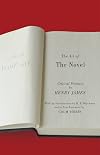
The Art of the Novel: Critical Prefaces
by Henry James
On This Page
Description
This collection of prefaces, originally written for the 1909 multi-volume New York Edition of Henry James's fiction, first appeared in book form in 1934 with an introduction by poet and critic R. P. Blackmur. In his prefaces, James tackles the great problems of fiction writing--character, plot, point of view, inspiration--and explains how he came to write novels such as The Portrait of a Lady and The American. As Blackmur puts it, "criticism has never been more ambitious, nor more useful." show more The latest edition of this influential work includes a foreword by bestselling author Colm Tóibín, whose critically acclaimed novel The Master is told from the point of view of Henry James. As a guide not only to James's inspiration and execution, but also to his frustrations and triumphs, this volume will be valuable both to students of James's fiction and to aspiring writers. show lessTags
Recommendations





















Member Reviews
Those texts are prefaces that James wrote for a reprint of his novels. Ezra Pound, in his ABC of Literature, tells that those texts are the best possible way to study how to write novels. James methodic approach is all presented in a way that unecessary a previous reading of his works.
Ratings
Members
- Recently Added By
Author Information

1,061+ Works 87,953 Members
Some Editions
Awards and Honors
Notable Lists
Common Knowledge
- Canonical title
- The Art of the Novel: Critical Prefaces
- First words
- Foreword: In 1877 as Henry James was beginning to dine out a great deal in London and regularly meet the most important figures of the day, he wrote to his sister Alice about Robert Browning: "His talk doesn't stri... (show all)ke me as very good..."
- Last words
- (Click to show. Warning: May contain spoilers.)The Golden Bowl: But on all the ground to which the pretension of performance by a series of exquisite laws may apply there reigns one sovereign truth--which decrees that, as art is nothing if not exemplary, care nothing if not active, finish nothing if not consistent, the proved error is the base apologetic deed, the helpless regret is the barren commentary, and "connexions" are employable for finer purposes than mere gaping contrition.
Classifications
Statistics
- Members
- 244
- Popularity
- 133,126
- Reviews
- 1
- Rating
- (3.83)
- Languages
- English, Italian, Portuguese (Portugal), Spanish
- Media
- Paper, Audiobook
- ISBNs
- 18
- ASINs
- 11