On This Page
Description
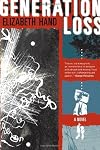
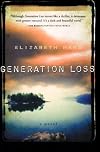
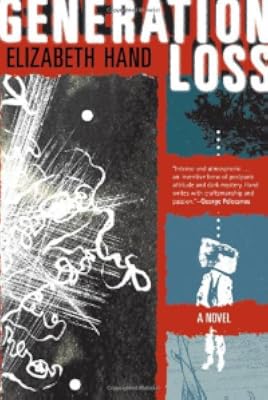
Cass Neary made her name in the 1970s as a photographer embedded in the burgeoning punk movement in New York City. Her pictures of the musicians and hangers on, the infamous, the damned, and the dead, got her into art galleries and a book deal. But thirty years later she is adrift, on her way down, and almost out. Then an old acquaintance sends her on a mercy gig to interview a famously reclusive photographer who lives on an island in Maine. When she arrives Downeast, Cass stumbles across a show more decades-old mystery that is still claiming victims, and into one final shot at redemption. show lessTags
Recommendations






























Member Recommendations

sturlington Sequel to Generation Loss



Member Reviews
Great to encounter a writer at the absolute top of their game and in their groove. Elizabeth Hand feckin rips it up with her wounded, damaged ex-punk photographer anti-heroine who can see the damage in others but who still has a heart, even if she doesn't believe in it. Hired after decades in failure and obscurity to interview a reclusive photographer who lives on an island off the coast of Maine, she finds a damaged place full of damaged people and is soon drawn towards a web of old crimes and new: missing people, bloated bodies washed up with the tide.
The writing here is absolutely top of the line, the voice, the characters, the setting, the sinister development of the plot as its outlines become visible. Bleak and brutal and brilliant.
The writing here is absolutely top of the line, the voice, the characters, the setting, the sinister development of the plot as its outlines become visible. Bleak and brutal and brilliant.
Cass Neary is a burnt out has been, a brief bright star of punk rock photography. Tricked into a field trip to Maine's coastal islands, to interview an icon of her field, she trips her way into the dark dramas remaining from a long-ago hippie commune.
The language is spare and lyrical, with descriptions of the coast and rocky islands with weather frigid enough to make me shiver. Cass is the coyote, the raven, the dark prankster, in search of a good time or at least some sense in a world that lacks all comfort. She is unwelcome, the outsider; and the catalyst for evil and good where dark secrets aren't discussed.
I've said I'm not a fan of horror, and I'm not - but at its grimmest this story still maintained a gritty realism and a thread show more of hope. The mystery at the core of the story is handled so deftly that the book was almost over before I realized it *was* a mystery.
I'll be looking for more of Ms. Hand's work. show less
The language is spare and lyrical, with descriptions of the coast and rocky islands with weather frigid enough to make me shiver. Cass is the coyote, the raven, the dark prankster, in search of a good time or at least some sense in a world that lacks all comfort. She is unwelcome, the outsider; and the catalyst for evil and good where dark secrets aren't discussed.
I've said I'm not a fan of horror, and I'm not - but at its grimmest this story still maintained a gritty realism and a thread show more of hope. The mystery at the core of the story is handled so deftly that the book was almost over before I realized it *was* a mystery.
I'll be looking for more of Ms. Hand's work. show less
The synopsis suggests Cass is trying for redemption, but that doesn't seem to be on Cass's mind. Lurid curiosity, desperation and maybe even a tiny bit of pride. Those are the things that propel Cass out of her pit of self-loathing and inanition. Besides her still-born career as a photographer, that's the first loss we see in this story, where Cass loses her fear to act and takes on this strange assignment. Other losses soon follow, some literal, some situational and some just ingrained into life itself. The title is a very apt one.
Despite nothing much happening until quite near the end and Cass's innate unlikability I was mesmerized by her story. Cass is unthinkingly amoral. A snoop, a thief, a manipulator, an addict. None of those show more things is particularly attractive, but I liked her voice, her story and her honesty. At once Cass battles her way through life and also slips through it silently. She can be terribly self-effacing or in-your-face depending on what will serve her ends more effectively. She is not a whiner though. Too tough to die is her motto and she has it tattooed near some of the many scars that encircle her body. Through many an internal monologue, Cass explains her past and her failure as a photographer, but she doesn't assign blame to anyone except herself. She blew it. She knows it. Her work has value to her and she is genuinely baffled at why no one else values it. Death in all its forms is beautiful to Cass and that's ultimately why she is in awe of Denny's criminally artistic photographs. She knows her ugly side is her best side and she's living with it as best she can.
Another loss to bear is one of disillusion. Part of the reason Cass takes this assignment is to be near a photographer she admired. One whose work influenced her own. Aphrodite Kamestos. Oh sure, she's got the books and has seen reproductions, but to view the original prints, up close - that would be mind-blowing. Because part of what makes an avant-garde photograph is its very physicality. Not just the paper, but the emulsion and all that might be embedded, scratched or burned into it. The smell, the texture..all of it is important to Cass and her ideas of what is authentic. When she finds that some of the photos she has held in her mind's eye have been gone from this earth for decades and that finally the photographer herself has given up in a sense of futility and inadequacy, Cass is disappointed beyond her ability to describe. When she eventually confronts exactly what and why Aphrodite stopped taking pictures she understands perfectly and lets go of her heroine willingly; almost ashamed to have admired her so much. Denny knew though. Denny could see. Just why he waited so long to show Cass isn't exactly clear and I'd have liked a more thoughtful ending than the rush of action and insanity we were given.
Overall though I liked it well enough to go on to the follow-up featuring Cass Neary. Neither of us knows what she's looking for, but I think she will when she finds it. show less
Despite nothing much happening until quite near the end and Cass's innate unlikability I was mesmerized by her story. Cass is unthinkingly amoral. A snoop, a thief, a manipulator, an addict. None of those show more things is particularly attractive, but I liked her voice, her story and her honesty. At once Cass battles her way through life and also slips through it silently. She can be terribly self-effacing or in-your-face depending on what will serve her ends more effectively. She is not a whiner though. Too tough to die is her motto and she has it tattooed near some of the many scars that encircle her body. Through many an internal monologue, Cass explains her past and her failure as a photographer, but she doesn't assign blame to anyone except herself. She blew it. She knows it. Her work has value to her and she is genuinely baffled at why no one else values it. Death in all its forms is beautiful to Cass and that's ultimately why she is in awe of Denny's criminally artistic photographs. She knows her ugly side is her best side and she's living with it as best she can.
Another loss to bear is one of disillusion. Part of the reason Cass takes this assignment is to be near a photographer she admired. One whose work influenced her own. Aphrodite Kamestos. Oh sure, she's got the books and has seen reproductions, but to view the original prints, up close - that would be mind-blowing. Because part of what makes an avant-garde photograph is its very physicality. Not just the paper, but the emulsion and all that might be embedded, scratched or burned into it. The smell, the texture..all of it is important to Cass and her ideas of what is authentic. When she finds that some of the photos she has held in her mind's eye have been gone from this earth for decades and that finally the photographer herself has given up in a sense of futility and inadequacy, Cass is disappointed beyond her ability to describe. When she eventually confronts exactly what and why Aphrodite stopped taking pictures she understands perfectly and lets go of her heroine willingly; almost ashamed to have admired her so much. Denny knew though. Denny could see. Just why he waited so long to show Cass isn't exactly clear and I'd have liked a more thoughtful ending than the rush of action and insanity we were given.
Overall though I liked it well enough to go on to the follow-up featuring Cass Neary. Neither of us knows what she's looking for, but I think she will when she finds it. show less
Say you’re a late 40s burnout, burdened by few ethics and no plans, with no lovers or friends, working a dead end job, fueled by drugs and petty theft.
Your one great talent is sensing the damage in others and devouring its final results, with your ancient Konica camera, like a crow eating road kill. The results were the pictures in the suitably titled Dead Girls, the book the briefly made you famous decades ago.
Then fate – or something just as sinister – gives you a chance to make some cash and meet an old idol, the reclusive photographer Aphrodite Kamestos.
So Hand sends her hero, Cass Neary, in the early years of our new century, off to a Maine in the beginnings of winter and already beset by economic depression and the decidedly show more mixed benefits of being discovered by rich outsiders.
Against a backdrop of meth heads and posters for missing people, she’ll meet the natives, the ones who still have some hopes of escape and the ones who have given up, and the transplants, mostly the remnants, like Aphrodite, of Oakwind, a failed 1970s commune.
Cass’ voice is distinctive, nihilistic yet capriciously caring, a pilgrim seeking the beautiful in bleakness and death. She’s the acquaintance or relative you don’t mind hearing from on occasion – as long as you can view the chaos of their life from afar.
And Cass goes, on that Maine coast and on its islands, from being a tagalong historian of death to its companion as she meets the very damaged survivors of Oakwind.
The end may seem a trifle too hopeful, the resolution a bit, as Hand slyly notes, Thomas Harris-ish, but the trip is bracing as an arctic gust. Hand shows, in her descriptions of junk palaces, abandoned statuary, and various photographs, that she’s good enough to need way less than the proverbial 1,000 words to equal a picture.
And who knew Mircea Eliade’s The Sacred and the Profane could be used so well in a thriller? show less
Your one great talent is sensing the damage in others and devouring its final results, with your ancient Konica camera, like a crow eating road kill. The results were the pictures in the suitably titled Dead Girls, the book the briefly made you famous decades ago.
Then fate – or something just as sinister – gives you a chance to make some cash and meet an old idol, the reclusive photographer Aphrodite Kamestos.
So Hand sends her hero, Cass Neary, in the early years of our new century, off to a Maine in the beginnings of winter and already beset by economic depression and the decidedly show more mixed benefits of being discovered by rich outsiders.
Against a backdrop of meth heads and posters for missing people, she’ll meet the natives, the ones who still have some hopes of escape and the ones who have given up, and the transplants, mostly the remnants, like Aphrodite, of Oakwind, a failed 1970s commune.
Cass’ voice is distinctive, nihilistic yet capriciously caring, a pilgrim seeking the beautiful in bleakness and death. She’s the acquaintance or relative you don’t mind hearing from on occasion – as long as you can view the chaos of their life from afar.
And Cass goes, on that Maine coast and on its islands, from being a tagalong historian of death to its companion as she meets the very damaged survivors of Oakwind.
The end may seem a trifle too hopeful, the resolution a bit, as Hand slyly notes, Thomas Harris-ish, but the trip is bracing as an arctic gust. Hand shows, in her descriptions of junk palaces, abandoned statuary, and various photographs, that she’s good enough to need way less than the proverbial 1,000 words to equal a picture.
And who knew Mircea Eliade’s The Sacred and the Profane could be used so well in a thriller? show less
Cass Neary was once a young photographer on the burgeoning punk scene who made a name for herself with a ground-breaking book, but a couple of decades later, she's burnt out, damaged, and still working in the storeroom at the Strand bookstore. A friend gives her a once-in-a-lifetime opportunity to interview her idol, Aphrodite Kamestos, who lives like a hermit on a remote island in Maine, and Cass takes it. When she gets there, she finds several people as damaged as she is, and she stumbles onto a mystery.
This is a story with a strong, unusual voice and a memorable, compelling setting, which more than makes up for there not being a lot of actual story, at least not until last third or so. I liked Cass primarily because she is so hard to show more like, because she does seemingly odd things mainly just to screw with people, and because her narrative voice seems so genuine. She is a person I believe in, not quirky just to be quirky, but quirky because that's what humans are. Pairing her with the island setting--remote, isolated, difficult both to get to and to get away from--works to take Cass out of her long-time comfort zone and yet situate herself in a place that might feel like home. Toward the end, the story is permeated by a wonderful neo-gothic atmosphere. All of this does make up for the rather breathless (and somewhat unbelievable) wrap-up to the plot, which almost felt beside the point anyway. show less
This is a story with a strong, unusual voice and a memorable, compelling setting, which more than makes up for there not being a lot of actual story, at least not until last third or so. I liked Cass primarily because she is so hard to show more like, because she does seemingly odd things mainly just to screw with people, and because her narrative voice seems so genuine. She is a person I believe in, not quirky just to be quirky, but quirky because that's what humans are. Pairing her with the island setting--remote, isolated, difficult both to get to and to get away from--works to take Cass out of her long-time comfort zone and yet situate herself in a place that might feel like home. Toward the end, the story is permeated by a wonderful neo-gothic atmosphere. All of this does make up for the rather breathless (and somewhat unbelievable) wrap-up to the plot, which almost felt beside the point anyway. show less
CW: Brutal rape, alcohol, drugs, death
4.5 Stars
I see you
Well of course this won the first ever Shirley Jackson award!
I loved the gothic elements that created quite a creepy and atmospheric read. Cass is a washed up photographer whose penchant for drugs and alcohol after the loss of her lover, Christine, make her a damaged and disturbed main character. Her obsession with death as the main subject in her artwork makes us as Readers feel quite uneasy about her from the beginning.
It is important to know that this is a slow burn which was crucial in order for the layers of Cass’ character to be peeled back to reveal the dark truth of her. So for some it will feel like the story is kind of meandering along until ‘the good bits’. But show more seriously, you have to get to the point where you are unsure what choices she will make when confronted with a darkness greater than the one inside her.
The writing is so good and the clever weaving in of symbols and imagery throughout creates an increasingly ominous feeling as the novel progresses.
You and me, we carry the dead on our backs.
Thank you Fiona for your great review that drew this book to my attention. I thought it was incredible. show less
4.5 Stars
I see you
Well of course this won the first ever Shirley Jackson award!
I loved the gothic elements that created quite a creepy and atmospheric read. Cass is a washed up photographer whose penchant for drugs and alcohol after the loss of her lover, Christine, make her a damaged and disturbed main character. Her obsession with death as the main subject in her artwork makes us as Readers feel quite uneasy about her from the beginning.
It is important to know that this is a slow burn which was crucial in order for the layers of Cass’ character to be peeled back to reveal the dark truth of her. So for some it will feel like the story is kind of meandering along until ‘the good bits’. But show more seriously, you have to get to the point where you are unsure what choices she will make when confronted with a darkness greater than the one inside her.
The writing is so good and the clever weaving in of symbols and imagery throughout creates an increasingly ominous feeling as the novel progresses.
You and me, we carry the dead on our backs.
Thank you Fiona for your great review that drew this book to my attention. I thought it was incredible. show less
Fascinating, dark, and disturbing story about a failed punk photographer who gets a gig writing about an artist whose work she always admired who lives on a Maine island with a group of demented ex-Hippies. One of those books you don't recommend lightly because the narrator can be infuriating and some of it is really - ugh. But I keep thinking about it.
Members
- Recently Added By
Lists

Top Five Books of 2013
1,562 works; 715 members

Must-Read Maine
146 works; 91 members

Best Noir Fiction
160 works; 14 members

Recommend the 20 best books you've read in the last five years
2,168 works; 601 members

Favourite Books
1,819 works; 308 members

Sense of place
156 works; 13 members

Female Protagonist
1,056 works; 57 members

Shirley Jackson Award Winners and Shortlist 2007-2020
77 works; 6 members

Pleasant Surprises: Books That Exceeded Our Expectations
418 works; 143 members

Top Five Books of 2016
795 works; 228 members

Books Set on Islands
190 works; 24 members

2000s (the decade, not the century)
184 works; 11 members

Photography in Fiction
16 works; 4 members

100 Best Thrillers of All Time
100 works; 6 members

Reading List (Completed): Women Who Kick Butt
11 works; 1 member

Books Set in Maine
42 works; 6 members

Global Reads: Books by American Authors
10 works; 1 member

Books Read in 2017
4,249 works; 130 members
Author Information

83+ Works 9,726 Members
Some Editions
Awards and Honors
Series

Common Knowledge
- Canonical title
- Generation Loss
- Original title
- Generation Loss
- Original publication date
- 2007
- People/Characters
- Cass Neary; Aphrodite Kamestos; Gryffin Haselton; Toby Barrett; Everett Moss; MacKenzie Libby (show all 14); Merrill Libby; Denny Ahearn; Suze; Ray Provenzano; Robert Stanley; Phil Cohen; John Stone; Jeff Hakkala
- Important places
- Maine, USA; Paswegas peninsula
- Epigraph
- I then realized that there was a sort of link (or knot) between Photography, madness, and something whose name I did not know.
—Roland Barthes, Camera Lucida (trans. by Richard Howard)
ART NEEDS LIGHT
look at the lack of it.
—Patti Smith, "sister morphine" - Dedication
- For David Streitfeld, who asked for a letter from Maine
- First words
- There's always a moment where everything changes.
- Last words*
- (Click to show. Warning: May contain spoilers.)"Meinetwegen,", sagte ich, und wir folgten den anderen nach drinnen.
- Blurbers
- Pelecanos, George
- Original language
- English
*Some information comes from Common Knowledge in other languages. Click "Edit" for more information.
Classifications
Statistics
- Members
- 708
- Popularity
- 40,271
- Reviews
- 35
- Rating
- (3.82)
- Languages
- 6 — English, Finnish, French, German, Italian, Swedish
- Media
- Paper, Audiobook, Ebook
- ISBNs
- 21
- ASINs
- 9