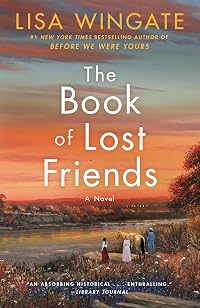
The Book of Lost Friends
by Lisa Wingate
On This Page
Description
NEW YORK TIMES BESTSELLER • From the bestselling author of Before We Were Yours comes a dramatic historical novel of three young women searching for family amid the destruction of the post–Civil War South, and of a modern-day teacher who learns of their story and its vital connection to her students’ lives.“An absorbing historical . . . enthralling.”—Library Journal
Bestselling author Lisa Wingate brings to life startling stories from actual “Lost Friends” advertisements show more that appeared in Southern newspapers after the Civil War, as newly freed slaves desperately searched for loved ones who had been sold away.
Louisiana, 1875: In the tumultuous era of Reconstruction, three young women set off as unwilling companions on a perilous quest: Hannie, a freed slave; Lavinia, the pampered heir to a now destitute plantation; and Juneau Jane, Lavinia’s Creole half sister. Each carries private wounds and powerful secrets as they head for Texas, following roads rife with vigilantes and soldiers still fighting a war lost a decade before. For Lavinia and Juneau Jane, the journey is one of stolen inheritance and financial desperation, but for Hannie, torn from her mother and siblings before slavery’s end, the pilgrimage west reignites an agonizing question: Could her long-lost family still be out there? Beyond the swamps lie the limitless frontiers of Texas and, improbably, hope.
Louisiana, 1987: For first-year teacher Benedetta Silva, a subsidized job at a poor rural school seems like the ticket to canceling her hefty student debt—until she lands in a tiny, out-of-step Mississippi River town. Augustine, Louisiana, is suspicious of new ideas and new people, and Benny can scarcely comprehend the lives of her poverty-stricken students. But amid the gnarled live oaks and run-down plantation homes lie the century-old history of three young women, a long-ago journey, and a hidden book that could change everything. show less
Tags
Recommendations




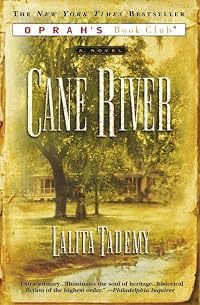
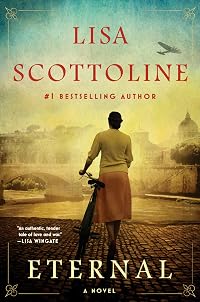


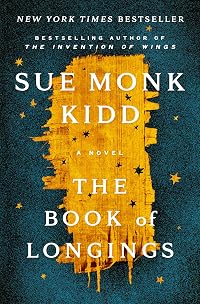

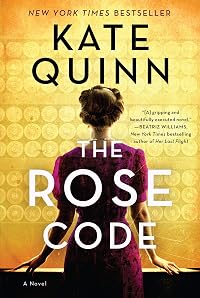




















Member Recommendations
Member Reviews
Many years ago, I was asked to interview Lisa Wingate at a convention. I read a couple of her books beforehand (I *hate* it when people interview authors without reading their books - and you can tell!), not sure if they'd be my cup of tea. But I truly enjoyed them. (And Ms. Wingate was a great interviewee.)
The blurbs often say her books are "heart-warming ", and much as I dislike that descriptor, it's not inaccurate. They are also often described as "Christian fiction, but they are definitely not the "hit you over the head with religion" kind. I once said of them, "they're a bit sugary, but, unlike saccharine, there's no chemical aftertaste."
This one's quite different, and, I think, much better. Lately, it seems she's taken to writing show more books based on true histories, and this is one. After the Civil War, the Southwestern Christian Advocate published "Lost Friend" ads, for preachers to read from the pulpit. These were letters written by ex-slaves, seeking the whereabouts of family members from whom they had been divided. "The Book of Lost Friends" follows three young women from Augustine, Louisiana - Hannie, an ex-slave; Lavinia, the young daughter of her former owners; and Juneau Jane, her former master's illegitimate daughter from a plaçage arrangement. Their story alternates with the present-day story of a young teacher in a poor school in the same town who is trying to teach her students the history of the place.
It's really very good, and delves into a part of our history of which too many people are unaware. Wingate intersperses her narrative with copies of actual advertisements from the Southwestern Christian Advocate, and if they don't break your heart, you don't have one show less
The blurbs often say her books are "heart-warming ", and much as I dislike that descriptor, it's not inaccurate. They are also often described as "Christian fiction, but they are definitely not the "hit you over the head with religion" kind. I once said of them, "they're a bit sugary, but, unlike saccharine, there's no chemical aftertaste."
This one's quite different, and, I think, much better. Lately, it seems she's taken to writing show more books based on true histories, and this is one. After the Civil War, the Southwestern Christian Advocate published "Lost Friend" ads, for preachers to read from the pulpit. These were letters written by ex-slaves, seeking the whereabouts of family members from whom they had been divided. "The Book of Lost Friends" follows three young women from Augustine, Louisiana - Hannie, an ex-slave; Lavinia, the young daughter of her former owners; and Juneau Jane, her former master's illegitimate daughter from a plaçage arrangement. Their story alternates with the present-day story of a young teacher in a poor school in the same town who is trying to teach her students the history of the place.
It's really very good, and delves into a part of our history of which too many people are unaware. Wingate intersperses her narrative with copies of actual advertisements from the Southwestern Christian Advocate, and if they don't break your heart, you don't have one show less
I was completely sucked in by the storytelling in this historical fiction. Told in dual timelines with many POVs, we explore in the past timeline, the story of three friends, Hannie, Lavinia and Juneau Jane, who are on a perilous journey as they head for Texas in the post-Civil War American South. The descriptions were so incredibly well done, and the inclusion of newspaper articles from “Lost Friends” really brought this part of history to life. In the present-day timeline, in 1980’s Louisiana, a young teacher has been assigned to teach in a challenging district in order to cancel her student debt. After her early attempts to connect to her students fail, Ms. Silva tries a project to explore the history of the local community. I show more loved both timelines, and thought each character had a unique voice. Another excellent historical fiction by Lisa Wingate.
Please excuse typos/name misspellings. Entered on screen reader. show less
Please excuse typos/name misspellings. Entered on screen reader. show less
THE BOOK OF LOST FRIENDS is a family saga about black and white relationships and connections in post Civil War America, that also connects with people living in the same area a hundred years later. Extremely engaging!
What ties everyone together is their connection to an old plantation at Goswood Grove in the small town of Augustine, Louisiana:
• One storyline takes place during the Reconstruction Era (1865-1877). Slavery has ended, though the lives of former enslaved people have changed little. With vastly different motivations, three brave women from Goswood Grove embark on a challenging trip to the Texas frontier, to find some important legal papers relating to the heir to the property. They are NOT friends, though they have show more longstanding ties. Can three women alone travel safely over such a long distance? How can they know who among the many people they encounter can be trusted? Do they have the smarts to even get to their destination? And how will their relationships with one another evolve?
• A second storyline involves young teacher Benedeta Silva, just beginning her teaching career in a very poor, small town public school with few resources and distinctly unmotivated students. Can she figure out a way to engage them in their school work? Would accessing the vast library at Goswood Grove help? Can she expect, as an outsider, to ever be accepted into this tightly knit society of haves and have nots? And why is there such resistance to her enthusiasm around helping her students?
I have written in other reviews about my annoyance at what I consider a much overused device in contemporary historical fiction — i.e. authors writing multiple storylines from different time periods, and then scattering the chapters throughout the novel, only connecting them at the very end. So often, the technique seems to do little more than add confusion and make both stories more difficult to follow. But this is one novel where Lisa Wingate skillfully employs that very device. AND it makes sense.
Her two story threads are easy to follow and clearly connected by the US history of slavery, which continues to impact all of us today. Central to that connection is a fascinating publication I knew nothing about before reading this book — the “lost friends” ads that were placed in a Methodist newspaper, The Southwestern Christian Advocate. For decades, placing ads in this publication (which were then read aloud around the country during church services) was one of the only ways former enslaved people had to try to locate family members who had been sold off years before, during the period of slavery. And actual excerpts that the author sprinkles throughout this novel are both dramatic and powerful, offering a glimpse into the pain and desperation so many Black Americans experienced. show less
What ties everyone together is their connection to an old plantation at Goswood Grove in the small town of Augustine, Louisiana:
• One storyline takes place during the Reconstruction Era (1865-1877). Slavery has ended, though the lives of former enslaved people have changed little. With vastly different motivations, three brave women from Goswood Grove embark on a challenging trip to the Texas frontier, to find some important legal papers relating to the heir to the property. They are NOT friends, though they have show more longstanding ties. Can three women alone travel safely over such a long distance? How can they know who among the many people they encounter can be trusted? Do they have the smarts to even get to their destination? And how will their relationships with one another evolve?
• A second storyline involves young teacher Benedeta Silva, just beginning her teaching career in a very poor, small town public school with few resources and distinctly unmotivated students. Can she figure out a way to engage them in their school work? Would accessing the vast library at Goswood Grove help? Can she expect, as an outsider, to ever be accepted into this tightly knit society of haves and have nots? And why is there such resistance to her enthusiasm around helping her students?
I have written in other reviews about my annoyance at what I consider a much overused device in contemporary historical fiction — i.e. authors writing multiple storylines from different time periods, and then scattering the chapters throughout the novel, only connecting them at the very end. So often, the technique seems to do little more than add confusion and make both stories more difficult to follow. But this is one novel where Lisa Wingate skillfully employs that very device. AND it makes sense.
Her two story threads are easy to follow and clearly connected by the US history of slavery, which continues to impact all of us today. Central to that connection is a fascinating publication I knew nothing about before reading this book — the “lost friends” ads that were placed in a Methodist newspaper, The Southwestern Christian Advocate. For decades, placing ads in this publication (which were then read aloud around the country during church services) was one of the only ways former enslaved people had to try to locate family members who had been sold off years before, during the period of slavery. And actual excerpts that the author sprinkles throughout this novel are both dramatic and powerful, offering a glimpse into the pain and desperation so many Black Americans experienced. show less
THE BOOK OF LOST FRIENDS is a family saga about black and white relationships and connections in post Civil War America, that also connects with people living in the same area a hundred years later. Extremely engaging!
What ties everyone together is their connection to an old plantation at Goswood Grove in the small town of Augustine, Louisiana:
• One storyline takes place during the Reconstruction Era (1865-1877). Slavery has ended, though the lives of former enslaved people have changed little. With vastly different motivations, three brave women from Goswood Grove embark on a challenging trip to the Texas frontier, to find some important legal papers relating to the heir to the property. They are NOT friends, though they have show more longstanding ties. Can three women alone travel safely over such a long distance? How can they know who among the many people they encounter can be trusted? Do they have the smarts to even get to their destination? And how will their relationships with one another evolve?
• A second storyline involves young teacher Benedeta Silva, just beginning her teaching career in a very poor, small town public school with few resources and distinctly unmotivated students. Can she figure out a way to engage them in their school work? Would accessing the vast library at Goswood Grove help? Can she expect, as an outsider, to ever be accepted into this tightly knit society of haves and have nots? And why is there such resistance to her enthusiasm around helping her students?
I have written in other reviews about my annoyance at what I consider a much overused device in contemporary historical fiction — i.e. authors writing multiple storylines from different time periods, and then scattering the chapters throughout the novel, only connecting them at the very end. So often, the technique seems to do little more than add confusion and make both stories more difficult to follow. But this is one novel where Lisa Wingate skillfully employs that very device. AND it makes sense.
Her two story threads are easy to follow and clearly connected by the US history of slavery, which continues to impact all of us today. Central to that connection is a fascinating publication I knew nothing about before reading this book — the “lost friends” ads that were placed in a Methodist newspaper, The Southwestern Christian Advocate. For decades, placing ads in this publication (which were then read aloud around the country during church services) was one of the only ways former enslaved people had to try to locate family members who had been sold off years before, during the period of slavery. And actual excerpts that the author sprinkles throughout this novel are both dramatic and powerful, offering a glimpse into the pain and desperation so many Black Americans experienced. show less
What ties everyone together is their connection to an old plantation at Goswood Grove in the small town of Augustine, Louisiana:
• One storyline takes place during the Reconstruction Era (1865-1877). Slavery has ended, though the lives of former enslaved people have changed little. With vastly different motivations, three brave women from Goswood Grove embark on a challenging trip to the Texas frontier, to find some important legal papers relating to the heir to the property. They are NOT friends, though they have show more longstanding ties. Can three women alone travel safely over such a long distance? How can they know who among the many people they encounter can be trusted? Do they have the smarts to even get to their destination? And how will their relationships with one another evolve?
• A second storyline involves young teacher Benedeta Silva, just beginning her teaching career in a very poor, small town public school with few resources and distinctly unmotivated students. Can she figure out a way to engage them in their school work? Would accessing the vast library at Goswood Grove help? Can she expect, as an outsider, to ever be accepted into this tightly knit society of haves and have nots? And why is there such resistance to her enthusiasm around helping her students?
I have written in other reviews about my annoyance at what I consider a much overused device in contemporary historical fiction — i.e. authors writing multiple storylines from different time periods, and then scattering the chapters throughout the novel, only connecting them at the very end. So often, the technique seems to do little more than add confusion and make both stories more difficult to follow. But this is one novel where Lisa Wingate skillfully employs that very device. AND it makes sense.
Her two story threads are easy to follow and clearly connected by the US history of slavery, which continues to impact all of us today. Central to that connection is a fascinating publication I knew nothing about before reading this book — the “lost friends” ads that were placed in a Methodist newspaper, The Southwestern Christian Advocate. For decades, placing ads in this publication (which were then read aloud around the country during church services) was one of the only ways former enslaved people had to try to locate family members who had been sold off years before, during the period of slavery. And actual excerpts that the author sprinkles throughout this novel are both dramatic and powerful, offering a glimpse into the pain and desperation so many Black Americans experienced. show less
Wingate’s fact-based historical fiction is a well-crafted tale of a bit of American history largely unknown by most of her readers.
In the years following the Civil War, many formerly-enslaved people turned to a unique system to try to locate family members scattered in the chaotic years preceding Emancipation. They published or shared small classified advertisements, printed mostly in newspapers that catered to Black churches in the South, particularly the Southwestern Christian Advocate, seeking news of family members sold, scattered by economic disruption, or lost to conscription. Dozens of these advertisements are reproduced in The Book of Lost Friends, and their cumulative emotional impact gives the fictionalized story of one show more such searcher a stunning depth.
Moving along two timelines, the story rotates between a perilous journey from Louisiana to Texas, made in 1875, and the 1987 tale of a first-year teacher dropped into an underfunded, overcrowded Louisiana public school whose students are mostly Black and generally unmotivated.
Of the two, the 1875 thread is by far the more interesting. It features 18-year-old Hannie, a former slave who is maneuvered unwillingly into the trip, along with the pampered daughter of her former owner, and the mixed-race daughter of that owner, who has come in search of proof to guarantee the inheritance promised by her father, now missing. The trail leads to Texas, and along the way Hannie becomes aware of the “Lost Friends” advertisements, which sharpen her own desire to find her mother and siblings, sold away in the early years of the Civil War.
The contemporary tale is neither as compelling nor as original as the 1875 one. Stories about determined young teachers whose belligerent charges get turned around by her spunk and optimism are hardly new, and the romance aspect that creeps in around the edges doesn’t help. Wingate manages to pull it out at the last minute with an interesting resolution that ties back to the Lost Friends theme, though a last-page revelation about the teacher comes out of nowhere and doesn’t really have much to do with anything that has gone before.
Even though the modern story threatens to fall into familiar territory, the sections about Hannie and her journey are strong enough to make this, overall, an outstanding read. show less
In the years following the Civil War, many formerly-enslaved people turned to a unique system to try to locate family members scattered in the chaotic years preceding Emancipation. They published or shared small classified advertisements, printed mostly in newspapers that catered to Black churches in the South, particularly the Southwestern Christian Advocate, seeking news of family members sold, scattered by economic disruption, or lost to conscription. Dozens of these advertisements are reproduced in The Book of Lost Friends, and their cumulative emotional impact gives the fictionalized story of one show more such searcher a stunning depth.
Moving along two timelines, the story rotates between a perilous journey from Louisiana to Texas, made in 1875, and the 1987 tale of a first-year teacher dropped into an underfunded, overcrowded Louisiana public school whose students are mostly Black and generally unmotivated.
Of the two, the 1875 thread is by far the more interesting. It features 18-year-old Hannie, a former slave who is maneuvered unwillingly into the trip, along with the pampered daughter of her former owner, and the mixed-race daughter of that owner, who has come in search of proof to guarantee the inheritance promised by her father, now missing. The trail leads to Texas, and along the way Hannie becomes aware of the “Lost Friends” advertisements, which sharpen her own desire to find her mother and siblings, sold away in the early years of the Civil War.
The contemporary tale is neither as compelling nor as original as the 1875 one. Stories about determined young teachers whose belligerent charges get turned around by her spunk and optimism are hardly new, and the romance aspect that creeps in around the edges doesn’t help. Wingate manages to pull it out at the last minute with an interesting resolution that ties back to the Lost Friends theme, though a last-page revelation about the teacher comes out of nowhere and doesn’t really have much to do with anything that has gone before.
Even though the modern story threatens to fall into familiar territory, the sections about Hannie and her journey are strong enough to make this, overall, an outstanding read. show less
After a couple of less-than-savory audiobook experiences, I finally googled "other narrators that are fantastic like Julia Whalen" and landed here.
I'm so glad I did. It's wonderfully narrated and I'm utterly captivated by this story, and gutted, again, by the truths of American history. Chattel slavery treated people like livestock - branding them, breeding them, and selling off their children - and that kind of damage is not healed with a singular emancipation event. Well-researched fiction turns these experiences into things we can better try and feel and understand in a new, more visceral way. And instead of fighting it, we should.
The Book of Lost Friends is a history lesson, and also a lesson on generational trauma and reclaiming show more family history. That being said, my one small gripe with this book was what felt like a big touch of white saviorism on the part of Benny Silva. I am aware that she drops into Augustine with her own pile of generational trauma to redeem herself from, but... I hoped I'd eventually escape my personal gripe about this by the end, and I did not. Your mileage may vary but Benny's very much a Freedom Writer, if you know what I mean. show less
I'm so glad I did. It's wonderfully narrated and I'm utterly captivated by this story, and gutted, again, by the truths of American history. Chattel slavery treated people like livestock - branding them, breeding them, and selling off their children - and that kind of damage is not healed with a singular emancipation event. Well-researched fiction turns these experiences into things we can better try and feel and understand in a new, more visceral way. And instead of fighting it, we should.
The Book of Lost Friends is a history lesson, and also a lesson on generational trauma and reclaiming show more family history. That being said, my one small gripe with this book was what felt like a big touch of white saviorism on the part of Benny Silva. I am aware that she drops into Augustine with her own pile of generational trauma to redeem herself from, but... I hoped I'd eventually escape my personal gripe about this by the end, and I did not. Your mileage may vary but Benny's very much a Freedom Writer, if you know what I mean. show less
Lisa Wingate's The Book of Lost Friends begins slowly, but the payoff for persevering is big. The last few chapters twine the plot's twin narratives together in an effective, moving way.
Let's start with the Book of Friends at the heart of The Book of Friends. After emancipation, thousands upon thousands of formerly enslaved people found themselves searching for family and friends from whom they'd been separated through sales. The Southwestern Christian Advocate ran advertisements on behalf of those seeking loved ones, and Black clergy read these ads aloud from the pulpit every week in hopes of bringing about reunions. The ads ran from immediately after the Civil War into the first part of the 20th Century. You can view a contemporary show more database of these ads here: https://www.hnoc.org/database/lost-fr...
In one story line, Hannie, a former slave finds herself traveling through Texas with her former owner's two daughters—one legitimate, the other born to his "high yellow" mistress—searching for their father. Hannie is worried the former owner's wife will cheat her family out of a sharecropping contact, which would grant them a plot of land after sharecropping it for ten years. The two daughters are both determined to prevent the other from collecting inheritance. The three travel, disguised as men, and on their journey find themselves collecting "lost friends" stories to share in hopes of facilitating some reunions themselves.
In the second story line, set in the 1980s, a naive teacher takes a job at a rural Louisiana school in order to earn student-loan forgiveness. The school is miserably under-resourced; the students are disengaged, with few hopes for the future. At this moment, the book could have turned into a "white savior" narrative, but Wingate avoids that by having the students find their own way out of disengagement, conducting family histories and research on the history of the town they live in and its Black Library (now desegregated), built with Carnegie funds when the town refused Blacks admission to the single library available during the late 1880s.
As I said at the start, this book opens slowly, and I considered leaving it unfinished at several point, but I'm very glad I didn't. The book is sentimental in places, but there's something larger and more challenging at its heart that is worth reading.
I received a free electronic review copy of this book from the publisher via NetGalley. The opinions are my own. show less
Let's start with the Book of Friends at the heart of The Book of Friends. After emancipation, thousands upon thousands of formerly enslaved people found themselves searching for family and friends from whom they'd been separated through sales. The Southwestern Christian Advocate ran advertisements on behalf of those seeking loved ones, and Black clergy read these ads aloud from the pulpit every week in hopes of bringing about reunions. The ads ran from immediately after the Civil War into the first part of the 20th Century. You can view a contemporary show more database of these ads here: https://www.hnoc.org/database/lost-fr...
In one story line, Hannie, a former slave finds herself traveling through Texas with her former owner's two daughters—one legitimate, the other born to his "high yellow" mistress—searching for their father. Hannie is worried the former owner's wife will cheat her family out of a sharecropping contact, which would grant them a plot of land after sharecropping it for ten years. The two daughters are both determined to prevent the other from collecting inheritance. The three travel, disguised as men, and on their journey find themselves collecting "lost friends" stories to share in hopes of facilitating some reunions themselves.
In the second story line, set in the 1980s, a naive teacher takes a job at a rural Louisiana school in order to earn student-loan forgiveness. The school is miserably under-resourced; the students are disengaged, with few hopes for the future. At this moment, the book could have turned into a "white savior" narrative, but Wingate avoids that by having the students find their own way out of disengagement, conducting family histories and research on the history of the town they live in and its Black Library (now desegregated), built with Carnegie funds when the town refused Blacks admission to the single library available during the late 1880s.
As I said at the start, this book opens slowly, and I considered leaving it unfinished at several point, but I'm very glad I didn't. The book is sentimental in places, but there's something larger and more challenging at its heart that is worth reading.
I received a free electronic review copy of this book from the publisher via NetGalley. The opinions are my own. show less
Members
- Recently Added By
Lists

Top Five Books of 2020
982 works; 350 members

Books Read in 2023
5,547 works; 145 members

Maybe This Year? Books to Look Forward To
412 works; 9 members

Academia in Fiction
158 works; 23 members

Deena's Favorites--How Many have you read?
102 works; 3 members

Books I have Recommended
207 works; 1 member

Books to Read
95 works; 2 members

Top Five Books of 2023
767 works; 317 members

Genealogy
11 works; 1 member
Author Information

49+ Works 15,053 Members
Lisa Wingate is an award-winning journalist, magazine columnist, popular inspirational speaker and a national bestselling author. Recently, Lisa's Blue Sky Hill Series received national attention with back-to-back nominations for American Christian Fiction Writers Book of the Year Award for A Month of Summer (2009) and The Summer Kitchen (2010). show more In 2011, Lisa's Novel, Never Say Never, won the American Christian Fiction Writers Book of the Year Award. Lisa is also the author of The Tending Roses, Daily Texas, Moses Lake, and the Texas Hill Country Series. (Bowker Author Biography) show less
Some Editions
Awards and Honors
Awards
Distinctions
Common Knowledge
- Canonical title
- The Book of Lost Friends
- Original publication date
- 2020
- People/Characters
- Missy Lavinia Gossett; Juneau Jane LaPlanche; Hannie Gossett; Benedetta "Benny" Silva; Granny T (Margaret Turner); Aunt Sarge (Donna Alston) (show all 19); Lil' Ray Rust; LaJuna Rae Carter; Augustus "Gus" McKlatchy; Nathan Gossett; William Gossett; Moses (Elam Salter); Gar Fish; Robin Gossett; Jep Loach; Lyle Gossett; Maude Loach-Gossett; Redd Fontaine; Manford Gossett
- Important places
- Augustine, Louisiana, USA; Goswood Grove; Jefferson County, Texas, USA; Fort Worth, Texas, USA; Cluck and Oink; Fort McKavett, Texas, USA (show all 9); Austin, Texas, USA; Baton Rouge, Louisiana, USA; Augustine Carnegie Library
- Dedication
- To Gloria Close, for helping today's families find safe homes.
To Andy and Diane, and to the dedicated keepers of the Historic New Orleans Collection. Thank you for preserving the history.
To the Lost Friends, wherever you might be.
May your names never go unspoken and your favorite stories forever be told. - First words
- A single ladybug lands featherlight on the teacher's finger, clings there, a living gemstone.
- Quotations
- Sad thing when stories die for the lack of listenin' ears.
Augustine has taught me that the past travels with you. It's whether you run from it or learn from it that makes all the difference.
Every time you mourn for me, I'll be far away. But when you celebrate, I'll be right there with you, dancing. - Last words
- (Click to show. Warning: May contain spoilers.)On that day of reunion, whenever it comes, those are the first words I will say to my own Lost Friend.
Classifications
Statistics
- Members
- 1,780
- Popularity
- 12,323
- Reviews
- 82
- Rating
- (4.06)
- Languages
- 7 — Danish, Dutch, English, French, German, Portuguese, Spanish
- Media
- Paper, Audiobook, Ebook
- ISBNs
- 31
- ASINs
- 7