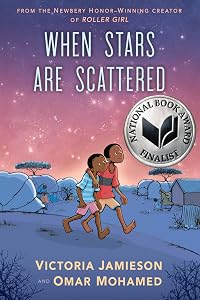
When Stars Are Scattered
by Victoria Jamieson, Omar Mohamed
On This Page
Description
"Omar and his younger brother Hassan live in a refugee camp, and when an opportunity for Omar to get an education comes along, he must decide between going to school every day or caring for his nonverbal brother in this intimate and touching portrayal of family and daily life in a refugee camp"--Tags
Recommendations
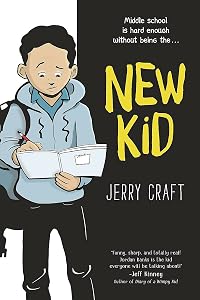
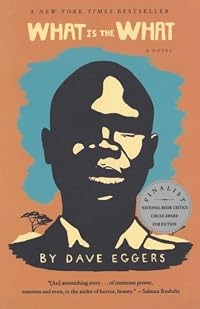
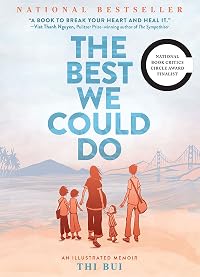
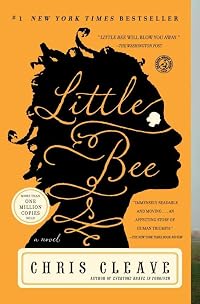
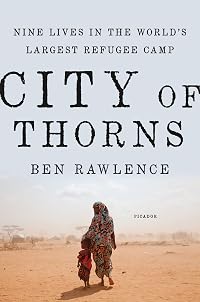

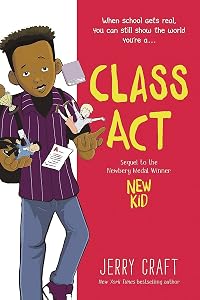
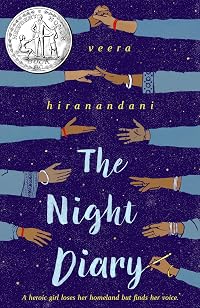
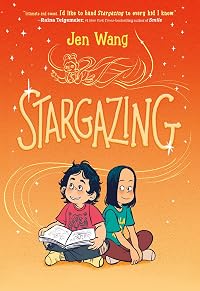


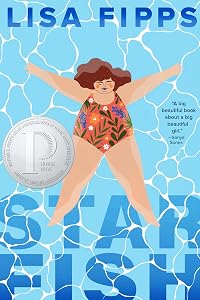
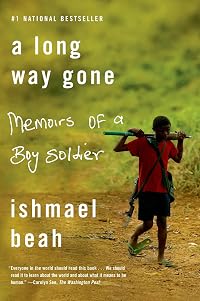
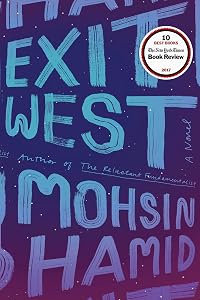
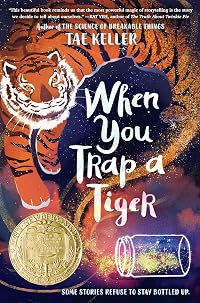
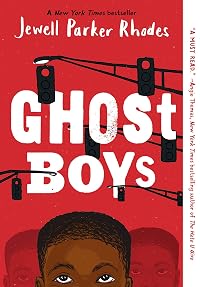
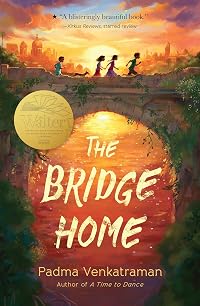
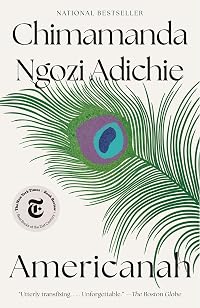
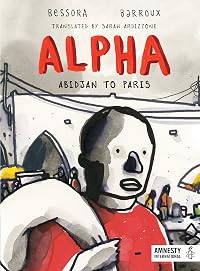


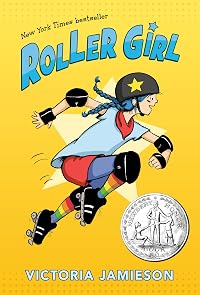
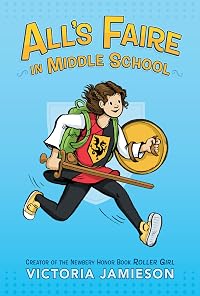
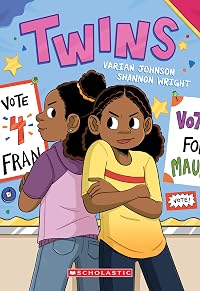
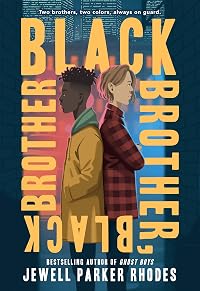
Member Recommendations
Member Reviews
I loved this GN, When Stars Are Scattered, by a Somalian refugee and the author of Roller Girl, Victoria Jamieson. It's based on Omar's own experiences in a "temporary" refugee camp and Kenya, and the hopes of all there to relocate to a better situation in Canada, the U.S. or other countries. Omar is persistent and kind (especially to his functionally disabled brother Hassam), and there is a sunniness to him and the story despite the difficult conditions.
It's one of those good reminders. We may have frustrating political and social issues, but most of us have food to eat, a roof over our head, and chances to better ourselves that others in the world don't.
It's one of those good reminders. We may have frustrating political and social issues, but most of us have food to eat, a roof over our head, and chances to better ourselves that others in the world don't.
Omar and his younger brother Hassan have lived in Dadaab, a refugee camp in Kenya for most of their young lives. Forced to leave their mother back in Somalia, they have struggled to survive in this camp, dealing with food shortages and crushing loneliness. Omar pursues his education, with the help of his friend Maryam as a ticket out of this dismal life. This incredible graphic novel is based on a true story, and it is beautifully crafted and both heart-breaking and hopeful. Well deserving of the Newbery Award.
“Those who are lost
look to the stars to
lead them home.
The flag of Somalia. Our home
has one star, one background.
But we are not one star. We are millions. Not one background, but millions.
To the untrained eye, the night sky is a show more scattering of stars, a chaos of light and dark across the universe.
And yet, the stars are not lost.
They form patterns. Constellations. If you know how to look, there are stories woven into the very essense of stars.
Be like a star. Shine your light. Shine your story. For stories will lead us home.” show less
“Those who are lost
look to the stars to
lead them home.
The flag of Somalia. Our home
has one star, one background.
But we are not one star. We are millions. Not one background, but millions.
To the untrained eye, the night sky is a show more scattering of stars, a chaos of light and dark across the universe.
And yet, the stars are not lost.
They form patterns. Constellations. If you know how to look, there are stories woven into the very essense of stars.
Be like a star. Shine your light. Shine your story. For stories will lead us home.” show less
I′m always pleased to see a graphic novel receive recognition on the award circuit, and this young adult memoir is well-deserving of being a National Book Award finalist. Omar Mohamed was about five years old when his Somali village was attacked. His father was attacked while tending his fields, and his mother sent him and his younger brother, Hassan, running to hide at the neighbors. As the violence spread, everyone in the village fled, and the two boys were swept along. They eventually make it to Dadaab, a refugee camp in Kenya. There they spend the rest of their childhood, waiting year after year for their mother to find them or to be relocated abroad.
Life in the camp is tough, especially for young Omar. His brother doesn′t speak show more and has seizures, so Omar must watch him while also getting water every day, rations every other week, and firewood for the woman in a nearby tent who cooks for them. When a man befriends Omar and offers to help him start school (fifth grade, so Omar can be with age peers), his world suddenly has possibilities and hope.
When Stars are Scattered is the story of brothers, friendship, war, the kindness of strangers, and the transformative power of education. The artwork is spot-on, and the bold outlines and color convey a childlike simplicity that is appealing, while the story itself deals with complex emotions and difficult issues such as child marriage and the world′s response to the refugee crisis. I highly recommend this book, even if you aren′t sure about graphic novels. show less
Life in the camp is tough, especially for young Omar. His brother doesn′t speak show more and has seizures, so Omar must watch him while also getting water every day, rations every other week, and firewood for the woman in a nearby tent who cooks for them. When a man befriends Omar and offers to help him start school (fifth grade, so Omar can be with age peers), his world suddenly has possibilities and hope.
When Stars are Scattered is the story of brothers, friendship, war, the kindness of strangers, and the transformative power of education. The artwork is spot-on, and the bold outlines and color convey a childlike simplicity that is appealing, while the story itself deals with complex emotions and difficult issues such as child marriage and the world′s response to the refugee crisis. I highly recommend this book, even if you aren′t sure about graphic novels. show less
No one chooses to become a refugee.
Omar and his younger brother Hassan live in a refugee camp in Kenya called Dadaab; they fled Somalia when they were young, after Omar saw his father killed, and they were separated from their mother. Fatuma, a woman who lost all four of her sons, helps to take care of Omar and Hassan in the camp; Hassan is mostly nonverbal (he only says "hooyo," the word for "mama"), so Omar takes care of him instead of going to school - until one day, someone convinces him that education is important for his future.
Over the next several years, while the brothers wait for their names to appear on the list for UN interviews, and wait for their mother to find them, Omar goes to school, becomes close friends with a boy show more called Jeri and two girls called Nimo and Maryam (both top students who dream of studying at university in Canada), and waits, and waits, and waits.
They sleep on mats in the dirt in their tents, wait in line for hours to get water, and never have enough food; their futures are uncertain, as more and more refugees come to the camp, and the war in Somalia continues. But finally, Omar and Hassan have their interviews, and at last they are resettled in America.
Throughout an entire childhood and adolescence in the camp, Omar struggles to remain hopeful and focus on what he has, rather than what he has lost. Fatuma, his friends, his teachers, and Hassan all help him to keep going and make the best of things. At long last, his wait comes to an end - but hundreds of thousands of others are still waiting.
See also: The Red Pencil by Andrea Davis Pinkney; Illegal by Eoin Colfer and Andrew Donkin
Quotes
Every day in a refugee camp is the same... Except when it's not. Sometimes your life can change in an instant, but you can never be sure if it's a good change or a bad change. (26)
But even though [school is] loud, and crowded, and hot...I love it. It's like...my brain was starving, and now it's getting the food it needs. (52)
"Life is only a prison if you make it one. Think of this more like...God's waiting room." (Fatuma to Omar, 130)
That's what this refugee camp felt like. A giant waiting room, filled with hundreds of thousands of people. Waiting and waiting and waiting.
Everyone here just wants a place to call home. A place where they can work, or go to school. A place where their families will be safe. (130)
In a refugee camp, it felt like all you ever did was wait. (200)
I thought back to what Jeri told me, years ago. None of us ask to be born where we are, or how we are. The challenge of life is to make the most out of what you've been given. (212)
Being a refugee means you don't really have a future. (229)
Life is always the same in a refugee camp....Except when it's not.
Sometimes life can change in an instant, but you can never be sure if it's a good change or a bad change. (240)
No one chooses to become a refugee. (525)
In a refugee camp, you are always reminded of the things you have lost. It is a valiant and agonizing struggle to focus not on what you have lost...but on what you have been given. (254)
Back matter: photographs, afterword, author's note (Mohamed), author's note (Jamieson, acknowledgements show less
Omar and his younger brother Hassan live in a refugee camp in Kenya called Dadaab; they fled Somalia when they were young, after Omar saw his father killed, and they were separated from their mother. Fatuma, a woman who lost all four of her sons, helps to take care of Omar and Hassan in the camp; Hassan is mostly nonverbal (he only says "hooyo," the word for "mama"), so Omar takes care of him instead of going to school - until one day, someone convinces him that education is important for his future.
Over the next several years, while the brothers wait for their names to appear on the list for UN interviews, and wait for their mother to find them, Omar goes to school, becomes close friends with a boy show more called Jeri and two girls called Nimo and Maryam (both top students who dream of studying at university in Canada), and waits, and waits, and waits.
They sleep on mats in the dirt in their tents, wait in line for hours to get water, and never have enough food; their futures are uncertain, as more and more refugees come to the camp, and the war in Somalia continues. But finally, Omar and Hassan have their interviews, and at last they are resettled in America.
Throughout an entire childhood and adolescence in the camp, Omar struggles to remain hopeful and focus on what he has, rather than what he has lost. Fatuma, his friends, his teachers, and Hassan all help him to keep going and make the best of things. At long last, his wait comes to an end - but hundreds of thousands of others are still waiting.
See also: The Red Pencil by Andrea Davis Pinkney; Illegal by Eoin Colfer and Andrew Donkin
Quotes
Every day in a refugee camp is the same... Except when it's not. Sometimes your life can change in an instant, but you can never be sure if it's a good change or a bad change. (26)
But even though [school is] loud, and crowded, and hot...I love it. It's like...my brain was starving, and now it's getting the food it needs. (52)
"Life is only a prison if you make it one. Think of this more like...God's waiting room." (Fatuma to Omar, 130)
That's what this refugee camp felt like. A giant waiting room, filled with hundreds of thousands of people. Waiting and waiting and waiting.
Everyone here just wants a place to call home. A place where they can work, or go to school. A place where their families will be safe. (130)
In a refugee camp, it felt like all you ever did was wait. (200)
I thought back to what Jeri told me, years ago. None of us ask to be born where we are, or how we are. The challenge of life is to make the most out of what you've been given. (212)
Being a refugee means you don't really have a future. (229)
Life is always the same in a refugee camp....Except when it's not.
Sometimes life can change in an instant, but you can never be sure if it's a good change or a bad change. (240)
No one chooses to become a refugee. (525)
In a refugee camp, you are always reminded of the things you have lost. It is a valiant and agonizing struggle to focus not on what you have lost...but on what you have been given. (254)
Back matter: photographs, afterword, author's note (Mohamed), author's note (Jamieson, acknowledgements show less
Spectacular collaborative work between graphic novelist Victoria Jamieson and author Omar Mohamed. Tells Omar and his brother Hassan's story, from fleeing Somalia as very young children, to their long stay in a refugee camp in Kenya, to their long search for their mother and adoption. There's so much depth to this book -- refugee experience, recovering from violence and displacement, creating a new family after loved ones are lost, living with disability and both its joys and sorrows, voices from the African diaspora, and ways that people are helping now. It's moving and emotional, but also perfectly pitched for young readers. I particularly liked how the education of girls and women is woven throughout the book. This is a beautiful and show more strong piece of literature.
Advanced Readers Copy provided by Dial Books for Young Readers.
Started my re-read with the audio book version and was absolutely gutted. The readers are so perfectly on point, and somehow hearing a voice tell this story made it impossible to set my grief over Omar's story aside to focus on the plot. Finished by going back to the paper version. I think the visual context provided by the graphic novel adds a whole layer of humor, loving glances, and reassurances that the characters are surviving despite their circumstances. show less
Advanced Readers Copy provided by Dial Books for Young Readers.
Started my re-read with the audio book version and was absolutely gutted. The readers are so perfectly on point, and somehow hearing a voice tell this story made it impossible to set my grief over Omar's story aside to focus on the plot. Finished by going back to the paper version. I think the visual context provided by the graphic novel adds a whole layer of humor, loving glances, and reassurances that the characters are surviving despite their circumstances. show less
This is a fictionalized memoir, by one of the most popular Raina Telgemeier read-alike authors, Victoria Jamieson. However, it's very different than the normal run of the genre, which tends to focus on white girls in upper elementary and middle school dealing with friendship difficulties and growing pains.
Jamieson retold and drew the story of Omar Mohamed, a Somalian refugee, who, after fleeing from Somalia around age four, spent his childhood and young adult years in a refugee camp. The story doesn't dwell on the privations and struggles of the refugees, although they are included in the story. Daily life, including the lack of food and basically everything, is explained in simple terms. The effects of hopelessness, boredom, and the show more emotional and physical wounds of the refugees is also shown in the many different ways people react. Mohamed, speaking through Jamieson, gently explains to readers where he and other refugees are coming from and how their circumstances affect every part of their lives.
The story focuses on Omar, first as a young boy. He accepts his life as it is, doesn't think much about what came before, and doesn't really expect a future. His main thoughts are for his brother Hassan, who doesn't speak and is disabled, and the daily struggle for survival. With the encouragement of community leaders, his friends and his foster mother, Omar begins to attend school. There are many setbacks along the way, the excitement and despair of hoping to be called for resettlement, and most of all, the endless waiting. As he grows older, Omar gets a rare chance to be interviewed for the possibility of resettlement and must relieve his traumatic journey to the refugee camp and the ever-present pain of his absent mother.
Along the way, we see Omar's friends on the path of their own struggles. Maryam, the quiet, smart girl who hopes to apply for a scholarship is married off before she can compete in the exams she studied so hard for. Omar's best friend, Jeri, has an abusive father and is mocked by him and other refugees due to his limp. The story ends with a note of both hope and sorrow, as Omar and his brother Hassan are selected for resettlement but have to leave their foster mother, friends, and the family they have created in the refugee camp behind.
Afterwords tell more about Omar's story; he now works as a social worker with refugees and is married with a family, which includes his brother Hassan. After more than twenty years, they were reunited with their mother; however, due to even stricter immigration laws enacted in the US she is still in the refugee camp and they are unable to bring her to the US to join her family. An afterword from Omar talks about his life, the people who helped him, and how he now is able to give back to the community through his work and a nonprofit organization, Refugee Strong. Victoria Jamieson talks about how she came to write this story and worked with Omar to keep it realistic and true to his experiences.
This is not so graphic that it will be inappropriate for the average middle grade reader; it's honest but does not portray graphic violence. I wouldn't necessarily recommend it to readers who are looking for more Raina Telgemier-type stories, but I hope that those who go looking for them will discover this very different memoir and reflect upon their own privilege or see themselves in another's story and find hope.
Verdict: Definitely purchase - where you shelve will depend on your community. I have a small collection of contemporary autobiography/inspirational stories in the 922s where I think it will be a good fit. If school resumes, I hope to talk some teachers into using it for a book club.
ISBN: 9780525553915; Published April 2020 by Dial; Borrowed from another library; Purchased for my library show less
Jamieson retold and drew the story of Omar Mohamed, a Somalian refugee, who, after fleeing from Somalia around age four, spent his childhood and young adult years in a refugee camp. The story doesn't dwell on the privations and struggles of the refugees, although they are included in the story. Daily life, including the lack of food and basically everything, is explained in simple terms. The effects of hopelessness, boredom, and the show more emotional and physical wounds of the refugees is also shown in the many different ways people react. Mohamed, speaking through Jamieson, gently explains to readers where he and other refugees are coming from and how their circumstances affect every part of their lives.
The story focuses on Omar, first as a young boy. He accepts his life as it is, doesn't think much about what came before, and doesn't really expect a future. His main thoughts are for his brother Hassan, who doesn't speak and is disabled, and the daily struggle for survival. With the encouragement of community leaders, his friends and his foster mother, Omar begins to attend school. There are many setbacks along the way, the excitement and despair of hoping to be called for resettlement, and most of all, the endless waiting. As he grows older, Omar gets a rare chance to be interviewed for the possibility of resettlement and must relieve his traumatic journey to the refugee camp and the ever-present pain of his absent mother.
Along the way, we see Omar's friends on the path of their own struggles. Maryam, the quiet, smart girl who hopes to apply for a scholarship is married off before she can compete in the exams she studied so hard for. Omar's best friend, Jeri, has an abusive father and is mocked by him and other refugees due to his limp. The story ends with a note of both hope and sorrow, as Omar and his brother Hassan are selected for resettlement but have to leave their foster mother, friends, and the family they have created in the refugee camp behind.
Afterwords tell more about Omar's story; he now works as a social worker with refugees and is married with a family, which includes his brother Hassan. After more than twenty years, they were reunited with their mother; however, due to even stricter immigration laws enacted in the US she is still in the refugee camp and they are unable to bring her to the US to join her family. An afterword from Omar talks about his life, the people who helped him, and how he now is able to give back to the community through his work and a nonprofit organization, Refugee Strong. Victoria Jamieson talks about how she came to write this story and worked with Omar to keep it realistic and true to his experiences.
This is not so graphic that it will be inappropriate for the average middle grade reader; it's honest but does not portray graphic violence. I wouldn't necessarily recommend it to readers who are looking for more Raina Telgemier-type stories, but I hope that those who go looking for them will discover this very different memoir and reflect upon their own privilege or see themselves in another's story and find hope.
Verdict: Definitely purchase - where you shelve will depend on your community. I have a small collection of contemporary autobiography/inspirational stories in the 922s where I think it will be a good fit. If school resumes, I hope to talk some teachers into using it for a book club.
ISBN: 9780525553915; Published April 2020 by Dial; Borrowed from another library; Purchased for my library show less
Brothers Omar and Hassan have lived in a Kenyan refugee camp for most of their lives, after fleeing from their war-torn village in Somalia and losing their mother in the chaos. Omar relates the day-to-day of life in the camp, which he laments includes a lot of waiting -- from waiting in line for water to waiting for the slim possibility of resettlement one day.
Based on a true story, this was an incredibly compelling read. Omar's story shows the very real difficulties of living in a refugee camp (e.g., crowded spaces, lack of food, etc.) but balances that with the small victories and hopes (e.g., neighbors who are like family, a chance to go to school, etc.). Life is made that much harder for Omar because his brother Hassan has an show more unspecified disability that is of concern, especially because he has a past history of seizures.
All of the characters felt real, which makes sense being based on true events, and I felt for all of them in different ways. This book did bring me to tears in several places. That being said, it is well worth the read and the bits that might make readers uncomfortable are exactly the reasons why they should be reading this book. The end has a call for action for young readers to get motivated to help refugees in their communities and around the world.
The illustrations are quite beautiful, especially the scenic backgrounds of the night sky. The illustrations of the characters also helps tell the story by bringing forth their emotions. show less
Based on a true story, this was an incredibly compelling read. Omar's story shows the very real difficulties of living in a refugee camp (e.g., crowded spaces, lack of food, etc.) but balances that with the small victories and hopes (e.g., neighbors who are like family, a chance to go to school, etc.). Life is made that much harder for Omar because his brother Hassan has an show more unspecified disability that is of concern, especially because he has a past history of seizures.
All of the characters felt real, which makes sense being based on true events, and I felt for all of them in different ways. This book did bring me to tears in several places. That being said, it is well worth the read and the bits that might make readers uncomfortable are exactly the reasons why they should be reading this book. The end has a call for action for young readers to get motivated to help refugees in their communities and around the world.
The illustrations are quite beautiful, especially the scenic backgrounds of the night sky. The illustrations of the characters also helps tell the story by bringing forth their emotions. show less
Members
- Recently Added By
Lists

Club Read's Graphic Stories Recommendations
127 works; 2 members

High School Novels about Immigration
40 works; 1 member

VPL Middle Grade Books
86 works; 1 member

Newbery Adjacent
747 works; 3 members

Best Biographies, Autobiographies and Memoirs
465 works; 160 members
Best Graphic Novel Nonfiction
199 works; 101 members
Club Read's Recommended Nonfiction Written by Women
618 works; 30 members

Youth: Social Values
194 works; 1 member
Author Information

13+ Works 5,543 Members
1 Work 1,720 Members
Some Editions
Awards and Honors
Awards
Distinctions
Notable Lists
Common Knowledge
- Original publication date
- 2020-04-14
- People/Characters
- Omar "Dantey" Mohamed; Hassan Mohamed; Fatuma; Jeri; Tall Ali; Tall Salan (show all 10); Maryam Farah; Nimo; Susana Martinez; Hawa Ali
- Important places
- Kenya; Dadaab, Kenya; Mareery, Somalia; Mogadishu, Somalia
- Dedication
- For the international staff who leave their loved ones behind and work to help others - O.M.
For Herminio and Oscar, my world - V.J. - First words
- For me, the first years are lost. Now, in a place as crowded as this, I'm afraid we'll never be found.
- Last words
- (Click to show. Warning: May contain spoilers.)For me, the first years are lost. I hope that in America, Hassan and I will find our way.
- Original language
- English
Classifications
- Genres
- Tween, Graphic Novels & Comics
- DDC/MDS
- 305.9 — Society, government, & culture Social sciences, sociology & anthropology Social group - Age, Gender, Ethnicity People by occupation and miscellaneous social statuses
- LCC
- HV640.5 .S8 .J36 — Social sciences Social pathology. Social and public welfare. Criminology Social pathology. Social and public welfare. Refugee problems
- BISAC
Statistics
- Members
- 1,804
- Popularity
- 12,120
- Reviews
- 110
- Rating
- (4.54)
- Languages
- English, German, Spanish
- Media
- Paper, Audiobook, Ebook
- ISBNs
- 22
- ASINs
- 2
