
Charming Billy
by Alice McDermott
On This Page
Description
*Celebrating the Twentieth Anniversary with a brand new audiobook recording* *Winner of the 1998 National Book Award for Fiction** Program includes a bonus conversation between Alice McDermott and Matthew Thomas, New York Times bestselling author of the critically-acclaimed novel, We Are Not Ourselves. Alice McDermott's striking audiobook, Charming Billy, is a study of the lies that bind and the weight of familial love, of the way good intentions can be as destructive as the truth they were show more meant to hide. Billy Lynch's family and friends have gathered to comfort his widow, and to pay their respects to one of the last great romantics. As they trade tales of his famous humor, immense charm, and consuming sorrow, a complex portrait emerges of an enigmatic man, a loyal friend, a beloved husband, an incurable alcoholic. show lessTags
Recommendations

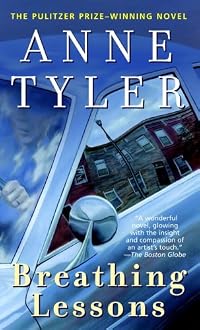
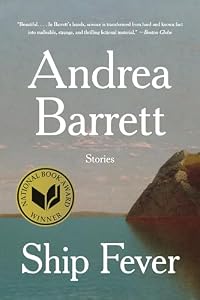


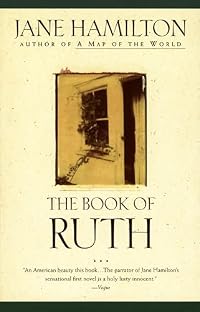
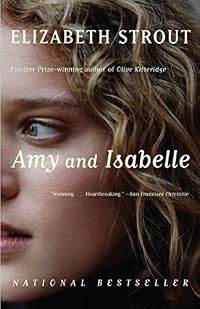

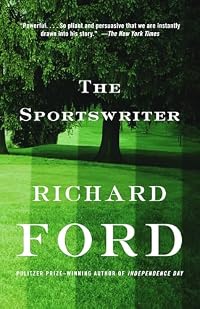
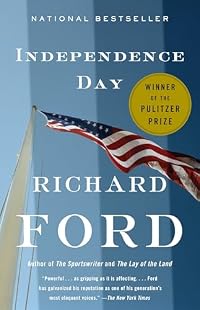
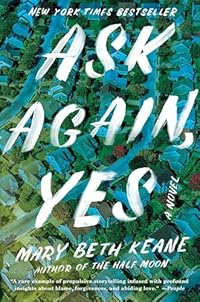
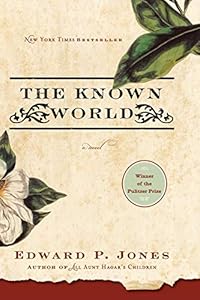

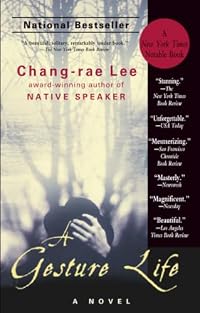

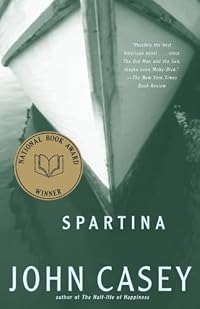
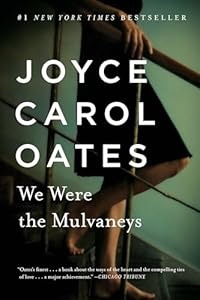

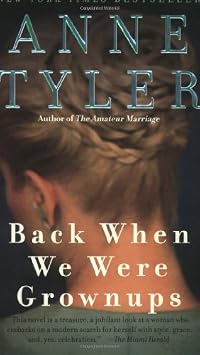


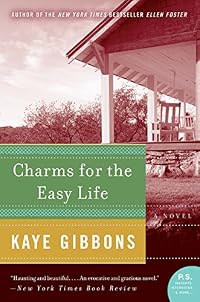

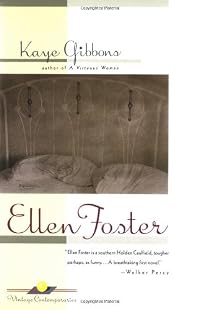
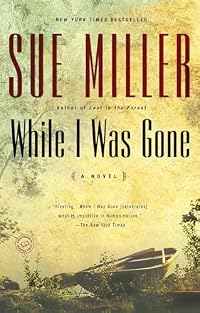
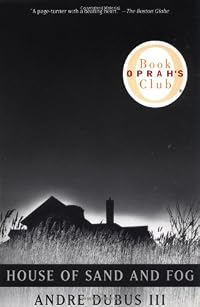
Member Recommendations
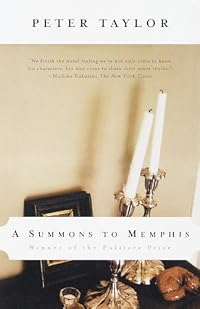
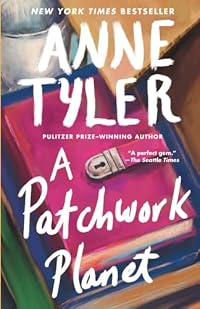
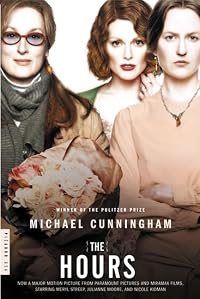
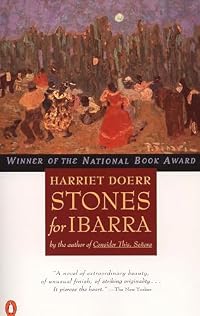
cammykitty Non-fiction, but yes that painful realm - loving someone who is slowly disappearing before your eyes
Member Reviews
A slow, sad book that describes the way that a sudden romantic disappointment changes the life of a likeable Irish-American drinker. McDermott's skilled at conveying the essence of character: after finishing "Charming Billy," I felt like I knew him, along with many of his friends, relatives and associates. Still, the parts of this novel I enjoyed most were, paradoxically, some of the elements that had least to do with any particular character. The book's got some lovely descriptions of the Long Island shoreline and skilfully traces its development from a sparsely populated wilderness to an ordinary suburb. She's also good at conveying the relative isolation that the Irish community once lived in. Most of the lives described in "Charming show more Billy" are unambitious and constrained, and this provides a welcome contrast to the content-free nostalgia that's seems so common among many latter-day Irish Americans. For all its focus on its titular character, McDermott's book is really the story of a whole community, and, in its way, an elegy for a way of life. It's narrated by a daughter of one of Billy's cousins, someone working her way out of the Irish-American experience, and I think that this was a wise choice on the author's part, since it provides a certain necessary distance from Billy's experience.
At the same time, I'm not sure that I really enjoyed this one. I feel that, in portraying the Irish-American community that could sometimes be as claustrophobic as it was supportive, McDermott is making a conscious effort to write against some well-worn sentimental ethnic tropes. The problem is that I'm not sure that she always succeeds: Billy himself is a silver-tongued charmer with a drinking problem, after all, and we meet a full complement of suffering Irish mothers and dashing Irish hellraisers, too. Also, while she writes well, the author also tends to hold on to both her sentences and her scenes a bit too long. In short, this book drags in places, and I think that many readers will find the scenes of extended post-funeral mourning as hard to get through as I did. For all this, its not a bad read, or a bad novel, but I'm not sure it screams "prize-winner." Apparently, someone over at the National Book Foundation feels differently. show less
At the same time, I'm not sure that I really enjoyed this one. I feel that, in portraying the Irish-American community that could sometimes be as claustrophobic as it was supportive, McDermott is making a conscious effort to write against some well-worn sentimental ethnic tropes. The problem is that I'm not sure that she always succeeds: Billy himself is a silver-tongued charmer with a drinking problem, after all, and we meet a full complement of suffering Irish mothers and dashing Irish hellraisers, too. Also, while she writes well, the author also tends to hold on to both her sentences and her scenes a bit too long. In short, this book drags in places, and I think that many readers will find the scenes of extended post-funeral mourning as hard to get through as I did. For all this, its not a bad read, or a bad novel, but I'm not sure it screams "prize-winner." Apparently, someone over at the National Book Foundation feels differently. show less
This is the story of several generations of an Irish Catholic family from Queens. The narration revolves around the life of the title character, who as the book begins has just been buried, killed by his alcoholism. The tale is told by the daughter of Billy's cousin, Dennis. So close have Billy and Dennis been throughout life that they are more like brothers than cousins, and it is Dennis who has tried to keep his cousin steady through his increasingly chaotic life.
The tale weaves between time periods and points of view very skillfully. This serves the novel extremely well, however, as the narration shifts seemingly effortlessly from place to place in much the way real memory does, and never is the reader left confused about where or show more when or what we're being shown. So much for form (which is a major component of the effectiveness of this novel).
The story itself is a heartbreaking examination of the power, for good and ill, of the tangled inter-connection of family and community, of dreams, of relentless loyalty to a passion or an idea or a memory, and of the lingering, corrosive energy of a single lie, told out of mercy and left uncovered for decades. The story is told with kindness and amazing insight, and we are left with a sense of admiration for this examination of the human comedy/tragedy, and a renewed wonder at our limitless human capacity for regret and self-deception, yes, but also, to a narrower extent, for forgiveness, if not for ourselves than at least for others. show less
The tale weaves between time periods and points of view very skillfully. This serves the novel extremely well, however, as the narration shifts seemingly effortlessly from place to place in much the way real memory does, and never is the reader left confused about where or show more when or what we're being shown. So much for form (which is a major component of the effectiveness of this novel).
The story itself is a heartbreaking examination of the power, for good and ill, of the tangled inter-connection of family and community, of dreams, of relentless loyalty to a passion or an idea or a memory, and of the lingering, corrosive energy of a single lie, told out of mercy and left uncovered for decades. The story is told with kindness and amazing insight, and we are left with a sense of admiration for this examination of the human comedy/tragedy, and a renewed wonder at our limitless human capacity for regret and self-deception, yes, but also, to a narrower extent, for forgiveness, if not for ourselves than at least for others. show less
Billy was an alcoholic. “A fine person” “without the drink,” in the words of one woman who knew him. “Talking to him was like listening to poetry.” The book shifts between the aftermath of Billy’s death and stories of his life. He was known for dashing off notes on placemats or whatever paper was around and mailing them off to friends and family. Known for his charm. For the tragedy of a lost love.
Billy’s friends and family are displayed and examined in their reactions to his life, his alcoholism, and his death. Their stories and opinions also serve to illuminate Billy’s character.
Alice McDermott is masterful at evoking emotions through images and scents, conjuring memories as if they were the reader’s own. She’s show more very good with places as well, bringing them to life. Queens, Long Island, commuter life in New York City all come alive. And of course people; in all their eccentricities, opinions and habits. McDermott shares that skill with William Trevor. show less
Billy’s friends and family are displayed and examined in their reactions to his life, his alcoholism, and his death. Their stories and opinions also serve to illuminate Billy’s character.
Alice McDermott is masterful at evoking emotions through images and scents, conjuring memories as if they were the reader’s own. She’s show more very good with places as well, bringing them to life. Queens, Long Island, commuter life in New York City all come alive. And of course people; in all their eccentricities, opinions and habits. McDermott shares that skill with William Trevor. show less
Framed by the narrative of the family funereal gathering for the late Billy Lynch, the novel recounts Billy's life, his early lost love, his struggle with alcohol, his never-lost charm. We're also given the lives of other members of the family and their close, everyday relationships, especially how Billy's live - and death - have influenced them. The real charmer here is the story itself, and the lovely way it is told, through the sweetness of its quotidian details, the mundane made holy, in some way. So excellently written, this one. Definitely recommended.
I have mixed thoughts/feelings about this book. It is a National Book Award recipient. The writing is lyrical, poetic with images that carry the reader along wherein you can smell the ocean air, feel the heat of the sand and sunshine, touch the fireflies and taste the pitchers of drinks as the characters consume sea food and bask in the company of good friends and family.
But, as wonderful as the writing is, still, the author rambled. There were too many times when I had to go back and read a paragraph or a sentence to follow what was happening or what character was being described.
Charming Billy and his obsessively loyal cousin Dennis spent a life time together, sharing joys, sorrows, difficulties and easy times. As Billy increasingly show more slips into alcoholism the easy times are few while Dennis picks up the pieces of Billy's shattered life.
At times enabler, at times confrontational, Dennis shares a drink and then helps his cousin when he falls off the bar stool. Propping him up, returning him home late at night broken, cut and battered, the next few days Dennis slips into the lecturer and moral compass.
Dwelling in the past and holding on to a love who left, Billy wastes his life in what could have been while refusing to see the beauty currently in his life.
This is a depiction of Irish American life, friendship and family, and while there is love and stability, there is also chaos and sorrow. The book begins at the end of Billy's life. Dying from the effects of years of hard drinking, his friends gather at a small Bronx, NY bar to share memories. Looking back on Charming Billy's life brings tears of pain and of happiness.
I recommend the book with reservations, and I'm going out on a limb in asking the rhetorical question of why so many authors depict the Irish culture as Catholics who attend mass on Sunday, confessing their sins, while getting down and out in the gutter drunk on Monday - Saturday? Is it necessary that consistently authors depict Irish Catholic woman as long suffering martyrs?
Can someone please direct me to a book where the Irish culture is portrayed in a healthy manner? show less
But, as wonderful as the writing is, still, the author rambled. There were too many times when I had to go back and read a paragraph or a sentence to follow what was happening or what character was being described.
Charming Billy and his obsessively loyal cousin Dennis spent a life time together, sharing joys, sorrows, difficulties and easy times. As Billy increasingly show more slips into alcoholism the easy times are few while Dennis picks up the pieces of Billy's shattered life.
At times enabler, at times confrontational, Dennis shares a drink and then helps his cousin when he falls off the bar stool. Propping him up, returning him home late at night broken, cut and battered, the next few days Dennis slips into the lecturer and moral compass.
Dwelling in the past and holding on to a love who left, Billy wastes his life in what could have been while refusing to see the beauty currently in his life.
This is a depiction of Irish American life, friendship and family, and while there is love and stability, there is also chaos and sorrow. The book begins at the end of Billy's life. Dying from the effects of years of hard drinking, his friends gather at a small Bronx, NY bar to share memories. Looking back on Charming Billy's life brings tears of pain and of happiness.
I recommend the book with reservations, and I'm going out on a limb in asking the rhetorical question of why so many authors depict the Irish culture as Catholics who attend mass on Sunday, confessing their sins, while getting down and out in the gutter drunk on Monday - Saturday? Is it necessary that consistently authors depict Irish Catholic woman as long suffering martyrs?
Can someone please direct me to a book where the Irish culture is portrayed in a healthy manner? show less
Billy's death sets off an avalanche of reminisces related by those who knew him and retold by his cousin's daughter. McDermott weaves past and present into an intergenerational mythology in which Billy, despite his ultimately failing battle with alcoholism, is one of the heroes. Like so many families, Billy's has had a complicated relationship with alcohol and with his alcoholism, and even as they remember his better qualities, his relatives all struggle with their role as enablers in it. McDermott does an excellent job of mimicking the faint haze of memory that drapes itself on family stories passed down from generation to generation, and the result is a beautiful, strange, sad, compelling little novel.
Even at his funeral party, Billy Lynch's life remains up for debate. The true genius of this story lies in McDermott's telling of the same events from different points of view at different points in time, demonstrating the lack of objectivity and certainty that surrounds everyday life. More than anything else, Billy (like all of us) is a disparate collection of stories and opinions and myths as viewed by his friends and family.
Members
- Recently Added By
Published Reviews
ThingScore 100
We all have books that rededicate us to the fantastic powers of fiction, and this is one of mine. McDermott makes the point that when a person’s life story is fully told they may become more mysterious—easy to say, but when fiction brings you to a realization like this, when an author can make this happen inside of you—there’s nothing like it.
added by Shortride
Lists

National Book Award - Fiction
78 works; 9 members

International IMPAC Dublin Literary Award
179 works; 6 members

Fiction with Men's Given Names in the Title
302 works; 11 members

Stephen King's 'On Writing' reading list
95 works; 4 members

Books Read in 2026
1,715 works; 62 members

Books Featured on Readers' Review of the Diane Rehm Show
161 works; 8 members
Author Information

16+ Works 8,513 Members
Alice McDermott was born in Brooklyn, New York on June 27, 1953. She received a B.A. from the State University of New York at Oswego in 1975 and an M.A. from the University of New Hampshire in 1978. After graduating college, she got a job reading unsolicited manuscripts for Redbook magazine and did some freelance reading for Esquire. She has show more taught writing at American University, the University of New Hampshire, and the University of California at San Diego. Currently, she is the Writing Seminars Professor of the Johns Hopkins University Writing Department. Her short stories and articles have appeared in numerous publications including Ms., Redbook, Mademoiselle, The New Yorker, Seventeen, the New York Times and the Washington Post. She has written several novels including A Bigamist's Daughter, At Weddings and Wakes, Child of My Heart, After This, Someone, and The Ninth Hour. That Night was made into a film starring C. Thomas Howell and Juliette Lewis in 1992. She has won several awards including the National Book Award for fiction in 1998 for Charming Billy, a Whiting Writers Award, and the 2008 Corrington Award for Literature. (Bowker Author Biography) show less
Some Editions
Awards and Honors
Awards
Distinctions
Series
Belongs to Publisher Series
Work Relationships
Has as a student's study guide
Common Knowledge
- Canonical title*
- Irischer Abschied
- Original title
- Charming Billy
- Original publication date
- 1998
- People/Characters
- Billy Lynch; Maeve Lynch
- Important places
- The Bronx, New York, New York, USA; Clonmel, County Tipperary, Ireland; Long Island, New York, USA
- Dedication
- For Will, Eames, and Patrick
- First words
- Somewhere in The Bronx, only twenty minutes or so from the cemetery, Maeve found a small bar-and-grill in a wooded alcove set well off the street that was willing to serve the funeral party of forty-seven mediium-rare roast b... (show all)eef and boiled potatoes and green beans amandine, with fruit salad to begin and vanilla ice cream to go with the coffee.
- Last words*
- (Click to show. Warning: May contain spoilers.)... - die auch den Glauben meines Vaters und Billys und einen gewissen Teil meines eigenen Glaubens ausmachten -, auch nur im geringsten darauf ankam, was Wirklichkeit war, was Vorstellung war, was Glaubenssache war.
- Original language*
- englanti
*Some information comes from Common Knowledge in other languages. Click "Edit" for more information.
Classifications
Statistics
- Members
- 2,540
- Popularity
- 7,479
- Reviews
- 46
- Rating
- (3.41)
- Languages
- 8 — Dutch, English, Finnish, French, German, Italian, Portuguese, Spanish
- Media
- Paper, Audiobook, Ebook
- ISBNs
- 38
- ASINs
- 21