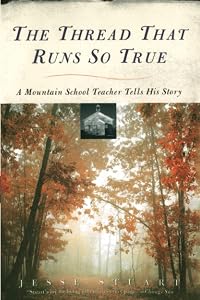
The Thread That Runs So True
by Jesse Stuart
On This Page
Description
"A mountain school-teacher tells his story"--Cover.Tags
Recommendations



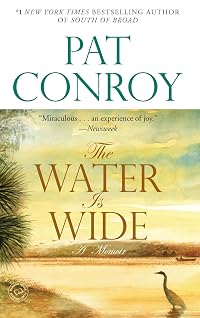
















Member Recommendations

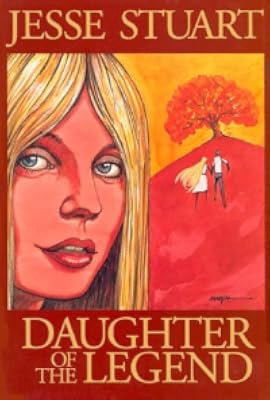
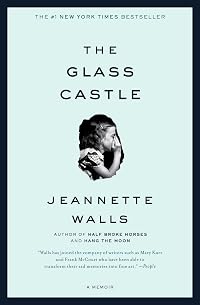
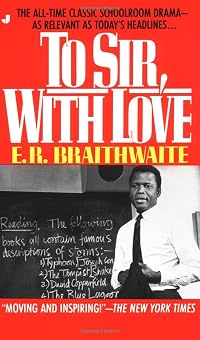
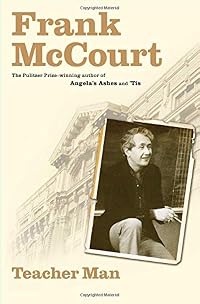
JenniferRobb Both discuss schoolteachers in rural settings. Marshall's is set in Appalachia while Stuart's is mostly in rural Kentucky.
Member Reviews
This book is nuts. When it opens, Jesse Stuart has just finished his junior year of high school when he takes a year off to teach at a rural one-room school in Kentucky. He ends up in physical altercations with students nearly his age, is shot at by community members, and has to deal with students who have been in the first grade four or five times. Then, done with the education profession, he completes high school and goes to college. At that point he's hired to teach a small rural high school single-handedly. His school does so well his students beat the local city high school in a competition. So the next year he's hired to be the principal of that high school! Underpaid, he only does that for a year and goes off to graduate school. show more After not finishing because the building containing a draft of his master's thesis burns down, he returns home... where he's hired to be superintendent of the school district! Which of course turns out to be his craziest year yet. If this wasn't a memoir, I wouldn't believe. I kinda still don't. But it's endlessly fascinating. Stuart's passion for education oozes from every page, which makes the end of the book (where he gives it up) weird and underexplained. It's hard to be inspired by it, though, as it all seems so effortless for Stuart-- indeed, he often claims he was simply blessed with highly intelligent students. But if that's all, he seems to have ended up with a hugely disproportionate number. Thankfully, the book isn't aiming for feel-good, but (aside from the occasional preachy moment) entertainment, and it succeeds nicely at that. show less
A friend sent me this book which I am also going to share with my mom. Jesse Stuart was a teacher, principal, and school superintendent in rural Kentucky at various times.
The parts I liked best was when he was describing his experiences and his students. I didn't recognize the poem/rhyme that the school children did at recess that inspired the title. I've never been good at symbolism but I thought it was interesting that he could recognize that the rhyme discussed "play" and apply it to his beginning students at his first school. It seemed like he made learning fun for them and also for the remedial English students at an Ohio high school much later in his career. It seemed many of the students he had were good, motivated students who show more wanted to learn. Many went on to become teachers themselves.
Much is also made of the good teachers who were not rehired because of the politics of rural Kentucky schools. In fact, I don't recall him discussing too many bad teachers.
The parts I liked least were when he had to segue into the politics of the schools--the trustees, the state school laws, the board of education, etc. I agree with him that it did seem a bit complicated, and it also seemed like if the trustees or board changed then each brought in their own teachers etc. whether you were a good teacher or a bad teacher.
I'm not quite sure what their wages from then would equate to today. It seemed that it was hard to live on what a teacher made, especially since they were probably only paid for the months they taught (6 or 7 from what I recall). That fact seemed to run some teachers off the profession after a while (including the author). Then again, there was a whole school that taught without getting paychecks for a while, so that wasn't the only determining factor. There was also no teacher's pension plan or retirement plan back then--at least not when he first started teaching.
It's interesting that while we still have trouble attracting and keeping teachers, we now also have the problem of how to get rid of some of the "bad" teachers so, while the unions have done much good, at times, they probably also hinder education. I do agree that teachers shouldn't be dismissed, as some of these were, on a whim based on who is in charge--but there are some teachers who don't put in the effort with their students, who don't really teach, and who probably should leave the profession who can't be ousted from their positions because every time it's tried, it's blocked. That's not good either. show less
The parts I liked best was when he was describing his experiences and his students. I didn't recognize the poem/rhyme that the school children did at recess that inspired the title. I've never been good at symbolism but I thought it was interesting that he could recognize that the rhyme discussed "play" and apply it to his beginning students at his first school. It seemed like he made learning fun for them and also for the remedial English students at an Ohio high school much later in his career. It seemed many of the students he had were good, motivated students who show more wanted to learn. Many went on to become teachers themselves.
Much is also made of the good teachers who were not rehired because of the politics of rural Kentucky schools. In fact, I don't recall him discussing too many bad teachers.
The parts I liked least were when he had to segue into the politics of the schools--the trustees, the state school laws, the board of education, etc. I agree with him that it did seem a bit complicated, and it also seemed like if the trustees or board changed then each brought in their own teachers etc. whether you were a good teacher or a bad teacher.
I'm not quite sure what their wages from then would equate to today. It seemed that it was hard to live on what a teacher made, especially since they were probably only paid for the months they taught (6 or 7 from what I recall). That fact seemed to run some teachers off the profession after a while (including the author). Then again, there was a whole school that taught without getting paychecks for a while, so that wasn't the only determining factor. There was also no teacher's pension plan or retirement plan back then--at least not when he first started teaching.
It's interesting that while we still have trouble attracting and keeping teachers, we now also have the problem of how to get rid of some of the "bad" teachers so, while the unions have done much good, at times, they probably also hinder education. I do agree that teachers shouldn't be dismissed, as some of these were, on a whim based on who is in charge--but there are some teachers who don't put in the effort with their students, who don't really teach, and who probably should leave the profession who can't be ousted from their positions because every time it's tried, it's blocked. That's not good either. show less
Wonderful autobiography of Jesse Stuart and how he became a teacher, and then author.
"The Thread that Runs So True (1949), a classic of American education, continuously in print for more than fifty years. Wikipedia Link Here
Ratings
Members
- Recently Added By
Author Information

61+ Works 1,872 Members
Awards and Honors
Distinctions
Work Relationships
Common Knowledge
- Canonical title
- The Thread That Runs So True
- Original title
- The Thread That Runs So True
- Alternate titles
- The Thread That Runs So True: A Mountain School Teacher Tells His Story
- Original publication date
- 1949
- People/Characters
- Jesse Stuart; Naomi Deane; Don Conway; Budge; Olivia Binion; Granny Binion (show all 8); Guy Hawkins; Ova Salyers
- Important places
- Kentucky, USA; Appalachia, USA
- Epigraph
- If we work upon marble, it will perish; if we work upon brass, time will efface it; if we rear temples, they will crumble into dust; but if we work upon immortal minds, if we imbue them with principles, with just fear of God ... (show all)and love of our fellow-men, we engrave on those tablets something which will brighten to all eternity--Daniel Webster
- Dedication
- To the schoolteachers of America
- First words
- Monday morning when I started on my way to school, I had with me Don Conway, a pupil twenty years of age, who had never planned to enter school again.
- Last words
- (Click to show. Warning: May contain spoilers.)Then her dream of remodeling the old log cabin became a reality.
- Blurbers
- Arnow, Harriette
- Original language
- English US
Classifications
Statistics
- Members
- 339
- Popularity
- 93,360
- Reviews
- 4
- Rating
- (4.09)
- Languages
- English
- Media
- Paper
- ISBNs
- 10
- ASINs
- 14