On This Page
Description
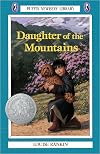
A Swiss orphan is heartbroken when she must leave her beloved grandfather and their happy home in the mountains to go to school and to care for an invalid girl in the city.Tags
Recommendations












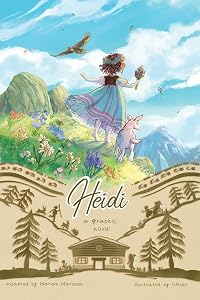









Member Recommendations

Member Reviews
I enjoyed this book immensely, read for the first time in my life at 64 years old! The cover above is the one on the book I read and it captures the feeling of the story so perfectly.
I can't possibly give an objective review, though. That's because this book, to me, is about another little dark-haired, dark-eyed girl who loved animals, flowers, and the wind in pine trees: My mother.
Heidi was one of the most favorite books from my mom's childhood. She was a lifelong, avid reader, having learned to read very early, perhaps as early as 4 years old. I do know that by age 5 (Heidi's age at the start of the story) and specifically by July 8, 1947, she was being paid a nickel a day to read the daily newspaper aloud to an elderly, nearly blind show more woman down the street. She read to her the local newspaper, The Roswell Daily Record. But that's another story.
After having finally read Heidi myself, I now wish desperately that I had read it while Mom was still alive and can't quite figure out why I never did, except that with like so many things, we think we have plenty of time and we think we know more than we, in fact, do. It's only after someone is gone that we realize we have questions still. I long for her to tell me all the reasons why she loved it and what those parts of the story meant to her. I would ask how exactly did she learn to read so young. How did she get the book to read before she was even in school yet? Did her older sister, Audrey, with whom she always shared a bedroom, have something to do with it? Did they read it together? Did she cherish that memory of her sister after she died in a car accident when Mom was just 13 and Audrey was just 15? I'll never know.
Instead I have to make my own suppositions, and as I read I was awash in such ponderings. It's not very hard to imagine why my mother -- or any little girl -- would love Heidi and her story. But as I read, I became aware of extra magic that must have been there for my mom, like the blind neighbors they each read to.
Also I know that my mom's best friend was a neighbor boy and I'm sorry his name escapes me, although I know it wasn't Peter.
I know my mother felt the loss of her father all her life although she was too young to remember much about him; he died during WW II, from tuberculosis when she was just two. She surely related to Heidi being an orphan. Feeling the keen absence of her father, she would have longed for a caring male relative in her life, someone like Heidi's grandfather, Uncle Alp.
Mom's young life was filled with hardships and had to have been harder still for the sensitive, dutiful person she was. Faith, at that time was a regular part of her life as a practicing Catholic until she was a teen; so perhaps the Christian messages about suffering would have been comforting to her.
I also wondered which illustrations were in the book she would have read. In the edition I read, they were the 1956 ones by Cecil Mary Leslie. Mom's copy could only have included those from at least 10 years before that. In my mind's eye I easily saw her, a shy obedient little thing, lying on her bed quietly reading and then stopping for long gazes at the pictures.
I don't know for certain about the things that I've supposed. And I must reconcile that there's nothing to do with my sadness of never knowing. Instead, I can only embrace the gladness that she told me she loved Heidi and how it was an especially pleasant part of her childhood. I am grateful to know those few things for certain, and grateful that reading such an universally beloved story became intertwined with my love and tenderness for another dark-haired, dark-eyed little girl. show less
I can't possibly give an objective review, though. That's because this book, to me, is about another little dark-haired, dark-eyed girl who loved animals, flowers, and the wind in pine trees: My mother.
Heidi was one of the most favorite books from my mom's childhood. She was a lifelong, avid reader, having learned to read very early, perhaps as early as 4 years old. I do know that by age 5 (Heidi's age at the start of the story) and specifically by July 8, 1947, she was being paid a nickel a day to read the daily newspaper aloud to an elderly, nearly blind show more woman down the street. She read to her the local newspaper, The Roswell Daily Record. But that's another story.
After having finally read Heidi myself, I now wish desperately that I had read it while Mom was still alive and can't quite figure out why I never did, except that with like so many things, we think we have plenty of time and we think we know more than we, in fact, do. It's only after someone is gone that we realize we have questions still. I long for her to tell me all the reasons why she loved it and what those parts of the story meant to her. I would ask how exactly did she learn to read so young. How did she get the book to read before she was even in school yet? Did her older sister, Audrey, with whom she always shared a bedroom, have something to do with it? Did they read it together? Did she cherish that memory of her sister after she died in a car accident when Mom was just 13 and Audrey was just 15? I'll never know.
Instead I have to make my own suppositions, and as I read I was awash in such ponderings. It's not very hard to imagine why my mother -- or any little girl -- would love Heidi and her story. But as I read, I became aware of extra magic that must have been there for my mom, like the blind neighbors they each read to.
Also I know that my mom's best friend was a neighbor boy and I'm sorry his name escapes me, although I know it wasn't Peter.
I know my mother felt the loss of her father all her life although she was too young to remember much about him; he died during WW II, from tuberculosis when she was just two. She surely related to Heidi being an orphan. Feeling the keen absence of her father, she would have longed for a caring male relative in her life, someone like Heidi's grandfather, Uncle Alp.
Mom's young life was filled with hardships and had to have been harder still for the sensitive, dutiful person she was. Faith, at that time was a regular part of her life as a practicing Catholic until she was a teen; so perhaps the Christian messages about suffering would have been comforting to her.
I also wondered which illustrations were in the book she would have read. In the edition I read, they were the 1956 ones by Cecil Mary Leslie. Mom's copy could only have included those from at least 10 years before that. In my mind's eye I easily saw her, a shy obedient little thing, lying on her bed quietly reading and then stopping for long gazes at the pictures.
I don't know for certain about the things that I've supposed. And I must reconcile that there's nothing to do with my sadness of never knowing. Instead, I can only embrace the gladness that she told me she loved Heidi and how it was an especially pleasant part of her childhood. I am grateful to know those few things for certain, and grateful that reading such an universally beloved story became intertwined with my love and tenderness for another dark-haired, dark-eyed little girl. show less
Mostly during primary school my chosen prospective career was saint.
Ah, but then there was the period where I discovered Heidi and as I read and reread it a bunch of times, I most fervently wanted to become a goatherd, with all that this entailed. The bell. The sleeping snuggled into warm hay in the attic. The eating of too much cheese.
So taken was I with the idea of Switzerland that when we were asked, about grade 6, where we were going for the term holiday, I – who had never been on a holiday because we were way too poor – said Switzerland. I just might have gotten away with this but for the fact that my mother taught in the senior school. Since I had further elaborated when pressed, that we were going by boat – another fixation show more I had throughout childhood, seafaring – and the term holiday was a mere fortnight, news soon spread through the school that my mother was leaving her teaching job. In case you don’t get the plot so far, I was weaving this fantasy in Australia where I was born and raised.
Never mind the trouble I got into for this, it didn’t in the least affect my taste for anything Swittish.
Since then, as an adult I’ve been able to visit Switzerland five times, mostly Geneva. By no means goatherd territory, but still. You can see Geneva as a straightforwardly beautiful city. You can see it through Australian eyes as having that aesthetic qualities of age that our cities so lack, not to mention the mountain backdrop the like of which we would never see at home. Or you can see it, I discover, as a young child would whose dreams were always of other places. I confess as I’ve wandered about the city, staring at those snow-capped mountains, to feeling that I have come home in some way that I’m sure derives from the profound effect this utterly magical book had on me when I read it so long ago.
I don’t know if other people wonder if they have let down the small bundles of hopes and dreams they once were, but I do. It breaks my heart, the idea that I might have disappointed that little hopeful dreaming thing I was once, and I have found it a very emotional experience being in this dream I once went to sleep with every night. I really can’t remember, but I hope she – I – did always believe dreams come true. Yeah, well. Sometimes they do. show less
Ah, but then there was the period where I discovered Heidi and as I read and reread it a bunch of times, I most fervently wanted to become a goatherd, with all that this entailed. The bell. The sleeping snuggled into warm hay in the attic. The eating of too much cheese.
So taken was I with the idea of Switzerland that when we were asked, about grade 6, where we were going for the term holiday, I – who had never been on a holiday because we were way too poor – said Switzerland. I just might have gotten away with this but for the fact that my mother taught in the senior school. Since I had further elaborated when pressed, that we were going by boat – another fixation show more I had throughout childhood, seafaring – and the term holiday was a mere fortnight, news soon spread through the school that my mother was leaving her teaching job. In case you don’t get the plot so far, I was weaving this fantasy in Australia where I was born and raised.
Never mind the trouble I got into for this, it didn’t in the least affect my taste for anything Swittish.
Since then, as an adult I’ve been able to visit Switzerland five times, mostly Geneva. By no means goatherd territory, but still. You can see Geneva as a straightforwardly beautiful city. You can see it through Australian eyes as having that aesthetic qualities of age that our cities so lack, not to mention the mountain backdrop the like of which we would never see at home. Or you can see it, I discover, as a young child would whose dreams were always of other places. I confess as I’ve wandered about the city, staring at those snow-capped mountains, to feeling that I have come home in some way that I’m sure derives from the profound effect this utterly magical book had on me when I read it so long ago.
I don’t know if other people wonder if they have let down the small bundles of hopes and dreams they once were, but I do. It breaks my heart, the idea that I might have disappointed that little hopeful dreaming thing I was once, and I have found it a very emotional experience being in this dream I once went to sleep with every night. I really can’t remember, but I hope she – I – did always believe dreams come true. Yeah, well. Sometimes they do. show less
It's been many years since I last read Heidi. Having just returned from a visit to Zurich, the home of the author, I felt it was time to revisit the Swiss Alps. The book has three parts: the first, when Heidi goes to live with her grandfather on the mountain; the second, when Heidi is taken to Frankfurt to be Clara's companion; and the third, when Heidi returns to the mountain and her grandfather. Each one is portrayed vividly with its challenges and triumphs.
The story opens as Heidi's Aunt Dete, who has cared for her since she was a year old, takes Heidi to live with her grandfather. Dete has been offered a job where it is inconvenient to take Heidi with her. As she drags the five-year-old Heidi through the village, the people are show more horrified by the idea of Heidi living with the reclusive and grouchy old man, but Dete won't be deterred. One sees the villagers' point when Dete arrives at the grandfather's hut, and he is less than welcoming. But once Dete is gone, we see a softer side of him as he makes room for Heidi in his life. Heidi is a sweet child who looks at everything as an adventure, from sleeping in the loft on a bed made of hay to exploring the meadows with the goats and Peter, the goatherd. She is a compassionate and empathetic child who thinks of others before herself. I loved her interactions with Peter's blind grandmother. She's no pushover, though, and has the occasional run-in with Peter. And so, three years pass as Heidi grows healthy and happy. The only negative is her grandfather's refusal to send her to school in the village, though Heidi doesn't miss it.
Then Aunt Dete reappears. She has a chance to ingratiate herself with a wealthy family in Frankfurt. They are looking for a companion for their invalid daughter, Clara, and want someone "innocent and unspoiled." She and grandfather engage in a shouting match, and when he storms off, she kidnaps Heidi, making promises she does not intend to keep. Poor Heidi thinks she can go home anytime, so she doesn't fuss. Upon arriving in Frankfurt at the Sesseman home, young Clara is enchanted by Heidi, though the housekeeper, Fraulein Rottenmeier, takes her in immediate dislike. Poor Heidi has no clue how to behave in a home like this and makes all kinds of blunders, many of which are highly amusing. But Clara is kind and finds Heidi vastly entertaining. Heidi has a fair share of stubbornness too, which comes out when it is time for lessons. Having listened to Peter's tales of woe about reading, Heidi refuses to try to learn. It isn't until Clara's grandmother comes to visit that anything changes. I loved how she found just the right motivator to break through Heidi's stubbornness, and once she did, there was no holding Heidi back. But all is not well with Heidi. She is dreadfully homesick, and though she tries to hide it, her health is soon affected. The ghost scene is funny and heartbreaking as the depth of her unhappiness becomes clear. I loved the doctor and his insistence that Heidi must return to her mountain home. Though sad, Clara sends Heidi off with a bounty of gifts.
Finally, Heidi returns home to her beloved mountain and grandfather. In the time she's been gone, he's become even more of a hermit and grouch. However, their reunion is sweet and emotional. Peter, too, is overjoyed to have his friend back. As shown in her reunion with Peter's grandmother, Heidi continues to be a sweet ray of sunshine. The old lady's appreciation of the soft rolls Heidi brings her is nothing compared to the joy she gets when Heidi reads to her. That isn't all Heidi has learned, and she soon has her grandfather ending his isolation and rejoining the world of the villagers.
Meanwhile, Heidi invites Clara to visit. Though illness delays her trip, the good doctor from Frankfurt pays Heidi and her grandfather a visit. The doctor, suffering from a personal tragedy, finds healing in the simple life he experiences there. I loved seeing Heidi's joy in showing him around her mountain. The downside is Peter's jealousy at having to share his friend, a foreshadowing of future trouble. The doctor and Heidi's grandfather become good friends. The doctor returns to Frankfurt convinced that Clara will benefit greatly from a trip to Heidi's mountain, and plans commence for the following summer.
I loved Heidi's excitement over her friend's imminent visit. I loved the portrayal of the procession up the mountain - the horse bearing Clara's grandmother, Clara being carried up in a sedan chair, and her wheelchair carried up by still others. Grandfather surprises everyone with his tender care of Clara, and grandmamma is impressed. The time passes quickly, and soon they must go back down the mountain. Grandfather suggests that Clara be allowed to stay on the mountain with Heidi in hopes of benefitting from the stay. I loved seeing the joy of the two girls as they spent hours together. Once again, Peter's jealousy over sharing his friend is apparent, and this time it takes a destructive turn. He pushes Clara's empty wheelchair down the mountain, where it is destroyed, hoping to force the girl's departure. Instead, Clara and Heidi are more determined than ever to enjoy their time together. The healthy lifestyle works wonders for Clara, and soon grandfather encourages her to try standing. A trip to the high meadow with Peter and the goats gives Heidi the idea for Clara to try walking and forces Peter to help. After getting a taste for it, Clara becomes determined to leave the chair behind forever. I loved the surprise the girls had for grandmamma on her next visit up the mountain. It was topped only by the surprise appearance of Clara's father.
As Clara's visit ends, with promises to visit again the following summer, life on the mountain returns to normal. Heidi's grandfather has now been fully reintegrated into village life, and when winter comes, he and Heidi move to a house in the village. Heidi continues her schooling and drags Peter along with her, using the lesson learned from grandmamma to motivate him. Heidi encourages grandfather to continue helping Peter's family. The doctor retires from Frankfurt and moves to the village, giving Heidi another person who will watch over her.
The author's vivid descriptions made the settings come alive. I could practically smell the flowers in the meadow and hear the wind in the fir trees. The goats and their unique personalities were great. I admit to laughing out loud at the description of the monkey in the classroom and Fraulein Rottenmeier's reaction. The description of Heidi's homesickness made me ache for her, while I cheered at her joy the closer she got to home.
Peter was the one character that I was ambivalent about. When it was just him and Heidi, things were good. He showed her how to get on in the mountains and provided her with friendship. He's also lazy, doing the minimum of what he needs to do to get by. This was especially true when it came to reading to his grandmother. He's also selfish, which shows in his jealousy at sharing Heidi with the doctor and Clara. His destruction of the wheelchair was thoughtless and cruel, and he deserved the pangs of conscience he felt. I felt that he got off a little too easy regarding the consequences of his actions.
I especially noted during this reading the sometimes over-the-top preachiness of some sections. This is common in children's literature of the time. Stories for kids were written to teach as well as entertain, and morality was rarely subtle. show less
The story opens as Heidi's Aunt Dete, who has cared for her since she was a year old, takes Heidi to live with her grandfather. Dete has been offered a job where it is inconvenient to take Heidi with her. As she drags the five-year-old Heidi through the village, the people are show more horrified by the idea of Heidi living with the reclusive and grouchy old man, but Dete won't be deterred. One sees the villagers' point when Dete arrives at the grandfather's hut, and he is less than welcoming. But once Dete is gone, we see a softer side of him as he makes room for Heidi in his life. Heidi is a sweet child who looks at everything as an adventure, from sleeping in the loft on a bed made of hay to exploring the meadows with the goats and Peter, the goatherd. She is a compassionate and empathetic child who thinks of others before herself. I loved her interactions with Peter's blind grandmother. She's no pushover, though, and has the occasional run-in with Peter. And so, three years pass as Heidi grows healthy and happy. The only negative is her grandfather's refusal to send her to school in the village, though Heidi doesn't miss it.
Then Aunt Dete reappears. She has a chance to ingratiate herself with a wealthy family in Frankfurt. They are looking for a companion for their invalid daughter, Clara, and want someone "innocent and unspoiled." She and grandfather engage in a shouting match, and when he storms off, she kidnaps Heidi, making promises she does not intend to keep. Poor Heidi thinks she can go home anytime, so she doesn't fuss. Upon arriving in Frankfurt at the Sesseman home, young Clara is enchanted by Heidi, though the housekeeper, Fraulein Rottenmeier, takes her in immediate dislike. Poor Heidi has no clue how to behave in a home like this and makes all kinds of blunders, many of which are highly amusing. But Clara is kind and finds Heidi vastly entertaining. Heidi has a fair share of stubbornness too, which comes out when it is time for lessons. Having listened to Peter's tales of woe about reading, Heidi refuses to try to learn. It isn't until Clara's grandmother comes to visit that anything changes. I loved how she found just the right motivator to break through Heidi's stubbornness, and once she did, there was no holding Heidi back. But all is not well with Heidi. She is dreadfully homesick, and though she tries to hide it, her health is soon affected. The ghost scene is funny and heartbreaking as the depth of her unhappiness becomes clear. I loved the doctor and his insistence that Heidi must return to her mountain home. Though sad, Clara sends Heidi off with a bounty of gifts.
Finally, Heidi returns home to her beloved mountain and grandfather. In the time she's been gone, he's become even more of a hermit and grouch. However, their reunion is sweet and emotional. Peter, too, is overjoyed to have his friend back. As shown in her reunion with Peter's grandmother, Heidi continues to be a sweet ray of sunshine. The old lady's appreciation of the soft rolls Heidi brings her is nothing compared to the joy she gets when Heidi reads to her. That isn't all Heidi has learned, and she soon has her grandfather ending his isolation and rejoining the world of the villagers.
Meanwhile, Heidi invites Clara to visit. Though illness delays her trip, the good doctor from Frankfurt pays Heidi and her grandfather a visit. The doctor, suffering from a personal tragedy, finds healing in the simple life he experiences there. I loved seeing Heidi's joy in showing him around her mountain. The downside is Peter's jealousy at having to share his friend, a foreshadowing of future trouble. The doctor and Heidi's grandfather become good friends. The doctor returns to Frankfurt convinced that Clara will benefit greatly from a trip to Heidi's mountain, and plans commence for the following summer.
I loved Heidi's excitement over her friend's imminent visit. I loved the portrayal of the procession up the mountain - the horse bearing Clara's grandmother, Clara being carried up in a sedan chair, and her wheelchair carried up by still others. Grandfather surprises everyone with his tender care of Clara, and grandmamma is impressed. The time passes quickly, and soon they must go back down the mountain. Grandfather suggests that Clara be allowed to stay on the mountain with Heidi in hopes of benefitting from the stay. I loved seeing the joy of the two girls as they spent hours together. Once again, Peter's jealousy over sharing his friend is apparent, and this time it takes a destructive turn. He pushes Clara's empty wheelchair down the mountain, where it is destroyed, hoping to force the girl's departure. Instead, Clara and Heidi are more determined than ever to enjoy their time together. The healthy lifestyle works wonders for Clara, and soon grandfather encourages her to try standing. A trip to the high meadow with Peter and the goats gives Heidi the idea for Clara to try walking and forces Peter to help. After getting a taste for it, Clara becomes determined to leave the chair behind forever. I loved the surprise the girls had for grandmamma on her next visit up the mountain. It was topped only by the surprise appearance of Clara's father.
As Clara's visit ends, with promises to visit again the following summer, life on the mountain returns to normal. Heidi's grandfather has now been fully reintegrated into village life, and when winter comes, he and Heidi move to a house in the village. Heidi continues her schooling and drags Peter along with her, using the lesson learned from grandmamma to motivate him. Heidi encourages grandfather to continue helping Peter's family. The doctor retires from Frankfurt and moves to the village, giving Heidi another person who will watch over her.
The author's vivid descriptions made the settings come alive. I could practically smell the flowers in the meadow and hear the wind in the fir trees. The goats and their unique personalities were great. I admit to laughing out loud at the description of the monkey in the classroom and Fraulein Rottenmeier's reaction. The description of Heidi's homesickness made me ache for her, while I cheered at her joy the closer she got to home.
Peter was the one character that I was ambivalent about. When it was just him and Heidi, things were good. He showed her how to get on in the mountains and provided her with friendship. He's also lazy, doing the minimum of what he needs to do to get by. This was especially true when it came to reading to his grandmother. He's also selfish, which shows in his jealousy at sharing Heidi with the doctor and Clara. His destruction of the wheelchair was thoughtless and cruel, and he deserved the pangs of conscience he felt. I felt that he got off a little too easy regarding the consequences of his actions.
I especially noted during this reading the sometimes over-the-top preachiness of some sections. This is common in children's literature of the time. Stories for kids were written to teach as well as entertain, and morality was rarely subtle. show less
I don't recall reading Heidi as a child, but I suspect that either (1) I wouldn't have appreciated it as much as I do now, or (2) my adoration for Switzerland would've started at a much earlier age, haha.
The pure joy of this story is something I need right now, and I definitely reveled in the breathtaking descriptions of Heidi's mountain, both in the spring/summer and winter. I'd like to go live there myself, if only to get away from the world for awhile.
I enjoyed the characters, for the most part. I like scruffy old Alm-Uncle and (Peter's) grandmother, Clara and her grandmama and father, the doctor from Frankfurt and Sebastian. Peter himself is a creepy, immature jerk. Heidi is a typical Mary Sue, with everyone who encounters her show more immediately becoming attached to her and with various unbelievable abilities, like teaching the teenaged Peter to read over the course of about 3 weeks 🙄
The story gets a little preachy at the end, but nothing outside the typical religiosity of 19th century storytelling.
All in all, a happy reading experience, perhaps made all the better by my own experience visiting the Swiss Alps for a very brief period. They are every bit as beautiful as described here, even 100 years later. show less
The pure joy of this story is something I need right now, and I definitely reveled in the breathtaking descriptions of Heidi's mountain, both in the spring/summer and winter. I'd like to go live there myself, if only to get away from the world for awhile.
I enjoyed the characters, for the most part. I like scruffy old Alm-Uncle and (Peter's) grandmother, Clara and her grandmama and father, the doctor from Frankfurt and Sebastian. Peter himself is a creepy, immature jerk. Heidi is a typical Mary Sue, with everyone who encounters her show more immediately becoming attached to her and with various unbelievable abilities, like teaching the teenaged Peter to read over the course of about 3 weeks 🙄
The story gets a little preachy at the end, but nothing outside the typical religiosity of 19th century storytelling.
All in all, a happy reading experience, perhaps made all the better by my own experience visiting the Swiss Alps for a very brief period. They are every bit as beautiful as described here, even 100 years later. show less
I owned this book as a child and I read it over and over again. I don't think I've read it since I was about 11. My main memory is how evocatively it described the Alps. It truly made me want to go there (which I have yet to do, but some day...!). Oddly enough, I have never felt the need to go to Frankfurt.
Heidi remains a fast, pleasant read, full of gorgeous scenery. I didn't recall the heavy Christian message, though that's certainly in keeping with the time period--right along with the 'heal yourself through nature' theme. I think looking at the book in the historical context is pretty important, as otherwise the book comes across as trite and predictable with lots of stereotyped characters, though this is the book that established show more many major tropes.
I actually saw the Shirley Temple movie based on the book recently. As a kid, I vastly preferred the book because it is more centered in nature and had a better ending, I thought (even 1930s Hollywood felt the need to end everything with a dramatic chase scene). The book gives Peter a lot more nuance with his learning disability, selfish inclinations, and guilt complex. show less
Heidi remains a fast, pleasant read, full of gorgeous scenery. I didn't recall the heavy Christian message, though that's certainly in keeping with the time period--right along with the 'heal yourself through nature' theme. I think looking at the book in the historical context is pretty important, as otherwise the book comes across as trite and predictable with lots of stereotyped characters, though this is the book that established show more many major tropes.
I actually saw the Shirley Temple movie based on the book recently. As a kid, I vastly preferred the book because it is more centered in nature and had a better ending, I thought (even 1930s Hollywood felt the need to end everything with a dramatic chase scene). The book gives Peter a lot more nuance with his learning disability, selfish inclinations, and guilt complex. show less
I knew this book had made an impact on my five-year-old when he asked to drink his milk from a bowl this morning, like Heidi. It wasn't goat's milk, but I'm not sure he's adventurous enough for that. Maybe if we were on the Alm.
This book has a similar theme as Frances Hodgson Burnett's A Little Princess, but the characters are even more perfect. I mean, everyone is a sweetheart, except for Fraulein Rottenmeier and Peter at times, and even their misbehaviors can be explained by personal weakness (fear and jealousy) so that we can forgive them. Of course, Heidi is never tried to the degree that Sara Crewe is, so maybe she'd be less sweet if really given a test, and who knows how she acted as a teenager (there would be an interesting show more book).
But what's funny is that while I normally can't stand stories with people who are ridiculously kind, I really, really enjoyed this one. It's just a heart-warming story, and I don't even care if it's totally unrealistic. show less
This book has a similar theme as Frances Hodgson Burnett's A Little Princess, but the characters are even more perfect. I mean, everyone is a sweetheart, except for Fraulein Rottenmeier and Peter at times, and even their misbehaviors can be explained by personal weakness (fear and jealousy) so that we can forgive them. Of course, Heidi is never tried to the degree that Sara Crewe is, so maybe she'd be less sweet if really given a test, and who knows how she acted as a teenager (there would be an interesting show more book).
But what's funny is that while I normally can't stand stories with people who are ridiculously kind, I really, really enjoyed this one. It's just a heart-warming story, and I don't even care if it's totally unrealistic. show less
Originally published in 1880, in two parts - the first entitled Heidis Lehr- und Wanderjahre ("Heidi's Learning and Traveling Years"), and the second Heidi kann brauchen, was sie gelernt hat ("Heidi Uses What She Has Learned") - this Swiss children's classic, which I read and reread countless times as a young girl, chronicles the adventures of the orphaned Adelaide (colloquially known as Heidi), who is deposited at the age of five with her grandfather, the Alm Uncle, at his isolated hut in the high Swiss Alps; subsequently spends some (unhappy) time in the city of Frankfurt, in the home of the wealthy Herr Sesemann, and his invalid daughter, Clara; and has a profound effect upon all with whom she comes into contact, moving them, through show more her simple goodheartedness, and her ability to connect them all to one another, toward a better way of being.
Chosen as our June selection in the L.M. Montgomery Book-Club I moderate on another site, where we occasionally like to read books we feel are "in the spirit" of Montgomery's work, Heidi is an interesting title, from a children's literature studies perspective. It has apparently been translated into English quite frequently, with thirteen distinct English versions (five British and eight American) being produced from 1882 through 1959. A thorough discussion of these thirteen versions (apparently not all of them were unabridged!), and how they have been used and reused, over the years, can be found in Susan Stan's fascinating article, Heidi in English: A Bibliographic Study, published in the New Review of Children's Literature and Librarianship (Volume 16, Issue 1 - 2010). Also of interest are the recent revelations about possible German antecedents to Spyri's classic tale - a scholar named Peter Büttner, working on his doctorate at the University of Zurich, has apparently discovered a similar, but much shorter tale, entitled Adelaide, das Mädchen vom Alpengebirge ("Adelaide, the Girl from the Alpine Peaks"), published by German author Adam Van Kamp in 1830 - which seem to have stirred up something of a nationalist kerfuffle in some quarters.
Leaving aside these issues of translation - the 1932 Garden City Publishing Company edition that I read, this time around, does not credit any specific translator (although it does contain some lovely, if inaccurate illustrations by Maud and Miska Petersham, whose vibrantly colorful artwork I greatly admire) - and of possible authorial inspiration and/or sources (I'd love to get a hold of the text of Adelaide, das Mädchen vom Alpengebirge), Heidi is another of those classic tales that, despite its firm grounding in a rather overt Victorian moralizing, still has great appeal for me. I don't hold with proselytizing - I consider it inherently unethical, as it happens - but somehow the honest faith of Grandmamma Sesemann, the simple trust of Heidi, and the combined power of both, to change Alm Uncle (and Clara, eventually) for the better, is quite moving. There are passages that are somewhat saccharine, yes - but never so much that I feel that the story is overwhelmed by them. And what a story it is! I always enter fully into Heidi's feelings, for the people in her life, and for her beloved Alpine meadows. I never finish this book without vowing that one day - one day soon! - I will finally visit Switzerland... show less
Chosen as our June selection in the L.M. Montgomery Book-Club I moderate on another site, where we occasionally like to read books we feel are "in the spirit" of Montgomery's work, Heidi is an interesting title, from a children's literature studies perspective. It has apparently been translated into English quite frequently, with thirteen distinct English versions (five British and eight American) being produced from 1882 through 1959. A thorough discussion of these thirteen versions (apparently not all of them were unabridged!), and how they have been used and reused, over the years, can be found in Susan Stan's fascinating article, Heidi in English: A Bibliographic Study, published in the New Review of Children's Literature and Librarianship (Volume 16, Issue 1 - 2010). Also of interest are the recent revelations about possible German antecedents to Spyri's classic tale - a scholar named Peter Büttner, working on his doctorate at the University of Zurich, has apparently discovered a similar, but much shorter tale, entitled Adelaide, das Mädchen vom Alpengebirge ("Adelaide, the Girl from the Alpine Peaks"), published by German author Adam Van Kamp in 1830 - which seem to have stirred up something of a nationalist kerfuffle in some quarters.
Leaving aside these issues of translation - the 1932 Garden City Publishing Company edition that I read, this time around, does not credit any specific translator (although it does contain some lovely, if inaccurate illustrations by Maud and Miska Petersham, whose vibrantly colorful artwork I greatly admire) - and of possible authorial inspiration and/or sources (I'd love to get a hold of the text of Adelaide, das Mädchen vom Alpengebirge), Heidi is another of those classic tales that, despite its firm grounding in a rather overt Victorian moralizing, still has great appeal for me. I don't hold with proselytizing - I consider it inherently unethical, as it happens - but somehow the honest faith of Grandmamma Sesemann, the simple trust of Heidi, and the combined power of both, to change Alm Uncle (and Clara, eventually) for the better, is quite moving. There are passages that are somewhat saccharine, yes - but never so much that I feel that the story is overwhelmed by them. And what a story it is! I always enter fully into Heidi's feelings, for the people in her life, and for her beloved Alpine meadows. I never finish this book without vowing that one day - one day soon! - I will finally visit Switzerland... show less
Members
- Recently Added By
Lists

Favorite Childhood Books
1,646 works; 514 members
1001 Children's Books You Must Read Before You Grow Up
774 works; 101 members

501 Must-Read Books
529 works; 72 members
BBC Big Read
191 works; 46 members

Childhood Favorites
427 works; 24 members

Read the book and saw the movie
1,170 works; 192 members

Elevenses
316 works; 88 members
Mensa for Kids Excellence in Reading Award Program (Grades 4-6)
64 works; 9 members

Best Friendship Stories
205 works; 16 members

Books featuring grandfathers
23 works; 4 members

Favourite 19th century fiction
257 works; 60 members

Books About Girls
219 works; 17 members

Sonlight Books
1,487 works; 25 members

Hayao Miyazaki's 50 Recommended Children's Books
48 works; 6 members
Books featuring grandfathers
24 works; 3 members
Honey For a Child's Heart
1,152 works; 25 members
Ambleside Books
459 works; 18 members

Satori Smiles Children's Book List
262 works; 7 members

Female Protagonist
1,056 works; 57 members

Books featuring grandmothers
56 works; 12 members
A Child's Book Tour of Switzerland
25 works; 3 members

Fiction with Women's Names in the Title
378 works; 15 members

Publisher's Weekly Bestsellers Prior to 1895 in Chronological Order
95 works; 6 members

CCE 1000 Good Books List
1,033 works; 12 members

4th Grade Books
312 works; 5 members
Out of Copyright
244 works; 14 members
Novels featuring Orphans
76 works; 10 members

Puffin Books 70th anniversary handbook recommendations
537 works; 10 members

Recommended Reading List
219 works; 1 member

Hughes' Children's Library-Some still need to be vetted
19 works; 1 member

Book Titles Mentioned In Newberry Medal And Honor Books
884 works; 3 members

Robinson Curriculum
40 works; 1 member

Favorite Books in Translation
320 works; 133 members
Our Favorite Comfort Reads
334 works; 200 members
Books We Loved As Children
603 works; 252 members
Spring Reading
11 works; 1 member

EGBERTINA'S List of childhood books worthy of merit or unspeakable delight
155 works; 6 members

Before Austen Comes Aesop
318 works; 9 members

Overdue Podcast
806 works; 9 members

Favorite Kids Books (chapter, middle grade)
168 works; 4 members

Ambleside Y2
33 works; 1 member

Books Read in 2018
4,360 works; 110 members

r/History Recommended Reading List
603 works; 12 members

Books Read in 2021
5,361 works; 113 members

Formative books
20 works; 4 members
Books available on Open Library
171 works; 4 members

BBC Top Books
78 works; 3 members

CH-Autoren (Swiss Authors)
265 works; 9 members

Fiction Featuring Cranky, Eccentric Old Folks
80 works; 35 members
Books tagged favorites
390 works; 30 members

Christianity
19 works; 3 members

German Literature
518 works; 55 members

Books Set in Germany
74 works; 12 members
Makes Me Want to Eat (or Drink)
39 works; 12 members

Top Five Books of 2013
1,562 works; 721 members
Female Author
1,235 works; 67 members
HMS: Make Your Child a Lover of Books, Ages 7-9
52 works; 2 members
Author Information

Johanna Spyri was born in the village of Hirzel, Switzerland on June 12, 1827. She was tutored at home and attended school both at home and in Zurich. She married Bernhard Spyri, a lawyer, in 1852 and moved to Zurich. She wrote her first story, A Leaf on Vrony's Grave, in 1871. She wrote numerous stories for both children and adults, but her most show more famous work was Heidi, which was published in 1880. Both her husband and son died in 1884. She spent her remaining years writing, raising her niece, and doing charity work. She died on July 7, 1901. (Bowker Author Biography) show less
Some Editions
Awards and Honors
Distinctions
Notable Lists
BBC's Big Read (189)
Series

Belongs to Publisher Series
Work Relationships
Is contained in
Contains
Is retold in
Has the adaptation
Is abridged in
Inspired
Common Knowledge
- Canonical title
- Heidi
- Original title
- Heidi : Heidis Lehr- und Wanderjahre ; Heidi kann brauchen, was sie gelernt hat; Heidi's Lehr- und Wanderjahre
- Alternate titles*
- Heidi. La merveilleuse histoire d'une fille de la montagne
- Original publication date
- 1880; 1880 (1e édition originale suisse) (1e é | dition originale suisse); 1882 (1e traduction et édition française) (1e traduction et é | dition franç | aise); 1933 (Nouvelle traduction et édition française, Flammarion) (Nouvelle traduction et é | dition franç | aise, Flammarion); 1958 (Nouvelle traduction et édition française, Flammarion jeunesse, Flammarion) (Nouvelle traduction et é | dition franç | aise, Flammarion jeunesse, Flammarion)
- People/Characters
- Heidi, the Swiss orphan; Alm Uncle; Aunt Dete; Peter; Klara Sesemann; Mr Sesemann (show all 12); Miss Rottenmeier; Sebastian; The Grandmother; Mrs Sesemann; Dr Classen; Brigitte
- Important places
- Alps, Switzerland; Maienfeld, Graubünden, Switzerland; Frankfurt am Main, Hesse, Germany; Switzerland; Germany; Dörfli, Switzerland (fictional place) (show all 7); Heidiland, Switzerland
- Related movies
- Heidi (1993 | IMDb); Heidi (1968 | IMDb); Arupusu no shôjo Haiji (1974 | IMDb); Heidi's Song (1982 | IMDb); Heidi (1995 | IMDb); Heidi (1937 | IMDb) (show all 7); Heidi (2005/II | IMDb)
- First words
- A path leads from the cheerful old market town of Mayenfeld through green and wooded fields to the very foot of the mountains whose tall slopes gaze sternly down on the valley.
From the pleasantly situated old town of Maienfeld a footpath leads up through shady green meadows to the foot of the mountains, which, as they gaze down on the valley, present a solemn and majestic picture. [1945 edition/pri... (show all)nting]
From the old and pleasantly situated village of Mayenfeld, a footpath winds through green and shady meadows to the foot of the mountains, which on this side look down from their stern and lofty heights upon the valley below.<... (show all)br>--Award Books, Inc. edition - Quotations*
- Ich habe sie doch auf der Strasse gesehen, ich kann sie beschreiben: sie hat kurzes, krauses Haar, das ist schwarz, und die Augen sind schwarz, und das Kleid ist braun, und sie kann nicht so reden wie wir.
- Last words
- (Click to show. Warning: May contain spoilers.)"I feel like praising and glorifying our Lord in heaven and giving Him thanks for all that He has done for us."
(Click to show. Warning: May contain spoilers.)"I feel I can do nothing for the remainder of my life but thank the Father in Heaven for all the mercies He has shown us!"
--Award Books, Inc. edition - Original language
- German
- Disambiguation notice
- Please do not combine with any adapted editions. Combine all complete and unabridged editions here; do not separate an edition because of cover or publisher.
The book that is published in English as Heidi was published in Switzerland as two separate books: Heidis Lehr- und Wanderjahre and Heidi kann brauchen, was es gelernt hat. Please do not combine any singl... (show all)e German volumes with the English volume.
*Some information comes from Common Knowledge in other languages. Click "Edit" for more information.
Classifications
Statistics
- Members
- 14,389
- Popularity
- 509
- Reviews
- 175
- Rating
- (3.88)
- Languages
- 31 — Bosnian, Bulgarian, Catalan, Chinese, Czech, Danish, Dutch, English, Finnish, French, German, Galician, Greek, Hebrew, Hindi, Hungarian, Italian, Korean, Lithuanian, Norwegian (Nynorsk), Norwegian (Bokmål), Polish, Portuguese, Romanian, Russian, Croatian, Slovenian, Spanish, Swedish, Turkish, No linguistic content
- Media
- Paper, Audiobook, Ebook
- ISBNs
- 819
- UPCs
- 8
- ASINs
- 399