On This Page
Description
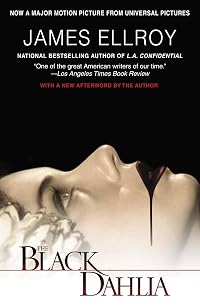
On January 15, 1947, the torture-ravished body of a beautiful young woman is found in a vacant lot. The victim makes headlines as the Black Dahlia-and so begins the greatest manhunt in California history. Caught up in the investigation are Bucky Bleichert and Lee Blanchard. Both are obsessed with the Dahlia-driven by dark needs to know everything about her past, to capture her killer, to possess the woman even in death. Their quest will take them on a hellish journey through the underbelly show more of postwar Hollywood, to the core of the dead girl's twisted life, past the extremes of their own psyches-into a region of total madness. show lessTags
Recommendations

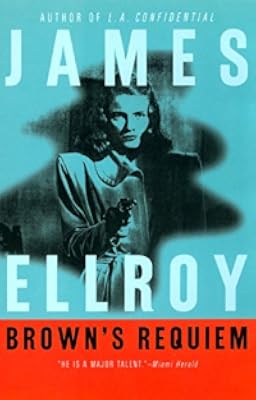
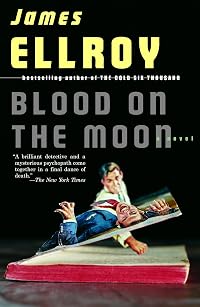
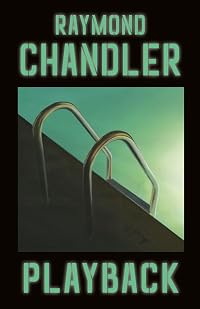
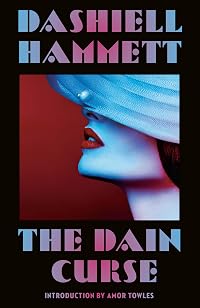



Member Recommendations


Member Reviews
"I never knew her in life. She exists for me through others, in evidence of the ways her death drove them. Working backwards, seeking only facts."
So begins 'The Black Dahlia' , a novel loosely based upon a real case, the murder of Elizabeth Short that the press nicknamed the Black Dahlia. She was born in Boston in 1924 and was murdered in Los Angeles in 1947. Her case became famous because her body was horribly mutilated and is still unsolved. Ellroy uses the case as a basis to write a complex story of Los Angeles in the 1940s.
Dwight “Bucky” Bleichert, our narrator, is a former boxer and LAPD officer. Bucky is the son of a German immigrant who doesn’t hide his racist tendencies and during WWII agreed to give his Japanese show more neighbours up to keep his job with the LAPD. Lee Blanchard is another ex-boxer and LAPD officer famous for solving a hold-up case and then shacking up with the criminal’s girlfriend, Kay, after the trial.
As semi-famous former boxers, they are asked by their bosses to fight against each other to promote a bill that will increase the wages of all of LAPD's staff. They agree to it and the fight is highly publicized earning them the nicknamed 'Fire' and 'Ice'. After the bout they become patrol partners and they form a bond based upon mutual respect as well as a shared love of Kay. They find themselves attached to the taskforce dedicated to solving the Betty Short murder.
As Ellroy follows the thread of a murder investigation he also shows corruption and power politics prevalent in the LAPD, he takes pleasure in describing brothels, underground lesbian meeting points and seedy hotels. He describes the almost routine violence against suspects and police procedures, they will do almost anything to get a conviction. He also takes the reader to rich neighbourhoods where cruelty and ugliness is present behind polished manners, greed. sex and betrayal in a burgeoning city where aspiring actresses often live an existence of hopelessness prey for powerful men.
This novel is about friendship and obsession and how they can sometimes blind us to what is right in front of us. In some respects I found it a difficult book to read; the 'good guys' are corrupt, violent, drug-fuelled misogynists whilst the 'bad guys' hide their own vices behind a veneer of respectability. I realised very early on into this book that the real-life crime is still unsolved and was curious to discover if Ellroy would make his characters solve it, and was curious as to know what would happen to Bucky once it came to it's conclusion one way or the other. But whilst this is undoubtedly a powerful piece of writing that started really well I came away from it feeling somewhat short-changed. In the end I simply got fed up with all the gore and sleaze, whilst the final chapters was a rather bizarre kitsch noir. What was Bucky on? show less
So begins 'The Black Dahlia' , a novel loosely based upon a real case, the murder of Elizabeth Short that the press nicknamed the Black Dahlia. She was born in Boston in 1924 and was murdered in Los Angeles in 1947. Her case became famous because her body was horribly mutilated and is still unsolved. Ellroy uses the case as a basis to write a complex story of Los Angeles in the 1940s.
Dwight “Bucky” Bleichert, our narrator, is a former boxer and LAPD officer. Bucky is the son of a German immigrant who doesn’t hide his racist tendencies and during WWII agreed to give his Japanese show more neighbours up to keep his job with the LAPD. Lee Blanchard is another ex-boxer and LAPD officer famous for solving a hold-up case and then shacking up with the criminal’s girlfriend, Kay, after the trial.
As semi-famous former boxers, they are asked by their bosses to fight against each other to promote a bill that will increase the wages of all of LAPD's staff. They agree to it and the fight is highly publicized earning them the nicknamed 'Fire' and 'Ice'. After the bout they become patrol partners and they form a bond based upon mutual respect as well as a shared love of Kay. They find themselves attached to the taskforce dedicated to solving the Betty Short murder.
As Ellroy follows the thread of a murder investigation he also shows corruption and power politics prevalent in the LAPD, he takes pleasure in describing brothels, underground lesbian meeting points and seedy hotels. He describes the almost routine violence against suspects and police procedures, they will do almost anything to get a conviction. He also takes the reader to rich neighbourhoods where cruelty and ugliness is present behind polished manners, greed. sex and betrayal in a burgeoning city where aspiring actresses often live an existence of hopelessness prey for powerful men.
This novel is about friendship and obsession and how they can sometimes blind us to what is right in front of us. In some respects I found it a difficult book to read; the 'good guys' are corrupt, violent, drug-fuelled misogynists whilst the 'bad guys' hide their own vices behind a veneer of respectability. I realised very early on into this book that the real-life crime is still unsolved and was curious to discover if Ellroy would make his characters solve it, and was curious as to know what would happen to Bucky once it came to it's conclusion one way or the other. But whilst this is undoubtedly a powerful piece of writing that started really well I came away from it feeling somewhat short-changed. In the end I simply got fed up with all the gore and sleaze, whilst the final chapters was a rather bizarre kitsch noir. What was Bucky on? show less
Noir as a genre earned its name from the play of shadows in film. Ellroy's The Black Dahlia is neo-noir made substance, reaching under the passing shade to find an abyss of paranoid corruption. Bucky Bleichert is a rising cop, a prizefighter partnered with Lee Blanchard. The two share the newspaper monikers Mr. Fire and Mr. Ice (Bleichert is Ice), and the love of a woman who is not quite the steady girlfriend of either of them. When an ordinary warrant check leads them into a vacant lot with the tortured and mutilated body of a young woman, the two of them are thrown into a maelstrom of obsession and revenge.
Blanchard sees solving the case as a way to redeem his murdered younger sister, an obsession that drives him off the edge of the show more world and to his eventual fate. Bleichert persues his partner, the case, and a wealthy heiress with family secrets. The Dahlia, the dead girl, is a mask ripped away from Los Angeles as an uneasy boomtown, seething with racial hatreds and old crimes.
Ellroy apparently fictionalized pretty much everything he wanted, but this isn't about facts. This is about the Truth, about what's at the center of a man or woman. And it's nothing pleasant. show less
Blanchard sees solving the case as a way to redeem his murdered younger sister, an obsession that drives him off the edge of the show more world and to his eventual fate. Bleichert persues his partner, the case, and a wealthy heiress with family secrets. The Dahlia, the dead girl, is a mask ripped away from Los Angeles as an uneasy boomtown, seething with racial hatreds and old crimes.
Ellroy apparently fictionalized pretty much everything he wanted, but this isn't about facts. This is about the Truth, about what's at the center of a man or woman. And it's nothing pleasant. show less
A rare 5 star review for a detective story. The book read like Raymond Chandler on steroids. Hard boiled 1940's dialogue with the sex and violence that RC inferred. More dense and less dependence on sense of place though the seedier parts of LA and Tijuana brought you in, front and center. Threads and layers were many and well meshed with an ending that kept twisting. Rarely did I stop and think of "who was that" or miss a storyline. Bucky and Lee and Kay and the rest were almost outrageous but I bought into their desperation. JE wrote it well with dialogue and references set it in post war America that would be scowled at in these more "sensitive" times. JE really seemed to feel the heartbeat of that time and place.
There is a great book and a not-so-great book here. In fact, it seems like two successive books - the first is an atmospheric but realistic police procedural bringing to life the Los Angeles of the late 1940s (the book was written in 1987) and the second is a piece of 'grand guignol' in which sexual obsession and the noir morals of James M. Cain's characters surge their way through a plot out of Raymond Chandler with a dash of Hammett's political cynicism.
It cannot be said that the two 'books' merge perfectly seamlessly. The use of period slang at the start can confuse rather than enlighten so that we have to contend with some linguistic confusion as well as the plot confusion essential to the atmosphere of a 'noir' novel (although the show more loose ends are tidied up neatly enough by the end).
Similarly, the obsessional aspects may thrill the reader and may be closer to the partly repressed and sometimes brutal sexuality of the period than is obvious now but they sometimes appear hysterical. The trajectory of the book from procedural to theatrical seems more like a loss of control in the author than a carefully planned artistic endeavour - it may, however, be the latter.
But, these caveats aside, the book is a great read, filled with fine writing and incident. Only the reasonable convention that you do not spoil the story for others stops me from providing more details.
The central character, the morally compromised and rather ordinary boxer-cop Bucky Bleichard, is believable and likable despite his flaws. He is run ragged by others throughout the novel but, to be fair, we don't see the twists and turns any more than he does. Part of the hysteria perhaps lies in the fact that Ellroy must make sure that the reader does not see those twists and turns unless he has a mind of exceptional cynicism, deviousness and, possibly, cruelty. Most of us don't.
As for the writing, there are brilliant set-pieces throughout and I can't mention the later ones for fear of the plot - but you could start with the description of the Bleichart-Blanchard boxing match in Chapter Four. Boxing matches have always been precisely described because they became popular through radio but this is a version from the inside.
The plot may be hysterical and some of the behaviour of the characters extreme and not entirely sane but the actual characterisation is brilliant. These are (mostly) real people and there are a lot of them. You are immersed in a world of cops who are in the front-line of an economic frontier city and whose methods and psychology are derived as much from past war service and redirected patriotism as from any other consideration.
One important credible aspect of the book is the way Ellroy positions policing in 1940s California as situated half-way between the frontier imposition of law and order of the older West and the sort of disciplined urban policing we see (mostly) today.
This is a macho buddy culture which is as defining of the male as the small town might be defining of the family, one in which migration, sex, drugs and corruption are all in the process of being corralled into some sort of order by what amounts at times to a superior form of thug - although the decent man doing a tough job is equally represented, not in our hero but in the higher-ranking officer Russ Millard and others.
Behind the police lies an uneasy relationship (as indistinct as in a Chandler novel) of official order with the other force maintaining order in the street - the businessmen-gangsters, the big business of disorder which is as interested in taming the street as the cops. America in the twentieth century is the history of big community compromising with big private enterprise for the sake of order and policing is no exception - the morality and consequences of this are for another time and place but the novel is another chapter in a long tale.
The book is highly recommended. The caveats could just be me being precious about credibility and continuity of mood. It could be that Ellroy has shown some genius in taking the Hammett-Chandler model and setting it in a realist police procedural of its time but, if so, perhaps he has been an edge too clever by half. By the end, the plot is resolved in every mechanical detail but some of the soul of the first half has dissipated. show less
It cannot be said that the two 'books' merge perfectly seamlessly. The use of period slang at the start can confuse rather than enlighten so that we have to contend with some linguistic confusion as well as the plot confusion essential to the atmosphere of a 'noir' novel (although the show more loose ends are tidied up neatly enough by the end).
Similarly, the obsessional aspects may thrill the reader and may be closer to the partly repressed and sometimes brutal sexuality of the period than is obvious now but they sometimes appear hysterical. The trajectory of the book from procedural to theatrical seems more like a loss of control in the author than a carefully planned artistic endeavour - it may, however, be the latter.
But, these caveats aside, the book is a great read, filled with fine writing and incident. Only the reasonable convention that you do not spoil the story for others stops me from providing more details.
The central character, the morally compromised and rather ordinary boxer-cop Bucky Bleichard, is believable and likable despite his flaws. He is run ragged by others throughout the novel but, to be fair, we don't see the twists and turns any more than he does. Part of the hysteria perhaps lies in the fact that Ellroy must make sure that the reader does not see those twists and turns unless he has a mind of exceptional cynicism, deviousness and, possibly, cruelty. Most of us don't.
As for the writing, there are brilliant set-pieces throughout and I can't mention the later ones for fear of the plot - but you could start with the description of the Bleichart-Blanchard boxing match in Chapter Four. Boxing matches have always been precisely described because they became popular through radio but this is a version from the inside.
The plot may be hysterical and some of the behaviour of the characters extreme and not entirely sane but the actual characterisation is brilliant. These are (mostly) real people and there are a lot of them. You are immersed in a world of cops who are in the front-line of an economic frontier city and whose methods and psychology are derived as much from past war service and redirected patriotism as from any other consideration.
One important credible aspect of the book is the way Ellroy positions policing in 1940s California as situated half-way between the frontier imposition of law and order of the older West and the sort of disciplined urban policing we see (mostly) today.
This is a macho buddy culture which is as defining of the male as the small town might be defining of the family, one in which migration, sex, drugs and corruption are all in the process of being corralled into some sort of order by what amounts at times to a superior form of thug - although the decent man doing a tough job is equally represented, not in our hero but in the higher-ranking officer Russ Millard and others.
Behind the police lies an uneasy relationship (as indistinct as in a Chandler novel) of official order with the other force maintaining order in the street - the businessmen-gangsters, the big business of disorder which is as interested in taming the street as the cops. America in the twentieth century is the history of big community compromising with big private enterprise for the sake of order and policing is no exception - the morality and consequences of this are for another time and place but the novel is another chapter in a long tale.
The book is highly recommended. The caveats could just be me being precious about credibility and continuity of mood. It could be that Ellroy has shown some genius in taking the Hammett-Chandler model and setting it in a realist police procedural of its time but, if so, perhaps he has been an edge too clever by half. By the end, the plot is resolved in every mechanical detail but some of the soul of the first half has dissipated. show less
From this novel’s dedication page: “To Geneva Hilliker Ellroy, 1915-1958. Mother: Twenty-nine Years Later, This Valediction in Blood.”
It’s early 1947 and on the sixth floor of City Hall is the LAPD’s Central Warrants Division where Dwight Bleichert, still settling in having been promoted up from beat cop, is grappling with the Department’s daily routine. Or what passes for routine at least, in the City of Angels in the late 1940s: vice, robbery, homicide. But then a particularly gruesome murder, whose victim the press quickly dub “the Black Dahlia”, shocks even some of the most seasoned cops. It’s proving to be a stubborn case to crack too, with weeks going by, little progress made, the newspapers filled with show more lurid speculation and the police under tremendous pressure.
This is the precise opposite of a “cosy mystery”, as brutal and comfortless as it gets. The writing brings to life a whole time and place: 1940s style and slang, the Second World War barely over and the Cold War not really begun. Better still, though, is the way the author depicts the aftermath of the murder of this young woman; although most of them never even knew her while alive, her death draws in cops and civilians alike, wrecking their own lives and careers in turn. Among other things, this book is about obsession.
After I’d finished reading it I found the story is (very loosely) based on a real case from back then, still on the books as unsolved to this day. But far more, it’s also driven by personal experience: James Ellroy’s mother was raped and murdered when he was a small boy, fully twenty-nine years before this was published, and that case has never been solved either. Which explains the dedication at the beginning—and also, I’m guessing, the vividness and relentlessness of what follows it. show less
It’s early 1947 and on the sixth floor of City Hall is the LAPD’s Central Warrants Division where Dwight Bleichert, still settling in having been promoted up from beat cop, is grappling with the Department’s daily routine. Or what passes for routine at least, in the City of Angels in the late 1940s: vice, robbery, homicide. But then a particularly gruesome murder, whose victim the press quickly dub “the Black Dahlia”, shocks even some of the most seasoned cops. It’s proving to be a stubborn case to crack too, with weeks going by, little progress made, the newspapers filled with show more lurid speculation and the police under tremendous pressure.
This is the precise opposite of a “cosy mystery”, as brutal and comfortless as it gets. The writing brings to life a whole time and place: 1940s style and slang, the Second World War barely over and the Cold War not really begun. Better still, though, is the way the author depicts the aftermath of the murder of this young woman; although most of them never even knew her while alive, her death draws in cops and civilians alike, wrecking their own lives and careers in turn. Among other things, this book is about obsession.
After I’d finished reading it I found the story is (very loosely) based on a real case from back then, still on the books as unsolved to this day. But far more, it’s also driven by personal experience: James Ellroy’s mother was raped and murdered when he was a small boy, fully twenty-nine years before this was published, and that case has never been solved either. Which explains the dedication at the beginning—and also, I’m guessing, the vividness and relentlessness of what follows it. show less
Another brutal story, well told by Ellroy. Like LA Confidential, this may not be to everyone's taste, even to those who enjoy crime and noir, but it's certainly very good at what it is.
Also like LA Confidential, the story is set within the LA Police Department, following two main characters, Bucky Bleichart and Lee Blanchard, through their investigations of a tortured and murdered young woman. There are no angels in the story -- Bleichart and Blanchard lead twisted lives on the point of breaking, and the victim, Elizabeth Short, was broken well before her murder.
The story follows obsessions. Neither Bleichart nor Blanchard is a homicide detective, but, in their own ways, neither can look away from the Short murder. Blanchard's show more girlfriend, Kay, is drawn into the story as well, with her own twisted and nearly broken background. As the story escalates, so do the obsessions, with a kind of apocalyptic feel for the lives of everyone involved. We follow Bleichart though one more dark layer after another, tied together by Blanchard's advice, "Cherchez la femme, Bucky. Remember that."
In a very revealing Afterword to the book, Ellroy himself describes the story as set among "psychically maimed misfits running from World War II." He also gives us insight into his own obsession with the story, based on a true event -- a story he felt compelled to tell because of his own dark experiences. It's really pretty dark all the way down, from the true event, to the author, to the novel itself.
The characters in the story are constantly tested, and many if not most fail. That's what makes the book both hard to take but also hard to look away from. It tests our baser instincts. show less
Also like LA Confidential, the story is set within the LA Police Department, following two main characters, Bucky Bleichart and Lee Blanchard, through their investigations of a tortured and murdered young woman. There are no angels in the story -- Bleichart and Blanchard lead twisted lives on the point of breaking, and the victim, Elizabeth Short, was broken well before her murder.
The story follows obsessions. Neither Bleichart nor Blanchard is a homicide detective, but, in their own ways, neither can look away from the Short murder. Blanchard's show more girlfriend, Kay, is drawn into the story as well, with her own twisted and nearly broken background. As the story escalates, so do the obsessions, with a kind of apocalyptic feel for the lives of everyone involved. We follow Bleichart though one more dark layer after another, tied together by Blanchard's advice, "Cherchez la femme, Bucky. Remember that."
In a very revealing Afterword to the book, Ellroy himself describes the story as set among "psychically maimed misfits running from World War II." He also gives us insight into his own obsession with the story, based on a true event -- a story he felt compelled to tell because of his own dark experiences. It's really pretty dark all the way down, from the true event, to the author, to the novel itself.
The characters in the story are constantly tested, and many if not most fail. That's what makes the book both hard to take but also hard to look away from. It tests our baser instincts. show less
When I listen to Dexter Gordon, I feel that if you close your eyes you can almost smell the cigarette smoke, hear the commotion in the nightclub, and faintly taste the whiskey and feel the glass in your hand.
The Black Dahlia is like that. But more sinister. You can still hear Dexter's sax, but looking around you see that that the bar is not a friendly place to be---the women in the club are dangerous, and the men even more so. From under each fedora you see eyes that range from callously indifferent to those that appraise you maliciously. And there may be one set of eyes that reflect madness and murder.
Ellroy's 40's are a far cry from the Hope and Crosby 40's I remember from movies I watched as a kid. They are not on the same planet. show more Ellroy tells a tale of unimaginable cruelty, where money is the only thing that counts in life, where people seek and die for the emptiness of fame, and where people are used and discarded on the streets once their usefullness has expired. It is a soul-less place and any search for redemption or justice will leave you reeling on the street with your hands in empty pockets.
What an incredible novel.
Darker than you can possibly imagine, and then darker still. A compelling story with characters you will never forget. A complex, interlacing plot that left me in awe of Ellroy's craft. I can't imagine a better written crime novel. The whole time I was reading, I felt completely immersed in the story, in Ellroy's world, and deeply feeling and suffering for his wonderful characters.
I don't want to say anything about the plot. There are so many surprises in this novel. Do yourself a favor and avoid spoilers and just read.... show less
The Black Dahlia is like that. But more sinister. You can still hear Dexter's sax, but looking around you see that that the bar is not a friendly place to be---the women in the club are dangerous, and the men even more so. From under each fedora you see eyes that range from callously indifferent to those that appraise you maliciously. And there may be one set of eyes that reflect madness and murder.
Ellroy's 40's are a far cry from the Hope and Crosby 40's I remember from movies I watched as a kid. They are not on the same planet. show more Ellroy tells a tale of unimaginable cruelty, where money is the only thing that counts in life, where people seek and die for the emptiness of fame, and where people are used and discarded on the streets once their usefullness has expired. It is a soul-less place and any search for redemption or justice will leave you reeling on the street with your hands in empty pockets.
What an incredible novel.
Darker than you can possibly imagine, and then darker still. A compelling story with characters you will never forget. A complex, interlacing plot that left me in awe of Ellroy's craft. I can't imagine a better written crime novel. The whole time I was reading, I felt completely immersed in the story, in Ellroy's world, and deeply feeling and suffering for his wonderful characters.
I don't want to say anything about the plot. There are so many surprises in this novel. Do yourself a favor and avoid spoilers and just read.... show less
Members
- Recently Added By
Lists

1001 Books You Must Read Before You Die
1,448 works; 1,133 members

Noirvember: The Best Noir
113 works; 56 members

Best Crime Fiction
262 works; 39 members

Best Noir Fiction
160 works; 14 members

Read the book and saw the movie
1,170 works; 195 members

Best Historical Fiction
620 works; 261 members

Historical Fiction
889 works; 90 members

Unsolved Crime Books
18 works; 3 members

Dark Books for Winter Reading
71 works; 11 members

Dishonourable Mentions of 2013
189 works; 63 members

Books You Bought in 2013
35 works; 3 members

Best Horror Books
281 works; 85 members

Las 10 mejores novelas negras para comenzar a leer novela negra
10 works; 1 member

Books Read in 2023
5,547 works; 145 members

1,001 BYMRBYD Concensus
723 works; 27 members
My TBR
371 works; 3 members

Unread books
1,063 works; 87 members

A Rainbow of Books: Colors in the Title
570 works; 24 members
Favourite Books
1,819 works; 309 members

Books with Colourful Titles
171 works; 8 members
Page Turners
185 works; 11 members

Five star books
1,757 works; 107 members
American Lit for Eng 11 Research Project
368 works; 6 members

BBC Radio 4 Bookclub
340 works; 13 members

1980s
356 works; 23 members

Watched the Movie, Probably Won't Read the Book
185 works; 34 members

Boy Protagonists
65 works; 1 member
Author Information

James Ellroy was born in Los Angeles in 1948. His L. A. Quartet novels - "The Black Dahlia", "The Big Nowhere", "L. A. Confidential", & "White Jazz" - were international best-sellers. His novel "American Tabloid" was Time magazine's Novel of the Year for 1995; his memoir, "My Dark Places", was a "Time" Best Book of the Year & a "New Yorker Times" show more Notable Book for 1996. He lives in Kansas City. (Publisher Provided) James Ellroy was born in Los Angeles, California on March 4, 1948. His parents were divorced and he moved in with his father after his mother was murdered in 1958. The story of his mother's unsolved murder would become the basis for his 1996 nonfiction work entitled My Dark Places. He attended Fairfax High School, where he sent Nazi pamphlets to girls he liked and criticized JFK, while advocating the reinstatement of slavery. He was eventually expelled for preaching Nazism in his English class. He joined the army after his expulsion from school, but after realizing that he did not belong there, he faked a stutter and convinced the army psychologist that he was not mentally fit for combat. After three months, he received a dishonorable discharge and returned home. His father died soon thereafter. He was thrown in juvenile hall for stealing a steak from the local market. When he got out, his father's friend became his guardian, but by the age of eighteen, he was back on the streets. He was sleeping outside, stealing, drinking and experimenting with drugs. It wasn't long before he was thrown in jail for breaking into a vacant apartment. When he got out of jail, he started a job at an adult book store, his addictions growing progressively larger. He was misusing the drug Benzedrex, a sinus inhalent which nearly drove him to Schizophrenia and his drinking was ruining his health. He contracted pneumonia twice as well as a condition called post-alchohol brain syndrome. Fearing for his sanity, he joined AA, became sober and found a job as a golf caddy. At the age of 30, he wrote his first novel entitled Brown's Requiem, which was published in 1981. His other works include Clandestine, Blood on the Moon, Because the Night, Suicide Hill, Killer on the Road, and The Cold Six Thousand. His works The Black Dahlia and L. A. Confidential were adapted into feature films. Ellroy's title, Perfidia, made the New York Times bestseller list in 2014. 030i show less
All Editions
Awards and Honors
Awards
Distinctions
Series

Belongs to Publisher Series
Work Relationships
Is contained in
Contains
Common Knowledge
- Canonical title
- The Black Dahlia
- Original title
- The Black Dahlia
- Original publication date
- 1987
- People/Characters
- Elizabeth Short; Bucky Bleichert; Lee Blanchard; Ellis Loew; Linda Martin; Emmett Sprague (show all 13); Ramona Sprague; Madeleine Sprague; Martha Sprague; Kay Lake; Russ Millard; Harry Sears; Jane Chambers
- Important places
- Hollywood, Los Angeles, California, USA; Los Angeles, California, USA; California, USA
- Related movies
- The Black Dahlia (2006 | IMDb)
- Epigraph
- Now I fold you down, my drunkard, my navigator, My first lost keeper, to love or look at later.
- Anne Sexton - Dedication
- To Geneva Hilliker Ellroy 1915-1958
Mother:
Twenty-nine years later, this valediction in blood - First words
- I never knew her in life.
- Quotations
- This has been going on since Mae West was a virgin.
"Cherchez la femme, Bucky. Remember that." - Last words
- (Click to show. Warning: May contain spoilers.)I asked Betty to grant me safe passage in return for my love.
- Blurbers
- Leonard, Elmore; Kellerman, Jonathan; Layman, Richard; Ellison, Harlan; Vachss, Andrew; King, Larry (show all 7); Bayer, William
- Original language
- English
- Disambiguation notice
- This entry has mismatched title and ISBN. Do not use.
Classifications
Statistics
- Members
- 5,992
- Popularity
- 2,145
- Reviews
- 143
- Rating
- (3.64)
- Languages
- 21 — Danish, Dutch, English, Finnish, French, German, Greek, Hungarian, Italian, Japanese, Lithuanian, Norwegian (Bokmål), Polish, Romanian, Russian, Serbian, Slovenian, Spanish, Swedish, Portuguese (Portugal), Portuguese (Brazil)
- Media
- Paper, Audiobook, Ebook
- ISBNs
- 123
- ASINs
- 35