On This Page
Description
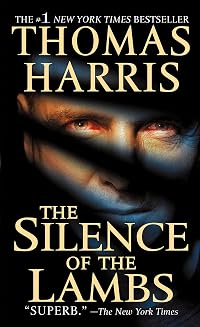
Listen to the silence...An instant classic novel of chilling psychological suspense...a critically-acclaimed audio production of unforgettable intensity...From the tormenting words of the homicidal maniac Dr. Hannibal Lecter and the flesh-rending depravity of an elusive killer to the sheer courage of a young F.B.I. novice, who risks her life to track him down and stop the bloodshed, experience the ultimate terror of an audio masterpiece...
Tags
Recommendations
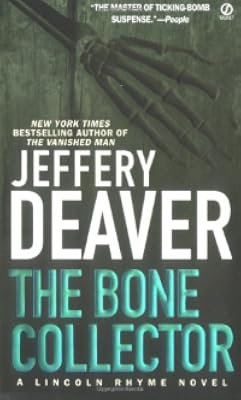
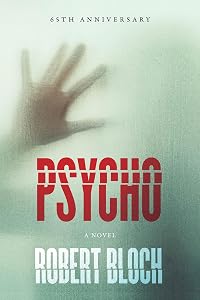
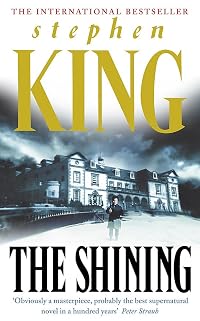
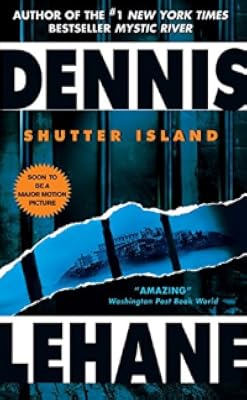
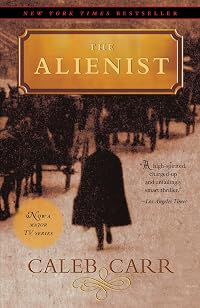
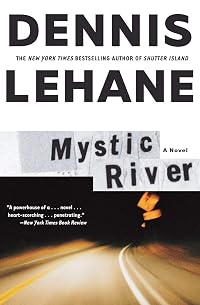

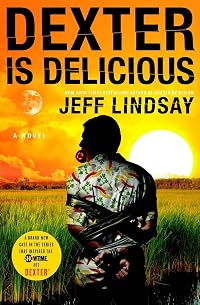
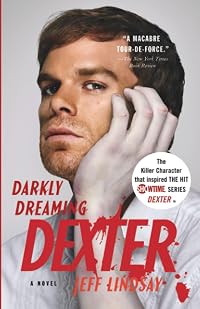

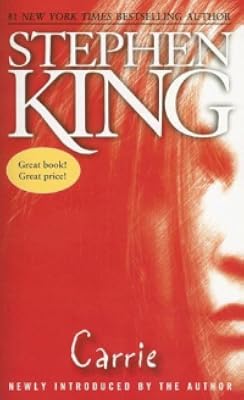
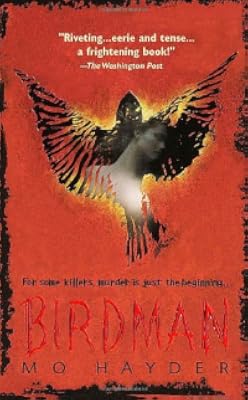
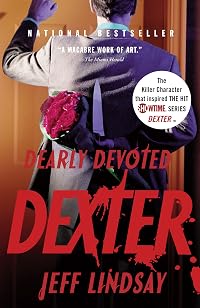

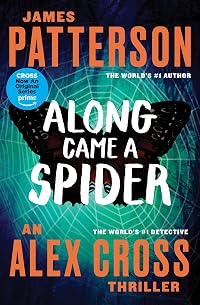
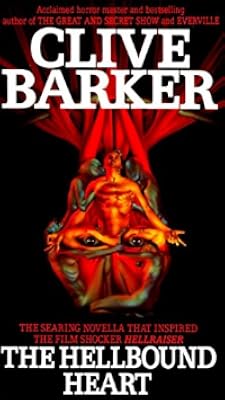
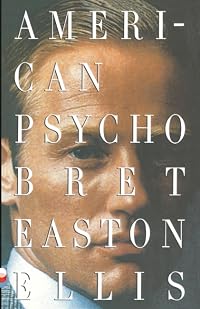
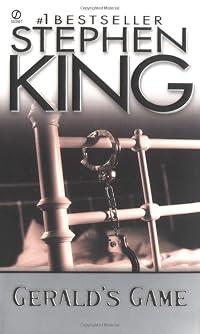
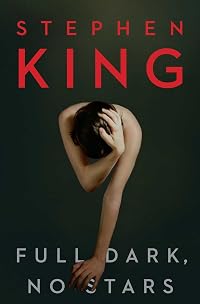

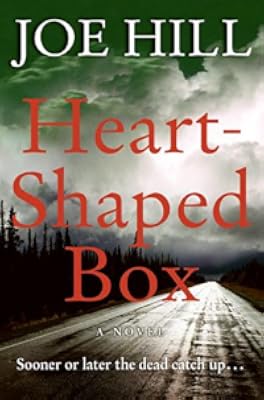
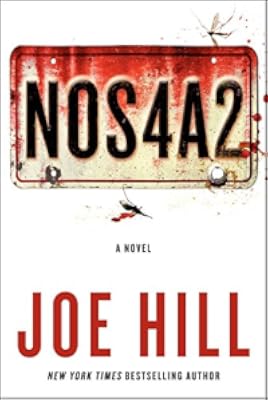
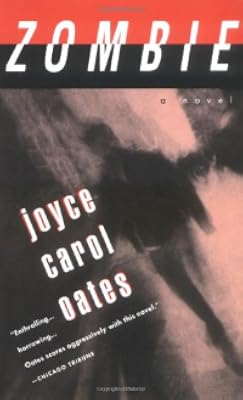
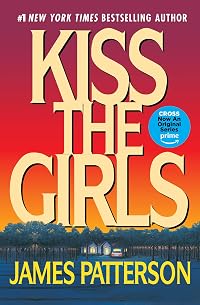
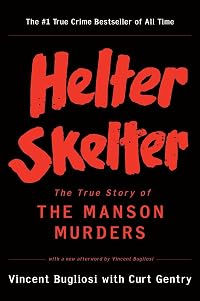
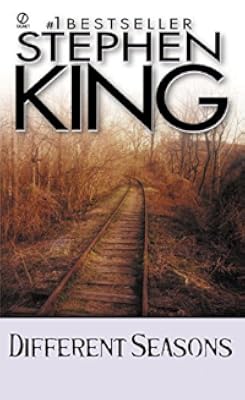
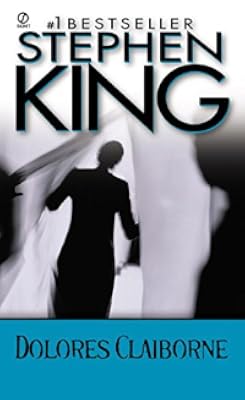
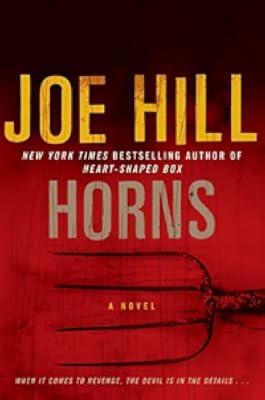
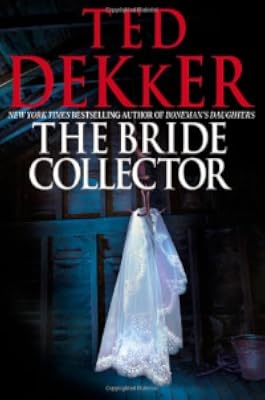
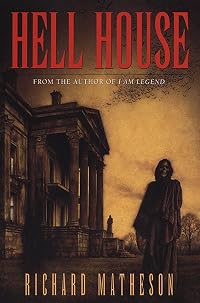
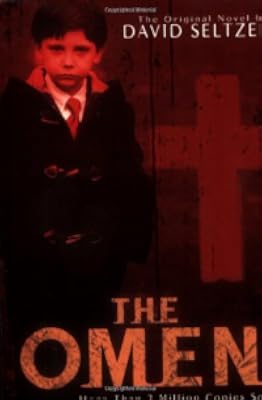
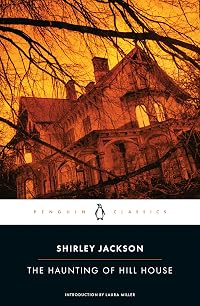
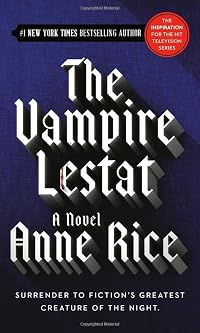
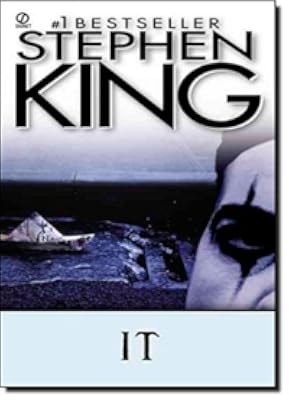
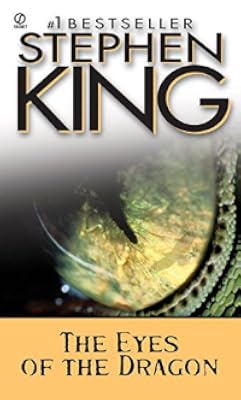
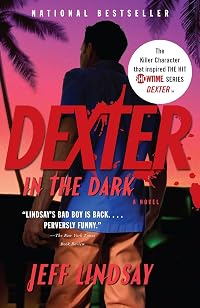
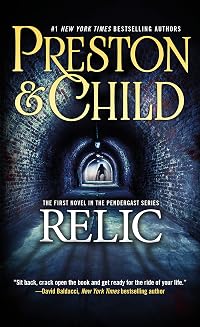
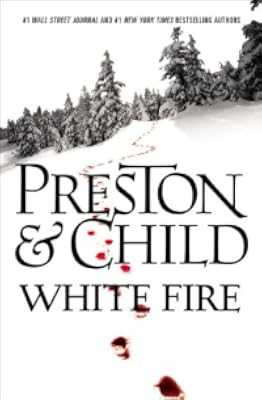

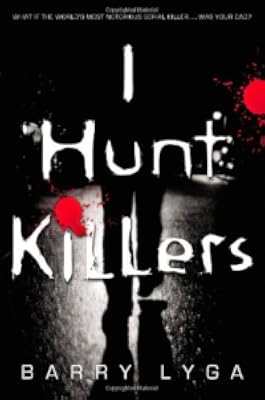
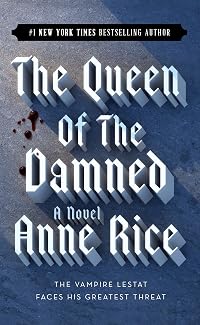
Member Recommendations
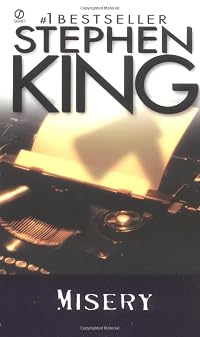
myshelves I found this Edgar-winning novel about a serial killer more chilling than Harris's novels.
10
Litrvixen A down-to-earth policewoman has to team up with a psychologist who can put himself in the mindset of the serial killers to a disturbing degree. Together they have to hunt a twisted serial killer.

dara85 The creepy nature of the killer and the sexual tension between he and Casey.
Member Reviews
I read this mainly because I miss the TV show 'Hannibal', the third series of which I await with impatience, but also because it is a classic of horror fiction. Now I know why - the narrative is incredibly tense and compelling. The writing has a measured, flat quality that belies the terrifying events unfolding. What really lifts this book above [b:Red Dragon|28877|Red Dragon (Hannibal Lecter, #1)|Thomas Harris|https://images.gr-assets.com/books/1390284698s/28877.jpg|925503], in my view, is Clarice Starling as the main point of view character. She is a fascinating, complex creation. Although I knew from general exposure to popular culture that she would survive the book, I was still very worried for her at certain points. Especially show more given Hannibal Lecter’s fondness for maiming people. Frankly, I defy anyone to interrupt their reading of the last two hundred pages of this book for anything other than an emergency. Although the style of TV’s 'Hannibal' is inevitably somewhat different to the original novels, both have the same intense effect on the nerves. show less
This is my first time rereading Silence since it was originally published back in 1989. I snagged a copy from the library and never got around buying a copy of my own. It became so ubiquitous and was so influential that I somehow never got around to it, even though I know I recommended it to lots of people at the time. Then the film came out and the whole thing went stratospheric. I didn't even see the film when it was on general release: I watched it on ferry back from France. Anyway. I was annoyed at Silence because of the way it turned the police procedural into almost fetishistic forensic investigation for sexycool serial killers Me, I preferred the approach in Peter Straub's Koko, released around the same time, also about a hunt show more for a serial killer but with nary an autopsy or fibre analysis. Though Koko was successful in its own terms, it was Silence that set its stamp on popular culture, and I was unreasonably annoyed about that.
Weird then to discover how little forensics there is in the book itself. There's one post-mortem examination, the antithesis of every pop-video fast-cut CSI montage. It deals with the body and those who examine it with humanity and respect, and the psychological profiling is fairly basic and dismissed with contempt by good old Doctor Lecter. Even his own insights turn out retrospectively to have been the result of direct knowledge of the killer rather than second-hand analysis.
What we have then, is an amazing game of cat-and-mouse between Starling and Lector. The film has inescapably stamped its imprint all over the book, but that's okay. The book and the film complement each other quite well. So Starling is Foster and Lector is Hopkins and, not insignificantly, Scott Glenn is Jack Crawford. Certainly you couldn't ask for a better cast to voice the characters in your head, and the book has a greater depth that the film can't match.
The book is also incredibly well written, rare enough in massively popular bestsellers. It's a rare author who can handle switching POVs and moving in and out of the present tense so smoothly, giving voice to the anger and pain of the victims and the agents and the crazy evil of the killer with equal assurance. Lector's escape at the book's mid-point is one of the most riveting sequences in all of suspense fiction, and the narrative dexterity when he wrong-foots the reader a few chapters later is subtle and sophisticated. Jeffrey Deaver appears to have made a career out of replicating endless variations of that sequence and that trick, so you can appreciate Harris' restraint all the more.
I suppose it's understandable that Harris turned the sequel, Hannibal into a sort of gorgeous, camp gothic romance rather than try to replicate Silence. Whatever you might think of that, this itself remains a masterpiece of the thriller genre, and though you might expect endless imitators to have diluted its effectiveness, the fact is none of them really got to the heart of what makes it work. Read it, watch the film and enjoy it all over again. show less
Weird then to discover how little forensics there is in the book itself. There's one post-mortem examination, the antithesis of every pop-video fast-cut CSI montage. It deals with the body and those who examine it with humanity and respect, and the psychological profiling is fairly basic and dismissed with contempt by good old Doctor Lecter. Even his own insights turn out retrospectively to have been the result of direct knowledge of the killer rather than second-hand analysis.
What we have then, is an amazing game of cat-and-mouse between Starling and Lector. The film has inescapably stamped its imprint all over the book, but that's okay. The book and the film complement each other quite well. So Starling is Foster and Lector is Hopkins and, not insignificantly, Scott Glenn is Jack Crawford. Certainly you couldn't ask for a better cast to voice the characters in your head, and the book has a greater depth that the film can't match.
The book is also incredibly well written, rare enough in massively popular bestsellers. It's a rare author who can handle switching POVs and moving in and out of the present tense so smoothly, giving voice to the anger and pain of the victims and the agents and the crazy evil of the killer with equal assurance. Lector's escape at the book's mid-point is one of the most riveting sequences in all of suspense fiction, and the narrative dexterity when he wrong-foots the reader a few chapters later is subtle and sophisticated. Jeffrey Deaver appears to have made a career out of replicating endless variations of that sequence and that trick, so you can appreciate Harris' restraint all the more.
I suppose it's understandable that Harris turned the sequel, Hannibal into a sort of gorgeous, camp gothic romance rather than try to replicate Silence. Whatever you might think of that, this itself remains a masterpiece of the thriller genre, and though you might expect endless imitators to have diluted its effectiveness, the fact is none of them really got to the heart of what makes it work. Read it, watch the film and enjoy it all over again. show less
I used to live with someone who worked at St Martin's when this book was published. He brought it home, said "this'll scare you," and then wandered off to be with his boyfriend. He left me alone with this book.
I have never quite forgiven him.
It scared the bejabbers out of me, had me curled up in the bathtub with the shower curtain closed (I have no idea, srsly), and caused me the most intense fear a book has elicited from me since [The Exorcist] in 1973. It was pants-poopingly unnerving.
But it didn't make a single whit of sense.
I have never quite forgiven him.
It scared the bejabbers out of me, had me curled up in the bathtub with the shower curtain closed (I have no idea, srsly), and caused me the most intense fear a book has elicited from me since [The Exorcist] in 1973. It was pants-poopingly unnerving.
But it didn't make a single whit of sense.
Ive never read this book before (I just noticed its #2 in the series? oops) or seen any of the movies, my only exposure to Hannibal Lector are the 2 episodes of Hannibal I watched before I got too grossed out by the meat, but with how often this story comes up in popular culture Im surprised by the fact Ive never seen discussion on how SHOCKINGLY TRANSPHOBIC the source material is... The book tries to get around this by saying the person depicted isnt a "real" trans person but when you have your character acting in all the ways a trans person might and you also make the person a disgusting serial killer thats transphobic. Im not going to get into the discussion on how theres no right way to be trans because I would end up defending a show more fictional character who wears human skin as clothing. I found the book kinda homophobic for similar reasons. The queer characters seem to all be dead, or evil and dead, and even if the intention wasn't malignant the result is the same. Its gross.
Also a lot of negative body talk and fat phobia? Im not really sure what to call it. The characters and narrator are fairly neutral towards the fact that these women (the serial killer victims) are fat but the way they are talked about and the way their weight just keeps getting brought up felt weird. Im gonna chalk it up to a male author and the time when the story was written. Maybe sizing in the 80's was different but I dont think a size 14 woman would actually be as big as the story seems to think she is.
I wont give this book a one star rating because following my own system I would not physically fight this book. I had a lot of problems with it but the actual serial killer hunt part was interesting and I appreciated the fact that Clarice saw the victims as people and emphasized with them. It had moments of genuine suspense and subtle touches that I enjoyed. I also do appreciate its role in popular culture and media and I feel Ive expanded my mental reference library by reading it. I just wish it could have done it without the transphobia. show less
Also a lot of negative body talk and fat phobia? Im not really sure what to call it. The characters and narrator are fairly neutral towards the fact that these women (the serial killer victims) are fat but the way they are talked about and the way their weight just keeps getting brought up felt weird. Im gonna chalk it up to a male author and the time when the story was written. Maybe sizing in the 80's was different but I dont think a size 14 woman would actually be as big as the story seems to think she is.
I wont give this book a one star rating because following my own system I would not physically fight this book. I had a lot of problems with it but the actual serial killer hunt part was interesting and I appreciated the fact that Clarice saw the victims as people and emphasized with them. It had moments of genuine suspense and subtle touches that I enjoyed. I also do appreciate its role in popular culture and media and I feel Ive expanded my mental reference library by reading it. I just wish it could have done it without the transphobia. show less
The first Thomas Harris book I read; I was so mesmerized I kept my eyes firmly glued to its pages even as I stumbled down a forest path during a family hike. Not since William Golding's Magic have I had that absorbing a thriller experience. (Oh, the movie's great too, but you knew that.)
Coincidentally, I've been reading a lot of books involving psychopaths/sociopaths recently. This odd thematic streak was purely unintentional, but it's quite interesting to see how different authors treat their twisted villains.
Thomas Harris does a fantastic job of capturing atmospheres. The awful sterility, harsh brightness, and cold insanity of an asylum. The labyrinthine, sprawling, dank basement of a serial killer's dwelling. The small, run-down, mismatched break room of a rural coroner's lab. The horrifyingly awesome thing about the way he describes and paints these places is that they seem so real that even though I've never been in any of those three settings (and hope to keep it that way) I can feel as though I'm the one show more hurrying down a long, blindingly white asylum corridor with obscenities being thrown at me, hands clutching and reaching through the bars.
The second thing I loved... Well, I think you already know exactly what I'm going to say. The smart, sophisticated, six-fingered, clever, olfactorily gifted doctor of psychology and human filets, the incomparable Hannibal Lecter. It was a smart decision on the author's part to involve Lecter as much as he did- not too often, but still enough to be characterised and delved into. He is characterised so well, in fact, that I found myself cheering for him despite the fact that I knew exactly all of the heinous acts he committed. The genius of Lecter's character is that he's a pure sociopath without being a stock character- he's most certainly screwed loose in the mental department, yet still remains stylish and even aristocratic in his cell wearing Dignity Pants, a straightjacket, and a mouthpiece. In many parts, it seemed like Hannibal was more sane than his own warden.
While Lecter certainly isn't the antagonist- that would be the less tasteful but equally psychotic Jame "Buffalo Bill" Gumb- he isn't a sidekick or mentor or anything of that sort. The closest I could come to describing his role in the story is a deuteragonist- he gets his own scenes apart from the protagonist, but not enough to warrant a large plot line. He gets a plot line, though, complete with an ingeniously gory prison escape and a fabulous and satisfying ending.
I also appreciated Jack Crawford's character, and could empathise with his struggles and backstory. While he wasn't as interesting as Lecter or Buffalo Bill or even Chilton, I thought he was pretty well realised and developed.
And now I come to the one brown spot (if you don't count the strange macho-man dialogue) on this otherwise shining apple: Clarice Starling. I hate to say it, but I honestly had no idea what Lecter saw in her. Our protagonist had all the makings of a well-developed heroine- tragic backstory, overcame obstacles, strength and tenacity- but she just fell flat. Partly because she's not unique from any other generic "woman-trying-to-make-it-in-a-man's-world" main character. Partly because I spent half the time wondering how she could be so dumb. To truly grasp the level of Starling's incompetence, consider the heavy-handed remarks from Dr. Lecter on why he thinks Buffalo Bill is skinning his victims: "'He wants a vest with tits on it'" and "'He's making a girl suit out of real girls'". Now, one would think that it's pretty damn obvious after these statements why Buffalo Bill is harvesting skin. Well, not to Clarice Starling, it isn't. She doesn't figure it out until well past two hundred pages in. Total dolt.
In essence, The Silence of the Lambs had a solid, interesting plot, good suspense, and great setting development. If it weren't for Ms. Starling's idiocy and the completely obscure references, it would be damn near perfect.
NOTE: I'm going to watch the movie in a week or so, I can't wait to see if they fixed any of the book's flaws. It seems so, because, even though I haven't seen it yet, at least four different people came up to me when I was reading this book and asked, "So, is it as good as the movie?" show less
Thomas Harris does a fantastic job of capturing atmospheres. The awful sterility, harsh brightness, and cold insanity of an asylum. The labyrinthine, sprawling, dank basement of a serial killer's dwelling. The small, run-down, mismatched break room of a rural coroner's lab. The horrifyingly awesome thing about the way he describes and paints these places is that they seem so real that even though I've never been in any of those three settings (and hope to keep it that way) I can feel as though I'm the one show more hurrying down a long, blindingly white asylum corridor with obscenities being thrown at me, hands clutching and reaching through the bars.
The second thing I loved... Well, I think you already know exactly what I'm going to say. The smart, sophisticated, six-fingered, clever, olfactorily gifted doctor of psychology and human filets, the incomparable Hannibal Lecter. It was a smart decision on the author's part to involve Lecter as much as he did- not too often, but still enough to be characterised and delved into. He is characterised so well, in fact, that I found myself cheering for him despite the fact that I knew exactly all of the heinous acts he committed. The genius of Lecter's character is that he's a pure sociopath without being a stock character- he's most certainly screwed loose in the mental department, yet still remains stylish and even aristocratic in his cell wearing Dignity Pants, a straightjacket, and a mouthpiece. In many parts, it seemed like Hannibal was more sane than his own warden.
While Lecter certainly isn't the antagonist- that would be the less tasteful but equally psychotic Jame "Buffalo Bill" Gumb- he isn't a sidekick or mentor or anything of that sort. The closest I could come to describing his role in the story is a deuteragonist- he gets his own scenes apart from the protagonist, but not enough to warrant a large plot line. He gets a plot line, though, complete with an ingeniously gory prison escape and a fabulous and satisfying ending.
I also appreciated Jack Crawford's character, and could empathise with his struggles and backstory. While he wasn't as interesting as Lecter or Buffalo Bill or even Chilton, I thought he was pretty well realised and developed.
And now I come to the one brown spot (if you don't count the strange macho-man dialogue) on this otherwise shining apple: Clarice Starling. I hate to say it, but I honestly had no idea what Lecter saw in her. Our protagonist had all the makings of a well-developed heroine- tragic backstory, overcame obstacles, strength and tenacity- but she just fell flat. Partly because she's not unique from any other generic "woman-trying-to-make-it-in-a-man's-world" main character. Partly because I spent half the time wondering how she could be so dumb. To truly grasp the level of Starling's incompetence, consider the heavy-handed remarks from Dr. Lecter on why he thinks Buffalo Bill is skinning his victims: "'He wants a vest with tits on it'" and "'He's making a girl suit out of real girls'". Now, one would think that it's pretty damn obvious after these statements why Buffalo Bill is harvesting skin. Well, not to Clarice Starling, it isn't. She doesn't figure it out until well past two hundred pages in. Total dolt.
In essence, The Silence of the Lambs had a solid, interesting plot, good suspense, and great setting development. If it weren't for Ms. Starling's idiocy and the completely obscure references, it would be damn near perfect.
NOTE: I'm going to watch the movie in a week or so, I can't wait to see if they fixed any of the book's flaws. It seems so, because, even though I haven't seen it yet, at least four different people came up to me when I was reading this book and asked, "So, is it as good as the movie?" show less
Not a genre that I usually read, but I saw that The Silence of the Lambs was on a top ten favorites by David Foster Wallace. It was a little hard to believe, but then again, such a complete writer would have a wide knowledge of literature that includes popular fiction as well as the canon. Anyway, it is no surprise that the excellent movie we all know comes from what is a very well done novel in the genre. The characters are interesting because their motivation is logically explained (although sometimes insane/bizarre and sometimes a tad prone to cliche). I don't agree with the negative reviews that read transphobia, homophobia, or misogyny. This was written in the 1980s: Making Clarice the protagonist was both brilliant and way ahead show more of many conversations. I think the writer tried pretty hard to explain that "Buffalo Bill" had psychological issues not unrelated to, or a result of, or having anything to do with, transgender identity or homosexuality. show less
Members
- Recently Added By
Lists

Best Horror Books
281 works; 85 members

Read the book and saw the movie
1,170 works; 195 members

Scary Stories for the Season
160 works; 94 members

Best Crime Fiction
262 works; 39 members

Books That Will Keep You on the Edge of Your Seat
73 works; 20 members

NPRs your picks: top 100 Killer Thrillers
100 works; 17 members

Best Psychological Fiction
81 works; 16 members

Crime and Mysteries to Read
746 works; 31 members

100 Best Thrillers of All Time
100 works; 6 members

Top 100 Mystery Novels of All Time
98 works; 9 members
Page Turners
185 works; 11 members

Nightmare Magazine's Top 100 Horror Books
100 works; 7 members

Books About Murder
313 works; 7 members

To Read - Horror
137 works; 14 members
Paste's 50 Best Horror Novels of All time
50 works; 6 members

Read This Twice's Best Horror Books
94 works; 2 members

Best Psychological Suspense
33 works; 6 members

hideous creatures
18 works; 3 members

Female Protagonist
1,056 works; 57 members

The film surpassed the book
13 works; 3 members
Best Horror Mega-List
342 works; 6 members
Reedsydiscovery 100 Best Horror Books of All Time
100 works; 5 members

Bram Stoker Award
238 works; 5 members
Kate & Cheyanne's Horror Extravaganza
144 works; 6 members

Tozai Mystery Best 100 | The Top 100 Mystery Novels
111 works; 3 members

Eerie eTales
192 works; 3 members

Mustich's 1000 Books to Read Before You Die: A Life Changing List
1,001 works; 19 members
Overdue Podcast
806 works; 9 members

Horror: Page & Screen
27 works; 3 members

Gen X Library
245 works; 4 members

Books in Riverdale
123 works; 3 members

Rereads list from my library
23 works; 1 member

Sinister AudioTales
65 works; 1 member

BlackDog's Complete Paperbacks From Hell List
639 works; 3 members

The 100 Best Crime Novels and Thrillers since 1945
100 works; 6 members
Animals in the Title
498 works; 11 members
Books I've Read
40 works; 2 members

Mysteries and Thrillers
13 works; 6 members

Books Read in 2018
4,360 works; 110 members

Serial Killers
6 works; 3 members

Books Read in 2017
4,249 works; 130 members

Jones and Newman's Horror: Another 100 Best Books
100 works; 7 members

Five star books
1,767 works; 110 members
Best Book and Movie Combos
70 works; 11 members

20th Century Literature
1,161 works; 55 members

Top Cops (Detectives in Fiction)
86 works; 24 members
Serial Killer Thrillers
56 works; 6 members

1980s
356 works; 23 members

Unread books
1,063 works; 87 members
Favourite Books
1,819 works; 316 members
Books tagged favorites
390 works; 30 members

Books referenced in the Astral Library
60 works; 1 member
Talk Discussions
Past Discussions
Suntup Press -- The Silence of the Lambs in Fine Press Forum (April 2023)
Author Information

Author Thomas Harris was born in Jackson, Mississippi in 1940 to Thomas, an electrical engineer, and Polly, a high school chemistry and biology teacher. He graduated with a B.A. from Baylor University in 1964. He has one child, a daughter, from his first marriage. Harris worked as a general assignment reporter for the Associated Press in New York show more and covered the crime beat daily. He spent time at the FBI's Behavioral Science Unit in Quantico and has interviewed serial killer Ted Bundy in researching for his novels. Harris's first novel, "Black Sunday" (1975), was a collaborative effort with fellow reporters Sam Maul and Dick Riley. While working the evening shift for the AP, they came up with the idea of using the Goodyear Blimp as the vehicle for a terrorist attack at the Super Bowl. The next novel, "Red Dragon" (1981), tells the story of the FBI's search for a murderer and introduces the infamous character Dr. Hannibal "The Cannibal" Lecter. The 1986 movie version of this novel was titled Manhunter. Next came, what many considered to be a masterpiece of suspense, "The Silence of the Lambs" (1988) and brings back the psychopathic killer Hannibal Lecter in an intense exploration of evil. The film version became the third movie in history to claim the top five Academy Awards, which were Best Actor (Anthony Hopkins), Best Actress (Jodie Foster), Best Screenplay (Ted Tally), Best Director (Jonathan Demme) and Best Picture. The sequel, "Hannibal," was published in 1999 and it was also made into a movie. (Bowker Author Biography) show less
Awards and Honors
Awards
Distinctions
Notable Lists
Series

Belongs to Publisher Series
Work Relationships
Is contained in
Contains
Has the adaptation
Common Knowledge
- Canonical title
- The Silence of the Lambs
- Original title
- The Silence of the Lambs
- Alternate titles*
- Das Schweigen der Lämmer : Roman
- Original publication date
- 1988; 1991 (deu.) (deu.)
- People/Characters
- Hannibal Lecter; Clarice Starling; Jame Gumb; Jack Crawford; Frederick Chilton; Everett Yow (show all 21); Jonetta Johnson; Ardelia Mapp; Alan Bloom; Catherine Baker Martin; Benjamin Raspail; Ruth Martin; Paul Krendler; Phyllis "Bella" Crawford; John Golby; Frederica Bimmel; Jerry Burroughs; Stacy Hubka; Noble Pilcher; Albert Roden; I. J. Miggs
- Important places
- Quantico, Virginia, USA; Belvedere, Ohio, USA; Virginia, USA
- Related movies
- The Silence of the Lambs (1991 | IMDb); Clarice (2021 | IMDb)
- Epigraph
- If after the manner of men I have fought with beasts at Ephesus, what advantageth it me, if the dead rise not?
—1 Corinthians
Need I look upon a death's head in a ring, that have one in my face?
— John Donne, "Devotions" - Dedication
- To the memory of my father.
- First words
- Behavioral Science, the FBI section that deals with serial murder, is on the bottom floor of the Academy building at Quantico, half-buried in the earth.
- Quotations
- A census taker tried to quantify me once. I ate his liver with some fava beans and a big Amarone.
I expect most psychiatrists have a patient or two they'd like to refer to me.
Nothing happened to me, Officer Starling. I happened. - Last words
- (Click to show. Warning: May contain spoilers.)But the face on the pillow, rosy in the firelight, is certainly that of Clarice Starling, and she sleeps deeply, sweetly, in the silence of the lambs.
- Blurbers
- Barker, Clive; Dahl, Roald; Smith, Liz
- Original language
- English
- Canonical DDC/MDS
- 813.54
- Canonical LCC
- PS3558.A6558
- Disambiguation notice
- WorldCat has ISBN 9024542871 for both Lelijk eendje [The Ugly Duckling] by Iris Johansen AND De schreeuw van het lam [The Silence of the Lambs] by Thomas Harris.
*Some information comes from Common Knowledge in other languages. Click "Edit" for more information.
Classifications
Statistics
- Members
- 14,183
- Popularity
- 525
- Reviews
- 162
- Rating
- (4.10)
- Languages
- 30 — Bulgarian, Chinese, Czech, Danish, Dutch, English, Estonian, Finnish, French, German, Greek, Hungarian, Icelandic, Indonesian, Italian, Japanese, Lithuanian, Macedonian, Norwegian (Bokmål), Polish, Romanian, Russian, Serbian, Slovenian, Spanish, Swedish, Thai, Turkish, Ukrainian, Portuguese (Portugal)
- Media
- Paper, Audiobook, Ebook
- ISBNs
- 179
- ASINs
- 80