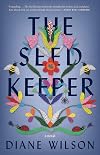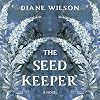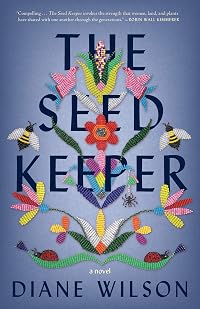
The Seed Keeper
by Diane Wilson
On This Page
Description
"Rosalie Iron Wing has grown up in the woods with her father, Ray, a former science teacher who tells her stories of plants, of the stars, of the origins of the Dakota people. Until, one morning, Ray doesn't return from checking his traps. Told she has no family, Rosalie is sent to live with a foster family in nearby Mankato - where the reserved, bookish teenager meets rebellious Gaby Makespeace, in a friendship that transcends the damaged legacies they've inherited. On a winter's day many show more years later, Rosalie returns to her childhood home. A widow and mother, she has spent the previous two decades on her white husband's farm, finding solace in her garden even as the farm is threatened first by drought and then by a predatory chemical company. Now, grieving, Rosalie begins to confront the past, on a search for family, identity, and a community where she can finally belong. In the process, she learns what it means to be descended from women with souls of iron - women who have protected their families, their traditions, and a precious cache of seeds through generations of hardship and loss, through war and the insidious trauma of boarding schools."--Provided by publisher. show lessTags
Recommendations

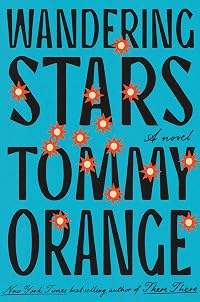

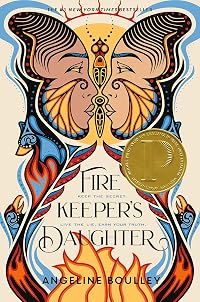
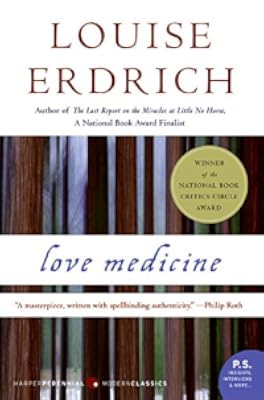
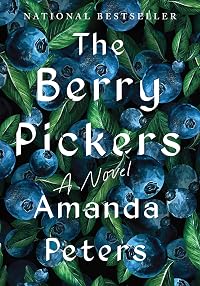
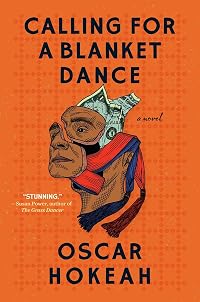
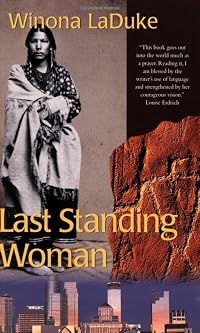
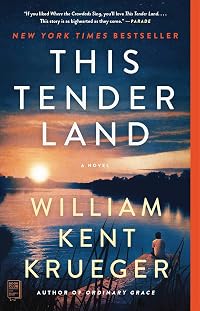
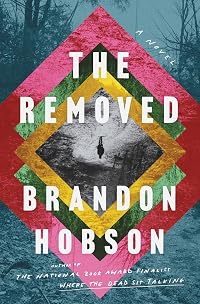

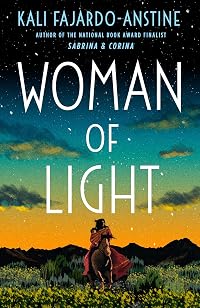
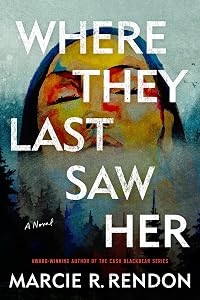
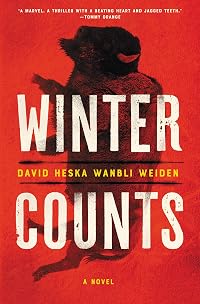
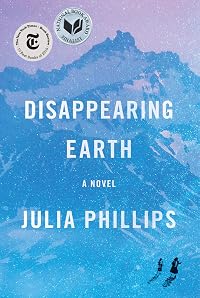
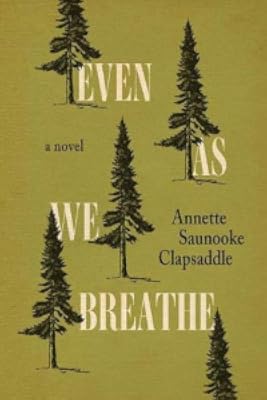
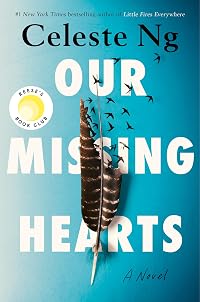
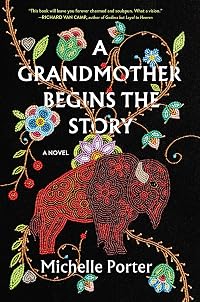
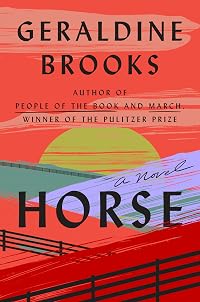

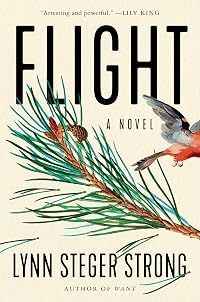
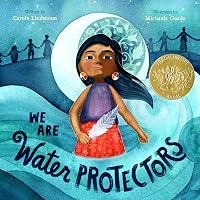
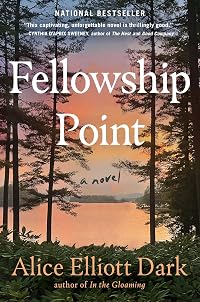
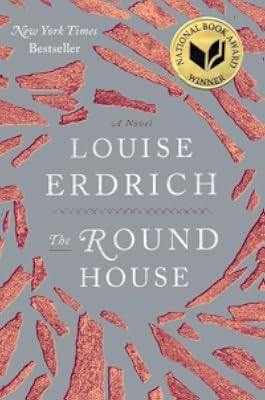
Member Recommendations
lottpoet for a similar spiral or circular narrative structure and for a story of community with realistically complex and complicated characters and relationships
Member Reviews
Rosalie Iron Wing is returning home. It's 2002, her white husband just died, and she simply leaves one day and stays in the cabin where she was raised by her father until his sudden death when she was a teenager. Between her father's isolation and the white families she was sent to live with in foster care, Rosalie has long been separated from her Dakhota heritage and family. And now, she takes stock of the past and is ready to move into the future.
Much of the narrative is in 2002 in Rosalie's voice, but we also get to see the past of her teenage years, meeting her husband, and building a life with him. The voice of her ancestor, friend Gaby, and others occasionally are interspersed in the narrative, giving us the full picture of the show more broken connections and trauma over the generations that brought Rosalie where she is today. Displacement, boarding schools, foster care all played a role. But there is hope in family, in the seeds that generations of women in Rosalie's family held onto, in Rosalie's garden, in the river itself that connects them all. Highly recommended. show less
Much of the narrative is in 2002 in Rosalie's voice, but we also get to see the past of her teenage years, meeting her husband, and building a life with him. The voice of her ancestor, friend Gaby, and others occasionally are interspersed in the narrative, giving us the full picture of the show more broken connections and trauma over the generations that brought Rosalie where she is today. Displacement, boarding schools, foster care all played a role. But there is hope in family, in the seeds that generations of women in Rosalie's family held onto, in Rosalie's garden, in the river itself that connects them all. Highly recommended. show less
[The Seed Keeper] is a beautiful novel that follows the life of a young woman of Dakhóta Native American descent, Rosalie Iron Wing, who is put into foster care after her parents die. Her journey to discovering her past and the past of her people is at the heart of the novel. Entwined with this, as in most of the Indigenous writing that I've read, is a respect and knowledge of the earth that we have unfortunately all but lost. Rosalie's memories of her father are predominantly of the Indigenous knowledge that he passed to her. As an adult, she learns more and more about gardening and farming and how to take only what you need from the earth. This relationship is complicated by her marriage to a white farmer, who she loves, but whose show more world view is very different from hers.
The book is framed with Rosalie's present day experiences and a flashback to her high school years leading up to middle age. There is also a voice of her great, great grandmother who tells the story of a battle between the Dakhótas and the white settlers. Her family story continues with the stealing of the children to go to a school for Indian children and describes all the ways these traumas have affective their communities. An additional voice of Rosalie's friend Gaby is included. Gaby is also a Dakhóta, but has a contrasting relationship with her heritage to Rosalie.
These competing timelines and voices are the only reason I'll knock a half star off of this book that I absolutely loved. I'm not sure Gaby's first person voice was totally necessary. And I'm not sure the Rosalie's story needed to be told in flashback. I did like the earlier story that was told alongside Rosalie's - that was very effective.
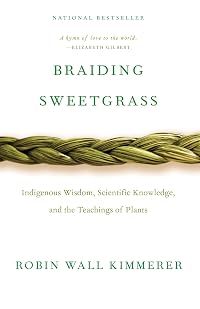
I'm so glad I read [Braiding Sweetgrass] early in the year because it really paved the way for me to understand more deeply what I've been reading this year from Indigenous authors. [The Seed Keeper] is a really wonderful book that addresses important history. It is emotional but not overly-sentimental, something that always turns me off. I highly recommend it and thank Beth, BLBera, for the recommendation. show less
The book is framed with Rosalie's present day experiences and a flashback to her high school years leading up to middle age. There is also a voice of her great, great grandmother who tells the story of a battle between the Dakhótas and the white settlers. Her family story continues with the stealing of the children to go to a school for Indian children and describes all the ways these traumas have affective their communities. An additional voice of Rosalie's friend Gaby is included. Gaby is also a Dakhóta, but has a contrasting relationship with her heritage to Rosalie.
These competing timelines and voices are the only reason I'll knock a half star off of this book that I absolutely loved. I'm not sure Gaby's first person voice was totally necessary. And I'm not sure the Rosalie's story needed to be told in flashback. I did like the earlier story that was told alongside Rosalie's - that was very effective.
I'm so glad I read [Braiding Sweetgrass] early in the year because it really paved the way for me to understand more deeply what I've been reading this year from Indigenous authors. [The Seed Keeper] is a really wonderful book that addresses important history. It is emotional but not overly-sentimental, something that always turns me off. I highly recommend it and thank Beth, BLBera, for the recommendation. show less
I love Native American history and read a lot of nonfiction about it, so when I saw The Seed Keeper by Diane Wilson I knew it was for me. A classically structured historical fiction novel, Wilson tells a multi-generational story about Native women through a number of voices, but the central character is Rosalie Iron Wing. A Dakhota from Minnesota, Rosalie faces many challenges in life, and we follow her through different periods of time--from her childhood in the woods to married life and back to her roots. “Maybe we all carry that instinct to return home, to the horizon line that formed us, to the place where we first knew the world.” The Seed Keeper is a beautiful book about the pull of family history, strong women, farming and show more gardening, and the brutal treatment of Native Americans by our country and our government. Highly recommended to readers of historical fiction, American history, and family sagas. A huge bonus--Wilson is an indigenous (Dakhota) author and the book is published by a small, independent press (Milkweed). show less
As debut novels go, this is engaging, well written yet heart breaking. Inspired by a story Diane Wilson heard while participating in the Dakhota Commemorative March, it speaks miles for the value indigenous tribes hold for Nature's blessings and the sense of community, family and compassion.
Rosalie Iron Wing, born of a Dakhota mother suffering emotional trauma was raised by an aunt who taught her 'the ways' and heritage. Growing up in a poverty stricken Minnesota farming community, Rosie's life was far from perfect yet she managed to maintain a bright outlook. As she neared the age of 18 and in need of a stable environment, she proposed marriage to John, a farmer many years her senior and soon after gave birth to Thomas. The author show more weaves heart wrenching elements into the story fabric as we learn of the challenges John and Rosalie encountered. Toggling back and forth to 1860's memoirs of Rosie's great grandmother we learn of the the Dakhota community and their difficulties dealing with racial injustice. Devoted to the Spirit of Nature and appreciating its bounties, the Dakhota's pass indigenous corn seeds from one generation to the next along with the importance of living off the Earth. When the story toggles back to the present, we find Rosie and her best friend Gaby battling with corporate agriculture whose fertilizers poison the rivers, and technology genetically alters indigenous corn putting profits ahead of Nature. Torn between staying alive or going bankrupt, John caves in to corporate demands and farms the genetically altered corn which ultimately destroys their marriage. Toward the end, as her great aunt nears death, Rosie becomes the recipient of ancient indigenous corn seeds, hence the story's title.
Amidst the difficulties, bright spots in the form of compassion, family, love and joy gained from gardening balance the emotionally challenging story.
As I reflect on the reading experience, there were times when I stopped due to emotional struggle with the story. Regardless, this is a tribute to the importance love, understanding and compassion as well as the gifts of Nature. show less
Rosalie Iron Wing, born of a Dakhota mother suffering emotional trauma was raised by an aunt who taught her 'the ways' and heritage. Growing up in a poverty stricken Minnesota farming community, Rosie's life was far from perfect yet she managed to maintain a bright outlook. As she neared the age of 18 and in need of a stable environment, she proposed marriage to John, a farmer many years her senior and soon after gave birth to Thomas. The author show more weaves heart wrenching elements into the story fabric as we learn of the challenges John and Rosalie encountered. Toggling back and forth to 1860's memoirs of Rosie's great grandmother we learn of the the Dakhota community and their difficulties dealing with racial injustice. Devoted to the Spirit of Nature and appreciating its bounties, the Dakhota's pass indigenous corn seeds from one generation to the next along with the importance of living off the Earth. When the story toggles back to the present, we find Rosie and her best friend Gaby battling with corporate agriculture whose fertilizers poison the rivers, and technology genetically alters indigenous corn putting profits ahead of Nature. Torn between staying alive or going bankrupt, John caves in to corporate demands and farms the genetically altered corn which ultimately destroys their marriage. Toward the end, as her great aunt nears death, Rosie becomes the recipient of ancient indigenous corn seeds, hence the story's title.
Amidst the difficulties, bright spots in the form of compassion, family, love and joy gained from gardening balance the emotionally challenging story.
As I reflect on the reading experience, there were times when I stopped due to emotional struggle with the story. Regardless, this is a tribute to the importance love, understanding and compassion as well as the gifts of Nature. show less
When Rosalie's husband passes away, she hastily gathers a few important items from their farmhouse and drives through drifting snow to the rustic cabin that was once her childhood home. There, in her isolation with only the occasional company of a distant neighbor, she reflects on her life, experiences and choices she has made, straddling two worlds and two histories as a Dakhóta woman forced into foster care as a child who ended up marrying a white farmer.
This book is on its surface about Rosalie, but it is also about those who came before and their legacies, as well as our connection to the earth. The health of waterways hit home as I live right next to extremely polluted MN River. It would make a worthy book club selection, show more especially for Minnesotans — there is a lot to discuss and to chew on. It would also make a good (if depressing) pairing with The Omnivore's Dilemma. I selected this title to fulfill the Read Harder category "a book by an author with an upcoming event and then attend the event," and I look forward to hearing the author speak in Minneapolis in just a few weeks. show less
This book is on its surface about Rosalie, but it is also about those who came before and their legacies, as well as our connection to the earth. The health of waterways hit home as I live right next to extremely polluted MN River. It would make a worthy book club selection, show more especially for Minnesotans — there is a lot to discuss and to chew on. It would also make a good (if depressing) pairing with The Omnivore's Dilemma. I selected this title to fulfill the Read Harder category "a book by an author with an upcoming event and then attend the event," and I look forward to hearing the author speak in Minneapolis in just a few weeks. show less
The opening poem and prologue were a perfect incentive to buy this book; they drew me in, showed me the strength of a knowledge keeper. There were parts of this full of wisdom that I will want to remind myself of many times. For this alone, I will hold on to this book.
The reason for my low rating is I had a hard time supporting the main character, the many times she was silent and did not explain herself, the times she gave in to the wishes of her husband instead of standing up for what she knew to be right. It's not that I didn't understand, given time to ponder this feeling. I can understand her history (personal and familial) of oppression, of the need to hide in order to persevere. I can understand her own strong need for a home, show more and willingness to do anything to avoid being hungry again. But it's not what I wanted to hear. I wanted her to do anything to maintain her connection with her son.
I'm left with the feeling of how poorly we humans are managing our lives, how damaging our actions are. The book is not quite hopeless--there is that last chance to make a change--but it is a desperate chance just the same. show less
The reason for my low rating is I had a hard time supporting the main character, the many times she was silent and did not explain herself, the times she gave in to the wishes of her husband instead of standing up for what she knew to be right. It's not that I didn't understand, given time to ponder this feeling. I can understand her history (personal and familial) of oppression, of the need to hide in order to persevere. I can understand her own strong need for a home, show more and willingness to do anything to avoid being hungry again. But it's not what I wanted to hear. I wanted her to do anything to maintain her connection with her son.
I'm left with the feeling of how poorly we humans are managing our lives, how damaging our actions are. The book is not quite hopeless--there is that last chance to make a change--but it is a desperate chance just the same. show less
A richly evocative meditation on the connections between people, their land, and the cultural practices that can either cooperate with nature or, all too often, exploit it. This was a very different book than [b:Pastoral Song|55004160|Pastoral Song|James Rebanks|https://i.gr-assets.com/images/S/compressed.photo.goodreads.com/books/1619418036l/55004160._SY75_.jpg|92910934], which I recently read, but it felt like the two works were very much in conversation with each other, making many of the same points, from quite different perspectives. I enjoyed this book quite a lot, both in the native American characters and themes, and in the frequent name-checking of native plant species and their traditional uses as food and medicine.
Members
- Recently Added By
Lists

Native American / Indigenous Literature
172 works; 100 members

Top Five Books of 2021
604 works; 181 members

Books Read in 2024
4,623 works; 126 members
Author Information

6+ Works 757 Members
Awards and Honors
Awards
Distinctions
Notable Lists
Common Knowledge
- Canonical title
- The Seed Keeper
- Original publication date
- 2021-03-09
- People/Characters
- Rosalie Iron Wing; Gaby Makespeace; Marie Blackbird; John Meister; Thomas Meister; Darlene Kills Deer
- Important places
- New Ulm, Minnesota, USA; Mankato, Minnesota, USA
- Important events
- Dakota War of 1862
- Epigraph
- THE SEEDS SPEAK [poem]
- Dedication
- In memory of Ernie Whiteman and Sally Auger
- First words
- We are hungry, but the sleep is upon us.
- Quotations
- Maybe we all carry that instinct to return home, to the horizon line that formed us, to the place where we first knew the world.
- Last words
- (Click to show. Warning: May contain spoilers.)"We pray."
- Publisher's editor
- McGarvey, Joey
- Blurbers
- Kimmerer, Robin Wall; Grover, Linda Legarde; Holbrook, Carolyn; LaDuke, Winona
- Original language
- English
Classifications
Statistics
- Members
- 581
- Popularity
- 50,768
- Reviews
- 27
- Rating
- (4.15)
- Languages
- English, French
- Media
- Paper, Audiobook, Ebook
- ISBNs
- 7
- ASINs
- 2