On This Page
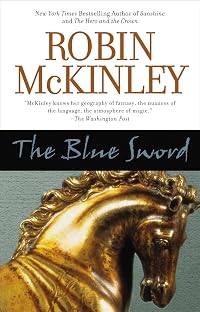
Description
Harry, bored with her sheltered life in the remote orange-growing colony of Daria, discovers magic in herself when she is kidnapped by a native king with mysterious powers.Tags
Recommendations



Member Recommendations
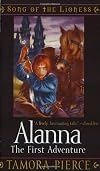
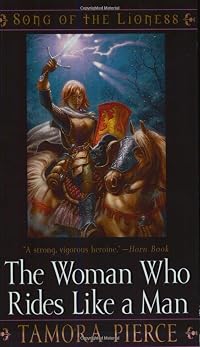
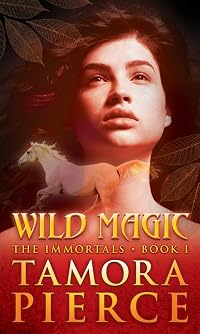
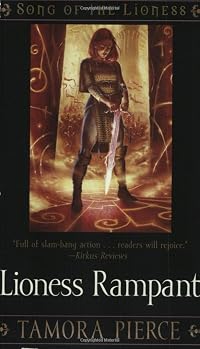
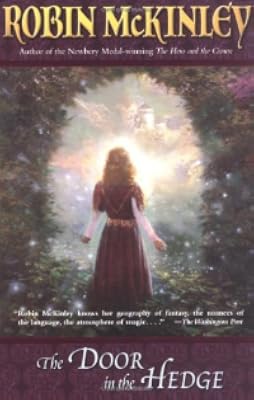
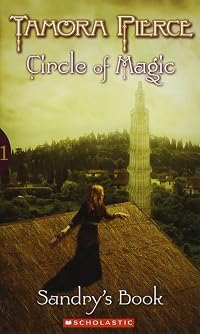
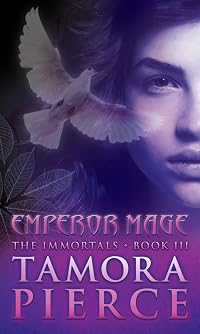
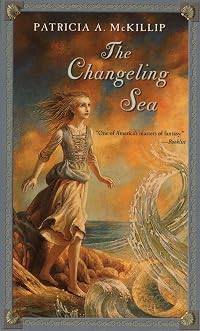
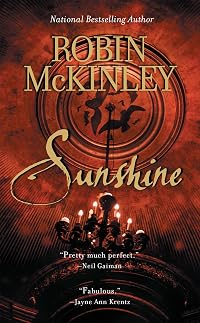
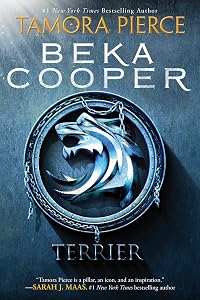
lquilter Readers of The Blue Sword by McKinley should also enjoy Tamora Pierce's various Tortall adventures, among which, "Alanna: The First Adventure" (the first volume of the "Lioness Quartet"), is the first and best-known, but all of them are worthwhile.
110

lquilter Both McKinley's "The Blue Sword" and Yolen's "Sister Light, Sister Dark" / "White Jenna" feature young adult women, who have warrior attributes.
41
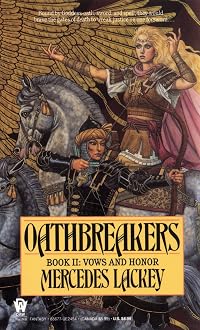
flemmily Warprize is simpler than The Blue Sword, and the world is not quite as interesting as the unique and compelling Damar. But both books tell the story of a girl carried away by a barbarian culture.
32
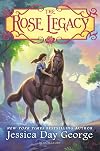
humouress An orphaned girl is sent to family far away and has fantastic adventures with animals, although 'Rose Legacy' is aimed at a younger audience.
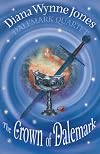
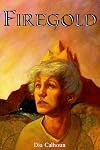
beyondthefourthwall (One of the reviews points out that 'Firegold' was probably inspired by 'The Blue Sword', but they're both very much worth reading.) Young person who is a bit of an outsider discovers profound links to a group of elusive people living in the mountains, and undergoes various trials among the mountain-folk in order to develop their abilities (physical/magical) and prove themself.
Member Reviews
Re-read for book club.
I got this book when I was eleven, I believe, and that was the perfect age. I have read this book so many times that picking it up again, after many years, was like hearing an old favorite song come onto the radio... each phrase resonating clearly in memory, bringing with it emotional associations.
So - I can't claim to be wholly objective about the book. I can say that if I has read it for the first time now, it would not have been as meaningful to me. Interestingly, I re-read the sequel to this book, 'The Hero and the Crown' not so long ago. (https://www.goodreads.com/review/show/538865678). When the sequel came out, I was mildly disappointed by it, but as an adult, I actually think that it holds up better over show more time.
Part of this may be that while 'The Blue Sword' is in many ways purely a romantic fantasy, it is also inspired by historical fact. When I first read the book I did know about British Colonialism (thanks, 'The Secret Garden'!) but I knew nothing about the Anglo-Afghan conflict, which the events here are based on. It's jarring to reconcile the essentially uplifting story here with the bloody, nasty, reality. Don't get me wrong, the book in no way endorses colonialism. The problems and ethical issues are all acknowledged here - but they're presented subtly, sometimes between the lines. Our main POV character is Harry, a young woman who's been brought up in a certain type of society, and although she is an admirable person, her perspective on things is realistically limited by her experiences and what she perceives as 'normal.' I actually think that the presentation of the political issues is just about perfectly handled for an audience of preteens and young teens.
The main focus of the story is not political, but is on Harry as a character. In many ways, Harry is a Mary Sue - a term that has been thrown around a lot over the past few years as a term of denigration. I am pretty much opposed to that concept. No, books with 'Mary Sue' characters might not be delving into the sordid depths of the human character or aiming for a Booker Prize, but I think that they are a valid and important type of literature. Sometimes, we need wish fulfillment. Having a wonderful character to project yourself into can be incredibly valuable.
Harry has always felt like an outsider in her stuffy faux-British society, which sees her as wild and headstrong. Orphaned, the responsibility for her lies on her brother, a soldier. He's relieved to have an aristocratic couple posted overseas in the diplomatic service agree to take her in. Harry is keenly aware of her position as a charity case - but quickly finds herself falling in love with the new country she's been brought to. It resonates with her on a deep level, and finally she feels that she might be somewhere that she belongs.
However, her life is upended once again when the king of the hilltribes, Corlath, comes to the house where she is living on a diplomatic mission. The mission might be a failure, but Corlath's 'kelar,' his hereditary magic, 'recognizes' Harry at first sight - and insists that he take her as a hostage.
Events unravel from there, and we see Harry progress from being a child, subject to the wills of others, to a person strong enough to do what she believes needs to be done, even directly in defiance of others' wills. And of course, to become a legendary hero and to save the day.
The writing is wonderful - I love McKinley's mix of down-to-earth, practical details and elevated, fantastic passages. Another notable aspect is the depictions of animals - both cats and horses feature prominently in the book, and are shown with a genuine love and affection. The book also has a well-balanced mix of action and romance. It's a wholly chaste romance, but emotionally intense, and again, it's just perfect for a pre-teen. If you know someone in that age group, don't let them grow up without reading this! show less
I got this book when I was eleven, I believe, and that was the perfect age. I have read this book so many times that picking it up again, after many years, was like hearing an old favorite song come onto the radio... each phrase resonating clearly in memory, bringing with it emotional associations.
So - I can't claim to be wholly objective about the book. I can say that if I has read it for the first time now, it would not have been as meaningful to me. Interestingly, I re-read the sequel to this book, 'The Hero and the Crown' not so long ago. (https://www.goodreads.com/review/show/538865678). When the sequel came out, I was mildly disappointed by it, but as an adult, I actually think that it holds up better over show more time.
Part of this may be that while 'The Blue Sword' is in many ways purely a romantic fantasy, it is also inspired by historical fact. When I first read the book I did know about British Colonialism (thanks, 'The Secret Garden'!) but I knew nothing about the Anglo-Afghan conflict, which the events here are based on. It's jarring to reconcile the essentially uplifting story here with the bloody, nasty, reality. Don't get me wrong, the book in no way endorses colonialism. The problems and ethical issues are all acknowledged here - but they're presented subtly, sometimes between the lines. Our main POV character is Harry, a young woman who's been brought up in a certain type of society, and although she is an admirable person, her perspective on things is realistically limited by her experiences and what she perceives as 'normal.' I actually think that the presentation of the political issues is just about perfectly handled for an audience of preteens and young teens.
The main focus of the story is not political, but is on Harry as a character. In many ways, Harry is a Mary Sue - a term that has been thrown around a lot over the past few years as a term of denigration. I am pretty much opposed to that concept. No, books with 'Mary Sue' characters might not be delving into the sordid depths of the human character or aiming for a Booker Prize, but I think that they are a valid and important type of literature. Sometimes, we need wish fulfillment. Having a wonderful character to project yourself into can be incredibly valuable.
Harry has always felt like an outsider in her stuffy faux-British society, which sees her as wild and headstrong. Orphaned, the responsibility for her lies on her brother, a soldier. He's relieved to have an aristocratic couple posted overseas in the diplomatic service agree to take her in. Harry is keenly aware of her position as a charity case - but quickly finds herself falling in love with the new country she's been brought to. It resonates with her on a deep level, and finally she feels that she might be somewhere that she belongs.
However, her life is upended once again when the king of the hilltribes, Corlath, comes to the house where she is living on a diplomatic mission. The mission might be a failure, but Corlath's 'kelar,' his hereditary magic, 'recognizes' Harry at first sight - and insists that he take her as a hostage.
Events unravel from there, and we see Harry progress from being a child, subject to the wills of others, to a person strong enough to do what she believes needs to be done, even directly in defiance of others' wills. And of course, to become a legendary hero and to save the day.
The writing is wonderful - I love McKinley's mix of down-to-earth, practical details and elevated, fantastic passages. Another notable aspect is the depictions of animals - both cats and horses feature prominently in the book, and are shown with a genuine love and affection. The book also has a well-balanced mix of action and romance. It's a wholly chaste romance, but emotionally intense, and again, it's just perfect for a pre-teen. If you know someone in that age group, don't let them grow up without reading this! show less
{First of 2: Damar series. Children's, fantasy, adventure}
(Re-read)
This Newbery Honour children's book, although published in 1983, is set in a parallel universe in what could be Queen Victoria's empire in our world. The writing is a little formal and gives it the feel of having been written in colonial times, although it is still extremely readable.
I was always predisposed to like this book because (although crippled by inordinate shyness) I always wanted to ride a horse and wield a sword and have adventures and Harry gets to do all these. And then when I first read it, it was so well written that it's been on my favourites list ever since.
Harry (Angharad) Crewe has had to move from Home (England) to Istan/ Ihistan (Afghanistan?) which show more is at the northern boundary of Daria (India). (McKinley based the landscape of the Damar books on Kipling's British India.) She doesn't fit in although she tries to and it's not because McKinley takes the modern/ easy route of other people being mean to her; everyone is welcoming and the two most popular girls are
It's just that she is out of her element; she's always been a little bit more adventurous at home than is quite acceptable by society and now she has to be on her best behaviour and she has the added handicap of being too tall for most men to dance with. Though the local natives are friendly and adapt to the conquering Homelanders, the Hill-folk who live in the mountains just to the north of Istan have a certain mystique and it may be there that Harry finds her place.
I like the way McKinley outlines people's emotions and also gives the animals personalities without using anthropomorphism. For example, Tsornin (translated to Sungold in Homelander speech), her warhorse
Or (Narknon is the large hunting-cat that has adopted Harry)
I love the little touches in the last chapter, the way it wraps up all the loose ends into a happy ending, especially Lady Amelia and Sir Charles.
Describing a small girl visiting the City for the first time:
Although I identified with Harry when I first read The Blue Sword however many decades ago, I now think she's awkward rather than shy and a lot more resilient than me. Of course, this is a children's book and she has youth on her side. Other reviews remind me that some events may move a bit faster than they would for you or me but given the richness of the writing, the magic of Damar and that this book is less than 300 pages long, I am more than inclined to overlook a minor niggle.
Still, and always, a five star book.
5***** show less
(Re-read)
This Newbery Honour children's book, although published in 1983, is set in a parallel universe in what could be Queen Victoria's empire in our world. The writing is a little formal and gives it the feel of having been written in colonial times, although it is still extremely readable.
I was always predisposed to like this book because (although crippled by inordinate shyness) I always wanted to ride a horse and wield a sword and have adventures and Harry gets to do all these. And then when I first read it, it was so well written that it's been on my favourites list ever since.
Harry (Angharad) Crewe has had to move from Home (England) to Istan/ Ihistan (Afghanistan?) which show more is at the northern boundary of Daria (India). (McKinley based the landscape of the Damar books on Kipling's British India.) She doesn't fit in although she tries to and it's not because McKinley takes the modern/ easy route of other people being mean to her; everyone is welcoming and the two most popular girls are
the admitted beauties of the station; the entire 4th Cavalry, stationed at the General Mundy, were in love with them. But they were also cheerful and open-hearted, and she was fond of them.
It's just that she is out of her element; she's always been a little bit more adventurous at home than is quite acceptable by society and now she has to be on her best behaviour and she has the added handicap of being too tall for most men to dance with. Though the local natives are friendly and adapt to the conquering Homelanders, the Hill-folk who live in the mountains just to the north of Istan have a certain mystique and it may be there that Harry finds her place.
I like the way McKinley outlines people's emotions and also gives the animals personalities without using anthropomorphism. For example, Tsornin (translated to Sungold in Homelander speech), her warhorse
took her lessons afoot very badly, and would lace back his years and stamp, and circle her and Mathin till they had to yell at him to go away.
Or (Narknon is the large hunting-cat that has adopted Harry)
There was a friendship between the horse and the hunting-cat now, and they would chase one another around the obstacles of the practice field, Narknon's tail lashing and Sungold with his ears back in mock fury. Once the big cat had hidden behind one of the grassy banks, where Harry and Sungold could not see her; and as they rode by she leaped out at them, sailing clean over Sungold and Harry on his back. Harry ducked and Sungold swerved; and Narknon circled and came back to them with her ears back and her whiskers trembling in what was obviously a cat laugh.
I love the little touches in the last chapter, the way it wraps up all the loose ends into a happy ending, especially Lady Amelia and Sir Charles.
she was astonished when little Lady Amelia climbed or fell off her horse just in front of her, said, ‘Harry, my dear why did you never send us any word?’ burst into tears, and threw her arms around her former houseguest
Describing a small girl visiting the City for the first time:
- including Rilly, who was beside herself with excitement, and her mother, who was beside herself with Rilly -
Although I identified with Harry when I first read The Blue Sword however many decades ago, I now think she's awkward rather than shy and a lot more resilient than me. Of course, this is a children's book and she has youth on her side. Other reviews remind me that some events may move a bit faster than they would for you or me but given the richness of the writing, the magic of Damar and that this book is less than 300 pages long, I am more than inclined to overlook a minor niggle.
Still, and always, a five star book.
5***** show less
This is one of those books I wish teenage me would have read as I know I would have absolutely loved it back then. The story features a strong female protagonist who survives a kidnapping and turns her circumstances around when she learns she's the chosen one and proceeds to save the world. She gets a special horse, a magic sword, has a jaguar-type cat as a companion and in general kicks ass. Yeah, teenage me would have been in heaven. 30-something me was charmed and sees the foundation of what will become many modern YA fantasy tropes. 80s fantasy can have that feel sometimes.
This book is beautifully written. You do have to watch out though as the story sometimes switches POV mid-chapter without any warning. I wasn't expecting it the show more first time and had to reread the section. It is easy to get used to though. I enjoyed the descriptive passages quite a lot and the world building gave just enough detail without being overwhelming. I greatly enjoyed the action scenes, especially Harry's training.
While technically The Blue Sword is the first in the Damar duology it works just fine as a standalone book. The adventure is fully resolved by the end and all loose ends are wrapped up. This was a fun read. show less
This book is beautifully written. You do have to watch out though as the story sometimes switches POV mid-chapter without any warning. I wasn't expecting it the show more first time and had to reread the section. It is easy to get used to though. I enjoyed the descriptive passages quite a lot and the world building gave just enough detail without being overwhelming. I greatly enjoyed the action scenes, especially Harry's training.
While technically The Blue Sword is the first in the Damar duology it works just fine as a standalone book. The adventure is fully resolved by the end and all loose ends are wrapped up. This was a fun read. show less
I’m glad I read Hero and the Crown first, though it seems to me you can read this duology in either order. For me, understanding the history of Damar, Aerin and the sword, helped me understand Harry’s world. Magic has changed since Aerin’s day, becoming rarer and seemingly only gifting those who wield it with destructive powers.
Harry is likable, though I wasn’t as invested in this story as I was Hero. Maybe because I read Hero first? But there’s a lot of depth and feeling here, like in Hero (which just made me want to re-read Hero) and I was happy to see Harry had a feline friend and a smart horse, much like Aerin.
McKinley has such a way with words. Yet again, we get a YA book with the ‘chosen one’ trope, but I loved it! show more Harry is sensible and calm, dealing with her struggles to find a place that feels like home in a way that made me feel for her. She’s tough and powerful, yes, but she has to learn to develop her powers properly, ride a horse, wield a sword. We get to see her become badass and self-aware, rather than just be told she is.
If, like me, you struggle with finding enjoyable YA fantasy, I highly recommend this duology! show less
Harry is likable, though I wasn’t as invested in this story as I was Hero. Maybe because I read Hero first? But there’s a lot of depth and feeling here, like in Hero (which just made me want to re-read Hero) and I was happy to see Harry had a feline friend and a smart horse, much like Aerin.
McKinley has such a way with words. Yet again, we get a YA book with the ‘chosen one’ trope, but I loved it! show more Harry is sensible and calm, dealing with her struggles to find a place that feels like home in a way that made me feel for her. She’s tough and powerful, yes, but she has to learn to develop her powers properly, ride a horse, wield a sword. We get to see her become badass and self-aware, rather than just be told she is.
If, like me, you struggle with finding enjoyable YA fantasy, I highly recommend this duology! show less
[Re-read 2013]
Things I discovered re-reading this beloved favorite of my childhood:
I really love Harry and she is a much more distinctive and specific character than I remembered (my recollection had been of her being more of a cipher/everywoman but that must have been just part of the way I read this as a kid)
She lives in a world where they celebrate Christmas (there is a reference to Richard's letters sent Home at Christmas). And she compares something to a "mark of Cain" at one point. I had completely missed this, or forgotten it.
There is not a lot that actually *happens* (externally) in this book (compared to The Hero and the Crown, for example) yet I was still absorbed by Harry's internal struggles as she finds her place between show more two worlds, all the details of Damarian life, and just spending time with the characters. show less
Things I discovered re-reading this beloved favorite of my childhood:
I really love Harry and she is a much more distinctive and specific character than I remembered (my recollection had been of her being more of a cipher/everywoman but that must have been just part of the way I read this as a kid)
She lives in a world where they celebrate Christmas (there is a reference to Richard's letters sent Home at Christmas). And she compares something to a "mark of Cain" at one point. I had completely missed this, or forgotten it.
There is not a lot that actually *happens* (externally) in this book (compared to The Hero and the Crown, for example) yet I was still absorbed by Harry's internal struggles as she finds her place between show more two worlds, all the details of Damarian life, and just spending time with the characters. show less
I generally enjoy McKinley's work, but I have to give this one only 3 stars because of the shockingly thinly-veiled orientalism present in the novel. Questions of colonialism are part of the plot of the novel, as you have the colonizers in tense peace with the colonized in a let's-just-leave-each-other- alone kind of relationship. The peace is almost dissolved when the leader of the indigenous nomadic tribe comes to the colonial border town and asks for help in a coming war with another group, the degraded, magically warped barbarians from the north. The white colonialists of course say no; why should they help a people they want to conquer? Let the others wipe them out for them, right? McKinley definitely offers commentary on this show more mentality, and this is not where my criticism lies. No, my biggest issue with this book and the power relations she explores, is the blatant orientalism expressed. The main character, who has blonde hair and blue eyes, begins to feel a certain longing for and comfort in the desert, which as a foreign transplant, she is not supposed to feel. The desert and the desert peoples are the colonial Other; they are not to be considered equals, interesting, or, and especially, not desirable. So what happens when this too, tall, too strong, blonde haired, blue-eyed teenage girl meets the leader of the desert tribes? Why, she can't stop thinking about him, of course! And when he comes back to abduct her from her home (because his mystical magic aura told him too) she puts up no protest, and is more than willing to adopt these brown-skinned, exotic but frightening others as her own. Indeed, she even has some of their blood running though her veins, to the great shame of her older brother. Not only is she 1/8th desert tribe, she is also the wielder of great desert-people magic and the true heir of the titular blue sword. Only she can unite all of the nomadic desert tribes against this new foe (if you want a better version of this story, read T.E. Lawrence's The Seven Pillars of Wisdom)My other major issue with this book is that it's supposed to feature a strong female lead. Sure this girl can ride a horse. Sure she can fight with a sword. But for a girl who lets herself be abducted, marries her abductor, and can only wield the true power of the blue sword with the help of her soon-to-be husband, I find little to recommend her. Finally, McKinley's prose in this book is uneven at best, disjointed at worst. There are several places where characters shift between an overly stiff, formal tone in one sentence or paragraph, and in the very next are using contractions. I give this two stars for trying. show less
The Blue Sword is one of my ultimate comfort reads, the rare sort of novel that you first encounter in your teens that only gets better every time you revisit it. Of Robin McKinley's fine body of work, this novel is arguably one of the best, and proves her place as one of the best fantasy authors writing today.
A young woman named Harry — short for her hated name, Angharad — has come to the border town of Istan in Damar, a possession of the Homeland crown, as a charity case. Her brother is a subaltern in Her Majesty's army, and when their father died he was left with an entailed estate and an unmarried sister on his hands. Harry is extremely tall and awkward, lacking the beauty that might have made her position easier. Though Lady show more Amelia and Sir Charles are kindness itself to Harry, her real comfort in her new life is derived from a secret joy in the harsh, beautiful desert. Little does she know that she is about to involuntarily make its acquaintance on much closer terms — and join a desperate attempt to save Damar from the onrush of the demonic Northern army.
What a brilliant idea, to model a fantasy world from life during historical British imperialist rule. "Homeland" is very similar to England, and its characters are properly British in their ideas and manners. Damar's desert culture provides a lovely backdrop for the action of the story, and becomes more than that over the course of the story. It is almost a character in its own right, and forms a large part of the characters' motivations. This is definitely a fantasy novel to read for its world-building.
The characters are wonderful. Harry is fascinating because she is very observant and stubborn, though she tries to meet the expectations of those around her. Her wry sense of humor makes the events of the story feel believable, and she is a good judge of character. But we also get to see her insecurities and fears, which make her accessible and well rounded. I love the snippets of magic and history that we get, that are later explained in The Hero and the Crown. Corlath is also well written, and of course Tsornin and Mathin and the others all have distinct personalities conveyed well in a few words.
McKinley's economy of language is so precise and tight. Every word adds something meaningful to the story, lets us in a little closer to what is happening both externally and within the characters. This isn't always the case with her work — the denouéments of several of her novels are so wildly descriptive and powerful that they are sometimes unclear as to what is actually taking place — but this doesn't happen here. The end of the story is as satisfying as the language in which it is told. And as I was rereading this time, I couldn't help but wish for a really faithful film adaptation of this story. It would be amazing onscreen if it were done well, if the actors could convey all the unspoken undercurrents in the relationships.
With its tight plot, compelling characters, authentic cultures, and deft writing, The Blue Sword is a wonderful example of top-notch fantasy writing. It's one of my all-time favorite books, and I can't recommend it highly enough. show less
A young woman named Harry — short for her hated name, Angharad — has come to the border town of Istan in Damar, a possession of the Homeland crown, as a charity case. Her brother is a subaltern in Her Majesty's army, and when their father died he was left with an entailed estate and an unmarried sister on his hands. Harry is extremely tall and awkward, lacking the beauty that might have made her position easier. Though Lady show more Amelia and Sir Charles are kindness itself to Harry, her real comfort in her new life is derived from a secret joy in the harsh, beautiful desert. Little does she know that she is about to involuntarily make its acquaintance on much closer terms — and join a desperate attempt to save Damar from the onrush of the demonic Northern army.
What a brilliant idea, to model a fantasy world from life during historical British imperialist rule. "Homeland" is very similar to England, and its characters are properly British in their ideas and manners. Damar's desert culture provides a lovely backdrop for the action of the story, and becomes more than that over the course of the story. It is almost a character in its own right, and forms a large part of the characters' motivations. This is definitely a fantasy novel to read for its world-building.
The characters are wonderful. Harry is fascinating because she is very observant and stubborn, though she tries to meet the expectations of those around her. Her wry sense of humor makes the events of the story feel believable, and she is a good judge of character. But we also get to see her insecurities and fears, which make her accessible and well rounded. I love the snippets of magic and history that we get, that are later explained in The Hero and the Crown. Corlath is also well written, and of course Tsornin and Mathin and the others all have distinct personalities conveyed well in a few words.
McKinley's economy of language is so precise and tight. Every word adds something meaningful to the story, lets us in a little closer to what is happening both externally and within the characters. This isn't always the case with her work — the denouéments of several of her novels are so wildly descriptive and powerful that they are sometimes unclear as to what is actually taking place — but this doesn't happen here. The end of the story is as satisfying as the language in which it is told. And as I was rereading this time, I couldn't help but wish for a really faithful film adaptation of this story. It would be amazing onscreen if it were done well, if the actors could convey all the unspoken undercurrents in the relationships.
With its tight plot, compelling characters, authentic cultures, and deft writing, The Blue Sword is a wonderful example of top-notch fantasy writing. It's one of my all-time favorite books, and I can't recommend it highly enough. show less
Members
- Recently Added By
Lists

Best Fantasy Novels
821 works; 361 members

Favorite Childhood Books
1,651 works; 515 members

Best Young Adult
413 works; 102 members

Books I've Read More Than Once
602 works; 49 members

Female Protagonist
1,076 works; 57 members

Best Newbery Honor Books
258 works; 33 members

Best Books About Journeys and Quests
117 works; 30 members

Top-Rated Books on LibraryThing
272 works; 119 members
Favourite Books
1,820 works; 316 members

NPRs your favorites: 100 Best Ever Teen Novels
237 works; 49 members

Jean's Sci Fi/Fantasy Reading list
189 works; 12 members
Comfort Reads
221 works; 41 members

Farm Boy Fantasy
51 works; 17 members
Books tagged favorites
390 works; 30 members
Female Author
1,234 works; 65 members

Elevenses
316 works; 87 members

Books about characters you'd like to know
34 works; 13 members

Fantasy novels with a female protagonist
76 works; 15 members

Books With Characters I'd Like to Date
18 works; 9 members

Childhood Favorites
427 works; 24 members
Books with Colourful Titles
171 works; 8 members

1980s
356 works; 23 members

Top Five Books of 2014
1,064 works; 398 members

Books Read in 2021
5,361 works; 114 members

EGBERTINA'S List of childhood books worthy of merit or unspeakable delight
155 works; 7 members
Books We Want To Read Again For The First Time
384 works; 160 members

Books We Loved As Children
610 works; 254 members
Books We Couldn't Put Down
443 works; 197 members
Book Worlds We'd Like To Visit
322 works; 158 members
Our Favorite Comfort Reads
334 works; 200 members
Books We Love to Reread
695 works; 299 members

Books Read in 2024
4,727 works; 128 members

Newbery Honor Books By year - II - 1981-2035
143 works; 4 members

Top-Rated Children's Books
87 works; 16 members

Books Read in 2019
4,052 works; 108 members

Books Read in 2020
4,379 works; 124 members
Best Feminist Science Fiction
188 works; 34 members

Carole's List
445 works; 13 members
Five star books
1,767 works; 110 members

Books Read in 2017
4,249 works; 129 members
Literature About Women and Girls
426 works; 41 members

Books Read in 2013
1,630 works; 51 members

Sonlight Books
1,487 works; 25 members

A Rainbow of Books: Colors in the Title
570 works; 24 members

Swashbucklers
29 works; 6 members
Honey For a Child's Heart
1,152 works; 25 members

Books We Resisted Reading
178 works; 113 members
Author Information

42+ Works 50,667 Members
Some Editions
Awards and Honors
Awards
Distinctions
Series

Work Relationships
Is contained in
Has as a student's study guide
Common Knowledge
- Original publication date
- 1982
- People/Characters
- Angharad "Harry" Crewe; Corlath; Mathin; Luthe; Tsornin (horse, Sungold); Aerin (show all 15); Gonturan (sword); Charles Greenough (Sir); Amelia Greenough (Lady); Richard Crewe; Jack Dedham (Colonel); Kentarre; Narknon (cat); Thurra; Harimad-sol
- Important places
- Damar (fictional); Daria (fictional); Homeland (fictional); Istan (fictional); General Mundy (Fort | fictional)
- Dedication
- To Danny and Peachey, who first lead me to Damar
- First words
- She scowled at her glass of orange juice.
- Quotations
- [Harry] had always suffered from a vague restlessness, a longing for adventure that she told herself severely was the result of reading too many novels when she was a small child.
The man's eyes were yellow as gold, the hot liquid gold in a smelter's furnace. Harry found it suddenly difficult to breathe, and understood the expression on Dedham's face; she almost staggered. Her hand tightened on the bri... (show all)dle, and the pony dropped its head and mouthed the bit uncomfortably. The heat was incredible. It was as though a thousand desert suns beat down on her. Magic? she thought from inside the thunder. Is this what magic is? I come from a cold country, where the witches live in cool green forests. What am I doing here? (p. 32)
"You have already begun to see the hardness of the choices that you will soon be forced to make; and the choosing will not be any easier for your not knowing why you must choose. Take strength from your own purpose, for you ... (show all)will know what you must do, if you let yourself; trust your horse and the cat that follows you, for there are none better than they, and they love you.. And trust the Lady Aerin, who visits you for your reassurance, whether you believe it at present or not; and trust your friendships. Friends you will have need of, for in you two worlds meet. There is no one on both sides with you, so you must learn to take your own counsel; and not to fear what is strange, if you know it also to be true. It is not an enviable position, being a bridge, especially a bridge with visions." [Luthe speaks, p. 164] - Last words
- (Click to show. Warning: May contain spoilers.)They took the children with them -- Aerin was followed by Jack, and Jack by Hari, as the years passed -- for Luthe was fond of children.
Classifications
Statistics
- Members
- 6,711
- Popularity
- 1,803
- Reviews
- 150
- Rating
- (4.28)
- Languages
- Czech, English, German, Italian
- Media
- Paper, Audiobook, Ebook
- ISBNs
- 40
- ASINs
- 18