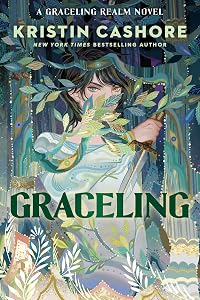
On This Page
Description
In a world where some people are born with extreme and often-feared skills called Graces, Katsa struggles for redemption from her own horrifying Grace, the Grace of killing, and teams up with another young fighter to save their land from a corrupt king.Tags
Recommendations
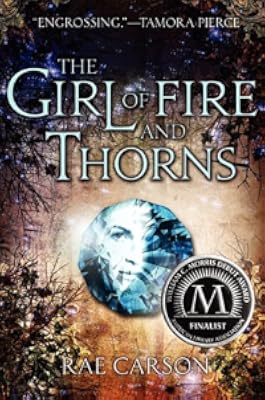

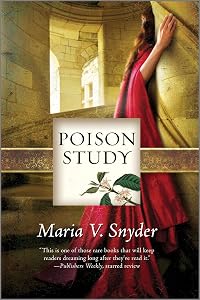
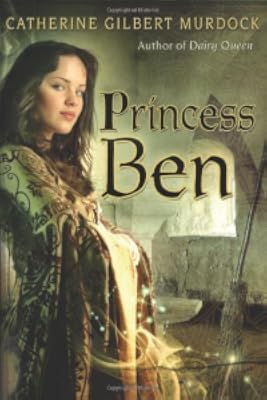

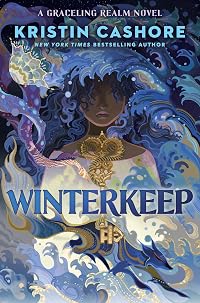

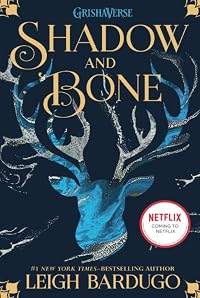
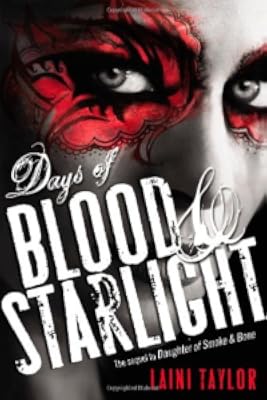
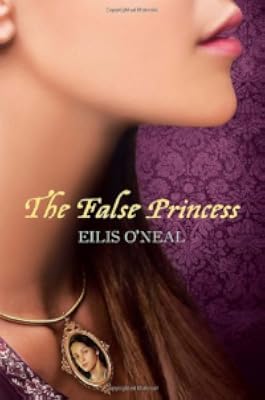
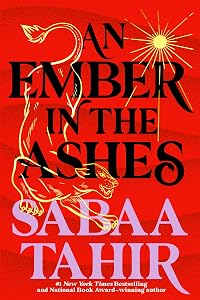
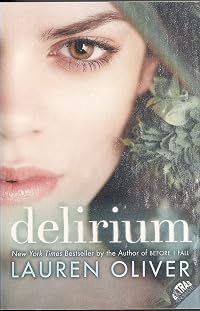
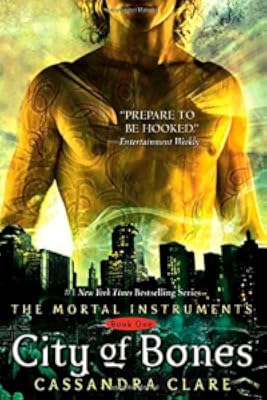

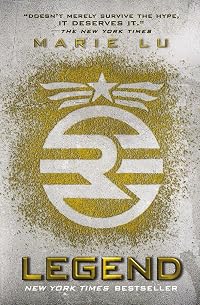
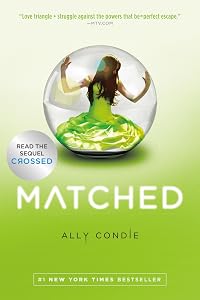
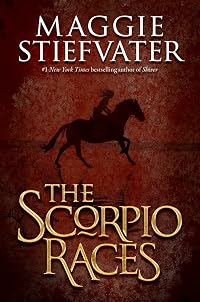
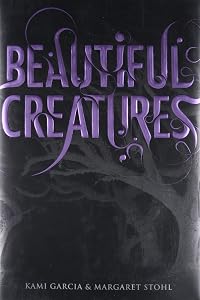
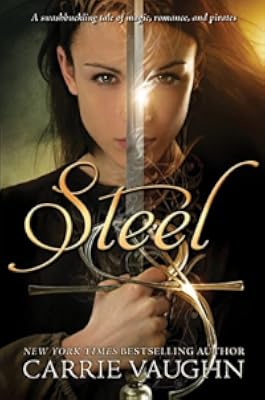
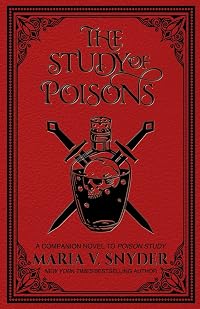

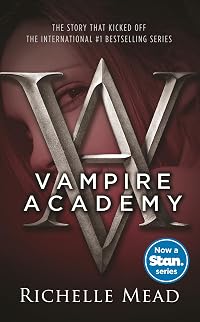
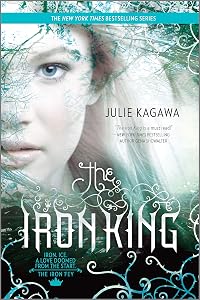
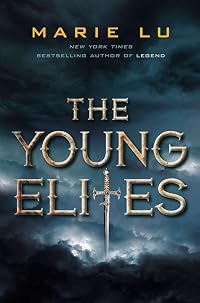
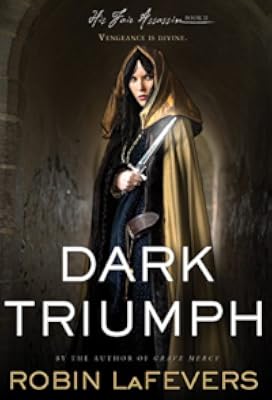
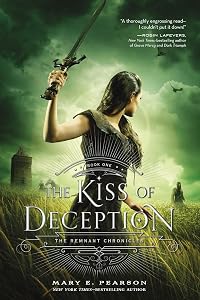
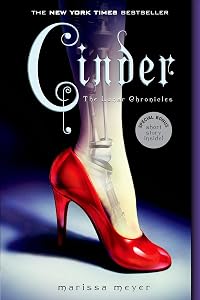

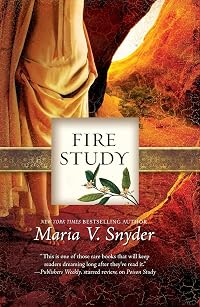
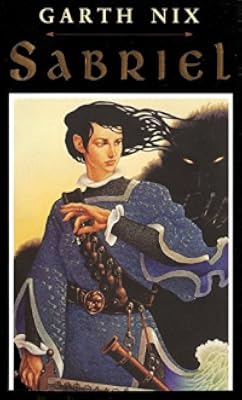
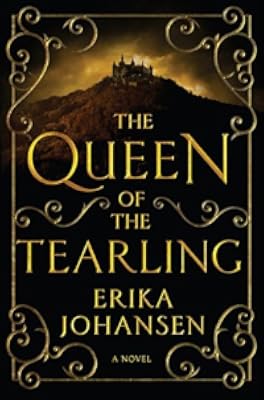
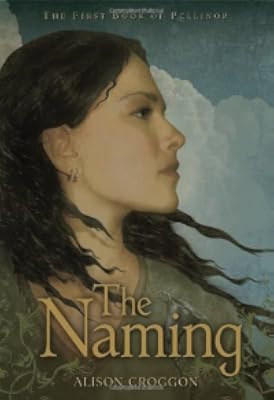
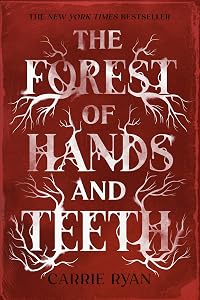
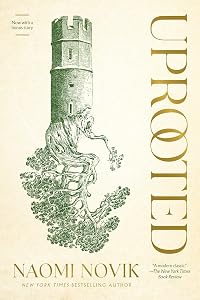

Member Recommendations
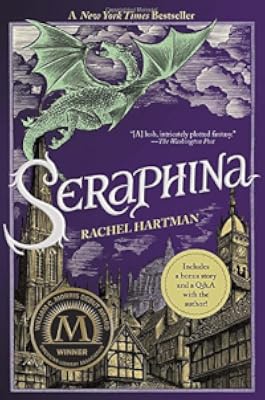
SheReads Prequel to Graceling about different characters.
anonymous user because you get the same different world paranormal thing and you get the romance and the good conquers evil
311

saltypepper The heroines' voices are very similar, maybe due to their similar response to the awful circumstances they find themselves in.
Also recommended by librarymeg
344
espertus Both Graceling and the Lioness quartet are stories of strong but vulnerable young women wanting to use their considerable powers for good and maintain their identity in the face of romance.
Also recommended by francescadefreitas, helgagrace
231
Aerrin99 For stories that feature interesting and strong woman matched with equally interesting and strong men, with a dash of danger, adventure, and magic tossed in, try either of these books!
humouress The way the heroines feel like outsiders because of their heritage is similar, as is the way the authors describe the way the heroines think.
Also recommended by foggidawn
170
220
deadbookdarling Both are set in magical worlds, have strong female leads and a dash of romance.
170


bbrux Young woman on an adventure to discover her hidden talents.
30

hairball Young women rebelling against their prescribed role.
Also recommended by Echocliffs
54
justjukka Protagonist is relegated to third-class citizenship because of her gifts and must overcome prejudice.
30
luna_lovegood Exactly as kazhout said "strong, beautiful, intelligent, and sassy."
Plus, badass and good heart.
31
cransell Both excellent YA fantasy with strong female characters and great world building.
31

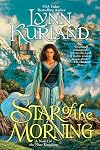
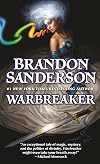


faither The characters, although set in very different times, are similar without being composites. I could see them all being friends.
56
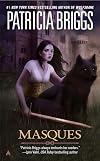

hairball Very similar themes of trust, learning to use powers, quests, coming of age, etc.
02
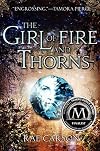

BookLizard Strong female character. Political intrigue. Realistic love triangle.
Member Reviews
Katsa, 18, is the niece of a king in one of seven kingdoms, and she is a Graceling. Gracelings, identifiable by their eyes of two different colors, have some sort of talent or knack that sets them apart: it can be horse handling, or juggling, or sword fighting, or even mind reading. Katsa’s "grace" is killing, or so her reputation holds. And her uncle, Randa, who is King of the Middluns and not a particularly nice person, uses Katsa’s grace to wreak punishment on those who have displeased him.
Katsa is not happy with her role as King Randa’s attack dog, and furthermore, senses the injustice in much of the pain she is called upon to inflict. She and some other like-minded members of the King’s court, including Raffin, the show more King’s son and also her best friend, form a “Council” – a secret revolutionary organization that aims to right injustices and restore the balance of power in the seven kingdoms to the people. One of their missions involves rescuing the father of the king of the Lienid kingdom, who has been kidnapped. In the process, she first encounters Po, grandson to the kidnap victim and a Graceling whose powers seem to rival her own.
Po follows Katsa back to the castle in Middlun, and joins her in the quest to find out who kidnapped his grandfather and why. Po also encourages Katsa to gain more control over her Grace and to escape the clutches of Randa.
Soon, the two of them get involved on another Council mission, to rescue Princess Bitterblue, a young cousin of Po’s who is also under threat by the same dangerous force that led to his grandfather’s capture.
As the two of them spend more time together, Katsa and Po each discover new dimensions to their Grace of which they had been unaware. Moreover, Katsa reluctantly develops an attraction to Po, in spite of her vow never to get involved with any man:
"She couldn’t have him, and there was no mistaking it. She could never be his wife. She could not steal herself back from Randa only to give herself away again – belong to another person, be answerable to another person, build her very being around another person. No matter how she loved him. … no matter how much freedom Po gave her, she would always know that it was a gift. Her freedom would not be her own; it would be Po’s to give or to withhold. That he never would withhold it made no difference. If it did not come from her, it was not really hers.”
What happens to Katsa and Po as they try to take on the terrible dark forces at work in the seven kingdoms is tragic at first glance, but with a surprising turn to resilience and wonder at the end.
Discussion: There are many interesting aspects to this novel. Katsa’s best friend Prince Raffin, who is charming, talented, sensible, and lovable is almost surely gay, although none of the characters ever says so openly. He loves Katsa, but clearly not in a romantic sense. He lives with a male companion, Bann, whom everyone seems to accept in a don’t ask-don’t tell sort of way.
Giddon, one of the King’s men but also a member of Katsa’s Council, is in love with Katsa, but unlike Po, Giddon does not know how to help assuage and counteract Katsa’s self-hate, and as a result, Katsa’s attitude toward Giddon seems to be one of “I couldn’t possibly like anyone who liked me.”
[And okay, the names Katsa, Giddon and Po sound alike like Katniss, Gayle and Peeta, and the interrelationships are similar, but we won’t go there…]
Katsa is full of anger, especially toward men, and in particular toward the predatory nature of men toward young women, and this anger defines her attitudes and behavior. Sometimes the only way she can deal with it is to fight – physically - and strike out at whoever is in her way, guilty or not. Po helps her gain the self-control to rechannel this anger into something constructive, and it changes Katsa’s life. Yet this doesn’t alter her conviction not to be bound to a man. Still, while we hear plenty about Katsa’s resolve not to give away her self-determination, I would have liked more discussion on how it would be possible to reconcile it with love.
One constructive approach that is discussed is Katsa’s advocacy of women and girls learning the art of self-defense. She feels in her very bones the injustice of the constant victimization of women, and wants to turn the tables. Katsa may not have the piercings and tattoos of Lisbeth Salander (although she does adopt the androgynous look) but she has her spirit, fight, and attitude, and she wants to spread the sense of empowerment to all other women. This is an unusual and welcome addition to books for young adults, and may contribute to its popularity among females.
Evaluation: You will find this book is not at all like the usual princess-prince fairytale fantasy, and yet there is redemption and goodness and love to satisfy the most starry-eyed of readers. show less
Katsa is not happy with her role as King Randa’s attack dog, and furthermore, senses the injustice in much of the pain she is called upon to inflict. She and some other like-minded members of the King’s court, including Raffin, the show more King’s son and also her best friend, form a “Council” – a secret revolutionary organization that aims to right injustices and restore the balance of power in the seven kingdoms to the people. One of their missions involves rescuing the father of the king of the Lienid kingdom, who has been kidnapped. In the process, she first encounters Po, grandson to the kidnap victim and a Graceling whose powers seem to rival her own.
Po follows Katsa back to the castle in Middlun, and joins her in the quest to find out who kidnapped his grandfather and why. Po also encourages Katsa to gain more control over her Grace and to escape the clutches of Randa.
Soon, the two of them get involved on another Council mission, to rescue Princess Bitterblue, a young cousin of Po’s who is also under threat by the same dangerous force that led to his grandfather’s capture.
As the two of them spend more time together, Katsa and Po each discover new dimensions to their Grace of which they had been unaware. Moreover, Katsa reluctantly develops an attraction to Po, in spite of her vow never to get involved with any man:
"She couldn’t have him, and there was no mistaking it. She could never be his wife. She could not steal herself back from Randa only to give herself away again – belong to another person, be answerable to another person, build her very being around another person. No matter how she loved him. … no matter how much freedom Po gave her, she would always know that it was a gift. Her freedom would not be her own; it would be Po’s to give or to withhold. That he never would withhold it made no difference. If it did not come from her, it was not really hers.”
What happens to Katsa and Po as they try to take on the terrible dark forces at work in the seven kingdoms is tragic at first glance, but with a surprising turn to resilience and wonder at the end.
Discussion: There are many interesting aspects to this novel. Katsa’s best friend Prince Raffin, who is charming, talented, sensible, and lovable is almost surely gay, although none of the characters ever says so openly. He loves Katsa, but clearly not in a romantic sense. He lives with a male companion, Bann, whom everyone seems to accept in a don’t ask-don’t tell sort of way.
Giddon, one of the King’s men but also a member of Katsa’s Council, is in love with Katsa, but unlike Po, Giddon does not know how to help assuage and counteract Katsa’s self-hate, and as a result, Katsa’s attitude toward Giddon seems to be one of “I couldn’t possibly like anyone who liked me.”
[And okay, the names Katsa, Giddon and Po sound alike like Katniss, Gayle and Peeta, and the interrelationships are similar, but we won’t go there…]
Katsa is full of anger, especially toward men, and in particular toward the predatory nature of men toward young women, and this anger defines her attitudes and behavior. Sometimes the only way she can deal with it is to fight – physically - and strike out at whoever is in her way, guilty or not. Po helps her gain the self-control to rechannel this anger into something constructive, and it changes Katsa’s life. Yet this doesn’t alter her conviction not to be bound to a man. Still, while we hear plenty about Katsa’s resolve not to give away her self-determination, I would have liked more discussion on how it would be possible to reconcile it with love.
One constructive approach that is discussed is Katsa’s advocacy of women and girls learning the art of self-defense. She feels in her very bones the injustice of the constant victimization of women, and wants to turn the tables. Katsa may not have the piercings and tattoos of Lisbeth Salander (although she does adopt the androgynous look) but she has her spirit, fight, and attitude, and she wants to spread the sense of empowerment to all other women. This is an unusual and welcome addition to books for young adults, and may contribute to its popularity among females.
Evaluation: You will find this book is not at all like the usual princess-prince fairytale fantasy, and yet there is redemption and goodness and love to satisfy the most starry-eyed of readers. show less
I have had this on my shelf to read forever. I am not sure why it took me so long to read it. It was an absolutely stellar adventure fantasy with a dash of romance; an excellent world with an interesting premise. Highly recommended to those who love YA fantasy.
When Katsa was eight years old she killed a man with her bare hands, revealing her Grace. Some have Graces that let them cook well or run fast or sing...Katsa's Grace is to kill. With her parents dead her uncle the King has been using her as his personal strong arm. Whenever the King thinks someone is out of the line the King sends Katsa to torture, threaten and kill. But Katsa is getting sick of doing the King's dirty work. Then she meets Prince Po; Prince Po is Graced with show more Fighting and finally Katsa has someone who can challenge her in combat. As her and Prince Po become friends and compare notes on their separate kingdoms they realize that something is going seriously wrong in a neighboring kingdom and go on a mission to investigate and fix the problem.
This was a seriously good book. It has an excellent balance of interesting world-building, epic politics, fantastic action scenes, unforgettable characters, and a little romance. The world is very well laid out. The names of all the kings and kingdoms are a bit confusing initially but quickly you learn the layout and then things are much easier to make sense of. I love the idea of people having Graces, it is in an interesting type of magic system, and Cashore does an excellent job of explaining the Graces.
This book is very action packed. Katsa is a bit easy to rile, so she is constantly lashing out and fighting people. The fight scenes between her and Po are incredible. The plot was very well done, the story is so well woven together and takes some interesting twists and turns. The surprises are such that when you think back to the beginning on the story it makes perfect sense, but they are done in such a way that they are still surprising.
Katsa is an absolutely wonderful and engaging character. It was fun to watch her anger and hatred temper itself into something more mature as the story went on. I love that right from the get go she is intelligant and her own person, this is evidenced by the Council she starts to protect others in the Kingdom. Yet despite her intelligence she is somewhat emotionally stunted by the things the King has forced her to do. It was great to watch her overcome this.
Prince Po was another exceptional character. He adds a lightness to the story that balances Katsa's violence and has this wonderful kind of zen thing going on despite his own secrets. Really he is the perfect counterpart to Katsa. I loved how they are friends before they get romantic; I always love it when the romance between the two characters is actually based on a solid and respectful relationship.
The other characters are just as endearing; they are all very well done. I am excited to see that the most recent book is about Bitterblue because she was definitely a side character I wanted to learn more about.
The story ends well and I think readers will be pleased. I can't wait to read more books by Cashore. This is probably best for older young adults. There is a lot of violence, some torture, and one non-explicit sex scene.
Overall an absolutely excellent fantasy book. I loved the world, the idea of Graces, and the wonderfully engaging characters. The plot moved fast and had a lot of very well done twists and turns; it was full of adventure, intrigue, and action. The romance between Katsa and Po is very sweet and very well done; built on mutual respect and friendship. I highly recommend this to fantasy lovers. It reminds a bit of Tamora Pierce's books and Robin McKinely's Hero and the Crown, but grittier. Again highly recommended for fantasy fans young adult and older. show less
When Katsa was eight years old she killed a man with her bare hands, revealing her Grace. Some have Graces that let them cook well or run fast or sing...Katsa's Grace is to kill. With her parents dead her uncle the King has been using her as his personal strong arm. Whenever the King thinks someone is out of the line the King sends Katsa to torture, threaten and kill. But Katsa is getting sick of doing the King's dirty work. Then she meets Prince Po; Prince Po is Graced with show more Fighting and finally Katsa has someone who can challenge her in combat. As her and Prince Po become friends and compare notes on their separate kingdoms they realize that something is going seriously wrong in a neighboring kingdom and go on a mission to investigate and fix the problem.
This was a seriously good book. It has an excellent balance of interesting world-building, epic politics, fantastic action scenes, unforgettable characters, and a little romance. The world is very well laid out. The names of all the kings and kingdoms are a bit confusing initially but quickly you learn the layout and then things are much easier to make sense of. I love the idea of people having Graces, it is in an interesting type of magic system, and Cashore does an excellent job of explaining the Graces.
This book is very action packed. Katsa is a bit easy to rile, so she is constantly lashing out and fighting people. The fight scenes between her and Po are incredible. The plot was very well done, the story is so well woven together and takes some interesting twists and turns. The surprises are such that when you think back to the beginning on the story it makes perfect sense, but they are done in such a way that they are still surprising.
Katsa is an absolutely wonderful and engaging character. It was fun to watch her anger and hatred temper itself into something more mature as the story went on. I love that right from the get go she is intelligant and her own person, this is evidenced by the Council she starts to protect others in the Kingdom. Yet despite her intelligence she is somewhat emotionally stunted by the things the King has forced her to do. It was great to watch her overcome this.
Prince Po was another exceptional character. He adds a lightness to the story that balances Katsa's violence and has this wonderful kind of zen thing going on despite his own secrets. Really he is the perfect counterpart to Katsa. I loved how they are friends before they get romantic; I always love it when the romance between the two characters is actually based on a solid and respectful relationship.
The other characters are just as endearing; they are all very well done. I am excited to see that the most recent book is about Bitterblue because she was definitely a side character I wanted to learn more about.
The story ends well and I think readers will be pleased. I can't wait to read more books by Cashore. This is probably best for older young adults. There is a lot of violence, some torture, and one non-explicit sex scene.
Overall an absolutely excellent fantasy book. I loved the world, the idea of Graces, and the wonderfully engaging characters. The plot moved fast and had a lot of very well done twists and turns; it was full of adventure, intrigue, and action. The romance between Katsa and Po is very sweet and very well done; built on mutual respect and friendship. I highly recommend this to fantasy lovers. It reminds a bit of Tamora Pierce's books and Robin McKinely's Hero and the Crown, but grittier. Again highly recommended for fantasy fans young adult and older. show less
When you are as much of a fan of fantasy as I am you end up reading about a lot of awesome adventures, surreal magic, fantastical worlds, and thrilling battles, you also unfortunately read a lot of sexist crap. Women can do this, they can't do that. Women either marry or go into the convent or become a shrew. Women can't fight, can't defend themselves, can't learn certain trades, can't rule, can't lead, can't strategize, can't go anywhere alone, or do anything without men's approval. It. Gets. Grating. This coming from someone who loves fantasy but who also gets a little sick of being told what her gender can and can't do all the time.
Then comes Graceling. What am awesome, surreal, fantastical, and thrilling breath of fresh air! show more Graceling is set in a medieval era Europeanish world called The Seven Kingdoms. There are wonderfully complex politics at play and fiendish plots afoot and then we get to the people. Certain people within the various kingdoms are called Gracelings, these people have been Graced with a specific talent. Our main character, Katsa, learns at the tender age of eight that she has been Graced with the talent of killing people when she accidentally kills her step cousin who was making unwanted advances.
She is then trained by her uncle the King and instead of being given a position of prominence in the kingdom for being Graced she is treated more as a lap dog that gets sent to do the dirty work. This all changes when she meets Po, a prince who has been Graced with combat skills. Plots are uncovered, alliances are threatened, politics come into play and soon Katsa finds herself involved in a quest to save a kidnapped child. Her special Grace is needed desperately, but is it in the way she expects?
I loved this book. Carried all the way through was this fantastic feminist message that shined through Katsa. She was tough and spirited though granted she was a little wild at the beginning, but that's to be expected after being treated like an animal by her uncle's court. She was feared and mistreated more for her Grace than her gender, which was refreshing. While she was strong she also had true heart that made her endearing and human. The romance also was wonderful to read about. It was built up slowly and believably and remained respectful of them both, so rare in YA romance. It was a welcome addition to the story.
The world she was in was amazing as well, and not just because of the fascinating concept of Gracelings or the complex politics of the Seven Kingdoms. Marriage was a choice for women, not a need. Men were permitted the luxury of feeling and even of crying when all was lost. Gender conformity was not an over-driving need as it is traditionally in fantasy and that was true straight to the last and I'm glad the author made that tough call. That is not to say that all was roses. There were still unwanted sexual advances and comments made about various young women, there were still attempts at forced/arranged marriages, and there were still kingdoms that chose not to educate or empower their women or teach them how to protect themselves. But for a fantasy book, a genre famous for brutally enforcing gender roles, this book was amazingly progressive. It made Graceling a wonderful and magical rare breed of truly empowering fantasy centered around a truly powerful woman. I loved it and look forward to reading the other books set in this magical world. show less
Then comes Graceling. What am awesome, surreal, fantastical, and thrilling breath of fresh air! show more Graceling is set in a medieval era Europeanish world called The Seven Kingdoms. There are wonderfully complex politics at play and fiendish plots afoot and then we get to the people. Certain people within the various kingdoms are called Gracelings, these people have been Graced with a specific talent. Our main character, Katsa, learns at the tender age of eight that she has been Graced with the talent of killing people when she accidentally kills her step cousin who was making unwanted advances.
She is then trained by her uncle the King and instead of being given a position of prominence in the kingdom for being Graced she is treated more as a lap dog that gets sent to do the dirty work. This all changes when she meets Po, a prince who has been Graced with combat skills. Plots are uncovered, alliances are threatened, politics come into play and soon Katsa finds herself involved in a quest to save a kidnapped child. Her special Grace is needed desperately, but is it in the way she expects?
I loved this book. Carried all the way through was this fantastic feminist message that shined through Katsa. She was tough and spirited though granted she was a little wild at the beginning, but that's to be expected after being treated like an animal by her uncle's court. She was feared and mistreated more for her Grace than her gender, which was refreshing. While she was strong she also had true heart that made her endearing and human. The romance also was wonderful to read about. It was built up slowly and believably and remained respectful of them both, so rare in YA romance. It was a welcome addition to the story.
The world she was in was amazing as well, and not just because of the fascinating concept of Gracelings or the complex politics of the Seven Kingdoms. Marriage was a choice for women, not a need. Men were permitted the luxury of feeling and even of crying when all was lost. Gender conformity was not an over-driving need as it is traditionally in fantasy and that was true straight to the last and I'm glad the author made that tough call. That is not to say that all was roses. There were still unwanted sexual advances and comments made about various young women, there were still attempts at forced/arranged marriages, and there were still kingdoms that chose not to educate or empower their women or teach them how to protect themselves. But for a fantasy book, a genre famous for brutally enforcing gender roles, this book was amazingly progressive. It made Graceling a wonderful and magical rare breed of truly empowering fantasy centered around a truly powerful woman. I loved it and look forward to reading the other books set in this magical world. show less
Boy, is there a lot to say about this book. For everyone's convenience, I'm going to start with the story and concepts themselves first, because this is likely to turn into a rambling rant before long.
The story idea, of individuals being born with special talents or powers called Graces, is a fantastic and timeless infusion of the supernatural into a rustic worldscape without our 21st Century hang-ups. It's exampled and used beautifully throughout the story, both in its bad ways and its good. The concept of having a female lead Graced with the skill of fighting, so that no man, army, or king is her match is the fulfilling dream of many girls and women. I know I grew up with dreams of power over my male counterparts, dreaming to be their show more equal, even to surpass them and be seen with and given the respect I desired in a man's field of prior expertise and dominance. I dreamed of a story and character like this all my life.
Therein lies part of the issue, some will say, when they see my following sentiments, but I'd like to place a critical eye to the story regardless because I have such high expectations.
Let's start with this: There are a lot of things that Kristin Cashore did right in this book. There's a whole banquet of things she did beautifully. From the major and side characters, to the world itself--these are points of welcome richness. Her writing style, as well, is enjoyable and easy on any reader's pacing. The plot, whatever simple fragrance of one there is for a while, is far from complex, and only has a minor development or two. Cashore relies largely on her main characters to keep the interest of the reader, and the characters largely deliver.
My problem lies solely in Katsa herself, our main character.
There are a lot of stories that I praise because of character transformation throughout a book or series. Character development, to me, is a key element to most books. The exception lies in stories such as espionage thrillers where character development isn't the focus because the characters themselves are pawns and pieces on the chessboard, and given little attention even when their actions are the ones we follow throughout. However, this is a story that builds itself up off of character relationships and the effects that the characters have on one another. From there they grow and change and become more than what they were when we first were introduced to them.
Under this guise of story and growth, even the most obnoxious, cruel, or stupid of characters can be forgiven and grow in favor, because they are developing from what they were. My fix in this story is entirely personal, and it's a pretty fantastic bet that anyone else can read it and never experience the issues that I have with the book on a whole because of Katsa herself.
But it's Katsa that is the bar and holds the spotlight. She is the one that sets the trend and dominates the book, and quite frankly, I find her a spoiled, selfish brat who can never be stopped because no one will ever get the upper hand on her and be able to put her in her place. The attempt, however, is made to do just that throughout this first book, and it's done in the kinder of the two ways: Killing them with kindness.
Unfortunately for us, it doesn't work.
The largest of my gripes comes with the relations between her and Po, our--of course--secondary and male lead. Po is the "kill it with kindness" part of this book, but Katsa is the obstinate, ungiving child who will literally kill you if you cross any line with her that she doesn't like. Now that's pretty badass in most cases. In hers it just comes off with her reminding me starkly of a child getting ready to throw a temper tantrum, who also has spineless parents that will bend to said child's will, therefore creating the pathetic downward spiral that only feeds and increases said child's selfishness until she thinks she can rule the world with a whim.
And it's not even that she doesn't have the punch to back up the threat. Her bite is immensely worse than her bark. I'll be the first to admit that. It's what I like about her most. The problem is that she ruins the stereotypical trademark of "with power comes great responsibility." She learns to use her Grace with responsibility...
...but she treats every living and breathing thing like dirt.
And I mean that about the friends she grew up with, the men she's trained with, her main love interest, the people that depend on her-- and don't even get me started on cruelty to animals, because she treats horses like they're machines, and who cares if they run themselves to death under her hand.
My problem with Katsa is that she has no respect for other living beings, human or otherwise. And this is displayed most prominently when she gets her obligatory love interest, our main male lead. That being said, her love interest is actually everything you could want in a man! Yes, he has his flaws, but like most storybook heartthrobs, he's fantastically desirable. Heck, I admit I'd marry him flat out if he was real and mine. Right there and then--done, married, mine forever. I would gladly do it.
...but though he's the one that smacks some sense into Katsa when it comes to her freedom of choice with the Grace that she's been blessed with, he does absolutely nothing to soften her selfishness.
Katsa:
Me:
The Problem:
The thing that bothers me the most is that our male lead sacrifices every comfort, every desire, every ounce of himself even up to his life, and Katsa still refuses to fulfill his most basic of requests from her. The amount that he GIVES for her, when she gives him nothing at all, is astonishing. And yet he still stays with her.
How?! WHY?! What man wants that much punishment?! What man could STAND that much punishment?!
And I'm not saying there aren't men out there that wouldn't. I know very well there are people like that because I'm one of them. But for a relationship to work, whether it's friendship or otherwise, it has to be an equal exchange. Otherwise it splinters and falls apart, and the wounds afterwards are greater than any left by mere physical punches or flesh wounds.
My gripe with this book is Katsa herself entirely. She is ungiving to the point of obscenity. There is a large chunk of the book that focuses on the intimacy of her relationship with her love interest, and yet every.
other.
line.
We get mention of how much she doesn't need him. Doesn't want him if he comes with a price. Doesn't want to deal with his Grace. Doesn't want to bend in the slightest. And you know what's the most frustrating part of this? She doesn't. She does not bend.
In any other situation I'd probably be screaming, "GOOD FOR YOU GIRL! You hold up against that man that wants you to change!" But to demand everything of him, and then give nothing yourself? When he clearly cares for you beyond the mere realm of "Like"? That's not only cruel, that's savage.
Yet all in all there is a light in this book. The characters are literal stars, and they are the ones that carry you through this book, more than anything. If you're reading it for plot, you should probably look elsewhere. But if you're reading it for the romance... well you should probably look elsewhere for that, too. However, if it's a story you want about a fantastic man and a thick-headed girl, then read it. It really does charm you, and it's really a wonderful read. It's just a shame that, yet again, the main character had to ruin everything else that was so right with the story.
Give it a shot, guys. For all my complaints, you've got a good chance of enjoying it, if only for the side characters alone. show less
Graceling tells the story of Katsa, niece of the King and Graced with the gift of fighting. Even without her Grace, she is not like the other women in court. She wants to never get married or have children. Her uncle uses her as his personal enforcer – sending her to hurt or kill those who dare challenge him.
But Katsa despises her uncle and the harm he causes. She secretly defies his authority and beings helping those in danger throughout the Seven Kingdoms. Even with her covert work as a protector of the people she still feels alone and unwanted. She views her Grace as a curse – believing she exists only to cause harm and hurt.
It’s after she meets Po, a Price from the Kingdom of Lienid who seems to possess a similar Grace, that show more she beings to reevaluate her life and her Grace.
I was caught up in the story from the first page. The pacing is very well done and keeps you hanging until the last page. I ended up reading the book in one sitting because I couldn’t put it down and I had to know how it ended. Katsa is a great leading woman, strong and determined to be who she wants to be.
There is some romance, but it is firmly PG-13 and does not take over the rest of the story. It gave me a similar vibe to Brandon Sanderson’s Mistborn Trilogy. I would highly recommend it to someone who loves fantasy novels or is looking for something with a strong female protagonist. show less
But Katsa despises her uncle and the harm he causes. She secretly defies his authority and beings helping those in danger throughout the Seven Kingdoms. Even with her covert work as a protector of the people she still feels alone and unwanted. She views her Grace as a curse – believing she exists only to cause harm and hurt.
It’s after she meets Po, a Price from the Kingdom of Lienid who seems to possess a similar Grace, that show more she beings to reevaluate her life and her Grace.
I was caught up in the story from the first page. The pacing is very well done and keeps you hanging until the last page. I ended up reading the book in one sitting because I couldn’t put it down and I had to know how it ended. Katsa is a great leading woman, strong and determined to be who she wants to be.
There is some romance, but it is firmly PG-13 and does not take over the rest of the story. It gave me a similar vibe to Brandon Sanderson’s Mistborn Trilogy. I would highly recommend it to someone who loves fantasy novels or is looking for something with a strong female protagonist. show less
I wanted to reread this because since I first read it (year), I’ve seen so many glowing reviews and couldn’t quite remember why I disliked it? So a reread was definitely in order! Warning: this review is long and negative.
Content warnings
sexual harassment
pedophilia mention
animal abuse
In the seven kingdoms, having heterochromia means one is Graced . . . and being Graced either means working for the Kingdom or being treated as a lower class citizen. When Katsa’s eyes changed color, her Grace gave her better advantage in fights, and she became known as the “lady killer (unfortunately not as gay as it sounds)”.
Katsa can be described in two simple, stereotypical tropes: the “I’m not like other girls!” and “the TOUGH girl show more but not strong girl”. Now to address the first, it’s not even because she’s Graced. It’s more like internalized misogyny - in the character and in the author. It’s sad female authors write this so particularly well.
“A girl who didn’t want the husbands Randa pushed on her, perfectly handsome and thoughtful men, a girl who panicked at the thought of a baby at her breast, or clinging to her ankles.
“She wasn’t natural.” p.32-33
YIKES. ok this is TERRIBLE to tell young adults. First of all, we have lesbophobia, and then calling women who didn’t want children “unnatural”. Sure, it’s character-appropriate thinking, but you can’t say it’s Katsa’s PoV, because this book is written in omniscient tense . . . this wouldn’t make sense. It’s the omniscient narrator calling women like Katsa unnatural, which is . . . really offensive and harmful to young women.
There’s also this gem: “Katsa had no reason to interact with a woman servant.”
This is such a prime example of internalized misogyny and it’s never corrected in-book. :/ Just sticking “the queen was more than capable” or something in the text later . . . doesn’t quite do it. Especially if the PoV is omniscient . . .
God, Katsa even “refuses to have an opinion on the matter” of the color of tapestry in her room. I’m pretty sure you don’t have to be a man, woman, or otherwise to be able to like a color but what do I know? This is ridiculous, Katsa is ridiculous, and the fact I’m supposed to like her character is ridiculous. In the same vein, soft pillows and chairs are also out for her. Too girly. So if she has backaches, she probably still sits on concrete. Or maybe backaches are girly, too.Then again, her Grace apparently helps her to not feel pain like other people. But pain is also a signal of survival and damage, so if she doesn’t feel pain, it’s actually not a good survival tactic.
TOUGH girl but not strong
Katsa is the epitome of this awful trope, female characters who are obnoxiously physically strong . . . and that’s all there is to them. There’s no depth to their character. They typically hate anything feminine, hate other women, especially hate other feminine women, and look down on feminine traits. Because they’re TOUGH.
The moment I died?
When she began hating herself for feeling attraction to Po, for no other reason that “OMG but OTHER GIRLS feel attraction to boys! and I’M not like other girls!” I mean, if she hates liking boys so much, then why doesn’t she just start liking girls instead?
She also compared a sixteen-year-old girl getting harassed by a bunch of men “too much like a dumb, confused rabbit caught in a trap.” I swear, the internal sexism in this book is so difficult to bear. And to think it’s so highly recommended!
One more slash at Katsa, and then I’ll be done. The way she treats horses is absolutely abysmal. She runs them beyond ragged, with no care to their well-being, only that she gets to her destination as soon as possible, and that whoever can’t keep up with her is lazy. I’m ashamed this book is for young adults! Katsa actually lames a horse and doesn’t care! She says the horse can go on anyway, because she wants to go on. Of course, it’s said later the horse is actually lame. With no hard feelings towards Katsa. I just can’t believe it.
The writing isn’t much better than Katsa’s character, and I’m not surprised. There’s so many simple grammatical errors and awkward writing that I feel like Graveling is either horrendously edited or a rough draft that somehow got published. Somehow. Here are some marvels:
- Introducing a subject in a paragraph and switching it in the middle without introducing the new subject: “Katsa stared other plate. He was talking about brothers . . .” Katsa’s the subject here, and this is an entirely new scene! The HE here is finally introduced by name THREE pages later!
- Hundreds of incorrect commas used as pauses
- This ridiculous dialogue:
“Katsa, a man would be a fool to try to keep you in a cage.”
“But that doesn’t tell me how you’ll feel, always to be subject to my whim.”
“It isn’t your whim. It’s the need of your heart.”
- “I’m ever so slightly dizzy.”
- Strange sentence structures like “And that was enough of that, for it was Po she wanted to fill her eyes with” that fill the entire book.
- An incredible amount of summary over action/interesting areas, which just makes me feel cheated.
Now when it comes to Po and Katsa . . . things just aren’t that much better. They’re so plastic with each other. There’s no real emotion! It’s just we’re being told there’s emotion, so we’re supposed to feel it? Plus, Katsa is abusive. When Po’s grace improves, she gets SO angry, even though her Grace and talents are immense (she can start a fire with icicles, can hunt better than anyone, fight better than anyone, doesn’t feel pain/cold). Yet he improves on one aspect and bam! How dare he?! She’s literally abusive but it’s presented as a romantic relationship.
The character Bitterblue doesn’t feel real, either. She’s simply a plot device. No ten-year-old would be so calm in the face of her mother’s murder or all of the terror she’s facing! I don’t care if she’s “special”, it just doesn’t happen! It all just adds up to the book not feeling real. It’s just a series of bullet points playing out.
Now, to what I did enjoy: the bit in part three after Katsa and Bitterblue got through the mountain pass and reached the ship. It was entertaining, despite the awkward prose and dialogue. I’ll give it that, but I can’t say I enjoyed much more.
I’ll only read Fire because it’s part of a reading challenge I’m working on. show less
Content warnings
sexual harassment
pedophilia mention
animal abuse
In the seven kingdoms, having heterochromia means one is Graced . . . and being Graced either means working for the Kingdom or being treated as a lower class citizen. When Katsa’s eyes changed color, her Grace gave her better advantage in fights, and she became known as the “lady killer (unfortunately not as gay as it sounds)”.
Katsa can be described in two simple, stereotypical tropes: the “I’m not like other girls!” and “the TOUGH girl show more but not strong girl”. Now to address the first, it’s not even because she’s Graced. It’s more like internalized misogyny - in the character and in the author. It’s sad female authors write this so particularly well.
“A girl who didn’t want the husbands Randa pushed on her, perfectly handsome and thoughtful men, a girl who panicked at the thought of a baby at her breast, or clinging to her ankles.
“She wasn’t natural.” p.32-33
YIKES. ok this is TERRIBLE to tell young adults. First of all, we have lesbophobia, and then calling women who didn’t want children “unnatural”. Sure, it’s character-appropriate thinking, but you can’t say it’s Katsa’s PoV, because this book is written in omniscient tense . . . this wouldn’t make sense. It’s the omniscient narrator calling women like Katsa unnatural, which is . . . really offensive and harmful to young women.
There’s also this gem: “Katsa had no reason to interact with a woman servant.”
This is such a prime example of internalized misogyny and it’s never corrected in-book. :/ Just sticking “the queen was more than capable” or something in the text later . . . doesn’t quite do it. Especially if the PoV is omniscient . . .
God, Katsa even “refuses to have an opinion on the matter” of the color of tapestry in her room. I’m pretty sure you don’t have to be a man, woman, or otherwise to be able to like a color but what do I know? This is ridiculous, Katsa is ridiculous, and the fact I’m supposed to like her character is ridiculous. In the same vein, soft pillows and chairs are also out for her. Too girly. So if she has backaches, she probably still sits on concrete. Or maybe backaches are girly, too.
TOUGH girl but not strong
Katsa is the epitome of this awful trope, female characters who are obnoxiously physically strong . . . and that’s all there is to them. There’s no depth to their character. They typically hate anything feminine, hate other women, especially hate other feminine women, and look down on feminine traits. Because they’re TOUGH.
The moment I died?
When she began hating herself for feeling attraction to Po, for no other reason that “OMG but OTHER GIRLS feel attraction to boys! and I’M not like other girls!” I mean, if she hates liking boys so much, then why doesn’t she just start liking girls instead?
She also compared a sixteen-year-old girl getting harassed by a bunch of men “too much like a dumb, confused rabbit caught in a trap.” I swear, the internal sexism in this book is so difficult to bear. And to think it’s so highly recommended!
One more slash at Katsa, and then I’ll be done. The way she treats horses is absolutely abysmal. She runs them beyond ragged, with no care to their well-being, only that she gets to her destination as soon as possible, and that whoever can’t keep up with her is lazy. I’m ashamed this book is for young adults! Katsa actually lames a horse and doesn’t care! She says the horse can go on anyway, because she wants to go on. Of course, it’s said later the horse is actually lame. With no hard feelings towards Katsa. I just can’t believe it.
The writing isn’t much better than Katsa’s character, and I’m not surprised. There’s so many simple grammatical errors and awkward writing that I feel like Graveling is either horrendously edited or a rough draft that somehow got published. Somehow. Here are some marvels:
- Introducing a subject in a paragraph and switching it in the middle without introducing the new subject: “Katsa stared other plate. He was talking about brothers . . .” Katsa’s the subject here, and this is an entirely new scene! The HE here is finally introduced by name THREE pages later!
- Hundreds of incorrect commas used as pauses
- This ridiculous dialogue:
“Katsa, a man would be a fool to try to keep you in a cage.”
“But that doesn’t tell me how you’ll feel, always to be subject to my whim.”
“It isn’t your whim. It’s the need of your heart.”
- “I’m ever so slightly dizzy.”
- Strange sentence structures like “And that was enough of that, for it was Po she wanted to fill her eyes with” that fill the entire book.
- An incredible amount of summary over action/interesting areas, which just makes me feel cheated.
Now when it comes to Po and Katsa . . . things just aren’t that much better. They’re so plastic with each other. There’s no real emotion! It’s just we’re being told there’s emotion, so we’re supposed to feel it? Plus, Katsa is abusive. When Po’s grace improves, she gets SO angry, even though her Grace and talents are immense (she can start a fire with icicles, can hunt better than anyone, fight better than anyone, doesn’t feel pain/cold). Yet he improves on one aspect and bam! How dare he?! She’s literally abusive but it’s presented as a romantic relationship.
The character Bitterblue doesn’t feel real, either. She’s simply a plot device. No ten-year-old would be so calm in the face of her mother’s murder or all of the terror she’s facing! I don’t care if she’s “special”, it just doesn’t happen! It all just adds up to the book not feeling real. It’s just a series of bullet points playing out.
Now, to what I did enjoy: the bit in part three after Katsa and Bitterblue got through the mountain pass and reached the ship. It was entertaining, despite the awkward prose and dialogue. I’ll give it that, but I can’t say I enjoyed much more.
I’ll only read Fire because it’s part of a reading challenge I’m working on. show less
I loved the story up until the two protagonists discuss the possibility of marriage and decide not to make the commitment, settling on becoming lovers with no long term commitment.
Early in the story the female protagonist gains the strength to be true to herself and to stand up for herself. I liked the model this gives young women. However, when the protagonist discovers intense fears about marriage and the complete commitment it requires and chooses to settle for a less demanding intimate relationship I was seriously disappointed. The feelings the protagonist feels are real and many young women will probably feel them, but the reward for facing those fears evaporates in this story, as does the potential and substance for the symbol and show more meaning of a ring that influences the plot toward the end of the book. show less
Early in the story the female protagonist gains the strength to be true to herself and to stand up for herself. I liked the model this gives young women. However, when the protagonist discovers intense fears about marriage and the complete commitment it requires and chooses to settle for a less demanding intimate relationship I was seriously disappointed. The feelings the protagonist feels are real and many young women will probably feel them, but the reward for facing those fears evaporates in this story, as does the potential and substance for the symbol and show more meaning of a ring that influences the plot toward the end of the book. show less
Members
- Recently Added By
Published Reviews
ThingScore 75
In a world of gossip girls, it is perhaps refreshing to have a teenage heroine who cuts off all her hair because it gets in her way; and Kristin Cashore’s eccentric and absorbing first novel, “Graceling,” has such a heroine. Katsa is tough, awkward, beautiful and consumed by pressing moral issues
added by Shortride
Lists

Best Young Adult
399 works; 101 members

Best Fantasy Novels
821 works; 361 members

NPRs your favorites: 100 Best Ever Teen Novels
237 works; 49 members

Female Protagonist
1,056 works; 57 members

SLJ's 100 Must-Have YA books
36 works; 2 members

Fantasy novels with a female protagonist
76 works; 15 members

Amazon's 100 Science Fiction & Fantasy Books to Read in a Lifetime
87 works; 23 members

Bookriot's 100 Must-Read Sci-Fi Fantasy Novels By Female Authors
100 works; 9 members
Female Author
1,235 works; 64 members

Most popular YA Fiction in Charles City
25 works; 1 member
Book Worlds We'd Like To Visit
322 works; 158 members

Books Read in 2012
59 works; 1 member

Strong Characters
39 works; 2 members

Recommended Fantasy Books
77 works; 5 members

Favorite Romance Fiction
247 works; 115 members

Florida's Book Bans and Challenges
311 works; 4 members

children's/y.a. reclist
43 works; 2 members

al.vick-series
381 works; 2 members

Most Popular Young Adult Lit on LT
100 works; 4 members

Books Read in 2016
4,666 works; 199 members

To Read
617 works; 7 members
Books Read in 2014
2,343 works; 89 members

Pageturners
40 works; 6 members

Books Read in 2013
1,630 works; 51 members

Next in series
46 works; 1 member
Talk Discussions
Past Discussions
GROUP READ: Graceling by Kristin Cashore (Spoiler-Free Thread) in Hogwarts Express (March 2012)
Author Information

76 Works 26,588 Members
Some Editions
Awards and Honors
Awards
Distinctions
Notable Lists
Series

Belongs to Publisher Series
Work Relationships
Is contained in
Common Knowledge
- Canonical title*
- Tankeläsaren
- Original publication date
- 2008-10-01
- People/Characters
- Katsa; Prince "Po" Greening (Prince of Lienied); Prince Raffin (Son of King Randa and Katsa's friend and cousin); Giddon; Oll; Bitterblue (show all 13); King Randa (King of Middluns); Prince Skye (Prince Po's brother); King Leck (King of Monsea); Helda (Katsa's maid and friend); Bann; King Ror; Ashen
- Important places
- Randa City; Grella's Pass; Kingdom of Monsea; Kingdom of Lienid
- Related movies
- Graceling (in development | IMDb)
- Dedication
- For my mother,
Nedda Previtera Cashore,
who has a meatball Grace,
and my father,
J. Michael Cashore,
who is Graced with losing (and finding) his glasses - First words
- In these dungeons the darkness was complete, but Katsa had a map in her mind.
- Last words
- (Click to show. Warning: May contain spoilers.)And so Po described to Katsa what hid in the blackness of the cave; and outside, the world awaited them.
- Blurbers
- Murdock, Catherine; Marr, Melissa; Pierce, Tamora
- Original language
- English
- Canonical DDC/MDS
- 813.6
- Canonical LCC
- PZ7.C26823
- Disambiguation notice
- This is the original novel by Kristin Cashore. Please do not combine with the graphic novel adapted and illustrated by Gareth Hinds.
*Some information comes from Common Knowledge in other languages. Click "Edit" for more information.
Classifications
Statistics
- Members
- 12,231
- Popularity
- 695
- Reviews
- 600
- Rating
- (4.12)
- Languages
- 16 — Chinese, Czech, Dutch, English, Finnish, French, German, Greek, Hebrew, Italian, Japanese, Norwegian (Bokmål), Polish, Portuguese, Spanish, Swedish
- Media
- Paper, Audiobook, Ebook
- ISBNs
- 80
- ASINs
- 26