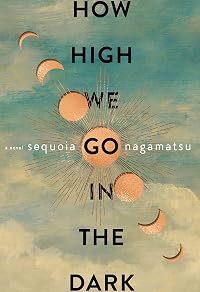
How High We Go in the Dark
by Sequoia Nagamatsu
On This Page
Description
"For fans of Cloud Atlas and Station Eleven, a spellbinding and profoundly prescient debut that follows a cast of intricately linked characters over hundreds of years as humanity struggles to rebuild itself in the aftermath of a climate plague-a daring and deeply heartfelt work of mind-bending imagination from a singular new voice. Beginning in 2030, a grieving archeologist arrives in the Arctic Circle to continue the work of his recently deceased daughter at the Batagaika crater, where show more researchers are studying long-buried secrets now revealed in melting permafrost, including the perfectly preserved remains of a girl who appears to have died of an ancient virus. Once unleashed, the Arctic Plague will reshape life on earth for generations to come, quickly traversing the globe, forcing humanity to devise a myriad of moving and inventive ways to embrace possibility in the face of tragedy. In a theme park designed for terminally ill children, a cynical employee falls in love with a mother desperate to hold on to her infected son. A heartbroken scientist searching for a cure finds a second chance at fatherhood when one of his test subjects-a pig-develops the capacity for human speech. A widowed painter and her teenaged granddaughter embark on a cosmic quest to locate a new home planet. From funerary skyscrapers to hotels for the dead to interstellar starships, Sequoia Nagamatsu takes readers on a wildly original and compassionate journey, spanning continents, centuries, and even celestial bodies to tell a story about the resiliency of the human spirit, our infinite capacity to dream, and the connective threads that tie us all together in the universe"-- show lessTags
Recommendations

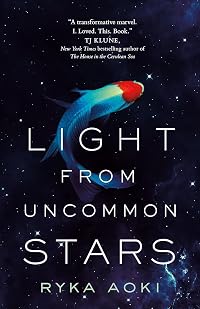
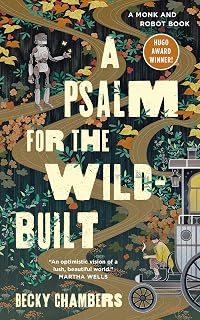
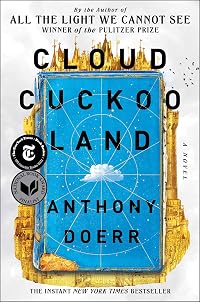
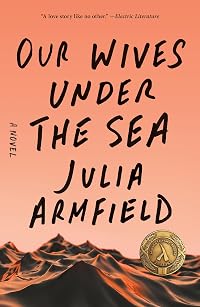


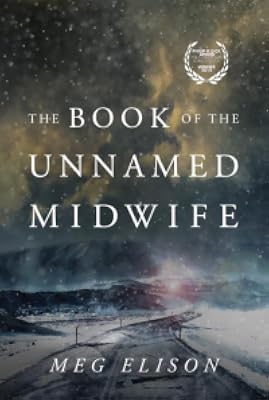
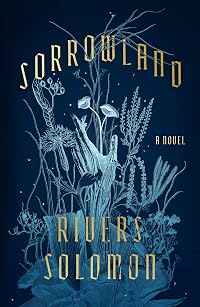
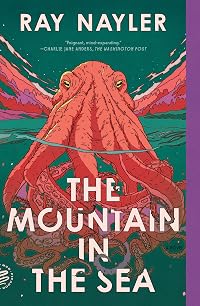
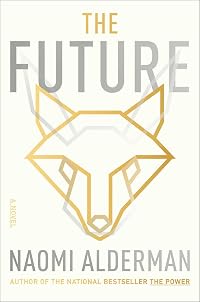
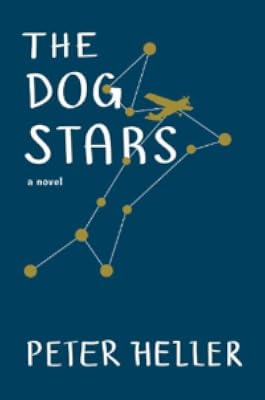
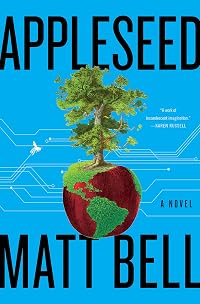
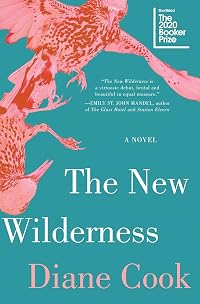
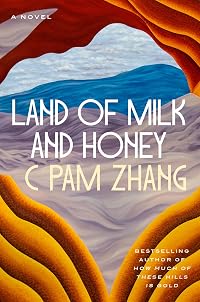


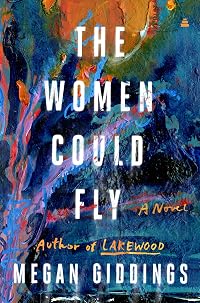
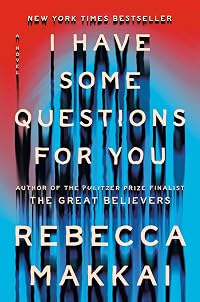
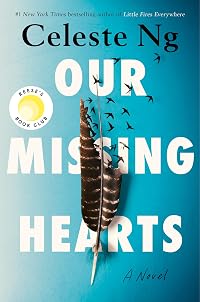
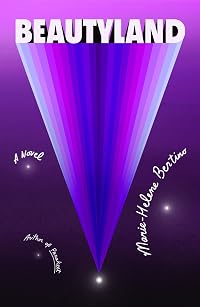
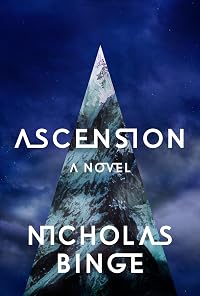
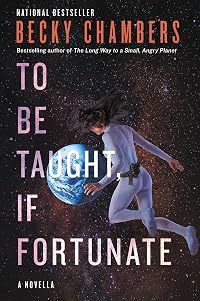
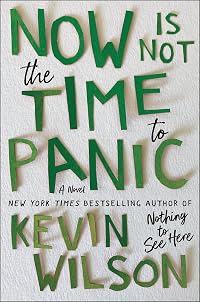
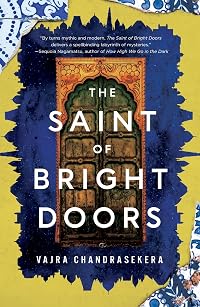

Member Recommendations

bibliovermis Multi-story exploration of death and grief with a sci-fi or fantasy joining narrative
bibliovermis Multi-story exploration of death and grief with a sci-fi or fantasy joining narrative
Member Reviews
To me, as a writer, this one taught me a couple of valuable lessons. First, nothing is more important than finding and nailing the heart of a story (Nagamatsu does that here in every chapter with stunning consistency). Second, when a story is dark, gut-wrenching, or otherwise emotionally heavy, a loose, accessible, and pleasant prose can serve as its own balance in levity (and it's this one that I think reading this book provides a masterclass in).
As a reader, I found emotional connections so strong that I had to stop reading, because to continue with the next chapter would mean leaving behind a particular tale that I wasn't ready to let go of. This one would be an easy tear in a single day, but I feel like readers who devour books show more might tend to miss the visceral effect of How High We Go in the Dark. I found it ultimately moving, and I think part of my experience is due to putting it down when I felt full and knowing it would be there again tomorrow to fill me back up again.
It's a wonderful, horrifying, heart-swelling, ugly-cry tale that is at once intimate and cosmic in ways that blew my mind. show less
As a reader, I found emotional connections so strong that I had to stop reading, because to continue with the next chapter would mean leaving behind a particular tale that I wasn't ready to let go of. This one would be an easy tear in a single day, but I feel like readers who devour books show more might tend to miss the visceral effect of How High We Go in the Dark. I found it ultimately moving, and I think part of my experience is due to putting it down when I felt full and knowing it would be there again tomorrow to fill me back up again.
It's a wonderful, horrifying, heart-swelling, ugly-cry tale that is at once intimate and cosmic in ways that blew my mind. show less
If you can stand to read about a pandemic even worse than the one we're in, this is a most powerful science fiction novel. In a fairly near future, the melting of the arctic icecap discloses the body of an ancient young girl and the virus that killed her millennia ago. The interlocking stories that follow describe the horrors for the next hundreds of years from now, when that virus is unleashed on the world. The nightmarish quality of the mass deaths, the futility of science for centuries, and the impossible decisions that survivors are confronted with, make for difficult reading. Even reading this book fairly quickly, I found it hard to remember how characters were connected across generations, but those connections are what give the show more story strength and meaning, and what make it memorable. show less
I absolutely adored this, and was planning to rate it five, right until the last chapter (or two, if the last page counts as a separate chapter), when the author pulled back their perspective, and effectively stacked it. If pseudo historical bullshit of the 'aliens built the pyramids' style piss you off, then this chapter problably will. Worth reading despite that, but I may well ignore the last section on rereads. It does have some useful context for some of the unclear details, but I'd kind of rather they had been left vague.
As a pandemic story, this is amazing. I was even more impressed when I read the afterword and discovered that this was completed prior to the early stages of the covid-19 pandemic, and thus some of the world wide show more details could only have been extrapolated.
Each chapter being from a different viewpoint, and the steady march of time, makes for a story that is mostly told in the silences. The chapters are in strict chronological order, but the time jumps aren't always clear. The regular viewpoint changes meant it felt at times more like a set of interlinked short stories than a novel, although over time though the linkages between the chapters brought clarity and multiple perspectives.
There were some repeated details that I found a little overworked. In particular, it seemed that if there were siblings, one was the responsible successful one, and the other one was a fuckup and a dissapointment to their parents. What I thought was a cute detail turned out to be signposting the Deus Ex Machina that annoyed me in the last chapter.
This book is not for people who need narrative certainty. show less
As a pandemic story, this is amazing. I was even more impressed when I read the afterword and discovered that this was completed prior to the early stages of the covid-19 pandemic, and thus some of the world wide show more details could only have been extrapolated.
Each chapter being from a different viewpoint, and the steady march of time, makes for a story that is mostly told in the silences. The chapters are in strict chronological order, but the time jumps aren't always clear. The regular viewpoint changes meant it felt at times more like a set of interlinked short stories than a novel, although over time though the linkages between the chapters brought clarity and multiple perspectives.
There were some repeated details that I found a little overworked. In particular, it seemed that if there were siblings, one was the responsible successful one, and the other one was a fuckup and a dissapointment to their parents. What I thought was a cute detail turned out to be signposting the Deus Ex Machina that annoyed me in the last chapter.
This book is not for people who need narrative certainty. show less
In 2030, Cliff’s daughter, Clara, has died in an accident while researching climate change near the arctic circle. Clara had discovered an Ice Age girl in the melting permafrost, whose body is infected with an ancient plague virus. Then it turns into one of the saddest books I’ve ever read. The virus spreads. It initially targets children.
It is a series of interrelated dark short stories with a few recurring characters. Some very creative ideas are expressed. The structure is unconventional, with portions written in different points of view and taking great leaps through time and space. One of the main themes is the importance of forming interpersonal connections. It is an exploration of grief and loss positioned within pandemic show more and climate change scenarios. The last few stories add a new dimension to the range of interpretations. I admired it and will look forward to reading another book by this author.
If you are sensitive to reading about the deaths of children, you might consider skipping the second story. I would not recommend this book to anyone feeling depressed. show less
It is a series of interrelated dark short stories with a few recurring characters. Some very creative ideas are expressed. The structure is unconventional, with portions written in different points of view and taking great leaps through time and space. One of the main themes is the importance of forming interpersonal connections. It is an exploration of grief and loss positioned within pandemic show more and climate change scenarios. The last few stories add a new dimension to the range of interpretations. I admired it and will look forward to reading another book by this author.
If you are sensitive to reading about the deaths of children, you might consider skipping the second story. I would not recommend this book to anyone feeling depressed. show less
What do I think about How High We Go in the Dark? Should you read Sequoia Nagamatsu’s debut novel?
It was mesmerizing. Mind-blowing. Devastating.
I am haunted by images from the novel. An altruistic swine. A mass of lost people cooperating to, hopefully, save an infant. Burn out among those working with the dying and the deceased.
Reading such an original novel, I feel spurred into alertness, dragged from my somnambulant comfort zone. This what I needed to get my mind reeving, get out of my slump.
I requested the galley for the references to Cloud Atlas and Station Eleven. And because on Twitter author Matt Bell (Appleseed) remarked on reading the galley and I followed Nagamatsu on Twitter. I was intrigued.
Yes, it is nightmarish stuff, show more about a plague and climate change and how society copes with mass deaths, capitalism responding by creating theme parks for dying children and new ways to memorialize the deceased. It is disturbing because although speculative fiction, we see its roots in reality.
It is also a deeply human and humane book with characters demonstrating love and courage. And hope.
What more can a reader ask from a novel? This one hits all the bases.
I received a free egalley from Custom House through NetGalley. My review is fair and unbiased. show less
It was mesmerizing. Mind-blowing. Devastating.
I am haunted by images from the novel. An altruistic swine. A mass of lost people cooperating to, hopefully, save an infant. Burn out among those working with the dying and the deceased.
Reading such an original novel, I feel spurred into alertness, dragged from my somnambulant comfort zone. This what I needed to get my mind reeving, get out of my slump.
I requested the galley for the references to Cloud Atlas and Station Eleven. And because on Twitter author Matt Bell (Appleseed) remarked on reading the galley and I followed Nagamatsu on Twitter. I was intrigued.
Yes, it is nightmarish stuff, show more about a plague and climate change and how society copes with mass deaths, capitalism responding by creating theme parks for dying children and new ways to memorialize the deceased. It is disturbing because although speculative fiction, we see its roots in reality.
It is also a deeply human and humane book with characters demonstrating love and courage. And hope.
What more can a reader ask from a novel? This one hits all the bases.
I received a free egalley from Custom House through NetGalley. My review is fair and unbiased. show less
It’s the year 2030 and an ancient plague has just been released from the arctic permafrost…
HOW HIGH WE GO IN THE DARK is a series of interconnected stories that explores the ramifications of this climate event from onset through millennia into the future. Although the stories could be taken as singular pieces, when combined together they paint an exquisite portrait of humanity.
This was an extremely emotional read with parts that were difficult to digest such as the chapter set in a euthanasia park for children. While I felt the writing to be strong throughout the book, certain chapters resonated with me more than others be it for connections to personal experience or their greater plausibility.
“Opportunities are like little seeds show more floating in the wind. Your life is there. Some people have a big net to collect them all. Other people need to pray that the right seeds, the best ones, make their way to them with just enough bad ones to appreciate the good.”
The arctic plague caused mass death and grief for humanity, yet despite being deeply dark, the book offers equal amounts of profound hope. Nagamatsu’s hauntingly beautiful writing leaves me with a reminder that amidst the chaos of life, we must not lose sight of our empathy for others and our capacity for forgiveness of ourselves. The final chapter entitled “The Scope of Possibility” does an excellent job of wrapping up the reader’s journey, offering a satisfying conclusion.
HOW HIGH WE GO IN THE DARK is a must read for those looking for a thought-provoking book and fans of speculative fiction/literary sci-fi. This is a book that will stick with me for the foreseeable future. show less
HOW HIGH WE GO IN THE DARK is a series of interconnected stories that explores the ramifications of this climate event from onset through millennia into the future. Although the stories could be taken as singular pieces, when combined together they paint an exquisite portrait of humanity.
This was an extremely emotional read with parts that were difficult to digest such as the chapter set in a euthanasia park for children. While I felt the writing to be strong throughout the book, certain chapters resonated with me more than others be it for connections to personal experience or their greater plausibility.
“Opportunities are like little seeds show more floating in the wind. Your life is there. Some people have a big net to collect them all. Other people need to pray that the right seeds, the best ones, make their way to them with just enough bad ones to appreciate the good.”
The arctic plague caused mass death and grief for humanity, yet despite being deeply dark, the book offers equal amounts of profound hope. Nagamatsu’s hauntingly beautiful writing leaves me with a reminder that amidst the chaos of life, we must not lose sight of our empathy for others and our capacity for forgiveness of ourselves. The final chapter entitled “The Scope of Possibility” does an excellent job of wrapping up the reader’s journey, offering a satisfying conclusion.
HOW HIGH WE GO IN THE DARK is a must read for those looking for a thought-provoking book and fans of speculative fiction/literary sci-fi. This is a book that will stick with me for the foreseeable future. show less
This book, consisting of a series of linked short stories/vignettes, reminded me a bit of Cloud Atlas, and I liked it almost as much as I liked Cloud Atlas. It begins in the year 2030, with a visit to a Siberian archaeological excavation site, where something that becomes known as the Arctic Plague is released upon the world. It proceeds forward through hundreds of years with interlocking characters and events. It has an epic scope, but also an eye for the most minute of dazzling details.
This is one of the most original and imaginative books I've read in a very long time. I loved it.
41/2 stars
This is one of the most original and imaginative books I've read in a very long time. I loved it.
41/2 stars
Members
- Recently Added By
Lists

It's the end of the world as we know it!
90 works; 23 members

Stories set in the Polar Regions
33 works; 3 members

Books Read in 2021
5,361 works; 114 members

COVID in literature
96 works; 9 members

Stories Set at Carnivals, Circuses, and Theme Parks
39 works; 6 members

Novels featuring Fathers
56 works; 7 members

Books published and read in 2022
82 works; 5 members

Asian American Literature
46 works; 6 members

Slice of life speculative fiction
18 works; 2 members

Dublin Literary Award 2023 Longlist
67 works; 5 members

Top Five Books of 2023
767 works; 317 members

Books that don't know they belong in a bathroom
41 works; 3 members

Books Read in 2025
4,091 works; 97 members

Books Read in 2026
1,942 works; 66 members
Author Information

3+ Works 1,932 Members
Some Editions
Awards and Honors
Common Knowledge
- Canonical title
- How High We Go in the Dark
- Original publication date
- 2022-01-18
- Dedication
- IN MEMORY OF CRAIG NAGAMATSU
1958–2021 - First words
- In Siberia, the thawing ground was a ceiling on the verge of collapse, sodden with ice melt and the mammoth detritus of prehistory.
- Last words
- (Click to show. Warning: May contain spoilers.)I might wake up early to watch the sun rise.
—Colonel Franklin Barret, USAF Retired - Canonical DDC/MDS
- 813.6
- Canonical LCC
- PS3614.A423
Classifications
Statistics
- Members
- 1,816
- Popularity
- 11,999
- Reviews
- 75
- Rating
- (3.73)
- Languages
- 6 — Catalan, English, French, Italian, Polish, Spanish
- Media
- Paper, Audiobook, Ebook
- ISBNs
- 25
- ASINs
- 8