On This Page
Description
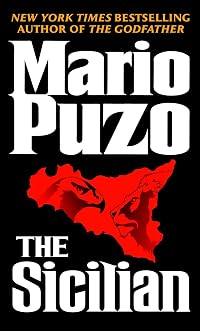
Fiction. Literature. Thriller. HTML:After Mario Puzo wrote his internationally acclaimed The Godfather, he has often been imitated but never equaled. Puzo's classic novel, The Sicilian, stands as a cornerstone of his work—a lushly romantic, unforgettable tale of bloodshed, justice, and treachery. . . .The year is 1950. Michael Corleone is nearing the end of his exile in Sicily. The Godfather has commanded Michael to bring a young Sicilian bandit named Salvatore Guiliano back with him to show more America. But Guiliano is a man entwined in a bloody web of violence and vendettas. In Sicily, Guiliano is a modern day Robin Hood who has defied corruption—and defied the Cosa Nostra. Now, in the land of mist-shrouded mountains and ancient ruins, Michael Corleone's fate is entwined with the dangerous legend of Salvatore Guiliano: warrior, lover, and the ultimate Siciliano.
Praise for The Sicilian
“Puzo is a master storyteller.”—USA Today
“The Balzac of the mafia.”—Time
“An accomplished and imaginative writer.”—Los Angeles Times. show less
Tags
Recommendations
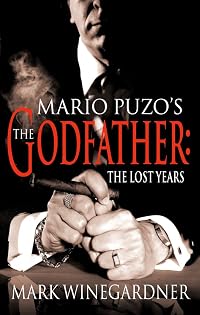

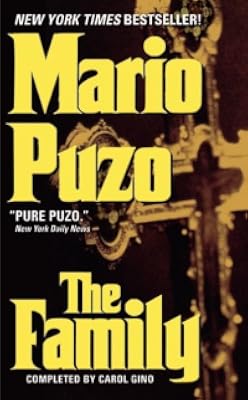
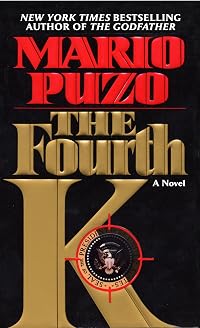
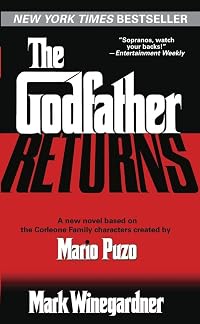
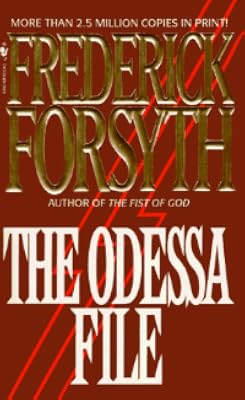

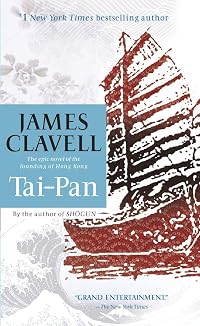
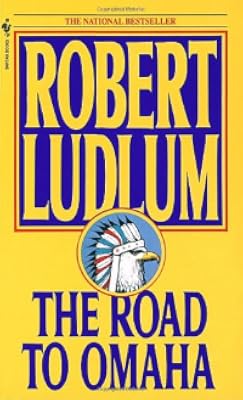



Member Recommendations
Member Reviews
To my surprise I feel immense contempt for reading a supposedly praised book of Puzo because I actually find it extremely disappointing.
The book being nothing exceptional but a painfully exasperating story about the bold Italian Outlaws and the typical Sicilian Mafia/Mob, makes me insolently demean this story because the plot turned out to be almost a mash-up and rip-off of Puzo's other notable books.
Moreover, after reading the book, scorned I was as a blacksmith without his tools, I was numb too since the novel had very little material. I recall the days when I almost gave up reading this book because I was tired of forcing myself to turn the pages.
Firstly, the feeble plot, as mentioned before turns out to be a brew of Puzo's other show more books, lacks originality and enthrallment, and is rather repetitive. It also focuses too much on the character development, so much that you are left with a sick feeling of boredom and weariness. The innumerable accounts of the characters' past are definitely a foundation of their role but with these characters Puzo actually overdid it, so much that you feel such elaborate illustrations were unnecessary. The characters were lush and deep but not captivating enough to make me dive into their lives.
The book might have flourished if it were made into two parts, because since the real story is so limited, Puzo could have glorified it by dividing it into two parts by focusing the drama on the first and the tragedy/thrills on the latter, but that's just how I feel.
Sadly, thriving on unwanted details and a vain story, this book also features folly and unintelligent writing. For example, the execution of the main character absolutely made no sense at all, the weak writing left readers in utter dismay and confusion such as, "Why kill him NOW?", "without a motive why would THAT person betray?", etc.
Moving on, the theme of the book is somewhat ambiguous yet the countless incidents of the story surely amplified aspects of Loyalty and Pride. And the message of the book might have been somewhat enlightening but I remain unsatisfied with this desultory tale of how two young innocent boys grew up to be bandits and embraced their fateful retribution. show less
The book being nothing exceptional but a painfully exasperating story about the bold Italian Outlaws and the typical Sicilian Mafia/Mob, makes me insolently demean this story because the plot turned out to be almost a mash-up and rip-off of Puzo's other notable books.
Moreover, after reading the book, scorned I was as a blacksmith without his tools, I was numb too since the novel had very little material. I recall the days when I almost gave up reading this book because I was tired of forcing myself to turn the pages.
Firstly, the feeble plot, as mentioned before turns out to be a brew of Puzo's other show more books, lacks originality and enthrallment, and is rather repetitive. It also focuses too much on the character development, so much that you are left with a sick feeling of boredom and weariness. The innumerable accounts of the characters' past are definitely a foundation of their role but with these characters Puzo actually overdid it, so much that you feel such elaborate illustrations were unnecessary. The characters were lush and deep but not captivating enough to make me dive into their lives.
The book might have flourished if it were made into two parts, because since the real story is so limited, Puzo could have glorified it by dividing it into two parts by focusing the drama on the first and the tragedy/thrills on the latter, but that's just how I feel.
Sadly, thriving on unwanted details and a vain story, this book also features folly and unintelligent writing. For example, the execution of the main character absolutely made no sense at all, the weak writing left readers in utter dismay and confusion such as, "Why kill him NOW?", "without a motive why would THAT person betray?", etc.
Moving on, the theme of the book is somewhat ambiguous yet the countless incidents of the story surely amplified aspects of Loyalty and Pride. And the message of the book might have been somewhat enlightening but I remain unsatisfied with this desultory tale of how two young innocent boys grew up to be bandits and embraced their fateful retribution. show less
"بالخيانة يمكنك تحقيق ما لايمكن تحقيقه بالحيله" ربما تكون تلك العبارة ملخص للرواية.
الحقيقة رغم ان التيمة هنا متكررة وهي عن البطل الشاب البسيط الذي يتحول الي مجرم يحب الفقراء ويحاول مساعدتهم الا ان براعه بوزو وسلاسته في شرح" نقطة التحول" للبطل تجعلك تشعر كأنك تقرأ عن وقائع تاريخية.
وجود مايكل كورليوني وبيتر كليمنزا والدون كورليوني داخل أحداث الرواية وهم ابطال "الاب الروحي god father" لم يبد مصطنع وكان نقطة قوة في show more هذا العمل.
الانتقام والجراءة هما ما يميز سلفاتوري جوليانو وفرقته اسبانو بيشوتا وتيرانوفا وبازاتيمبو ستيفانو اندوليني وكانيو سيلفسترو
شخصية الاب الروحي لجوليانو "هيكتور ادونيس" لطيف المعشر محبوب من الكل لكن الطابع البشري ينتصر في النهاية وينتقم لابنه الروحي
شخصية الدون "كروتشي" رغم الهاله التي تحيط به في هذا العمل الا انه لايحصل علي تقدير البطل الميت جوليانو وربما نصيحة الدون كورليوني في النهاية لمايكل عن ان تكون حيا افضل من كونك بطل ميت هي القاعدة الذهبية التي يتبعها أمثاله
العمل جيد في النهاية ومرشح للقراءة show less
الحقيقة رغم ان التيمة هنا متكررة وهي عن البطل الشاب البسيط الذي يتحول الي مجرم يحب الفقراء ويحاول مساعدتهم الا ان براعه بوزو وسلاسته في شرح" نقطة التحول" للبطل تجعلك تشعر كأنك تقرأ عن وقائع تاريخية.
وجود مايكل كورليوني وبيتر كليمنزا والدون كورليوني داخل أحداث الرواية وهم ابطال "الاب الروحي god father" لم يبد مصطنع وكان نقطة قوة في show more هذا العمل.
الانتقام والجراءة هما ما يميز سلفاتوري جوليانو وفرقته اسبانو بيشوتا وتيرانوفا وبازاتيمبو ستيفانو اندوليني وكانيو سيلفسترو
شخصية الاب الروحي لجوليانو "هيكتور ادونيس" لطيف المعشر محبوب من الكل لكن الطابع البشري ينتصر في النهاية وينتقم لابنه الروحي
شخصية الدون "كروتشي" رغم الهاله التي تحيط به في هذا العمل الا انه لايحصل علي تقدير البطل الميت جوليانو وربما نصيحة الدون كورليوني في النهاية لمايكل عن ان تكون حيا افضل من كونك بطل ميت هي القاعدة الذهبية التي يتبعها أمثاله
العمل جيد في النهاية ومرشح للقراءة show less
To my surprise I feel immense contempt for reading a supposedly praised book of Puzo because I actually find it extremely disappointing.
The book being nothing exceptional but a painfully exasperating story about the bold Italian Outlaws and the typical Sicilian Mafia/Mob, makes me insolently demean this story because the plot turned out to be almost a mash-up and rip-off of Puzo's other notable books.
Moreover, after reading the book, scorned I was as a blacksmith without his tools, I was numb too since the novel had very little material. I recall the days when I almost gave up reading this book because I was tired of forcing myself to turn the pages.
Firstly, the feeble plot, as mentioned before turns out to be a brew of Puzo's other show more books, lacks originality and enthrallment, and is rather repetitive. It also focuses too much on the character development, so much that you are left with a sick feeling of boredom and weariness. The innumerable accounts of the characters' past are definitely a foundation of their role but with these characters Puzo actually overdid it, so much that you feel such elaborate illustrations were unnecessary. The characters were lush and deep but not captivating enough to make me dive into their lives.
The book might have flourished if it were made into two parts, because since the real story is so limited, Puzo could have glorified it by dividing it into two parts by focusing the drama on the first and the tragedy/thrills on the latter, but that's just how I feel.
Sadly, thriving on unwanted details and a vain story, this book also features folly and unintelligent writing. For example, the execution of the main character absolutely made no sense at all, the weak writing left readers in utter dismay and confusion such as, "Why kill him NOW?", "without a motive why would THAT person betray?", etc.
Moving on, the theme of the book is somewhat ambiguous yet the countless incidents of the story surely amplified aspects of Loyalty and Pride. And the message of the book might have been somewhat enlightening but I remain unsatisfied with this desultory tale of how two young innocent boys grew up to be bandits and embraced their fateful retribution. show less
The book being nothing exceptional but a painfully exasperating story about the bold Italian Outlaws and the typical Sicilian Mafia/Mob, makes me insolently demean this story because the plot turned out to be almost a mash-up and rip-off of Puzo's other notable books.
Moreover, after reading the book, scorned I was as a blacksmith without his tools, I was numb too since the novel had very little material. I recall the days when I almost gave up reading this book because I was tired of forcing myself to turn the pages.
Firstly, the feeble plot, as mentioned before turns out to be a brew of Puzo's other show more books, lacks originality and enthrallment, and is rather repetitive. It also focuses too much on the character development, so much that you are left with a sick feeling of boredom and weariness. The innumerable accounts of the characters' past are definitely a foundation of their role but with these characters Puzo actually overdid it, so much that you feel such elaborate illustrations were unnecessary. The characters were lush and deep but not captivating enough to make me dive into their lives.
The book might have flourished if it were made into two parts, because since the real story is so limited, Puzo could have glorified it by dividing it into two parts by focusing the drama on the first and the tragedy/thrills on the latter, but that's just how I feel.
Sadly, thriving on unwanted details and a vain story, this book also features folly and unintelligent writing. For example, the execution of the main character absolutely made no sense at all, the weak writing left readers in utter dismay and confusion such as, "Why kill him NOW?", "without a motive why would THAT person betray?", etc.
Moving on, the theme of the book is somewhat ambiguous yet the countless incidents of the story surely amplified aspects of Loyalty and Pride. And the message of the book might have been somewhat enlightening but I remain unsatisfied with this desultory tale of how two young innocent boys grew up to be bandits and embraced their fateful retribution. show less
The Sicilian is the natural successor to Mario Puzo’s outstanding novel The Godfather. It includes a smattering of characters from the original story in particular Michael Corleone in exile until his father Don Corleone deems it safe for his return. In the meantime he is to prepare the way for resident bad boy Salvatore Giuliano to be smuggled out of Sicily and given safe passage to New York. Giuliano is involved in a turf war with local Capo Don Croce and events are fast approaching a bloody conclusion. The Sicilian is not a bad book, it contains all the ingredients that make for a good “mob” read. The usual elements of family loyalty, honour, explosive action, duplicity, treachery are all here. However, in the final analysis, it show more is nowhere near as entertaining or captivating as its predecessor but useful for an account of Michael's years in exile. show less
The second installment in Mario Puzo's Godfather series is titled The Sicilian. The novel is set in Sicily, Italy, where we follow the exploits of the bandit Turi Guiliano, a deliberate misspelling of the real Salvatore Giuliano, an Italian bandit who lived in the first half of the 20th century. It is connected to the first part of the Godfather series through Michael Corleone, son of the Godfather Don Vito Corleone. Michael plans his return to America from his exile in Sicily and he is to help escape Turi Guiliano to America.
The story begins when Turi and his friend Aspanu Pisciotta are stopped by the Italian police while smuggling food. One thing leads to another and Turi is shot by a police officer whom he kills in return. When the show more police try to arrest Turi in his home later on, he flees to the mountains with Aspanu to become a bandit and swears to help the poor people of Sicily, becoming an Italian version of Robin Hood. Guiliano soon rises to power and his group of bandits becomes ever larger, stealing from the rich, giving to the poor and always keeping a little for themselves. This draws the ire of mafia boss Don Croce Malo who first tries to team up with Guiliano, but changes his plan when Turi refuses his offer.
I liked the novel for its storyline as well as its characters, some of whom are based on real life characters. The different events in Turi Guiliano's life made for an interesting read that kept me wanting to learn about his fate. 4 stars. show less
The story begins when Turi and his friend Aspanu Pisciotta are stopped by the Italian police while smuggling food. One thing leads to another and Turi is shot by a police officer whom he kills in return. When the show more police try to arrest Turi in his home later on, he flees to the mountains with Aspanu to become a bandit and swears to help the poor people of Sicily, becoming an Italian version of Robin Hood. Guiliano soon rises to power and his group of bandits becomes ever larger, stealing from the rich, giving to the poor and always keeping a little for themselves. This draws the ire of mafia boss Don Croce Malo who first tries to team up with Guiliano, but changes his plan when Turi refuses his offer.
I liked the novel for its storyline as well as its characters, some of whom are based on real life characters. The different events in Turi Guiliano's life made for an interesting read that kept me wanting to learn about his fate. 4 stars. show less
I had read this before many years ago, and I remembered liking it. When I had a chance to pick up a used copy very cheap, I figured it would be a good time to reread it. The book is pretty good, but it is not The Godfather. Then again, for Puzo, Don Corleone's tale is his opus. After that, pretty much anything would seem a bit less. The tale of the Sicilian is pretty good. The only problem I had with the book, and the reason I did not rate it higher, is because at times some of the descriptive passages seem a bit too long. I think that slows the pacing of the tale a bit. Having said that, fans of Puzo's work will likely enjoy this tale full of conspiracies and betrayals along with a heroic figure. Reading about Sicily and its people can show more be interesting, but as I said, Puzo overdoes it with some of the descriptions at times.
If you have read Puzo before, you will probably enjoy this book. If not, go pick up The Godfather first, then read this one. Also, for fans of Puzo's other novel, this one features appearances by Michael Corleone, revealing a bit more about his time of exile in Sicily. Worth reading just for the great lesson Michael learns along the way. show less
If you have read Puzo before, you will probably enjoy this book. If not, go pick up The Godfather first, then read this one. Also, for fans of Puzo's other novel, this one features appearances by Michael Corleone, revealing a bit more about his time of exile in Sicily. Worth reading just for the great lesson Michael learns along the way. show less
Another book by Mario Puzo that I fell in love with. His story telling made you fall in love with Gulianio and the romanticism of the kind of man he was. The stories ending was very suprising to me but I loved this book!
Members
- Recently Added By
Published Reviews
ThingScore 50
The story of Turi Guiliano also affords Mr. Puzo the opportunity to explain the Mafia historically. He even gives us etymology. '' 'Mafia,' in Arabic, means a place of sanctuary,'' he writes, ''and the word took its place in the Sicilian language when the Saracens ruled the country in the 10th century. Throughout history, the people of Sicily were oppressed mercilessly by the Romans, the show more Papacy, the Normans, the French, the Germans and the Spanish. Their Governments enslaved the poor, working class, exploiting their labor, raping their women, murdering their leaders. Even the rich did not escape. The Spanish Inquisition of the Holy Catholic Church stripped them of their wealth for being heretics. And so the 'Mafia' sprang up as a secret society of avengers.''
At the same time, as if in response to those who thought he over-romanticized the Mafia in ''The Godfather,'' Mr. Puzo scourges ''the 'Friends of the Friends,' as they were called here in Sicily.'' For Turi Guiliano is not only waging war with the Carabinieri, or the Italian National Police, he is also fighting Don Croce Malo, the hugely fat Capo di Capi of the ''Friends of the Friends.'' show less
At the same time, as if in response to those who thought he over-romanticized the Mafia in ''The Godfather,'' Mr. Puzo scourges ''the 'Friends of the Friends,' as they were called here in Sicily.'' For Turi Guiliano is not only waging war with the Carabinieri, or the Italian National Police, he is also fighting Don Croce Malo, the hugely fat Capo di Capi of the ''Friends of the Friends.'' show less
added by jimcripps
Lists

Books Set in Italy
167 works; 19 members

Books Set on Islands
190 works; 24 members

Wishlist
99 works; 1 member
Author Information

98+ Works 24,516 Members
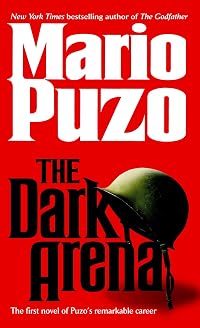
Mario Puzo, best known as the author of The Godfather, was born on October 15, 1920 in the Hell's Kitchen area of New York City. He served in the U. S. Army during World War II, and when he returned attended New York's School for Social Research and Columbia University. He wrote pulp stories and edited Male magazine before publishing his first show more novel, The Dark Arena (1955). His works were well-received critically, but failed to generate much revenue until he published his most notable work, The Godfather, which was ultimately made into a trilogy of award-winning movies. Puzo continued writing novels, and his final work, Omerta, was finished not long before his death. He won the Academy Award for Best Adapted Screenplay in both 1972, and 1974. Puzo died on July 2, 1999 in Bay Shore, Long Island. (Bowker Author Biography) show less
Some Editions
Awards and Honors
Awards
Distinctions
Series

Belongs to Publisher Series
Work Relationships
Is contained in
Has the adaptation
Common Knowledge
- Canonical title*
- Sicilijanac
- Original title
- The Sicilian
- Original publication date
- 1984-12; 1984-12 (Bantam Export) (Bantam Export); 1985-12 (Bantam) (Bantam)
- People/Characters
- Michael Corleone; Salvatore Guiliano; Don Croce Malo
- Important places
- Sicily, Italy
- Related movies
- The Sicilian (1987 | IMDb)
- Dedication
- For Carol
- First words
- Michael Corleone stood on a long wooden dock in Palermo and watched the great ocean line set sail for America.
- Last words
- (Click to show. Warning: May contain spoilers.)Terraced gardens girdled the sides of the surrounding mountains with green ribbons, great white rocks gleamed, a tiny red hawk of Sicily rode down toward them on a shaft of sunlight.
- Blurbers
- Talese, Gay
*Some information comes from Common Knowledge in other languages. Click "Edit" for more information.
Classifications
Statistics
- Members
- 2,123
- Popularity
- 9,668
- Reviews
- 26
- Rating
- (3.63)
- Languages
- 24 — Czech, Danish, Dutch, English, Estonian, Finnish, French, German, Hungarian, Indonesian, Italian, Lithuanian, Norwegian (Bokmål), Polish, Portuguese, Romanian, Russian, Serbian, Croatian, Slovenian, Spanish, Swedish, Turkish, Chinese, traditional
- Media
- Paper, Audiobook, Ebook
- ISBNs
- 116
- ASINs
- 27