On This Page
Description
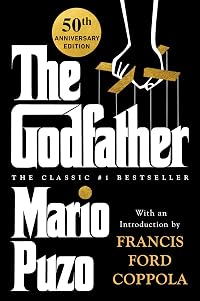
50th ANNIVERSARY EDITION—WITH A NEW INTRODUCTION BY FRANCIS FORD COPPOLAMario Puzo’s classic saga of an American crime family that became a global phenomenon—nominated as one of America’s best-loved novels by PBS’s The Great American Read.
With its brilliant and brutal portrayal of the Corleone family, The Godfather burned its way into our national consciousness. This unforgettable saga of crime and corruption, passion and loyalty continues to stand the test of time, as the show more definitive novel of the Mafia underworld.
A #1 New York Times bestseller in 1969, Mario Puzo’s epic was turned into the incomparable film of the same name, directed by Francis Ford Coppola, which won the Academy Award for Best Picture. It is the original classic that has been often imitated, but never matched. A tale of family and society, law and order, obedience and rebellion, it reveals the dark passions of human nature played out against a backdrop of the American dream.
With a Note from Anthony Puzo and an Afterword by Robert J. Thompson. show less
Tags
Recommendations

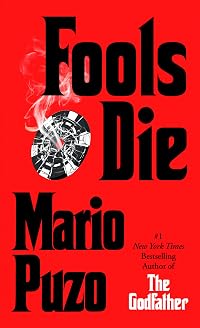
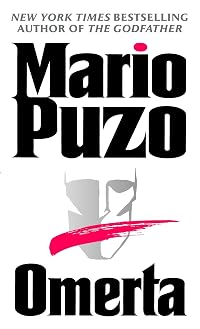
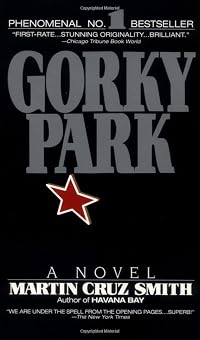
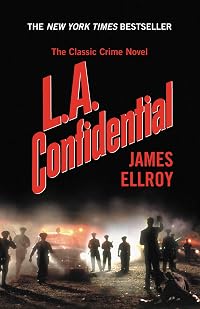
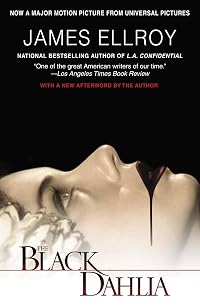
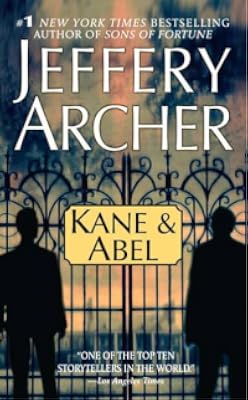
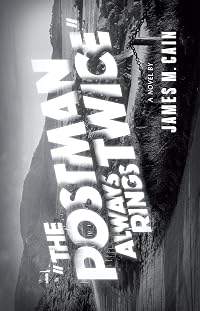
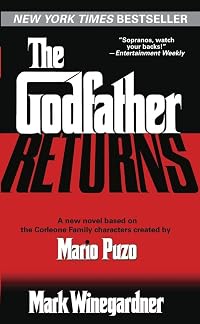
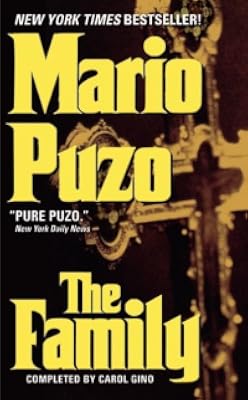
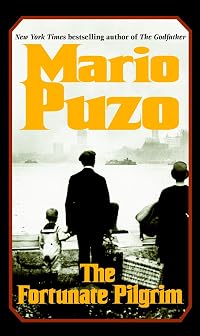
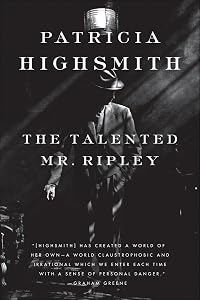


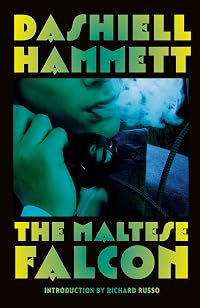
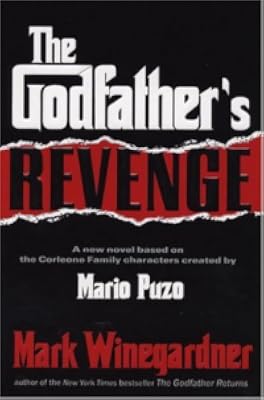

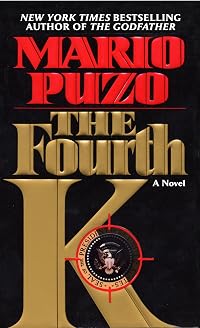

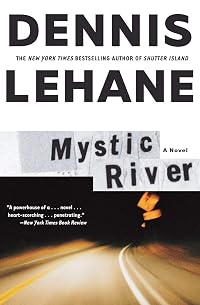
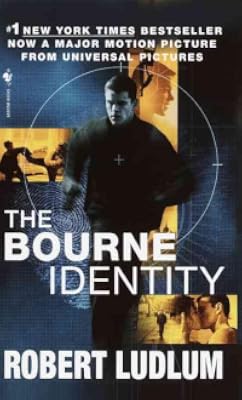
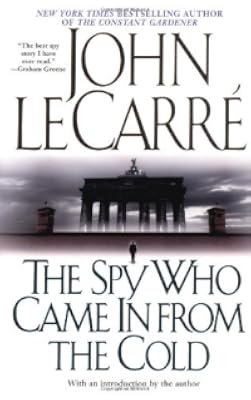
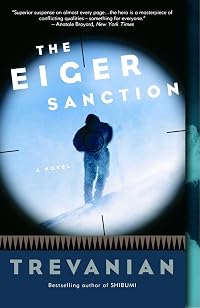
Member Recommendations
GeekyRandy No real relevance. Both are about gangsters and comes from a neutral POV. "The Pack" is also obviously influenced by "The Godfather". I love both books, perhaps you will too.


jordantaylor Colombian literature that could be described as "The Godfather" re-written by Gabriel Garcia Marquez.
Member Reviews
Until I opened up the book, I was a Corleone virgin. I have never seen any of the movies. Until this point, I had an inkling about the story line but could not tell you what happens at any point in time or why. Like most Americans over a certain age, I could recite certain lines from the movie but without understanding their true significance. I even knew of a few key scenes that occur but again without any sort of context to them. My decision to read the book versus watching the movie stems from my belief that books are always better than their visual counterparts and because I found it easier to get my hands on a copy of the book versus tracking down a copy of the movie. While The Godfather appears to be one of the few books that show more pales in comparison to its movie version, I am so glad I first read it. Without prior knowledge of the story, I could better appreciate the cold calculations and deception required to reign in the world of the Mafia. The juxtaposition of Don Corleone’s compassion for his family and his ruthless business sense was striking. What was even more apparent is the insidiously brilliant way in which Don Corleone built up his network of followers. The story itself is complex enough to be able to appreciate the time Mr. Puzo took to set the stage for later events. Now, when I watch the movie for the first time, I can appreciate the performances rather than worry about following the plot.
For those who are like me and are Corleone virgins, I say that it is a scenario you should remedy immediately. The story is absolutely outstanding; the complexities of the family bonds, the strength of those bonds, the power, the money, the battle for supremacy, the cold-bloodedness are realistic and awe-inspiring. Mr. Puzo makes the Mafia likable or at least sympathetic in their drive for power and their unusual opinions about laws and regulations. The Corleone family is a family like no other, and The Godfather gives readers a glimpse into their privileged and surreal world that is just breathtaking. show less
For those who are like me and are Corleone virgins, I say that it is a scenario you should remedy immediately. The story is absolutely outstanding; the complexities of the family bonds, the strength of those bonds, the power, the money, the battle for supremacy, the cold-bloodedness are realistic and awe-inspiring. Mr. Puzo makes the Mafia likable or at least sympathetic in their drive for power and their unusual opinions about laws and regulations. The Corleone family is a family like no other, and The Godfather gives readers a glimpse into their privileged and surreal world that is just breathtaking. show less
The Godfather movie is absolutely fantastic. It's a classic, and it's one of those stories where one instantly gets sucked in despite themselves, into a world many couldn't imagine but for some reason want to attend regardless of the senseless violence and extreme business principles. I saw it before I read the book, something I detest doing, and was petrified to embark on the literary side of the story with the idea that no way would it live up to the movie (I know, what the heck was I thinking?). I did, however, plunge in, and it was absolutely stupendous. Puzo does magic here and keeps readers on the edge as they spiral into the Corleone family's world, in the heart of New York Italian Mafia. I want to read this book again just show more thinking about it. Don't let the tremendous level of hype discourage you; it's well deserved. show less
This novel presents well-observed and well-drawn characters, valuable information, and a wonderful narrative of family history, unfolding the saga of Mafia vendettas traveling between Sicily and America in the 20th century. Ancestral force, family bonds, Sicilian manhood, loyalty, and betrayal are central themes. Puzo's narrative has a slyly intelligent way of communicating hypocrisy, lies, and transactional undercurrents. The story bears out its epigraph from Balzac that behind every great fortune there is crime, and implies that robber barons, big business, police forces, and governments operate on principles not different from those of organized crime. For the Mafia, personal demonstrations of the power to impose one's will and to show more inspire fear are essential. This novel devotes some attention to analyzing the roots of the Mafia in rural Sicilian poverty and the history of Sicily as an Eden ruled by a succession of overlords. Food, passion, fatalism, and instinctive violence rule the feudalistic ethnic culture depicted here. show less
"Friendship is everything. Friendship is more than talent. It is more than the government. It is almost the equal of family."
The Godfather turned out being much better than I anticipated. Originally being in a long list of books I would "eventually get to," I only picked it up because it was on the floor near me when I was also on the floor organizing the book closet. Needing a break (and being lazy as usual), I decided to randomly start reading the first page. What drew me in wasn't the story nor even the opening - it was the writing style. I found out quickly that I LOVE Puzo's writing style. There's something about the way he crafts his words, blends them together, always to the point, never going into poetic territory but somehow show more always hanging over the brink of it.
The story told is a well known because of the movies. Generally I don't mention the movie form much in book reviews, but with The Godfather it's inevitable and the review wouldn't be the same without it. The story stays with the same and the adaption to the movie is spot on. They changed little, even keeping most of the dialogue and order identical for the scenes including. The exception is the flashbacks of Vito Corleone's early life, and there were of course some smaller scenes which weren't included in the movie for time and pacing sake.
Switching point of view among many can be problematic for readers (especially me, too frequent head hopping is always a pet peeve), but with this case the hopping only happens when it makes sense and is done subtly and effectively. The tale is a traditional one with extra punch - the son who doesn't want to become the father, the importance of family, and the struggles of power. I found the theories of the Italian mindset and mafia goals added into the story fascinating, a cultural difference in society that I never personally encountered (and doubtfully ever will.)
When a story has a villain, villains are usually more effective and enjoyable when they are three dimensional (they have good traits as well) Much of the book explains the godfathers mindset, reasoning, philosophies, and strict sense of his version of honor. It's not done in a preachy way; in fact, interestingly no other viewpoint is ever seen, experienced, or given from opposing characters.
The slow ascension into power by Michael Corleone is powerful. Even if the book has some slow scenes and isn't gripping in an action sense, it doesn't need to be as it's clearly a drama filled tale. Michael is realistic as the son who wishes to set apart with his own future, pulled in eventually by honor learned after tainting himself. Vito is equally fascinating with his past, his present, his philosophies. I really hold no bad thoughts toward any of the characters and when their viewpoints are used.
It's easy seeing why this one became such a seller and was made successfully into a popular movie. Even if the cultural presence isn't a reality we all personally experience, it's easily understood and to a point agreed with. The struggle among father and son and setting a person's own path is an age old story always enjoyed as it DOES affect people even today and always will. show less
The Godfather turned out being much better than I anticipated. Originally being in a long list of books I would "eventually get to," I only picked it up because it was on the floor near me when I was also on the floor organizing the book closet. Needing a break (and being lazy as usual), I decided to randomly start reading the first page. What drew me in wasn't the story nor even the opening - it was the writing style. I found out quickly that I LOVE Puzo's writing style. There's something about the way he crafts his words, blends them together, always to the point, never going into poetic territory but somehow show more always hanging over the brink of it.
The story told is a well known because of the movies. Generally I don't mention the movie form much in book reviews, but with The Godfather it's inevitable and the review wouldn't be the same without it. The story stays with the same and the adaption to the movie is spot on. They changed little, even keeping most of the dialogue and order identical for the scenes including. The exception is the flashbacks of Vito Corleone's early life, and there were of course some smaller scenes which weren't included in the movie for time and pacing sake.
Switching point of view among many can be problematic for readers (especially me, too frequent head hopping is always a pet peeve), but with this case the hopping only happens when it makes sense and is done subtly and effectively. The tale is a traditional one with extra punch - the son who doesn't want to become the father, the importance of family, and the struggles of power. I found the theories of the Italian mindset and mafia goals added into the story fascinating, a cultural difference in society that I never personally encountered (and doubtfully ever will.)
When a story has a villain, villains are usually more effective and enjoyable when they are three dimensional (they have good traits as well) Much of the book explains the godfathers mindset, reasoning, philosophies, and strict sense of his version of honor. It's not done in a preachy way; in fact, interestingly no other viewpoint is ever seen, experienced, or given from opposing characters.
The slow ascension into power by Michael Corleone is powerful. Even if the book has some slow scenes and isn't gripping in an action sense, it doesn't need to be as it's clearly a drama filled tale. Michael is realistic as the son who wishes to set apart with his own future, pulled in eventually by honor learned after tainting himself. Vito is equally fascinating with his past, his present, his philosophies. I really hold no bad thoughts toward any of the characters and when their viewpoints are used.
It's easy seeing why this one became such a seller and was made successfully into a popular movie. Even if the cultural presence isn't a reality we all personally experience, it's easily understood and to a point agreed with. The struggle among father and son and setting a person's own path is an age old story always enjoyed as it DOES affect people even today and always will. show less
Gosh, I don't really recall when I read it for the first time. Probably late high school or early college. The date I give above is an estimate on when I read it last, since it is one of those books I like to reread. Yes, in high school, you knew exactly what pages the sex was in (if you were a guy). I always found that amusing. Anyhow, it definitely enriches the experience of watching the movie. As one reviewer here posted, who knew Lucy Mancini (the bridesmaid Sonny was doing) had such a role in the novel? The film, excellent as it is, leaves a lot out of the book.
Anyhow, this is one of my favorites overall. I make it a point to reread it every so often. And since I am not one bothered by violence or sex (I happen to like both just show more fine), that is not an issue for me as it may be for some readers. The novel, while not perfect, is engrossing. Puzo really is able to allow his readers to immerse themselves in the world of the Corleones. It is not just a book about gangsters, but it is also about family and character. By the way, the edition I have at home now is some old paperback from who knows when I bought in a second hand store. I checked, and it does not even have an ISBN number, some edition published in 1969. show less
Anyhow, this is one of my favorites overall. I make it a point to reread it every so often. And since I am not one bothered by violence or sex (I happen to like both just show more fine), that is not an issue for me as it may be for some readers. The novel, while not perfect, is engrossing. Puzo really is able to allow his readers to immerse themselves in the world of the Corleones. It is not just a book about gangsters, but it is also about family and character. By the way, the edition I have at home now is some old paperback from who knows when I bought in a second hand store. I checked, and it does not even have an ISBN number, some edition published in 1969. show less
My copy of The Godfather is old. It belonged to my father, and then my brother, and then I found it somehow somewhere in my house. It was already falling apart, some of the pages had holes in them and the spine was practically coming away in my hands. I read it for the first time when I was 16 and didn’t truly appreciate it. I remember thinking it was such a boring book, too full of details for my liking. Where was the action the film was known for?
I read it now, about 7 years later, and am completely blown away by what an amazing book it actually is.
This novel does include a lot of intricate details about family and character and business, yes. It can be a bit boring to get through, yes. I did, admittedly, find myself going a little show more bit hazy eyed while reading it sometimes, kind of reading but not really absorbing the words. But overall, Jesus this book is good.
The story follows the Corleone family: Vito, his wife, and their four children Sonny, Fredo, Michael and Connie. The novel begins by making you believe it’s the story of Vito Corleone – after all, everybody calls him Don, and everybody refers to him as their Godfather.
And that’s where you’re all wrong.
The book isn’t about Vito at all, while it does start with him in the beginning. Vito is instrumental to this story because without him, most of the things in the plot wouldn’t have happened. In fact, this story is an almost perfect example of a character driven novel. No, the story is about Michael, his youngest son, his most loved son, who goes from being one of the nicest and best men in the world to turning into a Don, just like his father.
There is so much plot in this story that it’s almost impossible for me to get it down in this review. There’s drama, sex, fame and fortune, people getting shot and people getting murdered, people falling in love and people lusting over the wrong person. There’s so much going on in this story because Puzo makes it a point to show you that all the characters have such vivid, colourful lives. What I loved about this novel is that every character is so engaging in their own way, in their own lives. They lead very different lives that somehow all intertwine because of one Vito Corleone, and you have to respect how effectively Puzo helps you remember everybody. He does this with the grace of G R R Martin, who must have gotten inspiration from Puzo’s writing. If he didn’t then he’s definitely just the next Puzo.
But why should you read this book? Because it’s not what it seems. Some people might dismiss this book as just a random Mafia story, and Mafia stories are boring. That’s not true. There’s intrigue and suspense and twists at almost every turn. And while I’ve told many people that writing a good story doesn’t have to mean it’s full of surprises and goings-on, Puzo manages to write all the mess of characters’ lives together in a very intricately woven Sicilian scarf. When you pull away from the whole picture at the end of the novel and look at it for what it really is, you realize just what a great book it is.
Final rating: 4/5. I could have done without all the sex scenes, I admit, but eh…that’s life, I guess? show less
I read it now, about 7 years later, and am completely blown away by what an amazing book it actually is.
This novel does include a lot of intricate details about family and character and business, yes. It can be a bit boring to get through, yes. I did, admittedly, find myself going a little show more bit hazy eyed while reading it sometimes, kind of reading but not really absorbing the words. But overall, Jesus this book is good.
The story follows the Corleone family: Vito, his wife, and their four children Sonny, Fredo, Michael and Connie. The novel begins by making you believe it’s the story of Vito Corleone – after all, everybody calls him Don, and everybody refers to him as their Godfather.
And that’s where you’re all wrong.
The book isn’t about Vito at all, while it does start with him in the beginning. Vito is instrumental to this story because without him, most of the things in the plot wouldn’t have happened. In fact, this story is an almost perfect example of a character driven novel. No, the story is about Michael, his youngest son, his most loved son, who goes from being one of the nicest and best men in the world to turning into a Don, just like his father.
There is so much plot in this story that it’s almost impossible for me to get it down in this review. There’s drama, sex, fame and fortune, people getting shot and people getting murdered, people falling in love and people lusting over the wrong person. There’s so much going on in this story because Puzo makes it a point to show you that all the characters have such vivid, colourful lives. What I loved about this novel is that every character is so engaging in their own way, in their own lives. They lead very different lives that somehow all intertwine because of one Vito Corleone, and you have to respect how effectively Puzo helps you remember everybody. He does this with the grace of G R R Martin, who must have gotten inspiration from Puzo’s writing. If he didn’t then he’s definitely just the next Puzo.
But why should you read this book? Because it’s not what it seems. Some people might dismiss this book as just a random Mafia story, and Mafia stories are boring. That’s not true. There’s intrigue and suspense and twists at almost every turn. And while I’ve told many people that writing a good story doesn’t have to mean it’s full of surprises and goings-on, Puzo manages to write all the mess of characters’ lives together in a very intricately woven Sicilian scarf. When you pull away from the whole picture at the end of the novel and look at it for what it really is, you realize just what a great book it is.
Final rating: 4/5. I could have done without all the sex scenes, I admit, but eh…that’s life, I guess? show less
"The Godfather" tells the story of the inner workings of an Italian Mafia family. The main characters are the Corleone family and its patriarch, Don Vito. When the book was written, there was some concern that it would glorify the illegal activity described within. For me, it achieved this as it was hard to dislike the Corleone family. I would liken them to a modern day Robin Hood as Don Vito helped the needy and doled out justice in a seemingly fair manner. Everything they did had a reason, and even murder seemed justified.
The character development was excellent and Puzo gave an in depth back story for many. Don Vito's birth name was Vito Andolini. When his father was killed by the Sicilian mafia, his mother sent him to America to show more protect Vito from the inevitable attempt to end his life. In America, Vito changed his name to Corleone, which was the city in Sicily he was from. Vito was a soft spoken man and not prone to violence. However, during the great depression money was scarce and he turned to robbery with his neighbors Peter Clemenza and Salvatore Tessio. When the local extortionist, Don Fanucci, demanded a cut from the robbery, Vito made up his mind to kill him, thus beginning his criminal career and sealing his destiny.
Don Vito had three sons, the oldest named Santino but was called Sonny. Sonny Corleone was in line to take over the family business and was being tutored by his father. Sonny had a short and violent temper, which proved to be his fatal flaw. The middle son, Frederico, called Fredo, was an obedient son, never questioning his father or embarrassing him in public. Fredo, however, froze under pressure and could not be counted on to run the family business. The youngest son, Michael, was the black sheep of the family. Michael wanted no part of the family business and went out of his way to avoid it. Going against his father's wishes, he enlisted in the Army during World War II, in which he was wounded. Michael was the intellectual in the family and attended Dartmouth college. Destiny had plans for Michael and circumstances brought him back into the family business.
Despite all the violence and illegal activity, I found myself liking the Corleone family. When the mob war started, I found myself rooting for their success. In the end, revenge was exacted against those who betrayed the family and the Corleones doled out their unique brand of justice.
I found the book to be very interesting and hard to put down. The only negatives I found were that Puzo's back stories were sometimes a bit long and distracted my attention from the main story. Also, the writing was at times too abrupt and didn't appear to flow seamlessly. Other than that, I was caught up in the story and would recommend this book to anyone who enjoys a Robin Hood type read and the ultimate brand of justice. show less
The character development was excellent and Puzo gave an in depth back story for many. Don Vito's birth name was Vito Andolini. When his father was killed by the Sicilian mafia, his mother sent him to America to show more protect Vito from the inevitable attempt to end his life. In America, Vito changed his name to Corleone, which was the city in Sicily he was from. Vito was a soft spoken man and not prone to violence. However, during the great depression money was scarce and he turned to robbery with his neighbors Peter Clemenza and Salvatore Tessio. When the local extortionist, Don Fanucci, demanded a cut from the robbery, Vito made up his mind to kill him, thus beginning his criminal career and sealing his destiny.
Don Vito had three sons, the oldest named Santino but was called Sonny. Sonny Corleone was in line to take over the family business and was being tutored by his father. Sonny had a short and violent temper, which proved to be his fatal flaw. The middle son, Frederico, called Fredo, was an obedient son, never questioning his father or embarrassing him in public. Fredo, however, froze under pressure and could not be counted on to run the family business. The youngest son, Michael, was the black sheep of the family. Michael wanted no part of the family business and went out of his way to avoid it. Going against his father's wishes, he enlisted in the Army during World War II, in which he was wounded. Michael was the intellectual in the family and attended Dartmouth college. Destiny had plans for Michael and circumstances brought him back into the family business.
Despite all the violence and illegal activity, I found myself liking the Corleone family. When the mob war started, I found myself rooting for their success. In the end, revenge was exacted against those who betrayed the family and the Corleones doled out their unique brand of justice.
I found the book to be very interesting and hard to put down. The only negatives I found were that Puzo's back stories were sometimes a bit long and distracted my attention from the main story. Also, the writing was at times too abrupt and didn't appear to flow seamlessly. Other than that, I was caught up in the story and would recommend this book to anyone who enjoys a Robin Hood type read and the ultimate brand of justice. show less
Members
- Recently Added By
Lists

1001 Books You Must Read Before You Die
1,448 works; 1,134 members

The Guardian's 1000 Novels Everyone Must Read
1,005 works; 550 members

Read the book and saw the movie
1,170 works; 195 members
BBC Big Read
191 works; 46 members

PBS The Great American Read
100 works; 21 members

Top Five Books of 2013
1,562 works; 721 members
Books Set in New York City
127 works; 21 members

Dishonourable Mentions of 2013
189 works; 63 members

Unread books
1,063 works; 87 members

1960s, Best books published therein
254 works; 22 members

Books Featured on Gilmore Girls
307 works; 21 members
20th Century Literature
1,161 works; 55 members

Best family sagas
244 works; 34 members
1,001 BYMRBYD Concensus
723 works; 27 members

NPRs audience picks: 100 best beach reads
105 works; 12 members

Tagged by Tim or Meh!
91 works; 9 members

Blue Pyramid 1,276 Best Books of All Time
1,248 works; 32 members
Page Turners
185 works; 11 members
TML 200 Best Books 1950-1999
202 works; 10 members

Best Antiheroes and Antiheroines
119 works; 7 members

The film surpassed the book
13 works; 3 members

Books Read in 2017
4,249 works; 129 members

Books Read in 2020
4,379 works; 123 members

Publisher's Weekly Bestsellers - Part II - 1940 - 1979
355 works; 5 members

Books Read in 2022
5,168 works; 111 members
Top 100 Mystery Novels of All Time
98 works; 9 members

Wishlist
99 works; 1 member

The "A" List
67 works; 8 members
.
396 works; 1 member

GREAT 1960s BOOKS
37 works; 1 member

My Mad Men Reading List
47 works; 1 member

Guilty Pleasures
223 works; 86 members

Books Read in 2025
4,091 works; 97 members

Is the book too misogynist to read/recommend?
40 works; 9 members

DigitalDreamDoor top 300
300 works; 4 members
The Complete Rory Gilmore Reading List
506 works; 5 members

The Art of Manliness' 100+ Books Every Man Should Read
108 works; 2 members
Retrospective of 20th- and 21st-century literature
154 works; 1 member
Books in Riverdale
123 works; 3 members

Gen X Library
245 works; 4 members

Authors from the United States
245 works; 3 members

BitLife
212 works; 4 members

The 100 Best Crime Novels and Thrillers since 1945
100 works; 6 members

Best Films based on novels
10 works; 1 member

The Modern Library (The Two Hundred Best Novels....
202 works; 1 member
Author Information

98+ Works 24,502 Members
Mario Puzo, best known as the author of The Godfather, was born on October 15, 1920 in the Hell's Kitchen area of New York City. He served in the U. S. Army during World War II, and when he returned attended New York's School for Social Research and Columbia University. He wrote pulp stories and edited Male magazine before publishing his first show more novel, The Dark Arena (1955). His works were well-received critically, but failed to generate much revenue until he published his most notable work, The Godfather, which was ultimately made into a trilogy of award-winning movies. Puzo continued writing novels, and his final work, Omerta, was finished not long before his death. He won the Academy Award for Best Adapted Screenplay in both 1972, and 1974. Puzo died on July 2, 1999 in Bay Shore, Long Island. (Bowker Author Biography) show less
Some Editions
Awards and Honors
Awards
Distinctions
Notable Lists
BBC's Big Read (91)
Greatest Books algorithm (347)
Bulgarian Big Read (39)
Series

Belongs to Publisher Series
Grandes éxitos (1)
Fawcett (Q1388)
Work Relationships
Is contained in
Has the adaptation
Is abridged in
Has as a student's study guide
Common Knowledge
- Canonical title*
- De peetvader
- Original title
- The Godfather
- Original publication date
- 1969-03-10
- People/Characters
- Don Vito Corleone; Santino "Sonny" Corleone; Michael Corleone; Tom Hagen; Kay Adams Corleone; Peter Clemenza (show all 25); Capt. McCluskey; Jack Woltz; Don Emilio Barzini; Virgil 'The Turk' Sollozzo; Sal Tessio; Connie Corleone Rizzi; Carlo Rizzi; Fredo Corleone; Mama Corleone; Johnny Fontane; Luca Brasi; Paulie Gatto; Moe Greene; Don Philip Tattaglia; Lucy Mancini; Calo; Fabrizio; Apollonia Vitelli Corleone; Don Tommasino
- Important places
- New York, New York, USA; Sicily, Italy; Las Vegas, Nevada, USA
- Important events
- 1940s; 1950s
- Related movies
- The Godfather (1972 | IMDb); The Godfather: A Novel for Television (1977 | IMDb)
- Epigraph
- Behind every great fortune there is a crime. - Balzac
- Dedication
- For Anthony Cleri
- First words
- Amerigo Bonasera sat in New York Criminal Court No. 3 and waited for justice; vengeance on the men who had so cruelly hurt his daughter, who had tried to dishonor her.
- Last words
- (Click to show. Warning: May contain spoilers.)Then with a profound and deeply willed desire to believe, to be heard, as she had done every day since the murder of Carlo Rizzi, she said the necessary prayers for the soul of Michael Corleone.
- Original language
- English
- Canonical DDC/MDS
- 813.54
- Canonical LCC
- PS3566.U9
*Some information comes from Common Knowledge in other languages. Click "Edit" for more information.
Classifications
Statistics
- Members
- 12,697
- Popularity
- 647
- Reviews
- 198
- Rating
- (4.18)
- Languages
- 30 — Bulgarian, Catalan, Czech, Danish, Dutch, English, Estonian, Finnish, French, German, Gujarati, Hungarian, Indonesian, Italian, Lithuanian, Malayalam, Norwegian (Bokmål), Polish, Romanian, Russian, Serbian, Croatian, Slovenian, Spanish, Swedish, Thai, Turkish, Vietnamese, Portuguese (Portugal), Chinese, traditional
- Media
- Paper, Audiobook, Ebook
- ISBNs
- 274
- UPCs
- 1
- ASINs
- 116