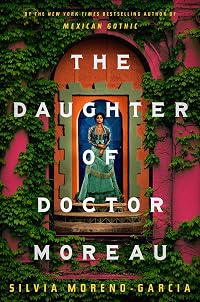
The Daughter of Doctor Moreau
by Silvia Moreno-Garcia
On This Page
Description
Carlota Moreau: A young woman, growing up in a distant and luxuriant estate, safe from the conflict and strife of the Yucatan peninsula, the only daughter of a genius - or a madman.Montgomery Laughton: A melancholic overseer with a tragic past and a propensity for alcohol, an outcast who assists Dr Moreau with his scientific experiments, which are financed by the Lizaldes, owners of magnificent haciendas with plentiful coffers. The hybrids: The fruits of the Doctor's labour, destined to show more blindly obey their creator while they remain in the shadows, are a motley group of part-human, part-animal monstrosities. All of them are living in a perfectly balanced and static world which is jolted by the abrupt arrival of Eduardo Lizalde, the charming and careless son of Doctor Moreau's patron - who will, unwittingly, begin a dangerous chain-reaction.For Moreau keeps secrets, Carlota has questions, and in the sweltering heat of the jungle passions may ignite. show lessTags
Recommendations

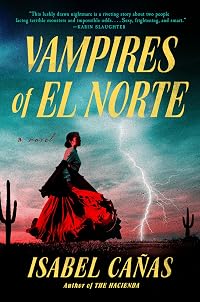
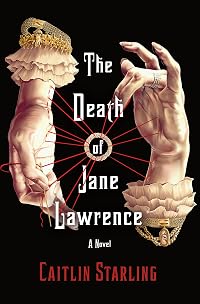
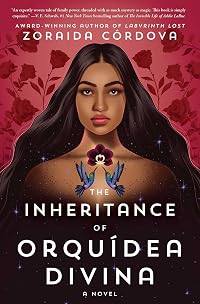
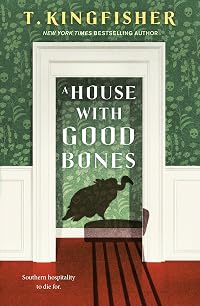
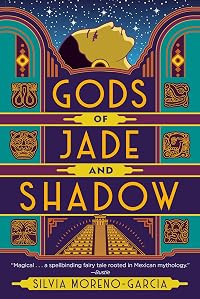
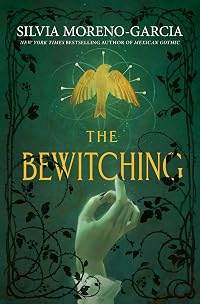
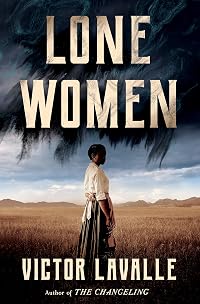

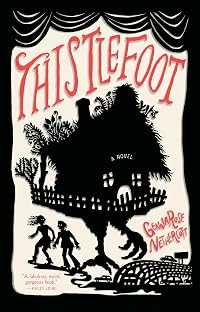
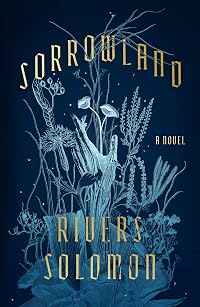
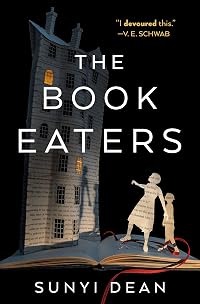
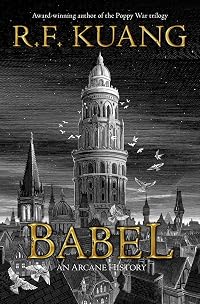
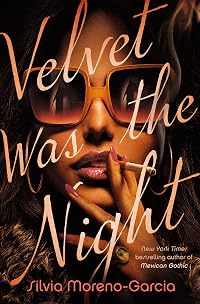

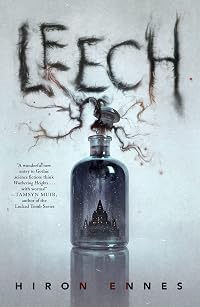
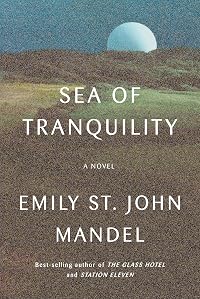
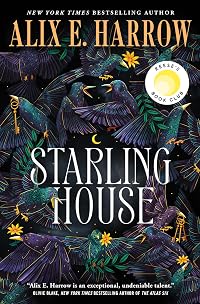
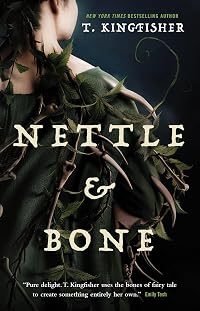
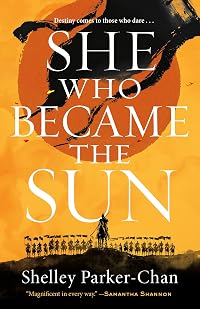
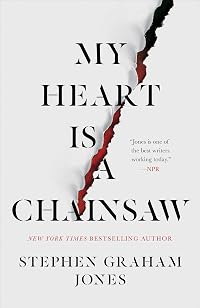
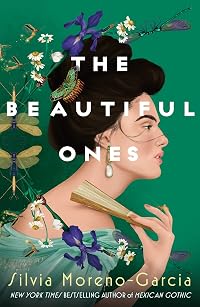
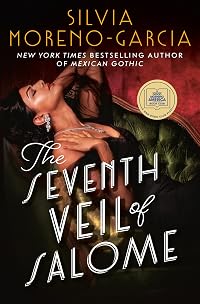
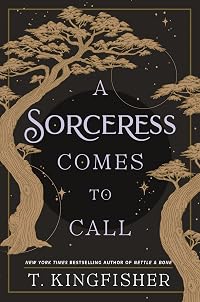
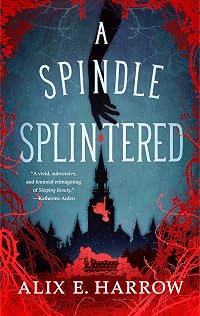
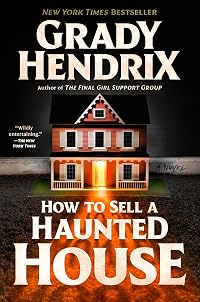

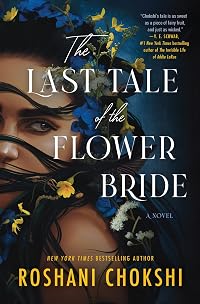
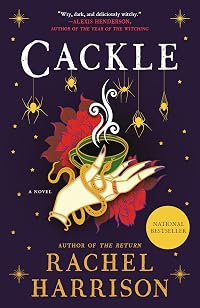


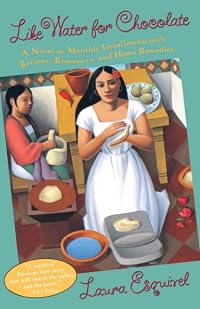
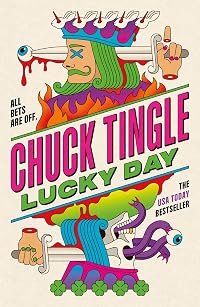

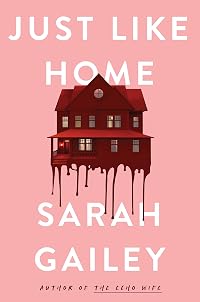
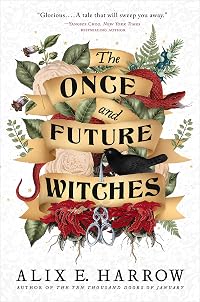
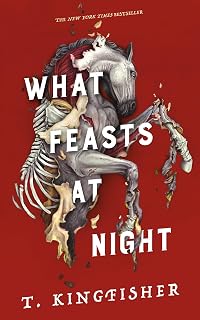
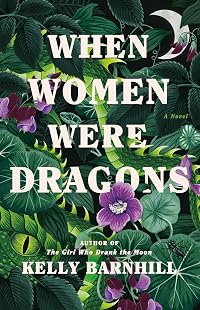
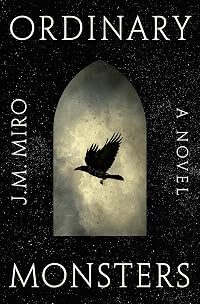
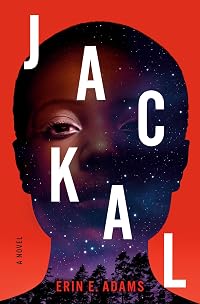
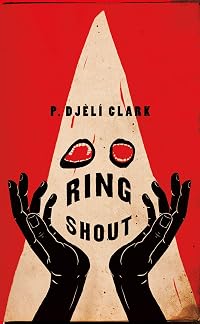
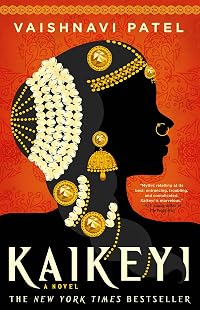
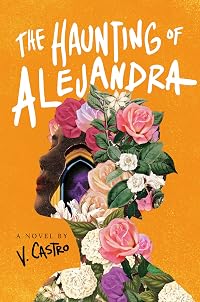
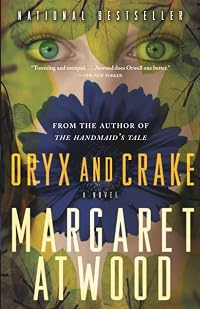

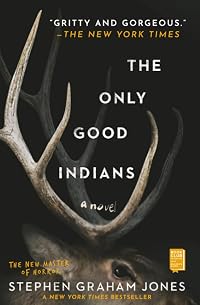
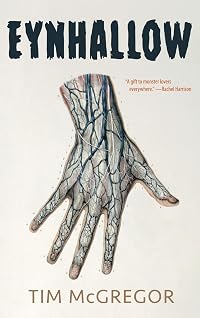
Member Recommendations
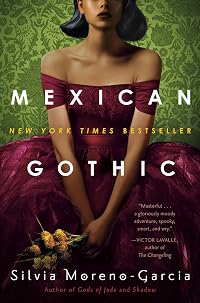
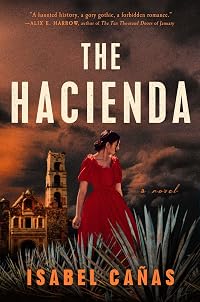
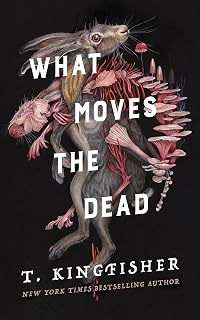
Litrvixen Both feature as protagonists Dr. Moreaus daughter
Member Reviews
This retelling is my favorite of Moreno-Garcia’s work that I’ve read so far. You can probably guess the kinds of things that are updated—the perspectives of women and indigenous Mexicans in particular, even though one of the POV characters is the dissolute Englishman brought in to run the place so Dr. Moreau can concentrate on his experiments. It’s very humane despite the distressing things that happen, including hybrid suffering and death.
A fascinating thought experiment on multiple levels—the Island of Doctor Moreau retold as an exploration of the history and effects of Mexican/Yucatan colonization, as a sci-fi story with some actual basis in science, and as a bildungsroman. As usual for Silvia Moreno-Garcia, it is sumptous and beautifully written; a book to dazzle you with wondrous colors and textures you've never before seen and that may never have existed.
I was SO excited to receive this ARC from Netgalley since Mexican Gothic was a fave in 2020.
Fans coming in from that book will not be disappointed, this is a similar style of Gothic Historical though very different in particulars. My mistake was thinking this was a prequel, with some liberties, to Island of Doctor Moreau but it says *reimagining* right there and it truly is -- don't expect it to align perfectly with Island.
Speaking of Island, this was a much more satisfying tale than Wells'. I always liked the *idea* of Island of Dr Moreau better than the actual book and Garcia has scratched that itch at last. Less horror but a much more fleshed out and vivid story.
The first half is a slow burn. I liked it a lot and it really puts your show more head in the setting. Whew, we go wild around 2/3 in-- that's where I went from enjoying the read to feverishly glued! Much like Mexican Gothic, the story has this way of slooowly drawing you in and then BAM! You cannot rest until all is told. show less
Fans coming in from that book will not be disappointed, this is a similar style of Gothic Historical though very different in particulars. My mistake was thinking this was a prequel, with some liberties, to Island of Doctor Moreau but it says *reimagining* right there and it truly is -- don't expect it to align perfectly with Island.
Speaking of Island, this was a much more satisfying tale than Wells'. I always liked the *idea* of Island of Dr Moreau better than the actual book and Garcia has scratched that itch at last. Less horror but a much more fleshed out and vivid story.
The first half is a slow burn. I liked it a lot and it really puts your show more head in the setting. Whew, we go wild around 2/3 in-- that's where I went from enjoying the read to feverishly glued! Much like Mexican Gothic, the story has this way of slooowly drawing you in and then BAM! You cannot rest until all is told. show less
I received an advance copy via NetGalley.
I haven't read the original The Island of Doctor Moreau, and recall only bits of what the original story entailed; therefore, I approach this book on its own considerable merits rather than as a derivative work. This book is something of a character study of the young daughter, Carlota, and the hired mayordomo, Montgomery. The set-up: Doctor Moreau works at a remote estate in late 19th-century Mexico. He has created human-animal hybrids as medical marvels--though he has truly been hired to produce strong slave laborers for his patron. His daughter Carlota has been raised among the hybrids and considers them friends. The arrival of sullen Montgomery, a man haunted by lost love and alcoholism, only show more briefly disrupts the rhythm of the place. It is when the patron's arrogant son arrives and becomes smitten with Carlota that things take a decisive, dangerous shift....
The book is quite literary in tone, with a much greater focus on the interpersonal drama than on the science fictional side, which normally isn't my thing at all, but Moreno-Garcia's writing pulled me in. I found some of the major reveals to be a bit telegraphed, but the ending still delivered surprises and immense satisfaction. I knew very little about Mexico and the Yucatan during this period, and I feel like I learned some genuine history. The insights into state of colonialism there were both disturbing and enlightening--a more real horror than Moreau's creations, for sure. show less
I haven't read the original The Island of Doctor Moreau, and recall only bits of what the original story entailed; therefore, I approach this book on its own considerable merits rather than as a derivative work. This book is something of a character study of the young daughter, Carlota, and the hired mayordomo, Montgomery. The set-up: Doctor Moreau works at a remote estate in late 19th-century Mexico. He has created human-animal hybrids as medical marvels--though he has truly been hired to produce strong slave laborers for his patron. His daughter Carlota has been raised among the hybrids and considers them friends. The arrival of sullen Montgomery, a man haunted by lost love and alcoholism, only show more briefly disrupts the rhythm of the place. It is when the patron's arrogant son arrives and becomes smitten with Carlota that things take a decisive, dangerous shift....
The book is quite literary in tone, with a much greater focus on the interpersonal drama than on the science fictional side, which normally isn't my thing at all, but Moreno-Garcia's writing pulled me in. I found some of the major reveals to be a bit telegraphed, but the ending still delivered surprises and immense satisfaction. I knew very little about Mexico and the Yucatan during this period, and I feel like I learned some genuine history. The insights into state of colonialism there were both disturbing and enlightening--a more real horror than Moreau's creations, for sure. show less
I think this is my favorite Silvia Moreno-Garcia book yet!
Love, pride and obsession collide in this novel about a doctor working to build the perfect human-animal hybrids. This book felt like a timeless classic with modern sensibilities.
In an isolated hacienda at the edge of civilization, Doctor Moreau's hubris reins supreme. His pride and joy, his daughter Carlota, has only just begun to question his methods. But when the son of his patron, Eduardo, stumbles across the hacienda, Doctor Moreau sees his attraction to Carlota as the answer to his funding foes. But Eduardo isn't the only man eyeing Carlota. The drunken, damaged plantation overseer also loves her, and Carlota will find the strands of her fate twisted by both men's love. show more Carlota will have to fight betrayal and obsession to win a future.
Both lyrical and disturbing, this book examines what it means to be human. For Carlota, the hybrids are her childhood playmates and equals. To Doctor Moreau, they are examples of his vision that didn't quite work out. To the family of his wealthy patrons, the Lizaldes, they are a resource to be exploited. When danger comes for them all, the hybrids claim their place: as sentient creatures with opinions and loyalties of their own.
Carlota's a heroine to fall in love with, both in her beautiful, isolated innocence and her courage in the face of forces threatening to take everything from her. I LOVED how the love triangle turned out, but I can't say any more without spoiling it. I also loved all the details that brought the Yaxaktun jungle and the struggle between colonizers and Indigenous fighters to life. Well worth reading! show less
Love, pride and obsession collide in this novel about a doctor working to build the perfect human-animal hybrids. This book felt like a timeless classic with modern sensibilities.
In an isolated hacienda at the edge of civilization, Doctor Moreau's hubris reins supreme. His pride and joy, his daughter Carlota, has only just begun to question his methods. But when the son of his patron, Eduardo, stumbles across the hacienda, Doctor Moreau sees his attraction to Carlota as the answer to his funding foes. But Eduardo isn't the only man eyeing Carlota. The drunken, damaged plantation overseer also loves her, and Carlota will find the strands of her fate twisted by both men's love. show more Carlota will have to fight betrayal and obsession to win a future.
Both lyrical and disturbing, this book examines what it means to be human. For Carlota, the hybrids are her childhood playmates and equals. To Doctor Moreau, they are examples of his vision that didn't quite work out. To the family of his wealthy patrons, the Lizaldes, they are a resource to be exploited. When danger comes for them all, the hybrids claim their place: as sentient creatures with opinions and loyalties of their own.
Carlota's a heroine to fall in love with, both in her beautiful, isolated innocence and her courage in the face of forces threatening to take everything from her. I LOVED how the love triangle turned out, but I can't say any more without spoiling it. I also loved all the details that brought the Yaxaktun jungle and the struggle between colonizers and Indigenous fighters to life. Well worth reading! show less
I was very curious about this book. I love H. G. Wells in general, and The Island of Doctor Moreau is one of his most interesting novels; I've heard good things about Silvia Moreno-Garcia (particularly her Mexican Gothic), and I was curious to see what someone could do by mixing Doctor Moreau up with colonialism and empire in late nineteenth-century Mexico.
In this version, Doctor Moreau is conducting his experiments at a hacienda in Mexico, given shelter by a local man of wealth; he gives Moreau resources so that Moreau can create him a workforce. Montgomery is an Englishman who ends up managing Moreau's estate when he runs out of other options. As the title indicates, Moreau has a daughter, one who has been raised in a sheltered show more existence alongside Moreau's creations. Montgomery is sexually attracted to her, but knows it cannot be. In the meantime, a Maya uprising is getting ever closer, and Moreau's patron is growing impatient with his progress.
There are the ingredients to do something incredibly interesting... unfortunately, the novel is considerably less interesting than the one it comments on. The original novel delved into concepts of humanity and animality, what our capacity to feel pain means, what religion means for our morality. It's sensational in the Victorian sense of the word.
Daughter takes this cocktail of ingredients, adds gender and imperialism, but they dilute the mix rather than enhance it. The book is languidly paced, the uprising and race play surprisingly little role in the story. There's a twist, but I saw it coming miles away, and the novel doesn't really do anything interesting with that twist. I expected more to be made of Moreau's constructs and their rationalization, of the way that science is used to extend and justify the vision of empire and colonization, of the way the male gaze resonates with the scientific one, but none of that happens.
I guess that's not Moreno-Garcia's fault, in that maybe none of that was what she intended to do. But what she did do wasn't very interesting instead.
(Also why does a book with two strictly alternating third-person perspectives feel the need to put the name of the viewpoint character at the top of each chapter? I felt condescended to.) show less
In this version, Doctor Moreau is conducting his experiments at a hacienda in Mexico, given shelter by a local man of wealth; he gives Moreau resources so that Moreau can create him a workforce. Montgomery is an Englishman who ends up managing Moreau's estate when he runs out of other options. As the title indicates, Moreau has a daughter, one who has been raised in a sheltered show more existence alongside Moreau's creations. Montgomery is sexually attracted to her, but knows it cannot be. In the meantime, a Maya uprising is getting ever closer, and Moreau's patron is growing impatient with his progress.
There are the ingredients to do something incredibly interesting... unfortunately, the novel is considerably less interesting than the one it comments on. The original novel delved into concepts of humanity and animality, what our capacity to feel pain means, what religion means for our morality. It's sensational in the Victorian sense of the word.
Daughter takes this cocktail of ingredients, adds gender and imperialism, but they dilute the mix rather than enhance it. The book is languidly paced, the uprising and race play surprisingly little role in the story. There's a twist, but I saw it coming miles away, and the novel doesn't really do anything interesting with that twist. I expected more to be made of Moreau's constructs and their rationalization, of the way that science is used to extend and justify the vision of empire and colonization, of the way the male gaze resonates with the scientific one, but none of that happens.
I guess that's not Moreno-Garcia's fault, in that maybe none of that was what she intended to do. But what she did do wasn't very interesting instead.
(Also why does a book with two strictly alternating third-person perspectives feel the need to put the name of the viewpoint character at the top of each chapter? I felt condescended to.) show less
This book is a gothic-historical science fiction book based on The Island of Dr. Moreau. Set in the 1870's on the Yucatan peninsula (in Mexico), Dr. Moreau is a scientist (a vivisectionist) who has created human-animal hybrid creatures with the financial backing of the wealthy Lizalde family. Dr. Moreau's daughter, Carlota, grew up on the island with only the company of her father, the housekeeper and the "beasts" who she cares for and considers her family. The animals, while shockingly unusual in appearance, are able to speak, think, and actually contribute to maintaining the estate. Carlota's world shifts somewhat when Montgomery, the new caretaker, is hired. As the estate is very isolated, when several men arrive unannounced, Carlota show more and Montgomery have to hide the animals in order to maintain the doctor's secret experiments. This book was like a journey I've never taken. There are so many themes to this book: possession, exploitation, the status of women, mad scientist vs genius, ethics, monsters, prejudice, class and religion. I was totally captivated by the characters as well as the author's writing. Highly charged, vibrant and unsettling, I was blown away by this book. show less
Members
- Recently Added By
Lists

2023 Hugo Awards -- Eligible Works -- Novels
70 works; 21 members

Books Read in 2022
5,168 works; 114 members

Fiction: Crime, Detective, Mystery
350 works; 3 members

Books Read in 2023
5,547 works; 145 members

Overdue Podcast
806 works; 9 members

Kate & Cheyanne's Horror Extravaganza
144 works; 6 members
Horror Then & Now
44 works; 4 members

Fiction: Thriller
78 works; 1 member
Author Information

69+ Works 20,125 Members
Some Editions
Awards and Honors
Awards
Distinctions
Notable Lists
Work Relationships
Was inspired by
Common Knowledge
- Original publication date
- 2022-07-19
- People/Characters
- Carlota Moreau; Montgomery Laughton
- Epigraph
- The Maya vocabulary . . . employs the word "peten" promiscuously for both island and peninsula. The cartographer nearest to the epoch of the conquest are therefore fairly excused for having represented Yucatán as an island t... (show all)orn off from the Mexican main.
-- The Magazine of American History with Notes and Queries, 1879 - First words
- They'd be arriving that day, the two gentlemen, their boat gliding through the forest of mangroves.
- Last words
- (Click to show. Warning: May contain spoilers.)Then she'd smile and she'd say: welcome home.
- Blurbers
- Martin, Valerie; Link, Kelly; Newitz, Annalee
- Original language
- English
Classifications
- Genres
- Horror, Science Fiction, Fiction and Literature, Historical Fiction
- DDC/MDS
- 813.6 — Literature & rhetoric American literature in English American fiction in English 2000-
- LCC
- PR9199.4 .M656174 .D38 — Language and Literature English English Literature English literature: Provincial, local, etc.
- BISAC
Statistics
- Members
- 1,460
- Popularity
- 16,012
- Reviews
- 59
- Rating
- (3.55)
- Languages
- English, German, Portuguese, Spanish
- Media
- Paper, Audiobook, Ebook
- ISBNs
- 16
- ASINs
- 11