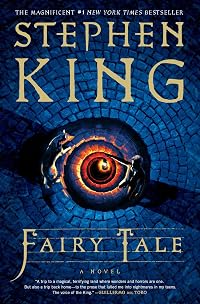
Fairy Tale
by Stephen King
On This Page
Description
Charlie Reade looks like a regular high school kid, great at baseball and football, a decent student. But he carries a heavy load. His mom was killed in a hit-and-run accident when he was ten, and grief drove his dad to drink. Charlie learned how to take care of himself, and his dad. Then, when Charlie is seventeen, he meets a dog named Radar and his aging master, Howard Bowditch, a recluse in a big house at the top of a big hill, with a locked shed in the backyard. Sometimes strange sounds show more emerge from it. Charlie starts doing jobs for Mr. Bowditch and loses his heart to Radar. Then, when Bowditch dies, he leaves Charlie a cassette tape telling a story no one would believe. What Bowditch knows, and has kept secret all his long life, is that inside the shed is a portal to another world. show lessTags
Recommendations

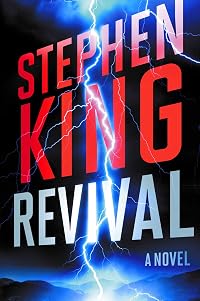
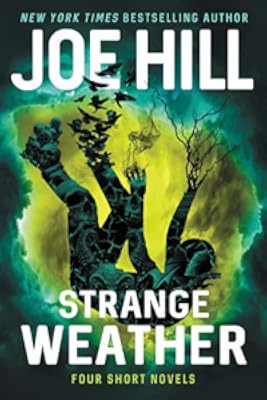
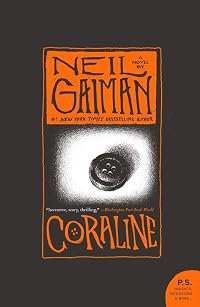
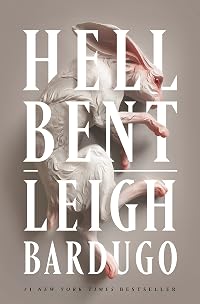
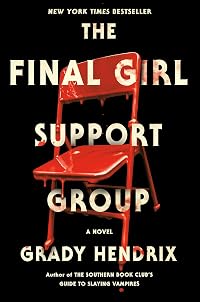


Member Recommendations
Cecrow FT pays tribute to SWTWC

Member Reviews
I’ll write a real review later, but really writers - the book in the Bible is Revelation. No S. Oh vey.
Ok here's the review - Despite my decent rating of this book and that it’s a love letter to Ray Bradbury, it took me months to get through. The reasons are varied, but it finally helped me to put my finger on why fantasy novels are not my jam. This is a quest novel pure and simple and so a writer needs to get to the questing. King gives us lots of backstory and asides about people and things in this world and in Empis. When Charlie finally gets there we meet basically every villager, get their stories and then spend a ton of time with them. Get on with it! This is why I have little patience for fantasy - the writers are so in love show more with their creations that they have to show you everything. All the time. In detail. So much so that it gets in the way of the story. There’s a lot that could be cut and still make the story work. The pacing at the end when Charlie finally cures Radar and then goes about liberating the city and restoring the benign monarchy (what? omg) is much better. It moves forward constantly and the things that happen and the things we are told are important and mean something. I wish he’d done that with the other 80% of the story.
Oh and it’s funny, all through the book I wondered what freaking universe Charlie was from. He didn’t act, think or speak like a 17-year-old boy from the 21st century. I don’t have any idea why King didn’t put him in the 1920s or something if he wanted him to be more gentle, patient, giving, humble and curious than he would be raised in this century. Yeah, he made him a reader so words like picayune figure in his vocabulary, but there are too many of these. In the epilogue he writes “If you think there are places in this story where it doesn’t sound like a young man of seventeen wrote them, you would be right.” Then proceeds to tell us ten years have gone by between the journey and the writing. So he knew all along the kid was incongruous and weird, but didn’t frame it differently so as not to make us wonder at it. It took me out of the story and I hate that. show less
Ok here's the review - Despite my decent rating of this book and that it’s a love letter to Ray Bradbury, it took me months to get through. The reasons are varied, but it finally helped me to put my finger on why fantasy novels are not my jam. This is a quest novel pure and simple and so a writer needs to get to the questing. King gives us lots of backstory and asides about people and things in this world and in Empis. When Charlie finally gets there we meet basically every villager, get their stories and then spend a ton of time with them. Get on with it! This is why I have little patience for fantasy - the writers are so in love show more with their creations that they have to show you everything. All the time. In detail. So much so that it gets in the way of the story. There’s a lot that could be cut and still make the story work. The pacing at the end when Charlie finally cures Radar and then goes about liberating the city and restoring the benign monarchy (what? omg) is much better. It moves forward constantly and the things that happen and the things we are told are important and mean something. I wish he’d done that with the other 80% of the story.
Oh and it’s funny, all through the book I wondered what freaking universe Charlie was from. He didn’t act, think or speak like a 17-year-old boy from the 21st century. I don’t have any idea why King didn’t put him in the 1920s or something if he wanted him to be more gentle, patient, giving, humble and curious than he would be raised in this century. Yeah, he made him a reader so words like picayune figure in his vocabulary, but there are too many of these. In the epilogue he writes “If you think there are places in this story where it doesn’t sound like a young man of seventeen wrote them, you would be right.” Then proceeds to tell us ten years have gone by between the journey and the writing. So he knew all along the kid was incongruous and weird, but didn’t frame it differently so as not to make us wonder at it. It took me out of the story and I hate that. show less
"I think all worlds are magic. We just get used to it."
When Charlie Reade utters these words towards the end of the novel, they made me realize that I will never write a better review of it than these two sentences. And yet, I'll try - because giving up was never an option for Charlie and not even trying is going to be disrespectful to the young man who told us the story. So here it goes.
Stephen King had been one of my favorite writers since my teen years - I like his style and I like his storytelling, regardless of the genre he decides to use for his next story. In the last decade or so, I've rarely read him - as I know I like most of what he writes, I tend to leave him for later so I can explore new authors. Which may be fun but I show more don't read the authors I really like so in a bit of a shift in my reading patterns, these days I try to read the new books by my authors as soon as they come out.
If you expect straight horror, look elsewhere. "Fairy Tale" is a love letter to the fairy tales (not the watered down versions but the original ones) and to the genres which spawned out of them - horror and fantasy.
Once upon a time, there was a boy called Charlie Reade. He lost his mother when he was young and his father found solace at the bottom of a bottle (or 3), leaving his young son to fend for himself. By the time we meet Charlie, in the year that changed his life forever, the father had dried out and the two men had found peace. Until Charlie hears one of his neighbors crying for help and goes to help, falling in love with the man's dog in the process and finding that there is more than one world and his quiet street contains the gateway to one of those other worlds.
The first quarter of the novel is the story of a 17 years old boy helping a cranky old man and a very old dog called Radar. It can be set anywhere in USA and it is as mundane as it can be. But somewhere under it, we start getting some flashes of something else - a hint of a fairy tale here, a mentioned horror book there. Then Charlie decides to do all he can to save the dog's life and the boy and the dog are off to an adventure - to a world that could not exist and yet exists.
There is a curse, there is a princess, there is a talking horse, there is a dungeon and fights to the death. There is another portal and evil. And then there is Charlie - the promised prince, the only chance of a kingdom that had fallen to evil.
Some of the details are gruesome but the novel stays mostly in the fantasy genre and rarely crosses into horror. And while the story itself is compelling and keeps you wanting to read more to see what happens next, it is the references to the stories that came before that make this book really great. Some are mentioned directly, some parallels are just left there, some you see from the corner of your eye. From the Disney stories to the old tales; from Lovecraft to Bradbury - all the old tales are there - in a world where a lot of them may just be. Because what if all of those stories are not born in one's imagination? What if they were real... somewhere?
King is not the first to play with the idea of the fairy tales being real somewhere. He won't be the last. The novel reminded me a bit of Jo Walton's [Among Others], albeit a lot more brutal and very different. But the same nod to the old stories and to what came before is there and one can spend hours looking for them and being reminded of the stories that made up a genre. show less
When Charlie Reade utters these words towards the end of the novel, they made me realize that I will never write a better review of it than these two sentences. And yet, I'll try - because giving up was never an option for Charlie and not even trying is going to be disrespectful to the young man who told us the story. So here it goes.
Stephen King had been one of my favorite writers since my teen years - I like his style and I like his storytelling, regardless of the genre he decides to use for his next story. In the last decade or so, I've rarely read him - as I know I like most of what he writes, I tend to leave him for later so I can explore new authors. Which may be fun but I show more don't read the authors I really like so in a bit of a shift in my reading patterns, these days I try to read the new books by my authors as soon as they come out.
If you expect straight horror, look elsewhere. "Fairy Tale" is a love letter to the fairy tales (not the watered down versions but the original ones) and to the genres which spawned out of them - horror and fantasy.
Once upon a time, there was a boy called Charlie Reade. He lost his mother when he was young and his father found solace at the bottom of a bottle (or 3), leaving his young son to fend for himself. By the time we meet Charlie, in the year that changed his life forever, the father had dried out and the two men had found peace. Until Charlie hears one of his neighbors crying for help and goes to help, falling in love with the man's dog in the process and finding that there is more than one world and his quiet street contains the gateway to one of those other worlds.
The first quarter of the novel is the story of a 17 years old boy helping a cranky old man and a very old dog called Radar. It can be set anywhere in USA and it is as mundane as it can be. But somewhere under it, we start getting some flashes of something else - a hint of a fairy tale here, a mentioned horror book there. Then Charlie decides to do all he can to save the dog's life and the boy and the dog are off to an adventure - to a world that could not exist and yet exists.
There is a curse, there is a princess, there is a talking horse, there is a dungeon and fights to the death. There is another portal and evil. And then there is Charlie - the promised prince, the only chance of a kingdom that had fallen to evil.
Some of the details are gruesome but the novel stays mostly in the fantasy genre and rarely crosses into horror. And while the story itself is compelling and keeps you wanting to read more to see what happens next, it is the references to the stories that came before that make this book really great. Some are mentioned directly, some parallels are just left there, some you see from the corner of your eye. From the Disney stories to the old tales; from Lovecraft to Bradbury - all the old tales are there - in a world where a lot of them may just be. Because what if all of those stories are not born in one's imagination? What if they were real... somewhere?
King is not the first to play with the idea of the fairy tales being real somewhere. He won't be the last. The novel reminded me a bit of Jo Walton's [Among Others], albeit a lot more brutal and very different. But the same nod to the old stories and to what came before is there and one can spend hours looking for them and being reminded of the stories that made up a genre. show less
Reminiscent of [The Talisman], Uncle Stevie's imagination is at top pitch here. The first third of the book plants its feet firmly in the everyday world, with all its grief and daily horror, while only hinting at the presence of another world buried deep under Chalie Reade's neighbor's home. The time we spend with Charlie and his dad and Mr. Bowditch is heartbreakingly rich. For those afraid to pick up a King novel, fearful of gore or deep fright, this is a relatively safe place - but King is always more interested in the mundane horrors of life and the human heart. Once Charlie descends to the other realm, the battle between good and evil is set. Like [The Talisman] or [Wizard and Glass], King's keenly honed imagination cuts through to show more the surface. Sure, illusions to [The Dark Tower] rebound through the pages, because there are other worlds than these. Yet each new world is built of whole cloth and intricately woven into the larger tapestry. This one has the heart of [Rita Hayworth and Shawshank Redemption], achingly sentimental without one saccharine note.
Highly Recommended!
5 bones!!!!! show less
Highly Recommended!
5 bones!!!!! show less
Never a horror fan, I've still managed to read eight or nine other novels by Stephen King, but all of those were published before 1990. There's evidently been an evolution in his style since then; hide his name and I'd not have guessed this was his work at first. It's a surprisingly gentle story for much of its length, almost young adult in tone if not language. It doesn't start edging into creepy atmosphere territory until its latter half, and waits even longer to turn grim. That suited me just fine. I have a objection to the selected period, however: this should have been set in the 1980s or 1990s, given that Charlie's cultural references - movies, books, television - nearly all date back to well before he was born. King might be show more showing his age, here.
It takes a very long time to catch up to what the trade paperback's back cover summarizes in a few short lines, so don't read the back if it's not too late. There's an advantage to be gained by a solid grounding in reality before the craziness starts. If you've the patience - and most readers will allow that for Stephen King - and if the reward for doing so is sufficient - which it is, in this case - it helps to invest the reader in the mission to do whatever needs doing in that Other Place. There's some smart structuring here that foreshadows just enough and builds in just the right increments to keep things engaging without doing it too baldly, demonstrating King's experienced hand.
This novel doesn't try to pull any big surprises (although there's several small ones along the way), but it's a fine take on a familiar story. Charlie does not precisely fit the traditional hero role, as he often says himself. He has a dark side to his nature that he's willing to unleash when he feels it's demanded of him, which may be King's comment on reality versus fantasy. Charlie is decidedly not, he declares, a "Disney prince". The illustrations at the start of every chapter are a nice touch, like in an old-fashioned storybook, even when inconsistent in their portrayals. King made an admirable effort to be inclusive and sensitive toward all of his readers, but various disabilities figure large in the course of this story and it's worth googling for essays that examine this novel in terms of ableist tropes. show less
It takes a very long time to catch up to what the trade paperback's back cover summarizes in a few short lines, so don't read the back if it's not too late. There's an advantage to be gained by a solid grounding in reality before the craziness starts. If you've the patience - and most readers will allow that for Stephen King - and if the reward for doing so is sufficient - which it is, in this case - it helps to invest the reader in the mission to do whatever needs doing in that Other Place. There's some smart structuring here that foreshadows just enough and builds in just the right increments to keep things engaging without doing it too baldly, demonstrating King's experienced hand.
This novel doesn't try to pull any big surprises (although there's several small ones along the way), but it's a fine take on a familiar story. Charlie does not precisely fit the traditional hero role, as he often says himself. He has a dark side to his nature that he's willing to unleash when he feels it's demanded of him, which may be King's comment on reality versus fantasy. Charlie is decidedly not, he declares, a "Disney prince". The illustrations at the start of every chapter are a nice touch, like in an old-fashioned storybook, even when inconsistent in their portrayals. King made an admirable effort to be inclusive and sensitive toward all of his readers, but various disabilities figure large in the course of this story and it's worth googling for essays that examine this novel in terms of ableist tropes. show less
Stephen King started writing FAIRY TALE during the worst of Covid, saying that he simply wanted to write a story that made him happy, to take him away from all the bad news of the real world. And the title is truth in advertising as this is the story of a magical kingdom beset by a great evil that is vanquished by the arrival of a prince, a hero, who saves the day. I have been a constant reader of King for decades, loving his horror thrillers the best, but also enjoying his forays into other genres as well, especially his recent Bill Hodges trilogy, which was mostly a straight up detective thriller. And if making it to the end of his epic fantasy series, THE DARK TOWER, was a challenge, those books also contained some of his best show more writing in my opinion. FAIRY TALE is certainly in that genre, but it’s a story rooted very much in the tradition of The Brothers Grimm and OZ, with a big helping of Lovecraft when it counts instead of Tolkien or George RR Martin.
FAIRY TALE is very much a portal fantasy, a long-held trope of the genre where a protagonist from the “real” world travels to a magical land and has an adventure, good examples of this is the aforementioned WIZARD OF OZ and ALICE IN WONDERLAND. Such stories always begin with the protagonist, and in this story that is Charlie Reade, a 17-year-old high school kid living in a town in the American Midwest. Charlie has been through a lot in his young life, losing his mother in a horrible car accident when he was a child, and then losing his father to alcoholism for many years after that. When his father dries out with the help of some friends, Charlie believes God has answered his prayers, that he has received help when he needed it, and now owes a debt to help others when he can. Charlie comes to the aid of an old recluse in the neighborhood named Howard Bowditch, when he suffers a bad fall and a broken bone. Through helping the old man in his recovery, a deep friendship is forged between the boy and the very senior citizen (just how senior is revealed in the book). Charlie also forms a bond with Mr. Bowditch’s equally elderly dog, Radar. Really this first third of this book is the story of Charlie and Howard Bowditch, and how their relationship comes to be, is Stephen King at his best, taking his time to build up his characters, let seemingly mundane events happen, and set the stage without (almost) anything supernatural occurring. When Mr. Bowditch dies and leaves everything to Charlie, he becomes heir to not only Radar, but an old house with a locked shed in the back. Through a tape recording left to him, Charlie learns the truth about Mr. Bowditch’s life, and that inside the shed is a well with a staircase leading down into the earth, or so it seems. In truth, this is a portal to another world, another universe, and it is now Charlie’s responsibility. In an effort to help the ailing Radar, Charlie and the dog, go through the portal to the land of Empis, where there is a magical sundial in a ruined city that can rejuvenate the dog. Charlie’s adventure here takes up the remaining two thirds of the book, one where we travel through a ravaged land and encounter among other things: a flesh-eating giantess, undead soldiers, over-sized crickets who can communicate with people, a foul dungeon full of doomed prisoners, blood sports where combatants fight to the death, an evil dwarf (that’s a trope for sure), a princess in need, a corrupted prince, and a monster whose name no one dares speak. Of course this being a Stephen King book, somebody breaks wind. Some of the choices King makes in this part of the story are debatable, but for me, most of it worked, and what didn’t, did not detract.
I think FAIRY TALE is one of King’s best books of the 21st Century, up there pretty close to 11-22-63, and far superior to REVIVAL or BILLY SUMMERS. One reason for this is the main character, Charlie, who is a classic “good kid,” tall and athletic (which comes in handy for him when he gets to Empis), but still compelling just the same. King has always had a talent for creating great child and adolescent characters, and giving them distinctive voices. The book is told in the first person through Charlie’s eyes, and he is quick to remind us that he has not always been an angel, and feels regret for things he did in the past when acting out because of the anger he felt over his mother’s death. This only makes us like Charlie more. Some have pointed out that he doesn’t sound or act much like a 21st Century teenager (the story is set in 2013), that he sends emails instead of texting, doesn’t seem to play video games, and often references old B/W movies on TCM. You could chalk all this up to Stephen King being over 70 years old, but nothing dates faster than what is cutting edge at any given time. Besides, despite what pop culture portrays, not every teenager and young adult lives their life glued to a smartphone. I cut King some slack on this.
Some will no doubt be disappointed that King wrote a fantasy novel and did not set it in THE DARK TOWER universe, that there were no outright references to Roland or Randal Flagg in Empis or that Charlie didn’t come through the portal in Delain, the country where EYE OF THE DRAGON is set. But if King didn’t feel he had anything new to say about those magical realms, then I’m glad he didn’t try. I’m happy he gave us something new, and at just under 600 pages, it is just long enough to tell the story. Salute to the artists who did the great illustrations that begin each chapter.
And if Amazon Prime, Netflix, or some other streaming service wants to spend some money on a Stephen King adaptation, then they couldn’t do any better than FAIRY TALE, one of the best fiction books I’ve read in a very long time. It made this Constant Reader very happy. show less
FAIRY TALE is very much a portal fantasy, a long-held trope of the genre where a protagonist from the “real” world travels to a magical land and has an adventure, good examples of this is the aforementioned WIZARD OF OZ and ALICE IN WONDERLAND. Such stories always begin with the protagonist, and in this story that is Charlie Reade, a 17-year-old high school kid living in a town in the American Midwest. Charlie has been through a lot in his young life, losing his mother in a horrible car accident when he was a child, and then losing his father to alcoholism for many years after that. When his father dries out with the help of some friends, Charlie believes God has answered his prayers, that he has received help when he needed it, and now owes a debt to help others when he can. Charlie comes to the aid of an old recluse in the neighborhood named Howard Bowditch, when he suffers a bad fall and a broken bone. Through helping the old man in his recovery, a deep friendship is forged between the boy and the very senior citizen (just how senior is revealed in the book). Charlie also forms a bond with Mr. Bowditch’s equally elderly dog, Radar. Really this first third of this book is the story of Charlie and Howard Bowditch, and how their relationship comes to be, is Stephen King at his best, taking his time to build up his characters, let seemingly mundane events happen, and set the stage without (almost) anything supernatural occurring. When Mr. Bowditch dies and leaves everything to Charlie, he becomes heir to not only Radar, but an old house with a locked shed in the back. Through a tape recording left to him, Charlie learns the truth about Mr. Bowditch’s life, and that inside the shed is a well with a staircase leading down into the earth, or so it seems. In truth, this is a portal to another world, another universe, and it is now Charlie’s responsibility. In an effort to help the ailing Radar, Charlie and the dog, go through the portal to the land of Empis, where there is a magical sundial in a ruined city that can rejuvenate the dog. Charlie’s adventure here takes up the remaining two thirds of the book, one where we travel through a ravaged land and encounter among other things: a flesh-eating giantess, undead soldiers, over-sized crickets who can communicate with people, a foul dungeon full of doomed prisoners, blood sports where combatants fight to the death, an evil dwarf (that’s a trope for sure), a princess in need, a corrupted prince, and a monster whose name no one dares speak. Of course this being a Stephen King book, somebody breaks wind. Some of the choices King makes in this part of the story are debatable, but for me, most of it worked, and what didn’t, did not detract.
I think FAIRY TALE is one of King’s best books of the 21st Century, up there pretty close to 11-22-63, and far superior to REVIVAL or BILLY SUMMERS. One reason for this is the main character, Charlie, who is a classic “good kid,” tall and athletic (which comes in handy for him when he gets to Empis), but still compelling just the same. King has always had a talent for creating great child and adolescent characters, and giving them distinctive voices. The book is told in the first person through Charlie’s eyes, and he is quick to remind us that he has not always been an angel, and feels regret for things he did in the past when acting out because of the anger he felt over his mother’s death. This only makes us like Charlie more. Some have pointed out that he doesn’t sound or act much like a 21st Century teenager (the story is set in 2013), that he sends emails instead of texting, doesn’t seem to play video games, and often references old B/W movies on TCM. You could chalk all this up to Stephen King being over 70 years old, but nothing dates faster than what is cutting edge at any given time. Besides, despite what pop culture portrays, not every teenager and young adult lives their life glued to a smartphone. I cut King some slack on this.
Some will no doubt be disappointed that King wrote a fantasy novel and did not set it in THE DARK TOWER universe, that there were no outright references to Roland or Randal Flagg in Empis or that Charlie didn’t come through the portal in Delain, the country where EYE OF THE DRAGON is set. But if King didn’t feel he had anything new to say about those magical realms, then I’m glad he didn’t try. I’m happy he gave us something new, and at just under 600 pages, it is just long enough to tell the story. Salute to the artists who did the great illustrations that begin each chapter.
And if Amazon Prime, Netflix, or some other streaming service wants to spend some money on a Stephen King adaptation, then they couldn’t do any better than FAIRY TALE, one of the best fiction books I’ve read in a very long time. It made this Constant Reader very happy. show less
This book may be my favorite read of the year. I loved it from start to finish. Radar has my heart and was the heart of the book for me. It made me feel everything from worry and sadness to happiness and laughter. I loved the easter eggs about all the fairytales and the influence of epic fantasy novels like Lord of the Rings and Chronicle of Narnia shines through. I'm still thinking about the story. It's not often that Stephen King writes a happy ending and its something he should write more often. All I can say is Fairy Tale was such a different book from King and once again the master proves he can write anything.
I had not read Stephen King for a while and I had no idea how much I had missed him. Absolutely no one writes like him. NO ONE. He paints the perfect picture, tells the most brilliant story and can make you cry, laugh and be scared out of your mind all in the same page.
This is the fantastic story of Charlie and his inherited dog, Radar. Driven by sheer love to try and help his dying dog, Charlie embarks on the trip of a lifetime to Empis, the secret and unimaginable world that exists under a tunnel inside a shed.
What unfolds is the most magical, lovely, terrifying and brave fairy tale to be read. All the characters are perfectly painted inside my head and I absolutely loved the bond between Charlie and Rades. It’s the story of a show more lifetime.
This book is chunky, but reads fast. Do not miss it. show less
This is the fantastic story of Charlie and his inherited dog, Radar. Driven by sheer love to try and help his dying dog, Charlie embarks on the trip of a lifetime to Empis, the secret and unimaginable world that exists under a tunnel inside a shed.
What unfolds is the most magical, lovely, terrifying and brave fairy tale to be read. All the characters are perfectly painted inside my head and I absolutely loved the bond between Charlie and Rades. It’s the story of a show more lifetime.
This book is chunky, but reads fast. Do not miss it. show less
Members
- Recently Added By
Lists

Books Read in 2023
5,547 works; 145 members

READ in 2023
244 works; 1 member

ScaredyKIT 2022
15 works; 1 member

Books Set in Illinois
19 works; 7 members

Top Five Books of 2023
767 works; 317 members

Favorite Fairy Tales
269 works; 103 members

Survey suggestions
16 works; 2 members

mom
729 works; 1 member

Books Read in 2024
4,623 works; 126 members

deBib 2023
21 works; 1 member

Fiction Books Worthy of Reading Again
37 works; 1 member

KayStJ's to-read list
1,616 works; 11 members

Adult Stories Involving Animals
76 works; 6 members

Fiction Published in 2022
21 works; 1 member

Books published and read in 2022
82 works; 5 members

Books Read in 2022
5,168 works; 111 members

Stephen King books
81 works; 1 member
Favorite Fairy Tale Retellings
210 works; 62 members
Author Information

Stephen King was born in Portland, Maine, on September 21, 1947. After graduating with a Bachelor's degree in English from the University of Maine at Orono in 1970, he became a teacher. His spare time was spent writing short stories and novels. King's first novel would never have been published if not for his wife. She removed the first few show more chapters from the garbage after King had thrown them away in frustration. Three months later, he received a $2,500 advance from Doubleday Publishing for the book that went on to sell a modest 13,000 hardcover copies. That book, Carrie, was about a girl with telekinetic powers who is tormented by bullies at school. She uses her power, in turn, to torment and eventually destroy her mean-spirited classmates. When United Artists released the film version in 1976, it was a critical and commercial success. The paperback version of the book, released after the movie, went on to sell more than two-and-a-half million copies. Many of King's other horror novels have been adapted into movies, including The Shining, Firestarter, Pet Semetary, Cujo, Misery, The Stand, and The Tommyknockers. Under the pseudonym Richard Bachman, King has written the books The Running Man, The Regulators, Thinner, The Long Walk, Roadwork, Rage, and It. He is number 2 on the Hollywood Reporter's '25 Most Powerful Authors' 2016 list. King is one of the world's most successful writers, with more than 100 million copies of his works in print. Many of his books have been translated into foreign languages, and he writes new books at a rate of about one per year. In 2003, he received the National Book Foundation Medal for Distinguished Contribution to American Letters. In 2012 his title, The Wind Through the Keyhole made The New York Times Best Seller List. King's title's Mr. Mercedes and Revival made The New York Times Best Seller List in 2014. He won the Edgar Allan Poe Award in 2015 for Best Novel with Mr. Mercedes. King's title Finders Keepers made the New York Times bestseller list in 2015. Sleeping Beauties is his latest 2017 New York Times bestseller. (Bowker Author Biography) Stephen King is the author of more than thirty books, all of them worldwide bestsellers. Among his most recent are "Hearts in Atlantis", "The Girl Who Loved Tom Gordon", "Bag of Bones", & "The Green Mile". "On Writing" is his first book of nonfiction since "Danse Macabre", published in 1981. He served as a judge for Prize Stories: The Best of 1999, The O. Henry Awards. He lives in Bangor, Maine with his wife, novelist Tabitha King. King's book, The Bazaar of Bad Dreams: Stories, made the 2015 New York Times bestseller list. (Publisher Provided) show less
All Editions
Some Editions
Awards and Honors
Awards
Distinctions
The Guardian Book of the Day (2022-09-03)
Common Knowledge
- Canonical title
- Fairy Tale
- Original title
- Fairy Tale
- Alternate titles
- Fairy Tale: A Novel
- Original publication date
- 2022-09-06; 2022
- People/Characters
- Charlie Reade (full name: Charles McGee Reade); Howard Bowditch (full name: Howard Adrian Bowditch); George Reade (father of Charlie Reade); Melissa Wilcox (physical therapist); Christopher Polley; Stephen Woodleigh (show all 47); Peterkin (dwarf); Dora "Deerie"; Leah of the Gallien; Elden of the Gallien; Hamey; Iota "Eye"; Percivel "Pursey"; Cla; Jane Reade (mother of Charlie Reade); Lindsey "Lindy" Franklin; Bertie Bird; Andy Chen; Radar (German Shepherd dog); Althea Richland (neighbor of Howard Bowditch); Bill Harriman (reporter); Wilhelm Heinrich (jeweler); Jack and the Beanstalk; Gogmagog; Rumpelstiltskin; Leon Braddock (lawyer); Arnetta Freeman; Falada, a horse; Claudia of the Gallien (cousin of Stephen Woodleigh); Hana (giant); Flight Killer (Elden of the Gallien); Jenny Schuster; H. P. Lovecraft; Ray Bradbury; Kellin; Stooks; Fremmy; Little Red Riding Hood; Snab (cricket); Petra of the Gallien; Eris; Jaya; Elsa the mermaid; Goose Girl; Old Woman Who Lived in a Shoe; Three Little Pigs; Cthulhu
- Important places
- Sentry's Rest, Illinois, USA; Stantonville, Illinois, USA; Empis; Lilimar, Empis; Arcadia County, Illinois, USA
- Epigraph
- And always let your conscience be your guide.
- Blue Fairy - Dedication
- Thinking of REH, ERB, and, of course, HPL.
- First words
- I'm sure I can tell this story. I'm also sure no one will believe it.
- Quotations
- A brave man helps. A coward just gives presents.
- Last words
- (Click to show. Warning: May contain spoilers.)Here's your happy ending.
(Click to show. Warning: May contain spoilers.)I may marry, and if I have children, the house on the hill will go to them. And when they are small, and wonder is all they know, I will read them the old stories, the ones that start once upon a time. (Epilogue) - Blurbers
- Osman, Richard; Walliams, David; del Toro, Guillermo
- Original language
- English
- Canonical DDC/MDS
- 813
Classifications
Statistics
- Members
- 6,825
- Popularity
- 1,756
- Reviews
- 146
- Rating
- (3.97)
- Languages
- 16 — Chinese, Danish, Dutch, English, Finnish, French, German, Hungarian, Italian, Polish, Portuguese, Slovak, Spanish, Swedish, Turkish, Ukrainian
- Media
- Paper, Audiobook, Ebook
- ISBNs
- 55
- ASINs
- 20