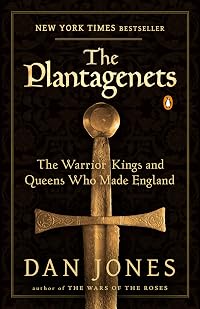
The Plantagenets: The Warrior Kings and Queens Who Made England
by Dan Jones
On This Page
Description
The first Plantagenet king inherited a blood-soaked kingdom from the Normans and transformed it into an empire that stretched at its peak from Scotland to Jerusalem. In this epic history, Dan Jones vividly resurrects this fierce and seductive royal dynasty and its mythic world. We meet the captivating Eleanor of Aquitaine, twice queen and the most famous woman in Christendom; her son, Richard the Lionheart, who fought Saladin in the Third Crusade; and King John, a tyrant who was forced to show more sign Magna Carta, which formed the basis of our own Bill of Rights. This is the era of chivalry, Robin Hood, and the Knights Templar, the era of the Black Death, the Black Prince, the founding of Parliament, and the Hundred Years' War. show lessTags
Recommendations
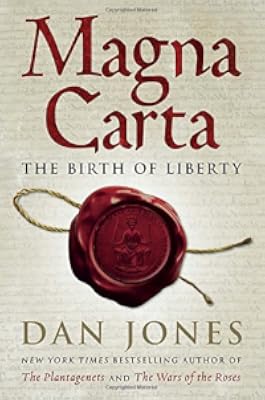
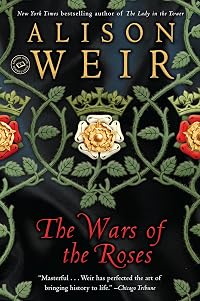
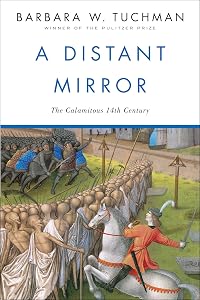
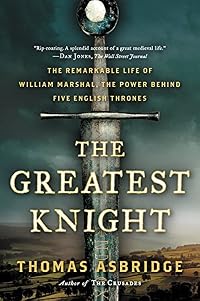



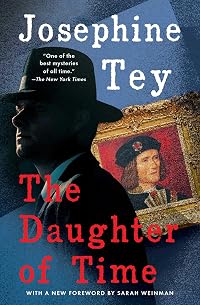
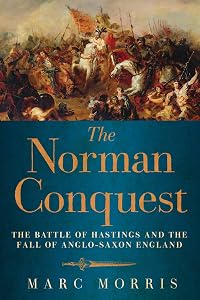
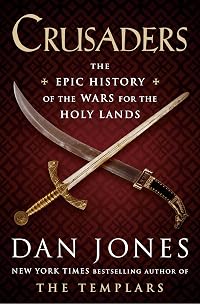
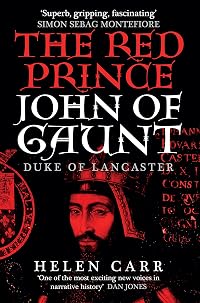
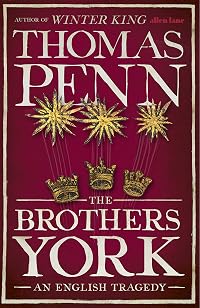

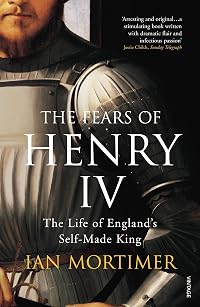
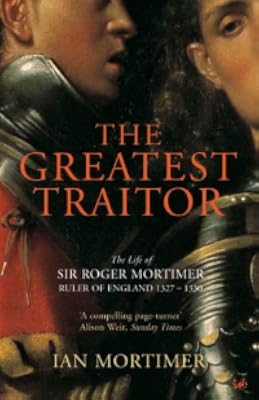
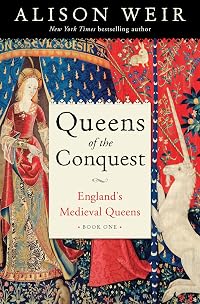



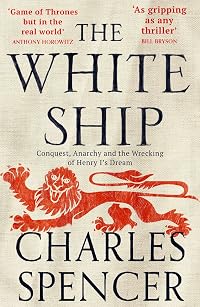
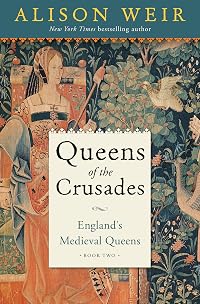
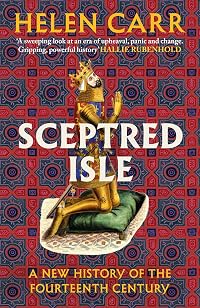

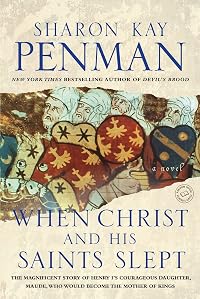
Member Recommendations
Member Reviews
Very well-written and compelling. Jones weaves a narrative across 275 years of history and the reigns of a dozen monarchs. His prose is straightforward and he uses the perfect combination of detail and distance to put everything into context. I loved watching the eternal Catch-22 all of the Plantagenet rulers found themselves in: They needed victories in France to boost political capital at home... but those victories required tax hikes that decreased that same political capital. How much of the Plantagenets' fates really did come from their character and abilities, and how much actually came from simple luck on the battlefield?
If you like non-fiction, this is a good one - very readable. I generally prefer historical fiction and so found myself skimming some of the detail, especially around battles. I learned a lot about the Plantagenets who continue to fascinate me. While I usually focus on Henry II, Richard, and John, I found it interesting to learn about the many accomplishments and disasters associated with the Edwards. This book will now send me off to find historical fiction related to Edward I and III and Richard II.
Marvelous narrative history with everything you could want in a story: romance, lust, betrayal, conflict, odd personalities, heroes, and scoundrels.
As familiar as the story might be of the relationship between Beckett and Henry II, it was a reminder to me how little has changed: the church still battles the secular for primacy.
I was quite unfamiliar with the reign of Edward I, especially his campaign against the Welsh and the use of the Arthruian legends to diminish the value of the traditional Welsh stories. He stitched the Arthurian legends into Plantagenet family lore. The campaigns against the Welsh were innovative. Edward insisted that roads be widened to 200 feet and trees and gullies and ditches be flattened so as to prevent show more attacks by the Welsh who were used to harassing his baggage trains and army with guerrilla tactics. He surrounded the Welsh major cities with rings of castles, many of which still stand and are remarkable in that they were designed for offensive as well as defensive use having abandoned the traditional keep for concentric towers connected by rings of walls and no central strong point. (Lots of pictures of these marvelous constructions on the Internet.) He also invented the arrow slits that gave excellent fields of fire to those inside at very little risk to the archer. Castles were used to enclose towns as well making them economic centers. All this was very expensive and this put Edward into an uncomfortable bargaining position so Parliament gained considerable power during his reign.
I certainly would not have wished to be an earl or duke or whatever during the reign of Edward II. Getting on the wrong side of whomever was in power, Isabelle or Edward meant you would run the risk of not just having your head chopped of, but having genitals removed with a bread knife, entrails cut out, dragged by multiple horses, quartered, and on and on. To the applause of crowds.
Richard II, who most likely had some kind of personality disorder, struck me as having uncanny similarities to Trump. He was paranoid, required constant obsequious gestures from his subordinates, brooked no criticism, and when backed into a corner could become quite dangerous, lopping off heads with regular abandon. Watching Pence the other night (or, as George Will called him, the oleaginous sycophant) lead off with servile comments about our dear leader, just made the comparison to Richard II (who was deposed) more blatant. show less
As familiar as the story might be of the relationship between Beckett and Henry II, it was a reminder to me how little has changed: the church still battles the secular for primacy.
I was quite unfamiliar with the reign of Edward I, especially his campaign against the Welsh and the use of the Arthruian legends to diminish the value of the traditional Welsh stories. He stitched the Arthurian legends into Plantagenet family lore. The campaigns against the Welsh were innovative. Edward insisted that roads be widened to 200 feet and trees and gullies and ditches be flattened so as to prevent show more attacks by the Welsh who were used to harassing his baggage trains and army with guerrilla tactics. He surrounded the Welsh major cities with rings of castles, many of which still stand and are remarkable in that they were designed for offensive as well as defensive use having abandoned the traditional keep for concentric towers connected by rings of walls and no central strong point. (Lots of pictures of these marvelous constructions on the Internet.) He also invented the arrow slits that gave excellent fields of fire to those inside at very little risk to the archer. Castles were used to enclose towns as well making them economic centers. All this was very expensive and this put Edward into an uncomfortable bargaining position so Parliament gained considerable power during his reign.
I certainly would not have wished to be an earl or duke or whatever during the reign of Edward II. Getting on the wrong side of whomever was in power, Isabelle or Edward meant you would run the risk of not just having your head chopped of, but having genitals removed with a bread knife, entrails cut out, dragged by multiple horses, quartered, and on and on. To the applause of crowds.
Richard II, who most likely had some kind of personality disorder, struck me as having uncanny similarities to Trump. He was paranoid, required constant obsequious gestures from his subordinates, brooked no criticism, and when backed into a corner could become quite dangerous, lopping off heads with regular abandon. Watching Pence the other night (or, as George Will called him, the oleaginous sycophant) lead off with servile comments about our dear leader, just made the comparison to Richard II (who was deposed) more blatant. show less
At first I was all like, "Man, the Plantagenets is super long and detailed, I will never get through this book." Then I was all like, "Man, this book is _super detailed_, this is great!" And then I was, "I am bummed because I finished the Plantagenets, does Dan Jones have any other books?" It turns out he does!
The Plantagenets is an immensely readable yet still dense history of the British Royal Family from 1135 to 1399 with the White Ship disaster of 1120, Henry I dying and the country falling into the Anarchy as Empress Matilda and King Stephen of Blois go to war. And from there we are off to the races following the wax and wane of the Plantagenets from the greatest of them (Henry II, Edward III, the Black Prince) to the very worst show more (Edward II, Richard II) and everyone in between. There is blood and treachery and war and murder and regicide and treason and big pitched battles and Scots and crazed Welshmen fighting in swamps and drama.
If you're super interested in the 800th year anniversary of the Magna Carta and its impacts to history, this book goes into pretty good detail.
Loved it, would recommend it. A fine book of history. Totally worth the high ratings it has on Goodreads. show less
The Plantagenets is an immensely readable yet still dense history of the British Royal Family from 1135 to 1399 with the White Ship disaster of 1120, Henry I dying and the country falling into the Anarchy as Empress Matilda and King Stephen of Blois go to war. And from there we are off to the races following the wax and wane of the Plantagenets from the greatest of them (Henry II, Edward III, the Black Prince) to the very worst show more (Edward II, Richard II) and everyone in between. There is blood and treachery and war and murder and regicide and treason and big pitched battles and Scots and crazed Welshmen fighting in swamps and drama.
If you're super interested in the 800th year anniversary of the Magna Carta and its impacts to history, this book goes into pretty good detail.
Loved it, would recommend it. A fine book of history. Totally worth the high ratings it has on Goodreads. show less
A tale full of big personalities, of flawed personalities, of troubled men (and women), of weak men (and women), of wars and 'derring do'; except that it's all real. Wonderfully written it reads like an action adventure but all based on well researched fact. Will make you realise what an epic history our little island and that it was an Empire much longer ago than you might have thought. Looking forward to reading about his take on the Wars of the Roses.
A drunken outing, a ship sinks and a future kiing is dead leaving the country without a clear successor. The result? Twenty years of Civil War. This is how this well written well researched book begins. It then takes us through 250 years of Plntagenet rule. The good, not too much of that, the bad, alot of that, and the ugly. So glad I did not live in the Middle ages. I knew quite a bit of this history going in, but I have always had a fascination with Eleanor of Aquitaine, queen twice, the mother of two Kings, and the women that led her sons in a revolt against her husband. Of course she was imprisoned in various castles for many years, but eventually she once again became a politcal force. She lives into her seventies.
Many names, man show more battles, countries won, countries lost. Powerful people, imprisoned people, people tortured, drawn and quartered. Not good to be near the top or a threat. Does show the politics of the time, the beginnings of the legal system and the Magna Carta, which few Kings adhered to, or only when they were forced too. The Crusades, the expense of these and the constant wars and battles. Family power struggles, the Black Death, and the sad death of a princess.
A very comprehensive, but readable tone of a family that retained power for 250 years. One thing, among many, things I did not know, and found shocking, concerned the country under the rule of Edward II. His treatment of the Jews, and the fact that he made them wear yellow cloth badges on their clothes so they could be identifiable. They were later dispelled from the country. So do we infer that Hitler read history, or was it a fluke that Hitler picked the same color and same means of identification. Chilling! show less
Many names, man show more battles, countries won, countries lost. Powerful people, imprisoned people, people tortured, drawn and quartered. Not good to be near the top or a threat. Does show the politics of the time, the beginnings of the legal system and the Magna Carta, which few Kings adhered to, or only when they were forced too. The Crusades, the expense of these and the constant wars and battles. Family power struggles, the Black Death, and the sad death of a princess.
A very comprehensive, but readable tone of a family that retained power for 250 years. One thing, among many, things I did not know, and found shocking, concerned the country under the rule of Edward II. His treatment of the Jews, and the fact that he made them wear yellow cloth badges on their clothes so they could be identifiable. They were later dispelled from the country. So do we infer that Hitler read history, or was it a fluke that Hitler picked the same color and same means of identification. Chilling! show less
I grabbed this book from the library because I wanted a crash course in Plantagenet history. The Plantagenets ruled England for over 300 years, beginning with Henry II in 1154, and this book covers most of that time. Henry II's mother was Empress Matilda, the granddaughter of William the Conqueror. I thought it was interesting that the family name came from Henry II's father Geoffrey, who liked to wear the yellow Planta Genista blossoms in his hair, leading to the nickname Geoffrey Plantagenet.
This book was well-researched and went into great detail on the major players of the Plantagenet dynasty. Some parts I skimmed over, while others sections I spent a lot of time on. I enjoyed Empress Matilda's story of how she battled her cousin show more Stephen of Blois for control of England. While she was never officially crowned queen, she succeeded in getting her son on the throne as the first Plantagenet king. Eleanor of Aquitaine was another fascinating woman who made a huge impact on Europe during her long life. And I can't forget the Edward II/Isabella of France/Piers Gaveston/Hugh Despenser drama! It was drama to rival the Tudors.
This book paints a vivid portrait of English royals between the Norman invasion and the Tudor takeover. (Though, it did not go as far as Richard III; he needs his own book!) Recommended for anyone interested in an easy to read history of this time period. show less
This book was well-researched and went into great detail on the major players of the Plantagenet dynasty. Some parts I skimmed over, while others sections I spent a lot of time on. I enjoyed Empress Matilda's story of how she battled her cousin show more Stephen of Blois for control of England. While she was never officially crowned queen, she succeeded in getting her son on the throne as the first Plantagenet king. Eleanor of Aquitaine was another fascinating woman who made a huge impact on Europe during her long life. And I can't forget the Edward II/Isabella of France/Piers Gaveston/Hugh Despenser drama! It was drama to rival the Tudors.
This book paints a vivid portrait of English royals between the Norman invasion and the Tudor takeover. (Though, it did not go as far as Richard III; he needs his own book!) Recommended for anyone interested in an easy to read history of this time period. show less
Members
- Recently Added By
Published Reviews
ThingScore 94
"Fast-paced and accessible, "The Plantagenets" is old-fashioned storytelling and will be particularly appreciated by those who like their history red in tooth and claw."
added by bookfitz
"Blood-soaked medieval England springs to vivid life in Jones’s (Summer of Blood) highly readable, authoritative, and assertive history—already a #1 bestseller in the U.K."
added by bookfitz
"Jones, a protege of David Starkey, writes with his mentor's erudition but also exhibits novelistic verve and sympathy."
added by bookfitz
Lists

Best Biographies
216 works; 26 members

Non-Fiction Worth Reading
1,015 works; 257 members

All Things Great Britain
66 works; 1 member

Books Read in 2025
4,091 works; 97 members

England
2 works; 1 member
Author Information

24 Works 9,906 Members
Dan Jones is a British Author, Historian and Journalist. He was born Daniel Gwynne Jones in Reading, England on July 27, 1981, to Welsh parents. Jones was educated at The Royal Latin School before attending Pembroke College, University of Cambridge, where he received a first in History. In addition to his work as a newspaper columnist, Jones show more writes primarily about the middle ages. His titles include The Wars of the Roses, The Plantagenets and Summer of Blood. (Bowker Author Biography) show less
Awards and Honors
Common Knowledge
- Canonical title*
- Kampf der Könige: Das Haus Plantagenet und das blutige Spiel um Englands Thron
- Original title
- The Plantagenets: The Kings Who Made England
- Original publication date
- 2012
- People/Characters
- Arthur, Duke of Brittany; Thomas Becket; Aymer de Valence, 2nd Earl of Pembroke; Robert the Bruce; Simon de Montfort; Hugh Despenser the Elder (show all 22); Hugh Despenser the Younger; Edmund of Langley, duke of York; Edward I, King of England; Edward II, King of England; Edward III, King of England; Edward, the Black Prince; Eleanor of Aquitaine; Piers Gaveston; Geoffrey II, Duke of Brittany; Henry of Grosmont, duke of Lancaster; Henry II, King of England; Henry the Young King; Henry III, King of England; Henry IV, King of England; Humphrey de Bohun, Earl of Hereford; Thomas Plantagenet, Earl of Lancaster
- Important places
- Anjou, France; Aquitaine, France; Brittany, France; Gascony, France; Wales, UK; Scotland, UK (show all 9); Ireland; London, England, UK (as London, England); Westminster, London, England, UK
- Important events
- Crusades; Magna Carta
- Related movies
- Britain's Bloodiest Dynasty (2014 | IMDb)
- Epigraph
- For a sensible man ought to consider that Fortune's favor is variable and her wheel is ever turning... [T]he Prince must take care, and always have imprinted on his mind the fact that although the merciful Creator... is long-... (show all)suffering and patient... He is likewise severe in executing punishment and vengeance upon the stubborn and willful, and usually begins to exact that punishment here on earth.
— Gerald of Wales, The Conquest of Ireland - Dedication
- For JJ, VJ, and IJ
- First words
- The prince was drunk.
- Last words
- (Click to show. Warning: May contain spoilers.)They had changed a lightly governed, brittle, and easily fractured realm into one of the most powerful and sophisticated of the age, and what is more, they had stamped their mark forever on the English imagination.
- Blurbers
- Montefiore, Simon Sebag; Holland, Tom; Castor, Helen
- Original language
- English
*Some information comes from Common Knowledge in other languages. Click "Edit" for more information.
Classifications
- Genres
- History, General Nonfiction, Nonfiction, Biography & Memoir
- DDC/MDS
- 942.03092 — History & geography History of Europe England and Wales England Plantagenet 1154-1399
- LCC
- DA225 .J76 — History of Europe, Asia, Africa and Oceania Great Britain History of Great Britain England History By period Early and medieval to 1485 1154-1485. Angevins. Plantagenets.
- BISAC
Statistics
- Members
- 2,453
- Popularity
- 7,887
- Reviews
- 45
- Rating
- (4.15)
- Languages
- 5 — Dutch, English, French, German, Chinese, traditional
- Media
- Paper, Audiobook, Ebook
- ISBNs
- 27
- ASINs
- 14