On This Page
Description
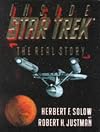
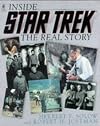
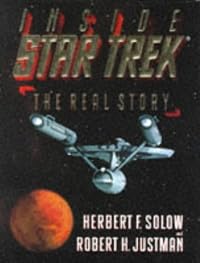
"A comprehensive look at the development and life of a television and cultural phenomenon ... [including] battles with NBC and the internal conflicts with studio executives to the behind-the-scenes decisions about actors and their characters, writers, scripts, directors, budgets, and the endless details of weekly television production."--Jacket.Tags
Recommendations


















Member Reviews
Much has been said and written about the origins of Star Trek, mostly mixing reality with rumours and what became well-established myths. The later bickering in-between some actors, added to the self-serving tales of the larger-than-life Gene Roddenberry, obviously didn't help when it comes to historical accuracies. This book, written by some of the original creators of the show (Herbert Solow ran TV programs for Desilu; Robert Justman was an assistant director later made co-producer) is therefore more than welcome in getting to the roots of, as the authors put it, 'the most successful unsuccessful series', one that 'stimulates the imagination without bypassing the brain'.
Retelling its genesis, what's striking indeed is how miraculous show more Star Trek ever made it onto our screens in the first place! Refused by CBS before being taken on by NBC and following Roddenberry knocking at Desilu's doors (a production company then famous for broadcasting... 30 minutes comedies!), the series was accused from being too cerebral to being too childish, besides battling surprisingly low rating that nearly buried it for good. Now, for fans, there won't be much to learn here. What is particularly fascinating about that part of the book, though, is not only to see how Roddenberry manipulated and/ or enrolled a whole sort of people (e.g. SF fans, SF writers etc.) to keep "his" show going, but, also, how fans responded to the call, and, indeed, kept it going. Three seasons, in the end, might not have been much, but three seasons in light of that challenging context for such a show was quite a prodigious feat!
The battle against ratings and the bureaucracy behind TV production companies and broadcasters, though, won't be the only hurdle -far from that! Fans will probably know about Takei's later beef against Shatner. However, and already when the show was going, another battle was then at play, one regarding determining who was the star of it all. Another striking thing with Star Trek indeed was that, if it surely was obvious to writers and producers than Captain Kirk was the central star, what they didn't plan upon was how the cast would ultimately evolve, both within the plots and in the eyes of the fans, and to the point of some characters taking a no less centre stage. Leonard Nimoy, for instance, had more than his fair share of complaints (rightfully, in my personal opinion) when it came to how Spock was portrayed in regards to his true value. Retelling actors' petty jealousies and grievances, what Solow and Justman manage to brilliantly do here is to show how these problems nevertheless contributed to, against all odd, positively advance the storylines.
There is a warning adage about never meeting your heroes. Well, it applies here. Having been there from the start, the authors obviously debunk the view that Star Trek was Roddenberry's show only, as a lot (a lot!) of creatives were in fact involved at every stage. Roddenberry, as it is, might have been a true genius when it comes to his vision of a trek through the stars in a near utopian future, yet it's pretty clear that he was not that good a person overall. Now, Solow and Justman, it must be strongly emphasised, never disparage (they were too admirative and fond of him!) but their portrayal, nevertheless, clearly show a greedy cheat, selfish, who could be downright cruel to his entourage. In my eyes in any case, he surely came down a few pegs. Sadly, for the naïve among us he is not the only one, here, to come out everything but as good as probably assumed. For example (and at the risk of sounding idiotically prudish) I was personally taken aback as to the reasons why certain actresses (I won't name them, you'll find out for yourself...) made it onto the show in the first place, until this book opened my eyes about Roddenberry's womanising and, well, "favouritism". The actresses in question later turned out to be fantastic assets to the show, so I won't delve. Still, though, I couldn't help but be disappointed in how casting operated.
What else?
At times, the authors relay some rumours although clearly presenting them as such e.g. the idea that Ensign Chekov (played by Walter Koenig) was created following complaints from the Pravda that no Russian was onboard 'The Enterprise', despite the USSR to have been the first ones in space. At times, they offer fascinating viewpoints and insights, some even going against established wisdom e.g. if the show survived, it was not so much because fans protested, but because NBC was then a leader in coloured series of which Star Trek was among its most compelling on offer, no matter what. Was it true? The authors admit not knowing, but I find the idea compelling.
All in all, here's a beautiful book. It's honest, fair, insightful, instructive, and superbly illustrated. I surely didn't like everything (e.g. the technical passages about filming and special effects, no matter how relevant, went over my head) and there will be some hard truth to swallow for the naïve Trekkies among us (again and in my personal case, Roddenberry's morale and its impact on casting). To anyone interested in the show, though, this is an absolute must-read. I highly recommend it! show less
Retelling its genesis, what's striking indeed is how miraculous show more Star Trek ever made it onto our screens in the first place! Refused by CBS before being taken on by NBC and following Roddenberry knocking at Desilu's doors (a production company then famous for broadcasting... 30 minutes comedies!), the series was accused from being too cerebral to being too childish, besides battling surprisingly low rating that nearly buried it for good. Now, for fans, there won't be much to learn here. What is particularly fascinating about that part of the book, though, is not only to see how Roddenberry manipulated and/ or enrolled a whole sort of people (e.g. SF fans, SF writers etc.) to keep "his" show going, but, also, how fans responded to the call, and, indeed, kept it going. Three seasons, in the end, might not have been much, but three seasons in light of that challenging context for such a show was quite a prodigious feat!
The battle against ratings and the bureaucracy behind TV production companies and broadcasters, though, won't be the only hurdle -far from that! Fans will probably know about Takei's later beef against Shatner. However, and already when the show was going, another battle was then at play, one regarding determining who was the star of it all. Another striking thing with Star Trek indeed was that, if it surely was obvious to writers and producers than Captain Kirk was the central star, what they didn't plan upon was how the cast would ultimately evolve, both within the plots and in the eyes of the fans, and to the point of some characters taking a no less centre stage. Leonard Nimoy, for instance, had more than his fair share of complaints (rightfully, in my personal opinion) when it came to how Spock was portrayed in regards to his true value. Retelling actors' petty jealousies and grievances, what Solow and Justman manage to brilliantly do here is to show how these problems nevertheless contributed to, against all odd, positively advance the storylines.
There is a warning adage about never meeting your heroes. Well, it applies here. Having been there from the start, the authors obviously debunk the view that Star Trek was Roddenberry's show only, as a lot (a lot!) of creatives were in fact involved at every stage. Roddenberry, as it is, might have been a true genius when it comes to his vision of a trek through the stars in a near utopian future, yet it's pretty clear that he was not that good a person overall. Now, Solow and Justman, it must be strongly emphasised, never disparage (they were too admirative and fond of him!) but their portrayal, nevertheless, clearly show a greedy cheat, selfish, who could be downright cruel to his entourage. In my eyes in any case, he surely came down a few pegs. Sadly, for the naïve among us he is not the only one, here, to come out everything but as good as probably assumed. For example (and at the risk of sounding idiotically prudish) I was personally taken aback as to the reasons why certain actresses (I won't name them, you'll find out for yourself...) made it onto the show in the first place, until this book opened my eyes about Roddenberry's womanising and, well, "favouritism". The actresses in question later turned out to be fantastic assets to the show, so I won't delve. Still, though, I couldn't help but be disappointed in how casting operated.
What else?
At times, the authors relay some rumours although clearly presenting them as such e.g. the idea that Ensign Chekov (played by Walter Koenig) was created following complaints from the Pravda that no Russian was onboard 'The Enterprise', despite the USSR to have been the first ones in space. At times, they offer fascinating viewpoints and insights, some even going against established wisdom e.g. if the show survived, it was not so much because fans protested, but because NBC was then a leader in coloured series of which Star Trek was among its most compelling on offer, no matter what. Was it true? The authors admit not knowing, but I find the idea compelling.
All in all, here's a beautiful book. It's honest, fair, insightful, instructive, and superbly illustrated. I surely didn't like everything (e.g. the technical passages about filming and special effects, no matter how relevant, went over my head) and there will be some hard truth to swallow for the naïve Trekkies among us (again and in my personal case, Roddenberry's morale and its impact on casting). To anyone interested in the show, though, this is an absolute must-read. I highly recommend it! show less
For all fans of the original series, this is the definitive story of the beginning of STAR TREK and the life of a cultural phenomenon. Forget the myths; read the story from the men who served, respectively, as a producer and as a director for the series.
It’s a simple, fascinating account of the launching of a television show destined to become a legend. It’s also, at times, enthusiastically snarky and often more-than-willing to paint many of the principals with less-than-complimentary brush strokes. Which truth is indeed truth? Probably, considering that everyone brought their own personalities and foibles with them, somewhere between this account and the fervent idolization of the cast and the Great Bird of the Galaxy.
The show more strength of the book lies in the detailing of the generally unknown work involved in putting together and airing a television show. Photographs accompany the narrative, unfolding from its genesis through the struggles of the first season, followed by a transfiguration, and rebirth. A must for fans of the series as well as for readers interested in taking a behind-the-scenes look at the production of a television series.
Highly recommended. show less
It’s a simple, fascinating account of the launching of a television show destined to become a legend. It’s also, at times, enthusiastically snarky and often more-than-willing to paint many of the principals with less-than-complimentary brush strokes. Which truth is indeed truth? Probably, considering that everyone brought their own personalities and foibles with them, somewhere between this account and the fervent idolization of the cast and the Great Bird of the Galaxy.
The show more strength of the book lies in the detailing of the generally unknown work involved in putting together and airing a television show. Photographs accompany the narrative, unfolding from its genesis through the struggles of the first season, followed by a transfiguration, and rebirth. A must for fans of the series as well as for readers interested in taking a behind-the-scenes look at the production of a television series.
Highly recommended. show less
Herb Solow seems to have taken out thirty-five years of vitriol and anger in his account of the year's when Star Trek was shown on NBC. He especially seems to have hated William Shatner, although Shatner was not well-loved by many on that set. Still, Bob Justman's good humor and unique position as the series' associate producer give a less-tainted look at the high-pressured world of series production in general and this amazing series in particular.
I had a good deal of difficulty working through this book because it abused so many of my long-held beliefs regarding Star Trek. Some of that abuse was because of Solow's viewpoint, but when Justman then reinforces these corrections, I have to believe them.
I had a good deal of difficulty working through this book because it abused so many of my long-held beliefs regarding Star Trek. Some of that abuse was because of Solow's viewpoint, but when Justman then reinforces these corrections, I have to believe them.
This is a behind-the-scenes story of Star Trek. It starts from its early concept and pitch to the studios. Herb Solow and Robert Justman (co-authors) discuss the politics and manipulations that happened to make Star Trek turn into a tv series. Years of work and three pilots later they debuted on the screen. But their obstacles never ceased, each year was a fight for renewal, there were problems with the cast, and problems with Desilu.
After reading it, I certainly have a different view of many of the people involved. My opinions of some of the major and minor actors and supporting staff has changed drastically. The authors attempt to take some of the credit normally attributed to Roddenberry and distribute it to other deserving show more individuals.
The book isn't just for Trekkies, (the term was coined by the staff during the series run), but anyone interested in what goes on in a series production. My complaint is that the book is too terse. I feel like there's a lot of information still untold. show less
After reading it, I certainly have a different view of many of the people involved. My opinions of some of the major and minor actors and supporting staff has changed drastically. The authors attempt to take some of the credit normally attributed to Roddenberry and distribute it to other deserving show more individuals.
The book isn't just for Trekkies, (the term was coined by the staff during the series run), but anyone interested in what goes on in a series production. My complaint is that the book is too terse. I feel like there's a lot of information still untold. show less
This book is in desperate need of an editor. Although some of the anecdotes are interesting or amusing, all of them run too long and make too small of a point. There is a clear effort to promote and reward Bob Justman for his work on the series, and an even stronger effort to expose Gene Roddenberry as a jerk. This didn't really bother me. What did bother me was slogging through over 400 pages for a handful of stories that could have been told more clearly and succinctly in half the space.
Detailed behind-the-scenes look at the creation, life, and ultimate death of the original television series. Heavily oriented toward the business side of television series production, it does drag a bit, but manages to include a few new anecdotes.
If you liked Star Trek, TOS, you will love this book. It offers a close look at how the series came about and the struggle to keep it on the air, to its eventual cancellation. Great anecdotes from the set!
Members
- Recently Added By
Author Information
4+ Works 485 Members
1+ Work 371 Members
Series

Common Knowledge
- Original publication date
- 1996-06
- First words
- As Vice President of Desilu Studios, Vice President of Paramount Television, and Executive in Charge of Production of the Star Trek sereis, Herb Solow was responsible for the sale, development, and production of both pilots a... (show all)nd the series.
Classifications
- Genres
- Nonfiction, Biography & Memoir
- DDC/MDS
- 791.4572 — Arts & recreation Recreation, sports, and performing arts Movies, TV, Video Motion pictures, radio, television, podcasting Television Programs; television plays Single programs
- LCC
- PN1992.8 .S74 .S7 — Language and Literature Literature (General) Literature (General) Drama Broadcasting Television broadcasts
- BISAC
Statistics
- Members
- 371
- Popularity
- 84,196
- Reviews
- 10
- Rating
- (3.71)
- Languages
- Chinese, English, German
- Media
- Paper, Audiobook
- ISBNs
- 7
- ASINs
- 4