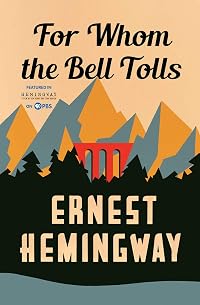
For Whom the Bell Tolls
by Ernest Hemingway 
On This Page
Description
Ernest Hemingway's masterpiece on war, love, loyalty, and honor tells the story of Robert Jordan, an antifascist American fighting in the Spanish Civil War.In 1937 Ernest Hemingway traveled to Spain to cover the civil war there for the North American Newspaper Alliance. Three years later he completed the greatest novel to emerge from "the good fight" and one of the foremost classics of war literature.
For Whom the Bell Tolls tells of loyalty and courage, love and defeat, and the tragic show more death of an ideal. Robert Jordan, a young American in the International Brigades, is attached to an antifascist guerilla unit in the mountains of Spain. In his portrayal of Jordan's love for the beautiful Maria and his superb account of a guerilla leader's last stand, Hemingway creates a work at once rare and beautiful, strong and brutal, compassionate, moving, and wise. Greater in power, broader in scope, and more intensely emotional than any of the author's previous works, For Whom the Bell Tolls stands as one of the best war novels ever written. show less
Tags
Recommendations
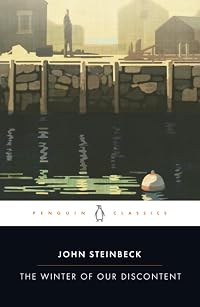
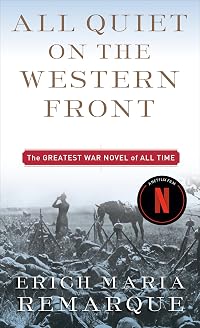
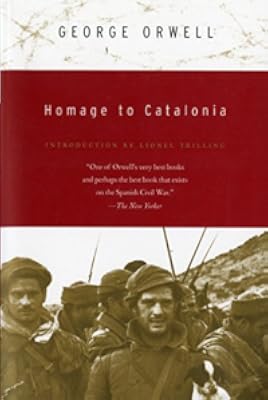
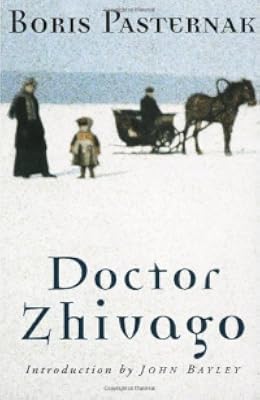
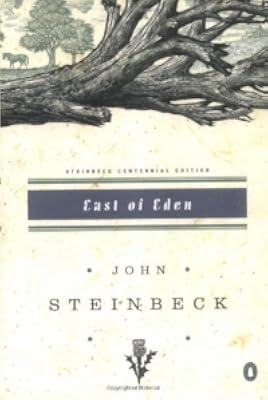
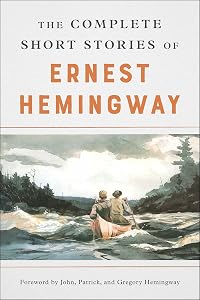
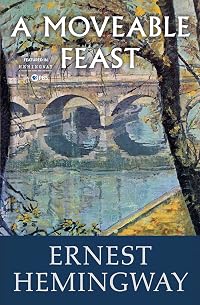
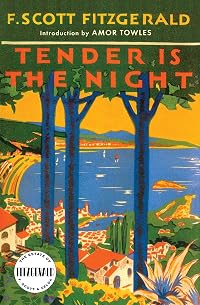
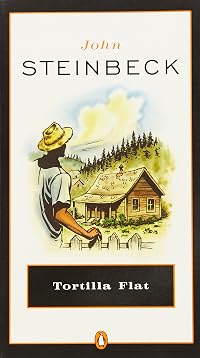
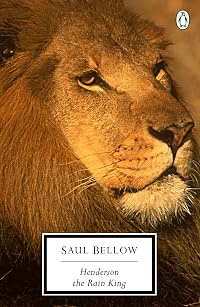

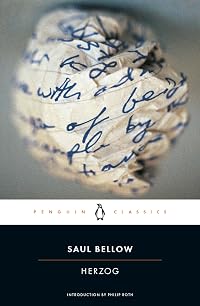
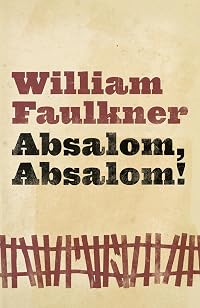
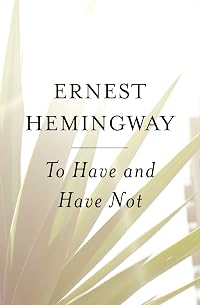
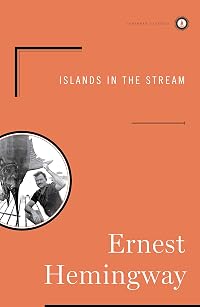

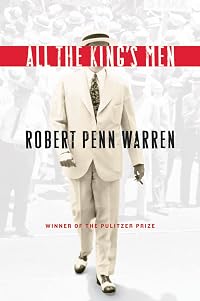
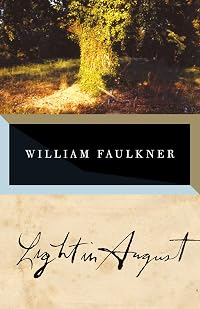

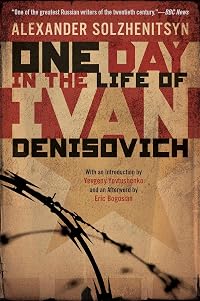
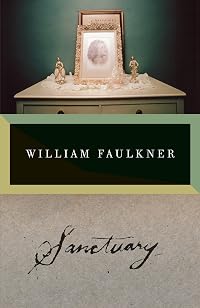
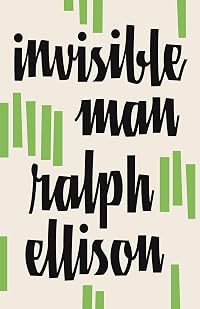
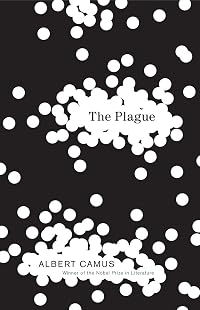
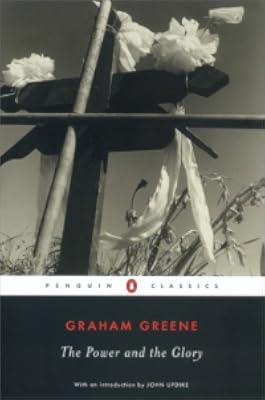
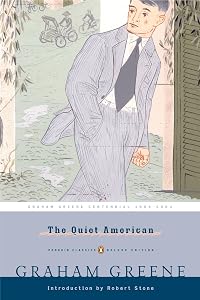
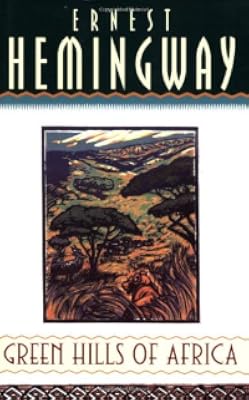
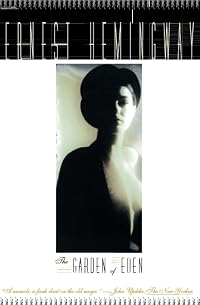

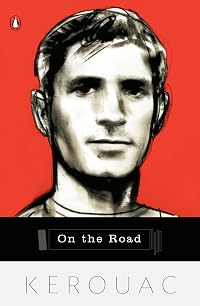
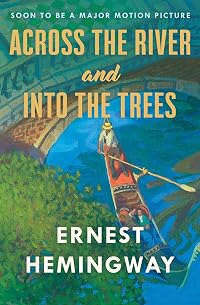
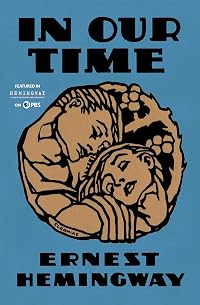
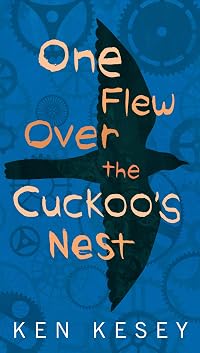
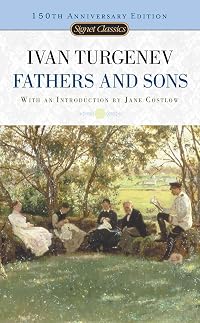
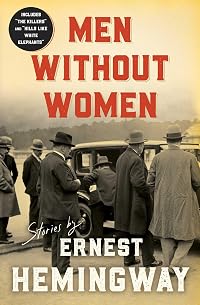
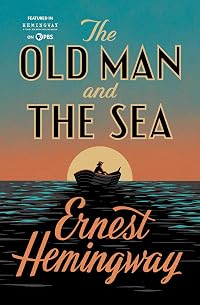
Member Recommendations

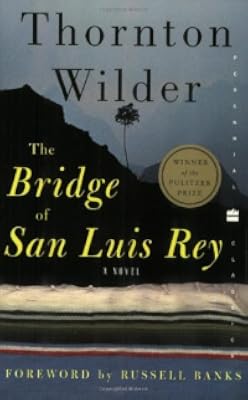
christiguc Dame Rose Macaulay's witty and brilliant novel on the Spanish Civil War.

Member Reviews
Supposedly uncensored Estonian edition of "For Whom the Bell Tolls", but...
You'll probably wonder why an English speaker would read Ernest Hemingway in an Estonian translation. Aside from the simple answer of "because I can", the main answer is that "For Whom the Bell Tolls” has always been a problematic and awkward read in the original for me.
The reason for that is because Hemingway takes an affected stance as if he was writing in Spanish and the text was being simultaneously translated into English, which results in:
a. Awkward passages of broken English e.g.
"Do you come for us to do another train?" - Chapter 2
"Is the same to me. Better four good than much bad." - Chapter 11
b. Seemingly anachronistic Elizabethan English full of show more thous, thees and thys in an attempt to approximate the familiar form of address in Spanish e.g.
“... when thou wert wiping thy mother’s milk off thy chin.” - Chapter 11
“But did thee feel the earth move?” - Chapter 13
c. Hemingway’s self censorship with the use of the words “obscenity” & “unprintable” in place of rough language, resulting in passages such as
“Care well for thy unprintable explosive.” - Chapter 3
“I obscenity in the milk of thy tiredness.” - Chapter 9
d. The paradoxical use of those same curse words in the original Spanish, but left untranslated.
“But me cago en la leche, but I will be content when it starts.” - Chapter 39
All of those problems disappear in this supposedly uncensored 2014 edition of Enn Soosaar’s Estonian translation which was first published in 1970. (Unfortunately, I don’t own a copy of that original so I have to guess that the censorship was in the areas of both curse words and politics.) The speaking is translated normally, the Estonian familiar form is not anachronistic, logical choices of relatively minor curse words are used instead of “rõvedus” (obscenity) and the Spanish is translated in footnotes (with one exception that I noticed).
So the only catch is that they may have now printed all of Soosaar’s translation, but they don’t seem to have gone back to check whether he actually translated the entire thing in the first place. i.e. based on at least one example, I suspect Soosaar left untranslated some passages that he felt wouldn’t make it past the then Soviet censor in any case.
In chapter 27 aka "Sordo’s Last Stand" there is a paragraph:
"That they should aid us now," another man said. "That all the cruts* of Russian sucking swindlers should aid us now." He fired and said, “Me cago en tal, I missed.”
In the Estonian translation this reads as:
“Et nad aitaksid meid praegu,” ütles üks meestest. Ta tulistas ja ütles “Me cago en tal. Jälle lasksin mööda.”
You can probably tell that the middle sentence which curses the Russians has been left out in the Estonian. It would have read something like "Et kõik need sittad Vene imejad petturid peaksid aitama meid nüüd.”
Otherwise, this is a terrific translation which now made this work completely readable for me. It would be interesting to know how other international translators solve these sorts of issues.
*Hemingwayspeak for “shits” show less
You'll probably wonder why an English speaker would read Ernest Hemingway in an Estonian translation. Aside from the simple answer of "because I can", the main answer is that "For Whom the Bell Tolls” has always been a problematic and awkward read in the original for me.
The reason for that is because Hemingway takes an affected stance as if he was writing in Spanish and the text was being simultaneously translated into English, which results in:
a. Awkward passages of broken English e.g.
"Do you come for us to do another train?" - Chapter 2
"Is the same to me. Better four good than much bad." - Chapter 11
b. Seemingly anachronistic Elizabethan English full of show more thous, thees and thys in an attempt to approximate the familiar form of address in Spanish e.g.
“... when thou wert wiping thy mother’s milk off thy chin.” - Chapter 11
“But did thee feel the earth move?” - Chapter 13
c. Hemingway’s self censorship with the use of the words “obscenity” & “unprintable” in place of rough language, resulting in passages such as
“Care well for thy unprintable explosive.” - Chapter 3
“I obscenity in the milk of thy tiredness.” - Chapter 9
d. The paradoxical use of those same curse words in the original Spanish, but left untranslated.
“But me cago en la leche, but I will be content when it starts.” - Chapter 39
All of those problems disappear in this supposedly uncensored 2014 edition of Enn Soosaar’s Estonian translation which was first published in 1970. (Unfortunately, I don’t own a copy of that original so I have to guess that the censorship was in the areas of both curse words and politics.) The speaking is translated normally, the Estonian familiar form is not anachronistic, logical choices of relatively minor curse words are used instead of “rõvedus” (obscenity) and the Spanish is translated in footnotes (with one exception that I noticed).
So the only catch is that they may have now printed all of Soosaar’s translation, but they don’t seem to have gone back to check whether he actually translated the entire thing in the first place. i.e. based on at least one example, I suspect Soosaar left untranslated some passages that he felt wouldn’t make it past the then Soviet censor in any case.
In chapter 27 aka "Sordo’s Last Stand" there is a paragraph:
"That they should aid us now," another man said. "That all the cruts* of Russian sucking swindlers should aid us now." He fired and said, “Me cago en tal, I missed.”
In the Estonian translation this reads as:
“Et nad aitaksid meid praegu,” ütles üks meestest. Ta tulistas ja ütles “Me cago en tal. Jälle lasksin mööda.”
You can probably tell that the middle sentence which curses the Russians has been left out in the Estonian. It would have read something like "Et kõik need sittad Vene imejad petturid peaksid aitama meid nüüd.”
Otherwise, this is a terrific translation which now made this work completely readable for me. It would be interesting to know how other international translators solve these sorts of issues.
*Hemingwayspeak for “shits” show less
I greatly enjoyed my first Hemingway, not least because of my circumstances (on an eight-hour train from Marrakech to Fez). I found Robert Jordan less easy to understand fully than some of the other characters in the story. Hemingway develops each of the characters with a depth and a detail that thrusts the reader within the group’s constantly changing power dynamic and also within each person’s mind, each person’s reactions to the unspoken likelihood that the bridge bombing wouldn’t end well. Without very many directly spoken details from anyone except Robert Jordan, the reader still manages to understand each character’s internal anguish with clues from their outward behavior, especially through their interactions among the show more other characters. Further clues stem from the gossip – these people sure do talk about each other a lot, and perhaps Hemingway’s point lies in the need for accountability and transparency in times of life-threatening duress. The reader only hears Robert Jordan express all of these thoughts, accusing himself of madness and weakness in the face of a routine job, which he optimistically tries to convince himself will ultimately succeed. His relationship with Maria provides further opportunity for his mind to swirl with thoughts of the future and the questions about how long his future will be. Hemingway’s strange self-censorship ultimately adds an air of lightness to this heavy story. Rather than using the proper English swear words that this rough and tumble crew of guerilla soldiers uses quite often, Hemingway inserts terms like “unprintable” and “milk.” Moreover, the Spanish cursing occasionally appears perfectly normally. This bizarre little trick distracted me, I think, from the story. show less
The earth moved, and the bell tolled for him.
I first picked up this book because of the title. I knew the famous line from John Donne- "never send to know for whom the bell tolls; it tolls for thee"; but I did not know, then, that Hemingway had built an entire novel around those fifteen words. I expected a war story. I got a war story, yes. But I also got a love story compressed into seventy hours, a meditation on duty and death, and the most haunting final paragraph I have ever read.
What it is:
The year is 1937. The Spanish Civil War rages. Robert Jordan, a young American demolition expert fighting for the Loyalist (Republican) cause, is given a mission: blow up a strategic bridge behind enemy lines at a precise time, to coincide with show more a broader offensive. He links up with a small band of anti-fascist guerrillas hiding in a mountain cave: the gypsy woman Pilar, who dominates the group with her ferocity and earthy wisdom; Pablo, her husband, once a fierce fighter, now a broken, drunken coward; the old man Anselmo, who has never fired a shot but will die for the cause; and Maria, a young woman whose family was murdered by fascists, whose head was shaved, and who is slowly learning to trust again. The novel spans exactly three days and three nights. Robert Jordan falls in love with Maria. He waits. He plans the demolition. He argues with Pablo. He listens to Pilar's stories of the massacre at El Sordo's hill. And on the third day, the bridge is blown.
Why it stayed with me:
1. The prose is deceptive. Hemingway's style is often called simple, but it is not simple. It is pared. Short sentences, yes. But in this novel, he also uses long, looping, repetitive run-ons that mimic the rhythm of a man thinking in the dark, waiting to die. The effect is hypnotic. You are inside Robert Jordan's head for four hundred pages, and by the end, you do not want to leave.
2. The love story is not a distraction. It is the point. Maria and Robert meet, love, and promise a future they both know will not come. The famous scene where Maria tells Robert that "the earth moved" during their lovemaking is not sentimental. It is tragic. Because Hemingway refuses to let you forget that love, in a war zone, is a luxury. And luxuries get people killed.
3. Pilar is the heart of the book. She is stocky, fierce, brutally honest, and one of the greatest characters Hemingway ever wrote. She has seen too much death. She can predict the future by reading the palm of a hand. She bullies Pablo, mothers Robert, and keeps the guerrilla band together through sheer force of will. Her story about the massacre of the fascists in her home town: the lines of prisoners being thrown off a cliff at night, the singing, the waiting, is the most terrifying passage Hemingway ever wrote. It is also the most honest. Pilar does not regret the killing. She regrets that the killing did not bring back the dead.
4. The theme of duty versus survival. Robert Jordan could walk away. The bridge is not his war. But his sense of duty: to the Republic, to his dead comrades, to the mission prevents him from fleeing. The novel asks: is it noble to die for a cause that is already lost? Hemingway does not answer. He simply shows you a man, lying on a pine needle bed with a broken leg, waiting to kill an enemy officer, knowing he will die immediately after. And he makes you respect that man.
5. The ending is perfect. Robert Jordan is wounded. His leg is shattered. He cannot walk. He sends Maria away with Pilar. He lies alone in the forest, his submachine gun trained on the road, waiting for the fascist cavalry to arrive. The final paragraph repeats the word "numb" and "cold" and "not at all." He has crossed into a place beyond fear. And then, Hemingway does something remarkable: he leaves Robert Jordan alive, waiting, the gun aimed. He does not show you the killing. He shows you the preparation. And that is worse. Because your mind finishes the scene. And your mind is crueler than Hemingway could ever be.
Where readers might stumble (and that's okay):
1. The Spanish dialogue is rendered in a pseudo-archaic English. Hemingway made the stylistic choice to translate the Spanish spoken by his characters into a kind of literal, old-fashioned English ("thee," "thou," "hast"). Some readers find this distracting. I found it charming. But it is a choice you should know about before you start.
2. The pacing is slow. The action is compressed into three days, but Hemingway spends much of that time inside Robert Jordan's head: his memories, his fears, his calculations, his imagined arguments with his dead father. If you need constant plot momentum, this will test you.
3. The violence is not gratuitous, but it is present. A fascist is executed by being thrown off a cliff. The corpses of El Sordo's men are decapitated and their heads kicked down the mountain. The novel does not linger on these images, but it does not turn away.
4. The politics are dated. Robert Jordan is fighting for a Republic that lost. He believes in something that did not survive. For some readers, that makes his sacrifice feel futile. For me, that is exactly the point.
Who should read this:
Anyone who has ever wondered what it feels like to face death with your eyes open.
Readers who love Hemingway's spare prose and moral complexity.
Those who want to understand why the Spanish Civil War mattered to a generation of writers.
People who are not afraid of an ambiguous, haunting ending.
Who might struggle:
If you need a fast-paced war thriller (look elsewhere).
If you dislike long internal monologues and slow philosophical reflection.
If you find Hemingway's machismo exhausting (there is plenty of it here, though it is tempered by Pilar).
Final verdict:
For Whom the Bell Tolls is not Hemingway's most accessible novel. It is his longest, his most political, and his most interior. But it is also his greatest. He wrote it in 1939, after covering the Spanish Civil War as a journalist, after seeing the bombing of Madrid, after watching his friends die. He poured everything into this book: his despair, his hope, his conviction that a man must do his duty even when he knows the cause is lost. The novel ends with Robert Jordan waiting to die. But it is not a bleak ending. It is a defiant one. Because he did not run. He stayed. And he will kill one last fascist before they kill him.
I finished this book on a quiet evening, closed the cover. Then I opened it again to the title page, where Hemingway quotes John Donne: "No man is an island, entire of itself; every man is a piece of the continent, a part of the main." And I understood, finally, what the title meant. The bell is not tolling for Robert Jordan alone. It is tolling for all of us.
Five stars. For the bridge. For the pine needle bed. For the earth that moved. And for the man who kept his eyes open until the very last paragraph. show less
I first picked up this book because of the title. I knew the famous line from John Donne- "never send to know for whom the bell tolls; it tolls for thee"; but I did not know, then, that Hemingway had built an entire novel around those fifteen words. I expected a war story. I got a war story, yes. But I also got a love story compressed into seventy hours, a meditation on duty and death, and the most haunting final paragraph I have ever read.
What it is:
The year is 1937. The Spanish Civil War rages. Robert Jordan, a young American demolition expert fighting for the Loyalist (Republican) cause, is given a mission: blow up a strategic bridge behind enemy lines at a precise time, to coincide with show more a broader offensive. He links up with a small band of anti-fascist guerrillas hiding in a mountain cave: the gypsy woman Pilar, who dominates the group with her ferocity and earthy wisdom; Pablo, her husband, once a fierce fighter, now a broken, drunken coward; the old man Anselmo, who has never fired a shot but will die for the cause; and Maria, a young woman whose family was murdered by fascists, whose head was shaved, and who is slowly learning to trust again. The novel spans exactly three days and three nights. Robert Jordan falls in love with Maria. He waits. He plans the demolition. He argues with Pablo. He listens to Pilar's stories of the massacre at El Sordo's hill. And on the third day, the bridge is blown.
Why it stayed with me:
1. The prose is deceptive. Hemingway's style is often called simple, but it is not simple. It is pared. Short sentences, yes. But in this novel, he also uses long, looping, repetitive run-ons that mimic the rhythm of a man thinking in the dark, waiting to die. The effect is hypnotic. You are inside Robert Jordan's head for four hundred pages, and by the end, you do not want to leave.
2. The love story is not a distraction. It is the point. Maria and Robert meet, love, and promise a future they both know will not come. The famous scene where Maria tells Robert that "the earth moved" during their lovemaking is not sentimental. It is tragic. Because Hemingway refuses to let you forget that love, in a war zone, is a luxury. And luxuries get people killed.
3. Pilar is the heart of the book. She is stocky, fierce, brutally honest, and one of the greatest characters Hemingway ever wrote. She has seen too much death. She can predict the future by reading the palm of a hand. She bullies Pablo, mothers Robert, and keeps the guerrilla band together through sheer force of will. Her story about the massacre of the fascists in her home town: the lines of prisoners being thrown off a cliff at night, the singing, the waiting, is the most terrifying passage Hemingway ever wrote. It is also the most honest. Pilar does not regret the killing. She regrets that the killing did not bring back the dead.
4. The theme of duty versus survival. Robert Jordan could walk away. The bridge is not his war. But his sense of duty: to the Republic, to his dead comrades, to the mission prevents him from fleeing. The novel asks: is it noble to die for a cause that is already lost? Hemingway does not answer. He simply shows you a man, lying on a pine needle bed with a broken leg, waiting to kill an enemy officer, knowing he will die immediately after. And he makes you respect that man.
5. The ending is perfect. Robert Jordan is wounded. His leg is shattered. He cannot walk. He sends Maria away with Pilar. He lies alone in the forest, his submachine gun trained on the road, waiting for the fascist cavalry to arrive. The final paragraph repeats the word "numb" and "cold" and "not at all." He has crossed into a place beyond fear. And then, Hemingway does something remarkable: he leaves Robert Jordan alive, waiting, the gun aimed. He does not show you the killing. He shows you the preparation. And that is worse. Because your mind finishes the scene. And your mind is crueler than Hemingway could ever be.
Where readers might stumble (and that's okay):
1. The Spanish dialogue is rendered in a pseudo-archaic English. Hemingway made the stylistic choice to translate the Spanish spoken by his characters into a kind of literal, old-fashioned English ("thee," "thou," "hast"). Some readers find this distracting. I found it charming. But it is a choice you should know about before you start.
2. The pacing is slow. The action is compressed into three days, but Hemingway spends much of that time inside Robert Jordan's head: his memories, his fears, his calculations, his imagined arguments with his dead father. If you need constant plot momentum, this will test you.
3. The violence is not gratuitous, but it is present. A fascist is executed by being thrown off a cliff. The corpses of El Sordo's men are decapitated and their heads kicked down the mountain. The novel does not linger on these images, but it does not turn away.
4. The politics are dated. Robert Jordan is fighting for a Republic that lost. He believes in something that did not survive. For some readers, that makes his sacrifice feel futile. For me, that is exactly the point.
Who should read this:
Anyone who has ever wondered what it feels like to face death with your eyes open.
Readers who love Hemingway's spare prose and moral complexity.
Those who want to understand why the Spanish Civil War mattered to a generation of writers.
People who are not afraid of an ambiguous, haunting ending.
Who might struggle:
If you need a fast-paced war thriller (look elsewhere).
If you dislike long internal monologues and slow philosophical reflection.
If you find Hemingway's machismo exhausting (there is plenty of it here, though it is tempered by Pilar).
Final verdict:
For Whom the Bell Tolls is not Hemingway's most accessible novel. It is his longest, his most political, and his most interior. But it is also his greatest. He wrote it in 1939, after covering the Spanish Civil War as a journalist, after seeing the bombing of Madrid, after watching his friends die. He poured everything into this book: his despair, his hope, his conviction that a man must do his duty even when he knows the cause is lost. The novel ends with Robert Jordan waiting to die. But it is not a bleak ending. It is a defiant one. Because he did not run. He stayed. And he will kill one last fascist before they kill him.
I finished this book on a quiet evening, closed the cover. Then I opened it again to the title page, where Hemingway quotes John Donne: "No man is an island, entire of itself; every man is a piece of the continent, a part of the main." And I understood, finally, what the title meant. The bell is not tolling for Robert Jordan alone. It is tolling for all of us.
Five stars. For the bridge. For the pine needle bed. For the earth that moved. And for the man who kept his eyes open until the very last paragraph. show less
This is sort of a tragic tale, and it can be very repetitive and sometimes go on and on just about conflicting views in someone's head, or off on a tangent that hardly seems to be related. And boiled down it seems sort of a simplistic story. But, somehow despite all that, the story really mattered quite a bit to me, and I'll carry it with me for many years. I think it delivers its meaning subtly, weaving it into the book almost while you're distracted by all the other stories and events. But there's quite a bit there if you care to notice. I don't think it could have been written if Hemingway hadn't spent so much time covering the war and if he hadn't cared so deeply about its outcome. Like in WW2, Spain's Civil War had a strong feeling show more of the anti-facists 'fighting the good fight' and 'being on the right side of history', but this book does a good job of showing that always wars are complicated. There are good and bad people on each side, sometimes your position is based on strong ideals, and sometimes it is determined for you and you could have just as easily been fighting *with* the people you're fighting against. The book was written knowing that the Fascists ended up winning that war, but it still held to the kernel of hope and the ideals that ultimately helped restore democracy several decades later. I think it's a special book, and, though it was emotionally taxing at times, I'm very glad I read it. show less
Maria was very hard on his bigotry. So far she had not affected his resolution but he would much prefer not to die. He would abandon a hero's or a martyr's end gladly. He did not want to make a Thermopylae, nor be Horatius at any bridge, nor be the Dutch boy with his finger in that dyke. No. He would like to spend some time with Maria. That was the simplest expression of it. He would like to spend a long, long time with her." (pp171-2).
There are a great many books that have a great reputation but fail to live up to them. Classic literature in particular can often have a reputation that those who slug through their weighty prose and dull characters find hard to fathom. In what must seem like heresy to many book lovers, I often personally show more prefer the notion of having read a book, rather than enjoying the act of reading it and immersing oneself in it. I anticipated a similar response from myself when I sat down to read my first Hemingway novel, For Whom the Bell Tolls. Thankfully, and somewhat to my surprise, it did not elicit such a response and touched something deeper and more joyful.
Set over three days, this nearly-500-page novel (in my paperback Arrow edition) is set in the Spanish Civil War of the 1930s, with Robert Jordan, an American volunteer for the Republican side, being ordered to meet up with a band of guerrilla fighters behind enemy lines and blow up a bridge for military reasons that one does not need to go into here (nor does one need to have a particular interest in history to enjoy the story). But it is more than just a war novel, as it is upon linking up with the guerrilla band that he meets Maria, and the story begins a romantic arc. Both the war and romance angles are well-developed and executed; indeed, so perfect is the balance between the two that, if pushed, one could not firmly place Hemingway's novel in either the war or the romance genre if it meant its unjust exclusion from the other.
It is a beautiful story expertly told; this is often called Hemingway's masterpiece and though, as I mentioned earlier, I have not (yet) read any of his other work, For Whom the Bell Tolls seems to show an author at the peak of his craft. The pacing is superb; one might reasonably assume that, given it stretches a three-day period over nearly 500 pages, it might stumble or digress or indulge on occasion - but it does not. Though it may seem strange to label it so for a book of this type, it is something of a page-turner from page one right through to its powerful ending. The strength of that ending is largely due to the impressive characterisation. With 500 pages to work with, Hemingway adds a depth and camaraderie to all the members of Jordan's diverse guerrilla band so that when the attack on the bridge does come, one is invested in each and every one of them.
True to its title, Hemingway lends a sense of inevitable doom to the novel. The spectre of the bridge looms large throughout the guerrilla camp for the three days that precede the battle, but it is not the only episode of tension. The story of the start of the 'movement' - the civil war - as told by Pilar to Robert Jordan and Maria in Chapter 10 is of a brooding, operatic brutality that, to my mind, would not be out of place as the opening set-piece of a Sergio Leone western. And the echoes of battle which torture Primitivo's ears in Chapter 25 also wear heavily on the reader as we share his anguish. As a journalist who covered the Spanish Civil War, Hemingway is also able to provide perceptive and wry commentary on the contemptuous nature of war, mostly from Robert Jordan's inner monologue but also from others. ('I hate these pistol brandishers,' one minor character states of his superior officer. 'They cannot give an order without jerking a gun out. They probably pull out their pistols when they go to the toilet and order the move they will make.' (pg. 329)).
It may seem churlish to propose any criticisms of the novel given my admiration for it, but some of the language of the novel seemed bizarre, to say the least, and these irregularities I found somewhat difficult to shake. All the characters speak with 'thou' and 'thee' (Understandest thou?' one character asks), which seems far too much of a formality for a mostly-peasant band of guerrillas ('Eatest thou always onions for breakfast?' goes another casual conversation). I understand Hemingway did this as a sort of transliteration from the Spanish 'tú', and employed other archaisms to suggest to the English-speaking reader that the characters are speaking a foreign language, but it does hinder one's immersion in the dialogue. It nagged at me persistently throughout the novel, and I found it hard to shake that I was not reading the Gospel According to Ernest ('guard well thy explosive' must be one of the lost commandments!). Furthermore, there is a lot of censoring of obscenities which borders on the absurd at times. Hemingway has a bit of fun with it ('go muck yourself' and 'we are mucked', for example) but it reaches such levels of unwieldy absurdity that at one point a character is asked, 'What are you doing now, you lazy drunken obscene unsayable son of an unnameable unmarried gypsy obscenity?' (pg. 32). Another guerrilla bemoans how they must 'blow up an obscene bridge and then have to obscenely well obscenity ourselves off out of these mountains', before instructing Jordan to 'go to the unprintable... and unprint thyself' (pg. 48). However, one does begin to become accustomed to these and some of the peculiar phrases I found rather enjoyable ('thou art rare' for when someone is acting strangely, or 'how art thou called?' instead of 'what is your name?', as two examples). Indeed, one might even have a bit of fun by replacing their own choice obscenities in place of the 'unspeakables' and 'unnameables'. But I still wouldn't drink the milk...
Overall, For Whom the Bell Tolls is a fantastic novel executed perfectly by a writer at his peak. Both the war and romance arcs of the story coalesce into a single ending that satisfies both arcs. Hemingway convincingly shows how a man and woman can meet and fall in love in just a few days ('What we do not have is time. Tomorrow we must fight. To me that is nothing. But for the Maria and me it means that we must live all of our life in this time.' (pg. 302)). Maria may seem rather timid and perhaps a bit of a doormat to modern readers (though she has suffered much from the war and can be excused her timidity and dutiful deference), but she is a nice tender foil for Robert Jordan's resoluteness. Similarly, the reader is never beaten over the head with an anti-war message; there are no glaringly obvious monologues about man's inhumanity to man, or clichéd political messages like 'why are we here?' shoehorned into the dialogue. Rather, Hemingway's impressive characterisation compels us to invest in the men and women of Jordan's guerrilla band as human beings, so that their loss is felt keenly, and the reader angrily condemns the war and violence that caused such losses. By painting such a rich tapestry of a civil war and allowing us to experience the loss it engenders ourselves, Hemingway creates a more powerful anti-war message than any novel that beats the reader over the head with a crude 'war is bad' cudgel ever could. When Hemingway does finally raise said cudgel ('War is a bitchery,' one character cries on pg. 484) it is brought down with grace and is well-placed in the context of an emotionally powerful ending. The ending of For Whom the Bell Tolls is perfect, satisfying both the war and romance arcs told within the novel. As Jordan says in something of an epiphany, 'If we win here we will win everywhere. The world is a fine place and worth the fighting for and I hate very much to leave it.' (pg. 485). This revelation captures the three main aspects of the story; in essence, it summarises the theme of the novel in two succinct sentences. In Maria, Robert Jordan found the perfect expression of all the finery and beauty the world had to offer. He believed this world, with all its finery, was why he was fighting the civil war there on that damnable bridge. And finally, as he is leaving it, when the bell tolls, he hates that he could not experience more of it with her. But he won anyway because he experienced the fullness of life in those three days. It is a truly breathtaking message well-articulated and a perfect end to a perfect novel." show less
There are a great many books that have a great reputation but fail to live up to them. Classic literature in particular can often have a reputation that those who slug through their weighty prose and dull characters find hard to fathom. In what must seem like heresy to many book lovers, I often personally show more prefer the notion of having read a book, rather than enjoying the act of reading it and immersing oneself in it. I anticipated a similar response from myself when I sat down to read my first Hemingway novel, For Whom the Bell Tolls. Thankfully, and somewhat to my surprise, it did not elicit such a response and touched something deeper and more joyful.
Set over three days, this nearly-500-page novel (in my paperback Arrow edition) is set in the Spanish Civil War of the 1930s, with Robert Jordan, an American volunteer for the Republican side, being ordered to meet up with a band of guerrilla fighters behind enemy lines and blow up a bridge for military reasons that one does not need to go into here (nor does one need to have a particular interest in history to enjoy the story). But it is more than just a war novel, as it is upon linking up with the guerrilla band that he meets Maria, and the story begins a romantic arc. Both the war and romance angles are well-developed and executed; indeed, so perfect is the balance between the two that, if pushed, one could not firmly place Hemingway's novel in either the war or the romance genre if it meant its unjust exclusion from the other.
It is a beautiful story expertly told; this is often called Hemingway's masterpiece and though, as I mentioned earlier, I have not (yet) read any of his other work, For Whom the Bell Tolls seems to show an author at the peak of his craft. The pacing is superb; one might reasonably assume that, given it stretches a three-day period over nearly 500 pages, it might stumble or digress or indulge on occasion - but it does not. Though it may seem strange to label it so for a book of this type, it is something of a page-turner from page one right through to its powerful ending. The strength of that ending is largely due to the impressive characterisation. With 500 pages to work with, Hemingway adds a depth and camaraderie to all the members of Jordan's diverse guerrilla band so that when the attack on the bridge does come, one is invested in each and every one of them.
True to its title, Hemingway lends a sense of inevitable doom to the novel. The spectre of the bridge looms large throughout the guerrilla camp for the three days that precede the battle, but it is not the only episode of tension. The story of the start of the 'movement' - the civil war - as told by Pilar to Robert Jordan and Maria in Chapter 10 is of a brooding, operatic brutality that, to my mind, would not be out of place as the opening set-piece of a Sergio Leone western. And the echoes of battle which torture Primitivo's ears in Chapter 25 also wear heavily on the reader as we share his anguish. As a journalist who covered the Spanish Civil War, Hemingway is also able to provide perceptive and wry commentary on the contemptuous nature of war, mostly from Robert Jordan's inner monologue but also from others. ('I hate these pistol brandishers,' one minor character states of his superior officer. 'They cannot give an order without jerking a gun out. They probably pull out their pistols when they go to the toilet and order the move they will make.' (pg. 329)).
It may seem churlish to propose any criticisms of the novel given my admiration for it, but some of the language of the novel seemed bizarre, to say the least, and these irregularities I found somewhat difficult to shake. All the characters speak with 'thou' and 'thee' (Understandest thou?' one character asks), which seems far too much of a formality for a mostly-peasant band of guerrillas ('Eatest thou always onions for breakfast?' goes another casual conversation). I understand Hemingway did this as a sort of transliteration from the Spanish 'tú', and employed other archaisms to suggest to the English-speaking reader that the characters are speaking a foreign language, but it does hinder one's immersion in the dialogue. It nagged at me persistently throughout the novel, and I found it hard to shake that I was not reading the Gospel According to Ernest ('guard well thy explosive' must be one of the lost commandments!). Furthermore, there is a lot of censoring of obscenities which borders on the absurd at times. Hemingway has a bit of fun with it ('go muck yourself' and 'we are mucked', for example) but it reaches such levels of unwieldy absurdity that at one point a character is asked, 'What are you doing now, you lazy drunken obscene unsayable son of an unnameable unmarried gypsy obscenity?' (pg. 32). Another guerrilla bemoans how they must 'blow up an obscene bridge and then have to obscenely well obscenity ourselves off out of these mountains', before instructing Jordan to 'go to the unprintable... and unprint thyself' (pg. 48). However, one does begin to become accustomed to these and some of the peculiar phrases I found rather enjoyable ('thou art rare' for when someone is acting strangely, or 'how art thou called?' instead of 'what is your name?', as two examples). Indeed, one might even have a bit of fun by replacing their own choice obscenities in place of the 'unspeakables' and 'unnameables'. But I still wouldn't drink the milk...
Overall, For Whom the Bell Tolls is a fantastic novel executed perfectly by a writer at his peak. Both the war and romance arcs of the story coalesce into a single ending that satisfies both arcs. Hemingway convincingly shows how a man and woman can meet and fall in love in just a few days ('What we do not have is time. Tomorrow we must fight. To me that is nothing. But for the Maria and me it means that we must live all of our life in this time.' (pg. 302)). Maria may seem rather timid and perhaps a bit of a doormat to modern readers (though she has suffered much from the war and can be excused her timidity and dutiful deference), but she is a nice tender foil for Robert Jordan's resoluteness. Similarly, the reader is never beaten over the head with an anti-war message; there are no glaringly obvious monologues about man's inhumanity to man, or clichéd political messages like 'why are we here?' shoehorned into the dialogue. Rather, Hemingway's impressive characterisation compels us to invest in the men and women of Jordan's guerrilla band as human beings, so that their loss is felt keenly, and the reader angrily condemns the war and violence that caused such losses. By painting such a rich tapestry of a civil war and allowing us to experience the loss it engenders ourselves, Hemingway creates a more powerful anti-war message than any novel that beats the reader over the head with a crude 'war is bad' cudgel ever could. When Hemingway does finally raise said cudgel ('War is a bitchery,' one character cries on pg. 484) it is brought down with grace and is well-placed in the context of an emotionally powerful ending. The ending of For Whom the Bell Tolls is perfect, satisfying both the war and romance arcs told within the novel. As Jordan says in something of an epiphany, 'If we win here we will win everywhere. The world is a fine place and worth the fighting for and I hate very much to leave it.' (pg. 485). This revelation captures the three main aspects of the story; in essence, it summarises the theme of the novel in two succinct sentences. In Maria, Robert Jordan found the perfect expression of all the finery and beauty the world had to offer. He believed this world, with all its finery, was why he was fighting the civil war there on that damnable bridge. And finally, as he is leaving it, when the bell tolls, he hates that he could not experience more of it with her. But he won anyway because he experienced the fullness of life in those three days. It is a truly breathtaking message well-articulated and a perfect end to a perfect novel." show less
This is sort of a tragic tale, and it can be very repetitive and sometimes go on and on just about conflicting views in someone's head, or off on a tangent that hardly seems to be related. And boiled down it seems sort of a simplistic story. But, somehow despite all that, the story really mattered quite a bit to me, and I'll carry it with me for many years. I think it delivers its meaning subtly, weaving it into the book almost while you're distracted by all the other stories and events. But there's quite a bit there if you care to notice. I don't think it could have been written if Hemingway hadn't spent so much time covering the war and if he hadn't cared so deeply about its outcome. Like in WW2, Spain's Civil War had a strong feeling show more of the anti-facists 'fighting the good fight' and 'being on the right side of history', but this book does a good job of showing that always wars are complicated. There are good and bad people on each side, sometimes your position is based on strong ideals, and sometimes it is determined for you and you could have just as easily been fighting *with* the people you're fighting against. The book was written knowing that the Fascists ended up winning that war, but it still held to the kernel of hope and the ideals that ultimately helped restore democracy several decades later. I think it's a special book, and, though it was emotionally taxing at times, I'm very glad I read it. show less
How do you review a classic?
I could start by saying that if you have not this book, and are reading this review to figure out if you should or not, by all means READ IT! Hemingway was a master of language and story, and he is in top form with both in this novel. I became very interested in the main characters, but not attached to them, which, given the world they live in, is a good thing. There is a world of hurt found in love, and lust is just so much easier, especially if you are short-termer on this earth.
The is, of course, about Death. "Ask not for whom the bell tolls," wrote Donne, "it tolls for thee." Donne was telling us there is a meaning found in death, a meaning created by a community that helps us sustain life. Hemingway is show more pushing us to the brink on that concept. IS THERE really a meaning found in death? When people die, do we notice? Do we care? Those questions hit you hard as you work your way through the book, especially if you know enough history to know that the characters are fighting out a lost cause, for the wrong side. Does it matter? Does it really matter whose side we are on, if find, in the middle of the existence of ours, real life, and real love? If we can feel the earth move when we make love, even once, is that enough?
I hope I have enticed enough to open this book and start reading.....It will be well worth your time. show less
I could start by saying that if you have not this book, and are reading this review to figure out if you should or not, by all means READ IT! Hemingway was a master of language and story, and he is in top form with both in this novel. I became very interested in the main characters, but not attached to them, which, given the world they live in, is a good thing. There is a world of hurt found in love, and lust is just so much easier, especially if you are short-termer on this earth.
The is, of course, about Death. "Ask not for whom the bell tolls," wrote Donne, "it tolls for thee." Donne was telling us there is a meaning found in death, a meaning created by a community that helps us sustain life. Hemingway is show more pushing us to the brink on that concept. IS THERE really a meaning found in death? When people die, do we notice? Do we care? Those questions hit you hard as you work your way through the book, especially if you know enough history to know that the characters are fighting out a lost cause, for the wrong side. Does it matter? Does it really matter whose side we are on, if find, in the middle of the existence of ours, real life, and real love? If we can feel the earth move when we make love, even once, is that enough?
I hope I have enticed enough to open this book and start reading.....It will be well worth your time. show less
Members
- Recently Added By
Published Reviews
ThingScore 100
Hemingway the artist is with us again; and it is like having an old friend back. That he should thus go back to his art, after a period of artistic demoralization, and give it a larger scope, that, in an era of general perplexity and panic, he should dramatize the events of the immediate past in terms, not of partisan journalism, but of the common human instincts that make men both fraternal show more and combative, is a reassuring evidence of the soundness of our intellectual life. show less
added by danielx
The greatness of this book is the greatness of these people's triumph over their foreknowledge of death-to-come... For Whom the Bell Tolls, unlike other novels of the Spanish Civil War, is told not in terms of the heroics and dubious politics of the International Brigades, but as a simple human struggle of the Spanish people. The bell in this book tolls for all mankind.
added by jjlong
Lists

1001 Books You Must Read Before You Die
1,448 works; 1,134 members

The Guardian's 1000 Novels Everyone Must Read
1,005 works; 547 members

Radcliffe's 100 Best Novel of the 20th Century
100 works; 32 members
Le Monde - Les 100 livres du siècle
121 works; 25 members

Newsweek's Top 100 Books: The Meta-List
100 works; 18 members

The Telegraph's 110 Best Books: The Perfect Library
101 works; 18 members

Great American Novels
158 works; 40 members

The Top Ten: Writers Pick Their Favorite Books
240 works; 31 members
New York Public Library's Books of the Century
120 works; 20 members
Favourite Books
1,819 works; 316 members
1940s
221 works; 25 members
20th Century Literature
1,161 works; 54 members

Top Five Books of 2013
1,562 works; 721 members
BBC's 100 Novels That Shaped Our World
100 works; 22 members

New York Public Library's Books of the Century - All
170 works; 14 members

Best War Stories
87 works; 16 members
Banned Books Week 2014
268 works; 63 members

Unread books
1,063 works; 84 members
Banned or Challenged Books
400 works; 41 members

War Literature
101 works; 19 members

Love and Marriage
93 works; 10 members

Top Five Books of 2021
604 works; 181 members
Blue Pyramid 1,276 Best Books of All Time
1,248 works; 32 members

1964 College Preparatory Reading List
202 works; 8 members

Top Five Books of 2014
1,064 works; 397 members
1,001 BYMRBYD Concensus
723 works; 27 members

Anthony Burgess 99 Post War Novels
99 works; 7 members

A Novel Cure
742 works; 23 members
100 World Classics
99 works; 15 members
Jordan B. Peterson's Recommended Books
104 works; 5 members
My list of 100 books to read next
100 works; 4 members
Mensa for Kids Excellence in Reading Award Program (Grades 9-12)
116 works; 5 members

Publisher's Weekly Bestsellers - Part II - 1940 - 1979
355 works; 5 members
Best of American Literature
146 works; 9 members

Modernism
140 works; 8 members
Mensa for Kids Excellence in Reading Award Program (Grades 9-12)
116 works; 3 members

Europe
205 works; 6 members

Books Read in 2023
5,547 works; 145 members
Trinity College Booklist (1951): Class Ten, English Literature
358 works; 5 members

Literature which inspired Pop songs
85 works; 9 members
DELETE
48 works; 2 members

CCE 1000 Good Books List
1,033 works; 12 members

Plan to Read Books
75 works; 1 member

Books Read in 2017
4,249 works; 129 members

Tammen Keltainen kirjasto
81 works; 1 member

http://thegreatestbooks.org's Greatest Fiction Books
59 works; 1 member
American Lit for Eng 11 Research Project
368 works; 6 members
Books in Riverdale
123 works; 3 members

THE WAR ROOM
813 works; 24 members

DigitalDreamDoor top 300
300 works; 4 members

.
194 works; 2 members

Recommended Reading : 600 Classics Reviewed, Editors of Salem Press, 2015
634 works; 6 members

Check Library
176 works; 1 member

Books With the Most Memorable Titles
478 works; 158 members

AP Lit
363 works; 6 members
Best War Fiction Books
41 works; 4 members

Greatest Books, allegedly
484 works; 9 members

The Art of Manliness' 100+ Books Every Man Should Read
108 works; 2 members
Novels/Poems/Short Stories/Anything Storytelling Related
112 works; 2 members

Authors from the United States
245 works; 3 members

infjsarah's wishlist
408 works; 2 members

Books about the Spanish Civil War
57 works; 3 members

Sonlight Books
1,487 works; 25 members
.
396 works; 1 member
Historical Fiction
889 works; 91 members

Favorite Long Books
330 works; 41 members
Talk Discussions
Past Discussions
Group Read, January 2014: For Whom The Bell Tolls in 1001 Books to read before you die (January 2014)
Author Information

660+ Works 173,790 Members
Ernest Miller Hemingway was born in the family home in Oak Park, Ill., on July 21, 1899. In high school, Hemingway enjoyed working on The Trapeze, his school newspaper, where he wrote his first articles. Upon graduation in the spring of 1917, Hemingway took a job as a cub reporter for the Kansas City Star. After a short stint in the U.S. Army as a show more volunteer Red Cross ambulance driver in Italy, Hemingway moved to Paris, and it was here that Hemingway began his well-documented career as a novelist. Hemingway's first collection of short stories and vignettes, entitled In Our Time, was published in 1925. His first major novel, The Sun Also Rises, the story of American and English expatriates in Paris and on excursion to Pamplona, immediately established him as one of the great prose stylists and preeminent writers of his time. In this book, Hemingway quotes Gertrude Stein, "You are all a lost generation," thereby labeling himself and other expatriate writers, including F. Scott Fitzgerald, T.S. Eliot, and Ford Madox Ford. Other novels written by Hemingway include: A Farewell To Arms, the story, based in part on Hemingway's life, of an American ambulance driver on the Italian front and his passion for a beautiful English nurse; For Whom the Bell Tolls, the story of an American who fought, loved, and died with the guerrillas in the mountains of Spain; and To Have and Have Not, about an honest man forced into running contraband between Cuba and Key West. Non-fiction includes Green Hills of Africa, Hemingway's lyrical journal of a month on safari in East Africa; and A Moveable Feast, his recollections of Paris in the Roaring 20s. In 1954, Hemingway won the Nobel Prize in Literature for his novella, The Old Man and the Sea. A year after being hospitalized for uncontrolled high blood pressure, liver disease, diabetes, and depression, Hemingway committed suicide on July 2, 1961, in Ketchum, Idaho. (Bowker Author Biography) show less
Ernest Hemingway has a Legacy Library. Legacy libraries are the personal libraries of famous readers, entered by LibraryThing members from the Legacy Libraries group.
Some Editions
Awards and Honors
Distinctions
Notable Lists
Hungarian Big Read (53)
Series
Belongs to Publisher Series
The Scribner Library (SL 4)
Atlasreeks (36)
Fischer Taschenbuch (408)
Zephyr Books (26)
Nobelpreisträger Coron-Verlag (weiß) (1954 (USA))
Lanterne (L 73)
A tot vent (158)
Gallimard, Folio (455)
Work Relationships
Is contained in
A Farewell to Arms / For Whom The Bell Tolls / The Old Man and the Sea / The Sun Also Rises by Ernest Hemingway
The Sun Also Rises / A Farewell to Arms / To Have and Have Not / The Old Man and the Sea / For Whom the Bell Tolls by Ernest Hemingway
For Whom the Bell Tolls / The Snows of Kilimanjaro / Fiesta / The Short Happy Life of Francis Macomber / Across the River and into the Trees / The Old Man and the Sea by Ernest Hemingway
Ernest Hemingway Book-of-the-Month-Club Set of 6: A Farewell to Arms, A Moveable Feast, For Whom the Bell Tolls, The Sun Also Rises, The Old Man and the Sea, The Complete Short Stories by Ernest Hemingway
A Moveable Feast / For Whom the Bell Tolls / A Farewell to Arms / The Sun Also Rises by Ernest Hemingway
A Farewell to Arms / For Whom the Bell Tolls / The Sun Also Rises / Death in the Afternoon by Ernest Hemingway
Ernest Hemingway - Four Novels - Complete and Unabridged: The Sun Also Rises, A Farewell to Arms, For Whom the Bell Tolls, The Old Man and the Sea by Ernest Hemingway
The Sun Also Rises / A Farewell to Arms / To Have and Have Not / For Whom the Bell Tolls by Ernest Hemingway
6 Volume Set: Death in the Afternoon / A Farewell to Arms / The Fifth Column and the First 49 Stories / For Whom the Bell Tolls / The Sun Also Rises / To Have and to Have Not by Ernest Hemingway
The Sun Also Rises / A Farewell to Arms / For Whom the Bell Tolls / The Old Man and the Sea / The Complete Short Stories by Ernest Hemingway
Contains
Has the adaptation
Has as a study
Has as a commentary on the text
Has as a student's study guide
Common Knowledge
- Canonical title
- For Whom the Bell Tolls
- Original title
- For Whom the Bell Tolls
- Alternate titles*
- Klukkan kallar
- Original publication date
- 1940
- People/Characters
- Robert Jordan; Maria; Pablo; Pilar; Anselmo; Agustin (show all 13); Primitivo; Eladio; Fernando; Golz; Andres; Rafael; Dolores Ibárruri (La Pasionaria)
- Important places
- Spain
- Important events
- Spanish Civil War
- Related movies
- For Whom the Bell Tolls (1943 | IMDb); For Whom the Bell Tolls (1965 | IMDb)
- Epigraph
- No man is an Island, entire of it self; every man is a piece of the Continent, a part of the maine; if a clod be washed away by the Sea, Europe is the lesser, as well as if a Promontorie were, as well as if a Mannor of thy fr... (show all)iends or of thine own were; any man's death diminishes me, because I am involved in Mankind; And therefore never tend to know for whom the bell tolls; It tolls for thee. —John Dunne
- Dedication
- This book is for Martha Gellhorn
- First words
- He lay flat on the brown, pine-needled floor of the forest, his chin on his folded arms, and high overhead the wind blew in the tops of the pine trees.
- Quotations
- Your nationality and your politics did not show when you were dead.
- Last words
- (Click to show. Warning: May contain spoilers.)Robert Jordan could hear his heart pounding against the pine needle floor of the forest.
- Publisher's editor*
- Szilágyi N, Sándor
- Original language
- English
*Some information comes from Common Knowledge in other languages. Click "Edit" for more information.
Classifications
Statistics
- Members
- 21,570
- Popularity
- 255
- Reviews
- 222
- Rating
- (3.93)
- Languages
- 51 — Afrikaans, Albanian, Arabic, Armenian, Basque, Belarusian, Bulgarian, Catalan, Czech, Danish, Dutch, English, Esperanto, Estonian, Finnish, French, Georgian, German, Irish, Galician, Greek, Hebrew, Hindi, Hungarian, Icelandic, Indonesian, Italian, Japanese, Korean, Latvian, Lithuanian, Macedonian, Norwegian (Bokmål), Norwegian, Farsi/Persian, Polish, Romanian, Russian, Serbian, Croatian, Slovak, Slovenian, Spanish, Swedish, Turkish, Ukrainian, Welsh, Portuguese (Portugal), Portuguese (Brazil), Chinese, traditional, Chinese, simplified
- Media
- Paper, Audiobook, Ebook
- ISBNs
- 279
- UPCs
- 2
- ASINs
- 302