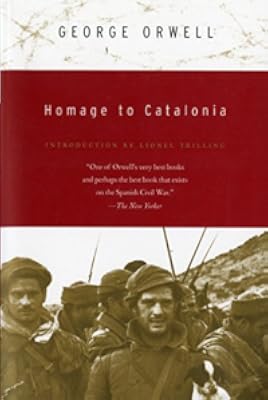
Homage to Catalonia
by George Orwell 
On This Page
Description
In 1936, George Orwell went to Spain to report on the civil war and instead joined the Worker's Party of Marxist Unity (P.O.U.M.) to fight against the Fascists. In this now justly famous account of his experience, he describes both the bleak and the comic aspects of trench warfare on the Aragon front, the Barcelona uprising in May 1937, his nearly fatal wounding just two weeks later, and his escape from Barcelona into France after the P.O.U.M. was suppressed. As important as the story of the show more war itself is Orwell's analysis of why the Communist Party sabotaged the workers' revolution and branded the P.O.U.M. as Trotskyist, which provides an essential key to understanding the outcome of the war and an ironic sidelight on international Communism. It was during this period in Spain that Orwell learned for himself the nature of totalitarianism in practice, an education that laid the groundwork for his great books Animal Farm and 1984. show lessTags
Recommendations





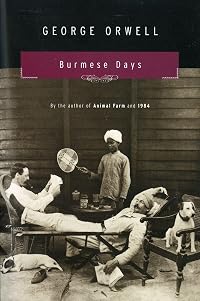
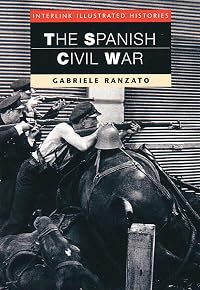

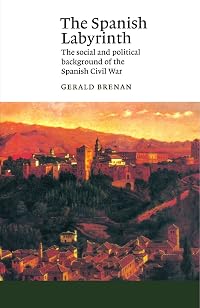

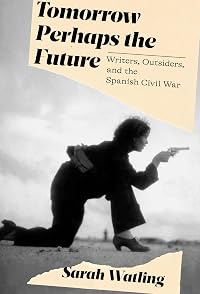


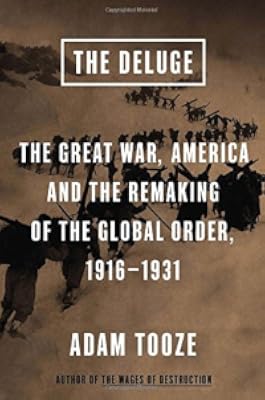
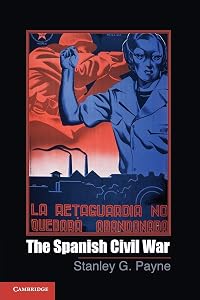

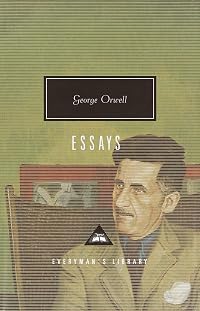
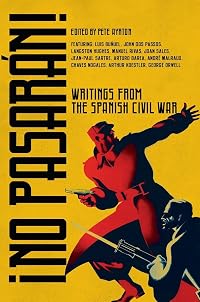




Member Recommendations
leigonj If you are generally interested in revolution/ civil war Reed's reportage from the Mexican Revolution (in some ways similar, in others quite different to Orwell's book) is well worth reading.
40

John_Vaughan The reporting of the politics behind the transfers, 'missing' and reorganization of Orwell's peers.
20


Member Reviews
A compelling book about the author's experiences in the Spanish Civil War, the main value of Homage to Catalonia is nevertheless as an insight into Orwell's beliefs and motivations. The war was not over when Orwell wrote and published this in 1938, and consequently many of his observations lack the necessary benefit of hindsight to become truly essential as a piece of history. The most readable parts of the book detail Orwell's impressions of the front lines – the trench warfare, the lice and what it was like to shoot and be shot at. His account of being shot in the throat by a Fascist sniper is very evocative; as he says with classic British understatement, "the whole experience of being hit by a bullet is very interesting and I show more think it is worth describing in detail." (pg. 177). A dry humour is evident throughout, not least when describing the various incompetencies and inefficiencies of the makeshift Spanish militias. My favourite was the grenade design where the lever was held down by a piece of tape (pg. 36), but special mention should go to this glorious passage on pages 185-6, concerning the afore-mentioned bullet wound:
"The wound was a curiosity in a small way and various doctors examined it with much clicking of tongues and 'Que suerte! Que suerte!' One of them told me with an air of authority that the bullet had missed the artery by 'about a millimetre'. I don't know how he knew. No one I met at this time – doctors, nurses, practicantes, or fellow-patients – failed to assure me that a man who is hit through the neck and survives it is the luckiest creature alive. I could not help thinking that it would be even luckier not to be hit at all."
Orwell is also good at describing the infighting amongst the various political sects on the Republican side and how the revolutionary ideals were thus compromised. Orwell volunteered for the civil war in Spain as a socialist idealist, and saw in the first few months of that war an atmosphere when "'comrade' stood for comradeship and not, as in most countries, for humbug." (pg. 102). He also saw the corruption of this revolutionary spirit as Stalinist-style communism began to tighten its grip over the Republic. It was this betrayal which was to have a dominant formative impact on Orwell, who retained his belief in democratic socialism but became aware of how it could be undermined so easily and willingly. There is much to be seen in Homage to Catalonia as a forerunner for the allegorical criticism of Stalinism in Animal Farm and the nature of the totalitarian regime in Nineteen Eighty-Four.
The 1943 essay 'Looking Back on the Spanish War', included in my Penguin edition (as in most editions) at the end of Homage to Catalonia, is also instructive here. Not only does it serve as a update on the author's views of the war after it had actually ended (in defeat for the Republicans) and therefore as an essential coda to the main work, but it also shows how the war influenced Orwell's two celebrated novels. The ideas about how, depending on who writes the histories, 'the lie will have become truth' (pg. 235), about how, if the Leader says so, two and two is five (pg. 236), and about how the long-term enemy of totalitarianism is the working class (pg. 238), foreshadowing the 'if there is hope, it lies in the proles' line, would all be expanded on in Nineteen Eighty-Four.
But this is not a parlour game for literary critics hoping to trace Orwell's influences. The main quality of Orwell's work is its contemporary relevance. The reason he remains an essential read is that his ideas on dictatorship, totalitarianism, censorship, politics and the corruptibility of human nature are fundamentally sound. Even in Homage to Catalonia, ostensibly an account of the author's participation in a long-forgotten war, we not only have the clear germination of eternal ideas expressed in Animal Farm and Nineteen Eighty-Four but, we can now see, other disquieting parallels to contemporary events. For example, when reading about how Russia was able to dictate terms to the Republicans because no other major power was willing to provide arms (pg. 53), I couldn't help but think about the ongoing Syrian civil war and how Western inaction has allowed Putin a free hand in the region. There really is nothing new under the sun. This is why Orwell matters; he discourages complacency in the democracies. When we fail to heed these warnings, it is our own damn fault; Orwell himself could scarcely do more. Political repression remains an ever-present threat, but in Orwell it has an evergreen opponent. show less
"The wound was a curiosity in a small way and various doctors examined it with much clicking of tongues and 'Que suerte! Que suerte!' One of them told me with an air of authority that the bullet had missed the artery by 'about a millimetre'. I don't know how he knew. No one I met at this time – doctors, nurses, practicantes, or fellow-patients – failed to assure me that a man who is hit through the neck and survives it is the luckiest creature alive. I could not help thinking that it would be even luckier not to be hit at all."
Orwell is also good at describing the infighting amongst the various political sects on the Republican side and how the revolutionary ideals were thus compromised. Orwell volunteered for the civil war in Spain as a socialist idealist, and saw in the first few months of that war an atmosphere when "'comrade' stood for comradeship and not, as in most countries, for humbug." (pg. 102). He also saw the corruption of this revolutionary spirit as Stalinist-style communism began to tighten its grip over the Republic. It was this betrayal which was to have a dominant formative impact on Orwell, who retained his belief in democratic socialism but became aware of how it could be undermined so easily and willingly. There is much to be seen in Homage to Catalonia as a forerunner for the allegorical criticism of Stalinism in Animal Farm and the nature of the totalitarian regime in Nineteen Eighty-Four.
The 1943 essay 'Looking Back on the Spanish War', included in my Penguin edition (as in most editions) at the end of Homage to Catalonia, is also instructive here. Not only does it serve as a update on the author's views of the war after it had actually ended (in defeat for the Republicans) and therefore as an essential coda to the main work, but it also shows how the war influenced Orwell's two celebrated novels. The ideas about how, depending on who writes the histories, 'the lie will have become truth' (pg. 235), about how, if the Leader says so, two and two is five (pg. 236), and about how the long-term enemy of totalitarianism is the working class (pg. 238), foreshadowing the 'if there is hope, it lies in the proles' line, would all be expanded on in Nineteen Eighty-Four.
But this is not a parlour game for literary critics hoping to trace Orwell's influences. The main quality of Orwell's work is its contemporary relevance. The reason he remains an essential read is that his ideas on dictatorship, totalitarianism, censorship, politics and the corruptibility of human nature are fundamentally sound. Even in Homage to Catalonia, ostensibly an account of the author's participation in a long-forgotten war, we not only have the clear germination of eternal ideas expressed in Animal Farm and Nineteen Eighty-Four but, we can now see, other disquieting parallels to contemporary events. For example, when reading about how Russia was able to dictate terms to the Republicans because no other major power was willing to provide arms (pg. 53), I couldn't help but think about the ongoing Syrian civil war and how Western inaction has allowed Putin a free hand in the region. There really is nothing new under the sun. This is why Orwell matters; he discourages complacency in the democracies. When we fail to heed these warnings, it is our own damn fault; Orwell himself could scarcely do more. Political repression remains an ever-present threat, but in Orwell it has an evergreen opponent. show less
This is the British journalist and author George Orwell’s memoirs of serving in a militia of a Spanish communist political party against the Fascists during the Spanish Civil War. He gives a raw, detailed description of his life as a poorly equipped soldier in a ragtag military unit determined to defeat a hated enemy, the Fascists, based on his personal belief at that time of equality for everyone. Sadly, war stories remain relevant, generation after generation. This particular account moved me deeply as I have a great love for the country of Spain, and this was such a difficult part of its history.
It was fascinating to read Orwell's detailed description about life as a militia man. He describes just about everything he experienced show more during the time he fought with the militia-—the environment, the weather, the living conditions, the deprivation, the actual warfare, his thoughts on being a soldier, his reactions to happenings around him. It had me pondering how much of what he experienced people in various contemporary wars still experience, although modern warfare is vastly different in so many ways.
Trying to understand the political factions involved in the Spanish Civil War was a bit head-spinning for me, but worthwhile nonetheless as it helped me understand more of what each of the individual parties represented. What I found especially eye-opening about his discussion of political parties was that it made me realize from where the author got his ideas for his future novels [Animal Farm] and [1984].
One specific thing that George Orwell had completely spot on in this book was describing how different news sources completely mangle and change the “facts” they report dependent for whom they work. The line he wrote, “...they agree on nothing except in putting the blame on the other side” made me laugh, albeit sadly.
The last part of this book was mesmerizing, unputdownable and soul-searing. It described Orwell’s hazardous last days in Spain, what happened to the men in the militia in which he served, and how he made it out of Spain.
I cannot recommend this book highly enough. Don't hestitate to get it and read it. show less
It was fascinating to read Orwell's detailed description about life as a militia man. He describes just about everything he experienced show more during the time he fought with the militia-—the environment, the weather, the living conditions, the deprivation, the actual warfare, his thoughts on being a soldier, his reactions to happenings around him. It had me pondering how much of what he experienced people in various contemporary wars still experience, although modern warfare is vastly different in so many ways.
Trying to understand the political factions involved in the Spanish Civil War was a bit head-spinning for me, but worthwhile nonetheless as it helped me understand more of what each of the individual parties represented. What I found especially eye-opening about his discussion of political parties was that it made me realize from where the author got his ideas for his future novels [Animal Farm] and [1984].
One specific thing that George Orwell had completely spot on in this book was describing how different news sources completely mangle and change the “facts” they report dependent for whom they work. The line he wrote, “...they agree on nothing except in putting the blame on the other side” made me laugh, albeit sadly.
The last part of this book was mesmerizing, unputdownable and soul-searing. It described Orwell’s hazardous last days in Spain, what happened to the men in the militia in which he served, and how he made it out of Spain.
I cannot recommend this book highly enough. Don't hestitate to get it and read it. show less
Homage to Catalonia excels in two ways: in providing a first-hand, "you are there" account of what life was like in Barcelona and at the front in the Spanish Civil Way, and in giving insight into the man who became the author of 1984 and Animal Farm.
On the former: George Orwell (real name, Eric Blair) volunteered to fight with the militia against Franco's forces in the war, and--as was also evident in Down and Out in Paris and London--he knows how to write a sensual narrative. The sights, sounds, and smells he describes bring the scenes and experiences to life. As my exposure to Homage to Catalonia was through an audiobook, I felt like I was in the presence of a gifted raconteur. (Kudos to the one reading Orwell's words. I thought I was show more with Orwell himself.)
On the latter: those with a simplistic understanding of the Spanish Civil War understand it to have been a proxy war between Hitler (supporting Franco) and Stalin (supporting the Nationalists). It was not that simple, especially on the anti-Franco side. There were many factions resisting Franco. In the end, the Soviet-supported factions ended up commandeering the Nationalist side, but that was only after heavy-handed assaults against competing factions.
Orwell fought against Franco and he was an admitted socialist, but he was no Communist. He deplored totalitarianism of any kind. But he also admits he was not much of a political thinker before his Spanish involvement, and as his was a faction that became a target for Soviet-backed persecution and brutality, it's likely his experiences in Spain that help mold him to produce his later thinly-disguised anti-Soviet allegories. In Homage to Catalonia, he intersperses his narrative chapters with those he labels his "political" ones, in which he describes all the complex factional infighting that was going on within the anti-Franco crowd. As all the factions were known by their initials, there are moments in these chapters where the reader can feel he is drowning in alphabet soup, but they do give a richer texture to what was keeping Spain in turmoil even far from the battlefront.
I have heretofore had only a cursory understanding of the Spanish Civil War myself. Coming away from Homage to Catalonia, I feel like a need to learn more. show less
On the former: George Orwell (real name, Eric Blair) volunteered to fight with the militia against Franco's forces in the war, and--as was also evident in Down and Out in Paris and London--he knows how to write a sensual narrative. The sights, sounds, and smells he describes bring the scenes and experiences to life. As my exposure to Homage to Catalonia was through an audiobook, I felt like I was in the presence of a gifted raconteur. (Kudos to the one reading Orwell's words. I thought I was show more with Orwell himself.)
On the latter: those with a simplistic understanding of the Spanish Civil War understand it to have been a proxy war between Hitler (supporting Franco) and Stalin (supporting the Nationalists). It was not that simple, especially on the anti-Franco side. There were many factions resisting Franco. In the end, the Soviet-supported factions ended up commandeering the Nationalist side, but that was only after heavy-handed assaults against competing factions.
Orwell fought against Franco and he was an admitted socialist, but he was no Communist. He deplored totalitarianism of any kind. But he also admits he was not much of a political thinker before his Spanish involvement, and as his was a faction that became a target for Soviet-backed persecution and brutality, it's likely his experiences in Spain that help mold him to produce his later thinly-disguised anti-Soviet allegories. In Homage to Catalonia, he intersperses his narrative chapters with those he labels his "political" ones, in which he describes all the complex factional infighting that was going on within the anti-Franco crowd. As all the factions were known by their initials, there are moments in these chapters where the reader can feel he is drowning in alphabet soup, but they do give a richer texture to what was keeping Spain in turmoil even far from the battlefront.
I have heretofore had only a cursory understanding of the Spanish Civil War myself. Coming away from Homage to Catalonia, I feel like a need to learn more. show less
“Everyone believes in the atrocities of the enemy and disbelieves in those of his own side, without ever bothering to examine the evidence.”
George Orwell’s memoir about his experiences as a volunteer in the Spanish Civil War fighting the fascists. He was a soldier in the POUM (Partido Obrero de Unificación Marxista), which was part of a loose coalition of left-leaning forces on the side of the Republic opposing Franco’s right-wing Nationalists. Orwell explains the organizations involved and the political in-fighting that accompanied their attempts to band together. He gradually became less idealistic and realized the likely outcome would be some form of dictatorship.
Orwell describes the fatigue and frustrations on the show more frontlines, where troops were equipped with outdated weapons, were poorly trained, and only sporadically encountered the enemy’s troops. His account is infused with irony and humor. He relates his excursions in Barcelona, and the street-fighting that occasionally ensued.
He was shot in the neck, and attempts to convey the experience:
“Roughly speaking it was the sensation of being at the centre of an explosion. There seemed to be a loud bang and a blinding flash of light all round me, and I felt a tremendous shock—no pain, only a violent shock, such as you get from an electric terminal; with it a sense of utter weakness, a feeling of being stricken and shrivelled up to nothing.”
He thought he would die:
“There must have been about two minutes during which I assumed that I was killed. And that too was interesting—I mean it is interesting to know what your thoughts would be at such a time. My first thought, conventionally enough, was for my wife. My second was a violent resentment at having to leave this world which, when all is said and done, suits me so well. I had time to feel this very vividly. The stupid mischance infuriated me. The meaninglessness of it! To be bumped off, not even in battle, but in this stale corner of the trenches, thanks to a moment’s carelessness!”
Eventually the POUM was outlawed, becoming a scapegoat for war, and Orwell (and his supportive wife) had to flee Spain to avoid arrest, and a high probability of execution. It is written in a straight-forward manner and is an interesting first-hand account of what it was like to live through this piece of history. It is easy to find the seeds of his future anti-totalitarian works in this memoir.
“Now that I can see this period in perspective I do not altogether regret it. I wish, indeed, that I could have served the Spanish Government a little more effectively; but from a personal point of view—from the point of view of my own development—those first three or four months that I spent in the line were less futile than I then thought. They formed a kind of interregnum in my life, quite different from anything that had gone before and perhaps from anything that is to come, and they taught me things that I could not have learned in any other way.” show less
George Orwell’s memoir about his experiences as a volunteer in the Spanish Civil War fighting the fascists. He was a soldier in the POUM (Partido Obrero de Unificación Marxista), which was part of a loose coalition of left-leaning forces on the side of the Republic opposing Franco’s right-wing Nationalists. Orwell explains the organizations involved and the political in-fighting that accompanied their attempts to band together. He gradually became less idealistic and realized the likely outcome would be some form of dictatorship.
Orwell describes the fatigue and frustrations on the show more frontlines, where troops were equipped with outdated weapons, were poorly trained, and only sporadically encountered the enemy’s troops. His account is infused with irony and humor. He relates his excursions in Barcelona, and the street-fighting that occasionally ensued.
He was shot in the neck, and attempts to convey the experience:
“Roughly speaking it was the sensation of being at the centre of an explosion. There seemed to be a loud bang and a blinding flash of light all round me, and I felt a tremendous shock—no pain, only a violent shock, such as you get from an electric terminal; with it a sense of utter weakness, a feeling of being stricken and shrivelled up to nothing.”
He thought he would die:
“There must have been about two minutes during which I assumed that I was killed. And that too was interesting—I mean it is interesting to know what your thoughts would be at such a time. My first thought, conventionally enough, was for my wife. My second was a violent resentment at having to leave this world which, when all is said and done, suits me so well. I had time to feel this very vividly. The stupid mischance infuriated me. The meaninglessness of it! To be bumped off, not even in battle, but in this stale corner of the trenches, thanks to a moment’s carelessness!”
Eventually the POUM was outlawed, becoming a scapegoat for war, and Orwell (and his supportive wife) had to flee Spain to avoid arrest, and a high probability of execution. It is written in a straight-forward manner and is an interesting first-hand account of what it was like to live through this piece of history. It is easy to find the seeds of his future anti-totalitarian works in this memoir.
“Now that I can see this period in perspective I do not altogether regret it. I wish, indeed, that I could have served the Spanish Government a little more effectively; but from a personal point of view—from the point of view of my own development—those first three or four months that I spent in the line were less futile than I then thought. They formed a kind of interregnum in my life, quite different from anything that had gone before and perhaps from anything that is to come, and they taught me things that I could not have learned in any other way.” show less
After being underwhelmed with Orwell thirty years ago in high school, I picked this book up to learn more about the Spanish civil war and to see what I thought about the author as an adult. I admire the simplicity and beauty of Orwell's prose, as well as the moral clarity he exhibits in the book. There's a lot to juggle: His own experience of the war, describing the complex political scene away from the front, brief meditations on objectivity and bias. The book is far, far better than it has any right to be, given how quickly he wrote it. Best description of being shot through the throat I've ever read. High School me was wrong: More Orwell is on my menu, and should be on yours too.
“Everyone believes in the atrocities of the enemy and disbelieves in those of his own side, without ever bothering to examine the evidence.”
George Orwell’s memoir about his experiences as a volunteer in the Spanish Civil War fighting the fascists. He was a soldier in the POUM (Partido Obrero de Unificación Marxista), which was part of a loose coalition of left-leaning forces on the side of the Republic opposing Franco’s right-wing Nationalists. Orwell explains the organizations involved and the political in-fighting that accompanied their attempts to band together. He gradually became less idealistic and realized the likely outcome would be some form of dictatorship.
Orwell describes the fatigue and frustrations on the show more frontlines, where troops were equipped with outdated weapons, were poorly trained, and only sporadically encountered the enemy’s troops. His account is infused with irony and humor. He relates his excursions in Barcelona, and the street-fighting that occasionally ensued.
He was shot in the neck, and attempts to convey the experience:
“Roughly speaking it was the sensation of being at the centre of an explosion. There seemed to be a loud bang and a blinding flash of light all round me, and I felt a tremendous shock—no pain, only a violent shock, such as you get from an electric terminal; with it a sense of utter weakness, a feeling of being stricken and shrivelled up to nothing.”
He thought he would die:
“There must have been about two minutes during which I assumed that I was killed. And that too was interesting—I mean it is interesting to know what your thoughts would be at such a time. My first thought, conventionally enough, was for my wife. My second was a violent resentment at having to leave this world which, when all is said and done, suits me so well. I had time to feel this very vividly. The stupid mischance infuriated me. The meaninglessness of it! To be bumped off, not even in battle, but in this stale corner of the trenches, thanks to a moment’s carelessness!”
Eventually the POUM was outlawed, becoming a scapegoat for war, and Orwell (and his supportive wife) had to flee Spain to avoid arrest, and a high probability of execution. It is written in a straight-forward manner and is an interesting first-hand account of what it was like to live through this piece of history. It is easy to find the seeds of his future anti-totalitarian works in this memoir.
“Now that I can see this period in perspective I do not altogether regret it. I wish, indeed, that I could have served the Spanish Government a little more effectively; but from a personal point of view—from the point of view of my own development—those first three or four months that I spent in the line were less futile than I then thought. They formed a kind of interregnum in my life, quite different from anything that had gone before and perhaps from anything that is to come, and they taught me things that I could not have learned in any other way.” show less
George Orwell’s memoir about his experiences as a volunteer in the Spanish Civil War fighting the fascists. He was a soldier in the POUM (Partido Obrero de Unificación Marxista), which was part of a loose coalition of left-leaning forces on the side of the Republic opposing Franco’s right-wing Nationalists. Orwell explains the organizations involved and the political in-fighting that accompanied their attempts to band together. He gradually became less idealistic and realized the likely outcome would be some form of dictatorship.
Orwell describes the fatigue and frustrations on the show more frontlines, where troops were equipped with outdated weapons, were poorly trained, and only sporadically encountered the enemy’s troops. His account is infused with irony and humor. He relates his excursions in Barcelona, and the street-fighting that occasionally ensued.
He was shot in the neck, and attempts to convey the experience:
“Roughly speaking it was the sensation of being at the centre of an explosion. There seemed to be a loud bang and a blinding flash of light all round me, and I felt a tremendous shock—no pain, only a violent shock, such as you get from an electric terminal; with it a sense of utter weakness, a feeling of being stricken and shrivelled up to nothing.”
He thought he would die:
“There must have been about two minutes during which I assumed that I was killed. And that too was interesting—I mean it is interesting to know what your thoughts would be at such a time. My first thought, conventionally enough, was for my wife. My second was a violent resentment at having to leave this world which, when all is said and done, suits me so well. I had time to feel this very vividly. The stupid mischance infuriated me. The meaninglessness of it! To be bumped off, not even in battle, but in this stale corner of the trenches, thanks to a moment’s carelessness!”
Eventually the POUM was outlawed, becoming a scapegoat for war, and Orwell (and his supportive wife) had to flee Spain to avoid arrest, and a high probability of execution. It is written in a straight-forward manner and is an interesting first-hand account of what it was like to live through this piece of history. It is easy to find the seeds of his future anti-totalitarian works in this memoir.
“Now that I can see this period in perspective I do not altogether regret it. I wish, indeed, that I could have served the Spanish Government a little more effectively; but from a personal point of view—from the point of view of my own development—those first three or four months that I spent in the line were less futile than I then thought. They formed a kind of interregnum in my life, quite different from anything that had gone before and perhaps from anything that is to come, and they taught me things that I could not have learned in any other way.” show less
George Orwell’s reputation rests on books that record his disillusionment with totalitarian efforts to perfect the world (Animal Farm) and eerily foretell many aspects of our postmodern world (1984). I decided to venture beyond these two books and read this, the memoir of his service in the Spanish Civil War.
I liked Orwell’s plain, straightforward style, which underlines the drama and tragedy he experienced more than pathos would have. He records what he personally experienced or was able to investigate and pours scorn on the intellectuals who opine from a safe distance. Even the chapters devoted to political analysis record, for the most part, the political intrigues that swirl around him.
One arc of the story is how Orwell sheds show more his political naïveté (to an extent). It was an experience, he is aware, that was not his alone: “I suppose no one spent more than a few weeks in Spain without being in some degree disillusioned.” He volunteered to fight in Spain because he felt that nothing was more important than to fight fascism. Soon he realizes, however, that Franco’s aim isn’t modern national socialism but the restoration of feudalism. More disturbingly—and more threatening to his safety—the anti-fascist forces behind the front lines expend more effort undermining each other than defeating their putative foe.
Orwell’s disenchantment with Soviet communism is complete. Although his disdain for the press is general, he reserves his greatest scorn for the communist propaganda organs. He seems offended that the Daily Worker could be even more mendacious than the Daily Mail. This doesn’t turn him into a poster boy for the right-wing, though. He continues to identify with the so-called anarchists because their devotion to revolution was more thoroughgoing. But his politics are not profoundly ideological; they are more a matter of an abiding sympathy with the working class; he yearns for greater equality as a first step toward improving humanity. When he asks himself what he is fighting for, the best answer he can come up with is “common decency.” It seems the kind of goal an English revolutionary would come up with. Not exactly something you could paint on a banner and run up a flagpole, but there are certainly worse political agendas.
There are no brilliant neologisms in this book to add to “newspeak” and Orwell’s other undying contributions to our vocabulary. Nevertheless, the hallmarks of his more famous books are present here, such as his revulsion “that the very concept of objective truth is fading out of the world.” And this book also contains one of the best chapter conclusions I’ve read in a long time. After serving on the front line in the mountains of Aragon for 115 days, his unit is granted leave. They “were in Barcelona by three o’clock in the afternoon of the 26th. And after that the trouble began.” show less
I liked Orwell’s plain, straightforward style, which underlines the drama and tragedy he experienced more than pathos would have. He records what he personally experienced or was able to investigate and pours scorn on the intellectuals who opine from a safe distance. Even the chapters devoted to political analysis record, for the most part, the political intrigues that swirl around him.
One arc of the story is how Orwell sheds show more his political naïveté (to an extent). It was an experience, he is aware, that was not his alone: “I suppose no one spent more than a few weeks in Spain without being in some degree disillusioned.” He volunteered to fight in Spain because he felt that nothing was more important than to fight fascism. Soon he realizes, however, that Franco’s aim isn’t modern national socialism but the restoration of feudalism. More disturbingly—and more threatening to his safety—the anti-fascist forces behind the front lines expend more effort undermining each other than defeating their putative foe.
Orwell’s disenchantment with Soviet communism is complete. Although his disdain for the press is general, he reserves his greatest scorn for the communist propaganda organs. He seems offended that the Daily Worker could be even more mendacious than the Daily Mail. This doesn’t turn him into a poster boy for the right-wing, though. He continues to identify with the so-called anarchists because their devotion to revolution was more thoroughgoing. But his politics are not profoundly ideological; they are more a matter of an abiding sympathy with the working class; he yearns for greater equality as a first step toward improving humanity. When he asks himself what he is fighting for, the best answer he can come up with is “common decency.” It seems the kind of goal an English revolutionary would come up with. Not exactly something you could paint on a banner and run up a flagpole, but there are certainly worse political agendas.
There are no brilliant neologisms in this book to add to “newspeak” and Orwell’s other undying contributions to our vocabulary. Nevertheless, the hallmarks of his more famous books are present here, such as his revulsion “that the very concept of objective truth is fading out of the world.” And this book also contains one of the best chapter conclusions I’ve read in a long time. After serving on the front line in the mountains of Aragon for 115 days, his unit is granted leave. They “were in Barcelona by three o’clock in the afternoon of the 26th. And after that the trouble began.” show less
Members
- Recently Added By
Lists

Best Biographies, Autobiographies and Memoirs
465 works; 160 members

Really Good Narrative Non-Fiction
65 works; 24 members

LT picks: Blue Books
197 works; 39 members

Stories of War and Revolution
143 works; 54 members

Best Autobiographies and Memoirs
370 works; 67 members

Witness from the front: accounts of war, revolution, and strife
23 works; 5 members

TED 2013 Summer Reading List
190 works; 13 members

Top Five Books of 2014
1,064 works; 398 members

Best Travel Writing - Non-Fiction
110 works; 6 members

Non-Fiction Worth Reading
1,015 works; 255 members

Memoirs - Mary Karr
14 works; 1 member

Modern Library 100 Best Nonfiction Books
100 works; 8 members

España, work in progress
21 works; 1 member

Entender el mundo
46 works; 1 member

Europe
205 works; 6 members

Non-Fiction
68 works; 1 member

Sense of place
156 works; 13 members

Our Favorite Comfort Reads
334 works; 200 members

España en cien libros
100 works; 1 member
THE WAR ROOM
813 works; 24 members
Books We Want To Read Again For The First Time
384 works; 160 members

Reading LIst
648 works; 1 member

Neuro Pride Book Club Book Shares
98 works; 1 member

el
1,139 works; 1 member

Folio Society
831 works; 53 members

1930s
262 works; 5 members
Five star books
1,757 works; 108 members

Books Read in 2017
4,249 works; 129 members

Best War Fiction Books
41 works; 4 members
Books about the Spanish Civil War
57 works; 3 members

BBC Radio 4 Bookclub
340 works; 13 members
War Literature
101 works; 19 members

Books Read in 2014
2,343 works; 89 members

20th Century Literature
1,161 works; 55 members

Books cited in Progress by Samuel McDonald
160 works; 1 member
Author Information

390+ Works 221,308 Members
George Orwell was born Eric Arthur Blair on June 25, 1903 in Motihari in Bengal, India and later studied at Eton College for four years. He was an assistant superintendent with the Indian Imperial Police in Burma. He left that position after five years and moved to Paris, where he wrote his first two books: Burmese Days and Down and Out in Paris show more and London. He then moved to Spain to write but decided to join the United Workers Marxist Party Militia. After being decidedly opposed to communism, he served in the British Home Guard and with the Indian Service of the BBC during World War II. After the war, he wrote for the Observer and was literary editor for the Tribune. His best known works are Animal Farm and 1984. His other works include A Clergyman's Daughter, Keep the Aspidistra Flying, The Road to Wigan Pier, Homage to Catalonia, and Coming Up for Air. He died on January 21, 1950 at the age of 46. (Bowker Author Biography) show less
George Orwell has a Legacy Library. Legacy libraries are the personal libraries of famous readers, entered by LibraryThing members from the Legacy Libraries group.
Some Editions
Awards and Honors
Notable Lists
Torchlight List (#161)
Series
Belongs to Publisher Series
Work Relationships
Is contained in
Selected Works: Down and Out in Paris and London, Homage to Catalonia, The Road to Wigan Pier, Selections from Essays and Journalism, 1931-1949 by George Orwell
Has the adaptation
Is abridged in
Common Knowledge
- Canonical title
- Homage to Catalonia
- Original title
- Homage to Catalonia
- Alternate titles*
- Afscheid van Catalonië (tweede dr.) (tweede dr.)
- Original publication date
- 1938
- People/Characters
- George Orwell; Georges Kopp; Jorge Roca (Orwell&rsquo | s battalion commander); Benjamin Levinski (Orwell&rsquo | s Polish Jewish Captain)
- Important places
- Barcelona, Catalonia, Spain; Catalonia, Spain; Spain
- Important events
- Spanish Civil War (1936 | 1939)
- Related movies
- Land and Freedom (1995 | IMDb)
- Epigraph
- Answer not a fool according to his folly, lest thou be like unto him. Answer a fool according to his folly, lest he be wise in his own conceit. Proverbs XXVI, 5-6
- First words
- In the Lenin Barracks in Barcelona, the day before I joined the militia, I saw an Italian militiaman standing in front of the officers' table.
- Quotations
- ...beware of my partisanship, my mistakes of fact and the distortion inveitably caused by my having seen only one corner of events.
In war, all soldiers are lousy, at least when it is warm enough.
But I would sooner be a foreigner in Spain than in most countries. How easy it is to make friends in Spain!
The chief excitement was the arrival of Fascist deserters, who were brought under guard from the front line. Many of the troops opposite us on this part of the line were not Fascists at all, merely wretched conscripts who has... (show all) been doing their military service at the time when war broke out and were only too anxious to escape.
It was the first time in my life I had fired a gun at a human being.
In this war, everyone always did miss everyone else, when it was humanly possible.
I was breathing the air of equality, and I was simple enough to imagine that it existed all over Spain. I did not realize that more or less by chance I was isolated among the most revolutionary section of the Spanish working ... (show all)class.
The way in which the working class in the democratic countries could really have helped her Spanish comrades was by industrial action—strikes and boycotts.
One had been in a community where hope was more normal than apathy or cynicism, where the word ‘comrade’ stood for comradeship and not, as in most countries, for humbug. One had breathed the air of equality.
Orwell takes his place with these men as a figure. In one degree or another—they are geniuses, and he is not—if we ask what it is he stands for, what he is the figure of, the answer usually: the virtue of not being a geni... (show all)us, of fronting the world with nothing more than one’s simple, direct, undeceived intelligence, and a respect for the powers one does have, and the work one undertakes to do. (Introduction, by Lionel Trilling)
Not very much attention was paid to his truth—his book sold poorly in England, it had to be remaindered, it was not published in America, and the people to whom it should have said most responded to it not at all. (Introduc... (show all)tion, by Lionel Trilling)
You could not, as before, ‘agree to differ’ and have drinks with a man who was supposedly your political opponent.
It is a horrible thing to have to enter into the details of inter-party polemics; it is like diving into a cesspool.
There are occasions when it pays better to fight and be beaten than not to fight at all.
...they agree on nothing except in putting the blame on the other side.
The fact is that every war suffers a kind of progressive degradation with every month that it continues, because such things as individual liberty and a truthful press are simply not compatible with military efficiency. - Last words
- (Click to show. Warning: May contain spoilers.)Down here it was still the England I had known in my childhood: the railway-cuttings smothered in wild flowers, the deep meadows where the great shining horses browse and meditate, the slow-moving streams bordered by willows, the green bosoms of the elms, the larkspurs in the cottage gardens; and then the huge peaceful wilderness of outer London, the barges on the miry river, the familiar streets, the posters telling of cricket matches and Royal weddings, the men in bowler hats, the pigeons in Trafalgar Square, the red buses, the blue policemen--all sleeping in the deep, deep sleep of England, from which I sometimes fear that we shall never wake till we are jerked out of it by the roar of bombs.
- Blurbers
- Beevor, Antony; Shelden, Michael; Kazin, Alfred
- Original language
- English UK
- Disambiguation notice
- This is the complete unabridged Homage to Catalonia only. Please do not combine with abridged works or those which contain other essays, stories, etc.
*Some information comes from Common Knowledge in other languages. Click "Edit" for more information.
Classifications
- Genres
- Biography & Memoir, History, Nonfiction, General Nonfiction
- DDC/MDS
- 946.081 — History & geography History of Europe Spain & Portugal Spain Second Republic; Dictatorship; Juan Carlos I; Felipe VI 1931- Second Republic; Spanish Civil War
- LCC
- DP269.9 .O713 — History of Europe, Asia, Africa and Oceania Spain – Portugal History of Spain History By period Modern Spain, 1479/1516- 20th century. 1886- Second Republic, 1931-1939 Civil War, 1936-1939
- BISAC
Statistics
- Members
- 7,141
- Popularity
- 1,641
- Reviews
- 130
- Rating
- (4.08)
- Languages
- 22 — Catalan, Czech, Danish, Dutch, English, Estonian, Finnish, French, German, Greek, Hungarian, Italian, Japanese, Korean, Lithuanian, Norwegian, Polish, Romanian, Spanish, Swedish, Turkish, Portuguese (Portugal)
- Media
- Paper, Audiobook, Ebook
- ISBNs
- 150
- UPCs
- 1
- ASINs
- 94