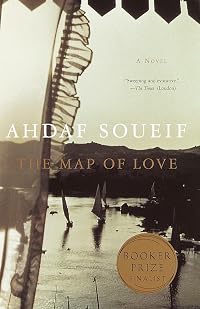
The Map of Love
by Ahdaf Soueif
On This Page
Description
Spanning three continents and the course of a century, The Map of Love traces a transcendent cross-cultural love affair back to its dramatic precursor generations earlier. Isabel Parkman, a divorced American journalist, has fallen in love with a gifted and difficult Egyptian-American conductor. Shadowing her romance is the courtship of her great-grandparents Anna and Sharif nearly one hundred years before. In 1900 the recently widowed Anna Winterbourne left England for Egypt, an outpost of show more the Empire roiling with political sentiment. She soon found herself enraptured by the real Egypt and in love with Sharif Pasha al-Baroundi, an Egyptian nationalist. When Isabel, in an attempt to discover the truth behind her heritage, reenacts Anna's excursion to Egypt, the story of her great-grandparents unravels before her, revealing startling parallels to her own life. Combining the romance and intricate narrative of a nineteenth-century novel with a very modern sense of culture and politics--both sexual and international--Ahdaf Soueif has created a thoroughly seductive and mesmerizing tale. -- Back cover. show lessTags
Recommendations
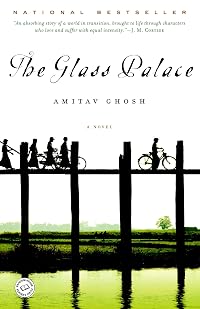
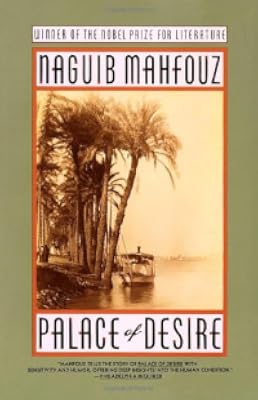
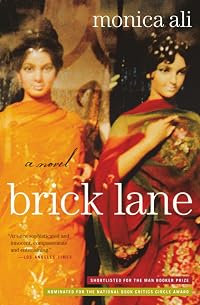
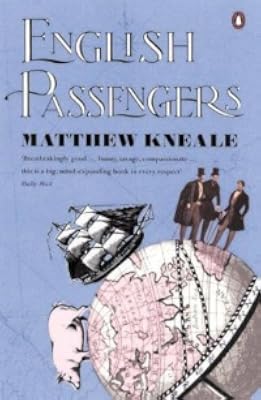
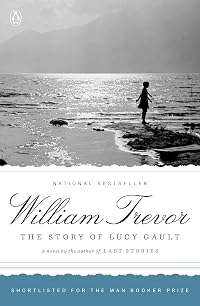
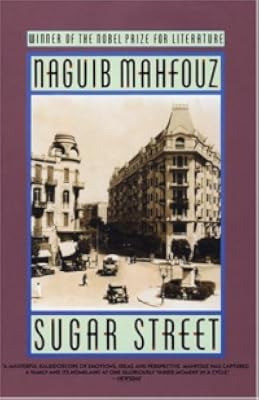
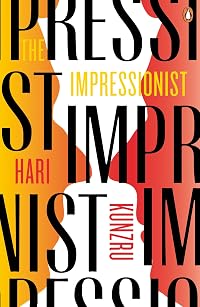

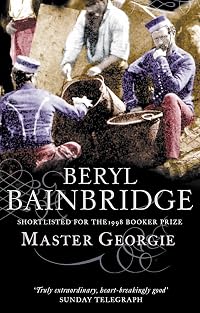

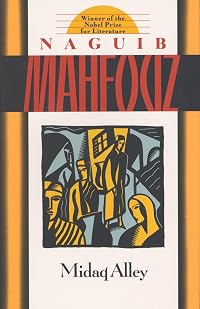
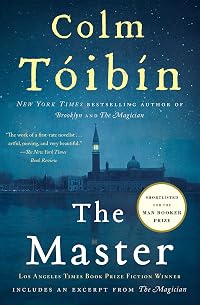
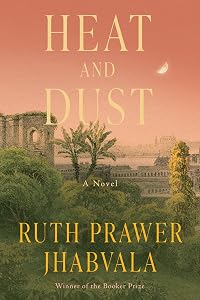

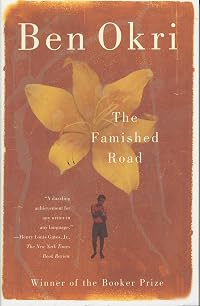
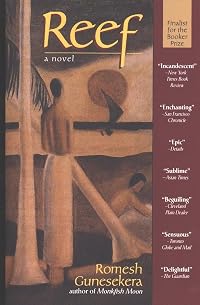
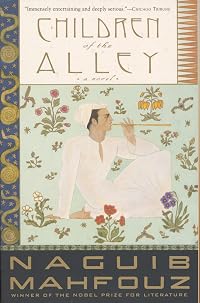

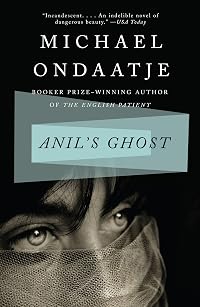





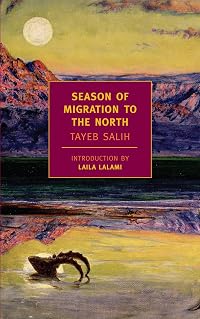
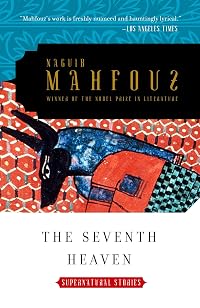

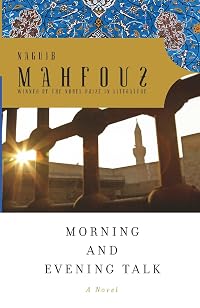

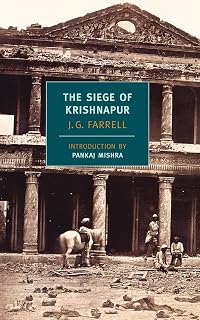
Member Recommendations
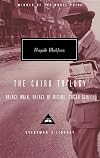
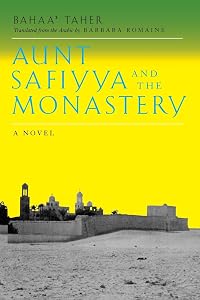
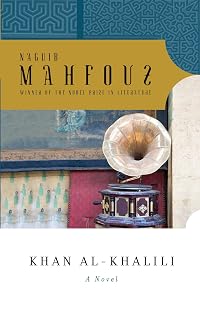
jennybhatt Also set in Egypt and gets deep into the historical events of the time and their socio-cultural impacts. Beautifully-told by a Nobel Literature winner,
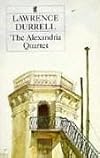
jennybhatt Each book re-tells the same story with the same characters, essentially, but from entirely different points of view so that you never feel like you're reading the same book again. The 4th book is set in Corfu and 6 years later.
Member Reviews
“So. Tell me. What do you think? Which is better? To take action and perhaps make a fatal mistake - or to take no action and die slowly anyway?”
This novel centres on three women of three differing nationalities, Egyptian, American, English, one of whom lived nearly a century earlier than the other two. An American woman arrives in Cairo looking for someone to interpret the contents of a trunk that she has inherited. Once there she is befriended by an Egyptian woman who agrees to helps her with the task.
The lives of the women are not portrayed in a linear fashion, rather the author reveals each of them piecemeal meaning that the reader discovers the characters and their stories in a way that is akin to how they might unpack the show more contents of the trunk that is at the heart of the book. Thus the three intersecting stories are revealed to the reader at much the same pace as they are to the characters themselves. This did, however, also mean that it took me a few chapters to realise who was actually telling the story. The family tree at the front of the book was a big help here.
In 1997 American Isabel Parkman, discovers amongst her mother's belongings a trunk and meets and falls in love with, Omar al-Ghamrawi, a famous Egyptian conductor who is known not only for his musical ability but also for his espousal of the Arab cause. As Isabel starts going through the contents of the trunk she realises that, unbeknown to her,she has Egyptian ancestry. Her English great-grandmother, Anna Winterbourne,had married Egyptian, Sharif el-Baroudi, in 1901. On telling Omar about the trunk he suggests that she should take it to Cairo and show it to his sister, Amal, in the hope that she might help translate the Arabic portion of the journals.
Amal immerses herself in Anna's story and in particular the love affair between Anna and the Egyptian nationalist leader who became her husband. Widowed Anna travelled to Egypt in 1900 after her husband's death. Once there she comes to dislike the insular lives of most of the colonial Britons that she meets there. Unlike most of her country men and women she wants to learn the language and about the indigenous people. She wants to experience a side of Egypt that the colonials ignore and one day disguised as a man in order to see the beauties of the Sinai Desert, she and her guide are captured by young nationalists. Her captives are appalled when they learn of her true identity and in their panic hand her over in to the care of the sister of an influential Egyptian lawyer, the man who will come her future husband.
As the two women's' friendship grows so does Anna's doubts about the British occupation of the country, gradually seeing her own nation's presence as being deeply malign as Egypt strives to free itself from the auspices of the disintegrating Ottoman Empire. The longer Anna spends in the country the more sympathetic she becomes towards the Egyptians' cause. Nor do the repercussions of British rule end there. Nearly one hundred years on the legacies of British occupation continue to affect Amal's generation.
Although Britain's influence in Egypt has an important role to play in this novel as it's title would suggest love is the most important element. In particular the fact that love unlike romance comes in many different forms, love of country; love of nature; spiritual love; sensual love; love between family members and friends; love between differing generations.
Soueif cleverly gives an quick oversight of a century of Egyptian politics (unsurprisingly from the biased standpoint of the Egyptians themselves) and in doing so she conveys the sense that whereas love can bind people and nations together politics often only separates them. Equally neither can be fully resolved in one generation instead the ramifications of both are still to be revealed, like a trunk passed from one generation to the next.
''That is the beauty of the past; there it lies on the table: journals, pictures, a candle-glass, a few books of history. . . . You can leaf forward and know the end. And you tell the story that they, the people who lived it, could only tell in part.''
I found this an accomplished piece of writing from an author whom I had not previously read before, an surprisingly engaging and detailed portrayal of LOVE in its many forms. show less
This novel centres on three women of three differing nationalities, Egyptian, American, English, one of whom lived nearly a century earlier than the other two. An American woman arrives in Cairo looking for someone to interpret the contents of a trunk that she has inherited. Once there she is befriended by an Egyptian woman who agrees to helps her with the task.
The lives of the women are not portrayed in a linear fashion, rather the author reveals each of them piecemeal meaning that the reader discovers the characters and their stories in a way that is akin to how they might unpack the show more contents of the trunk that is at the heart of the book. Thus the three intersecting stories are revealed to the reader at much the same pace as they are to the characters themselves. This did, however, also mean that it took me a few chapters to realise who was actually telling the story. The family tree at the front of the book was a big help here.
In 1997 American Isabel Parkman, discovers amongst her mother's belongings a trunk and meets and falls in love with, Omar al-Ghamrawi, a famous Egyptian conductor who is known not only for his musical ability but also for his espousal of the Arab cause. As Isabel starts going through the contents of the trunk she realises that, unbeknown to her,she has Egyptian ancestry. Her English great-grandmother, Anna Winterbourne,had married Egyptian, Sharif el-Baroudi, in 1901. On telling Omar about the trunk he suggests that she should take it to Cairo and show it to his sister, Amal, in the hope that she might help translate the Arabic portion of the journals.
Amal immerses herself in Anna's story and in particular the love affair between Anna and the Egyptian nationalist leader who became her husband. Widowed Anna travelled to Egypt in 1900 after her husband's death. Once there she comes to dislike the insular lives of most of the colonial Britons that she meets there. Unlike most of her country men and women she wants to learn the language and about the indigenous people. She wants to experience a side of Egypt that the colonials ignore and one day disguised as a man in order to see the beauties of the Sinai Desert, she and her guide are captured by young nationalists. Her captives are appalled when they learn of her true identity and in their panic hand her over in to the care of the sister of an influential Egyptian lawyer, the man who will come her future husband.
As the two women's' friendship grows so does Anna's doubts about the British occupation of the country, gradually seeing her own nation's presence as being deeply malign as Egypt strives to free itself from the auspices of the disintegrating Ottoman Empire. The longer Anna spends in the country the more sympathetic she becomes towards the Egyptians' cause. Nor do the repercussions of British rule end there. Nearly one hundred years on the legacies of British occupation continue to affect Amal's generation.
Although Britain's influence in Egypt has an important role to play in this novel as it's title would suggest love is the most important element. In particular the fact that love unlike romance comes in many different forms, love of country; love of nature; spiritual love; sensual love; love between family members and friends; love between differing generations.
Soueif cleverly gives an quick oversight of a century of Egyptian politics (unsurprisingly from the biased standpoint of the Egyptians themselves) and in doing so she conveys the sense that whereas love can bind people and nations together politics often only separates them. Equally neither can be fully resolved in one generation instead the ramifications of both are still to be revealed, like a trunk passed from one generation to the next.
''That is the beauty of the past; there it lies on the table: journals, pictures, a candle-glass, a few books of history. . . . You can leaf forward and know the end. And you tell the story that they, the people who lived it, could only tell in part.''
I found this an accomplished piece of writing from an author whom I had not previously read before, an surprisingly engaging and detailed portrayal of LOVE in its many forms. show less
This is a wonderful book, in which 2 distant cousins (1 Egyptian, 1 American) piece together the hundred year old romance of the American cousin's English great-grandmother and Egyptian great-grandfather. But it's not just a love story, there is a lot of history and politics in there, comparing the situation of Egypt then (nominally ruled by the Turks, but under the control of the British) and now (pressurised by the Americans and the World Bank). I enjoyed it much more than I expected, due to the many facets of the story.
The Map of Love By Adaf Soueif
Beautifully written love story set against both contemporary Egypt and the early 20th century tumultuous British occupation. There is much detail about Egyptian history and the culture of the Arabic society, related in letters and dialogue. While it might be advantageous to have a background in this era, the broad outline is apparent and accessible.
At the heart is a family history and a love story, the intertwining of two cultures- the lovely British Lady Anna and the upperclass Egyptian lawyer Sharif Basha al-Baroudi who can only converse together in French.
The beautifully described scenery, the family home, the color and feel of the women's silk gowns were vivid. Indeed, when Amal writes, after reading show more Lady Anna's 1901 journal entry about her betrothal . . .
"Looking up from Anna’s journal I am, for a moment, surprised to find myself in my own bedroom, her trunk standing neatly by the wall, my bed, the top sheet folded back, waiting for me to ease myself in. I had been so utterly in that scene, in the hall of the old house, in my great-grandmother’s haramlek. My heart had beaten in time with Anna’s ..."
- I felt exactly how she felt, so immersed was I in the story. The events that affect this family had deep roots that continue to be felt in this troubled region of the world today. show less
Beautifully written love story set against both contemporary Egypt and the early 20th century tumultuous British occupation. There is much detail about Egyptian history and the culture of the Arabic society, related in letters and dialogue. While it might be advantageous to have a background in this era, the broad outline is apparent and accessible.
At the heart is a family history and a love story, the intertwining of two cultures- the lovely British Lady Anna and the upperclass Egyptian lawyer Sharif Basha al-Baroudi who can only converse together in French.
The beautifully described scenery, the family home, the color and feel of the women's silk gowns were vivid. Indeed, when Amal writes, after reading show more Lady Anna's 1901 journal entry about her betrothal . . .
"Looking up from Anna’s journal I am, for a moment, surprised to find myself in my own bedroom, her trunk standing neatly by the wall, my bed, the top sheet folded back, waiting for me to ease myself in. I had been so utterly in that scene, in the hall of the old house, in my great-grandmother’s haramlek. My heart had beaten in time with Anna’s ..."
- I felt exactly how she felt, so immersed was I in the story. The events that affect this family had deep roots that continue to be felt in this troubled region of the world today. show less
A bit sentimental, and pushes rather a lot of the obvious postcolonial buttons, but I enjoyed it. A good fast read, for all its 500 pages, and plenty of Egyptian atmosphere. The "now-and-then" historical novel form isn't exactly untrodden ground, but Soueif makes a very competent job of it: even Lady Anna's slightly stilted Victorian prose sounds almost right. The only point where it goes right over the top is the camel expedition into the Sinai desert. But, as she says herself later in the book: "there have to be camels". You couldn't really imagine a novel about Egypt for Western readers that doesn't include camels and a bit of "native dress".
Compelling and complex, this book turned out to be somewhat different from what I had expected. Isabel, a young American woman, is given her English great-grandmother's trunk, containing her diaries and mementos from her travels in Egypt, where she fell in love and married. Isabel travels to Egypt herself to connect with her heritage and discover her family's history. I expected the love story to be central to the book, and while it plays a big part, the book offers a great deal of political analysis of colonial and modern-day Egypt. The narrative shifts between 1st and 3rd person, past and present, several narrators, as well as diary entries and letters - this should be confusing, but I didn't find it so. The result is a beautifully show more written, vibrant and utterly fascinating novel which should be read and savoured slowly. This is not a quick and easy read, but a very rewarding one. show less
This book convinced me to marry my husband. The story centeres on characters whose lives are profoundly affected by global events of their time. It reminded me how defenseless life and love can be against politics, violence and prejudice. Moments of happiness are precious yet choices for love deemed frivilous. On the other hand, sacrifices for country, religion, ideology are celebrated. This story made me wonder if it would be better the other way around.
This lyrical book paints a vivid and moving picture of colonial and modern-day Egypt, and allows the reader to catch a glimpse of the inherently different ways its history is viewed by East and West. Beautiful descriptions and tender scenes invite the reader to share the pain and the joy of cross-cultural relationships. The modern-day love story echoes the one from the past, showing how little some things have changed in the last hundred years in Egypt. I highly recommend this beautifully written book.
Members
- Recently Added By
Lists

The Guardian's 1000 Novels Everyone Must Read
1,005 works; 550 members

Booker Prize
491 works; 62 members

Best African Books
126 works; 46 members
Booker Prize Shortlist: Titles Read
103 works; 10 members

Man Booker Prize Longlist 1999
6 works; 2 members

Books Read in 2008
335 works; 8 members

A Novel Cure
742 works; 23 members

To read
9 works; 1 member

BBC World Book Club
265 works; 5 members

World Book Club (BBC World Service)
212 works; 1 member
Author Information

13+ Works 2,553 Members
Ahdaf Soueif was born in Cairo and educated in Egypt and England. She lives in London. (Bowker Author Biography)
Awards and Honors
Series
Belongs to Publisher Series
Common Knowledge
- Canonical title
- The Map of Love
- Original title
- The Map of Love
- Original publication date
- 1999
- People/Characters
- Lady Anne Winterbourne; Sharif ; Isabel Parkman; Sir Charles Winterbourne; Edward Winterbourne; 'Omar al-Ghamrawi (show all 7); Amal
- Important places
- Cairo, Egypt; Alexandria, Egypt; New York, USA; London, England, UK
- Epigraph
- It is strange that this period [1900-1914] when the Colonialists and their collaborators thought everything was quiet - was one of the most fertile in Egypt's history. A great examination of the self took place, and a great r... (show all)echarging of energy in preparation for a new Renaissance.
-- Gamal 'Abd el-Nasser The Covenant 1962
Even God cannot change the past.
-- Agathon (447-401 BC) - Dedication
- For Ian
- First words
- - and there, on the table under her bedroom window, lies the voice that has set her dreaming again.
- Last words
- (Click to show. Warning: May contain spoilers.)'Hush, my precious,' she whispers, 'hush...'
- Blurbers
- Sutherland, John
Classifications
Statistics
- Members
- 1,773
- Popularity
- 12,386
- Reviews
- 35
- Rating
- (3.64)
- Languages
- 8 — Dutch, English, German, Italian, Portuguese, Romanian, Spanish, Swedish
- Media
- Paper, Ebook
- ISBNs
- 23
- ASINs
- 6