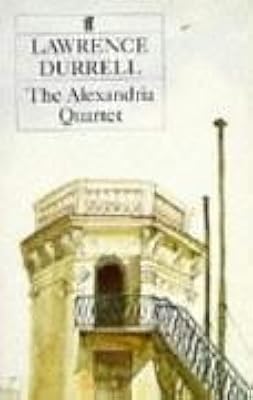
The Alexandria Quartet
by Lawrence Durrell 
Alexandria Quartet (Collections and Selections — Omnibus 1-4)
On This Page
Description
A four-part story of passion and betrayal in the Mediterranean—voted one of the Modern Library’s 100 Best Novels of the twentieth century.The Alexandria Quartet is a striking and sensuous masterpiece, breathing vivid life into each of its unforgettable characters and the dusty Mediterranean city in which they live. Set in Alexandria, Egypt, in the years before, during, and after World War II, the books follow the lives of a circle of friends and lovers, including sensitive Darley, show more passionate Justine, philosophical Balthazar, and elegant Clea. Written in Durrell’s trademark evocative prose, these four novels explore the central theme of modern love, building into a remarkable whole that the New York Times hailed as “one of the most important works of our time.” This ebook features a new introduction by Jan Morris.. show less
Tags
Recommendations


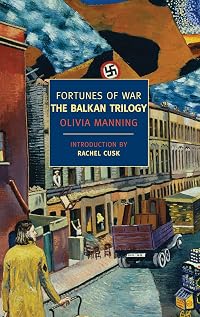

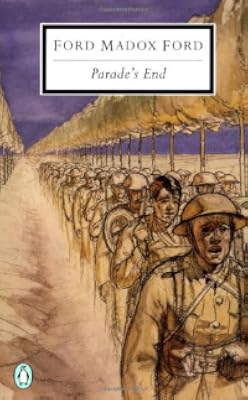


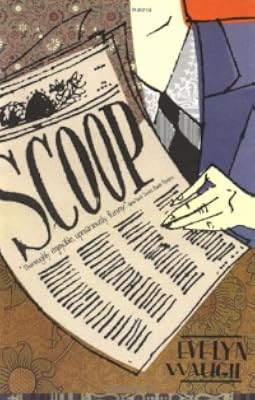

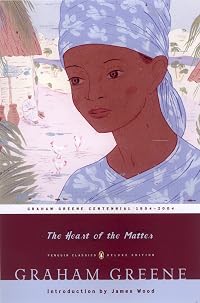
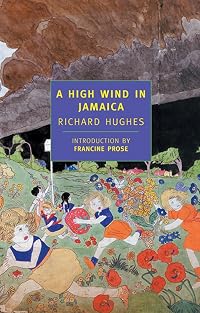


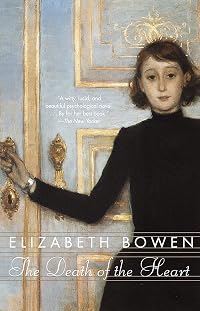







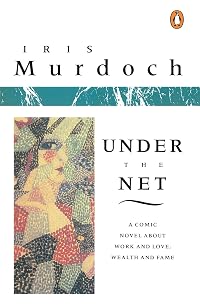

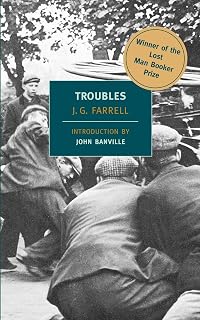
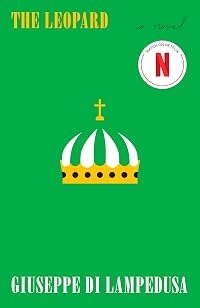
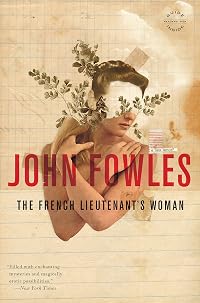





Member Recommendations

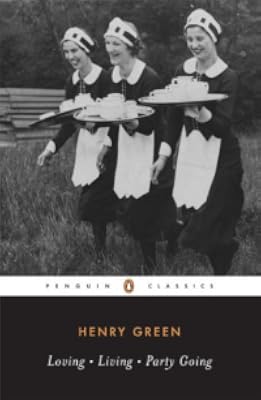
Cecrow Another highly acclaimed four-part series where different perspectives offer different views into truth.

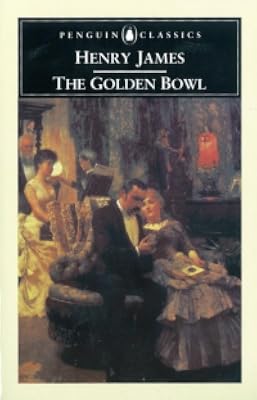
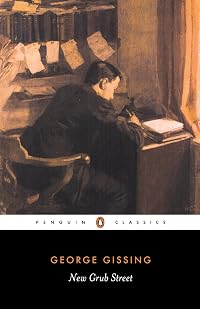
WSB7 The exploration of the play between the book's characters and the "society" of a great old city is intersting in both works.
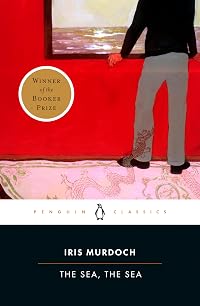
wandering_star Surveyor is also about how the ground can shift under your feet when you find out something new about someone.

Member Reviews
Mountolive
Back in the 1990s, I borrowed the omnibus edition of The Alexandria Quartet by Lawrence Durrell from the Daly Community Library, the subscription library I’d joined within six months of arriving in Abu Dhabi. I was aware of the quartet, although I forget where I first came across mention of it. However, for some reason I never got around to starting it, and took it back unread. A few months later, I was in Dubai and I came across the Penguin US boxed paperback editions of all four books in, I think, a book shop in the Dubai Mall. I bought it. I read the books. And was so impressed, I began hunting down everything by Durrell I could find. I now have an extensive collection of first editions and limited edition chapbooks by show more Durrell, including first editions of his first two novels, Pied Piper of Lovers and Panic Spring (as by Charles Norden).
I’ve been meaning to reread the Alexandria Quartet for years, but never got around to it until recently. I read Justine and Balthazar last year, but was not reviewing the books I read at the time. I was, however, just as taken with the two books as I had been all those years ago – more so, perhaps. It had not struck me before how cleverly plotted the Alexandria Quartet is. Everyone remembers the lush prose, the setting, the cast of expatriates, and the various relationships, especially that of the opening novel between Darley and Justine… but there’s much more to the quartet than initially seems, and it’s in Mountolive that it comes into focus.
The title character is a member of the Foreign Office, assigned to Egypt, where he makes friends with the Hosnani family. He has an affair with Leila Hosnani, the mother of Nessim and Narouz (Nessim is the husband of Justine). Mountolive is moved on to other postings, gradually rising up the ranks, until he finally returns to Egypt as ambassador, shortly before the events described in Justine and annotated in Balthazar. In the years since, Leila has survived a bout of smallpox and is now disfigured and a complete recluse.
Meanwhile, Pursewarden has had a disagreement with Maskelyne, the head of intelligence at the embassy, particularly over the role of the Hosnanis in Egyptian, and Middle Eastern, politics. Maskelyne is sent to Palestine. Later, Pursewarden discovers Maskelyne was right, and commits suicide.
Mountolive is the pivot around which the story of the Alexandria Quartet revolves. It is the actions of the Hosnani family, and their secret project, and the clues regarding it uncovered by Darley, Clea and others, which explains the actions of the characters in the preceding two books. It all slots together like a piece of precision engineering. The lush writing is still there, and there are some eye-opening sequences in Mountolive. The commentary on Egyptian politics is all you would expect of a Brit who lived in the country during WWII. There is an invented figure who reads like a parody of the venal, corrupt Middle Eastern politician.
The last time I read the quartet, I seem to remember Mountolive being something of a disappointment after Justine and Balthazar. It’s written in the third-person, unlike the other two, and Mountolive is far more reserved than the rest of the cast. But this time I liked it more, more even than Justine and Balthazar, perhaps because its wider view made Egypt, and especially Alexandria, more of a character than in the earlier novels. They were filtered through Darley’s point-of-view, and here Durrell is writing about Egypt.
One more book to go, Clea, which is set six years after the events of the first three novels. I’m looking forward to rereading it. show less
Back in the 1990s, I borrowed the omnibus edition of The Alexandria Quartet by Lawrence Durrell from the Daly Community Library, the subscription library I’d joined within six months of arriving in Abu Dhabi. I was aware of the quartet, although I forget where I first came across mention of it. However, for some reason I never got around to starting it, and took it back unread. A few months later, I was in Dubai and I came across the Penguin US boxed paperback editions of all four books in, I think, a book shop in the Dubai Mall. I bought it. I read the books. And was so impressed, I began hunting down everything by Durrell I could find. I now have an extensive collection of first editions and limited edition chapbooks by show more Durrell, including first editions of his first two novels, Pied Piper of Lovers and Panic Spring (as by Charles Norden).
I’ve been meaning to reread the Alexandria Quartet for years, but never got around to it until recently. I read Justine and Balthazar last year, but was not reviewing the books I read at the time. I was, however, just as taken with the two books as I had been all those years ago – more so, perhaps. It had not struck me before how cleverly plotted the Alexandria Quartet is. Everyone remembers the lush prose, the setting, the cast of expatriates, and the various relationships, especially that of the opening novel between Darley and Justine… but there’s much more to the quartet than initially seems, and it’s in Mountolive that it comes into focus.
The title character is a member of the Foreign Office, assigned to Egypt, where he makes friends with the Hosnani family. He has an affair with Leila Hosnani, the mother of Nessim and Narouz (Nessim is the husband of Justine). Mountolive is moved on to other postings, gradually rising up the ranks, until he finally returns to Egypt as ambassador, shortly before the events described in Justine and annotated in Balthazar. In the years since, Leila has survived a bout of smallpox and is now disfigured and a complete recluse.
Meanwhile, Pursewarden has had a disagreement with Maskelyne, the head of intelligence at the embassy, particularly over the role of the Hosnanis in Egyptian, and Middle Eastern, politics. Maskelyne is sent to Palestine. Later, Pursewarden discovers Maskelyne was right, and commits suicide.
Mountolive is the pivot around which the story of the Alexandria Quartet revolves. It is the actions of the Hosnani family, and their secret project, and the clues regarding it uncovered by Darley, Clea and others, which explains the actions of the characters in the preceding two books. It all slots together like a piece of precision engineering. The lush writing is still there, and there are some eye-opening sequences in Mountolive. The commentary on Egyptian politics is all you would expect of a Brit who lived in the country during WWII. There is an invented figure who reads like a parody of the venal, corrupt Middle Eastern politician.
The last time I read the quartet, I seem to remember Mountolive being something of a disappointment after Justine and Balthazar. It’s written in the third-person, unlike the other two, and Mountolive is far more reserved than the rest of the cast. But this time I liked it more, more even than Justine and Balthazar, perhaps because its wider view made Egypt, and especially Alexandria, more of a character than in the earlier novels. They were filtered through Darley’s point-of-view, and here Durrell is writing about Egypt.
One more book to go, Clea, which is set six years after the events of the first three novels. I’m looking forward to rereading it. show less
One noticeable negative effect of using an online cataloguing social media service like this here Goodreads is a tendency to attach more value to numbers than to books themselves. Thus, I am mildly obsessed by the numbers of books read per year, by the number of pages read per year, by the 'most-read authors' and by the various sub-categories of the books I read. This isn't all bad of course. Being aware of how many books I read helps keep me focused on reading more books and spending less time foostering online. It encourages me to read more non-fiction and helped me notice the overwhelming maleness of the authors I read and helps me push myself outside my comfort zone and challenge myself a little
Unfortunately, there's a tendency to show more look at books and decide they're too damn long, too damn dense, too damn hard, I'll be a month or more reading that, it'll bring down my total, better to read something short and fast and easy. This is particularly bad when it comes to collected or omnibus editions, like the Gormenghast trilogy which I've tried a few times to start but give up because it's just going to take too damn long and after all that time it'll only count as one book! Or this very Quartet, which I put off for weeks before diving in. The numbers shouldn't matter more than the books, of course, but sometimes they do, and that's something to be overcome.
The Alexandria Quartet consists of, yes, four novels, all set in the titular North African city in the late thirties early forties. In fact, the first three cover the same time period, more or less, and provide seperate glosses on the same events - even if the events themselves are not depicted in the book, they are altered by new information. Then in the third novel, 'the time dimension is unleashed,' and yes Durrell can get away with saying stuff like that and, indeed, with doing stuff like that.
A group of remarkably self-involved, pretentious, priveleged, post-colonial avatars fall in and out of love with each other, have affairs, enact betrayals and deceptions, analyse themselves and their histories and their relationships with with rare articulacy and poetic prolixity. They discuss art and poetry and literature and all around them the city and its environs are described with astonishing vigour and extraordinary language. They break up, commit suicide or die or go into exile, and that's the first book, Justine, a concentrated non-linear burst of almost impressionistic intensity. Balthazar interleaves new accounts, new insights structured as threads which intertwine with Justine, altering our perceptions, deepening our understanding, but quietly mocking our presumption that there can be full and complete and singular understandings.
Mountolive steps back and above the previous two, almost conventional in plot and structure, creating a political backdrop which further contextualises, confuses and contradicts the first two volumes. Finally Clea lurches like its narrator back to the city and on through the war - and, in a series not short of passages of dazzling literary dexterity, contains the highlight of a description of a bombing raid seen from offshore. Stories continue and develop, the nature of love is further explored, the dead from Justine continue to intrude with galling insights, comic hilarity and esoteric explorations. It ends with notes that point to future volumes never to be written but which exist as part of the vast thrumming life-energy of the Quartet that seems to sprawl across unwritten histories.
Beautiful and vital, complex and ambitious, funny and horrible, this is an astonishing, dazzling, deeply enriching work of literature.
Such a pity it only counts as one book. show less
Unfortunately, there's a tendency to show more look at books and decide they're too damn long, too damn dense, too damn hard, I'll be a month or more reading that, it'll bring down my total, better to read something short and fast and easy. This is particularly bad when it comes to collected or omnibus editions, like the Gormenghast trilogy which I've tried a few times to start but give up because it's just going to take too damn long and after all that time it'll only count as one book! Or this very Quartet, which I put off for weeks before diving in. The numbers shouldn't matter more than the books, of course, but sometimes they do, and that's something to be overcome.
The Alexandria Quartet consists of, yes, four novels, all set in the titular North African city in the late thirties early forties. In fact, the first three cover the same time period, more or less, and provide seperate glosses on the same events - even if the events themselves are not depicted in the book, they are altered by new information. Then in the third novel, 'the time dimension is unleashed,' and yes Durrell can get away with saying stuff like that and, indeed, with doing stuff like that.
A group of remarkably self-involved, pretentious, priveleged, post-colonial avatars fall in and out of love with each other, have affairs, enact betrayals and deceptions, analyse themselves and their histories and their relationships with with rare articulacy and poetic prolixity. They discuss art and poetry and literature and all around them the city and its environs are described with astonishing vigour and extraordinary language. They break up, commit suicide or die or go into exile, and that's the first book, Justine, a concentrated non-linear burst of almost impressionistic intensity. Balthazar interleaves new accounts, new insights structured as threads which intertwine with Justine, altering our perceptions, deepening our understanding, but quietly mocking our presumption that there can be full and complete and singular understandings.
Mountolive steps back and above the previous two, almost conventional in plot and structure, creating a political backdrop which further contextualises, confuses and contradicts the first two volumes. Finally Clea lurches like its narrator back to the city and on through the war - and, in a series not short of passages of dazzling literary dexterity, contains the highlight of a description of a bombing raid seen from offshore. Stories continue and develop, the nature of love is further explored, the dead from Justine continue to intrude with galling insights, comic hilarity and esoteric explorations. It ends with notes that point to future volumes never to be written but which exist as part of the vast thrumming life-energy of the Quartet that seems to sprawl across unwritten histories.
Beautiful and vital, complex and ambitious, funny and horrible, this is an astonishing, dazzling, deeply enriching work of literature.
Such a pity it only counts as one book. show less
Well. This was far from being "among the greatest works of English literature in the twentieth century" as claimed by the so-called Modern Library (whoever they are). It was unique, challenging and bizarre as well as, at times, inconsistent (dare I say flawed?). And yet somehow in the flaws is a level of honesty not found in so many books that smoothly portray "reality" with details intended to seduce the reader into believing. That trickery of perception.
Here's how it went for me: beautiful, poetic writing...followed by casual racism...then brilliant artistic insights...then ugly amoral behavior...then cultural revelations...then awkward construction...then imaginative atmospheric metaphors capturing a sense of place and time...then show more postmodern literary devices....etc etc. This book is such an odd duck that it certainly does achieve something quite unique in English literature, I do agree with that. I can almost compare it, in a way, to Infinite Jest, not in content or style but in the innate inconsistency that defies categorization. The awkwardness at times felt as though the author was "showing his work," (and a writer is the main character). So is it "post modern" or is it not? It's ambiguous, sprawling, beastly, occasionally boring. It's not one thing. It's four books that meander through a continuous storyline in diverse ways.
One of the oddities is the perspective changes. Book One, Justine, is told from the first person perspective of the writer Darley. Book Two, Balthazar is also told by Darley, however it completely alters the understanding we have about the characters from Book One. It straddles this odd border between metafiction and fiction because it features a partial retelling of the events from Book One. I would subtitle it, "The Misperceptions of Darley." The premise is that Darley gave the manuscript of Book One (it's implied but never quite stated that Durrell's actual Book One is Darley's manuscript) to this other character Balthazar, who then "corrects" all of Darley's misperceptions. Much like an editor might use Comments in Microsoft Word to make revision suggestions to an authors draft. Book Two reveals that there was so much behind the scenes that Darley didn't understand, it completely repositions (a new perspective), the characters from Book One. One of the repeated themes of the book is that we really never understand each other (what makes up a "self" is highly questionable as well), and over and over in the series, new facets of individuals and motives and previously unrevealed actions causes us to reevaluate the characters many times over. Couple that with changes that happen to them over time, it highly destabilizes the concept of "identity."
Book Three, Mountolive, throws another wrench into the consistency of the story in that it is told from a third person perspective, a close god's-eye view from inside some of the characters featured in Books One and Two. This was a strange shift that was not particularly justified by Durrell and presents details that Darley never could have known (authorial invention?). One might hypothesize that it represents a book "written by Darley," as if the character wrote Book 3...however, this premise is again never directly stated, so I found the shift awkward.
The fourth book, Clea, returns us to Darley's first person perspective much as in Books One and Two. Again, new aspects to the characters are revealed or have evolved. We never really knew them and they are constantly in a state of flux, just as quantum particles and the universe are.
Most impressive throughout The Alexandria Quartet is the nearly baroque poetic language. Durrell is quite masterful and insightful when he allows his characters to be. There are, in fact, TWO writers as characters in the book and Durrell manages to make them both talented, artistic and eloquent and yet utterly distinct. Very skillful, subtle writing.
The racism is absolutely disturbing, without question. It would seem likely that, being true to British expats living in Egypt before and just after World War II, the characters are going to be infused with racialist views. But the casual use of racist epithets to describe black music and black musicians is disturbing, not to mention the exotic portrayal of Egyptians. Exoticism in its own way is something that betrays a level of racism that has been written about by various cultural critics; it portrays races as "other" and incomprehensible. If Durrell were weaving this into his story for a thematic reason, giving him the benefit of intentionality, it would likely be to point out that we are ALL exotic and incomprehensible to each other. Durrell certainly never sugarcoats the brutality or prejudice of his characters and makes no obvious judgement upon them. He presents the occurrences rather neutrally or amorally. This is dicey indeed. Does it matter what he the author thought? Or is it more important how we now reflect on this series published in the late 1950s? It's jarring to read such casually used language, as if it's just an everyday thing. Yet I think it was rather valuable, in an odd way, because it put me in the mindset of how Trump spoke about immigrants "infesting" this country or, like Roseann Barr tossing off her racist tweets. This is casual conversation for many Americans. It might have been a very small aspect of this book to Durrell, but it had a big effect on me as a reader today. Racist beliefs are just an assumed, automatic and off-hand aspect of the worldview of so many individuals that changing it will require a lot of significant social change. Of course right now, we are going in the opposite direction with the mainstreaming of racism.
Without a doubt, this is an unusual and powerful work but not one I can particularly recommend. I would think those with patience for the unfolding of a story who appreciate off-kilter experimental works that live in an undefinable quantum state of wtf...then yes, perhaps this is for you. Strangely enough, I've heard this described by some as a "romance." It seemed more an anti-romance to me. show less
Here's how it went for me: beautiful, poetic writing...followed by casual racism...then brilliant artistic insights...then ugly amoral behavior...then cultural revelations...then awkward construction...then imaginative atmospheric metaphors capturing a sense of place and time...then show more postmodern literary devices....etc etc. This book is such an odd duck that it certainly does achieve something quite unique in English literature, I do agree with that. I can almost compare it, in a way, to Infinite Jest, not in content or style but in the innate inconsistency that defies categorization. The awkwardness at times felt as though the author was "showing his work," (and a writer is the main character). So is it "post modern" or is it not? It's ambiguous, sprawling, beastly, occasionally boring. It's not one thing. It's four books that meander through a continuous storyline in diverse ways.
One of the oddities is the perspective changes. Book One, Justine, is told from the first person perspective of the writer Darley. Book Two, Balthazar is also told by Darley, however it completely alters the understanding we have about the characters from Book One. It straddles this odd border between metafiction and fiction because it features a partial retelling of the events from Book One. I would subtitle it, "The Misperceptions of Darley." The premise is that Darley gave the manuscript of Book One (it's implied but never quite stated that Durrell's actual Book One is Darley's manuscript) to this other character Balthazar, who then "corrects" all of Darley's misperceptions. Much like an editor might use Comments in Microsoft Word to make revision suggestions to an authors draft. Book Two reveals that there was so much behind the scenes that Darley didn't understand, it completely repositions (a new perspective), the characters from Book One. One of the repeated themes of the book is that we really never understand each other (what makes up a "self" is highly questionable as well), and over and over in the series, new facets of individuals and motives and previously unrevealed actions causes us to reevaluate the characters many times over. Couple that with changes that happen to them over time, it highly destabilizes the concept of "identity."
Book Three, Mountolive, throws another wrench into the consistency of the story in that it is told from a third person perspective, a close god's-eye view from inside some of the characters featured in Books One and Two. This was a strange shift that was not particularly justified by Durrell and presents details that Darley never could have known (authorial invention?). One might hypothesize that it represents a book "written by Darley," as if the character wrote Book 3...however, this premise is again never directly stated, so I found the shift awkward.
The fourth book, Clea, returns us to Darley's first person perspective much as in Books One and Two. Again, new aspects to the characters are revealed or have evolved. We never really knew them and they are constantly in a state of flux, just as quantum particles and the universe are.
Most impressive throughout The Alexandria Quartet is the nearly baroque poetic language. Durrell is quite masterful and insightful when he allows his characters to be. There are, in fact, TWO writers as characters in the book and Durrell manages to make them both talented, artistic and eloquent and yet utterly distinct. Very skillful, subtle writing.
The racism is absolutely disturbing, without question. It would seem likely that, being true to British expats living in Egypt before and just after World War II, the characters are going to be infused with racialist views. But the casual use of racist epithets to describe black music and black musicians is disturbing, not to mention the exotic portrayal of Egyptians. Exoticism in its own way is something that betrays a level of racism that has been written about by various cultural critics; it portrays races as "other" and incomprehensible. If Durrell were weaving this into his story for a thematic reason, giving him the benefit of intentionality, it would likely be to point out that we are ALL exotic and incomprehensible to each other. Durrell certainly never sugarcoats the brutality or prejudice of his characters and makes no obvious judgement upon them. He presents the occurrences rather neutrally or amorally. This is dicey indeed. Does it matter what he the author thought? Or is it more important how we now reflect on this series published in the late 1950s? It's jarring to read such casually used language, as if it's just an everyday thing. Yet I think it was rather valuable, in an odd way, because it put me in the mindset of how Trump spoke about immigrants "infesting" this country or, like Roseann Barr tossing off her racist tweets. This is casual conversation for many Americans. It might have been a very small aspect of this book to Durrell, but it had a big effect on me as a reader today. Racist beliefs are just an assumed, automatic and off-hand aspect of the worldview of so many individuals that changing it will require a lot of significant social change. Of course right now, we are going in the opposite direction with the mainstreaming of racism.
Without a doubt, this is an unusual and powerful work but not one I can particularly recommend. I would think those with patience for the unfolding of a story who appreciate off-kilter experimental works that live in an undefinable quantum state of wtf...then yes, perhaps this is for you. Strangely enough, I've heard this described by some as a "romance." It seemed more an anti-romance to me. show less
I realized then the truth about all love: that it is an absolute which takes all or forfeits all. The other feelings, compassion, tenderness and so on, exist only on the periphery and belong on the constructions of society and habit.
My gratitude for M.J. Nicholls remains at the fore of this celebration. It wasn't he that steered me to this massive work. I am honestly unable to gather any of MJNs inferences in the direction of Durrell. It was more Nicholls' esprit, that laudable expansion on what we talk about when we review books on GR. Nietzsche started this ball rolling, waxing loudly that there are not facts, but only interpretations. This leads us gleaming into the vortex of Durrell's 4D (apologies to Sherman and Peabody) tetralogy, show more one name, one face, one book for each dimension in that dotty quantum way.
We begin at the End. The End, mind you, only of an Affair. There is something greasy and squeamish about this, much like Greene's masterpiece. Bendrix and Darley deserve each other, but before one can Blitz the Casbah, the threads separate and the emphasis chugs along at a different angle, involving other souls. Some dead, others despairing. There is a dank musk of incest here. This theme finds a bizarre counterpoint throughout.
The novel Balthazar takes the premise of Justine -- foreigners behaving badly in the ancient city -- and extrapolates it with an unknown resonance. A History worthy of Foucault is forming midway through the second novel. Darley/Durrell is establishing a "great interlinear" a hypertext with contradicting testimony interspersed in his own account.
Montolive is my favorite of the set and a likely zenith for Durrell's ambition. The title character is a diplomat whose own troubled passion vibrates the relations of all the other characters, even as War looms on the horizon. The poems of Cavafy haunt the crackling descriptions of the feverish Egypt of the 1930s. This is a lost city buried under Islamic nationalism and a modern legacy of defeat and corruption.
The Quartet clambers to halt in Clea, by far the weakest novel of the series. The necessary throes of Darley and Clea felt so contrived that I have trouble even thinking calmly about it now. What does remain placid is my memories of the book as object. I bought a hardcovered boxed set of the Quartet 20 years ago and attempted several times to find purchase in its opening pages. This was to avail. Last fall while hobbling about on a sore knee in Berlin, I went with my wife to an English Language second hand book shop just off of Karl Marx Allee. It is more pathetic than romantic to see an American limping about abroad with his hands full of snobby novels. Thus I am guilty. show less
My gratitude for M.J. Nicholls remains at the fore of this celebration. It wasn't he that steered me to this massive work. I am honestly unable to gather any of MJNs inferences in the direction of Durrell. It was more Nicholls' esprit, that laudable expansion on what we talk about when we review books on GR. Nietzsche started this ball rolling, waxing loudly that there are not facts, but only interpretations. This leads us gleaming into the vortex of Durrell's 4D (apologies to Sherman and Peabody) tetralogy, show more one name, one face, one book for each dimension in that dotty quantum way.
We begin at the End. The End, mind you, only of an Affair. There is something greasy and squeamish about this, much like Greene's masterpiece. Bendrix and Darley deserve each other, but before one can Blitz the Casbah, the threads separate and the emphasis chugs along at a different angle, involving other souls. Some dead, others despairing. There is a dank musk of incest here. This theme finds a bizarre counterpoint throughout.
The novel Balthazar takes the premise of Justine -- foreigners behaving badly in the ancient city -- and extrapolates it with an unknown resonance. A History worthy of Foucault is forming midway through the second novel. Darley/Durrell is establishing a "great interlinear" a hypertext with contradicting testimony interspersed in his own account.
Montolive is my favorite of the set and a likely zenith for Durrell's ambition. The title character is a diplomat whose own troubled passion vibrates the relations of all the other characters, even as War looms on the horizon. The poems of Cavafy haunt the crackling descriptions of the feverish Egypt of the 1930s. This is a lost city buried under Islamic nationalism and a modern legacy of defeat and corruption.
The Quartet clambers to halt in Clea, by far the weakest novel of the series. The necessary throes of Darley and Clea felt so contrived that I have trouble even thinking calmly about it now. What does remain placid is my memories of the book as object. I bought a hardcovered boxed set of the Quartet 20 years ago and attempted several times to find purchase in its opening pages. This was to avail. Last fall while hobbling about on a sore knee in Berlin, I went with my wife to an English Language second hand book shop just off of Karl Marx Allee. It is more pathetic than romantic to see an American limping about abroad with his hands full of snobby novels. Thus I am guilty. show less
Justine, Balthazar, Mountolive and Clea — the four novels that constitute The Alexandria Quartet — are famous for Durrell’s florid prose and unique four-tiered structure, which the author spoke of as his “four-decker,” but it is unlike other multi-volume fiction of note. Rather than following a linear progression, as such works tend to do, The Quartet, in the first three novels which are set mostly in pre-WWII Alexandria, explores intricate interrelationships of certain Alexandria denizens in an iterative fashion in which the many layers of personality are unearthed and explored through varied points of view of different characters. It is only with the fourth volume that time moves forward beyond the war that caused a major show more upheaval even in Egypt. During its course— after most of the characters encountered in the previous novels have gone their separate ways — Clea ties up many loose ends.
It is a truism that two witnesses to an event inevitably see and report different facts. This notion seems to be at the foundation of Durrell’s concept and he even drops clues to his approach here and there. Notably towards the beginning of Justine we read the following:
I remember her sitting before the multiple mirrors at the dressmaker’s being fitted for a shark-skin costume, and saying: “Look! Five different pictures of the same subject. Now if I wrote I would try for a multi-dimensional effect in character, a sort of prism-sightedness. Why should not people show more than one profile at a time?”
Is this not a metaphor for the entire tetralogy?
The multiple points of view are presented variously through extended “quotations” from letters, diaries and novels of various characters. This is a clever way to shift point of view without actually employing an omniscient narrator. While Durrell’s people and places are interesting, aided in large part by an endless succession of new revelations that keep one turning pages, the question arises as to whether these books could have been published today. Modernism disrespects narrative to some extent, and modern readers are thought to prefer that action be carried forward by dialogue. And so it is somewhat ironic that it is the deeply textured nature of Durrell’s long narrations that make the characters — including the city of Alexandria itself — so vivid, memorable and even haunting for the reader.
Durrell is reported to have said that The Alexandria Quartet is an exploration of the varieties of love — the many ways individuals of all sexes join together, explore each other and in the end come to know themselves. Right at the outset of Justine, Durrell sets the table: “. . . there are more than five sexes and . . . the sexual provender which lies to hand is staggering in its variety and profusion.” He never directly defines exactly what those five sexes are, yet one begins to get the picture as the novels progress.
But the subtext is the city of Alexandria itself as temptress, betrayer, comforter and tormentor. Durrell’s characterization of the city is subtle enough that one comes away with a sense of longing for that time and place which flamed bright for a brief moment and then all too soon was gone.
When these novels were first published during the 1950s, Durrell’s entire approach was considered ground-breaking. The novelty of The Alexandria Quartet has never quite worn off, and yet while there are many Durrell enthusiasts about, his star does not seem to shine as brightly as it once did, perhaps because his prodigious knowledge and love of language requires the reader to command an uncommonly large vocabulary in both English and French, and also because the deep narrative style has been out of fashion since about the time Durrell was laboring over these volumes. While Durrell is not on my list of favorite writers per se, this tetralogy continues to exert an almost nostalgic appeal, despite the fact of never having been to Alexandria. My first reading was way back in the 1960s, but the second time around was like experiencing it all over again for the first time. show less
It is a truism that two witnesses to an event inevitably see and report different facts. This notion seems to be at the foundation of Durrell’s concept and he even drops clues to his approach here and there. Notably towards the beginning of Justine we read the following:
I remember her sitting before the multiple mirrors at the dressmaker’s being fitted for a shark-skin costume, and saying: “Look! Five different pictures of the same subject. Now if I wrote I would try for a multi-dimensional effect in character, a sort of prism-sightedness. Why should not people show more than one profile at a time?”
Is this not a metaphor for the entire tetralogy?
The multiple points of view are presented variously through extended “quotations” from letters, diaries and novels of various characters. This is a clever way to shift point of view without actually employing an omniscient narrator. While Durrell’s people and places are interesting, aided in large part by an endless succession of new revelations that keep one turning pages, the question arises as to whether these books could have been published today. Modernism disrespects narrative to some extent, and modern readers are thought to prefer that action be carried forward by dialogue. And so it is somewhat ironic that it is the deeply textured nature of Durrell’s long narrations that make the characters — including the city of Alexandria itself — so vivid, memorable and even haunting for the reader.
Durrell is reported to have said that The Alexandria Quartet is an exploration of the varieties of love — the many ways individuals of all sexes join together, explore each other and in the end come to know themselves. Right at the outset of Justine, Durrell sets the table: “. . . there are more than five sexes and . . . the sexual provender which lies to hand is staggering in its variety and profusion.” He never directly defines exactly what those five sexes are, yet one begins to get the picture as the novels progress.
But the subtext is the city of Alexandria itself as temptress, betrayer, comforter and tormentor. Durrell’s characterization of the city is subtle enough that one comes away with a sense of longing for that time and place which flamed bright for a brief moment and then all too soon was gone.
When these novels were first published during the 1950s, Durrell’s entire approach was considered ground-breaking. The novelty of The Alexandria Quartet has never quite worn off, and yet while there are many Durrell enthusiasts about, his star does not seem to shine as brightly as it once did, perhaps because his prodigious knowledge and love of language requires the reader to command an uncommonly large vocabulary in both English and French, and also because the deep narrative style has been out of fashion since about the time Durrell was laboring over these volumes. While Durrell is not on my list of favorite writers per se, this tetralogy continues to exert an almost nostalgic appeal, despite the fact of never having been to Alexandria. My first reading was way back in the 1960s, but the second time around was like experiencing it all over again for the first time. show less
Vast but boring. 'The Alexandria Quartet' is supposedly Lawrence Durrell's masterpiece. Four novels ('Justine', 'Balthazar', 'Mountolive', and 'Clea') shape this massive opus of more than a thousand pages. The starting idea itself is an ambitious project: to tell of the same events, but from the point of views of various characters.
First throw: in 'Justine' a writer, Darley, the narrator retired on an island, remembers and writes about a love story he had with Justine, wife of a wealthy Copt business man called Nessim. Although at the heart of this romance, his impressions about Justine's feelings, her relationsip with her husband or, again, Nessim's attitude are misguided. Balthazar, friend of the trio and who has read Darley's show more souvenirs, will then write to him to correct his mistakes. That's the topic of 'Balthazar', second throw coming in to rectify the first. A vague scaffold appears; where the souvenirs of a character are building up a tale that the souvenirs of another one will dismantle, so as to build yet another one, different even though with not much more elements. Here's a very complex narrative structure, demanding, allowing Durrell to deploy all his skills. Yet, he doesn't stop here!
In 'Mountolive' he gives even more dimension to this sentimental story, via another character until then in the background, the British ambassador David Mountolive. Ex-lover of Leila, Nessim's mother, his position as a diplomat will reveal itself to be way more enlightening not only regarding the relationships of everybody so far, but the implications of such relationships too. I won't say more, but here the novels take a twisted political turn (the action taking place between the wars, when Egypt was still a British Protectorate...). Build, destroy, rebuild: souvenirs are revealing themselves under as many shades as there are characters to remember them. Only 'Clea' breaks the pattern, because set not in the past but in the present. It tells, during WWII, of the meeting of Darley with Clea, painter who, her too, had a part to play in all the events related previously.
One can only stay baffled in front of such an architecture, breath taking and of such a daring wealth! A vast fauna parades under our eyes: cabaret dancers, diplomats, writers, police officers... Without event talking about Alexandria itself, city those quartet of characters, each playing its own score, just sing the eternal song.
BUT... The writing style is, well, disappointing to say the least. Beautiful, crafted, wealthy of ideas at times brilliant, very sensual -Durrell undeniably can be a poet too- it is nevertheless soooo boring! It's too much. Way too much. That's all. It fell off from my hands after barely 15 minutes read each time, so to keep up with it all upon more than a thousand pages! It's too flowery, too pompous, too precious, too 'posh'... In a word, Durrell knows how to build up a story, but he doesn't know how to tell it. Some passages are great, but the style is annoying to an unforgivable point.
As far as I am concerned then, here's a failed masterpiece. show less
First throw: in 'Justine' a writer, Darley, the narrator retired on an island, remembers and writes about a love story he had with Justine, wife of a wealthy Copt business man called Nessim. Although at the heart of this romance, his impressions about Justine's feelings, her relationsip with her husband or, again, Nessim's attitude are misguided. Balthazar, friend of the trio and who has read Darley's show more souvenirs, will then write to him to correct his mistakes. That's the topic of 'Balthazar', second throw coming in to rectify the first. A vague scaffold appears; where the souvenirs of a character are building up a tale that the souvenirs of another one will dismantle, so as to build yet another one, different even though with not much more elements. Here's a very complex narrative structure, demanding, allowing Durrell to deploy all his skills. Yet, he doesn't stop here!
In 'Mountolive' he gives even more dimension to this sentimental story, via another character until then in the background, the British ambassador David Mountolive. Ex-lover of Leila, Nessim's mother, his position as a diplomat will reveal itself to be way more enlightening not only regarding the relationships of everybody so far, but the implications of such relationships too. I won't say more, but here the novels take a twisted political turn (the action taking place between the wars, when Egypt was still a British Protectorate...). Build, destroy, rebuild: souvenirs are revealing themselves under as many shades as there are characters to remember them. Only 'Clea' breaks the pattern, because set not in the past but in the present. It tells, during WWII, of the meeting of Darley with Clea, painter who, her too, had a part to play in all the events related previously.
One can only stay baffled in front of such an architecture, breath taking and of such a daring wealth! A vast fauna parades under our eyes: cabaret dancers, diplomats, writers, police officers... Without event talking about Alexandria itself, city those quartet of characters, each playing its own score, just sing the eternal song.
BUT... The writing style is, well, disappointing to say the least. Beautiful, crafted, wealthy of ideas at times brilliant, very sensual -Durrell undeniably can be a poet too- it is nevertheless soooo boring! It's too much. Way too much. That's all. It fell off from my hands after barely 15 minutes read each time, so to keep up with it all upon more than a thousand pages! It's too flowery, too pompous, too precious, too 'posh'... In a word, Durrell knows how to build up a story, but he doesn't know how to tell it. Some passages are great, but the style is annoying to an unforgivable point.
As far as I am concerned then, here's a failed masterpiece. show less
I read this and it damn near ruined my writing. I was working on a book at the time, and in comparison, I felt like giving up. At the very least, I felt what I was writing was simplistic, so I added a whole other layer of narrative. Bad idea! Durrell does what Durrell does, and only he can do it. Luxuriate in this quartet. I haven't read it for quite some time -- but I recall being most blown away by the earliest books -- and then, as if I were chasing a dream of paradise -- I kept on seeking the same ecstasy. However, well worth it in every way. I am still haunted by the evocative and dramatic scenes of mourning. Other countries seem so much better at it than we.
Members
- Recently Added By
Lists

501 Must-Read Books
529 works; 72 members

Favorite Long Books
330 works; 42 members

Middle East Fiction
179 works; 16 members

Anthony Burgess 99 Post War Novels
99 works; 7 members

Publishing Triangle 100 Best Lesbian and Gay Novels
97 works; 6 members

The Modern Library's 100 Best Novels: The Board's List
85 works; 6 members

A Novel Cure
742 works; 23 members

Elegant Prose
80 works; 4 members

egypt novels
16 works; 2 members

501 Must-Read Books
10 works; 1 member

My Favourite Books
86 works; 5 members
Harold Bloom - The Western Canon: D. The Chaotic Age
833 works; 24 members

Mustich's 1000 Books to Read Before You Die: A Life Changing List
1,001 works; 20 members

Allie's Wishlist
217 works; 2 members

.
396 works; 1 member
Modern Library's 100 Best Novels
100 works; 2 members

Novels with a city or town in the title
61 works; 1 member

Books With Place Names in the Title
315 works; 12 members
Author Information

152+ Works 18,704 Members
Lawrence Durrell was born on February 27, 1912 in Jullundur, India to British parents. During World War II, he served as a British press officer. His first novel, Pied Piper of Lovers, was published in 1935, but was considered a failure. Some of his other works include The Black Book, The Alexandria Quartet, The Avignon Quintet, and Caesar's Vast show more Ghost: A Portrait of Provence. Bitter Lemons won the Duff Cooper Prize in 1959. He died on November 7, 1990 at the age of 78. (Bowker Author Biography) show less
Lawrence Durrell has a Legacy Library. Legacy libraries are the personal libraries of famous readers, entered by LibraryThing members from the Legacy Libraries group.
Some Editions
Awards and Honors
Notable Lists
Series

Belongs to Publisher Series
A tot vent (751)
Work Relationships
Contains
Has as a study
Has as a commentary on the text
Common Knowledge
- Canonical title
- The Alexandria Quartet
- Original title
- The Alexandria Quartet
- Original publication date
- 1957 (Justine) (Justine); 1958 (Balthazar) (Balthazar); 1958 (Mountolive) (Mountolive); 1960 (Clea) (Clea); 1968 (1-vol. ed.) (1-vol. ed.)
- People/Characters
- David Mountolive; Justine; Clea; Balthazar; Darley; Nessim Hosnani (show all 9); Pursewarden; Narouz Hosnani; Scobie
- Important places
- Alexandria, Egypt; Egypt
- Epigraph
- "JUSTINE" - I am accustoming myself to the idea of regarding every sexual act as a process in which four persons are involved. We shall have a lot to discuss about that. - S. Freud: Letters
"BALTHAZAR" - T... (show all)he mirror sees the man as beautiful, the mirror loves the man; another mirror sees the man as frightful and hates him; and it is always the same being who produces the impressions. - Justine (D.A.F. de Sade)
"MOUNTOLIVE" - The dream dissipated, were one to recover one's commonsense mood, the thing would be of but mediocre import -- 'tis the story of mental wrong-doing. Everyone knows very well and it offends no one. But alas! one sometimes carries the thing a little further. What, one dares wonder, what would not be the idea's realization if its mere abstract shape thus exalted has just so profoundly moved one? The accursed reverie is vivified and its existence is a crime. - Justine (D.A.F. DE SADE)
"CLEA" - The Primary and most beautiful of Nature's qualities is motion, which agitates her at all times, but this motion is simply the perpetual consequence of crimes, it is conserved by means of crimes alone. - (D. A. F. de Sade) - Dedication
- "JUSTINE" - To Eve these memorials of her native city.
"BALTHAZAR" - To MY MOTHER these memorials of an unforgotten city
"MOUNTOLIVE" - A CLAUDE
"CLEA" - To MY FATHER - First words
- The sea is high again today, with a thrilling flush of wind.
"BALTHAZAR" - Landscape-toes: brown to bronze, steep skyline, low cloud, pearl ground with shadowed oyster and violet reflections.
"MOUNTOLIVE" - As a junior of exceptional promise, he had been sent to Egypt for a year... (show all) in order to improve his Arabic and found himself attached to the High Commission as a sort of scribe to await his first diplomatic posting; but he was already conducting himself as a young secretary of legation, fully aware of the responsibilities of future office.
"CLEA" - The oranges were more plentiful than usual that year. - Last words
- (Click to show. Warning: May contain spoilers.)"JUSTINE" - The City:Leave cowards their entreaties and complaints,
Let all such useless hopes as these be shed,
And like a man long since prepared,
Deliberately, with pride, with resignation
Befitting you and worthy o such a city
Turn to the open window and look down
And drink past all deceiving as you say
Your last rapture from the mystical throng
Farewell to Alexandria as she is leaving.
"BALTHAZAR" - There are a few more lines and then the affectionate superscription.
"MOUNTOLIVE" - Of what, he wondered, could Narouz be dreaming now, with the great whip coiled beneath his pillow?
"CLEA" - And I felt as if the whole universe had given me a nudge! - Blurbers*
- Steiner, George; Toynbee, Philip; Ferguson, Niall; Smith, Wilbur
- Original language*
- English
*Some information comes from Common Knowledge in other languages. Click "Edit" for more information.
Classifications
Statistics
- Members
- 2,376
- Popularity
- 8,291
- Reviews
- 30
- Rating
- (4.28)
- Languages
- 15 — Catalan, Chinese, Czech, Danish, English, French, German, Greek, Hungarian, Italian, Norwegian, Portuguese, Russian, Spanish, Swedish
- Media
- Paper, Audiobook, Ebook
- ISBNs
- 42
- UPCs
- 1
- ASINs
- 45