On This Page
Description
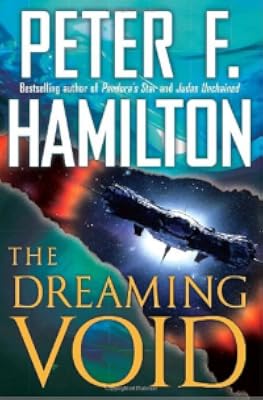
AD 3580. The Intersolar Commonwealth has spread through the galaxy to over a thousand star systems. It is a culture of rich diversity with a place for everyone. A powerful navy protects it from any hostile species that may lurk among the stars. For Commonwealth citizens, even death has been overcome.At the center of the galaxy is the Void, a strange, artificial universe created by aliens billions of years ago, shrouded by an event horizon more deadly than any natural black hole. In order to show more function, it is gradually consuming the mass of the galaxy. Watched over by its ancient enemies, the Raiel, the Void's expansion is barely contained.Inigo dreams of the sweet life within the Void and shares his visions with billions of avid believers. When he mysteriously disappears, Inigo's followers decide to embark on a pilgrimage into the Void to live the life of their messiah's dreams-a pilgrimage that the Raiel claim will trigger a catastrophic expansion of the Void.Aaron is a man whose only memory is his own name. He doesn't know who he used to be or what he is. All he does know is that his job is to find the missing messiah and stop the pilgrimage. He's not sure how to do that, but whoever he works for has provided some pretty formidable weaponry that ought to help.Meanwhile, inside the Void, a youth called Edeard is coming to terms with his unusually strong telepathic powers. A junior constable in Makkathran, he starts to challenge the corruption and decay that have poisoned the city. He is determined that his fellow citizens should know hope again. What Edeard doesn't realize is just how far his message of hope is reaching. show lessTags
Recommendations

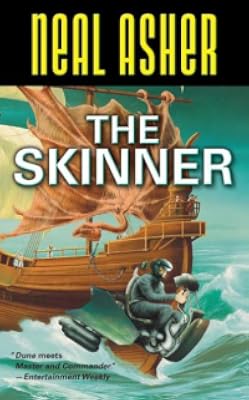
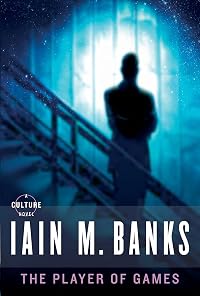
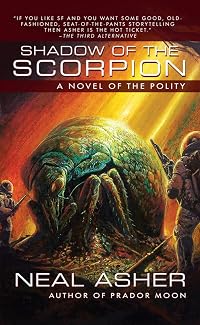
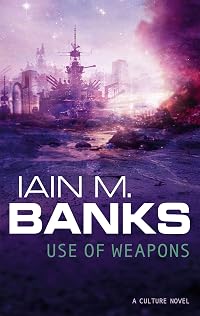


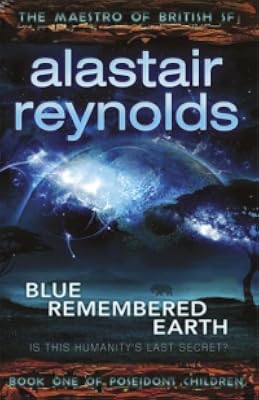

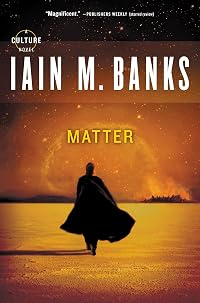
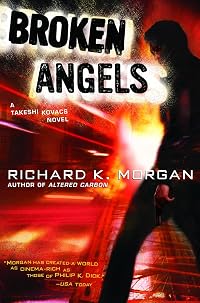
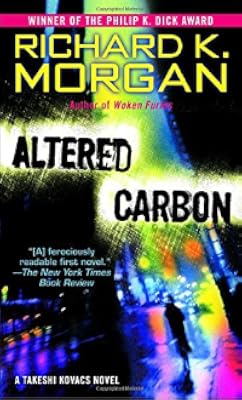

Member Recommendations
Ilium by Dan Simmons
by riodecelis
Member Reviews
Generally, I re-read all previous books in a series when I buy the next book. This means I've read The Dreaming Void three times. I like it as much now as I did the first time, but I find it just as complex.
The Dreaming Void takes place millennia after two other books ([b:Pandora's Star|45252|Pandora's Star (Commonwealth Saga, #1)|Peter F. Hamilton|http://d.gr-assets.com/books/1347952635s/45252.jpg|987015], [b:Judas Unchained|45244|Judas Unchained (Commonwealth Saga, #2)|Peter F. Hamilton|http://d.gr-assets.com/books/1316501189s/45244.jpg|44507]) that I have not read. That backstory gives the book depth, but also sometimes leaves the reader keenly aware that he is not part of the inner circle. There's nothing technically wrong with show more Hamilton's 'historical' references - they're not essential to the story, and he's generally careful to provide what is important in a digestible form. But the sheer number of 'inside' comments becomes a bit wearing, and makes a substantially complex plot even harder to follow. It's not always clear what is decorative and what is substance, as supposedly historical figures reappear from right and left
I'm sorry to say that even on a third reading, I didn't recall who all the factions were - on every run through the book, there were simply too many to keep track of, and I let them float by as narrative scenery ("complex politics, got it. Next."). That works pretty well. You don't have to remember the detailed differences between Highers, Advancers, Dreamers, and the ANA in general, because Hamilton does a very good job of keeping the actual foreground actors clear. I found I enjoyed the action even without making much effort to penetrate the presented mystery of who was secretly supporting whom.
The deep background works better with the many alien races presented - they're interesting, and here it's a pleasure to know that there's more to be explored if I choose. I probably will. It seems likely, for example, that the earlier books provide more information about the Sylfen - apparently a race of high-tech elves. As a writer, I'm curious as to whether they triggered Hamilton's desire to mix fantasy and SF.
That's really what this book is about - it presents a hard, high-tech, political science fiction environment interleaved with what's essentially a light steampunk story. The overall narrative is about how the two connect, and it works surprisingly well. I've only previously read Hamilton's SF (as far as I know, that's all he's written), but he has a remarkably deft touch with fantasy. While I liked the whole book, I much preferred the steampunk-y bits to the epic space opera sections. They definitely leavened the heavy SF politics of the main book. In essence, in fact, the fantasy bits had the same effect on me as they do on the characters of the SF universe - they left me wanting more.
Overall, then, a very satisfying read that sent me right out for the next book. If it's a bit complex keeping apart the factions, the Waterwalker, the Skylords, the Starflyer, etc, it's also a lot of fun following some very believable characters meeting interesting challenges. show less
The Dreaming Void takes place millennia after two other books ([b:Pandora's Star|45252|Pandora's Star (Commonwealth Saga, #1)|Peter F. Hamilton|http://d.gr-assets.com/books/1347952635s/45252.jpg|987015], [b:Judas Unchained|45244|Judas Unchained (Commonwealth Saga, #2)|Peter F. Hamilton|http://d.gr-assets.com/books/1316501189s/45244.jpg|44507]) that I have not read. That backstory gives the book depth, but also sometimes leaves the reader keenly aware that he is not part of the inner circle. There's nothing technically wrong with show more Hamilton's 'historical' references - they're not essential to the story, and he's generally careful to provide what is important in a digestible form. But the sheer number of 'inside' comments becomes a bit wearing, and makes a substantially complex plot even harder to follow. It's not always clear what is decorative and what is substance, as supposedly historical figures reappear from right and left
I'm sorry to say that even on a third reading, I didn't recall who all the factions were - on every run through the book, there were simply too many to keep track of, and I let them float by as narrative scenery ("complex politics, got it. Next."). That works pretty well. You don't have to remember the detailed differences between Highers, Advancers, Dreamers, and the ANA in general, because Hamilton does a very good job of keeping the actual foreground actors clear. I found I enjoyed the action even without making much effort to penetrate the presented mystery of who was secretly supporting whom.
The deep background works better with the many alien races presented - they're interesting, and here it's a pleasure to know that there's more to be explored if I choose. I probably will. It seems likely, for example, that the earlier books provide more information about the Sylfen - apparently a race of high-tech elves. As a writer, I'm curious as to whether they triggered Hamilton's desire to mix fantasy and SF.
That's really what this book is about - it presents a hard, high-tech, political science fiction environment interleaved with what's essentially a light steampunk story. The overall narrative is about how the two connect, and it works surprisingly well. I've only previously read Hamilton's SF (as far as I know, that's all he's written), but he has a remarkably deft touch with fantasy. While I liked the whole book, I much preferred the steampunk-y bits to the epic space opera sections. They definitely leavened the heavy SF politics of the main book. In essence, in fact, the fantasy bits had the same effect on me as they do on the characters of the SF universe - they left me wanting more.
Overall, then, a very satisfying read that sent me right out for the next book. If it's a bit complex keeping apart the factions, the Waterwalker, the Skylords, the Starflyer, etc, it's also a lot of fun following some very believable characters meeting interesting challenges. show less
This book starts with a 1,500-year timeline of events leading up to the start of the story. The first third of it is character introduction, each character getting a chapter or part of one. It finishes with no resolution of any of the storylines; it's not a book so much as the first third of a very long book of complex political SF. You're either the kind of person that summary appealed to or you aren't.
If you aren't, lucky you. This is the genre I wish I could quit -- it's the SF epic, a very close cousin to the fantasy epic. Both cover many societies and cultures, both feature complex political manuevers and dangerous conflicts, both are intricate as hell. And, unfortunately, as far as I know, pretty much all SF epics are written by show more men, and it shows.
Peter Hamilton is definitely in the top third of SF epic writers in terms of diversity and relative lack of grossness. There's only one mass rape scene in this book, and it's not lovingly detailed, and it's done by actual bad guys. There are minor queer characters, multiple skin tones, and the book adheres to the genre's gold standard 70/30 rule: for every 7 men with speaking parts, you get approximately 3 women.
If you wonder why this is the gold standard -- there are books in this genre without a single female character. One author typically has either one or two women, against 20-30 men. Thirty percent women really is as good as it gets. And two of those women even have a plot role entirely unrelated to sex or screaming, which, again, is amazing for this genre. Sure, one of the main female characters is literally carried through a major action sequence, is coerced into virtually everything she does, obtained her position of importance through having sex with a man, spends most of the book either intoxicated or sulking petulantly, and her only independent act of heroism is completely elided, but. There are two women who aren't like that. Again, super rare for this genre.
So, as far as this genre goes, this is pretty much as good as it gets on the misogyny front. It's just. Not good enough. I read this very much aware that I am in no way the audience Hamilton was writing for, that I'm actually an audience he actively does not like and does not want.
But the plot was good, nicely woven, enjoyably intricate. The SF background is neat and cool and fun, everything I want from an SF epic. Many of the characters are three dimensional, which is great and made it much easier to track them over the long haul of character introduction and plot thread establishment. I will read the rest of the series, since this is, unfortunately, exactly the kind of thing I like.
I just wish it wasn't. Damn it, SF epics, why can't I quit you? You so obviously want me to. show less
If you aren't, lucky you. This is the genre I wish I could quit -- it's the SF epic, a very close cousin to the fantasy epic. Both cover many societies and cultures, both feature complex political manuevers and dangerous conflicts, both are intricate as hell. And, unfortunately, as far as I know, pretty much all SF epics are written by show more men, and it shows.
Peter Hamilton is definitely in the top third of SF epic writers in terms of diversity and relative lack of grossness. There's only one mass rape scene in this book, and it's not lovingly detailed, and it's done by actual bad guys. There are minor queer characters, multiple skin tones, and the book adheres to the genre's gold standard 70/30 rule: for every 7 men with speaking parts, you get approximately 3 women.
If you wonder why this is the gold standard -- there are books in this genre without a single female character. One author typically has either one or two women, against 20-30 men. Thirty percent women really is as good as it gets. And two of those women even have a plot role entirely unrelated to sex or screaming, which, again, is amazing for this genre. Sure, one of the main female characters is literally carried through a major action sequence, is coerced into virtually everything she does, obtained her position of importance through having sex with a man, spends most of the book either intoxicated or sulking petulantly, and her only independent act of heroism is completely elided, but. There are two women who aren't like that. Again, super rare for this genre.
So, as far as this genre goes, this is pretty much as good as it gets on the misogyny front. It's just. Not good enough. I read this very much aware that I am in no way the audience Hamilton was writing for, that I'm actually an audience he actively does not like and does not want.
But the plot was good, nicely woven, enjoyably intricate. The SF background is neat and cool and fun, everything I want from an SF epic. Many of the characters are three dimensional, which is great and made it much easier to track them over the long haul of character introduction and plot thread establishment. I will read the rest of the series, since this is, unfortunately, exactly the kind of thing I like.
I just wish it wasn't. Damn it, SF epics, why can't I quit you? You so obviously want me to. show less
I've come to the conclusion that Peter F. Hamilton is an acquired taste. Maybe it just requires patience and getting used to his often HUGE PAGE COUNTS. Most of it is devoted to establishing his characters and their backstories, so it's not a huge complaint. Where he shines is his vast SF worldbuilding which takes on a very complex and rich character rarely seen in ANY series.
We're dealing with 20 or 30 thousand pages of the same universe across vast distances, worlds, and timeframes. And not only that, tons of alien species we get to know intimately, fantastic realms, Fae world hopping, wormhole networks, and a whole DREAMING REALM.
This particular novel fixes a lot of the issues I generally run into with the other novels. It's SHORT. show more It's also rather focused for what it accomplishes, splitting its time between a high-tech uber powerful post-Commonwealth era, 1500 years after Judas Unchained, and a very interesting seemingly low-tech fantasy world full of psi users and teeks. I have to admit I think I loved the second realm much more than the high tech side. The implications and the hints throughout this novel make me suspect MUCH. :)
Is this my new favorite Hamilton? Or am I just getting so used to his writing that I'm fine with rolling with the roving text and getting excited when the big action happens? Am I simply impressed by the vast worldbuilding and the competent characters?
A little of both, to be certain, but now that I've been reading quite a lot of his work, I'm really getting into the easter eggs and the recurring characters I grew to love in the previous books.
Yeah. Characters coming back after 1,500 years. And still being fun. :)
There's something really glorious about the gigantic tapestry that Hamilton is writing here. It's truly vast and often mind-blowing.
Sure, he has his faults and the writing style sometimes takes getting used to, but the rewards are well worth the effort. And then some. :) show less
We're dealing with 20 or 30 thousand pages of the same universe across vast distances, worlds, and timeframes. And not only that, tons of alien species we get to know intimately, fantastic realms, Fae world hopping, wormhole networks, and a whole DREAMING REALM.
This particular novel fixes a lot of the issues I generally run into with the other novels. It's SHORT. show more It's also rather focused for what it accomplishes, splitting its time between a high-tech uber powerful post-Commonwealth era, 1500 years after Judas Unchained, and a very interesting seemingly low-tech fantasy world full of psi users and teeks. I have to admit I think I loved the second realm much more than the high tech side. The implications and the hints throughout this novel make me suspect MUCH. :)
Is this my new favorite Hamilton? Or am I just getting so used to his writing that I'm fine with rolling with the roving text and getting excited when the big action happens? Am I simply impressed by the vast worldbuilding and the competent characters?
A little of both, to be certain, but now that I've been reading quite a lot of his work, I'm really getting into the easter eggs and the recurring characters I grew to love in the previous books.
Yeah. Characters coming back after 1,500 years. And still being fun. :)
There's something really glorious about the gigantic tapestry that Hamilton is writing here. It's truly vast and often mind-blowing.
Sure, he has his faults and the writing style sometimes takes getting used to, but the rewards are well worth the effort. And then some. :) show less
For any science fiction fan, this should be a favorite. Hamilton returns to his Commonwealth Universe, which is a very good thing! It is many years after the events of Pandora's Star and Judas Unchained (ie The Starflyer War) and which life in the galaxy has pretty much recovered and settled down, that doesn't mean there isn't conflict. The Dreamer Cult wants humanity to embark on a great pilgrimage into the Void - the great nothingness at the center of the galaxy. Aliens have probed this nothingness for centuries but cannot make sense out of it, but somehow humans have colonized one planet. Unfortunately any incursion into the Void is likely to cause it to swallow up more of the galaxy! The story switches between several human and show more post-human factions and those living in the Void. This is quality science fiction and a great story. While this is long, its worth it, Hamilton does a great job with his characters and setting. show less
The Dreaming Void takes us back to the Intersolar Commonwealth from Pandora's Star and Judas Unchained. Well over a millennium has passed, and much is different. The monocultural Commonwealth we knew is no more, it has shattered into a myriad of worlds, many of which are only loosely affiliated with each other. On one of these worlds, a movement known as Living Dream is planning a pilgrimage to the mysterious Void, an artificial universe at the centre of the galaxy, which is slowly eating the surrounding stars. Living Dream believes the Void contains paradise, most others believe touching it is certain death. What's worse, the pilgrimage might set of a massive expansion phase, devouring the whole galaxy.
It took me a chapter or so to show more get into this story. Hamilton mercilessly throws us into the middle of his world, and often takes a long, long time to explain exactly what all these acronyms and technologies and organisations actually are. As a result I felt quite disorientated for a while. Once I started getting my bearings however, there was nothing but enjoyment ahead. Hamilton is a superb writer who crafts an intriguing world filled with interesting characters, whose stories run parallel, interweaving and complimenting each other. We even get to see some of the characters from Pandora's Star again, with a few glaring omissions. Ozzie is missed, but he is at least mentioned, unlike the SI, which is alluded to only in a single sentence in the appendix. Apparently, we will get to see more of it in the sequel though.
Interspersed with the main storyline we are also told the story from Inigo's dreams. I enjoyed this story almost more than the main storyline, it was more reminiscent of a classic fantasy story than the science fiction which is so prevalent in the rest. This story is apparently also getting more focus in the sequel, a fact which has me salivating in anticipation.
The only thing that really bothers me is the ending. Pandora's Star and Judas Unchained didn't feel like two books in a series, it felt like one book split into two volumes. This might be Hamilton's M.O., as The Dreaming Void ends on a cliffhanger as well. Nothing is really resolved. I strongly suspect that when the entire trilogy is out, it can be read as one work to great enjoyment, but reaching the end of the first third leaves mostly frustration. There is a pay-off of sorts for one of the books main plot lines, but it barely has time to register, and certainly no time to explain itself, before something explodes and the book ends.
Despite this, the book is very enjoyable. Hamilton has conjured up not just one, but two deep and interesting worlds to immerse yourself in, filled with people you want to see more of. Frequent references are made to the events of Pandora's Star and Judas Unchained, but I think you could still follow the story fine without having read them. It is a book I enjoyed immensely, and I am greatly looking forward to the sequels. show less
It took me a chapter or so to show more get into this story. Hamilton mercilessly throws us into the middle of his world, and often takes a long, long time to explain exactly what all these acronyms and technologies and organisations actually are. As a result I felt quite disorientated for a while. Once I started getting my bearings however, there was nothing but enjoyment ahead. Hamilton is a superb writer who crafts an intriguing world filled with interesting characters, whose stories run parallel, interweaving and complimenting each other. We even get to see some of the characters from Pandora's Star again, with a few glaring omissions. Ozzie is missed, but he is at least mentioned, unlike the SI, which is alluded to only in a single sentence in the appendix. Apparently, we will get to see more of it in the sequel though.
Interspersed with the main storyline we are also told the story from Inigo's dreams. I enjoyed this story almost more than the main storyline, it was more reminiscent of a classic fantasy story than the science fiction which is so prevalent in the rest. This story is apparently also getting more focus in the sequel, a fact which has me salivating in anticipation.
The only thing that really bothers me is the ending. Pandora's Star and Judas Unchained didn't feel like two books in a series, it felt like one book split into two volumes. This might be Hamilton's M.O., as The Dreaming Void ends on a cliffhanger as well. Nothing is really resolved. I strongly suspect that when the entire trilogy is out, it can be read as one work to great enjoyment, but reaching the end of the first third leaves mostly frustration. There is a pay-off of sorts for one of the books main plot lines, but it barely has time to register, and certainly no time to explain itself, before something explodes and the book ends.
Despite this, the book is very enjoyable. Hamilton has conjured up not just one, but two deep and interesting worlds to immerse yourself in, filled with people you want to see more of. Frequent references are made to the events of Pandora's Star and Judas Unchained, but I think you could still follow the story fine without having read them. It is a book I enjoyed immensely, and I am greatly looking forward to the sequels. show less
Ich liebe ja das Universum, das Hamilton mit seiner Commonwealth Saga erschaffen hat. Mit der Void-Trilogie kehren wir zurück in dieses Universum, allerdings 1000 Jahre nach den Ereignissen von Judas Unchained (in Deutsch auf zwei Bücher aufgeteilt „Der Entfesselte Judas“ und „Die Dunkle Festung“). Hier empfiehlt es sich übrigens, die vorherigen Commonwealth-Romane zu lesen, bevor man sich an die Void-Trilogie wagt, weil doch einige Figuren aus diesen Romanen wieder auftauchen und auch die Ereignisse aus Pandora’s Star und Judas Unchained gespoilert werden können.
Hamilton gehört zu den Schriftstellern, die gerne ‚labern‘. Das finden viele Leser lästig, weil seine Romane schon arg dicke Wälzer sind und man bei show more manchen Storylines das Gefühl haben kann, dass sie nur dazu da sind, das Buch noch dicker zu machen. Ich gehöre allerdings zu der anderen Sorte Leser, die hier Hamiltons Angebot, in eine gigantische Welt einzutauchen, mit Begeisterung annehmen. So hat mich bisher noch keiner seiner Romane gelangweilt. Urteil zur Chronik der Faller-Duologie steht allerdings noch aus, da bis jetzt ungelesen. Ich liebe Hamiltons geschaffene Welten und seinen Hang dazu, in epischen Dimensionen zu denken. Dabei ist wirklich alles episch. Nicht nur die Zahl der bewohnten Welten und die ausufernde Masse an Figuren, sondern auch die von ihm erdachte Technologie und die damit verbundene Langlebigkeit der Menschen sowie ihre Auswirkungen auf die gesellschaftlichen Strukturen.
Ja, seine Bücher sind gigantisch und so manch ein Leser gibt bei so manch zäher Passage auf. Wer allerdings dran bleibt, wird in der Tat belohnt.
Da sind wir nun also und folgen erneut einer Vielzahl von Figuren auf einer noch größeren Zahl an Wegen. Da wäre zum Beispiel die Living Dream-Bewegung, eine fast religiöse, fünf Milliarden Seelen umfassende, Gemeinschaft, die von Inigo, dem ersten Träumer gegründet wurde. Inigo, der von einer Welt in der dunklen Leere träumte, in der Menschen ein einfachereres und schöneres Leben führen, und diesen Traum mit allen teilte. Die dunkle Leere, die nach Aussage der Raiel ganze Welten verschlingt, ähnlich einem großen Schwarzen Loch, und seit langem in ihrer Ausbreitung gestoppt hat. Inigo jedoch verschwand. Der nachfolgende Anführer der Bewegung, Ethan, plant einen Pilgerflug in die dunkle Leere. Und ab da nimmt alles seinen Lauf. Während die Living Dream-Anhänger auf Pilgerfahrt gehen wollen, stellen sich andere dagegen und behaupten, dass ein Flug in die Leere diese dazu veranlassen könnte, sich erneut auszubreiten und dabei die Welten des Commonwealth zu zestören.
Ein Wettlauf mit der Zeit beginnt, die Pilgerfahrt zu stoppen und Inigo zu finden. Erschwert wird das Ganze, als ein zweiter Träumer auftaucht und erneut Träume von der Welt in der Leere mit den Menschen teilt. Niemand weiß, wer der zweite Träumer ist und es wird bald offensichtlich, dass dieser zweite Träumer der Schlüssel für einen sicheren Zugang zur Leere ist.
Unterbrochen wird die Handlung im Commonwealth-Universum von Inigos Träumen, in denen wir Edeard folgen, der auf einer Welt in der Leere lebt und starke psychokinetische Fähigkeiten hat. Edeard, der in einem kleinen Dorf aufwächst, das von Banditen fast komplett zuerstört wird und der in die Hauptstadt Makathran kommt, wo er eine Ausbildung zum Constable macht. Seine Geschichte erinnert ein bisschen an das klassische „einfacher Waise hat außergewöhnliche Fähigkeiten und wird zum Helden“-Trope, das man in vielen Fantasy-Geschichten findet. Langweilig fand ich seine Storyline jedoch nicht mal ansatzweise, auch wenn hier der eine oder andere Leser anmerken könnte, dass sie nicht unbedingt so ausführlich hätte beschrieben werden müssen.
Als Leser fragt man sich ja ständig, welche Figuren denn nun am Ende eine Rolle spielen werden. Und es wird auch schnell klar, wer der zweite Träumer ist. Trotzdem kommt man nicht umhin, allen Ereignissen gebannt zu folgen. Wer einmal in die Geschichte eingesogen wird, dem sei besonders bei der Lektüre der Deutschen Übersetzung empfohlen, beide Bücher zur Hand zu haben, denn Band 1 hört mittendrin abrupt auf und man will dann ungern warten müssen, bis der zweite Band verfügbar ist.
Bei der englischen Version ist es natürlich nicht anders, aber hier ist das Ende nicht ganz so plötzlich wie bei der Deutschen Übersetzung.
Alle Figuren und Handlungsstränge werfen besonders zu Anfang, viele Fragen auf und Hamilton lässt sich Zeit, diese zu beantworten. Wie ich schon schrieb, wenn man dran bleibt, wird man definitiv belohnt und Hamilton führt alles meisterhaft zusammen. Der nächste Band liegt schon bereit und die Vorfreude ist noch genauso groß, wie bei jedem vorherigen Lesen der Reihe.
Was ich noch anmerken möchte ist, dass Hamilton in seine Geschichten ausschweifenden Sex einbaut. Nicht nur mal oder da einen One Night Stand sondern ganze Orgien mit Teilnehmern aus beiden Geschlechtern. Seine Darstellung der weiblichen Sexualität ist dabei unter Umständen sehr amüsant, aber man merkt schon, dass er sich arg Mühe gibt, nicht allzu klischeehaft vorzugehen. Erwähnenswert ist dabei auch besonders die Tatsache, dass er Beziehungen nicht nur im klassischen Stil darstellt, sondern auch hier durchaus Beziehungen zwischen zwei und mehr Partnern geführt werden, wobei nicht nur der typische Ein-Mann-mit-vielen-Frauen-Harem auftaucht, sondern diese Beziehung durchaus gemischt-geschlechtlich aufgebaut sind. Den Harem gibts aber natürlich auch. Wer sich mit solchen Darstellungen schwer tut, der sollte aber vielleicht doch besser die Finger von Hamilton lassen oder zumindest die ganzen Sex-Passagen (und es sind durchaus nicht wenige) überspringen.
Fazit
Eine weitere epische und spannende Weltraumoper aus der Feder des Scifi-Großmeisters. Von den Längen und dem ausschweifenden Erzählstil, dem umfangreichen Worldbuildiung und der schier endlos erscheinenden Zahl an Figuren sollte man sich wirklich nicht abschrecken lassen. show less
Hamilton gehört zu den Schriftstellern, die gerne ‚labern‘. Das finden viele Leser lästig, weil seine Romane schon arg dicke Wälzer sind und man bei show more manchen Storylines das Gefühl haben kann, dass sie nur dazu da sind, das Buch noch dicker zu machen. Ich gehöre allerdings zu der anderen Sorte Leser, die hier Hamiltons Angebot, in eine gigantische Welt einzutauchen, mit Begeisterung annehmen. So hat mich bisher noch keiner seiner Romane gelangweilt. Urteil zur Chronik der Faller-Duologie steht allerdings noch aus, da bis jetzt ungelesen. Ich liebe Hamiltons geschaffene Welten und seinen Hang dazu, in epischen Dimensionen zu denken. Dabei ist wirklich alles episch. Nicht nur die Zahl der bewohnten Welten und die ausufernde Masse an Figuren, sondern auch die von ihm erdachte Technologie und die damit verbundene Langlebigkeit der Menschen sowie ihre Auswirkungen auf die gesellschaftlichen Strukturen.
Ja, seine Bücher sind gigantisch und so manch ein Leser gibt bei so manch zäher Passage auf. Wer allerdings dran bleibt, wird in der Tat belohnt.
Da sind wir nun also und folgen erneut einer Vielzahl von Figuren auf einer noch größeren Zahl an Wegen. Da wäre zum Beispiel die Living Dream-Bewegung, eine fast religiöse, fünf Milliarden Seelen umfassende, Gemeinschaft, die von Inigo, dem ersten Träumer gegründet wurde. Inigo, der von einer Welt in der dunklen Leere träumte, in der Menschen ein einfachereres und schöneres Leben führen, und diesen Traum mit allen teilte. Die dunkle Leere, die nach Aussage der Raiel ganze Welten verschlingt, ähnlich einem großen Schwarzen Loch, und seit langem in ihrer Ausbreitung gestoppt hat. Inigo jedoch verschwand. Der nachfolgende Anführer der Bewegung, Ethan, plant einen Pilgerflug in die dunkle Leere. Und ab da nimmt alles seinen Lauf. Während die Living Dream-Anhänger auf Pilgerfahrt gehen wollen, stellen sich andere dagegen und behaupten, dass ein Flug in die Leere diese dazu veranlassen könnte, sich erneut auszubreiten und dabei die Welten des Commonwealth zu zestören.
Ein Wettlauf mit der Zeit beginnt, die Pilgerfahrt zu stoppen und Inigo zu finden. Erschwert wird das Ganze, als ein zweiter Träumer auftaucht und erneut Träume von der Welt in der Leere mit den Menschen teilt. Niemand weiß, wer der zweite Träumer ist und es wird bald offensichtlich, dass dieser zweite Träumer der Schlüssel für einen sicheren Zugang zur Leere ist.
Unterbrochen wird die Handlung im Commonwealth-Universum von Inigos Träumen, in denen wir Edeard folgen, der auf einer Welt in der Leere lebt und starke psychokinetische Fähigkeiten hat. Edeard, der in einem kleinen Dorf aufwächst, das von Banditen fast komplett zuerstört wird und der in die Hauptstadt Makathran kommt, wo er eine Ausbildung zum Constable macht. Seine Geschichte erinnert ein bisschen an das klassische „einfacher Waise hat außergewöhnliche Fähigkeiten und wird zum Helden“-Trope, das man in vielen Fantasy-Geschichten findet. Langweilig fand ich seine Storyline jedoch nicht mal ansatzweise, auch wenn hier der eine oder andere Leser anmerken könnte, dass sie nicht unbedingt so ausführlich hätte beschrieben werden müssen.
Als Leser fragt man sich ja ständig, welche Figuren denn nun am Ende eine Rolle spielen werden. Und es wird auch schnell klar, wer der zweite Träumer ist. Trotzdem kommt man nicht umhin, allen Ereignissen gebannt zu folgen. Wer einmal in die Geschichte eingesogen wird, dem sei besonders bei der Lektüre der Deutschen Übersetzung empfohlen, beide Bücher zur Hand zu haben, denn Band 1 hört mittendrin abrupt auf und man will dann ungern warten müssen, bis der zweite Band verfügbar ist.
Bei der englischen Version ist es natürlich nicht anders, aber hier ist das Ende nicht ganz so plötzlich wie bei der Deutschen Übersetzung.
Alle Figuren und Handlungsstränge werfen besonders zu Anfang, viele Fragen auf und Hamilton lässt sich Zeit, diese zu beantworten. Wie ich schon schrieb, wenn man dran bleibt, wird man definitiv belohnt und Hamilton führt alles meisterhaft zusammen. Der nächste Band liegt schon bereit und die Vorfreude ist noch genauso groß, wie bei jedem vorherigen Lesen der Reihe.
Was ich noch anmerken möchte ist, dass Hamilton in seine Geschichten ausschweifenden Sex einbaut. Nicht nur mal oder da einen One Night Stand sondern ganze Orgien mit Teilnehmern aus beiden Geschlechtern. Seine Darstellung der weiblichen Sexualität ist dabei unter Umständen sehr amüsant, aber man merkt schon, dass er sich arg Mühe gibt, nicht allzu klischeehaft vorzugehen. Erwähnenswert ist dabei auch besonders die Tatsache, dass er Beziehungen nicht nur im klassischen Stil darstellt, sondern auch hier durchaus Beziehungen zwischen zwei und mehr Partnern geführt werden, wobei nicht nur der typische Ein-Mann-mit-vielen-Frauen-Harem auftaucht, sondern diese Beziehung durchaus gemischt-geschlechtlich aufgebaut sind. Den Harem gibts aber natürlich auch. Wer sich mit solchen Darstellungen schwer tut, der sollte aber vielleicht doch besser die Finger von Hamilton lassen oder zumindest die ganzen Sex-Passagen (und es sind durchaus nicht wenige) überspringen.
Fazit
Eine weitere epische und spannende Weltraumoper aus der Feder des Scifi-Großmeisters. Von den Längen und dem ausschweifenden Erzählstil, dem umfangreichen Worldbuildiung und der schier endlos erscheinenden Zahl an Figuren sollte man sich wirklich nicht abschrecken lassen. show less
This science fiction novel follows up on the author’s Commonwealth Saga, set 1,200 years after the conclusion of the final book in that series, Judas Unchained. While it is not strictly necessary to have read the prior two books, since immortality essentially exists in this future, the books contain many common characters and story threads despite the passage of many centuries.
Having read the Commonwealth Saga as well as the author’s tour de force Night’s Dawn series, I can safely say that Peter Hamilton is one of the most original, imaginative science fiction writers I have ever read. Let’s face it, when you are writing about events 2,000 years into the future, you’d BETTER be imaginative or you run the risk of looking show more silly.
In this Hamilton epic, the Commonwealth has expanded and evolved, circumnavigating the galaxy, discovering many new sentient species AND a phenomenon referred to as The Void, a micro-universe, protected by an event horizon. One human has managed to pass into The Void and return, setting off a religious awakening called The Living Dream. The adherents of this religion wish to undertake a mass pilgrimage into the Void, potentially setting off a chain of events which could lead to destruction of the known universe. Mayhem predictably ensues as different human and alien factions position themselves in an attempt at self preservation.
My only complaint concerning Hamilton’s work is that it is just too long. It is not the mere fact of the extreme page count (the Night’s Dawn series weighs in at 3,000 pages) that bothers me, as I read many very enjoyable door stops. The problem with the length of Hamilton’s books is that their mere length actually waters down the strength of his work, his originality. At times I am stunned by many of his technological concepts and societal constructs. However, after being introduced to and becoming familiar with them, after a time they become second nature. The sad fact is, the underlying stories in Hamilton’s work are simply not strong enough to keep the reader’s interest at the high level attained early in the book.
The typical Hamilton experience proceeds as follows: A period of acclimation, during which the reader is exposed to numerous story threads and concepts. Given the length and complexity of the work, this can consume as much as a couple hundred pages before a comfort level is achieved. Then you have several hundred pages of outstanding reading experience as you are entertained and amazed by the world of wonders that Hamilton has presented. Unfortunately, as this second stage comes to a gradual conclusion, you notice that there are many hundreds of pages remaining. The last third of the book is never as enjoyable as the first two thirds. Shorten the work and you intensify the experience, like boiling down a weak, watery broth to a hearty, thick stew.
As this is the first of three 700 page books in the series, it is too early to tell if it will prove to be similar to my first two Hamilton experiences, but so far so good. After a couple hundred pages of introduction into various story threads, the last 2/3 of this, the first book, was outstanding. The fact that it actually follows up on the earlier Commonwealth Saga made the early stages more comfortable and easier to get into. Here’s hoping that the story doesn’t get old midway through the next book. show less
Having read the Commonwealth Saga as well as the author’s tour de force Night’s Dawn series, I can safely say that Peter Hamilton is one of the most original, imaginative science fiction writers I have ever read. Let’s face it, when you are writing about events 2,000 years into the future, you’d BETTER be imaginative or you run the risk of looking show more silly.
In this Hamilton epic, the Commonwealth has expanded and evolved, circumnavigating the galaxy, discovering many new sentient species AND a phenomenon referred to as The Void, a micro-universe, protected by an event horizon. One human has managed to pass into The Void and return, setting off a religious awakening called The Living Dream. The adherents of this religion wish to undertake a mass pilgrimage into the Void, potentially setting off a chain of events which could lead to destruction of the known universe. Mayhem predictably ensues as different human and alien factions position themselves in an attempt at self preservation.
My only complaint concerning Hamilton’s work is that it is just too long. It is not the mere fact of the extreme page count (the Night’s Dawn series weighs in at 3,000 pages) that bothers me, as I read many very enjoyable door stops. The problem with the length of Hamilton’s books is that their mere length actually waters down the strength of his work, his originality. At times I am stunned by many of his technological concepts and societal constructs. However, after being introduced to and becoming familiar with them, after a time they become second nature. The sad fact is, the underlying stories in Hamilton’s work are simply not strong enough to keep the reader’s interest at the high level attained early in the book.
The typical Hamilton experience proceeds as follows: A period of acclimation, during which the reader is exposed to numerous story threads and concepts. Given the length and complexity of the work, this can consume as much as a couple hundred pages before a comfort level is achieved. Then you have several hundred pages of outstanding reading experience as you are entertained and amazed by the world of wonders that Hamilton has presented. Unfortunately, as this second stage comes to a gradual conclusion, you notice that there are many hundreds of pages remaining. The last third of the book is never as enjoyable as the first two thirds. Shorten the work and you intensify the experience, like boiling down a weak, watery broth to a hearty, thick stew.
As this is the first of three 700 page books in the series, it is too early to tell if it will prove to be similar to my first two Hamilton experiences, but so far so good. After a couple hundred pages of introduction into various story threads, the last 2/3 of this, the first book, was outstanding. The fact that it actually follows up on the earlier Commonwealth Saga made the early stages more comfortable and easier to get into. Here’s hoping that the story doesn’t get old midway through the next book. show less
Members
- Recently Added By
Lists

Isaac Arthur’s Book Recommendations
98 works; 3 members

Jean's Sci Fi/Fantasy Reading list
189 works; 12 members

al.vick-series
381 works; 2 members

Books Read in 2014
2,343 works; 86 members

Books Read in 2015
3,299 works; 129 members
Talk Discussions
Past Discussions
Sell me on Peter Hamilton's Void trilogy in Science Fiction Fans (October 2010)
Author Information

123+ Works 42,681 Members
Peter F. Hamilton was born in Rutland, England on March 2, 1960. He started writing in 1987 and sold his first short story to Fear magazine in 1988. His first novel, Mindstar Rising, was published in 1993. His other works include the Night's Dawn series; Fallen Dragon; and the Void series. (Bowker Author Biography)
Some Editions
Series


Belongs to Publisher Series
Work Relationships
Common Knowledge
- Canonical title
- The Dreaming Void
- Original title
- The Dreaming Void
- Original publication date
- 2007-08
- People/Characters
- Paula Myo; Oscar Monroe; Catherine Stewart (The Cat)
- Important places
- Faraway
- First words
- The starship CNE Caragana slipped down out of a night sky, its grey and scarlett hull illuminated by the pale iridescence of the massive ion storms which beset space for lightyears in every direction.
- Last words
- (Click to show. Warning: May contain spoilers.)"Waterwalker."
- Blurbers
- Follett, Ken
- Original language*
- Anglais
*Some information comes from Common Knowledge in other languages. Click "Edit" for more information.
Classifications
Statistics
- Members
- 2,604
- Popularity
- 7,248
- Reviews
- 56
- Rating
- (3.93)
- Languages
- 7 — Czech, English, French, German, Italian, Polish, Spanish
- Media
- Paper, Audiobook, Ebook
- ISBNs
- 26
- ASINs
- 24