
The Safekeep
by Yael van der Wouden
On This Page
Description
"It is 1961 and the rural Dutch province of Overijssel is quiet. Bomb craters have been filled, buildings reconstructed, and the war is truly over. Living alone in her late mother's country home, Isabel knows her life is as it should be--led by routine and discipline. But all is upended when her brother Louis brings his graceless new girlfriend Eva, leaving her at Isabel's doorstep as a guest, to stay for the season. Eva is Isabel's antithesis: she sleeps late, walks loudly through the show more house, and touches things she shouldn't. In response, Isabel develops a fury-fueled obsession, and when things start disappearing around the house--a spoon, a knife, a bowl--Isabel's suspicions begin to spiral. In the sweltering peak of summer, Isabel's paranoia gives way to infatuation--leading to a discovery that unravels all Isabel has ever known. The war might not be well and truly over after all, and neither Eva--nor the house in which they live--are what they seem."-- show lessTags
Recommendations









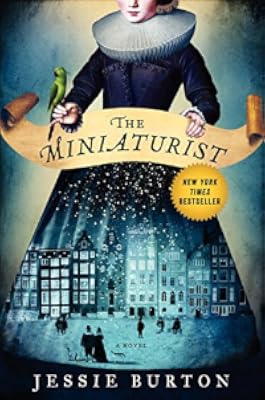
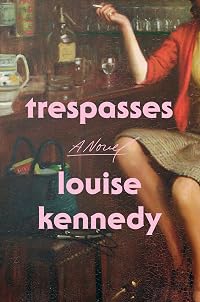
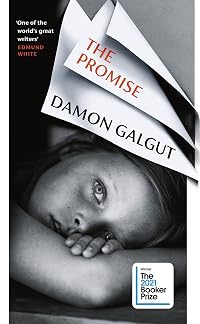

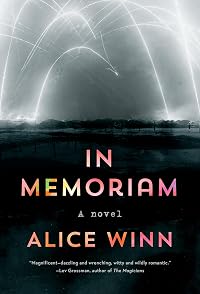






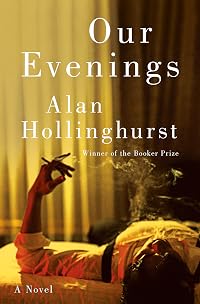
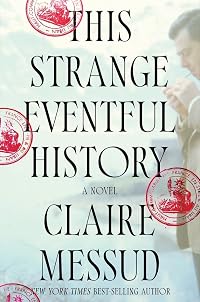

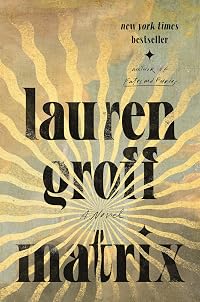


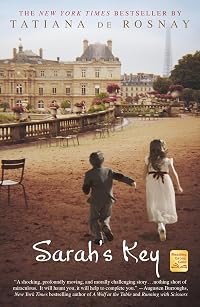
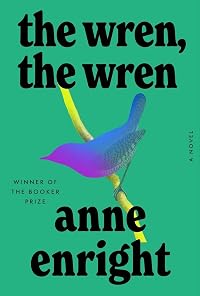


Member Recommendations
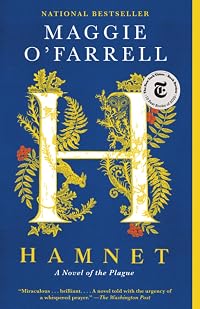
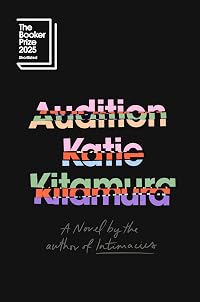
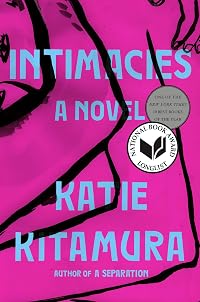
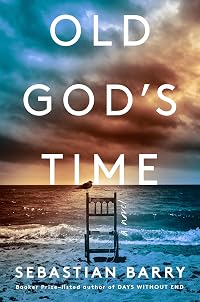
vancouverdeb both feature Sapphic romances, and have quite a bit in common. I don't want to add any spoilers.
susanbooks The women’s relationship’s in these books were so similarly fraught; I read both books breathlessly.
Member Reviews
That The Safekeep won one major literary award and was shortlisted for an even more prominent one is something of an indictment of book prizes. This is not just overpraised, it's inexplicably praised.
The book's copy promised an "exhilarating, twisted tale of desire, suspicion, and obsession", but this is milquetoast, a BBC Sunday night period drama crossed with the aesthetics of a Sarah Waters novel. The ending is sentimental and unconvincing. Yael van der Wouden's characterisation feels contrived and Eva and Isabel together have all the crackling erotic tension between them of a sapphic movie starring Dakota Johnson and Gal Gadot.
Despite that, The Safekeep might have landed as a mid book for me—a clumsy first book with some worthy show more themes—if not for how I kept tripping over its prose. Before I picked this up, I'd seen multiple professional reviews praise it for its "fine and taut" writing. That is not a quality which this book possesses. Van der Wouden has a number of rhetorical tics which a good editor should have called her on, but even a merely competent editor should have hauled her up on sentences which on a fundamental mechanical level do not work. For example:
“Isabel let her. Looked up at her, slow. She was close. She smelled of wet cloth. She was heat, too. Her belly, so near, the rapid rise and fall of it.”
“She stepped into the bracket of Isabel’s knees, a hiccupped sound, and Isabel swayed, put her face to Eva—her soft stomach.”
I get the kind of poetic affect this is striving for, but it doesn't reach it. It's just clumsy. And then sentences like this one:
"The shadows lifted as though they’d only been glimpsed under the hem of a skirt—the lift on an arm, secrets of the body that only unfolded for the night."
This simply doesn't make sense. (Van der Wouden is Dutch, but wrote the book in English. This is not an issue of an incompetent translator.)
And then there was the aspect of the prose which is perhaps nitpicky, but was the straw that broke the camel’s back and tipped me over from mild irritation with this book to full on disdain. The book is written in English, but as is often the case in literature we take it for granted that the characters are “really” speaking Dutch. That is a convention I’m fine with, even if at times you might be left wondering if a certain expression or curse or turn of phrase truly has its equivalent in the language the characters are “really speaking.” That’s something you can handwave.
But more than once Van der Wouden does something like this moment, when Eva and Isabel are looking at an old cuddly toy in the shape of a hare. Eva asks her what the name of the toy is: “Haas," Isabel said: hare.” Why is she mentally translating this word? Why does it remain in Dutch when everything else gets translated? (I mean I know why, it’s because of the Thematic Symbolism later to be revealed about the house and Eva’s name, but surely to God if you feel like haas has to stay in Dutch, you could find a more elegant way of conveying that info for the Anglophone reader?) Nitpicky, you may be thinking to yourself! Fair enough.
But then we get to the point which actually made me say “Oh for fuck’s sake” out loud. Eva and Isabel are getting ready to go out for dinner, but get distracted by making out with one another—and here is where I should say that while I am niet vloeiend, I have decent reading comprehension of Dutch. In the scene, Eva pulls back and says “Reservations.” This initially sparks Isabel into a flurry of panic thinking that Eva has reservations about their relationship, before she realises that Eva meant reservations as in “we have to be at the restaurant very soon.” Now not only is this just a kind of clunky miscommunication trope reminiscent of formulaic fanfiction, remember: they are “actually” speaking in Dutch.
And I, with my basic knowledge of Dutch, know that reservations as in “I have some reservations about this” is bedenkingen, while a reservation as in “I have a dinner reservation” is reservering. I, a non-native Dutch speaker know this. So why does actual native Dutch speaker Van der Wouden write it? Like so much of the rest of the prose in this book, it’s clumsy and not thought-through. There is no craft here.
I have to believe that this won the Women’s Prize because two other books split the judges’ vote. show less
The book's copy promised an "exhilarating, twisted tale of desire, suspicion, and obsession", but this is milquetoast, a BBC Sunday night period drama crossed with the aesthetics of a Sarah Waters novel. The ending is sentimental and unconvincing. Yael van der Wouden's characterisation feels contrived and Eva and Isabel together have all the crackling erotic tension between them of a sapphic movie starring Dakota Johnson and Gal Gadot.
Despite that, The Safekeep might have landed as a mid book for me—a clumsy first book with some worthy show more themes—if not for how I kept tripping over its prose. Before I picked this up, I'd seen multiple professional reviews praise it for its "fine and taut" writing. That is not a quality which this book possesses. Van der Wouden has a number of rhetorical tics which a good editor should have called her on, but even a merely competent editor should have hauled her up on sentences which on a fundamental mechanical level do not work. For example:
“Isabel let her. Looked up at her, slow. She was close. She smelled of wet cloth. She was heat, too. Her belly, so near, the rapid rise and fall of it.”
“She stepped into the bracket of Isabel’s knees, a hiccupped sound, and Isabel swayed, put her face to Eva—her soft stomach.”
I get the kind of poetic affect this is striving for, but it doesn't reach it. It's just clumsy. And then sentences like this one:
"The shadows lifted as though they’d only been glimpsed under the hem of a skirt—the lift on an arm, secrets of the body that only unfolded for the night."
This simply doesn't make sense. (Van der Wouden is Dutch, but wrote the book in English. This is not an issue of an incompetent translator.)
And then there was the aspect of the prose which is perhaps nitpicky, but was the straw that broke the camel’s back and tipped me over from mild irritation with this book to full on disdain. The book is written in English, but as is often the case in literature we take it for granted that the characters are “really” speaking Dutch. That is a convention I’m fine with, even if at times you might be left wondering if a certain expression or curse or turn of phrase truly has its equivalent in the language the characters are “really speaking.” That’s something you can handwave.
But more than once Van der Wouden does something like this moment, when Eva and Isabel are looking at an old cuddly toy in the shape of a hare. Eva asks her what the name of the toy is: “Haas," Isabel said: hare.” Why is she mentally translating this word? Why does it remain in Dutch when everything else gets translated? (I mean I know why, it’s because of the Thematic Symbolism later to be revealed about the house and Eva’s name, but surely to God if you feel like haas has to stay in Dutch, you could find a more elegant way of conveying that info for the Anglophone reader?) Nitpicky, you may be thinking to yourself! Fair enough.
But then we get to the point which actually made me say “Oh for fuck’s sake” out loud. Eva and Isabel are getting ready to go out for dinner, but get distracted by making out with one another—and here is where I should say that while I am niet vloeiend, I have decent reading comprehension of Dutch. In the scene, Eva pulls back and says “Reservations.” This initially sparks Isabel into a flurry of panic thinking that Eva has reservations about their relationship, before she realises that Eva meant reservations as in “we have to be at the restaurant very soon.” Now not only is this just a kind of clunky miscommunication trope reminiscent of formulaic fanfiction, remember: they are “actually” speaking in Dutch.
And I, with my basic knowledge of Dutch, know that reservations as in “I have some reservations about this” is bedenkingen, while a reservation as in “I have a dinner reservation” is reservering. I, a non-native Dutch speaker know this. So why does actual native Dutch speaker Van der Wouden write it? Like so much of the rest of the prose in this book, it’s clumsy and not thought-through. There is no craft here.
I have to believe that this won the Women’s Prize because two other books split the judges’ vote. show less
I was intrigued and excited by this Booker Prize-shortlisted novel, which promised something profound and thought-provoking. For the first eight chapters, I was captivated, eager to see where the author was leading. However, by chapter nine, the tone took a sudden turn, and I felt as though I had stumbled into a clichéd bodice-ripper. I was flummoxed and seriously considered setting the book aside.
Yet, determined not to abandon it, I pressed on—and I’m glad I did. The novel ultimately redeems itself, with the author skillfully delivering on the story’s buildup. The narrative becomes truly compelling, offering a haunting portrayal of a dark period in history.
I still can’t quite understand why the author chose to include the show more out-of-place detail in chapter nine, which felt more suited to a cheap romance. Despite that, the rest of the novel is overwhelmingly successful. Had that chapter been rewritten, I would have easily given it five stars. show less
Yet, determined not to abandon it, I pressed on—and I’m glad I did. The novel ultimately redeems itself, with the author skillfully delivering on the story’s buildup. The narrative becomes truly compelling, offering a haunting portrayal of a dark period in history.
I still can’t quite understand why the author chose to include the show more out-of-place detail in chapter nine, which felt more suited to a cheap romance. Despite that, the rest of the novel is overwhelmingly successful. Had that chapter been rewritten, I would have easily given it five stars. show less
Rating: 4* of five
The Publisher Says: An exhilarating, twisted tale of desire, suspicion, and obsession between two women staying in the same house in the Dutch countryside during the summer of 1961—a powerful exploration of the legacy of WWII and the darker parts of our collective past.
A house is a precious thing...
It is 1961 and the rural Dutch province of Overijssel is quiet. Bomb craters have been filled, buildings reconstructed, and the war is truly over. Living alone in her late mother’s country home, Isabel knows her life is as it should be—led by routine and discipline. But all is upended when her brother Louis brings his graceless new girlfriend Eva, leaving her at Isabel’s doorstep as a guest, to stay for the show more season.
Eva is Isabel’s antithesis: she sleeps late, walks loudly through the house, and touches things she shouldn’t. In response, Isabel develops a fury-fueled obsession, and when things start disappearing around the house—a spoon, a knife, a bowl—Isabel’s suspicions begin to spiral. In the sweltering peak of summer, Isabel’s paranoia gives way to infatuation—leading to a discovery that unravels all Isabel has ever known. The war might not be well and truly over after all, and neither Eva—nor the house in which they live—are what they seem.
Mysterious, sophisticated, sensual, and infused with intrigue, atmosphere, and sex, The Safekeep is a brilliantly plotted and provocative debut novel you won’t soon forget.
I RECEIVED A DRC FROM THE PUBLISHER VIA NETGALLEY. THANK YOU.
My Review: Opposites attract. Hard to argue with that for most grown folks; but it's also hard to see what these women see in each other. Their oppositeness is deep-rooted, identity-forming stuff. That level and degree of oppositeness is hard to overcome; one partner's ordinary life is an existential rejection of the other.
Isabel takes the idea of the houseproud Dutch woman very much to an extreme. Eva presages women's liberation's rejection of housewife as an identity; she's free-spirited and unmaterialistic. That comes across to Isabel as outrageous disrespect to herself and her poor, abused house.
What caused these radically ill-suited women to fall for each other? Forced proximity? I don't rightly know. They manage to have sex. I won't call it making love; and honestly how did pissy, controlling Isabel ever let herself get involved in something as inherently dirty, messy, and collaborative as sex in the first place?
I have questions about this. None are answered.
I read most of the book thinking I'd be stretching to three stars. The events at the end of the book...the way their romance does what Love really does to the Lover and the Beloved...got me a fractional hair over the four-star line. It's a first novel and there are some ways events are presented that do not help the reader invest in the plot. It's a strain to do some of the emotional heavy lifting because Isabel and Eva are so weirdly assorted as partners for more than a one-night fling that I kept needing to remind myself to tamp my eyebrows back down out of my hairline.
But Isabel says a line that shoved me there, one I can't repeat because the Spoiler Stasi has its truncheons and tasers ever at the ready...grow the fuck up, y'all...but its delicate evocation of the awareness od the importance of the persona in intimacy that explained a lot of the book to me.
It's a big risk to leave something so important so late. I'm glad I didn't bail before I got there. I hope Author van der Wouden does something new soon. show less
The Publisher Says: An exhilarating, twisted tale of desire, suspicion, and obsession between two women staying in the same house in the Dutch countryside during the summer of 1961—a powerful exploration of the legacy of WWII and the darker parts of our collective past.
A house is a precious thing...
It is 1961 and the rural Dutch province of Overijssel is quiet. Bomb craters have been filled, buildings reconstructed, and the war is truly over. Living alone in her late mother’s country home, Isabel knows her life is as it should be—led by routine and discipline. But all is upended when her brother Louis brings his graceless new girlfriend Eva, leaving her at Isabel’s doorstep as a guest, to stay for the show more season.
Eva is Isabel’s antithesis: she sleeps late, walks loudly through the house, and touches things she shouldn’t. In response, Isabel develops a fury-fueled obsession, and when things start disappearing around the house—a spoon, a knife, a bowl—Isabel’s suspicions begin to spiral. In the sweltering peak of summer, Isabel’s paranoia gives way to infatuation—leading to a discovery that unravels all Isabel has ever known. The war might not be well and truly over after all, and neither Eva—nor the house in which they live—are what they seem.
Mysterious, sophisticated, sensual, and infused with intrigue, atmosphere, and sex, The Safekeep is a brilliantly plotted and provocative debut novel you won’t soon forget.
I RECEIVED A DRC FROM THE PUBLISHER VIA NETGALLEY. THANK YOU.
My Review: Opposites attract. Hard to argue with that for most grown folks; but it's also hard to see what these women see in each other. Their oppositeness is deep-rooted, identity-forming stuff. That level and degree of oppositeness is hard to overcome; one partner's ordinary life is an existential rejection of the other.
Isabel takes the idea of the houseproud Dutch woman very much to an extreme. Eva presages women's liberation's rejection of housewife as an identity; she's free-spirited and unmaterialistic. That comes across to Isabel as outrageous disrespect to herself and her poor, abused house.
What caused these radically ill-suited women to fall for each other? Forced proximity? I don't rightly know. They manage to have sex. I won't call it making love; and honestly how did pissy, controlling Isabel ever let herself get involved in something as inherently dirty, messy, and collaborative as sex in the first place?
I have questions about this. None are answered.
I read most of the book thinking I'd be stretching to three stars. The events at the end of the book...the way their romance does what Love really does to the Lover and the Beloved...got me a fractional hair over the four-star line. It's a first novel and there are some ways events are presented that do not help the reader invest in the plot. It's a strain to do some of the emotional heavy lifting because Isabel and Eva are so weirdly assorted as partners for more than a one-night fling that I kept needing to remind myself to tamp my eyebrows back down out of my hairline.
But Isabel says a line that shoved me there, one I can't repeat because the Spoiler Stasi has its truncheons and tasers ever at the ready...grow the fuck up, y'all...but its delicate evocation of the awareness od the importance of the persona in intimacy that explained a lot of the book to me.
It's a big risk to leave something so important so late. I'm glad I didn't bail before I got there. I hope Author van der Wouden does something new soon. show less
Pairs and Pears
Narrated by: Stina Nielsen, Saskia Maarleveld
Length: 9 hrs and 30 mins
This is a strange book. Is it a mystery? Is its subject erotica, theft, OCD? Or is it about family and friendship, WWII, homosexuality or all of the above. Or perhaps it’s about a house.
The Safekeep is a difficult book to review without giving away the denouement or the clues, and so I’ll start with the main characters: the family house, Isabelle, her brothers Louis and Hendrick, Eva - Louis’s lover, and Sebastian - Hendrix’s lover. Ever present in the background are various members of the generation that produced them.
The book starts with the daily life of Isabelle in the 1960s. She’s mistress of a house in eastern Holland that her family show more moved into in 1944 when Isabelle was a very young child and there was famine in the west. Her memories of that time are vague. It is assumed that Isabelle who is single will remain in the house till she marries. Her brothers are now adults and have their own lives and lovers. The parents are long-gone and the eldest brother Louis has become the legal owner of the house, though Isabelle lives there alone.
At first the Isabelle is painted as a sexless neurotic with severe OCD. She counts the spoons daily, imagining the maid is stealing small household objects. She insists the serving dishes in a glass cabinet only be brought out on special occasions, as was the practice of “Mother”. She values every item and tends to the house almost religiously. She’s unlikable and friendless by choice.
Her life is monotonous till brother Louis introduces his new lover, a peroxided-haired uneducated Eva to the family. Isabelle can’t stand her. Her “common” mannerisms and her fake high little-girl voice are an anathema to well-bred Isabelle. When Louis insists that Eva stay with Isabelle while he’s away on a lengthy business trip, she resists but has no choice.
The tone of the novel shifts. Two opposites, the staid spinster and the cheap sex bomb barely coexist. Isabelle now believes Eva is stealing trinkets and spoons from the house. When Eva, trying to be conciliatory offers her a pear, Isabelle is furious, wants the fruit out of the house and not knowing how to do this without Eva seeing, ravishes it secretly - skin, core, seeds and stem. The juice streams down her chin. The reader is lulled into thinking Isabelle is becoming insane, that her ODC is accelerating, and that this is a book about a descent into madness.
Then suddenly the reader is jolted out of this perception. The direction the novel has been taking changes. Without warning Eva and Isabelle become reluctant but insatiable lovers. Their desire and dislike coexist, with desire winning. Sex scenes abound as Isabelle discovers her sexuality.
This part of the book seems unreal, unbelievable. Why does Isabelle alter so? Why does the frizzy-haired shrill Eva change her voice and appear to be intelligent and sensitive. Why does Eva leave her new-found love and run away into the night?
The answer my friend is a’blowing in the Northern wind. Looking back, once we know the truth of the matter, the clues are there. But this reader for one didn’t notice them.
Perhaps you will. show less
Narrated by: Stina Nielsen, Saskia Maarleveld
Length: 9 hrs and 30 mins
This is a strange book. Is it a mystery? Is its subject erotica, theft, OCD? Or is it about family and friendship, WWII, homosexuality or all of the above. Or perhaps it’s about a house.
The Safekeep is a difficult book to review without giving away the denouement or the clues, and so I’ll start with the main characters: the family house, Isabelle, her brothers Louis and Hendrick, Eva - Louis’s lover, and Sebastian - Hendrix’s lover. Ever present in the background are various members of the generation that produced them.
The book starts with the daily life of Isabelle in the 1960s. She’s mistress of a house in eastern Holland that her family show more moved into in 1944 when Isabelle was a very young child and there was famine in the west. Her memories of that time are vague. It is assumed that Isabelle who is single will remain in the house till she marries. Her brothers are now adults and have their own lives and lovers. The parents are long-gone and the eldest brother Louis has become the legal owner of the house, though Isabelle lives there alone.
At first the Isabelle is painted as a sexless neurotic with severe OCD. She counts the spoons daily, imagining the maid is stealing small household objects. She insists the serving dishes in a glass cabinet only be brought out on special occasions, as was the practice of “Mother”. She values every item and tends to the house almost religiously. She’s unlikable and friendless by choice.
Her life is monotonous till brother Louis introduces his new lover, a peroxided-haired uneducated Eva to the family. Isabelle can’t stand her. Her “common” mannerisms and her fake high little-girl voice are an anathema to well-bred Isabelle. When Louis insists that Eva stay with Isabelle while he’s away on a lengthy business trip, she resists but has no choice.
The tone of the novel shifts. Two opposites, the staid spinster and the cheap sex bomb barely coexist. Isabelle now believes Eva is stealing trinkets and spoons from the house. When Eva, trying to be conciliatory offers her a pear, Isabelle is furious, wants the fruit out of the house and not knowing how to do this without Eva seeing, ravishes it secretly - skin, core, seeds and stem. The juice streams down her chin. The reader is lulled into thinking Isabelle is becoming insane, that her ODC is accelerating, and that this is a book about a descent into madness.
Then suddenly the reader is jolted out of this perception. The direction the novel has been taking changes. Without warning Eva and Isabelle become reluctant but insatiable lovers. Their desire and dislike coexist, with desire winning. Sex scenes abound as Isabelle discovers her sexuality.
This part of the book seems unreal, unbelievable. Why does Isabelle alter so? Why does the frizzy-haired shrill Eva change her voice and appear to be intelligent and sensitive. Why does Eva leave her new-found love and run away into the night?
The answer my friend is a’blowing in the Northern wind. Looking back, once we know the truth of the matter, the clues are there. But this reader for one didn’t notice them.
Perhaps you will. show less
This is a book that builds its tension quietly, almost politely at first, and then gradually makes it clear that nothing in its emotional architecture is accidental. What I liked most is how controlled it feels—every interaction seems to carry more weight than it initially admits to, and the novel trusts the reader to sit with that slow accumulation rather than rush toward explanation. It has a restrained intensity that suits its themes well. By the end, it lands in that satisfying space where everything feels both carefully contained and slightly unsettled.
4.25 stars. this went in a totally different direction than i could have imagined. i never ever saw this coming. it's so well done and so well written and even though i can't really understand the draw of isabel - she's pretty insufferable to me - i still thought all of this was great.
i cannot believe that i didn't know this history, although in retrospect it's almost so obvious that i wonder if it was skimmed over. i never heard of victims of the holocaust having their possessions taken and given away to others. it's probably unusual that it was a home and everything in it, rather than a closet full of clothes, but still, to have never heard of this is really surprising to me. and so i never, never had an inkling of where this story show more was going or how it had been borne. show less
The Safekeep, Yael van der Wouden’s artfully wrought debut novel tells a suspenseful tale with origins stretching back a decade and a half, to the German occupation of The Netherlands during WWII. It’s 1961. The war is long past, but reminders persist in the form of scars on the landscape and bombed-out buildings. Isabel, in her late 20s, lives alone in the family home in quiet, provincial Overijssel. Isabel is a febrile creature, anxious, quick to take offense and, some might say, obsessively protective of the family’s property. Her two brothers, Hendrik and Louis, are both living elsewhere, Louis on his own in Amsterdam, where he is working his way through a seemingly endless succession of girlfriends, and Hendrik with his show more companion of many years, Sebastian. The house is Isabel’s life. She keeps a watchful eye, tending the garden precisely as her recently deceased mother would want and maintaining the family treasures—the silver, porcelain, antiques, etc.—in sparkling order. But a shadow hangs over Isabel, one which she is powerless to dispel. During the war, the family was forced to flee Amsterdam, leaving their home and possessions behind. Isabel’s uncle Karel came to the rescue and found them the house she lives in, furnished, everything in place. It’s where the three siblings grew up and where their mother lived out her life. As the eldest child, the house has been promised to Louis. When he marries, he’ll move in with his wife and they’ll raise their family. And when that happens, Isabel has no idea what she will do. This circumstance is important to van der Wouden’s story because it explains, in part, why Isabel reacts so icily to Eva, Louis’s latest girlfriend, when he brings her home for a meal and to see the house. Isabel is not impressed, and regards Eva, with her airs, her endless curiosity about the house and its contents, her stubborn affability in the face of Isabel’s pointed rudeness, and the clumsily disguised threadbare condition of her clothes, as a threat and something of an imposter. So, Isabel is caught off guard and more than simply annoyed when, shortly after the dinner, Louis contacts her to say that he’s going to be away for a few weeks on business and suggesting that Eva stay with Isabel at the house, essentially giving his sister no choice in the matter. Eva arrives with her meagre belongings. Initially, Isabel remains distant and mistrustful, the watchful eye ever on the alert. Strangely, though, after a rough start, a line of communication opens between the two women, based on shared vulnerabilities, and a bond forms that strengthens with each passing day until both are dreading Louis’s return. Which makes the breach, when it happens, all the more shocking. Yael van der Wouden’s tale of forgiveness and redemption continues as Isabel uncovers a truth that she’d never suspected, though the clues have always been plentiful. The Safekeep is a chilling and astonishing work, full of unexpected twists, surprising turns and high emotion that peels back the layers cloaking a gut-wrenching aspect of Europe’s dark 20th Century. show less
Members
- Recently Added By
Lists

Booker Prize Longlist 2024
13 works; 5 members

Books Read in 2024
4,727 works; 128 members

2025 Women's Prize for Fiction Longlist
16 works; 6 members

Top Five Books of 2025
954 works; 303 members

2025
13 works; 1 member

WBS - Book Club
71 works; 1 member

The LonesomeReader Book Club
36 works; 1 member
Author Information

9 Works 1,424 Members
Some Editions
Awards and Honors
Awards
Distinctions
The Guardian Book of the Day (2024-05-25)
Common Knowledge
- Canonical title
- The Safekeep
- Original publication date
- 2024-04
- People/Characters
- Isabel den Brave; Louis den Brave; Hendrik den Brave; Eva de Haas
- Important places
- Overijssel, The Netherlands; Den Haag, Netherlands
- Dedication
- To Mr. Nijstad, as promised
- First words
- ISABEL FOUND A BROKEN PIECE of ceramic under the roots of a dead gourd.
- Last words
- (Click to show. Warning: May contain spoilers.)Eva tilted her face up. Isabel bent toward her, bent to what was offered—a gift.
- Blurbers
- Cowley Heller, Miranda; Quinn, Joanna; Joyce, Rachel; Fuller, Claire; Healey, Emma; Jonas, Julia May (show all 7); Connolly, Cressida
- Original language
- English
- Canonical DDC/MDS
- 823.92
Classifications
Statistics
- Members
- 1,415
- Popularity
- 16,724
- Reviews
- 67
- Rating
- (3.89)
- Languages
- 5 — Dutch, English, German, Portuguese, Spanish
- Media
- Paper, Audiobook, Ebook
- ISBNs
- 20
- ASINs
- 12