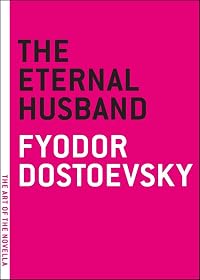
The Eternal Husband
by Fyodor Dostoyevsky 
On This Page
Description
Fyodor Dostoyevsky was born on 11th November 1821. He was introduced to literature very early. At age three, it was heroic sagas, fairy tales and legends. At four his mother used the Bible to teach him to read and write. His immersion in literature was wide and varied. His imagination, he later recalled, was brought to life by his parents' nightly readings. On 27th September 1837 tragedy struck. Dostoyevsky's mother died of tuberculosis. Dostoyevsky and his brother were now enrolled at the show more Nikolayev Military Engineering Institute, their academic studies abandoned for military careers. Dostoyevsky disliked the academy, his interests were drawing and architecture. His father died on 16th June 1839 and perhaps triggered Dostoyevsky's epilepsy. However, he continued his studies, passed his exams and obtained the rank of engineer cadet. Dostoyevsky's first completed work was a translation of Honor de Balzac's novel Eugnie Grandet, published in 1843. It was not successful. He believed his financial difficulties could be overcome by writing his own novel. The result was 'Poor Folk', published in 1846, and a commercial success. His next novel, 'The Double', appeared in January 1846. Dostoyevsky now became immersed in socialism. However, 'The Double' received bad reviews and he now had more frequent seizures. With debts mounting he joined the utopian socialist Betekov circle, which helped him to survive. When that dissolved he joined the Petrashevsky Circle, which proposed social reforms. The Petrashevsky Circle was then denounced and Dostoyevsky accused of reading and distributing banned works. Arrests took place in late April 1849 and its members sentenced to death by firing squad. The Tsar commuted the sentence to four years of exile with hard labour in Siberia. His writings on these prison experiences, 'The House of the Dead' were published in 1861. In Saint Petersburg that September he promised his editor he would deliver 'The Gambler', a novella on gambling addiction, by November, although work had yet to begin. It was completed in a mere 26 days. Other works followed but a different approach helped immensely. In 1873 'Demons' was published by the "Dostoyevsky Publishing Company". Only payment in cash was accepted and the bookshop was the family apartment. It sold around 3,000 copies. However, Dostoyevsky's health continued to decline, and in March 1877 he had four epileptic seizures. In August 1879 he was diagnosed with early-stage pulmonary emphysema. He was told it could be managed, but not cured. On 26th January 1881 Dostoyevsky suffered a pulmonary haemorrhage. After the second the doctors gave a poor prognosis. A third haemorrhage followed shortly afterwards. Fyodor Dostoyevsky died on 9th February, 1881. show lessTags
Recommendations










Member Reviews
This was written at the height of Dostoevsky’s powers, 1869, and it certainly has flashes of greatness. When a man who had an affair with a married woman a decade ago is confronted in the dead of night by her husband after eerily running across him in Petersburg again and again, it reminded me a little of The Double, his second novel. That begins a gradual game of cat and mouse between the two men with guilt running through it ala Raskolnikov and Petrovich in Crime and Punishment, except the cuckolded husband is a rogue himself, mistreating his(?) daughter and being a chaotic nuisance. It’s actually more a battle of wills where both men have elements of each other’s personalities – yin and yang, if you will – but show more interestingly, it’s the “eternal husband” who was cheated on who is actually more reprehensible.
The scene out at the friend’s dacha where the girl is taken, with the two middle-aged men socializing with the young women and the cuckold hoping to marry a 15-year-old, was absolutely brilliant. How the novella resolves itself with the letters and the flash forward was also very well done. I was less enamored with the middle of the book which felt a little repetitive, but it also had its moments, like the scene in the middle of the night with the apparition, which was a nice bit of foreshadowing. Overall, a fine read, and I’m grateful to Melville House for having published it. It would have been helpful had it included some footnotes or endnotes for some of the references in the text, however. show less
The scene out at the friend’s dacha where the girl is taken, with the two middle-aged men socializing with the young women and the cuckold hoping to marry a 15-year-old, was absolutely brilliant. How the novella resolves itself with the letters and the flash forward was also very well done. I was less enamored with the middle of the book which felt a little repetitive, but it also had its moments, like the scene in the middle of the night with the apparition, which was a nice bit of foreshadowing. Overall, a fine read, and I’m grateful to Melville House for having published it. It would have been helpful had it included some footnotes or endnotes for some of the references in the text, however. show less
Dostoevsky’s story explores the relationship between two very different men - Trusotsky seems to be a complete idiot - drunk, feverish and babbling inconsistencies - one of those strange characters that the novels of Dostoevsky are populated with - Velchaninov is the respected, wealthy, bourgeois Petersborg man.
Velchaninov once had an affair with Trusotsky’s wife - she’s now dead and the two men meet many years later. Velchaninov is not sure if Trusotsky knows about the affair and wants to find out more about Trusotsky - Trusotsky on the other hand seems both fascinated and repelled by Velchaninov.
It might be labelled as a comedy - but it’s a black one - it's the unsettling laughter - there’s a very fine line between the show more hilarious and the hysterical and horrific here - the absurd cat-and-mouse psychotic game these two old “friends” have going on escalates and end in a bloody confrontation. show less
Velchaninov once had an affair with Trusotsky’s wife - she’s now dead and the two men meet many years later. Velchaninov is not sure if Trusotsky knows about the affair and wants to find out more about Trusotsky - Trusotsky on the other hand seems both fascinated and repelled by Velchaninov.
It might be labelled as a comedy - but it’s a black one - it's the unsettling laughter - there’s a very fine line between the show more hilarious and the hysterical and horrific here - the absurd cat-and-mouse psychotic game these two old “friends” have going on escalates and end in a bloody confrontation. show less
There is no question that Dostoyevsky is a master, as far as getting inside his protagonist's brain and dissecting it into the most unthinkable yet quite plausible details. I just couldn't help but practically "see" the instances of mental torment as Velchaninov, "a former society man", recollects certain grave indiscretions and even insignificant peccadilloes that humiliate and haunt him relentlessly. It actually makes him physically sick. (Many of us can relate to that, we have all been there - tormented by the past... Not to say that it could ever be to this extent, so sinister - this is Dostoyevsky's realm...). Enter Trusotsky - and mental war begins. Now guilt drives Velchaninov almost to madness and to involuntary decisions of show more repentance at the hand of the person whom he so cruelly cheated long ago. And here's a small paradox - the novella is predictable and unpredictable at the same time. And also a bit stretched out, it seemed. Probably to deepen the sense of no escape. The ending is rather ironic. show less
A restless sense of being adrift plagued me the last few days. Watching American Gods helped. This brilliant novel cauterized my wounds and afforded me some welcome elan.
The Eternal Husband is wicked psychology. One could compare it with Tolstoy's Kreutzer Sonata as case studies on marriage. Dostoevsky appears more concerned with guilt as a driving force in behavior, whereas Lev was perhaps waxing fanciful, but nonetheless he blames the dames. Dostoevsky isn't misogynistic, he aptly fins some people ill disposed to fidelity and others incapable of an effective response to such.
There's much to embrace in these 140 pages, even if one's not blessed with white nights. There's drunkenness and brain fevers. There's even a hanging.
The Eternal Husband is wicked psychology. One could compare it with Tolstoy's Kreutzer Sonata as case studies on marriage. Dostoevsky appears more concerned with guilt as a driving force in behavior, whereas Lev was perhaps waxing fanciful, but nonetheless he blames the dames. Dostoevsky isn't misogynistic, he aptly fins some people ill disposed to fidelity and others incapable of an effective response to such.
There's much to embrace in these 140 pages, even if one's not blessed with white nights. There's drunkenness and brain fevers. There's even a hanging.
There are many books and plays and movies that describe some 'evolving relationship' between two people. The two people typically go through stages: love, admiration, envy, hate, self-realisation, etc. etc. I wonder if I will ever enjoy those stories again: this book is so superior in this respect I can't imagine how I ever enjoyed e.g. Jane Eyre or Still LIfe. It's true that, when you're reading The Eternal Husband, half the time you have no clear idea why Velchaninov and Trusotsky are saying what they're saying or doing what they're doing. But that's the beauty of it: it all makes itself clear at the end, and all those inferior novels that use some variant of Kubler-Ross stages to frame relationships will never satisfy you again.
But show more Dostoevsky is also amazing when he writes big scenes with lots of people. Think of the scene in The Idiot when everyone is competing for Nastasya Filippovna, or the scene in The Brothers Karamazov when Dmitri confronts his father in front of all those people. In The Eternal Husband, the big scene is the party at the Zakhlebinins. Truly wonderful: we almost meet Velchaninov and Trusotsky for the first time as they struggle with each other for attention.
My only reservation is that the first few pages, which explain Velchaninov's present state of mind, only make proper sense when you've finished the book. It's worthwhile rereading those pages after the ending.
The translation I read (Hugh Aplin) was execrable. Avoid it. show less
But show more Dostoevsky is also amazing when he writes big scenes with lots of people. Think of the scene in The Idiot when everyone is competing for Nastasya Filippovna, or the scene in The Brothers Karamazov when Dmitri confronts his father in front of all those people. In The Eternal Husband, the big scene is the party at the Zakhlebinins. Truly wonderful: we almost meet Velchaninov and Trusotsky for the first time as they struggle with each other for attention.
My only reservation is that the first few pages, which explain Velchaninov's present state of mind, only make proper sense when you've finished the book. It's worthwhile rereading those pages after the ending.
The translation I read (Hugh Aplin) was execrable. Avoid it. show less
This is called "the eternal husband" but it's told from the point of view of the "eternal bachelor". In fact the novel opens with him, so right away we know it's really his story and not the eternal husband's. The title could be "what the eternal husband did to the eternal bachelor one hot Petersburg summer". (Strange, one doesn't think of St Petersburg as having hot summers...)
But boy is this one hot! With tempers and passions, turmoils and paranoias!
The eternal husband is that man who is born to be a husband, born to stay by his wife's side, even if she betrays him (which this one does, with our eternal bachelor, among others). (And born to become husband to another, should the first wife be no longer there...)
The eternal bachelor is show more of course the man who never marries.
What happens when the wife of the eternal husband dies, and the eternal husband seeks out the eternal bachelor who was once his wife's lover (does he know, or not?)
That's our story, and it's a modern one, despite having been written in 1871 (in an introduction Alberto Moravia goes so far as to say that it's a typical 20th century comic novel, -- and therefore ahead of its time --, as opposed to the typical 19th century "pathetic" novel). Who says old novels can't speak to our day? (maybe no one, but I definitely hear talk of needing new forms because we live in a new and different age).
There are no cars, no phones, no internet in this book (or forms that speak to those technologies), but it has people, (i.e. us), and people are the same time ever after. show less
But boy is this one hot! With tempers and passions, turmoils and paranoias!
The eternal husband is that man who is born to be a husband, born to stay by his wife's side, even if she betrays him (which this one does, with our eternal bachelor, among others). (And born to become husband to another, should the first wife be no longer there...)
The eternal bachelor is show more of course the man who never marries.
What happens when the wife of the eternal husband dies, and the eternal husband seeks out the eternal bachelor who was once his wife's lover (does he know, or not?)
That's our story, and it's a modern one, despite having been written in 1871 (in an introduction Alberto Moravia goes so far as to say that it's a typical 20th century comic novel, -- and therefore ahead of its time --, as opposed to the typical 19th century "pathetic" novel). Who says old novels can't speak to our day? (maybe no one, but I definitely hear talk of needing new forms because we live in a new and different age).
There are no cars, no phones, no internet in this book (or forms that speak to those technologies), but it has people, (i.e. us), and people are the same time ever after. show less
"... وظیفه اساسی این طور مرد ها این است که "همیشه شوهر" باشند. یا واضح تر بگوییم، در همه زندگیشان فقط شوهر باشند، نه هیچ چیز دیگر. چنین مردی متولد می شود و بزرگ می شود تا یک بار ازوداج کند و بعد ضمیمه و تابع زنش گردد. حتی اگرچه طبیعتی مخصوص به خود داشته باشد. صفت مشخص این چنین شوهری آن است که درست مثل یک زینت رسمی به کار برود."
شنیدن کتاب همیشه شوهر برای من راحت نبود، به سادگی روند داستان از دستم در می رفت. اما با توجه به show more قسمت هایی که تونستم دنبال کنم، باید بگم کتاب خیلی جذاب و با ظرافتی به نظرم اومد.
شروع داستان برخورد پاول پاولویچ که همسرش رو از دست داده با دوست قدیمیش، ولچانینف رو توصیف می کنه. با ادامه دادن داستان متوجه می شیم که گذشته این دو نفر با ناتالیا، همسر سابق پاول پاولویچ گره خورده.
شخصیت کاراکتر ها و از جمله پاول پاولویچ یا "همیشه شوهر" با ظرافت و جزییات خاصی توصیف می شه. کسی که با عاشق شدن، انگار همه حق ها رو به معشوق می ده و هیچ حقی برای خودش قائل نمی شه. شخصیتی که به راحتی گناه همه چیز رو به گردن خودش می اندازه و به همین خاطر به راحتی از حقوق خودش می گذره.
تعداد قابل توجهی از دیالوگ ها دوپهلو و با کنایه هستند. خیلی از تعریف و تمجیدها به نوعی دربردارنده اهانت به طرف مقابل می تونند باشند. شاید بشه گفت اتفاقاتی که در طول داستان می افته، اثر رو به نوعی به مخلوط داستانی تراژدی و کمدی تبدیل می کنه.
"این از آن زن هایی است که به نظر می رسد برای بی وفا بودن زاییده شده اند. این گونه زن ها قبل از ازدواج به این راه نمی افتند. طبیعتشان به طور کلی تقاضا می کند که برای این کار ازدواج کنند. شوهرشان اولین عاشق آن هاست؛ اما فقط بعد از ادواج. هیچ کس به این آسانی و به این مهارت ازدواج نمی کند و شوهر همیشه مسوولیت و جور اولین عاشق را به گردن می گیرد. این زن ها همه چیز را کاملا حق خود تصور می کنند و طبیعتا کاملا خودشان را پاک و بی آلایش می دانند." show less
شنیدن کتاب همیشه شوهر برای من راحت نبود، به سادگی روند داستان از دستم در می رفت. اما با توجه به show more قسمت هایی که تونستم دنبال کنم، باید بگم کتاب خیلی جذاب و با ظرافتی به نظرم اومد.
شروع داستان برخورد پاول پاولویچ که همسرش رو از دست داده با دوست قدیمیش، ولچانینف رو توصیف می کنه. با ادامه دادن داستان متوجه می شیم که گذشته این دو نفر با ناتالیا، همسر سابق پاول پاولویچ گره خورده.
شخصیت کاراکتر ها و از جمله پاول پاولویچ یا "همیشه شوهر" با ظرافت و جزییات خاصی توصیف می شه. کسی که با عاشق شدن، انگار همه حق ها رو به معشوق می ده و هیچ حقی برای خودش قائل نمی شه. شخصیتی که به راحتی گناه همه چیز رو به گردن خودش می اندازه و به همین خاطر به راحتی از حقوق خودش می گذره.
تعداد قابل توجهی از دیالوگ ها دوپهلو و با کنایه هستند. خیلی از تعریف و تمجیدها به نوعی دربردارنده اهانت به طرف مقابل می تونند باشند. شاید بشه گفت اتفاقاتی که در طول داستان می افته، اثر رو به نوعی به مخلوط داستانی تراژدی و کمدی تبدیل می کنه.
"این از آن زن هایی است که به نظر می رسد برای بی وفا بودن زاییده شده اند. این گونه زن ها قبل از ازدواج به این راه نمی افتند. طبیعتشان به طور کلی تقاضا می کند که برای این کار ازدواج کنند. شوهرشان اولین عاشق آن هاست؛ اما فقط بعد از ادواج. هیچ کس به این آسانی و به این مهارت ازدواج نمی کند و شوهر همیشه مسوولیت و جور اولین عاشق را به گردن می گیرد. این زن ها همه چیز را کاملا حق خود تصور می کنند و طبیعتا کاملا خودشان را پاک و بی آلایش می دانند." show less
Members
- Recently Added By
Lists

Russian Literature
184 works; 35 members

19th Century
190 works; 16 members

Books set in Saint Petersburg
16 works; 1 member

Literature About Adultery
69 works; 10 members

My Favorite Russian Novels
37 works; 2 members

Fyodor Dostoevsky books
17 works; 1 member
Author Information

One of the most powerful and significant authors in all modern fiction, Fyodor Dostoevsky was the son of a harsh and domineering army surgeon who was murdered by his own serfs (slaves), an event that was extremely important in shaping Dostoevsky's view of social and economic issues. He studied to be an engineer and began work as a draftsman. show more However, his first novel, Poor Folk (1846), was so well received that he abandoned engineering for writing. In 1849, Dostoevsky was arrested for being a part of a revolutionary group that owned an illegal printing press. He was sentenced to be executed, but the sentence was changed at the last minute, and he was sent to a prison camp in Siberia instead. By the time he was released in 1854, he had become a devout believer in both Christianity and Russia - although not in its ruler, the Czar. During the 1860's, Dostoevsky's personal life was in constant turmoil as the result of financial problems, a gambling addiction, and the deaths of his wife and brother. His second marriage in 1887 provided him with a stable home life and personal contentment, and during the years that followed he produced his great novels: Crime and Punishment (1886), the story of Rodya Raskolnikov, who kills two old women in the belief that he is beyond the bounds of good and evil; The Idiots (1868), the story of an epileptic who tragically affects the lives of those around him; The Possessed (1872), the story of the effect of revolutionary thought on the members of one Russian community; A Raw Youth (1875), which focuses on the disintegration and decay of family relationships and life; and The Brothers Karamazov (1880), which centers on the murder of Fyodor Karamazov and the effect the murder has on each of his four sons. These works have placed Dostoevsky in the front rank of the world's great novelists. Dostoevsky was an innovator, bringing new depth and meaning to the psychological novel and combining realism and philosophical speculation in his complex studies of the human condition. (Bowker Author Biography) show less
Fyodor Dostoyevsky has a Legacy Library. Legacy libraries are the personal libraries of famous readers, entered by LibraryThing members from the Legacy Libraries group.
Some Editions
Awards and Honors
Notable Lists
Series
Belongs to Publisher Series
Work Relationships
Common Knowledge
- Canonical title
- The Eternal Husband
- Original title
- Вечный муж
- Alternate titles*
- Den odödlige äkta mannen
- Original publication date
- 1870 (The Eternal Husband) (The Eternal Husband)
- People/Characters*
- Pavel Pavlovic; Vel'caninov
- Important places*
- St. Petersburg, Russia
- Original language
- Russian
- Disambiguation notice
- This entry represents those works containing only the story "The Eternal Husband". Please do not combine with larger collections.
*Some information comes from Common Knowledge in other languages. Click "Edit" for more information.
Classifications
- Genres
- Fiction and Literature, General Fiction
- DDC/MDS
- 891.733 — Literature & rhetoric Literatures of other languages East Indo-European and Celtic literatures Russian and East Slavic languages Russian fiction 1800–1917
- LCC
- PG3326 .V513 — Language and Literature Slavic languages and literatures. Baltic languages. Albanian language Slavic. Baltic. Albanian Russian literature Individual authors and works 1800-1870 Dostoyevsky
- BISAC
Statistics
- Members
- 1,036
- Popularity
- 24,960
- Reviews
- 28
- Rating
- (3.78)
- Languages
- 21 — Catalan, Czech, Danish, Dutch, English, Finnish, French, German, Greek, Hebrew, Hungarian, Italian, Japanese, Norwegian (Bokmål), Polish, Romanian, Russian, Spanish, Swedish, Turkish, Portuguese (Portugal)
- Media
- Paper, Audiobook, Ebook
- ISBNs
- 108
- ASINs
- 35