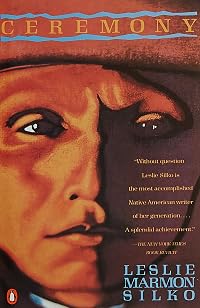
Ceremony
by Leslie Marmon Silko
On This Page
Description
This story, set on an Indian reservation just after World War II, concerns the return home of a war-weary Laguna Pueblo young man. Tayo, a young Native American, has been a prisoner of the Japanese during World War II, and the horrors of captivity have almost eroded his will to survive. His return to the Laguna Pueblo reservation only increases his feeling of estrangement and alienation. While other returning soldiers find easy refuge in alcohol and senseless violence, Tayo searches for show more another kind of comfort and resolution. Tayo's quest leads him back to the Indian past and its traditions, to beliefs about witchcraft and evil, and to the ancient stories of his people. The search itself becomes a ritual, a curative ceremny that defeats the most virulent of afflictions-despair. "Demanding but confident and beautifully written" (Boston Globe), this is the story of a young Native American returning to his reservation after surviving the horrors of captivity as a prisoner of the Japanese during World War II. Drawn to his Indian past and its traditions, his search for comfort and resolution becomes a ritual--a curative ceremony that defeats his despair. show lessTags
Recommendations
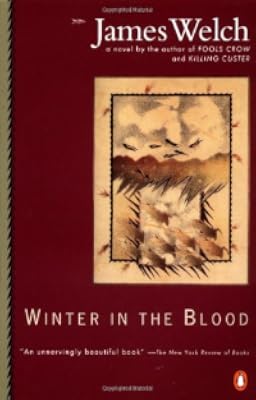
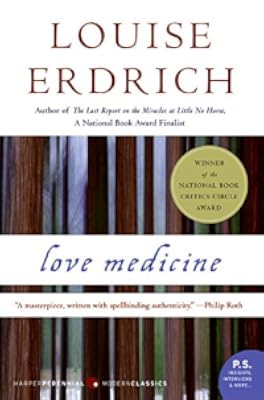
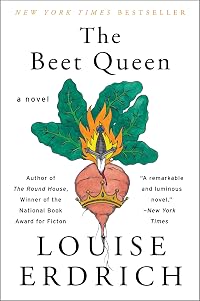
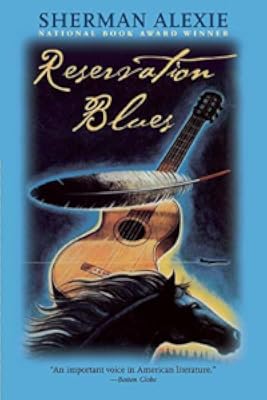





Member Recommendations
Member Reviews
This is a challenging, disturbing read. The main character, Tayo, is an American Indian from the Laguna Pueblo reservation. Convinced by his cousin and best friend, Rocky, he enlists in the Army during WWII. Ultimately both young men are taken prisoner together by the Japanese. The horrors of that experience leave Tayo adrift in a limbo-like state, in an Army mental hospital. When he is discharged, still far from well, he finds himself wavering between a desire to return to the hospital's sterile cold white environment, where he felt invisible yet safe; and a tendency to slip into the false happiness of near-constant drunkenness which some of his old friends and fellow veterans have embraced. Wise women in his family have another plan, show more and hold hope for his redemption, however. They encourage Tayo to seek out a medicine man who can put him in touch with the old ways, and help him complete a journey...a journey which is also a ceremony of deliverance from the evil they know as "witchery"...a journey which may end with a promising sunrise and a form of peace.
I found it difficult to engage with this story at first; I would pick it up, read several pages and find myself totally lost---who is speaking, whose point of view is this, did this happen before or after Tayo went to war? I persisted, not wanting to give up on what I was sure was a significant piece of literature. There were beautiful descriptive passages, and the women intrigued me. A story poem interjected into the text a bit at a time tempted me just to find its parts and read it all at once. (I resisted doing so.) At some point, I found I was invested in Tayo's struggle, and was rooting for him to prevail. I am quite pleased to have stuck with it to the end, although I cannot say I totally grasp all there is in it. There are beautiful moments, even some small measure of hope on an individual scale. I think it is impossible to appreciate Ceremony fully without knowing something of the creation myths and other beliefs of the Pueblo people. Part of Tayo's difficulty is that he himself (in part because he has mixed heritage and has suffered the epithet "half-breed" all his life) neither understands nor accepts the cultural norms so important to his grandmother until he has undertaken his journey and acknowledged the witchery at work in the world. This story can not make sense in the context of European morality; it has to be taken on the characters' terms or left alone. I can admire it without completely understanding it, especially as I assume it was not written for me, a white woman of Anglo-Saxon and Eastern European descent. It is one of those novels that, like much of Faulkner, cannot simply be read, but must be re-read. show less
I found it difficult to engage with this story at first; I would pick it up, read several pages and find myself totally lost---who is speaking, whose point of view is this, did this happen before or after Tayo went to war? I persisted, not wanting to give up on what I was sure was a significant piece of literature. There were beautiful descriptive passages, and the women intrigued me. A story poem interjected into the text a bit at a time tempted me just to find its parts and read it all at once. (I resisted doing so.) At some point, I found I was invested in Tayo's struggle, and was rooting for him to prevail. I am quite pleased to have stuck with it to the end, although I cannot say I totally grasp all there is in it. There are beautiful moments, even some small measure of hope on an individual scale. I think it is impossible to appreciate Ceremony fully without knowing something of the creation myths and other beliefs of the Pueblo people. Part of Tayo's difficulty is that he himself (in part because he has mixed heritage and has suffered the epithet "half-breed" all his life) neither understands nor accepts the cultural norms so important to his grandmother until he has undertaken his journey and acknowledged the witchery at work in the world. This story can not make sense in the context of European morality; it has to be taken on the characters' terms or left alone. I can admire it without completely understanding it, especially as I assume it was not written for me, a white woman of Anglo-Saxon and Eastern European descent. It is one of those novels that, like much of Faulkner, cannot simply be read, but must be re-read. show less
Ceremony is possibly the only book I was forced to read for high school that I still read frequently for pleasure.
Tayo, a Laguna Pueblo veteran, struggles to overcome the events of his Pacific Front service during World War II. Today, we'd probably say he had Post Traumatic Stress Disorder. Back then, they just thought he was crazy. His fellow veterans have resorted to drinking ease their pain, and Tayo joins them until his family sends to a Navajo medicine man, and he realizes exactly what he must do to find healing: to heal himself, he will have to heal the world around him.
However, the witches who started this evil do not want to see it stopped and turned back upon them, and Tayo soon finds that some of his friends are really his show more enemies.
A work of Native American magical realism, I love the way Leslie Marmon Silko weaves in traditional stories and legends with the narrative. Despite the magic and witches, the book is a stark portrayal of Reservation life and Native/White relations in the 1940sand unfortunately, many of the injustices shown still remain with us today.
From my thread: here show less
Tayo, a Laguna Pueblo veteran, struggles to overcome the events of his Pacific Front service during World War II. Today, we'd probably say he had Post Traumatic Stress Disorder. Back then, they just thought he was crazy. His fellow veterans have resorted to drinking ease their pain, and Tayo joins them until his family sends to a Navajo medicine man, and he realizes exactly what he must do to find healing: to heal himself, he will have to heal the world around him.
However, the witches who started this evil do not want to see it stopped and turned back upon them, and Tayo soon finds that some of his friends are really his show more enemies.
A work of Native American magical realism, I love the way Leslie Marmon Silko weaves in traditional stories and legends with the narrative. Despite the magic and witches, the book is a stark portrayal of Reservation life and Native/White relations in the 1940sand unfortunately, many of the injustices shown still remain with us today.
From my thread: here show less
First, I must admit, I knew nothing about Ceremony when I picked it up (via Bookmooch, me'thinks). I was perusing through some forums seeking recommendations for the broad generalization of "magical realism" when this title continued to pop up. See how easily I am sold when on a mission motivated by curiosity.
The cover, normally, would not have appealed to me.
It was short, so I dove right into its pages earlier this year. I'd been through a reading slump of sorts and a smallish book seemed to be what I was looking for. Needless to say I was NOT expecting a journey.
And Ceremony is DEFINITELY a journey.
This book reads like a dream. Even though Tayo is our young narrator, I swear there are moments when I began to believe I was a part of show more the Ceremony. (So yes, think of an academia Nightmare on Elm Street sorta experience or possibly The NeverEnding Story?).
So, what's Ceremony about? In a nutshell, Tayo and his best friend join the military and leave their indian village. The idea of fighting in World War II was not Tayo's idea. He would have been content working within the village. There is definitely an element of "Being an Outsider" that plays into Ceremony time and time again. In this case, Tayo was an outsider because he didn't really want more than what his village offered. His friend, however, knew that the military was his way out.
Unfortunately, Tayo is the only one to return, and much like the other Native Americans in his village back from the Great War, he is considered crazy and a drunkard. Which is only partly true. There are times when he acts crazy. And gets drunk. But only partly.
There's not a lot of time spent on the war (which pleased me because I'm not one to usually read war novels). The war scenes are all done in flashbacks and sometimes flashforwards which makes you feel sometimes lost and other times as though you are on a fast roller coaster without know which side is up. So yeah, kind of like real like, huh?
And then there's the prose....I remember reading somewhere that a whole bunch of Native Americans got their underwear in a wad because they thought Silko was exposing too many sensitive details about their spiritual world and stories. The prose is magical. And the Native American stories within Ceremony are utterly gorgeous.
I know the catch phrase with this book is: it's not only entitled Ceremony, reading it *is* a ceremony. Sounds pretty hokey, yes? I KNOW! But.... but... it's kinda true.
I mentioned earlier that there is definitely an ongoing theme of "Otherness" in Ceremony and it's true. It's everywhere. Tayo, upon his return, is the "Other" who made it back alive. He fights his own demons and then is separate from his own people. Larger than Tayo's singular experience, the idea of "Other" as Native American also presents itself.
Ceremony speaks more about the integration of a culture that was forced out of its land and then made to feel second rate because of it. It's about Tayo coming to terms with his HERITAGE as well as the KILLING of war.
Ultimately, it's a pissed off at the world kinda book that leaves the soul at peace. show less
The cover, normally, would not have appealed to me.
It was short, so I dove right into its pages earlier this year. I'd been through a reading slump of sorts and a smallish book seemed to be what I was looking for. Needless to say I was NOT expecting a journey.
And Ceremony is DEFINITELY a journey.
This book reads like a dream. Even though Tayo is our young narrator, I swear there are moments when I began to believe I was a part of show more the Ceremony. (So yes, think of an academia Nightmare on Elm Street sorta experience or possibly The NeverEnding Story?).
So, what's Ceremony about? In a nutshell, Tayo and his best friend join the military and leave their indian village. The idea of fighting in World War II was not Tayo's idea. He would have been content working within the village. There is definitely an element of "Being an Outsider" that plays into Ceremony time and time again. In this case, Tayo was an outsider because he didn't really want more than what his village offered. His friend, however, knew that the military was his way out.
Unfortunately, Tayo is the only one to return, and much like the other Native Americans in his village back from the Great War, he is considered crazy and a drunkard. Which is only partly true. There are times when he acts crazy. And gets drunk. But only partly.
There's not a lot of time spent on the war (which pleased me because I'm not one to usually read war novels). The war scenes are all done in flashbacks and sometimes flashforwards which makes you feel sometimes lost and other times as though you are on a fast roller coaster without know which side is up. So yeah, kind of like real like, huh?
And then there's the prose....I remember reading somewhere that a whole bunch of Native Americans got their underwear in a wad because they thought Silko was exposing too many sensitive details about their spiritual world and stories. The prose is magical. And the Native American stories within Ceremony are utterly gorgeous.
I know the catch phrase with this book is: it's not only entitled Ceremony, reading it *is* a ceremony. Sounds pretty hokey, yes? I KNOW! But.... but... it's kinda true.
I mentioned earlier that there is definitely an ongoing theme of "Otherness" in Ceremony and it's true. It's everywhere. Tayo, upon his return, is the "Other" who made it back alive. He fights his own demons and then is separate from his own people. Larger than Tayo's singular experience, the idea of "Other" as Native American also presents itself.
Ceremony speaks more about the integration of a culture that was forced out of its land and then made to feel second rate because of it. It's about Tayo coming to terms with his HERITAGE as well as the KILLING of war.
Ultimately, it's a pissed off at the world kinda book that leaves the soul at peace. show less
I feel a little like my previous 5-star ratings have been a bit wasted now that I have read Ceremony. Star-inflation leaves me ill-equipped to convey how much I enjoyed this book — it gave me goosebumps. On its surface, Ceremony is a powerful story about Tayo, a soldier returning home from the Pacific Theater of WWII after spending time in a POW camp. Tayo is a destroyed man who returned to the Laguna Pueblo Reservation in New Mexico to a repetitive existence of sleep, sickness, and guilt that he tries to keep away with drunkenness. He recognizes that in living as he does he is fulfilling one of the worst and most destructive stereotypes of Native Americans — the “drunken Indian.”
The book is also a tale of redemption and show more rebirth through a rediscovery and renewed appreciation of Native American myth and stories and the recognition that these are Tayo’s myths and stories even if, for some people, his mixed heritage positions him in a nowhere-space between White and Native American society. That tale on its own is poignant and well told.
… but what makes this book really special is how Silko uses the form of Native American myth and storytelling to set up layers of interpretation in the book. After finishing a first reading, I can see that she gave instructions to the readers right from the start. From the opening of the book:
She goes on to say that she is about to write about the importance of stories because “You don’t have anything if you don’t have the stories.” The stories are defenses against the “destroyers” —
The stories shared in this book come through many characters’ voices, most notably the medicine-man Betonie, who represents Tayo’s last hope to recover something of himself.
Although I have only read the novel through once, I have already gone back to re-read the embedded stories multiple times. In doing that I have seen how recursive the whole novel is. The events of the novel mirror the stories … or maybe it is Tayo who fits his world to the stories once he has them as a guide. It quickly became clear that this novel can support a literal, an allegorical, and an anagogical (spiritual/mystical) reading at the same time, and the readings are mutually influential and informing. You can get one set of meanings from reading about Tayo and what he has done and then see things in quite another way when looking at the same details allegorically or analogically. This is a book that supports multiple reading.
Simply marvelous. show less
The book is also a tale of redemption and show more rebirth through a rediscovery and renewed appreciation of Native American myth and stories and the recognition that these are Tayo’s myths and stories even if, for some people, his mixed heritage positions him in a nowhere-space between White and Native American society. That tale on its own is poignant and well told.
… but what makes this book really special is how Silko uses the form of Native American myth and storytelling to set up layers of interpretation in the book. After finishing a first reading, I can see that she gave instructions to the readers right from the start. From the opening of the book:
Ts’its’tsi’nako, Thought-Woman,
is sitting in her room
and whatever she thinks about
appears.
She goes on to say that she is about to write about the importance of stories because “You don’t have anything if you don’t have the stories.” The stories are defenses against the “destroyers” —
“Their evil is mighty
but it can’t stand up to our stories.
So they try to destroy the stories
let the stories be confused or forgotten.
They would like that
They would be happy to
Because we would be defenseless then”
The stories shared in this book come through many characters’ voices, most notably the medicine-man Betonie, who represents Tayo’s last hope to recover something of himself.
Although I have only read the novel through once, I have already gone back to re-read the embedded stories multiple times. In doing that I have seen how recursive the whole novel is. The events of the novel mirror the stories … or maybe it is Tayo who fits his world to the stories once he has them as a guide. It quickly became clear that this novel can support a literal, an allegorical, and an anagogical (spiritual/mystical) reading at the same time, and the readings are mutually influential and informing. You can get one set of meanings from reading about Tayo and what he has done and then see things in quite another way when looking at the same details allegorically or analogically. This is a book that supports multiple reading.
Simply marvelous. show less
I like to compare reading Silko to drinking a icy cold glass of limoncello. It is not the kind of thing you gulp down in chug-a-lug like fashion. It is better to take in small sips of the scenes in order to let them slide over your subconscious and filter slowly into your brain. Think of it this way. It is as if you have to give the words time to mellow and ultimately saturate your mind.
First things first. When you get into the plot of Ceremony what you first discover is that Tayo is a complicated character. After being a prisoner of the Japanese during World War II, alcoholism, battle fatigue (now called post traumatic stress disorder), mental illness, and guilt all plague Tayo. It's as if threads of guilt tangle in his mind, show more strangling his ability to comprehend reality, especially when other veterans on the Laguna Pueblo reservation turn to sex, alcohol and violence to cope. Friends are no longer friendly.
Next, what is important to pay attention to are the various timelines. There is the time before the war and the time after at the mental health facility with the timeline with Thought (Spider) Woman, Corn Woman, and Reed Woman. Each timeline dips back and forth throughout the story. Tayo struggles to reconcile what it means to be Native American, with all its traditions and beliefs, with the horrors of war and captivity. How does one as gentle as Tayo forgive himself for being a soldier? "He stepped carefully, pushing the toe of his boot into the weeds first to make sure the grasshoppers were gone before he set his foot down into the crackling leathery stalks of dead sunflowers" (p 155). He can't even inadvertently harm a bug.
Interspersed between the plot are pages of lyrical poetry.
Throughout it all, I found myself weeping for Tayo's lost soul. show less
First things first. When you get into the plot of Ceremony what you first discover is that Tayo is a complicated character. After being a prisoner of the Japanese during World War II, alcoholism, battle fatigue (now called post traumatic stress disorder), mental illness, and guilt all plague Tayo. It's as if threads of guilt tangle in his mind, show more strangling his ability to comprehend reality, especially when other veterans on the Laguna Pueblo reservation turn to sex, alcohol and violence to cope. Friends are no longer friendly.
Next, what is important to pay attention to are the various timelines. There is the time before the war and the time after at the mental health facility with the timeline with Thought (Spider) Woman, Corn Woman, and Reed Woman. Each timeline dips back and forth throughout the story. Tayo struggles to reconcile what it means to be Native American, with all its traditions and beliefs, with the horrors of war and captivity. How does one as gentle as Tayo forgive himself for being a soldier? "He stepped carefully, pushing the toe of his boot into the weeds first to make sure the grasshoppers were gone before he set his foot down into the crackling leathery stalks of dead sunflowers" (p 155). He can't even inadvertently harm a bug.
Interspersed between the plot are pages of lyrical poetry.
Throughout it all, I found myself weeping for Tayo's lost soul. show less
“Everywhere he looked, he saw a world made of stories, the long ago, time immemorial stories...It was a world alive, always changing and moving; and if you knew where to look, you could see it, sometimes imperceptible, like the motion of the stars across the sky.”
“Every day they had to look at the land, from horizon to horizon, and every day the loss was with them; it was the dead unburied, and the mourning of the lost going on forever. So they tried to sink the loss in booze, and silence their grief with war stories about their courage, defending the land they had already lost.”
In the years, immediately after WWII, we are introduced to Tayo, a young Native American, who fought as a Marine in the Pacific and was taken prisoner show more by the Japanese. He returns to his Pueblo reservation, as a shattered man and the novel is about Tayo's long, slow climb out of his own wreckage, using witchcraft and other traditional means to reach this difficult goal.
This is not an easy read. Watching these characters wallow in their suffering and alcohol abuse, can be painful but the narrative brightens as Tayo pulls out of his tailspin and begins to live again and appreciate the loved ones, who have supported him, through his trials. The writing grows stronger as the novel progresses, rewarding the reader, for hanging in there. This will not be for all tastes, but I can appreciate it's lofty position in Native American literature. show less
“Every day they had to look at the land, from horizon to horizon, and every day the loss was with them; it was the dead unburied, and the mourning of the lost going on forever. So they tried to sink the loss in booze, and silence their grief with war stories about their courage, defending the land they had already lost.”
In the years, immediately after WWII, we are introduced to Tayo, a young Native American, who fought as a Marine in the Pacific and was taken prisoner show more by the Japanese. He returns to his Pueblo reservation, as a shattered man and the novel is about Tayo's long, slow climb out of his own wreckage, using witchcraft and other traditional means to reach this difficult goal.
This is not an easy read. Watching these characters wallow in their suffering and alcohol abuse, can be painful but the narrative brightens as Tayo pulls out of his tailspin and begins to live again and appreciate the loved ones, who have supported him, through his trials. The writing grows stronger as the novel progresses, rewarding the reader, for hanging in there. This will not be for all tastes, but I can appreciate it's lofty position in Native American literature. show less
Ceremony is the story of Tayo, a half white, half Navajo veteran of World War II who, after a stay in a California hospital being treated for PTSD (although that term was not in vogue when the novel was written—1977) returns to his childhood home, the Laguna Pueblo reservation in New Mexico. The book is also an allegory of Tayo’s people, both the Navajo of the American Southwest in particular, and of Native Americans more generally (called “Indians” in the novel).
In the war, Tayo fought on an unnamed Pacific island where it rained constantly. His home (just west of Albuquerque) on the other hand, is in the midst of a long term severe drought. Tayo feels some guilt because he prayed for and performed ceremonies to end the rain in show more the Pacific, and he fears that his efforts may have brought the drought to his home.
Tayo’s childhood friends, who also fought in the war, spend much of their time reminiscing about how much respect they got while they were in uniform. That respect contrasts dramatically with the way they are treated now, and they find themselves devolved into an almost constant state of drunkenness. Their fate inspires Tayo think about the tremendous discrimination Native Americans face at the hands of the whites, whom they nevertheless seem to admire.
The narrative oscillates from Tayo’s pre-war youth to the war and to his current situation. Always present is Tayo’s efforts to influence events through prayers and ceremonies. The characters face a constant tension between the Christianity forced upon them by the whites and the ancient stories and beliefs of their ancestors. It Is not clear to me whether the author wants the reader to believe (for purposes of the story) in the efficacy of the ceremonies as actual causes of the events in the novel, but it is very clear that the characters believe in them. It is also clear that Ms. Silko doesn’t put much faith in the whites’ religion, either in the novel or in her own life.
The story takes some unusual turns, and the conclusion is more than a little bizarre. Tayo’s efforts to end the drought have not been successful, and so he believes he must do something extra to complete his ceremony. That something is to incorporate an element of white culture into his rite. He decides that he needs to spend a night in a local abandoned uranium mine and the ceremony will be complete.
Unfortunately, some of his “friends,” one of whom is an avowed enemy from childhood, have their own notions of ceremony that involve a ritual killing of a tribe member, presumably Tayo. The “friends” come looking for Tayo, but can’t find him in the mine. So they decide to kill Tayo’s best friend! From his hiding place, Tayo watches them torture his real friend to death, but, knowing the trouble he would incur, restrains himself from killing their leader in order to save his friend. The white authorities investigate the murder, but are unable to prove a case against the leader. However, the FBI agent investigating the crime knows enough to tell the leader to leave New Mexico and never return. The leader goes off to California, which is significant because that is where Tayo had spent his time recovering in the VA hospital.
In the end, the drought is broken. The reader is left to decide whether the correlation of Tayo’s ceremony was the cause of the end of the drought.
In this summary, the story seems more than a little kooky. However, the book is very well written, including numerous short poems that bring Indian lore to life. In addition, I can attest that its descriptions of the land is very accurate. I read this book in conjunction with Yellow Woman and a Beauty of the Spirit, a collection of non-fiction essays by the same author. The two together provide a bittersweet depiction of Native American life today.
(JAB) show less
In the war, Tayo fought on an unnamed Pacific island where it rained constantly. His home (just west of Albuquerque) on the other hand, is in the midst of a long term severe drought. Tayo feels some guilt because he prayed for and performed ceremonies to end the rain in show more the Pacific, and he fears that his efforts may have brought the drought to his home.
Tayo’s childhood friends, who also fought in the war, spend much of their time reminiscing about how much respect they got while they were in uniform. That respect contrasts dramatically with the way they are treated now, and they find themselves devolved into an almost constant state of drunkenness. Their fate inspires Tayo think about the tremendous discrimination Native Americans face at the hands of the whites, whom they nevertheless seem to admire.
The narrative oscillates from Tayo’s pre-war youth to the war and to his current situation. Always present is Tayo’s efforts to influence events through prayers and ceremonies. The characters face a constant tension between the Christianity forced upon them by the whites and the ancient stories and beliefs of their ancestors. It Is not clear to me whether the author wants the reader to believe (for purposes of the story) in the efficacy of the ceremonies as actual causes of the events in the novel, but it is very clear that the characters believe in them. It is also clear that Ms. Silko doesn’t put much faith in the whites’ religion, either in the novel or in her own life.
The story takes some unusual turns, and the conclusion is more than a little bizarre. Tayo’s efforts to end the drought have not been successful, and so he believes he must do something extra to complete his ceremony. That something is to incorporate an element of white culture into his rite. He decides that he needs to spend a night in a local abandoned uranium mine and the ceremony will be complete.
Unfortunately, some of his “friends,” one of whom is an avowed enemy from childhood, have their own notions of ceremony that involve a ritual killing of a tribe member, presumably Tayo. The “friends” come looking for Tayo, but can’t find him in the mine. So they decide to kill Tayo’s best friend! From his hiding place, Tayo watches them torture his real friend to death, but, knowing the trouble he would incur, restrains himself from killing their leader in order to save his friend. The white authorities investigate the murder, but are unable to prove a case against the leader. However, the FBI agent investigating the crime knows enough to tell the leader to leave New Mexico and never return. The leader goes off to California, which is significant because that is where Tayo had spent his time recovering in the VA hospital.
In the end, the drought is broken. The reader is left to decide whether the correlation of Tayo’s ceremony was the cause of the end of the drought.
In this summary, the story seems more than a little kooky. However, the book is very well written, including numerous short poems that bring Indian lore to life. In addition, I can attest that its descriptions of the land is very accurate. I read this book in conjunction with Yellow Woman and a Beauty of the Spirit, a collection of non-fiction essays by the same author. The two together provide a bittersweet depiction of Native American life today.
(JAB) show less
Members
- Recently Added By
Lists

Classics you know you should have read but probably haven't
421 works; 408 members

Native American / Indigenous Literature
172 works; 99 members

magic realism novels
44 works; 11 members

50 Books by Women Authors
50 works; 10 members

1970s
657 works; 23 members

Literature by People of Color
81 works; 9 members

500 Great Books by Women
507 works; 60 members

Top 100 books by Indigenous Masters
134 works; 7 members

Best Mythic Fiction
35 works; 6 members
The College Board: 101 Great Books Recommended for College-Bound Readers
111 works; 7 members

The American West
18 works; 2 members

Powell's 50 Books for 50 Years
50 works; 4 members
Literary Travelogue of the United States Challenge
133 works; 6 members

Undiscovered Classics to Read
70 works; 15 members

GeoCAT 2016
15 works; 1 member

Books Set in New Mexico
15 works; 4 members

Books Read in 2016
4,666 works; 199 members

Myth (Reuse and Retelling)
188 works; 24 members

Literary Witches
86 works; 4 members

American Lit for Eng 11 Research Project
368 works; 6 members

Required Reading Summer Reading 23
16 works; 2 members

20th-Century American Women Writers Reading List
15 works; 1 member

DigitalDreamDoor top 300
300 works; 4 members

The Atlantic's The Great American Novel
136 works; 12 members

Totally Biased List of Tookie’s Favorite Books
10 works; 1 member

Best of Native American Literature
11 works; 2 members

AP Lit
363 works; 6 members

Global Reads: Books by American Authors
10 works; 1 member

Indigenous America Reader
145 works; 12 members

Must-Read Books About the Southwest
98 works; 2 members

Literary Works Read in College
316 works; 15 members

Reading LIst
648 works; 1 member
Author Information

22+ Works 6,853 Members
Leslie Marmon Silko was born in 1948 in Albuquerque, New Mexico. Growing up on a reservation, she went to Bureau of Indian Affairs schools before attending the University of New Mexico. She taught at the Navajo Community College in Arizona and is a professor of English at the University of Arizona, Tucson. Marmon has written short stories, poetry, show more plays and novels. Her books include Laguna Woman, Ceremony and Yellow Woman. (Bowker Author Biography) show less
Some Editions
Awards and Honors
Awards
Series
Belongs to Publisher Series
Work Relationships
Is abridged in
Has as a study
Has as a commentary on the text
Has as a student's study guide
Common Knowledge
- Canonical title
- Ceremony
- Original title
- Ceremony
- Original publication date
- 1977
- People/Characters
- Tayo
- Important places
- Laguna Pueblo; New Mexico, USA
- Dedication
- This book is dedicated to my grandmothers, Jessie Goddard Leslie and Lillie Stagner Marmon, and to my sons, Robert William Chapman and Cazimir Silko
Thanks to the Rosewater Foundation-on-Ketchikan Creek, Alaska, for th... (show all)e artist's residence they generously provided. Thanks also to the National Endowment for the Arts and the 1974 Writing Fellowship.
John and Mei-Mei: My love and my thanks to you for keeping me going all the time. - First words
- Ts'its'tsi'nako, Thought-Woman
is sitting in her room
and whatever she thinks about
appears. - Last words
- (Click to show. Warning: May contain spoilers.)Sunrise,
accept this offering,
Sunrise. - Original language
- English
Classifications
Statistics
- Members
- 4,088
- Popularity
- 3,783
- Reviews
- 68
- Rating
- (3.85)
- Languages
- 9 — Danish, Dutch, English, Finnish, French, German, Italian, Norwegian (Bokmål), Spanish
- Media
- Paper, Audiobook, Ebook
- ISBNs
- 42
- ASINs
- 21