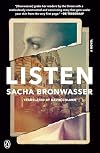
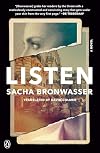
Luister
by Sacha Bronwasser
On This Page
Description
"A twisty, slow-burn mystery set in Paris and the Netherlands that has become a Dutch sensation"-- Provided by publisher.Tags
Recommendations































Member Recommendations

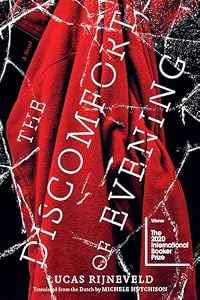
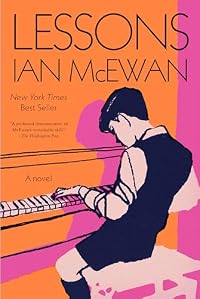
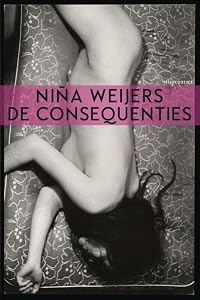
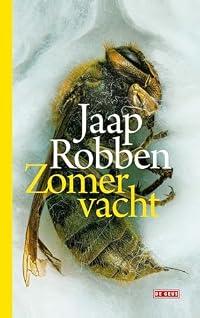
EMS_24 Seeking artistic au pairs in Paris, reconstructing what did happen.
Member Reviews
Set against the unnerving backdrop of Paris during the 80’s wave of bombings, the novel derives much of its power from atmosphere. There’s a persistent sense of unease, a feeling that something is always about to rupture. Bronwasser uses this tension skillfully, not just as historical texture but as a structural device. Her use of foreshadowing is particularly effective—small, almost offhand details accrue meaning as the story unfolds, giving the plot a sense of inevitability without ever feeling predictable. Bronwasser then deftly embeds ideas about memory, agency, coincidence and fate within a tightly controlled, suspenseful narrative that rarely loses its grip on the reader.
At the center of the novel is Marie, whose show more relationship with Flo becomes the book’s emotional and thematic core. The unsettling dynamic between them involves Marie’s gradual realization that she has been used—subtly, almost imperceptibly at first. This mirrors the broader social structure of au pairs serving wealthy families. What initially appears as opportunity and cultural exchange reveals itself as a more transactional, even exploitative arrangement. In that sense, Marie’s personal story becomes a kind of microcosm for a larger imbalance of power. Rather than framing Marie simply as a victim, Bronwasser allows for a more complicated arc—one that edges toward reclamation, even if it occasionally seems like revenge. This is where the novel most convincingly engages with its theme of the line between being seen and being used, between passivity and action.
The meaning of the novel’s title may suffer somewhat from translation. As a non-Dutch speaker, I can’t speak to that. Yet, the English title still aligns closely with the novel’s core concerns. Marie is, in many ways, someone who listens—to others, to situations, to the unspoken dynamics around her—before she fully understands what she’s absorbing. Her vulnerability stems partly from this openness: she is perceptive, but not always critical of what she perceives. Flo, by contrast, is someone who uses that attentiveness, shaping and directing Marie’s awareness for her own ends. The English “Listen” sounds almost like a command, even a warning. That actually complements the novel’s tension and sense of foreboding—but it tilts the meaning toward urgency rather than any nuance that may exist in the original Dutch word.
Philippe’s “gift” for sensing danger is one of the novel’s more intriguing elements. It works less as a supernatural trait than as a heightened form of awareness that contrasts sharply with Marie’s way of moving through the world. Thematically, Philippe embodies one possible answer to the novel’s larger questions about perception and agency. If Marie’s arc explores what happens when perception turns inward and becomes complicity, Philippe suggests the opposite risk: that acute awareness can lead to distance, caution, even a kind of quiet disengagement. In effect, Phillippe serves as a counterpoint to Marie. With him, Bronwasser is asking whether recognizing danger is enough, or whether, like Marie eventually learns, recognition has to be paired with a willingness to act, even at personal cost.
If the mystery has shortcomings, it may be in not fully realizing all of the philosophical questions it raises. Readers looking for a more overtly intellectual exploration of these ideas may find themselves wanting more. Still, “Listen” succeeds where it matters most: as a gripping, psychologically astute novel that builds tension with precision and delivers a resonant, if understated, thematic payoff. show less
At the center of the novel is Marie, whose show more relationship with Flo becomes the book’s emotional and thematic core. The unsettling dynamic between them involves Marie’s gradual realization that she has been used—subtly, almost imperceptibly at first. This mirrors the broader social structure of au pairs serving wealthy families. What initially appears as opportunity and cultural exchange reveals itself as a more transactional, even exploitative arrangement. In that sense, Marie’s personal story becomes a kind of microcosm for a larger imbalance of power. Rather than framing Marie simply as a victim, Bronwasser allows for a more complicated arc—one that edges toward reclamation, even if it occasionally seems like revenge. This is where the novel most convincingly engages with its theme of the line between being seen and being used, between passivity and action.
The meaning of the novel’s title may suffer somewhat from translation. As a non-Dutch speaker, I can’t speak to that. Yet, the English title still aligns closely with the novel’s core concerns. Marie is, in many ways, someone who listens—to others, to situations, to the unspoken dynamics around her—before she fully understands what she’s absorbing. Her vulnerability stems partly from this openness: she is perceptive, but not always critical of what she perceives. Flo, by contrast, is someone who uses that attentiveness, shaping and directing Marie’s awareness for her own ends. The English “Listen” sounds almost like a command, even a warning. That actually complements the novel’s tension and sense of foreboding—but it tilts the meaning toward urgency rather than any nuance that may exist in the original Dutch word.
Philippe’s “gift” for sensing danger is one of the novel’s more intriguing elements. It works less as a supernatural trait than as a heightened form of awareness that contrasts sharply with Marie’s way of moving through the world. Thematically, Philippe embodies one possible answer to the novel’s larger questions about perception and agency. If Marie’s arc explores what happens when perception turns inward and becomes complicity, Philippe suggests the opposite risk: that acute awareness can lead to distance, caution, even a kind of quiet disengagement. In effect, Phillippe serves as a counterpoint to Marie. With him, Bronwasser is asking whether recognizing danger is enough, or whether, like Marie eventually learns, recognition has to be paired with a willingness to act, even at personal cost.
If the mystery has shortcomings, it may be in not fully realizing all of the philosophical questions it raises. Readers looking for a more overtly intellectual exploration of these ideas may find themselves wanting more. Still, “Listen” succeeds where it matters most: as a gripping, psychologically astute novel that builds tension with precision and delivers a resonant, if understated, thematic payoff. show less
This novel was first published in Dutch in 2023 (Luister).
The narrator is Marie living in Paris in September of 2021. She looks back at her life as a young woman in the 1980s. She addresses her story to Flo (Florence de Silva), one of Marie’s photography instructors who took a special interest in her when she was a student at an unnamed university in the Netherlands. Marie begins by stating that every story rests on three points and the three points in the story she is going to tell are Philippe Lambert, Flo, and herself.
She begins with Philippe Lambert, a middle manager living in Paris, who has the curse of foreknowledge: he is able to anticipate impending disaster though he cannot do anything to stop it. Marie focuses on the show more events of 1986 when Paris is experiencing a wave of terrorist attacks and Philippe and his wife Laurence hire Eloïse, a young German girl, as an au pair for their son Nicolas.
Then the narrative switches to 1989. Marie, after abandoning her studies, moves to Paris and becomes an au pair for the Lamberts who now have two sons. Flo’s story is set in 2015 and ends with the November 2015 Paris attacks which bring together the stories of the three characters.
Throughout, there are questions which pique the reader’s interest. What happened between Flo and Marie that resulted in her leaving school and escaping to Paris? Why does Philippe react so strongly when he first meets Eloïse and why does he behave so strangely around her? What happened to Flo during the terrorist attacks? How do the stories of the three come together?
Of course, the seemingly disparate stories do come together and in such a way that one cannot but be impressed by the intricate and masterful plotting. I think this book offers rewards to those who have the time to re-read it. A quick re-reading of the prologue, for instance, has snippets like these in which Marie directly addresses Flo: “I didn’t see your face among the talking heads. Your story wasn’t told; you’ve always remained silent. Again, those images, but you will never see them” and “You’ll have to make time for [our story] too. Listen.” Only after knowing what happens did I fully appreciate the meaning of these words.
The title is perfect. There’s Marie telling Flo to listen to her story. There’s Philippe who has no choice but to listen to his fears, though when he tries to warn others of impending danger, “nobody wanted to listen.” There’s Marie listening to a new language when she first arrives in Paris and what happens when she finally discovers she understands French conversation. And then there’s the ending which adds so much to the relevance of the title.
There are a number of themes, but the one that stood out for me is the issue of appropriation of people’s stories. Flo argues that “It’s not up to us to form a moral judgment about how far a photographer is allowed to go. If you really want to say something, you have to be shameless.” The philosopher Roland Barthes is quoted as saying that photographs are dangerous and gluttonous because “They turn the photographed person into an object. What is an object? A thing, something, without a soul.” And then there’s the question of whether Marie reclaims her agency, her story, and appropriates Flo’s.
This is a thought-provoking read which I think would impress even more on a second reading.
Note: I received an eARC from the publisher via NetGalley.
Please check out my reader's blog (https://schatjesshelves.blogspot.com/) or substack (https://doreenyakabuski.substack.com/) for over 1,200 of my book reviews. show less
The narrator is Marie living in Paris in September of 2021. She looks back at her life as a young woman in the 1980s. She addresses her story to Flo (Florence de Silva), one of Marie’s photography instructors who took a special interest in her when she was a student at an unnamed university in the Netherlands. Marie begins by stating that every story rests on three points and the three points in the story she is going to tell are Philippe Lambert, Flo, and herself.
She begins with Philippe Lambert, a middle manager living in Paris, who has the curse of foreknowledge: he is able to anticipate impending disaster though he cannot do anything to stop it. Marie focuses on the show more events of 1986 when Paris is experiencing a wave of terrorist attacks and Philippe and his wife Laurence hire Eloïse, a young German girl, as an au pair for their son Nicolas.
Then the narrative switches to 1989. Marie, after abandoning her studies, moves to Paris and becomes an au pair for the Lamberts who now have two sons. Flo’s story is set in 2015 and ends with the November 2015 Paris attacks which bring together the stories of the three characters.
Throughout, there are questions which pique the reader’s interest. What happened between Flo and Marie that resulted in her leaving school and escaping to Paris? Why does Philippe react so strongly when he first meets Eloïse and why does he behave so strangely around her? What happened to Flo during the terrorist attacks? How do the stories of the three come together?
Of course, the seemingly disparate stories do come together and in such a way that one cannot but be impressed by the intricate and masterful plotting. I think this book offers rewards to those who have the time to re-read it. A quick re-reading of the prologue, for instance, has snippets like these in which Marie directly addresses Flo: “I didn’t see your face among the talking heads. Your story wasn’t told; you’ve always remained silent. Again, those images, but you will never see them” and “You’ll have to make time for [our story] too. Listen.” Only after knowing what happens did I fully appreciate the meaning of these words.
The title is perfect. There’s Marie telling Flo to listen to her story. There’s Philippe who has no choice but to listen to his fears, though when he tries to warn others of impending danger, “nobody wanted to listen.” There’s Marie listening to a new language when she first arrives in Paris and what happens when she finally discovers she understands French conversation. And then there’s the ending which adds so much to the relevance of the title.
There are a number of themes, but the one that stood out for me is the issue of appropriation of people’s stories. Flo argues that “It’s not up to us to form a moral judgment about how far a photographer is allowed to go. If you really want to say something, you have to be shameless.” The philosopher Roland Barthes is quoted as saying that photographs are dangerous and gluttonous because “They turn the photographed person into an object. What is an object? A thing, something, without a soul.” And then there’s the question of whether Marie reclaims her agency, her story, and appropriates Flo’s.
This is a thought-provoking read which I think would impress even more on a second reading.
Note: I received an eARC from the publisher via NetGalley.
Please check out my reader's blog (https://schatjesshelves.blogspot.com/) or substack (https://doreenyakabuski.substack.com/) for over 1,200 of my book reviews. show less
Excellent and engrossing literary fiction. It's immersive and suspenseful in an unusual way, as we readers are plunged into a story that we don't understand, even though we know the tale will be discomfiting, and we feel the unease. Everything in the text feels pared and purposeful. One note, however: it seems to marketed in the US as a mystery, but it's not a crime novel.
Een boek om nog eens te herlezen. In één keer heb je niet goed in de gaten hoe het in elkaar zit, veel lagen en het verhaal is mooi afgerond. Geschreven als een gesproken boek.
Als kunstcritica is Sacha Bronwasser vertrouwd met goed kijken en beschrijven.
Luister is goed geschreven, mooi gecomponeerd. Kijken en nog 'ns kijken, daarna je wereld beschrijven. In het eerste deel moest ik zelfs daardoor aan Perec denken, met daarin ook een verwijzing naar parc Monceau. Had het boek ook 'Kijk' kunnen heten? Een lange brief aan een fotografe, toch wel.
Met: De achtergrond van P. Het hoofdstuk in Amsterdam waar F. een mis- en vormende rol heeft. Alles wat er beschreven is zie je later op een andere manier terug. Jaren '80. Door het lezen was ik even een paar dagen met het hoofd in Parijs. . En dan heb je nog ergens de gelukkige zomer met.. uit N. ze dumpt hem, hoe leg ik dat ut? heeft ze geleerd dat zaken moeten show more schuren? Sterk: Terugkomende elementen en personages. Een dreiging, de groeiende au pair die haar weg zoekt, die behandeld wordt als een nuttig object, de metro, foto's, de straten van de stad benoemd. Mooi als M. zich bevrijd, de moderne basisvormen van de stad vastlegt als zij zich eindelijk vrij genoeg voelt om met de peuter kriskras plekken te bezoeken. Hihi een piramide heeft meerdere driehoeken.. In de entourage een voor de buitenwereld geslaagd gezin met carrières waar je ook het leven achter de voordeur van ziet. De bezette Parisienne L. en P. die niet anders kan zijn dan hij is en uiteindelijk M. een nuttige raad geeft....:
Ik leg in gedachten de verhalen op elkaar, als foto's op transparant kunststof, met uitsparingen, samen een compleet beeld.
Het is prettig, net spannend genoeg, knappe opbouw, overtuigend (zie andere recensies), goed, net wat minder spannend vind ik de eerste tijd van Eloïse beschreven, een gewoon au pair-leven.
"Een foto, citeerde jij uit een klein boekje van filosoof Roland Barthes terwijl je een en weer liep voor de klas, 'is gevaarlijk'. Foto's zijn vraatzcuhtig, zei hij.Ze maken de gefotografeerde tot object." Wat is een object? Een voorwerp zonder ziel. Het was eigenlijk zo simpel, Je had het al aangekondigd, maar ik begreep het pas toen het gebeurd was." show less
Luister is goed geschreven, mooi gecomponeerd. Kijken en nog 'ns kijken, daarna je wereld beschrijven. In het eerste deel moest ik zelfs daardoor aan Perec denken, met daarin ook een verwijzing naar parc Monceau. Had het boek ook 'Kijk' kunnen heten? Een lange brief aan een fotografe, toch wel.
Met: De achtergrond van P. Het hoofdstuk in Amsterdam waar F. een mis- en vormende rol heeft. Alles wat er beschreven is zie je later op een andere manier terug. Jaren '80. Door het lezen was ik even een paar dagen met het hoofd in Parijs. . En dan heb je nog ergens de gelukkige zomer met.. uit N. ze dumpt hem, hoe leg ik dat ut? heeft ze geleerd dat zaken moeten show more schuren? Sterk: Terugkomende elementen en personages. Een dreiging, de groeiende au pair die haar weg zoekt, die behandeld wordt als een nuttig object, de metro, foto's, de straten van de stad benoemd. Mooi als M. zich bevrijd, de moderne basisvormen van de stad vastlegt als zij zich eindelijk vrij genoeg voelt om met de peuter kriskras plekken te bezoeken. Hihi een piramide heeft meerdere driehoeken.. In de entourage een voor de buitenwereld geslaagd gezin met carrières waar je ook het leven achter de voordeur van ziet. De bezette Parisienne L. en P. die niet anders kan zijn dan hij is en uiteindelijk M. een nuttige raad geeft....:
Ik leg in gedachten de verhalen op elkaar, als foto's op transparant kunststof, met uitsparingen, samen een compleet beeld.
Het is prettig, net spannend genoeg, knappe opbouw, overtuigend (zie andere recensies), goed, net wat minder spannend vind ik de eerste tijd van Eloïse beschreven, een gewoon au pair-leven.
"Een foto, citeerde jij uit een klein boekje van filosoof Roland Barthes terwijl je een en weer liep voor de klas, 'is gevaarlijk'. Foto's zijn vraatzcuhtig, zei hij.Ze maken de gefotografeerde tot object." Wat is een object? Een voorwerp zonder ziel. Het was eigenlijk zo simpel, Je had het al aangekondigd, maar ik begreep het pas toen het gebeurd was." show less
Jun 10, 2024Dutch
1
Prachtig geschreven. Met veel verschillende laagjes, over hoe de werkelijkheid gevormd wordt door taal, door beeld. En is dat dan de werkelijkheid?
‘De mensen zien wat ze verwachten, wat ze willen zien. Al het andere komt ze tegennatuurlijk voor en daar zoeken ze bewijs voor,’
en:
“Het was kennis, min of meer betrouwbaar,” min of meer!
(p. 204)
‘De mensen zien wat ze verwachten, wat ze willen zien. Al het andere komt ze tegennatuurlijk voor en daar zoeken ze bewijs voor,’
en:
“Het was kennis, min of meer betrouwbaar,” min of meer!
(p. 204)
Nov 6, 2023Dutch
De vorm van de roman is verrassend, maar wel erg goed. Het begin komt via een mooie omweg terug naar het einde. Natuurlijk is het verhaal onwaarschijnlijk, maar toch voel je mee met de personen die worden beschreven. Het noodlot speelt een rol en ook de zoektocht naar wie je bent. Die zoektocht is relevant als je jong bent. En die zoektocht gaat met ups en downs. Maar ook het leven in Frankrijk met het belang van maatschappelijke status wordt mooi beschreven. Hier en daar wat onlogische wendingen, met name de scheding had wat meer diepgang verdiend.
Oct 20, 2025Dutch
Members
- Recently Added By
Lists

Books Read in 2023
5,547 works; 144 members

Top Five Books of 2024
795 works; 264 members

De 50 beste Nederlandstalige boeken van de 21ste eeuw (De Standaard)
50 works; 1 member
Author Information

4+ Works 200 Members
Awards and Honors
Awards
Distinctions
Common Knowledge
- Canonical title*
- Luister
- Original title
- Luister
- Original publication date
- 2023
- People/Characters
- Marie; Flo; Philippe Lambert; Eloise
- Important places
- Paris, France
- Important events
- Aanslagen Parijs (1986)
- Dedication*
- 'Mijn dank gaat uit naar de mensen die het juiste vroegen, opmerkten, aanboden en deden: Harold de Croon, Merel Bem, Hans Jansen, Jeroen Stout en Ineke Smits, Fiona Tan. Zonder jullie was dit boek er niet. En ik bedank Par... (show all)ijs, de onuitputtelijke.'
- First words*
- Parijs, september 2021
'Het nieuws reisde snel, zoals dat soort nieuws doet' - Last words*
- (Click to show. Warning: May contain spoilers.)Het is gezien, het is verteld, en nu bestaat het.
- Publisher's editor*
- Ambo|Anthos, Amsterdam
- Original language
- Dutch
- Canonical DDC/MDS
- 839.3137
*Some information comes from Common Knowledge in other languages. Click "Edit" for more information.
Classifications
- Genres
- General Fiction, Fiction and Literature
- DDC/MDS
- 839.3137 — Literature & rhetoric German & related literatures Other Germanic literatures Netherlandish literatures Dutch Dutch fiction 21st Century
- LCC
- PT5882.12 .R66 .L8513 — Language and Literature German, Dutch and Scandinavian literatures Dutch literature 2001-
- BISAC
Statistics
- Members
- 156
- Popularity
- 208,940
- Reviews
- 11
- Rating
- (3.83)
- Languages
- Dutch, English
- Media
- Paper, Ebook
- ISBNs
- 9
- ASINs
- 2